Knee

The Complete Guide to ACL Recovery: What to Expect on Your Journey Back

Hafiz Damji PT
February 12, 2026
5mins

Hey there! If you're reading this, chances are you or someone you know is dealing with an ACL injury. Here at Vaughan Physiotherapy Clinic, we've helped countless patients through their ACL recovery journey. We put together this comprehensive guide to help you understand what lies ahead on your road to recovery. Let's break down this journey into manageable steps and talk about what really matters at each stage.
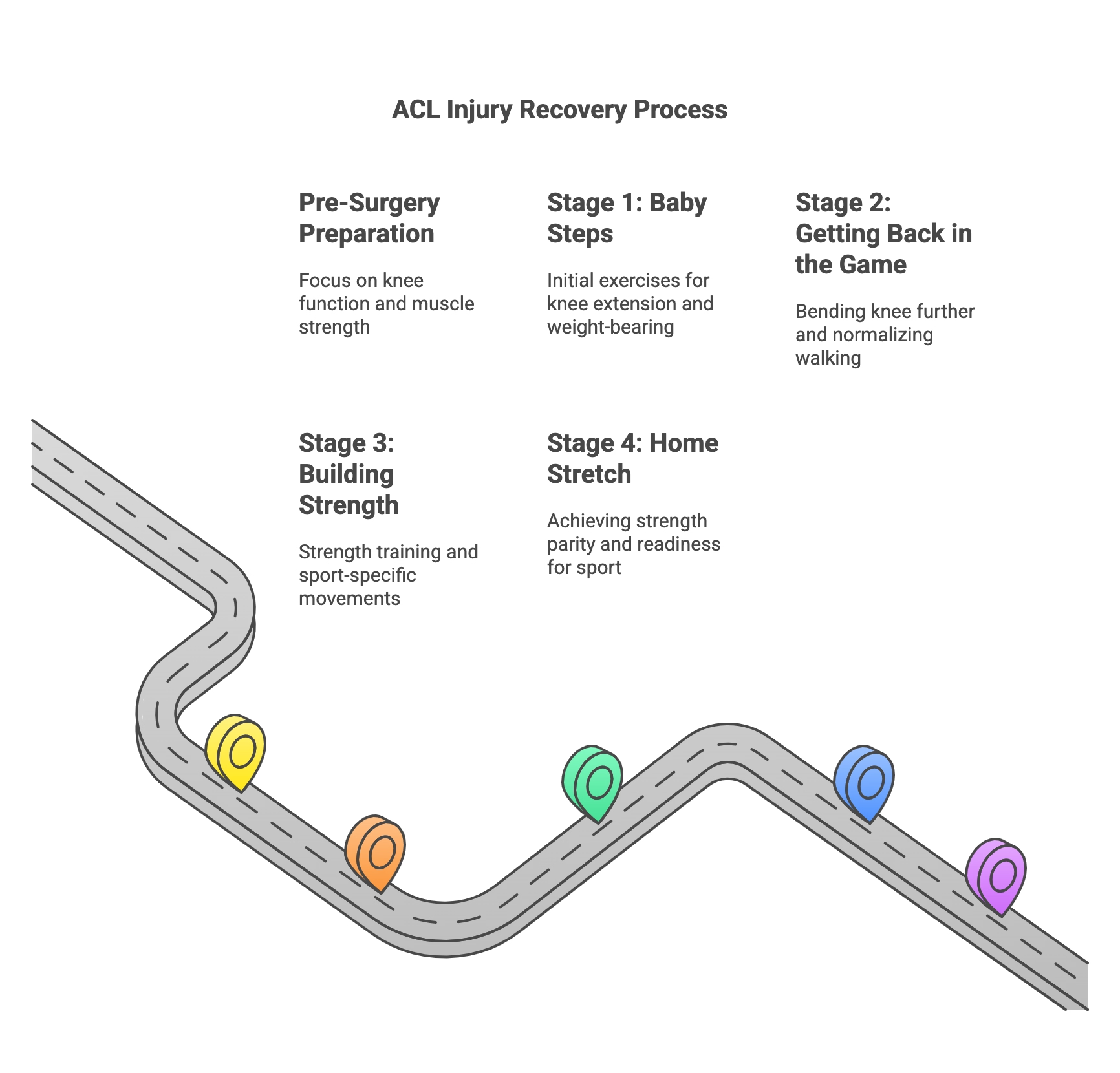
Diagram describing ACL injury recovery process

Before Surgery: Setting Yourself Up for Success

Diagram describing pre-surgery preparation for knee health

The work begins even before you head into surgery! This prep phase is super important and can actually impact how well you recover later on. Here's what you need to focus on:

Think of this as your pre-game warmup. At Vaughan Physiotherapy Clinic, our team will check a few key things:

  • How well your knee extends (straightens out)
  • The strength of your quad and hamstring muscles
  • Your overall knee function

Pro tip: If your doctor recommends "prehab" (pre-surgery rehabilitation), take it seriously! Research shows it can improve your knee function for up to two years after surgery. Plus, you'll learn crucial skills like using crutches and basic exercises that you'll need post-surgery.

Stage 1: Baby Steps

These initial weeks are all about the basics. Don't worry – while it might feel slow, you're laying the groundwork for a solid recovery.

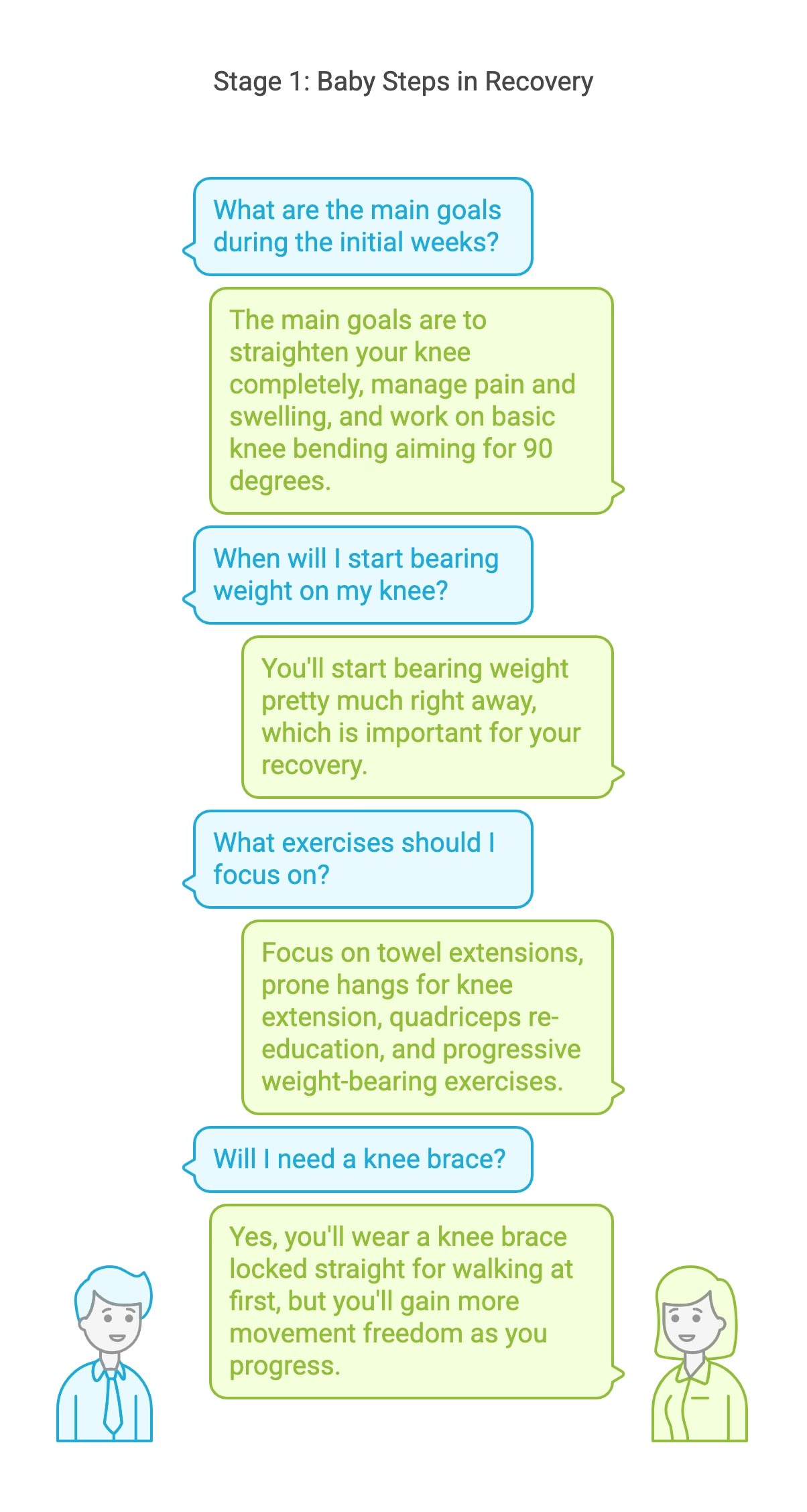
Your main goals:

  • Getting your knee to straighten completely (super important!)
  • Managing pain and swelling (ice will become your best friend)
  • Working on basic knee bending (aiming for 90 degrees)

You'll start bearing weight pretty much right away, which might sound scary but is actually really important for your recovery. Our physiotherapists will teach you how to:
  • Do proper quad exercises
  • Lift your leg straight up without your knee sagging
  • Handle your home exercise routine
Diagram with some questions for first stage of recovery

Exercise you could try in this stage:
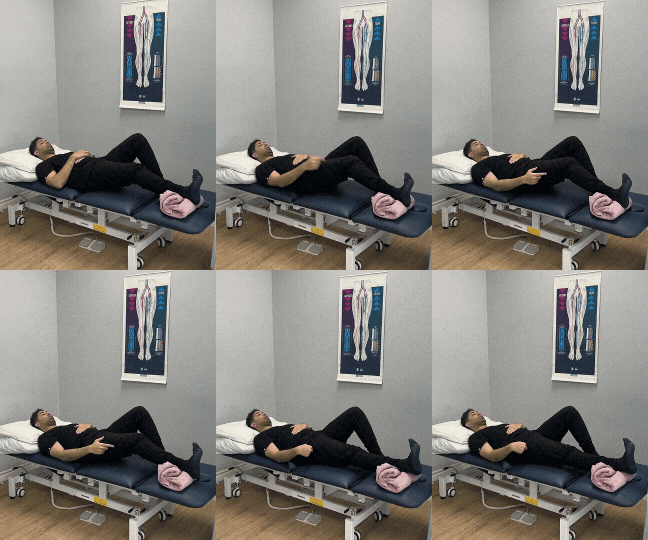
  • Towel extensions and prone hangs are essential for achieving full passive knee extension.
  • Quadriceps re-education, including quad sets with EMS or EMG, is important to prevent quadriceps inhibition and restore muscle activation
  • Progressive weight-bearing, starting immediately, promotes knee extension and helps to prevent quadriceps inhibition. It progresses from partial weight-bearing to weight-bearing as tolerated, using crutches with the brace locked at 0°.
Therapist demonstrating towel extensions exerciseType image caption here (optional)

Quick heads up: You'll be wearing a knee brace locked straight for walking at first. Don't worry – you'll get more freedom of movement once you can lift your leg properly without pain.

Stage 2: Getting Back in the Game

Now we're talking! This is when things start getting more interesting. Your goals are getting bigger:
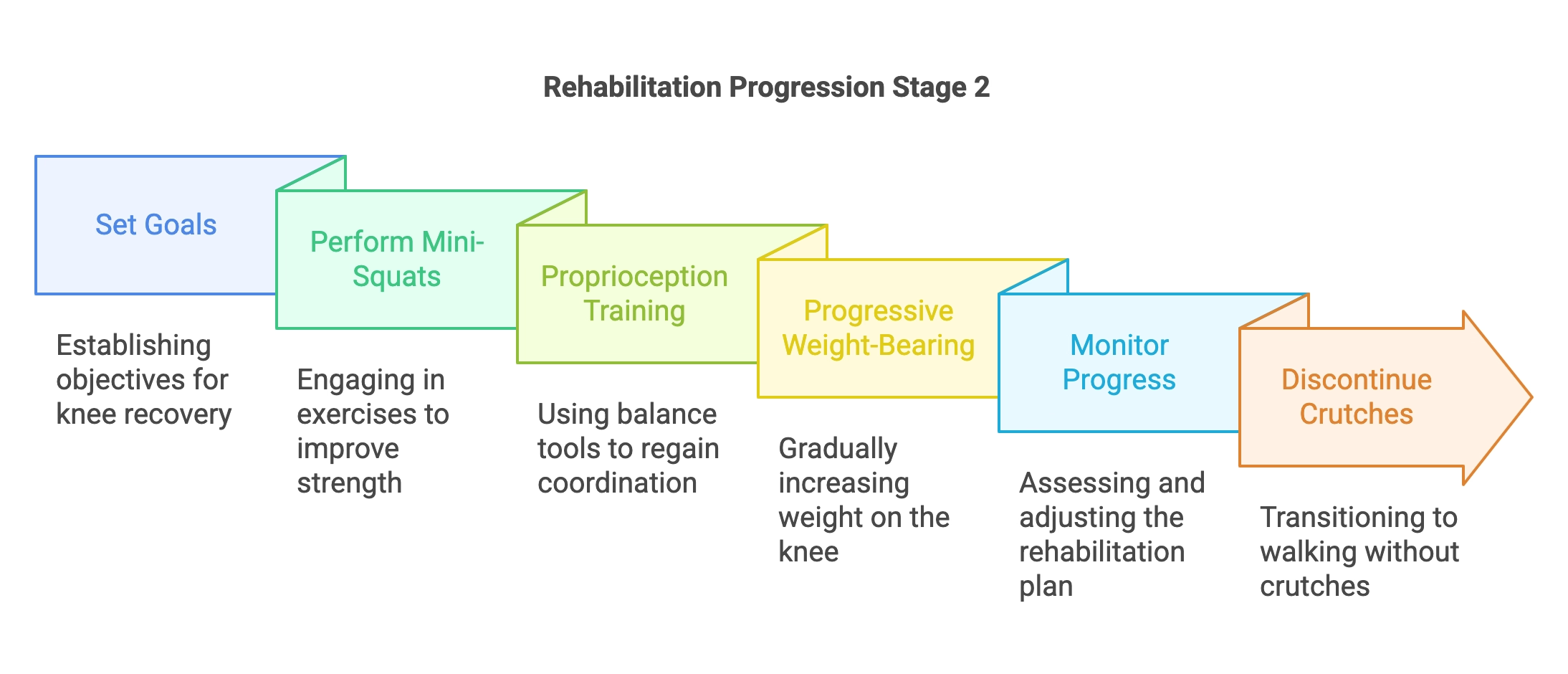
  • Working on bending your knee further (up to 130 degrees)
  • Getting back to walking normally
  • Managing stairs (starting with going up)
Diagram describing ACL injury recovery stage 2

Exercise you could try in this stage:
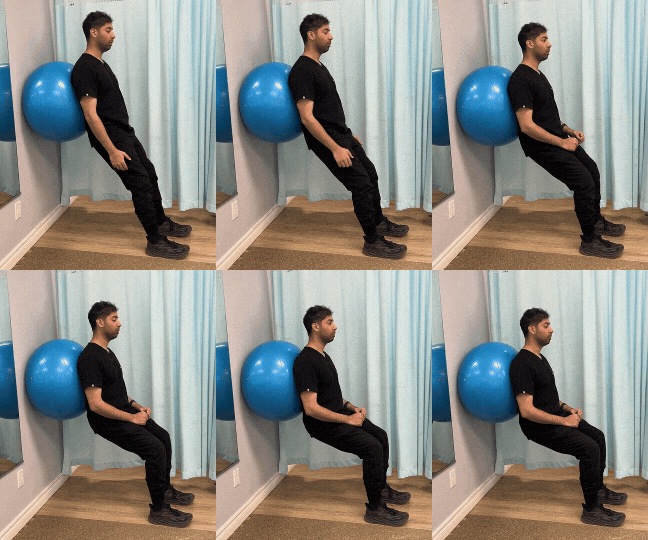
  • Mini-squats and weight shifts are essential to improve strength and stability.
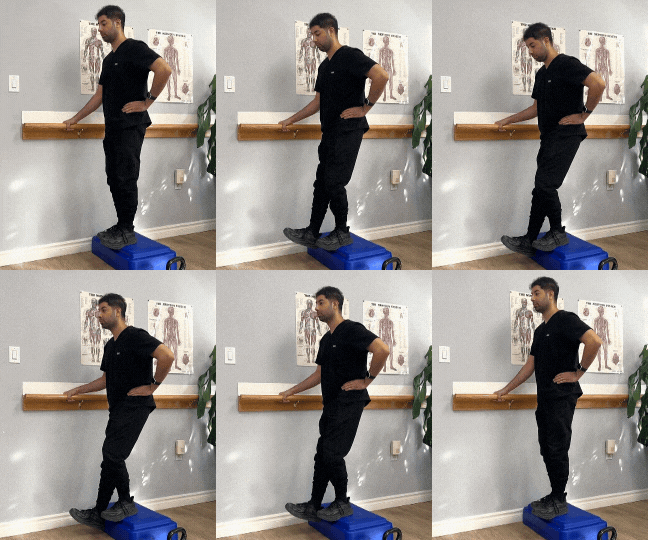
  • Proprioception training using a board or balance system is important for regaining balance and coordination.
  • Progressive weight-bearing as tolerated with the brace opened to 0-50 degrees if quadriceps control is good. Crutches are discontinued when the gait is non-antalgic
Therapist using yoga ball demonstrating exercise against wall

Remember, during this phase, it's normal to feel both excitement and uncertainty as you progress. Our team will carefully monitor your progress and adjust your program based on how your knee responds to each new challenge. We'll make sure you're not just moving more, but moving correctly – setting a strong foundation for the more demanding phases ahead.
Stage 3: The Later Phase: Building Strength

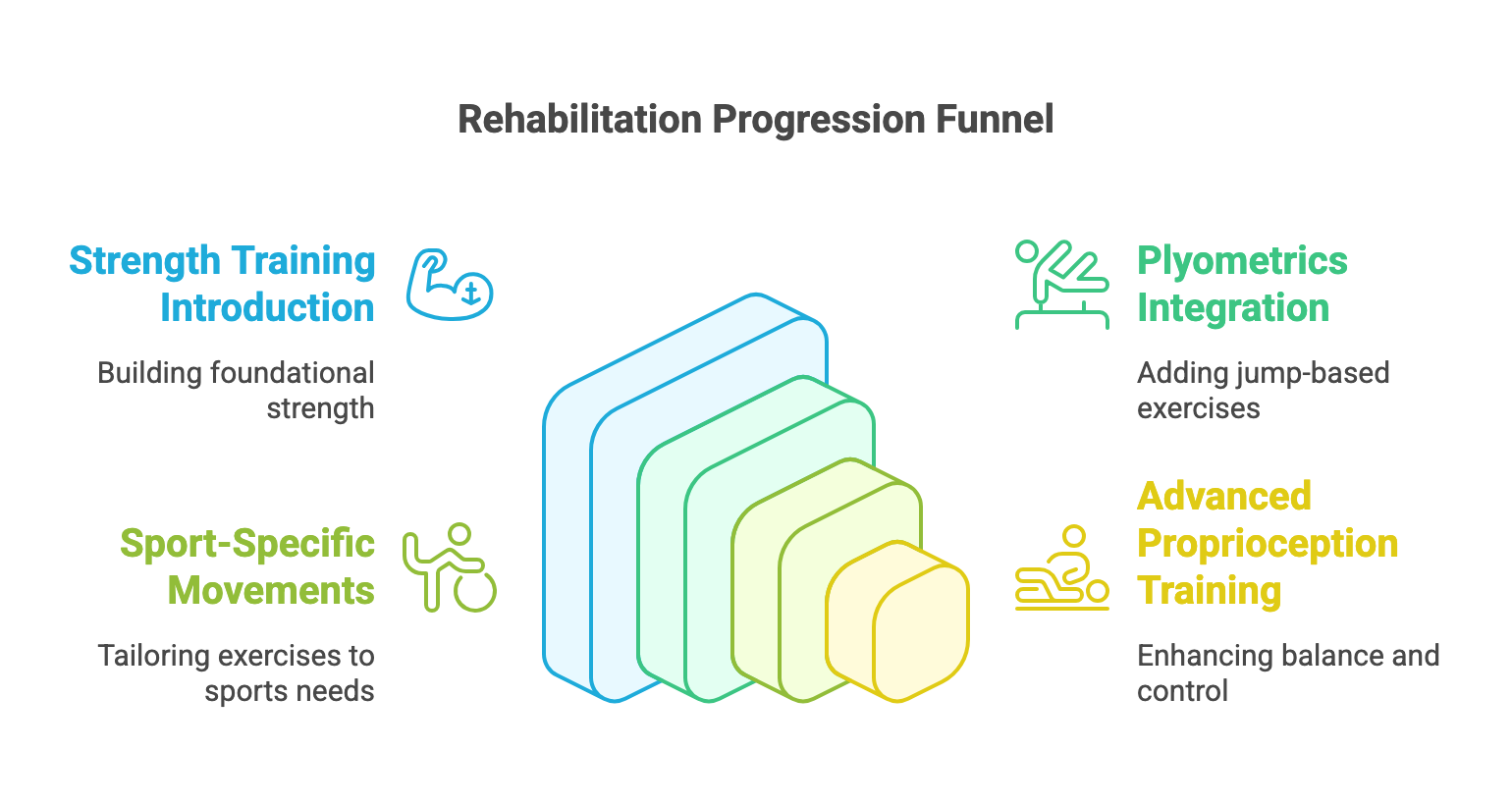
Diagram describing ACL injury rehabilitation progression funnel

This is where the real transformation happens. You'll be:

  • Working on serious strength training
  • Starting plyometrics (fancy word for jump training)
  • Getting into sport-specific movements

Exercise you could try in this stage:

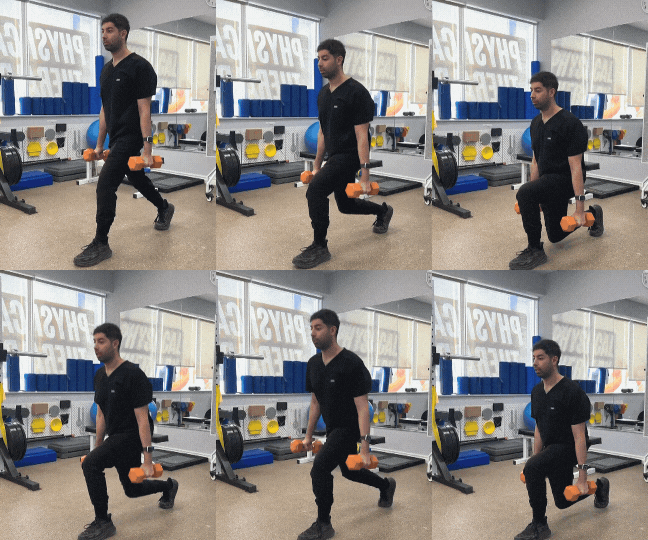
  • Squat program is progressed to include variations and increasing difficulty, which helps build overall leg strength.
  • Step down program is introduced to improve eccentric control and prepares the patient for more demanding activities**.**
  • Advanced proprioception training, including perturbations to challenge balance, is important for developing dynamic joint control.
Therapist demonstrating squat exercise on a box

Therapist demonstrating squat exercise on a box

Here's something many people don't know: You can actually start some exercises earlier than you might think. For example, certain quad exercises can begin as early as 3 weeks post-surgery. Just make sure you're following your PT's guidance!
**Stage 4 :**The Home Stretch: Return to Sport

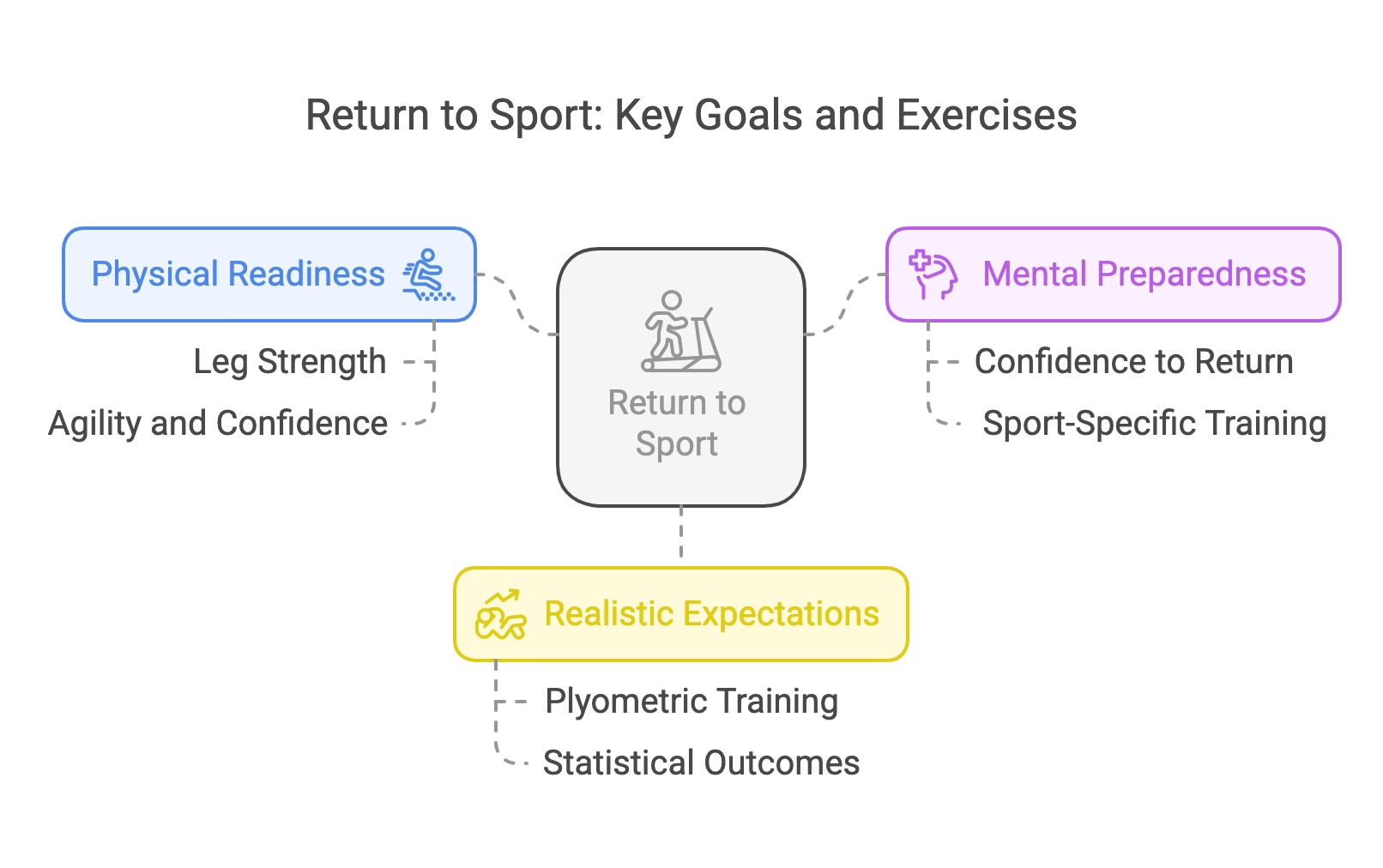
Diagram describing ACL injury recovery key goals and exercises

This is what you've been working toward! But remember – it's not just about time passed; it's about meeting specific goals:

  • Having similar strength in both legs (at least 90% compared to your good leg)
  • Being able to hop and move confidently
  • Feeling mentally ready to return to your sport

Exercise you could try in this stage:

  • Sport-specific agility exercises are introduced to prepare the patient for the demands of their sport.
  • Plyometric training is started when a strength base is sufficient to develop power, speed, and coordination**...**.
  • Continued advancement of lower extremity strengthening and flexibility programs ensures that the patient meets the demands of their activities.
Therapist demonstrating sport-specific agility exercise

Real talk: Only about 65% of athletes return to their pre-injury level in pivoting sports. That might sound discouraging, but it's important to be realistic and patient with your recovery.

Some Real Talk About Recovery

Let me share some important truths about ACL recovery:

  1. It's a marathon, not a sprint: Expect 9-12 months for full recovery, depending on your goals.
  2. Mental game matters: Don't underestimate the psychological aspect of recovery. Fear of re-injury is real, and working through it is part of the process.
  3. Keep up with your exercises: The home program your PT gives you isn't optional – it's essential for success.
  4. Listen to your body: Some days will be better than others, and that's okay. Pain and swelling are your body's way of telling you to adjust your activity level.

Your ACL recovery is a personal journey tailored to your unique needs. Progress isn't just about time, but about meeting specific milestones. At Vaughan Physiotherapy Clinic, we're dedicated to guiding you back—not just to your previous activities, but to a stronger, smarter version of yourself. Stay patient, trust the process, and remember: every small step forward is a victory worth celebrating. 💪🏆

For more information or to book an appointment at Vaughan Physiotherapy Clinic, contact us today. We're here to help you on your journey to recovery.

Start Your Journey to 

Better Health Today

Recover faster, move better, and feel stronger with expert physiotherapy. Our team is here to guide you every step of the way.

Team