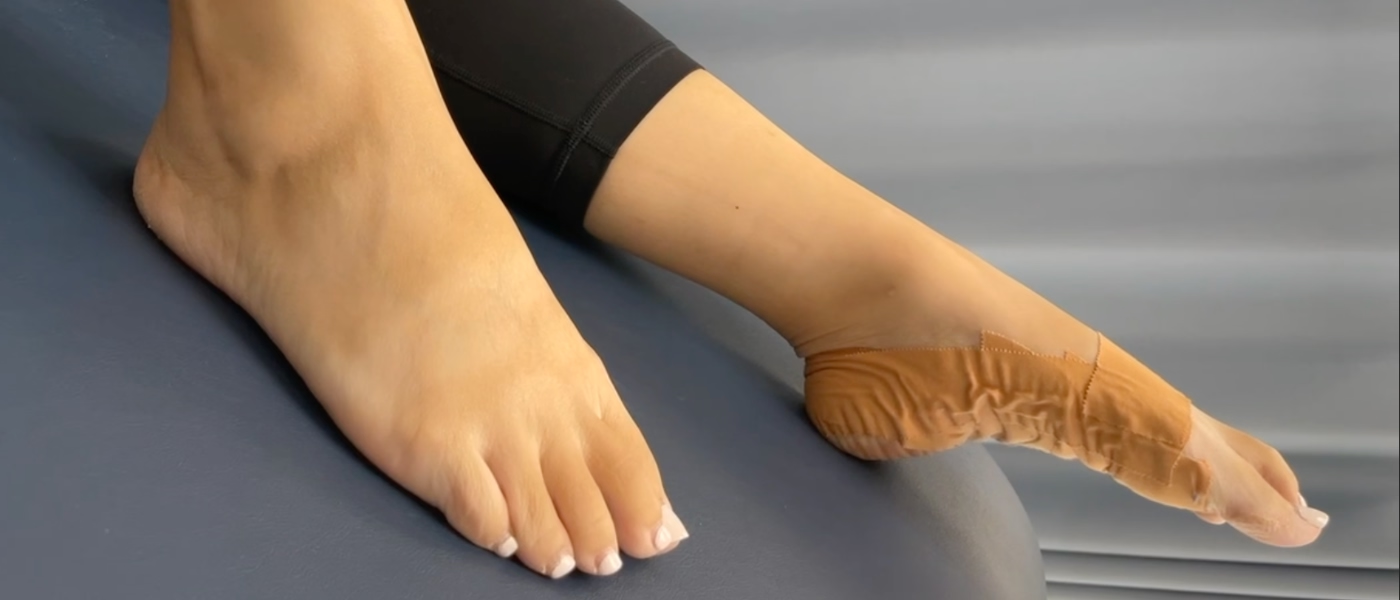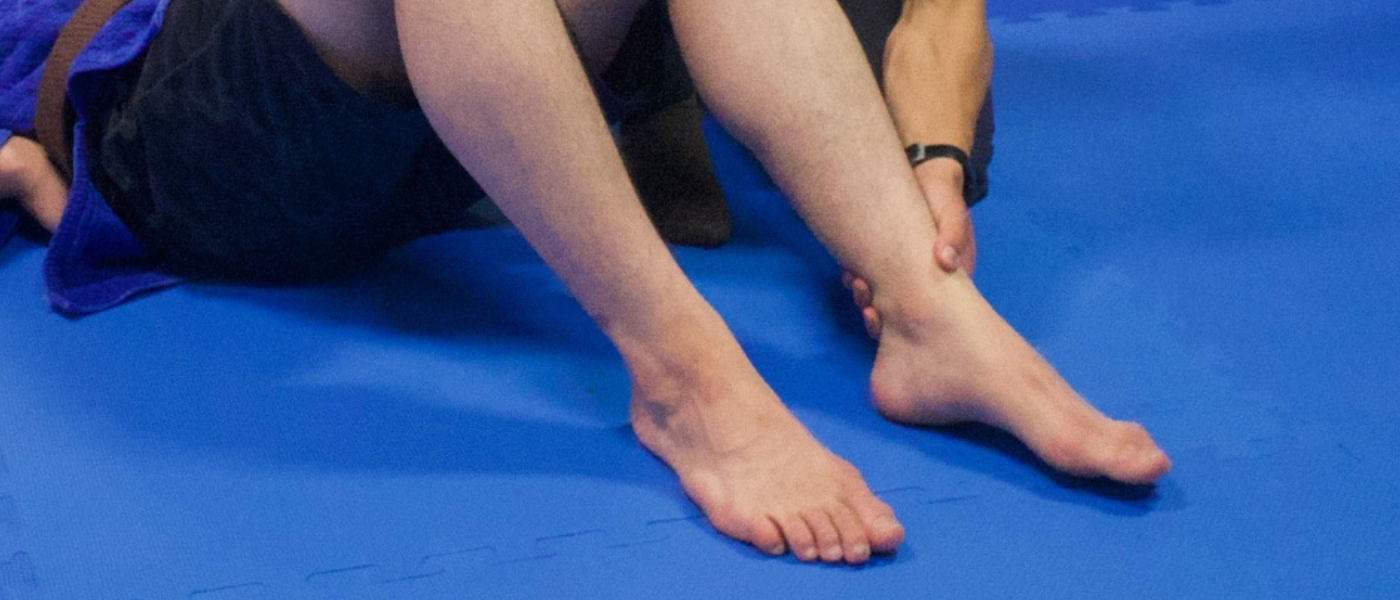
Pain under the big toe due to sesamoid bone irritation.
Sesamoiditis is a clinical diagnosis that generally refers to pain in one or both of the hallux sesamoids (the medial and lateral sesamoids). The condition is often linked to overuse or repetitive trauma.
The hallux sesamoids are small, round bones located plantar (underneath) to the first metatarsophalangeal (MTP) joint. Functionally, they are crucial because they distribute weight-bearing forces onto the first ray and act as a fulcrum to enhance the leverage and strength of the flexor hallucis brevis tendon. During normal walking (ambulation), the sesamoid complex supports up to 50% of the body weight. Sesamoiditis can involve inflammation of the peritendinous structures surrounding the sesamoids.
Sesamoid injuries and pain, including sesamoiditis, are particularly debilitating and detrimental to athletes involved in activities that place high stress on the forefoot, such as running and jumping athletes. This is because the sesamoid complex supports more than 300% of body weight when pushing off in athletic activity.
Specific athletic populations frequently affected include:
The primary symptom of sesamoiditis is pain. This pain is typically experienced in the plantar aspect of the forefoot, specifically under the big toe, associated with the sesamoid bones.
Common symptoms noted in those with sesamoiditis include:
If chronic sesamoiditis is left untreated, it may lead to scarring of the tendons, ligaments, and capsule of the sesamoid complex, which can limit the motion of the sesamoids, resulting in further pain and a loss of range of motion (ROM).
The development of pain in the hallux sesamoid region (sesamoiditis or hallux sesamoid syndrome) stems directly from the critical weight-bearing and biomechanical roles of its components, making them highly susceptible to repetitive stress and trauma.
The anatomy of the first ray dictates why injury leads to pain and dysfunction:
1. Activity Overload and Repetitive Forefoot Pressure
2. Biomechanical Factors (Foot Type and Alignment)
Abnormal foot alignment negatively affects lower extremity biomechanics and increases the risk of forefoot pathology, including sesamoiditis.
The sesamoids are like the wheels of a pulley system on a major suspension bridge (the foot's arch) that must bear tremendous, repetitive traffic (body weight). When the wheels or the ropes (tendons and ligaments) supporting them become inflamed or scarred due to constant friction and excessive load, the entire system breaks down, resulting in debilitating pain and functional loss.
3. Training Errors
Recover faster, move better, and feel stronger with expert physiotherapy. Our team is here to guide you every step of the way.

Physical therapy (PT) for sesamoiditis and chronic hallux sesamoid injuries integrates several approaches, often referred to as a movement system approach, which shifts treatment focus from the pathoanatomical diagnosis to correcting underlying impairments and abnormal movements. PT typically combines manual therapy with progressive exercise and functional retraining.
Progressive Strengthening of Hallux Flexors
Strengthening the flexor hallucis muscles is crucial for stabilising the first MTP joint during heel rise and improving forefoot function.
Specific Flexor Strengthening: Techniques involve both isometric and isotonic contractions.
Functional Gait Retraining and Calf Strengthening
Functional retraining ensures the corrected mechanics are integrated into everyday movement, which helps prevent recurrence of the overuse injury.
Specific Strengthening Exercises for the Intrinsic Foot and Calf Complex
Physical therapy prioritises progressive exercise, based on the foot core paradigm, which emphasises intrinsic plantar foot muscle strengthening and the stabilisation of the first ray.
These strengthening exercises are typically initiated in a seated position and gradually progressed to standing.
Stretching and Mobility Techniques
PT includes stretching and mobility work to counteract the stiffness and restriction that often follow chronic sesamoid injury, which can lead to scarring of the tendons, ligaments, and capsule of the sesamoid complex.
Manual Therapy and Soft Tissue Release
Manual therapy is a core component of PT for sesamoiditis, specifically targeting the mobility of the bones and joint structures to restore normal biomechanics.
Biomechanical Assessment: Identifying the Root Cause
A comprehensive assessment of the entire lower quarter is essential to identify the factors contributing to the stress and strain on the hallux sesamoids, shifting the focus from the pathoanatomical diagnosis to an impairment and movement-focused treatment.
A core component of non-operative management for sesamoiditis is immediate offloading to reduce symptoms and protect the painful first metatarsophalangeal (MTP) joint. The goal is to reduce the immense stress placed on the sesamoid complex, which supports up to 50% of body weight during normal gait.
Modifying Footwear and Offloading Devices
Initial management often includes modifications to footwear and the use of specific devices to mechanically reduce pressure on the sesamoids.
Taping Techniques to Unload the First MTP
Taping is used to influence the mechanics and stability of the forefoot, decreasing shear forces on the sesamoids.
Reducing Impact and Activity Modification
Reducing the load and impact on the sesamoids is critical, especially since the complex supports over 300% of body weight when pushing off in athletic activity.
Gradual Return-to-Activity Plan
A return-to-activity plan is implemented once symptoms have decreased and functional gains (strength, mobility) have been achieved through physical therapy (PT). The goal is to progressively re-introduce load tolerance without causing recurrence of pain.
PT restores the required 60° to 65° of first MTP extension needed for normal ambulation, which is a prerequisite for high-impact activities.
Gait training is used to re-educate the hallux flexors on how to stabilise the first MTP joint during heel rise and function correctly under weight-bearing conditions.
The prognosis for sesamoiditis recovery is generally good with non-operative management, leading to high rates of return to activity, provided the patient adheres to load management and a comprehensive physical therapy (PT) plan.
Realistic Recovery Timeline (Weeks to Months)
The overall duration of recovery is highly dependent on the severity of the injury (simple sesamoiditis vs. bone stress injury or fracture) and whether the condition is acute or chronic at the time of intervention:
One study focused on athletes found that functional gains were achieved over a median follow-up period of 11 weeks (ranging from 4 to 29 weeks).
Another pilot study involving radial shockwave treatment reported an average return to activity at 10 weeks.
A comprehensive physical therapy program alone showed significant improvement in function and pain reduction over just 12 treatment sessions distributed over 4 weeks.
Despite the potential for chronic pain, non-operative management has demonstrated good clinical results, with one systematic review noting an 86% return to activity rate following non-operative treatment.
Key Recovery Factors
Achieving successful recovery requires a coordinated approach centered on relieving stress on the forefoot and restoring normal biomechanics:
Initial management involves rest, ice, compression, elevation, and activity modification to reduce symptoms and off-load the area.
Adherence to physical therapy (PT) is paramount as it addresses the root causes of dysfunction, leading to lasting improvement:
Preventing the recurrence of sesamoiditis involves maintaining the strength, mobility, and proper biomechanics established during rehabilitation, especially since the condition is typically an overuse injury.
Maintain Foot Core Strength
Optimize Footwear and Offloading
Address Biomechanical Risk Factors
Avoid Training Errors
Footwear and Orthotics: Choosing the Right Support
Footwear modifications and orthotic use are critical non-surgical strategies used in the initial management of sesamoiditis to off-load the sesamoids and reduce symptoms. The primary aim is to reduce the stress and weight-bearing forces transmitted through the first metatarsophalangeal (MTP) joint.
Key Offloading Strategies
Training Modifications to Reduce Overload
Since hallux sesamoid injuries are often associated with overuse or repetitive trauma, modifying athletic activity and addressing training errors are essential for recovery and preventing recurrence. The sesamoid complex supports over 300% of body weight when pushing off in athletic activity, meaning high-impact forces must be strictly managed.
Reducing Impact and Volume
Running and Movement Technique
The overall goal of physical therapy (PT) is to restore proper load distribution and toe-off mechanics to reduce forefoot loading.
"Can sesamoiditis become a stress fracture?"
Yes, sesamoiditis can be associated with or progress to a more serious bone stress injury. Sesamoiditis is a general clinical diagnosis referring to pain and inflammation associated with overuse. However, chronic hallux sesamoid pain may result from varied pathological conditions, including bone stress injury (BSI), fracture non-union, or avascular necrosis. In a retrospective case series of athletes with chronic sesamoid pain, 5 out of 11 patients had evidence of bone stress injuries on MRI evaluation. BSI is a microscopic bone injury resulting from repeated bouts of physiological overload without adequate time for remodelling.
"Is sesamoiditis serious?"
Sesamoiditis is serious because it is a debilitating source of pain that severely limits physical activity and athletic performance. Although non-operative treatment, including physical therapy, has demonstrated good clinical results with an 86% return to activity rate, the pain can be persistent and detrimental to athletes, limiting their ability to run and jump. If left untreated, chronic sesamoiditis may lead to scarring of the tendons, ligaments, and capsule, limiting motion and potentially progressing to functional hallux limitus (loss of motion). Furthermore, if the condition involves a bone stress injury or avascular necrosis, activity restriction or offloading (sometimes requiring crutches or a boot) is necessary during initial treatment. If non-operative management fails, surgical resection may be required.
"Should I walk with sesamoiditis?"
In most cases of uncomplicated sesamoiditis, walking and weight-bearing activities can continue as tolerated, but high-impact activities like running should be limited initially. For patients with clinical diagnoses of sesamoiditis (without clear evidence of a higher-risk injury), they were often allowed to continue activities as tolerated during treatment. However, the initial management always includes activity modification and offloading. If the pain is severe enough to interfere with normal gait, or if diagnostic imaging reveals a bone stress injury (BSI) or avascular necrosis, then you should restrict activity and may require offloading with crutches or a pneumatic boot. Even after pain decreases, successful long-term recovery requires gait training through physical therapy to ensure you are walking with proper mechanics and load distribution.
Forefoot or big toe pain stopping you from running, jumping, or even walking comfortably? Whether you’re pushing off to sprint, dancing, or just standing at work all day, our physiotherapists can help you offload the sesamoids, restore big toe mobility, and rebuild foot strength so you can move confidently again.
Book Your Specialized Sesamoid Assessment Today:
Shamus, J., Shamus, E., Gugel, R. N., Brucker, B. S., & Skaruppa, C. (2004). The Effect of Sesamoid Mobilization, Flexor Hallucis Strengthening, and Gait Training on Reducing Pain and Restoring Function in Individuals With Hallux Limitus: A Clinical Trial. The Journal of Orthopaedic and Sports Physical Therapy, 34(7), 368–376. https://doi.org/10.2519/jospt.2004.34.7.368
Carroll, L. A., Paulseth, S., & Martin, R. L. (2022). Forefoot Injuries in Athletes: Integration of the Movement System. International Journal of Sports Physical Therapy, 17(1), 81–89. https://doi.org/10.26603/001c.30021
Schon JM, Gureck AE, Rhim HC, Malik GR, Tenforde AS. Treatment of chronic hallux sesamoid injuries with focused extracorporeal shockwave and physical therapy in an athletic population: a retrospective case series. Dtsch Z Sportmed. 2024; 75: 142-148. doi:10.5960/dzsm.2024.600
Explore the latest articles written by our clinicians