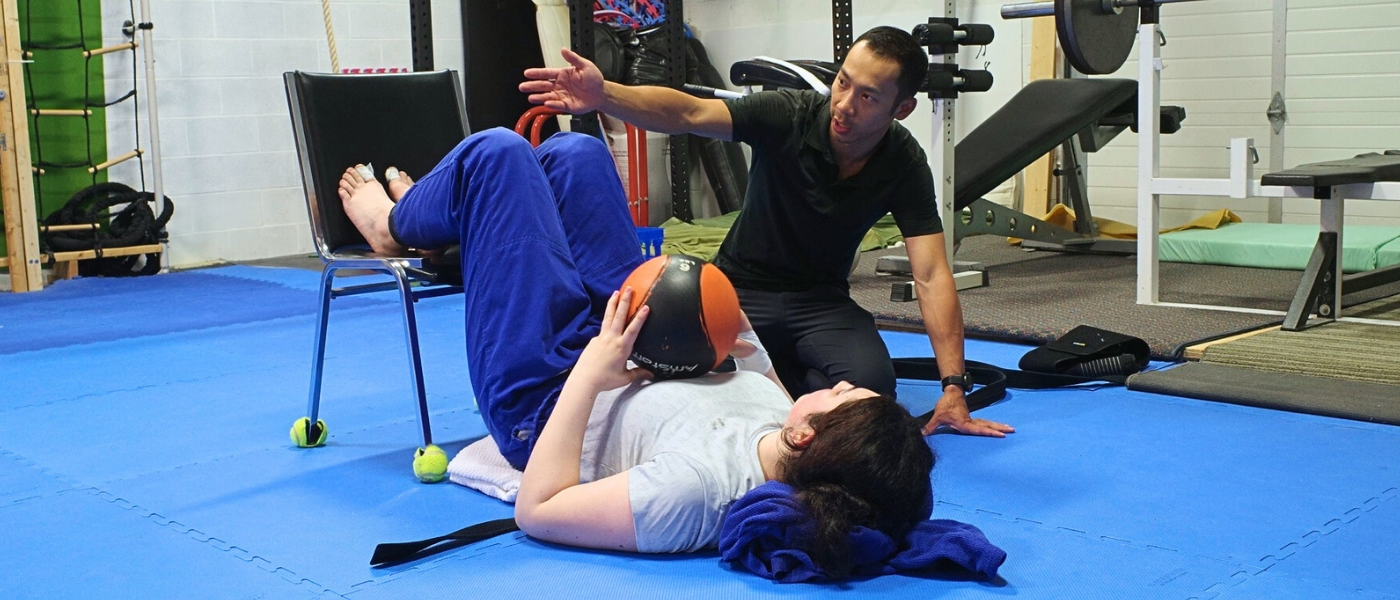
Physiotherapist guiding a patient through an LCL rehabilitation exercise on a clinic mat. The patient is lying on their back with knees bent and feet elevated on a chair, holding a medicine ball against their chest while performing a controlled bridge exercise. The therapist kneels beside them, providing instruction and monitoring form in a gym-based rehab setting.

LCL Rehabilitation

Musculoskeletal or neurological condition affecting mobility or function.

LCL Injury: A Physiotherapy Guide

What Is an LCL Injury? Understanding the Condition / How it Occurs

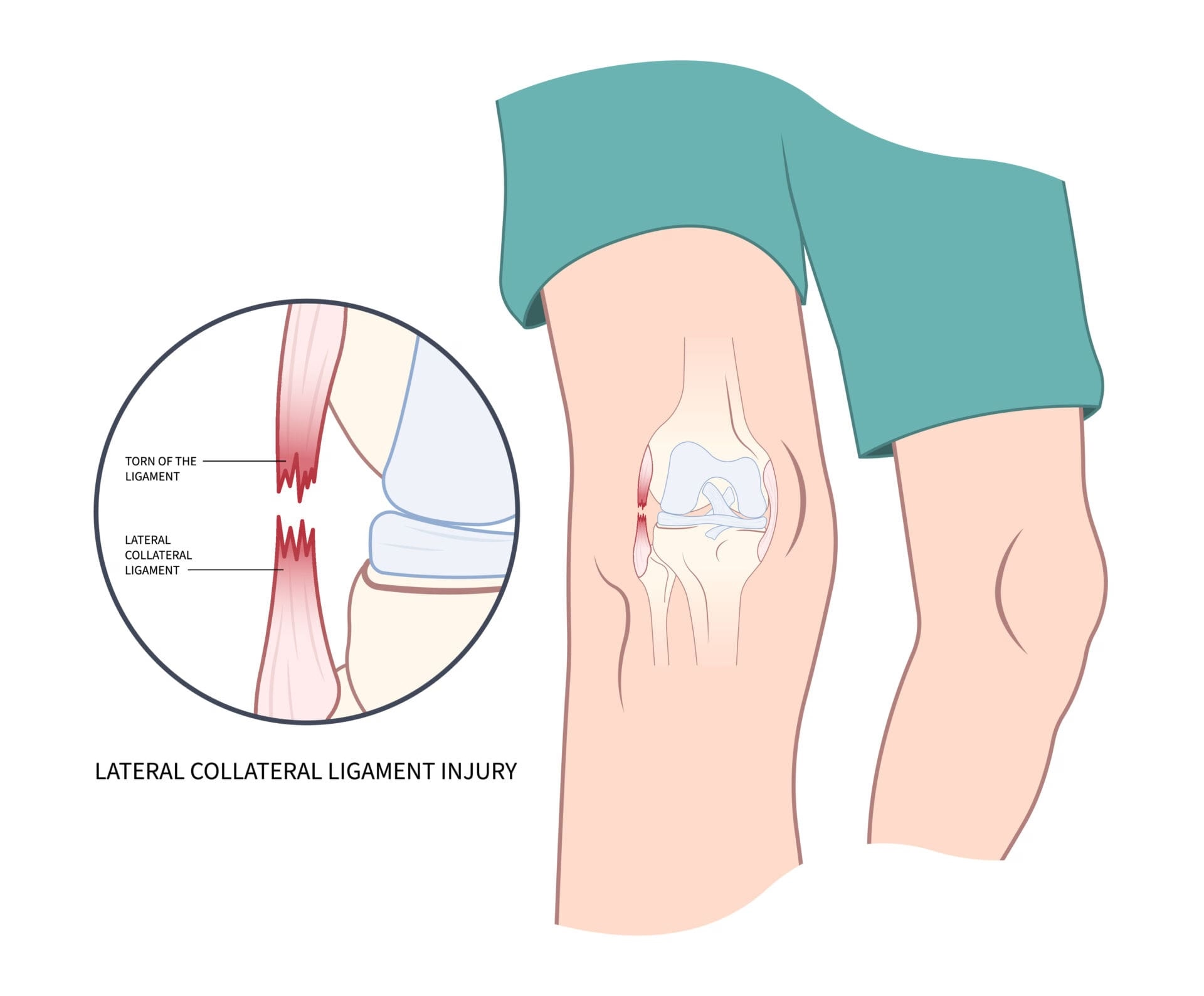
The Lateral Collateral Ligament (LCL) is a key knee ligament frequently described as a thin, cord-like structure. It originates from the lateral femoral condyle, specifically in a "saddle" located proximal and posterior to the lateral epicondyle. From its origin, it courses distally to insert on the lateral aspect of the fibular head, attaching anterior to the fibular styloid. These injuries typically occur due to direct contact, such as a blow to the medial side of the knee, or non-contact mechanisms like hyperextension stress.

Function and Role in Stability (Resists Varus Stress)

The LCL serves as the primary restraint to varus stress across all angles of knee flexion. It is most effectively evaluated by clinicians at 30° of flexion, the specific angle at which the maximum amount of varus laxity is observed after an injury. Beyond varus stability, the LCL acts as a secondary restraint to external rotation and posterior displacement of the tibia. It also works in conjunction with the Anterior Cruciate Ligament (ACL) to provide a secondary check against anterior tibial displacement. If the LCL is involved in an injury, the resulting instability is characterized by varus laxity, and patients often report a dull pain or a feeling of the knee "giving way" during activities.

LCL Injury Prevalence

Isolated LCL injury of the knee is a rare diagnosis, occurring in less than 2% of all athletic knee injuries. It is more commonly found in conjunction with other complex knee pathologies, particularly injuries to the posterolateral corner (PLC) or the cruciate ligaments (ACL and PCL). These injuries typically result from forces involving varus stress, external rotation, and hyperextension, which can occur through direct contact (such as a blow to the medial side of the knee) or non-contact mechanisms. While LCL injuries can occur in any sport, they are most frequently seen in soccer, tennis, and gymnastics, as well as in high-energy trauma like road traffic accidents, which accounted for over 50% of cases in some clinical reviews
Common Symptoms (LCL Sprain/Tear)

Following an LCL injury, patients may experience various functional impairments and clinical signs. Subjectively, patients often report a dull pain and a sensation of the knee "giving way" or instability, especially during "cutting" activities. Specific clinical signs observed include:

  • Pain and Point Tenderness: Because the LCL is in a subcutaneous (below the skin) position, examiners can often locate the injury through point tenderness along its course.
  • Swelling and Effusion: Swelling is often present around the lateral soft-tissue envelope of the knee, and its severity typically correlates with the degree of ligamentous damage.
  • Varus Laxity: A hallmark of LCL injury is increased laxity to varus stress. This is most accurately evaluated at 30° of knee flexion, the angle at which the LCL is the primary restraint and maximum varus laxity is observed.
  • Complex Instability: If varus laxity is demonstrated in full extension, it frequently denotes a more severe injury involving the cruciate ligaments in addition to the LCL.
  • Graded Severity: Injuries are classified into three grades: Grade I (mild, with subcutaneous fluid), Grade II (partial tear with increased edema), and Grade III (complete tear of the ligament fibers).

During physical examination, the figure-of-4 position is often used to tension and palpate the ligament to assess its integrity. Additionally, clinicians must evaluate the posterolateral corner using specific tests like the dial test, posterolateral drawer test, and recurvatum test to ensure a comprehensive diagnosis

Why Physiotherapy is Critical for LCL Rehabilitation

Physiotherapy is critical for the rehabilitation of Lateral Collateral Ligament (LCL) injuries because early recognition and managed mobilization are vital to preventing chronic knee instability and the potential failure of other ligament repairs, such as the ACL. While isolated LCL injuries are rare, occurring in less than 2% of athletic knee injuries, Grade I and II tears are frequently managed non-surgically with a focus on early mobilization to achieve a favorable functional outcome

Addressing Impairments and Symptoms

The primary goal of rehabilitation is to address the functional limitations caused by the injury and restore the knee's natural kinematics and stability.

  • Symptom Relief: The initial phase of rehabilitation focuses on managing "dull" or "indistinct" lateral knee pain, which often arises from the peripheral nerve branches residing in the tissue membranes surrounding the LCL. Swelling and edema in the lateral soft-tissue envelope must also be addressed, as the severity of the effusion typically correlates with the degree of ligamentous damage.
  • Restoring Range of Motion (ROM): Physiotherapy emphasizes early mobilization for mild to moderate injuries, as well as for anatomic reconstructions, which are designed to allow for early motion during recovery. Understanding the LCL's natural behavior is crucial: the ligament is maximally separated (taut) in full extension and progressively slackens as the knee flexes, reaching approximately 88% of its extended length at 130° of flexion. Furthermore, its orientation shifts from a 11° posterior slope in extension to a 19° anterior slope in deep flexion, a complex transition that must be respected during ROM exercises to avoid excessive tensioning.
  • Increasing Muscular Strength and Endurance: Rehabilitation must target the muscles that provide dynamic control over the LCL. Specifically, the biceps femoris (both long and short heads) is functionally linked to the LCL; its contraction creates a "bowstring effect" that dynamically stabilizes the ligament. Strengthening these synergistic structures is essential because the LCL acts as the primary restraint to varus stress across all flexion angles, and a lack of muscular support can lead to persistent varus laxity and a feeling of the knee "giving way"

What to Expect: Prognosis and Recovery Timeline

The prognosis and recovery timeline for a Lateral Collateral Ligament (LCL) injury depend significantly on the grade of the injury (severity), the presence of concomitant injuries to other knee structures, and the timing of the intervention. Because isolated LCL injuries are rare—occurring in less than 2% of athletic knee injuries—they are frequently diagnosed as part of more serious complex/multiligamentous ruptures involving the ACL, PCL, or posterolateral corner (PLC).

Recovery Expectations Based on Injury Grade

For isolated LCL injuries, treatment and recovery paths are typically guided by the following severity classifications based on MRI and physical examination:
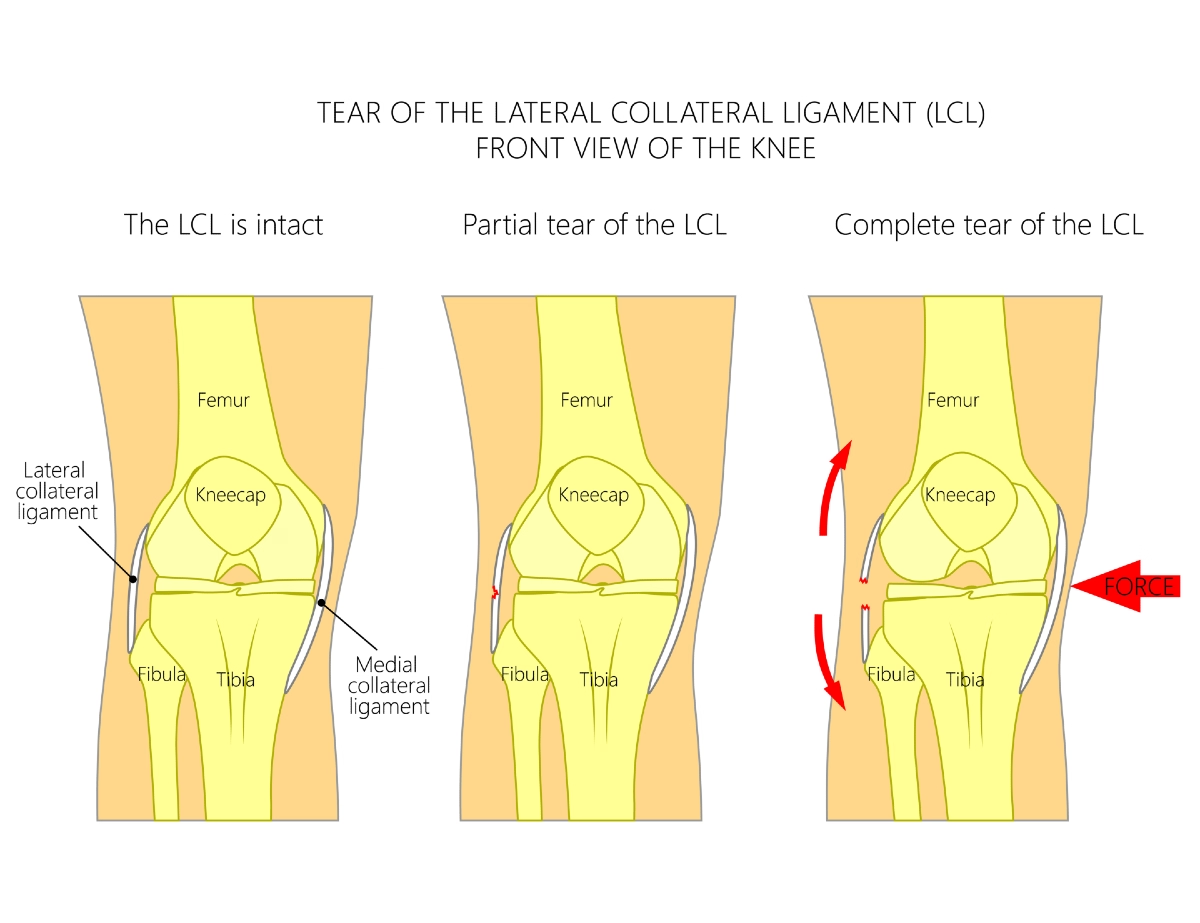
  • LCL Injury Grade: Grade I (Mild)
    • Clinical Severity Description:
      • Small amount of fluid around the ligament
      • Varus opening < 5 mm
    • Management & Recovery Outlook:
      • Usually managed non-surgically
      • Early mobilization encouraged
      • Typically results in full stability
  • LCL Injury Grade: Grade II (Moderate)
    • Clinical Severity Description:
      • Partial tear of ligament fibers
      • Increased swelling (edema)
      • Varus opening 6–10 mm
    • Management & Recovery Outlook:
      • Often managed non-surgically
      • Early mobilization recommended
      • Generally restores good stability if no associated cruciate injury
  • LCL Injury Grade: Grade III (Severe)
    • Clinical Severity Description:
      • Complete tear of ligament fibers
      • Varus opening > 10 mm
    • Management & Recovery Outlook:
      • Typically requires surgical repair or reconstruction
      • Surgery provides best outcomes
      • Non-surgical care often leads to poor stability

Note on Professional Athletes: A study of National Football League (NFL) players with isolated Grade III LCL injuries found that those managed non-surgically were as likely to return to professional play as those who underwent surgery, and they did so more quickly. However, the sources note these results remain controversial, and many clinicians still advocate for surgical treatment of most Grade III injuries to prevent chronic instability.

Recovery in Combined/Complex Injuries (Surgical Cases)

When an LCL injury is part of a complex, multiligamentous injury, the recovery process is more intensive:

  • Timing of Surgery: The sources emphasize that early operative treatment (ideally within the first 3 weeks of injury) provides the most favorable outcomes for restored stability.
  • Early Range of Motion: Modern anatomic reconstructions are specifically designed to restore physiologic forces on the graft, which allows for early range of motion during the rehabilitation process.
  • Long-Term Outcomes: Studies show that approximately two-thirds of surgically treated patients with high-grade or combined injuries achieve a stable or nearly stable knee (1+ instability or less) at long-term follow-up (median 7.5 years).
  • Subjective Improvement: Patients undergoing anatomic LCL reconstruction report marked improvement in pain, stiffness, and functional scores (such as the Cincinnati and IKDC scores) by an average of 2 years post-surgery.

Failure to properly address LCL or PLC instability in complex cases can lead to chronic knee instability and the failure of other ligament repairs, such as the ACL

Factors Affecting Healing and Return to Activity

1. Injury Severity and Surgical Intervention

The most significant factor influencing recovery is the nature of the ligament injury and whether it occurs in isolation. Isolated Grade I and II tears can typically be managed non-surgically with early mobilization, often leading to full stability. However, the LCL is known to have unreliable healing compared to other ligaments like the MCL, leading many to advocate for a lower threshold for surgical intervention.

For Grade III injuries, non-operative results are often poor in general populations. While some professional athletes have returned to play quickly without surgery, surgical reconstruction is generally preferred over primary repair due to significantly lower failure rates (9% vs. 37%). In complex or multiligamentous cases, early operative treatment (ideally within the first 3 weeks) is vital to restore stability and prevent the failure of other ligament repairs, such as the ACL.

2. Rarity of Isolated Injuries and Trauma Mechanism

The mechanism of injury and the presence of concomitant damage are critical. Isolated LCL injuries are extremely rare, occurring in less than 2% of athletic knee injuries. Most high-grade LCL injuries are part of serious combined ruptures involving the ACL, PCL, or the posterolateral corner (PLC). These are often caused by high-energy trauma, with traffic accidents accounting for 52% of cases in some clinical reviews. The presence of sagittal instability (from cruciate damage) directly influences varus instability and complicates the recovery process.

3. Adherence and Individual Progression

Progression in rehabilitation is increasingly influenced by the use of anatomic reconstruction techniques. These procedures are designed to restore physiologic forces on the graft, which allows for early range of motion during the rehabilitation phase.

  • Tensioning Protocols: To prevent overtensioning the reconstruction, final fixation of the ligament should be performed with the knee in no more than 30° of flexion and with the tibia in a neutral rotation position.
  • Individual Outcomes: Success is measured through both objective stability and subjective functional scores, such as the IKDC and Lysholm knee scores. While symptoms like pain and stiffness typically improve markedly by 2 years post-surgery, residual instability remains the primary reason for lower functional grades.

4. Achieving Milestones (Return to Activity Expectations)

In mild cases (Grade I instability), early mobilization has been shown to result in complete stability at long-term follow-up. For more severe or surgically treated injuries, milestones are centered on restoring physiologic knee anatomy and kinematics.

  • Restoring Rotation and Stability: Because the LCL slackens as the knee flexes to allow for tibial rotation, rehabilitation must balance the restoration of this rotational mobility with the need to maintain varus stability.
  • Long-Term Recovery: In surgically treated patients with high-grade instabilities, approximately two-thirds achieve a stable or nearly stable result (1+ instability or less) at a median follow-up of 7.5 years. Failure to recognize and treat associated PLC injuries can lead to chronic instability and the failure of any concurrent cruciate ligament reconstructions

Start Your Journey to 

Better Health Today

Recover faster, move better, and feel stronger with expert physiotherapy. Our team is here to guide you every step of the way.

Physiotherapy Treatment Approaches for LCL Rehab

The following guidelines are derived from recent clinical reviews and biomechanical studies. They emphasize that while isolated Grade I and II LCL injuries often succeed with non-operative early mobilization, Grade III or complex injuries typically require anatomic reconstruction to allow for a more aggressive, staged approach to physical therapy.

Physiotherapy Treatment Approaches for LCL Injuries

1. Initial Protection and Motion Restoration (Weeks 0–6)

The primary goals of this stage are to promote tissue healing, reduce initial impairments like pain and swelling, and restore knee extension. Because the LCL has unreliable healing compared to other knee ligaments, protection of the healing fibers or surgical graft is paramount. Modern anatomic reconstructions are designed to restore physiologic forces, which uniquely allows for early range of motion (ROM) during this phase.

  • Pain and Swelling Management: Initial therapy focuses on reducing edema in the lateral soft-tissue envelope. Clinicians should address "indistinct lateral knee pain," which may arise from peripheral nerve branches located within the incomplete tissue membranes that sheath the LCL.
  • Weightbearing and Bracing: For less-serious injuries (Grade 1+), patients may be primarily mobilized without surgery. For surgical reconstructions, the goal is to protect the graft while avoiding stiffness. Final surgical fixation is typically performed at 30° of flexion and neutral rotation to prevent overtensioning during subsequent mobilization.
  • Range of Motion (ROM): Restoring full extension is a critical priority.

Anatomical Considerations: The LCL is maximally separated (taut) in full extension and progressively slackens as the knee flexes, reaching approximately 88% of its extended length at 130° of flexion.

Kinematic Shifts: Physiotherapists must respect the shifting orientation of the ligament, which moves from an 11° posterior slope in extension to a 19° anterior slope in deep flexion.

Flexion Management: While the LCL slackens during flexion, allowing for natural tibial rotation, clinicians should be aware that internal rotation beyond 15° can separate the attachment sites and increase tension, particularly between 60° and 105° of flexion.

  • Early Muscle Activation and Dynamic Stability:

Biceps Femoris Synergy: Rehabilitation should specifically target the biceps femoris (both long and short heads). This muscle acts as a dynamic controller of the LCL; its contraction creates a "bowstring effect" that stabilizes the lateral compartment.

Quadriceps Control: Restoring quadriceps function is essential to prevent a flexed-knee gait, though specific use of high-intensity electrical stimulation is noted in general clinical practice to combat inhibition.

  • Exercises to Avoid: During early healing, manual external rotation forces should be carefully controlled. Although external rotation generally approximates the LCL's attachment sites, it can alter the ligament's slope and stress concomitant injuries to the posterolateral corner (PLC) or popliteofibular ligament. Additionally, any activity that produces a varus stress must be strictly avoided as the LCL is the primary restraint to this motion at all angles

2. Controlled Strengthening and Gait Training (Weeks 4–12)

Once initial healing has occurred, the focus shifts to full weightbearing and developing muscular strength. For patients who underwent anatomic reconstruction, this phase is supported by the surgical technique's ability to restore physiologic forces, which allows for early range of motion during rehabilitation.

  • Weightbearing Progression and Stability: While isolated Grade I and II injuries are often managed with early mobilization alone to achieve full stability, more severe injuries (Grade 2+ or 3+) that underwent early operative repair (ideally within 3 weeks) show significant improvement in varus stability over time.
  • Range of Motion (ROM) Kinematics: Exercises must account for the LCL’s natural behavior: its attachment sites progressively approximate as the knee flexes, decreasing to approximately 88% of their extended length at 130° of flexion.

Influence of Rotation: Movement patterns should be carefully monitored because internal tibial rotation significantly influences ligament tension. Between 60° and 105° of flexion, internal rotation can cause the LCL attachment sites to separate to greater than 100% of their length in full extension, potentially placing distraction stress on a healing ligament or graft. Conversely, external rotation beyond 30° causes the sites to approximate rapidly, making the ligament appear visually and palpably slack.

  • Muscular Strength and Dynamic Control: A critical component of this phase is targeting the biceps femoris (long and short heads). This muscle acts as a dynamic controller of the LCL; its contraction produces a "bowstring effect" that stabilizes the ligament and the lateral compartment of the knee.
  • Specific LCL Consideration: Because the LCL is the primary passive restraint to varus rotation at all angles of flexion, all strengthening activities must strictly avoid varus loading to prevent stretching the healing tissue.

3. Neuromuscular Control and Low-Impact Conditioning (Months 3–6)

In the later stages of recovery, the program integrates activities to improve dynamic stability and restore previous levels of performance.

  • Dynamic Stability and Proprioception: Restoration of the posterolateral corner (PLC) structures—including the LCL, popliteus tendon, and popliteofibular ligament—is essential for controlling axial rotation and preventing chronic instability. Failure to restore this stability can lead to unsatisfactory outcomes and the eventual failure of other ligament reconstructions, such as the ACL.
  • Conditioning and Long-Term Outcomes: Studies of surgically treated high-grade instabilities show that approximately two-thirds of patients achieve a stable or nearly stable result (1+ instability or less) at long-term follow-up. Residual instability remains the primary reason for lower functional grades in the long term, emphasizing the need for rigorous neuromuscular training.
  • Return to Activity:

Professional Athletes: In elite populations like NFL players, those with isolated Grade III injuries managed non-surgically have returned to play more quickly than those managed surgically, though this remains a controversial management path.

General Outcomes: Patients typically report marked improvements in pain, stiffness, and subjective functional scores by 2 years following anatomic LCL reconstruction.

  • Strength Progression: Rehabilitation should continue until the patient can resist rotational and varus forces. The LCL is most loaded in the early range of knee flexion (0°–30°) when resisting external rotation, so conditioning should emphasize control in these positions

4. Sport Preparation and High-Level Agility (Months 6–9+)

Based on clinical sources, there are clinical milestones, biomechanical constraints, and long-term outcome data that define readiness for high-level activity and sport-specific movements.

  • Restoration of Dynamic Stability: A critical requirement for high-level activity is the restoration of dynamic control, particularly from the biceps femoris. Clinical observations demonstrate that the biceps femoris acts as a dynamic controller of the LCL through a "bowstring effect" during contraction, which helps stabilize the lateral compartment during high-force maneuvers.
  • Managing Rotational Loads: High-level agility requires the knee to withstand complex rotational forces. Biomechanical data indicates that while the LCL slackens during natural flexion to allow for rotation, internal rotation beyond 15° causes the attachment sites to separate. Between 60° and 105° of flexion, internal rotation can stretch the ligament to greater than 100% of its length in full extension, presenting a significant distraction risk for healing tissues or grafts during cutting and pivoting.
  • Professional Athlete Timelines: While the general population may follow longer recovery paths, a study of NFL players with isolated Grade III LCL injuries found that those managed non-surgically returned to play in a mean of 4.6 weeks, while those managed surgically also returned successfully. However, clinicians note these results are controversial and emphasize that for most high-grade injuries, early operative intervention (within 3 weeks) is necessary to ensure the long-term success of the repair.
  • Success Criteria (Subjective and Objective): Readiness for sport is often measured by standardized scores. Following anatomic reconstruction, patients typically show marked improvements in Western Ontario and McMaster Universities Osteoarthritis Index scores (pain, stiffness, and function) and IKDC scores by an average of 2 years post-surgery.

5. Long-Term Maintenance and Prognosis (2+ Years)

Long-term maintenance is focused on preserving joint kinematics and preventing the failure of concurrent repairs, such as the ACL or PCL.

  • Prognosis for Stability: In patients with high-grade or combined injuries treated surgically, approximately two-thirds achieve a stable or nearly stable result (1+ instability or less) at a median follow-up of 7.5 years.
  • Functional Expectations: Long-term functional outcomes are generally high, with median Lysholm scores of 90 and Tegner activity scores of 4 (compared to a pre-injury median of 5) at 7.5-year follow-ups. Patients with residual sagittal instability (ACL or PCL laxity) are significantly more likely to have higher values of varus instability, highlighting the need for continued maintenance of all stabilizing structures.
  • Prevention of Chronic Instability: Maintenance must prioritize the integrity of the posterolateral corner (PLC). Failure to recognize and maintain lateral stability is a known cause of chronic knee instability and the post-surgical failure of cruciate ligament reconstructions.
  • Adaptive Kinematics: Long-term health of the joint depends on the reconstruction precisely reproducing natural anatomy. Inaccurate placement of the LCL (e.g., too far anterior or posterior) can lead to undue tensioning during extension or rapid slackening during flexion, potentially causing premature arthritic changes due to disrupted knee dynamics

Preventing LCL Re-Injury and Supporting Long-Term Knee Health

Biomechanical Precision and Surgical Accuracy

Clinical sources emphasize that long-term knee health is fundamentally tied to the precise restoration of physiologic anatomy. Inaccurate reconstruction—specifically the "nonanatomic" placement of a graft—is a leading cause of failure and can disrupt the normal dynamics of knee motion, potentially resulting in "premature arthritic changes". For instance, placing a femoral attachment too far anteriorly can cause undue tension during extension, while a posterior placement leads to rapid slackening during flexion. Successful management requires the reconstructive surgeon to precisely reproduce the positioning and functioning of the natural LCL to restore the knee to its previous level of performance

Dynamic Control and Stabilization

A critical factor in preventing re-injury is the "dynamic control" exerted by the biceps femoris (both long and short heads). During activity, the contraction of these muscle fibers creates a "bowstring effect" on the LCL, providing essential dynamic stabilization to the lateral compartment. Rehabilitation must ensure these dynamic stabilizers are fully functional to complement the static restraints and maintain the knee's rotational and varus stability.

Addressing Gait Mechanics and Varus Stress

The sources highlight that the knee is subject to the greatest force during gait, particularly during the stance phase. At this point, physiological varus angulation reaches its maximum as the knee enters full extension, putting significant stretch on the lateral structures. Because the LCL is the primary restraint to varus rotation at all positions of flexion, long-term health depends on the ligament's ability to withstand these repetitive loads during the gait cycle.

Early Recognition to Prevent Secondary Failure

Preventing chronic instability requires the "early recognition" and management of LCL and posterolateral corner (PLC) injuries. The sources warn that "clinically unrecognized posterolateral injuries" are a frequent cause of chronic knee instability and the subsequent "post-surgical failure of the cruciate ligaments" (ACL or PCL). For high-grade injuries (Grade 2+ or 3+ instability), "early operative treatment"—ideally performed within the first three weeks of injury—is recommended to provide the most favorable long-term stability and functional outcomes.

Note on Footwear and Orthotics: The provided sources focus primarily on surgical techniques, anatomy, and clinical evaluation; they do not provide specific data or recommendations regarding the use of footwear or orthotics for preventing LCL sprains or correcting varus mechanics. Would you like me to create a tailored report summarizing the biomechanical restraints of the LCL or perhaps a quiz on the clinical evaluation of lateral knee injuries?

Training Modifications & Load Management

Long-term prevention of LCL recurrence is achieved by establishing dynamic stability and restoring precise physiologic anatomy, which allows the knee to withstand the significant forces applied during functional activities, particularly the stance phase of gait.

Dynamic Stability and Strength Maintenance: The most critical long-term factor for joint health is maintaining and improving the knee's dynamic stability through the following mechanisms:

  • Biceps Femoris Synergy: Rehabilitation must focus on the biceps femoris (long and short heads), which acts as a dynamic controller of the LCL. Contraction of this muscle produces a "bowstring effect" that stabilizes the lateral compartment of the knee.
  • Managing Secondary Restraints: Because the LCL acts as a secondary restraint to posterior tibial displacement and axial rotation, training must ensure the health of synergistic structures like the popliteofibular ligament (PFL) and the cruciate ligaments (ACL/PCL).
  • Compensatory Stability: Failure to recognize associated posterolateral corner (PLC) injuries can lead to chronic instability and the subsequent failure of other ligament reconstructions. Stability is best achieved when the sagittal stability (ACL/PCL) is also intact, as sagittal laxity is significantly correlated with higher values of varus instability.

Load Management and Activity Progression:

The progression of rehabilitation must be tailored to the biomechanical behavior of the ligament and the type of surgical intervention used.

  • Anatomic Reconstruction and Early Motion: Modern anatomic reconstructions are designed to restore physiologic forces on the graft, which allows for early range of motion during the rehabilitation phase. This is superior to "nonanatomic" placements, which can lead to undue tensioning in extension or rapid slackening in flexion, potentially causing premature arthritic changes.
  • Rotational Load Constraints: Progression must account for rotational limits. While the LCL is the primary restraint to varus stress at all angles, it is preferentially loaded in the early range of flexion (0°–30°) when resisting external rotation.
  • Distraction Risk Benchmarks: Trainers should be cautious with internal rotation between 60° and 105° of flexion; in this range, internal rotation forces can separate the attachment sites to greater than 100% of their length in full extension, posing a distraction risk to healing tissues.
  • Return to Activity Expectation: For high-grade injuries (Grade 2+ or 3+), early operative treatment (ideally within 3 weeks) provides the best results for improved final stability. While some professional athletes have returned to play in as little as 1.3 to 4.6 weeks following isolated injuries, these results are considered controversial for general populations. Long-term follow-up shows that approximately two-thirds of surgically treated patients with high-grade injuries achieve a stable or nearly stable knee

FAQs About LCL Injuries and Physiotherapy

  • How Serious is an LCL Tear?
    • The seriousness of an LCL injury is defined by its rarity and its frequent association with complex knee trauma.
      • Rarity and Trauma: Isolated LCL injuries are rare, occurring in less than 2% of athletic knee injuries. Because of this, a high-grade LCL tear is often a "red flag" for a high-energy mechanism, such as a road traffic accident (which accounts for over 50% of cases in some studies) or severe sports trauma.
      • Neurological Risk: LCL injuries carry a significant risk of common peroneal nerve damage, with an incidence rate between 15% and 25% in high-grade or complex cases.
      • Secondary Failures: A missed or improperly treated LCL injury is a primary cause of chronic knee instability and the subsequent failure of cruciate ligament (ACL or PCL) reconstructions.
      • Clinical Signs: Symptoms include "indistinct" lateral knee pain caused by nerve branches in the tissue membranes surrounding the ligament, and swelling in the lateral soft-tissue envelope. Severity is confirmed by demonstrating varus laxity, which is most apparent when the knee is tested at 30° of flexion.
  • What is the Difference Between an LCL Tear and an ACL Tear?
    • The LCL and ACL differ fundamentally in their biomechanical roles, the forces that cause them to fail, and their typical recovery paths.
    • Lateral Collateral Ligament (LCL)
      • Located on the lateral aspect of the knee
      • Primary restraint to varus stress at all flexion angles
      • Mechanism of injury:
        • Varus stress
        • External rotation
        • Hyperextension
      • Primary test:
        • Varus Stress Test
        • Performed at 30° of knee flexion
      • Healing capacity:
        • Grade I–II: Often heal conservatively
        • Grade III: Often require surgery to prevent chronic laxity
      • Chronic risk if untreated:
        • Chronic varus instability
        • Premature arthritic changes due to altered joint mechanics
    • Anterior Cruciate Ligament (ACL)
      • Located centrally within the knee joint
      • Primary restraint to anterior tibial translation
      • Mechanism of injury:
        • Cutting and pivoting maneuvers
        • Often associated with medial compartment bone bruises
      • Primary diagnostic tool:
        • MRI
        • ~95% accuracy in detecting lesions
      • Healing capacity:
        • Very limited healing potential for complete tears
        • Surgical reconstruction common for active individuals
      • Chronic risk if untreated:
        • Recurrent instability
        • Increased risk of secondary meniscal and chondral damage
  • Is Non-operative Management Recommended for LCL Injuries?
    • Yes, non-operative management is the standard treatment for low-grade isolated LCL injuries, though its use for high-grade tears remains controversial.
    • Consistent Evidence for Mild to Moderate Injuries: There is strong support for managing isolated Grade I and Grade II LCL injuries non-operatively using early mobilization. These mild to moderate injuries, which account for the majority of isolated cases, typically result from lower-magnitude forces and often lead to complete stability at long-term follow-up.
    • The Grade III Controversy: While non-operative management is successful for lower grades, the sources note that it typically yields poor results for Grade III injuries in the general population. However, a study of National Football League (NFL) athletes found that players with isolated Grade III injuries managed non-surgically were just as likely to return to professional play—and did so more quickly—than those who underwent surgery. Despite this, many clinicians still advocate for surgical intervention in most Grade III cases to prevent chronic instability.
    • Focus of Rehabilitation: The primary goal of rehabilitation is to restore the knee’s natural kinematics and dynamic stability. A key component is the dynamic control provided by the biceps femoris (both long and short heads). During contraction, these muscles produce a "bowstring effect" on the LCL, which helps stabilize the lateral compartment and must be a focus during recovery.
    • Prognosis and Return to Activity: In isolated cases, patients with mild varus instability (1+) who are primarily mobilized often find their instability disappears entirely. This contrasts sharply with complex or multiligamentous injuries, where the sources emphasize that early operative treatment (ideally within three weeks) is necessary to ensure the success of other ligament repairs and prevent long-term failure

Ready to Overcome an LCL Injury?

Our Specialized Approach to Rehab

Our comprehensive treatment programs include:

  • Detailed biomechanical assessment of your entire knee complex: We evaluate the Lateral Collateral Ligament (LCL) as the primary restraint to varus stress and a secondary restraint to external rotation, ensuring the stability of the posterolateral corner (PLC) is intact.
  • Customized exercise programs based on your specific Grade of injury: Treatment is tailored specifically for Grade I (mild), Grade II (moderate/partial), or Grade III (complete) tears, determined through precise clinical testing at 30° of flexion.
  • Advanced techniques for pain relief and tissue healing: We address the "indistinct lateral knee pain" caused by nerve branches in the tissue membranes surrounding the LCL while monitoring for potential common peroneal nerve involvement.
  • Progressive loading protocols tailored to your stability goals: Our programs focus on early mobilization for isolated low-grade tears and protect anatomic reconstructions by managing rotational loads to prevent distraction of healing tissues.
  • Regular monitoring and program adjustment to optimize recovery: We use objective benchmarks like the figure-of-4 position palpation and stress radiography to track your progress toward a stable, pain-free knee.

Why Choose Our Clinic for LCL Treatment?

Evidence-Based Expertise

  • Specialized Training in Anatomic Reconstruction: Our protocols utilize the latest research favoring anatomic techniques over older non-anatomic or reparative methods, which have shown significantly higher failure rates.
  • Management of Rare and Complex Injuries: Since isolated LCL injuries occur in less than 2% of athletic knee traumas, we specialize in the "red flag" cases involving multiligamentous damage (ACL/PCL) and high-energy trauma.

Personalized Care

  • Dynamic Stability Assessment: We don't just look at the ligament; we assess the dynamic controllers of the LCL, such as the biceps femoris, and its unique "bowstring effect" on lateral compartment stability.
  • Ratio-Based Surgical and Rehab Precision: For surgical cases, we utilize precise radiographic coordinate systems to ensure reconstruction matches your natural physiologic anatomy.

Comprehensive Recovery Support

  • Education on Joint Kinematics: We guide you through how the LCL slackens during flexion to allow for natural rotation and how to avoid internal rotation overstress during early healing.
  • Validated Return-to-Sport Guidance: Our criteria for returning to play are backed by standardized outcomes like the Lysholm, Tegner, and IKDC scores, ensuring you meet the performance levels of elite athletes.
  • Long-term Prevention Strategies: We focus on restoring physiologic knee anatomy to prevent chronic instability and protect against premature arthritic changes

Take the First Step Toward Recovery

Don’t let an LCL injury hold you back. At Vaughan Physiotherapy Clinic, our clinicians specialize in ligament rehabilitation, knee stability training, and post-operative LCL/PLC protocols. We help athletes, workers, and everyday movers get back to confident, pain-free activity.

Whether your goal is walking without pain, returning to sport, or preventing re-injury, our team will design a personalized, evidence-based LCL rehab program tailored to your stage of healing.

Book Your Specialized LCL Assessment Today:

Serving Thornhill, Langstaff, Newtonbrook, Willowdale, North York, Markham, Richmond Hill, Concord, and North Toronto. Evening and weekend appointments available.

Created by Sara Lam

Team

Expert Insights

Explore the latest articles written by our clinicians