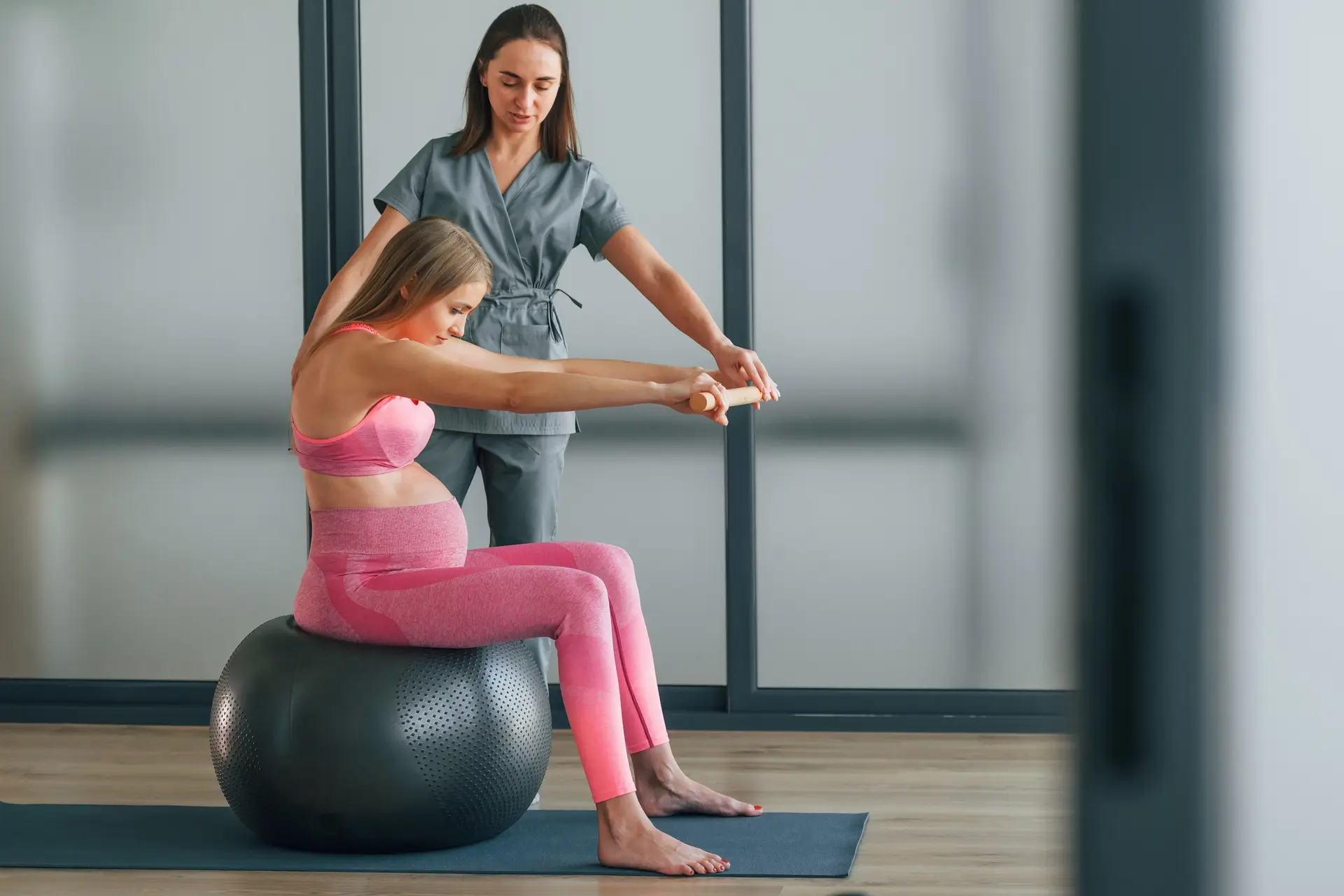
Why Physiotherapy Is Critical for Prenatal Pelvic Floor Care
Physiotherapy is essential during the prenatal period because pregnancy is a major causal factor for urinary incontinence (UI), affecting between 30% and 50% of women. This specialized care addresses the anatomical and functional changes caused by the growing uterus and hormonal shifts, ensuring the pelvic floor can both support the body and facilitate childbirth.
Improving Pelvic Floor Muscle Strength and Coordination
- Intensive Training: Supervised pelvic floor muscle training (PFMT) is effective for both the prevention and treatment of UI during pregnancy, with benefits often persisting into the postpartum period.
- Preventative Efficacy: Intensive PFMT has been shown to prevent UI in approximately 1 in 6 women during pregnancy and 1 in 8 women after delivery.
- The "Knack" Exercise: Physiotherapy teaches coordination through the "knack," a technique where women learn to contract the pelvic floor immediately before an increase in intra-abdominal pressure (like coughing or sneezing) to prevent leakage.
- Muscle Reinforcement: Exercises help with muscle reinforcement, which is vital for maintaining the integrity of the pelvic structures against the mechanical load of the fetus.
Teaching Proper Relaxation for Childbirth
- Perineal Massage: Starting at approximately 35 weeks' gestation, digital perineal massage is used to increase muscle flexibility and decrease resistance.
- Reducing Birth Trauma: This practice significantly reduces the incidence of second- or third-degree tears and episiotomies during vaginal delivery.
- Systemic Relaxation: Physiotherapy also incorporates relaxation training, which has been shown to significantly decrease anxiety and stress responses during pregnancy.
Reducing Pain in the Pelvis, Hips, and Lower Back
- High Prevalence of Pain: Low back pain (LBP) and pelvic girdle pain (PGP) affect approximately 45% of pregnant women.
- Effective Interventions: Systematic reviews indicate that land- or water-based exercises (such as water aerobics) significantly decrease pain intensity and disability.
- Reducing Sick Leave: Women who participate in supervised prenatal exercise programs are less likely to require sick leave due to lumbopelvic pain.
- Multimodal Care: For symptomatic women, specialized techniques like acupuncture, stabilizing exercises, or craniosacral therapy can be used to further reduce pain.
Preventing Complications and Enhancing Postpartum Recovery
- Restoring Continence: Prenatal exercises are particularly beneficial for women who deliver vaginally, as they facilitate a faster restoration of continence compared to those who do not perform exercises.
- Managing Weight Gain: Supervised exercise programs, often combined with dietary counseling, are effective in lowering excessive gestational weight gain, which is a risk factor for various complications.
- Preventing Long-Term Dysfunction: Early intervention is critical because the first delivery contributes the most to the development of stress urinary incontinence; addressing it prenatally can prevent short-term and long-term urogenital distress.
- Psychological Benefits: Supervised aerobic exercise programs have also been found to reduce depressive symptoms in nulliparous women.
What to Expect: Prognosis and Recovery Timeline
The prognosis for prenatal pelvic floor care is generally excellent, with clinical evidence demonstrating that targeted physiotherapy significantly reduces the prevalence and severity of common pregnancy-related conditions. While individual recovery varies, sources provide a clear timeline and set of expectations for this specialized care.
Significant Symptom Improvement During Pregnancy
- Urinary Continence: Intensive pelvic floor muscle training (PFMT) is highly effective, preventing urinary incontinence (UI) in approximately 1 in 6 women during late pregnancy. Studies show that women participating in PFMT report significantly lower urogenital distress and a better quality of life compared to those who do not.
- Musculoskeletal Pain Relief: Prenatal exercises, including water aerobics and sitting pelvic tilts, have a proven "preventative and treatment" effect on low back pain (LBP) and pelvic girdle pain (PGP). These interventions help manage the mechanical load of the growing uterus and reduce pain intensity.
- Mental Well-being: Supervised aerobic exercise and relaxation training during pregnancy have been shown to decrease anxiety, stress, and depressive symptoms, contributing to a more positive prenatal experience.
Timeline for Awareness and Control
- Short-Term Gains (Weeks): Improvements in muscle awareness and coordination often occur within the first few weeks of a supervised program. For example, learning the "knack"—a voluntary contraction before coughing or sneezing—can provide immediate protection against leakage.
- Program Duration: Most effective prenatal physiotherapy protocols last between 8 and 16 weeks. Research indicates that a 12-week intensive program is sufficient to significantly reinforce the pelvic floor muscles before delivery.
- Late Pregnancy Preparation: Techniques like perineal massage are typically introduced around 35 weeks' gestation to increase tissue flexibility and reduce the risk of severe tearing or episiotomies during birth.
Improved Long-Term and Postpartum Outcomes
- Postpartum UI Prevention: The benefits of prenatal care persist after birth, with intensive PFMT preventing UI in 1 in 8 women at the postpartum mark. This effect has been documented to last up to six months following delivery.
- Faster Recovery for Vaginal Births: Women who perform prenatal exercises tend to experience a faster restoration of continence and stability after a vaginal delivery, which otherwise places high stress on pelvic tissues and nerves.
- Reduced Sick Leave: Expectant mothers who participate in regular prenatal exercise are significantly less likely to require sick leave due to lumbopelvic pain compared to those receiving standard care.
Factors Influencing the Prognosis
- Consistency and Adherence: Adherence is perhaps the most critical factor; one major trial found that a lack of significant results was largely due to only 5% of participants performing their daily exercises as prescribed. Conversely, success rates are much higher (over 80%) when patients remain motivated and adhere to the protocol.
- Professional Supervision: While written instructions provide some benefit, training supervised by an experienced therapist is generally found to be more effective for achieving long-term results.
- Individual Risk Factors: Outcomes are also influenced by the mode of delivery (vaginal vs. Cesarean section), infant birth weight, and pre-existing symptoms, with those experiencing UI early in pregnancy requiring more intensive intervention.
In summary, preventative care initiated in the second trimester provides the strongest foundation for a healthy pregnancy and a smoother postpartum recovery.
Physiotherapy Treatment Approaches
Prenatal pelvic floor physiotherapy is a multifaceted approach designed to manage the physiological changes of pregnancy and prepare the body for delivery. Treatment is highly individualized, with programs typically starting in the second trimester (around 20–28 weeks) and lasting between 8 to 16 weeks.
- Pelvic Floor Muscle Training (PFMT)
- Supervised Strengthening: Intensive PFMT supervised by a therapist is significantly more effective than providing written instructions alone for preventing urinary incontinence (UI). Training often involves contractions performed in standing and lying positions to improve muscle reinforcement.
- The "Knack" Exercise: A critical component of PFMT is learning to perform a voluntary contraction immediately before exerting intra-abdominal pressure (such as coughing or sneezing), which helps protect the bladder neck and maintain continence.
- Preventative Efficacy: Intensive prenatal PFMT has been shown to prevent UI in approximately 1 in 6 women during pregnancy and 1 in 8 women postpartum.
- Breathing and Relaxation Techniques
- Anxiety and Stress Reduction: Supervised programs often include relaxation training, which has been shown to significantly decrease anxiety and stress responses in expectant mothers.
- Coordination: These techniques help women coordinate their diaphragm with pelvic floor function, which is essential for managing the increased mechanical load and intra-abdominal pressure of the growing uterus.
- Postural Education and Ergonomics
- Managing Lumbopelvic Pain: Postural education and ergonomic advice are used to reduce the prevalence and severity of low back pain (LBP) and pelvic girdle pain (PGP), which affect about 45% of pregnant women.
- Sitting Pelvic Tilts: Specific interventions, such as an 8-week sitting pelvic tilt program, have been found to have a positive effect on reducing back pain intensity during the third trimester.
- Manual Therapy
- Perineal Massage: Starting at approximately 35 weeks' gestation, digital perineal massage is used to increase the flexibility of the perineal tissues. This practice is associated with a significant reduction in second- or third-degree tears and episiotomies during vaginal birth.
- Adjunctive Therapies: For those with PGP, manual techniques such as craniosacral therapy (as an adjunct to standard care) can help reduce morning pain and improve daily function.
- Edema Relief: Foot massage is a recognized physiotherapeutic intervention that significantly decreases lower leg and foot edema in late pregnancy.
- Core Stabilization and Stabilization Exercises
- Stabilizing Exercises: For women symptomatic with PGP, stabilizing exercises—sometimes used in conjunction with acupuncture or pelvic belts—are effective in reducing pain intensity and associated disability.
- Global Strengthening: Supervised group training often incorporates aerobic and strength exercises to support overall core function and manage excessive gestational weight gain.
- Education and Guidance
- Urogenital Distress: Education focuses on improving a woman’s quality of life by reducing urogenital distress related to bladder and bowel function.
- Clinical Assessment: Supervised sessions include a vaginal examination at each visit to evaluate the correctness of the pelvic floor muscle contraction and provide objective feedback to the patient.
- Self-Management: While supervised care is superior, patients are also provided with written instructions and diaries to encourage daily home practice, which is vital for achieving positive outcomes.
Preventing Pelvic Floor Dysfunction During Pregnancy
Preventing pelvic floor dysfunction during pregnancy is a proactive process that combines physical training, behavioral changes, and professional guidance. Based on sources, here is a detailed breakdown of these preventative strategies:
- Regular Pelvic Floor Exercises (Strengthening and Relaxation)
- Preventative Efficacy: Intensive pelvic floor muscle training (PFMT) is highly effective, shown to prevent urinary incontinence (UI) in approximately 1 in 6 women during pregnancy and 1 in 8 women after delivery.
- Strengthening and Coordination: Training often includes the "knack" exercise, where individuals learn to contract the pelvic floor muscles immediately before activities that increase intra-abdominal pressure, such as coughing or sneezing.
- Relaxation and Flexibility: Preventative care also involves perineal massage, typically starting around 35 weeks' gestation. This technique increases the flexibility of the pelvic muscles, significantly reducing the risk of severe tears or the need for episiotomies during birth.
- Avoiding Excessive Straining During Bowel Movements
- Monitoring Symptoms: Pelvic floor health assessments frequently monitor bowel function because dysfunction can manifest as urogenital distress or bowel disorders.
- Pressure Management: Avoiding straining is critical because the mechanical load of the growing uterus already places significant stress on the pelvic structures. Physiotherapy education often includes guidance on maintaining healthy bladder and bowel habits to protect the pelvic floor.
- Maintaining Good Posture
- Muscle Coordination: Postural changes during pregnancy can alter muscle coordination and are a contributing factor to musculoskeletal pain.
- Targeted Exercises: Interventions such as sitting pelvic tilt exercises have been shown to significantly reduce the intensity of back pain during the third trimester.
- Engaging in Low-Impact, Pregnancy-Safe Physical Activity
- Managing Pain and Edema: Low-impact activities, particularly water aerobics and static immersion, have significant diuretic and edema-relieving effects and are effective in treating low back pain (LBP) and pelvic girdle pain (PGP).
- Supervised Training: Supervised programs involving aerobic exercise, stretching, and strength training help maintain the stability and reinforcement of the pelvic floor muscles throughout pregnancy.
- Managing Weight Gain Appropriately
- Reducing Complications: Excessive gestational weight gain increases the risk of complications for both the mother and infant and is positively correlated with the intensity of low back pain.
- Combined Approach: A combination of pregnancy-specific diet and exercise is identified as the most effective way to control weight gain and reduce postpartum weight retention.
- Seeking Early Physiotherapy Assessment
- Optimal Timing: Most effective prenatal programs are initiated in the second trimester (between 16 and 28 weeks' gestation) and last between 8 and 16 weeks.
- Professional Guidance: Supervised training by an experienced therapist is generally more effective than written instructions alone, as it ensures the correct performance of exercises through clinical evaluation.
- Long-Term Impact: Early intervention is vital because the first delivery contributes most to the development of stress UI; addressing these factors prenatally helps facilitate a faster restoration of continence postpartum.
Our Specialized Approach to Rehabilitation
A specialized prenatal pelvic health physiotherapy program is a multidimensional model of care that prioritizes both physical restoration and patient empowerment to manage the unique stresses of pregnancy and childbirth.
- Individualized Assessment and Goal-SettingRehabilitation begins with a comprehensive evaluation to identify the specific needs of the patient, whether the goal is the prevention of future dysfunction or the treatment of existing symptoms like urinary incontinence (UI) or pelvic girdle pain (PGP).
- Clinical Evaluation: Assessment typically includes a vaginal examination to evaluate the correctness and strength of pelvic floor muscle (PFM) contractions, often using standardized measures like the Laycock scale.
- Symptom Mapping: Providers use validated questionnaires (such as the UDI-6 or IIQ-7) to measure urogenital distress and the impact of symptoms on the patient’s quality of life, allowing for highly specific goal-setting.
- Education Tailored to Pregnancy StageEducation is delivered in phases corresponding to the physiological changes of each trimester.
- Early-to-Mid Pregnancy: Initial sessions focus on pelvic floor anatomy and the importance of correct muscle recruitment.
- Late Pregnancy: As the due date approaches, the focus shifts to techniques like perineal massage, which is typically introduced around 35 weeks’ gestation to increase tissue flexibility and reduce birth trauma.
- Integration of Functional, Real-Life MovementsTo ensure the pelvic floor can handle the increasing mechanical load of the uterus, therapy emphasizes functional coordination rather than isolated strength.
- "The Knack" Exercise: A critical functional skill is learning to perform a voluntary PFM contraction immediately before activities that increase intra-abdominal pressure, such as coughing, sneezing, or lifting.
- Postural and Aerobic Support: Programs often incorporate sitting pelvic tilts, walking, and stabilization exercises to manage low back pain and improve overall core function during daily activities.
- Preparation for Labor and DeliveryPhysiotherapy serves as a proactive tool to optimize birth outcomes and reduce secondary complications.
- Reducing Tears and Episiotomies: Digital perineal massage is a proven intervention to decrease muscular resistance, enabling the perineum to stretch more effectively during delivery.
- Psychological Readiness: Relaxation training is integrated into supervised programs to help minimize anxiety and the body's stress response during labor.
- Collaboration with Other Healthcare ProvidersA holistic approach recognizes that pelvic health is a component of broader obstetric care.
- Multidisciplinary Teams: Rehabilitation is often coordinated between physiotherapists, midwives, and obstetricians.
- Standardizing Care: Effective programs involve training various healthcare professionals in evidence-based pelvic floor techniques to ensure consistency in clinical practice and better referral patterns for symptomatic women.
This integrated framework ensures that expectant mothers receive the physical reinforcement and educational tools necessary to navigate pregnancy with comfort and recover more efficiently after delivery.
FAQs
- Should I do pelvic floor exercises during pregnancy?
- Yes, pelvic floor muscle training (PFMT) is highly recommended, as it has been proven effective in both treating and preventing urinary incontinence (UI) during pregnancy and the postpartum period. However, a balanced approach is key; programs often incorporate a combination of strength, stretching, and relaxation exercises. For example, intensive training that focuses on both the "knack" (a voluntary contraction before a cough or sneeze) and perineal massage (to decrease muscular resistance) helps ensure the muscles are functional rather than just tight
- When should I start pelvic floor physiotherapy
- It is safe and beneficial to start early, typically in the second trimester. Most successful clinical programs in the research recruited women between 16 and 28 weeks of gestation. These programs generally last between 8 and 16 weeks, though specific interventions like perineal massage are often introduced later, around 35 weeks, to prepare for delivery
- Can physiotherapy help with pelvic pain?
- Absolutely. Specialized physiotherapy, including land- or water-based exercises, has been shown to significantly decrease pain and disability associated with low back pain (LBP) and pelvic girdle pain (PGP). Techniques such as sitting pelvic tilts and supervised stabilization exercises are specifically noted for their ability to reduce pain intensity in the third trimester. While most pregnancy-related pain resolves postpartum, early treatment ensures better comfort and function during the pregnancy itself
- Will this help with labor?
- Yes. Improving muscle awareness and flexibility can lead to better birth outcomes. Specifically, perineal massage increases the flexibility of the pelvic muscles, which is associated with a significant reduction in second- or third-degree tears and episiotomies during vaginal birth. Additionally, relaxation training and breathing techniques can help decrease anxiety and the body's stress response during labor
- Is pelvic floor dysfunction normal in pregnancy?
- While pelvic floor dysfunction is extremely common, it is not something that should be ignored as "normal." Urinary incontinence affects approximately 30% to 50% of women during pregnancy, and lumbopelvic pain affects about 45%. The sources highlight that because these symptoms can significantly impact quality of life, preventative and therapeutic physiotherapy is critical to managing them effectively
Take the First Step Toward Recovery
Don't let pelvic floor issues limit your activities or affect your daily life. Our experienced team is ready to help you build a strong foundation for lasting recovery.Book Your Specialized Assessment Today:Phone: 905-669-1221Location: 398 Steeles Ave W #201, Thornhill, ON L4J 6X3Online Booking: www.vaughanphysiotherapy.comServing communities across Thornhill, Langstaff, Newtonbrook, Willowdale, North York, Markham, Richmond Hill, Concord, and North Toronto.Conveniently located in the heart of Thornhill, offering flexible scheduling to accommodate your recovery needs.
Created by Sara Lam