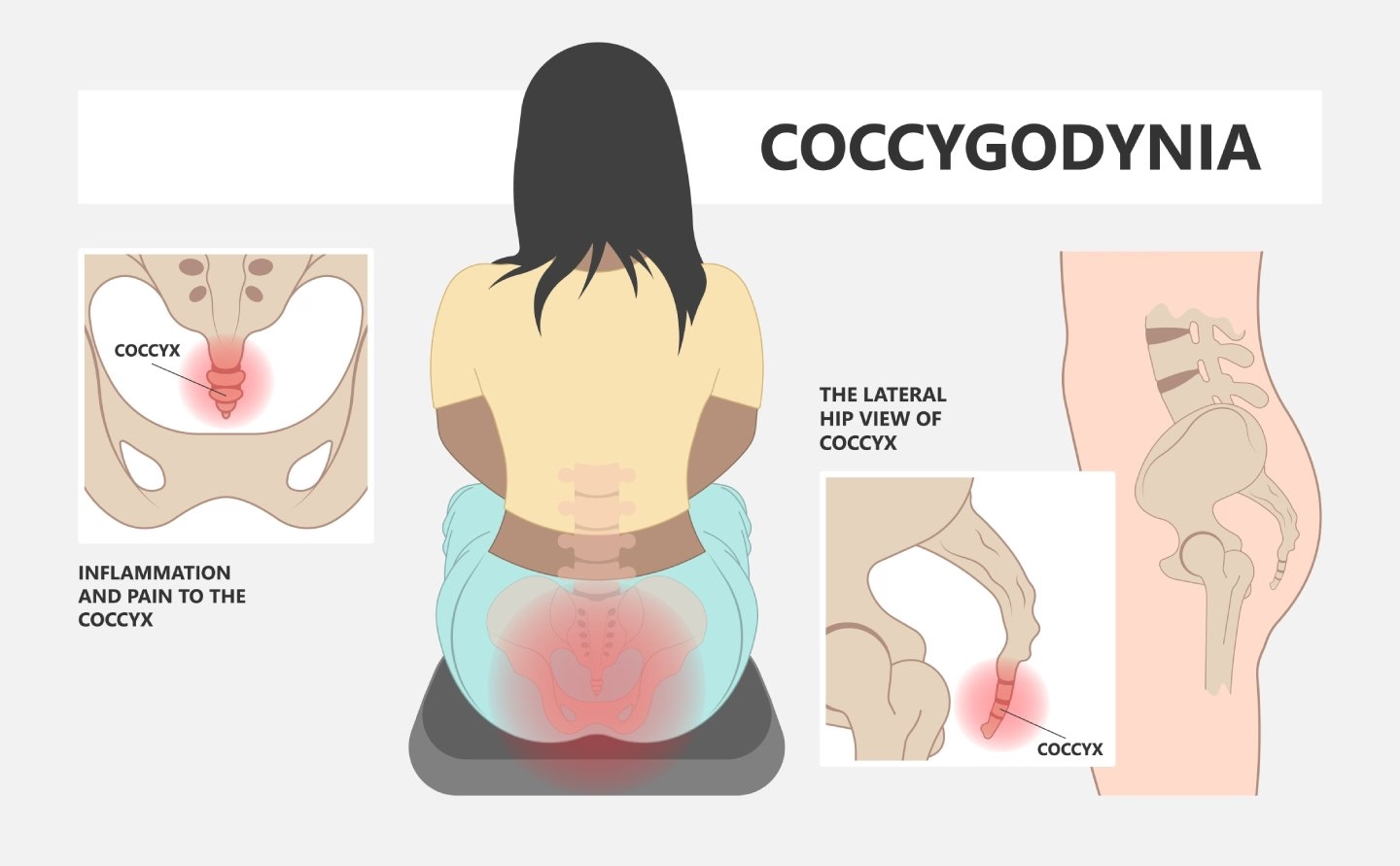
Why Physiotherapy Is Critical for Recovery
Physiotherapy is considered a cornerstone of recovery for tailbone pain because it addresses the complex neuromuscular and biomechanical changes that occur during and after pregnancy. While pain relief is a priority, the sources emphasize that the primary goal of physiotherapy is to restore functional capacity and improve quality of life.
Addressing Neuromuscular and Pelvic Floor Dysfunction
Physiotherapy is critical for managing the "dual pattern" of dysfunction often seen in women with coccydynia: pelvic floor hypertonicity (increased resting muscle tone) and reduced efficiency during voluntary contractions.
- Targeted Muscle Work: Therapists use techniques like pelvic floor massage and "down-training" (relaxation) to address muscle guarding and spasms.
- Manual Therapy: Intrarectal manual manipulation—a technique involving the stretching and mobilization of the coccyx—has been shown to have a 43% success rate in correcting dislocated or subluxated joints.
- Biofeedback: Biofeedback-assisted pelvic floor training can help alleviate pain and improve physical quality-of-life scores by helping patients regain control over their pelvic muscles.
Postural and Body Mechanics Training
A significant portion of tailbone pain is caused or worsened by postural adaptations and mechanical loading.
- Corrective Guidance: Physiotherapists provide essential training on correct sitting positions and the use of antalgic (pain-relieving) positions, such as lateral decubitus.
- Ergonomics for New Mothers: Specific guidance is often needed for activities like breastfeeding, where poor posture and soft furniture can place direct, excessive pressure on the coccyx.
- Pressure Management: Therapists recommend the use of wedge-shaped or ring cushions to redistribute weight onto the ischial tuberosities rather than the tailbone.
Exercise and Stability
Early intervention with safe, pregnancy-specific exercises can prevent symptoms from becoming chronic.
- Muscle Strengthening and Stretching: Management typically includes stretching and core stabilization exercises to improve the musculoskeletal mechanics that are altered during pregnancy.
- Active Lifestyle: By providing tailored exercise plans, physiotherapy helps women maintain an active lifestyle, which is crucial for overall well-being during and after pregnancy.
Pain Relief Modalities
Physiotherapists employ various non-pharmacological tools to manage pain intensity:
- Thermal Therapies: Use of cryotherapy (ice) for acute cases and heat therapy for chronic pain.
- Electrical Stimulation: Techniques like TENS (transcutaneous electrical nerve stimulation) are used to manage pain, particularly when conservative measures like postural changes are not enough.
Because the management of tailbone pain is multifactorial, physiotherapists often work as part of a multidisciplinary team alongside obstetricians and midwives to ensure a comprehensive approach to recovery.
What to Expect: Prognosis and Recovery Timeline
The prognosis for pregnancy-related tailbone pain (coccydynia) is generally favorable, as many cases are suspected to resolve spontaneously without medical intervention. Recovery is typically driven by the normalization of hormone levels and the removal of the mechanical stress caused by the growing fetus and the birthing process.
Recovery Timeline and Expectations
- During Pregnancy: Pain often persists through the second and third trimesters due to increased mechanical load and ligamentous laxity. While the pain may be persistent, it is considered manageable through conservative activities such as postural training, the use of wedge-shaped cushions, and avoiding prolonged sitting on hard surfaces.
- Short-Term Fluctuations: Symptoms are highly dependent on activity levels and posture. For example, new mothers often experience acute pain when adopting a seated position or when leaning back during breastfeeding, which places direct pressure on the coccyx.
- Postpartum Recovery: For many, the condition improves as the body stabilizes after birth. Clinical management typically remains conservative for the first two months postpartum. However, some women continue to report significant pain at the three-month mark, especially if they sustained a fracture or luxation during delivery.
Risks of Chronic Pain
If symptoms persist beyond two months, the condition is classified as chronic coccydynia. Without proper management, the condition can lead to long-term issues:
- Functional and Neuromuscular Impact: Chronic cases are associated with a "dual pattern" of pelvic floor dysfunction, where muscles exhibit high resting tone (hypertonicity) but reduced efficiency during voluntary movement.
- Quality of Life: Persistent pain is a strong predictor of poorer sleep quality, increased anxiety, and significant disability in daily activities.
- Intervention Success: For those whose symptoms do not resolve, more intensive treatments may be required. Manual intrarectal therapy has a reported 43% success rate, while more invasive measures like injections or manipulation under anesthesia have shown success rates up to 85%. Surgery (coccygectomy) is reserved as a final resort for refractory cases.
Sources emphasize that functional symptom burden (how much the pain interferes with movement) is a more accurate predictor of a woman's long-term recovery and quality of life than the initial intensity of the pain itself.
Physiotherapy Treatment Approaches
Physiotherapy treatment for coccydynia during and after pregnancy is a multifactorial and individualized process aimed at reducing pain and restoring functional capacity. Because functional limitations—such as sitting intolerance and difficulty with transitional movements—often impact a woman's quality of life more than pain intensity alone, therapy focuses on a combination of clinical interventions and behavioral adaptations.
Postural Education and Correction
- Sitting Mechanics: A primary focus is training women to sit correctly to avoid placing direct pressure on the coccyx. This involves encouraging an upright position where body weight is supported by the ischial tuberosities (sit bones) rather than the tailbone.
- Breastfeeding Guidance: Specific education is often required for breastfeeding, as modern furniture may be too soft, causing women to lean back and exacerbate coccygeal strain. Correct positioning during feeding is vital to reduce musculoskeletal pain.
- Movement Patterns: Education includes guidance on adopting antalgic (pain-relieving) positions, such as lying in lateral decubitus (on the side) if sitting is untolerable.
Pelvic Floor Therapy
- Addressing Hypertonicity: Many women with tailbone pain exhibit pelvic floor hypertonicity (increased resting muscle tone). Therapy often focuses on "down-training" or relaxation techniques to reduce this muscle guarding.
- Massage and Biofeedback: Interventions may include pelvic floor massage and biofeedback-assisted training, which has been shown to alleviate pain and improve physical quality-of-life scores.
Manual Therapy
- Joint Mobilization: Physiotherapists use gentle techniques to address joint restrictions and soft tissue spasms in the levatores ani and coccygeus muscle groups.
- Intrarectal Manipulation: For more severe or chronic cases, manual intrarectal therapy may be used to stretch and mobilize the bone or correct subluxated (dislocated) joints. This technique involves applying stretching and oscillating force to the coccyx to restore normal mobility.
Exercise Prescription
- Stabilization and Stretching: Management frequently involves stretching and core stabilization exercises to address the altered musculoskeletal mechanics and postural changes of pregnancy.
- Maintaining Activity: A key goal of these exercises is to help the patient maintain an active lifestyle, which supports overall well-being and psychological health.
Pain Management Strategies
- Pressure Relief: The use of wedge-shaped cushions or ring/donut pillows is strongly recommended to redistribute weight away from the coccyx while sitting.
- Thermal and Electrical Therapies: Physiotherapists may utilize cryotherapy (ice) for acute cases, heat therapy for chronic pain, or Transcutaneous Electrical Nerve Stimulation (TENS) for managing persistent symptoms.
Activity Modification
- Reducing Strain: Strategies include reducing overall time spent sitting and modifying daily routines to avoid repetitive minor trauma, such as that from certain types of exercise.
- Safety Adaptation: All interventions are carefully adapted to ensure they are non-invasive and safe for the pregnant or postpartum individual, often involving a multidisciplinary team of obstetricians, midwives, and therapists.
Preventing Recurrence
To reduce the risk of recurring tailbone pain (coccydynia) during and after pregnancy, sources emphasize a combination of postural discipline, mechanical aids, and neuromuscular maintenance. Because the condition is often exacerbated by the anatomical and hormonal shifts of pregnancy, early and consistent intervention is key to preventing it from becoming chronic.
- Maintain Proper Posture
- Correct sitting is perhaps the most critical factor in preventing recurrence. You should be trained to sit in an upright position so that your body weight is supported by the ischial tuberosities (sit bones) rather than the coccyx itself. This is particularly important for new mothers; modern furniture is often too soft and encourages a "slumped" or leaning-back position—especially during activities like breastfeeding—which places direct, sustained pressure on the tailbone.
- Use Supportive Seating SurfacesAvoiding hard, narrow, or unyielding surfaces is essential. To minimize recurrence:
- Wedge-shaped cushions: These are frequently recommended to redistribute weight away from the coccyx.
- Ring or donut pillows: These can also alleviate pressure, though they should be used with caution to ensure they do not impede circulation.
- Avoid Prolonged Sitting or Standing
- Reducing the overall time spent sitting is a standard conservative management strategy. Prolonged sitting increases the mechanical load on the sacrococcygeal joint, which may have already been weakened by ligamentous laxity or birth trauma. If sitting is unavoidable, frequently changing positions or using an antalgic position (such as lying on your side) can help prevent the buildup of pressure.
- Engage in Low-Impact Exercise and Core StabilizationMaintaining an active lifestyle is strongly associated with better physical and psychological outcomes. Specific exercises often focus on:
- Core stabilization: These exercises address the altered musculoskeletal mechanics caused by the growing fetus.
- Avoiding repetitive trauma: To prevent recurrence, you may need to avoid activities that place repetitive stress on the coccyx, such as cycling or rowing.
- Professional Pelvic Floor GuidancePelvic floor exercises are often recommended, but they must be tailored to your specific needs. In many cases of coccydynia, the muscles are hypertonic (overactive), meaning they are in a constant state of "guarding". A professional may guide you through:
- Relaxation or "down-training": This helps reduce muscle spasms in the levatores ani and coccygeus groups that attach to the tailbone.
- Biofeedback: This assisted training can help you regain efficient control over voluntary contractions and improve neuromuscular coordination.
- Implement Proper Body Mechanics
- Daily activities like climbing stairs or rising from a seated position can trigger pain and potentially lead to recurrence. Implementing proper mechanics—such as standing up slowly and avoiding jerky transitional movements—minimizes the risk of acute re-injury to the joint.
Additional Factors for Prevention
- Weight Management: Obesity increases the risk of tailbone pain three-fold because it minimizes pelvic rotation during sitting, leaving the coccyx in a more vulnerable perpendicular position.
- Multidisciplinary Support: Regular check-ins with physiotherapists or midwives can ensure that subluxated joints are identified early and that conservative strategies are working effectively.
Our Specialized Approach to Rehabilitation
A specialized rehabilitation approach for pregnancy-related tailbone pain (coccydynia) shifts the clinical focus from mere pain relief to a function-oriented and individualized model of care. This approach is essential because functional symptom burden—including sitting intolerance and difficulty with transitional movements—is a more accurate predictor of a woman's quality of life and clinical outcomes than pain intensity alone.
- Comprehensive AssessmentRehabilitation begins with a multidimensional assessment that evaluates not just localized pain, but also the broader impact on daily activities.
- Postural and Movement Analysis: Standardized clinical examinations identify restricted or painful coccygeal mobility and difficulties with activities like walking, sitting, or climbing stairs.
- Pelvic Function Evaluation: Objective measures are used to assess the "dual pattern" of neuromuscular dysfunction common in these cases: pelvic floor hypertonicity (increased resting tone) and reduced contractile efficiency. Surface electromyography (sEMG) can be employed as a non-invasive method to evaluate these muscle activation patterns.
- Integration of Prenatal-Safe TechniquesInterventions are carefully selected to ensure safety while addressing the physiological and biomechanical changes of pregnancy.
- Pelvic Floor Down-Training: Rather than traditional strengthening, therapy often focuses on pelvic floor relaxation to alleviate muscle guarding and hypertonicity.
- Manual Therapy: Gentle techniques such as joint mobilization or manual intrarectal therapy can be used to correct dislocated or subluxated joints. Manual therapy is reported to be more successful when the pain is due to trauma.
- Pain Modalities: Safe non-pharmacological options include cryotherapy (ice) for acute cases, heat for chronic pain, and biofeedback-assisted training to improve physical quality-of-life scores.
- Education for Self-ManagementEmpowering women with ergonomic and postural strategies is critical for maintaining an active lifestyle and preventing the condition from becoming chronic.
- Postural Training: Patients are trained to adopt an upright sitting position where body weight is supported by the ischial tuberosities (sit bones) rather than the coccyx.
- Pressure Relief: Guidance is provided on using wedge-shaped or ring cushions to redistribute weight away from the tailbone during necessary seated activities.
- Daily Activity Modification: Specific education is provided for postpartum care, such as breastfeeding postures; soft furniture often encourages leaning back, which places direct, excessive pressure on the coccyx.
- Collaboration with Healthcare Providers
- Management of tailbone pain is multifactorial and multidisciplinary. Midwives and obstetric teams are typically the first point of contact and work alongside physiotherapists to provide early intervention, mobilize joints if necessary, and refer to specialized teams for severe or refractory cases.
- Optimizing Function and Experience
- The ultimate goal is to restore functional capacity and improve both physical and psychological quality of life. By targeting functional limitations and behavioral adaptations rather than just numerical pain ratings, this approach supports a healthier pregnancy and reduces maternal morbidity.
FAQs
- Is tailbone pain during pregnancy normal?
- Yes, tailbone pain is a very common condition during and after pregnancy. It is primarily caused by hormonal shifts, ligamentous laxity, and biomechanical changes that increase the mechanical load on the pelvic region. While global estimates for pregnancy-related pelvic pain vary between 7% and 65%, one study found that 86.7% of postpartum women experienced some level of tailbone pain. Furthermore, the female coccyx is naturally more mobile and prominent than the male coccyx, making it more vulnerable to these changes
- Can exercise make it worse?
- Certain high-impact or repetitive activities, such as cycling or rowing, can aggravate symptoms by causing repetitive minor trauma to the area. However, guided physiotherapy is a critical part of recovery. This often includes stretching, core stabilization, and postural training to address the altered musculoskeletal mechanics of pregnancy. Specialized exercises may also focus on pelvic floor "down-training" to help relax overactive muscles that contribute to the pain
- Will the pain go away after delivery?
- In many cases, symptoms resolve spontaneously as hormone levels normalize and the mechanical stress of the pregnancy is removed. Clinical management is typically conservative for the first two months postpartum, which is when many women see significant improvement. However, if the pain persists beyond two months, it is considered chronic and may require more intensive interventions, such as manual manipulation or specialized therapy
- When should I see a physiotherapist?
- You should seek professional advice if the pain interferes with your activities of daily living or significantly impacts your quality of life. Physiotherapists assess more than just pain intensity; they evaluate functional limitations, such as sitting intolerance or difficulty rising from a chair, to create an effective rehabilitation plan. Early intervention is also recommended if conservative self-care measures do not provide relief
- Are there safe ways to sit with tailbone pain?
- Yes, modifying how you sit can significantly reduce discomfort. You should be trained to sit in an upright position so that your weight is supported by your "sit bones" (ischial tuberosities) rather than the tailbone. It is important to avoid leaning back, especially on soft furniture or while breastfeeding, as this puts direct, sustained pressure on the coccyx. Using wedge-shaped or ring cushions can also help redistribute pressure and provide a more comfortable position
Take the First Step Toward Recovery
Don't let tailbone pain limit your activities or affect your daily life. Our experienced team is ready to help you build a strong foundation for lasting recovery.Book Your Specialized Assessment Today:Phone: 905-669-1221Location: 398 Steeles Ave W #201, Thornhill, ON L4J 6X3Online Booking: www.vaughanphysiotherapy.com Serving communities across Thornhill, Langstaff, Newtonbrook, Willowdale, North York, Markham, Richmond Hill, Concord, and North Toronto.Conveniently located in the heart of Thornhill, offering flexible scheduling to accommodate your recovery needs.
Created by Sara Lam