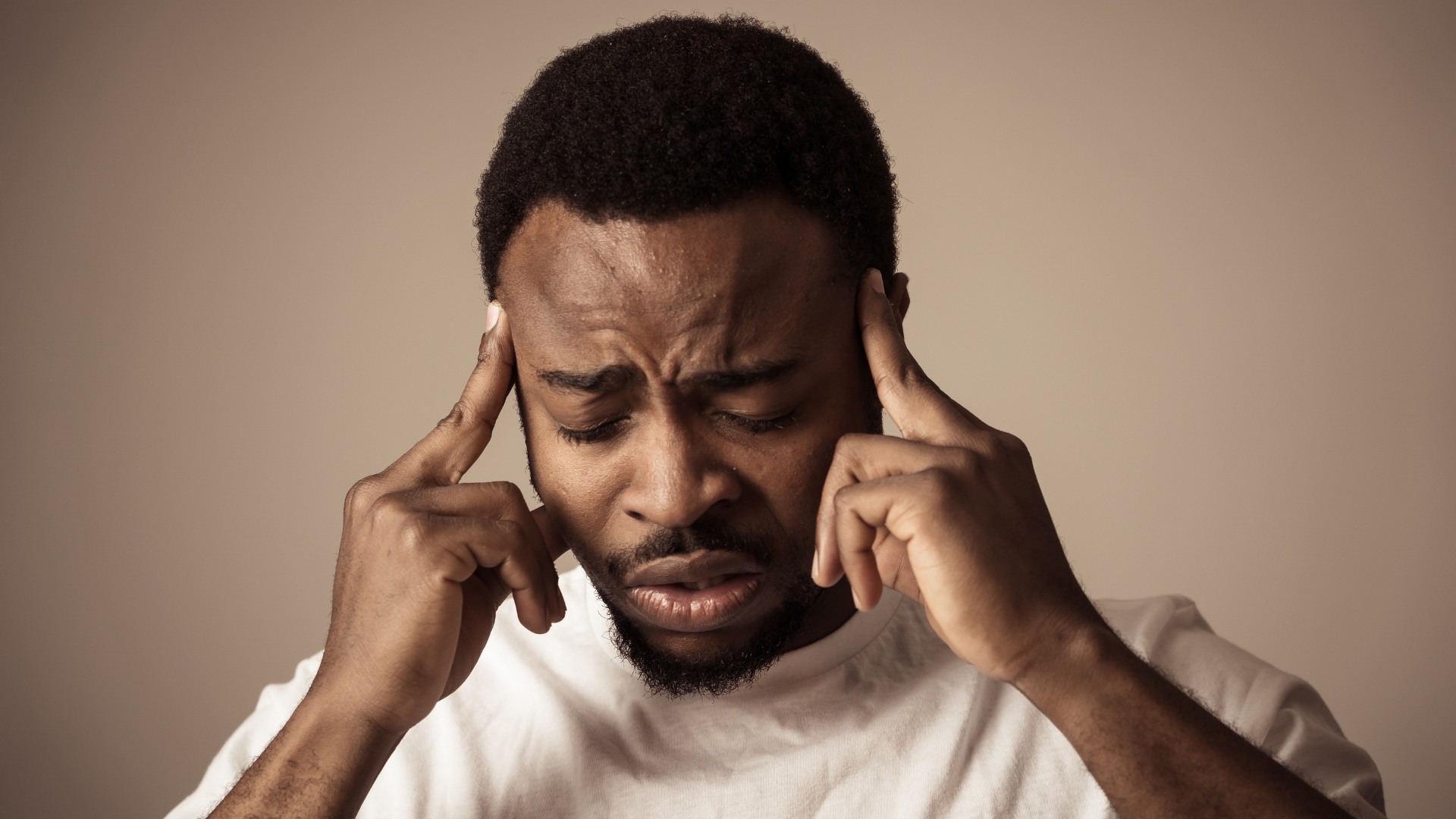
TMJ arthritis refers to arthritis that develops in the temporomandibular joint, the small but complex hinge-and-glide joint connecting your lower jaw (mandible) to your skull. Like any other joint in the body, the TMJ is susceptible to arthritic change, and when it occurs, it can cause significant jaw pain, stiffness, clicking, and difficulty with everyday activities such as eating, speaking, and yawning.
There are two broad categories of TMJ arthritis that patients should understand: osteoarthritis (OA) and inflammatory arthritis. While both affect the same joint, they arise from different mechanisms and follow different clinical courses.
Osteoarthritis of the TMJ
TMJ osteoarthritis is the most common form of arthritis in the temporomandibular joint. It is a degenerative condition in which the protective cartilage covering the condyle (the rounded end of the jawbone) and the articular fossa (the socket in the temporal bone) gradually wears down over time. As the cartilage thins and deteriorates, the underlying bone becomes exposed and begins to remodel, leading to pain, crepitus (grinding sounds), and progressive loss of jaw function.
TMJ OA tends to be more prevalent in adults over the age of 40 and is more common in women than men. It may develop gradually from years of mechanical wear, or it may be accelerated by factors such as jaw trauma, chronic clenching or grinding (bruxism), malocclusion, or prior disc displacement. Research published in the Journal of Dental Research confirms that TMJ OA is initiated by multiple factors including injury, aging, abnormal joint mechanics, and atypical joint shape, all of which can produce microtrauma, tissue remodelling, and synovial inflammation (Wang et al., 2015).
Inflammatory Arthritis of the TMJ
Inflammatory arthritis of the TMJ occurs when the body's immune system attacks the joint tissues directly. This category includes conditions such as:
Rheumatoid arthritis (RA): An autoimmune condition that causes chronic inflammation of the synovial membrane lining the joint, leading to cartilage and bone erosion. TMJ involvement occurs in an estimated 50–75% of RA patients.
Psoriatic arthritis (PsA): A seronegative inflammatory arthritis associated with psoriasis. Clinical features include pre-auricular swelling, occlusal derangement, deviation of the jaw during opening and closing, and restricted mouth opening.
Ankylosing spondylitis: A systemic inflammatory disease that primarily affects the spine but can also involve the TMJ.
Juvenile idiopathic arthritis (JIA): The most common form of childhood arthritis, which can affect TMJ growth and development in children.
Inflammatory arthritis of the TMJ follows a pattern of joint erosion similar to rheumatoid arthritis elsewhere in the body, causing progressive damage if left untreated. Importantly, inflammatory TMJ arthritis requires co-management with a rheumatologist alongside physiotherapy care.
Key Differences at a Glance
Feature
Osteoarthritis
Inflammatory Arthritis
Cause
Mechanical wear and degeneration
Immune system attacks joint tissues
Onset
Gradual, over months to years
Can be sudden or insidious
Morning stiffness
Brief (under 30 minutes)
Prolonged (over 30 minutes)
Swelling
Minimal
Often prominent
Age of onset
Typically over 40
Any age
Bilateral involvement
Usually one side
Often both sides
Systemic symptoms
None
Fatigue, fever, other joint involvement
Anatomy of the Temporomandibular Joint
Understanding why the TMJ is vulnerable to arthritis requires a basic knowledge of its unique anatomy. The TMJ is one of the most complex joints in the human body, performing both hinge (rotational) and gliding (translational) movements.
Key Structures
Mandibular condyle: The rounded bony projection at the top of the jawbone that fits into the temporal bone socket. In a healthy joint, the condyle is covered by a thin layer of fibrocartilage.
Articular fossa and eminence: The concavity and raised ridge on the underside of the temporal bone where the condyle sits and slides during jaw movement.
Articular disc: A biconcave disc of fibrocartilage that sits between the condyle and the fossa. The disc acts as a shock absorber, distributing mechanical loads and allowing smooth, frictionless movement. Displacement or perforation of this disc is a common precursor to TMJ OA.
Synovial membrane and fluid: The joint is lined by a synovial membrane that produces synovial fluid for lubrication and nutrient delivery to the cartilage. In inflammatory arthritis, this membrane becomes inflamed (synovitis), thickened, and produces excess fluid.
Joint capsule: A fibrous envelope surrounding the joint, reinforced by lateral ligaments that stabilize the condyle during movement.
Muscles of mastication: The masseter, temporalis, medial pterygoid, and lateral pterygoid muscles power jaw movement. Dysfunction in these muscles often accompanies TMJ arthritis and contributes significantly to pain and limitation.
Unlike most joints, the TMJ articular surfaces are covered by fibrocartilage rather than hyaline cartilage. While fibrocartilage has some capacity for repair and remodelling, once degenerative changes become established, the joint's ability to self-repair diminishes significantly.
How TMJ Arthritis Develops
TMJ arthritis does not appear overnight. It develops through a cascade of biological events that progressively compromise joint integrity.
The Degenerative Pathway (Osteoarthritis)
Research from Li et al. (2021) and Wang et al. (2015) has established the following sequence of events in TMJ OA:
Initiating event: Mechanical overloading, trauma, disc displacement, bruxism, or abnormal bite forces place excessive stress on the articular cartilage.
Chondrocyte stress response: Cartilage cells (chondrocytes) respond to abnormal loading with increased oxidative stress and mitochondrial dysfunction. This disrupts normal cellular metabolism.
Inflammatory cascade: Stressed chondrocytes release pro-inflammatory cytokines, particularly interleukin-1 beta (IL-1β) and tumour necrosis factor alpha (TNF-α). These molecules suppress the production of new cartilage matrix and accelerate its breakdown.
Matrix degradation: Enzymes called matrix metalloproteinases (MMPs) and ADAMTS break down the collagen and proteoglycan framework of the cartilage, causing it to soften, thin, and eventually erode.
Subchondral bone changes: As cartilage is lost, the underlying bone is exposed to increased mechanical stress. The bone responds with sclerosis (hardening), osteophyte (bone spur) formation, and cyst development.
Disc changes: The articular disc may become displaced, perforated, or deformed, further disrupting normal joint mechanics.
Burnout phase: Eventually, the joint may reach a relatively stable state where active degeneration slows. This burnout phase can bring some symptom relief, though structural changes remain.
The Inflammatory Pathway
In inflammatory arthritis, the sequence differs. The immune system generates antibodies or inflammatory cells that attack the synovial membrane. The inflamed synovium (called pannus in RA) invades and erodes cartilage and bone from the inside out. This process can be more rapid and destructive than OA, particularly in uncontrolled rheumatoid or psoriatic arthritis.
Risk Factors
Bruxism (teeth grinding or clenching)
Previous jaw trauma or fracture
Disc displacement or internal derangement
Malocclusion (misaligned bite)
Hormonal factors (higher prevalence in women, possibly related to estrogen receptors in the TMJ)
Physiotherapy is widely recognized as a first-line conservative treatment for TMJ arthritis. Research consistently supports that 85–90% of individuals with TMJ disorders respond well to conservative, non-invasive therapies, with physiotherapy forming the cornerstone of this approach (Sood et al., 2023).
The Case for Conservative Management
The evidence base strongly favours starting with conservative, reversible treatments before considering surgical options. A landmark review by Dimitroulis (2018) confirmed that long-term follow-up of patients treated with conservative reversible procedures have shown the best results for TMJ disorders, including arthritic conditions.
Physiotherapy for TMJ arthritis works through several mechanisms:
Pain modulation: Manual therapy techniques and therapeutic exercises stimulate mechanoreceptors that help gate pain signals, reducing the perception of jaw pain.
Improved joint mobility: Controlled mobilization and exercise prevent adhesions, maintain or restore range of motion, and promote healthy synovial fluid circulation within the joint.
Muscle retraining: The muscles of mastication often develop protective guarding patterns, trigger points, and coordination deficits in response to joint pain. Physiotherapy addresses these dysfunctions directly.
Load management: Education about jaw posture, dietary modifications, and habit awareness helps reduce abnormal mechanical forces on the arthritic joint.
Central sensitization management: Chronic TMJ pain can lead to heightened pain sensitivity in the central nervous system. Physiotherapy incorporates pain neuroscience education to address this component.
What the Research Shows
A systematic review by Armijo-Olivo et al. (2016) published in Physical Therapy found that manual therapy and exercise therapy are the most effective conservative approaches for TMJ disorders, offering substantial pain relief and functional improvement. When manual therapy is combined with therapeutic exercise, benefits persist significantly longer than with manual therapy alone.
De Melo et al. (2022) demonstrated that a structured home-based exercise program for TMJ osteoarthritis produced significant improvements in pain levels, jaw function, and even joint structural integrity on imaging, confirming that exercise has disease-modifying potential beyond simple symptom relief.
What to Expect: Recovery Timeline
Recovery from TMJ arthritis is a gradual process that depends on the type of arthritis, its severity, how long symptoms have been present, and the patient's adherence to treatment. The following is a general guide:
Weeks 1–3: Acute Phase
Focus: Pain reduction, inflammation management, and patient education
What to expect: Your physiotherapist will assess your jaw mechanics, muscle function, and pain patterns. Initial treatment emphasizes gentle manual therapy, soft tissue release of the masticatory muscles, and education about jaw rest positions, dietary modifications, and habits to avoid (such as gum chewing, nail biting, and wide yawning). Heat or cold therapy may be applied. You may be advised to use anti-inflammatory medication as directed by your physician.
Typical progress: A noticeable reduction in acute pain and muscle tension. Some patients report 30–50% improvement in pain within the first two to three weeks.
Weeks 4–8: Restoration Phase
Focus: Restoring range of motion, improving muscle coordination, and building jaw endurance
What to expect: Treatment progresses to include active jaw exercises (controlled opening, lateral excursions, protrusive movements), gentle resistance exercises, joint mobilization techniques, and postural correction for the cervical spine and upper body. Your therapist will guide you through a structured home exercise program.
Typical progress: Improved mouth opening, reduced clicking or locking episodes, and better tolerance for normal eating. Many patients achieve 50–70% overall improvement by this stage.
Weeks 9–16: Strengthening and Functional Phase
Focus: Building jaw strength, restoring full function, and addressing contributing factors
What to expect: Progressive loading of the jaw muscles, advanced manual therapy techniques, ergonomic and postural optimization, and stress management strategies. Treatment may be spaced to biweekly or monthly sessions.
Typical progress: Most patients achieve 70–90% improvement. You should be able to eat a normal diet, speak without discomfort, and manage your symptoms independently.
Beyond 4 Months: Long-Term Management
Focus: Maintenance, flare prevention, and ongoing self-management
What to expect: Periodic check-ins, continued home exercise, and strategies for managing flare-ups independently. For inflammatory arthritis, ongoing coordination with your rheumatologist is essential.
Important note: TMJ OA tends to progress through phases and may eventually reach a "burnout" phase where active degeneration slows. A long-term study found that 61% of joints showed improvement over time, with the overall destructive change index decreasing significantly. This means that with appropriate management, the long-term outlook for TMJ arthritis is generally favourable.
Treatment: How We Manage TMJ Arthritis
At Vaughan Physiotherapy, we use a comprehensive, evidence-based approach to managing TMJ arthritis. Our treatment plans are individualized based on your specific type of arthritis, symptom severity, and functional goals.
Range of Motion Exercises
Controlled jaw exercises are fundamental to TMJ arthritis management. These include:
Active-assisted opening: Using gentle finger pressure to guide the jaw through its full range of opening, helping stretch tight capsular tissues and prevent adhesion formation.
Lateral excursion exercises: Moving the jaw side to side against light resistance to restore symmetrical movement and strengthen the lateral pterygoid muscles.
Protrusive glides: Sliding the lower jaw forward to mobilize the joint and improve translational movement.
Rhythmic stabilization: Applying gentle multi-directional resistance to the jaw while maintaining a neutral position, which improves neuromuscular control and joint stability.
Controlled opening with tongue positioning: Placing the tongue on the roof of the mouth during opening exercises to encourage proper condylar rotation and prevent excessive translation.
Research by De Melo et al. (2022) found that a structured home exercise program for TMJ OA improved not only pain and function but also showed positive changes in joint structure on imaging, supporting the disease-modifying potential of exercise.
Manual Therapy
Hands-on techniques form a critical component of TMJ arthritis treatment:
Intra-oral joint mobilization: Gentle graded mobilizations applied directly to the TMJ through the mouth to improve joint mobility and reduce pain.
Soft tissue release: Targeted massage and myofascial release of the masseter, temporalis, medial and lateral pterygoid, and digastric muscles to reduce muscle guarding and trigger points.
Cervical spine mobilization: The upper cervical spine and TMJ share neurological pathways. Mobilization of the cervical spine can have direct effects on TMJ pain and function.
Joint distraction: Gentle longitudinal traction applied to the TMJ to decompress the joint surfaces, promote synovial fluid circulation, and reduce pain.
A systematic review and meta-analysis by Martins et al. (2016) confirmed that manual therapy combined with therapeutic exercise produces the most durable improvements in TMJ pain and function, with effects persisting longer than either intervention alone.
Load Management
Managing the mechanical demands placed on the arthritic TMJ is essential for symptom control and long-term joint health:
Dietary guidance: Transitioning to softer foods during flare-ups, cutting food into small pieces, and avoiding chewy or hard foods that place excessive stress on the joint.
Habit modification: Identifying and eliminating parafunctional habits such as gum chewing, nail biting, pen chewing, jaw clenching, and resting the chin on the hand.
Jaw rest position education: Learning the ideal resting position for the jaw (lips together, teeth apart, tongue on the palate) to minimize baseline joint loading.
Activity pacing: Balancing jaw use throughout the day, avoiding prolonged speaking, singing, or dental procedures without breaks.
Pain Education
Understanding your pain is a powerful tool for managing it:
Pain neuroscience education: Learning how the nervous system processes and amplifies pain signals, particularly in chronic conditions. Understanding that pain does not always equal tissue damage can significantly reduce fear-avoidance behaviour and improve outcomes.
Central sensitization awareness: Chronic TMJ pain can lead to heightened sensitivity where the nervous system amplifies pain signals. Education about this process helps patients understand why pain may persist even after structural changes stabilize.
Self-management strategies: Relaxation techniques, diaphragmatic breathing, mindfulness, and stress reduction strategies that help modulate the nervous system's pain response.
Ergonomics and Postural Optimization
Posture plays a significant role in TMJ health:
Forward head posture correction: A forward head position increases strain on the TMJ by altering the resting position of the mandible and increasing activity of the jaw-closing muscles. Addressing cervical and thoracic posture can meaningfully reduce TMJ symptoms.
Workstation assessment: Optimizing screen height, chair position, and desk ergonomics to maintain a neutral head and neck position during prolonged computer use or desk work.
Sleep positioning: Avoiding sleeping face-down and using appropriate pillow support to minimize overnight jaw compression.
Phone habits: Reducing prolonged phone use that encourages forward head posture or jaw clenching.
Long-Term Management of TMJ Arthritis
TMJ arthritis is a condition that benefits from ongoing attention even after initial symptoms improve. Long-term management focuses on maintaining the gains achieved during active treatment and preventing flare-ups.
Ongoing Self-Care
Daily home exercises: A maintenance program of jaw mobility and strengthening exercises, typically taking 5–10 minutes per day, helps preserve joint function and muscle balance.
Stress management: Psychological stress is one of the most significant triggers for TMJ symptom flares, as it often leads to unconscious jaw clenching and muscle tension. Regular stress-reduction practices are essential.
Regular dental care: Maintaining good dental health and addressing any bite changes promptly helps protect the TMJ from additional mechanical stress.
Activity awareness: Continued mindfulness about jaw habits, dietary choices, and posture helps prevent the gradual return of symptoms.
Managing Flare-Ups
Flare-ups are a normal part of living with TMJ arthritis. Knowing how to manage them reduces their impact:
Apply moist heat or ice to the affected side for 15–20 minutes
Return to a soft diet temporarily
Increase the frequency of gentle jaw exercises
Practice relaxation and breathing techniques
Contact your physiotherapist if symptoms do not settle within one to two weeks
When to Seek Additional Care
While most TMJ arthritis responds well to physiotherapy, certain situations warrant further investigation:
Progressive loss of mouth opening despite consistent treatment
Sudden changes in bite alignment
New onset of swelling or warmth over the joint
Symptoms spreading to involve other joints (may indicate systemic inflammatory arthritis)
Locking of the jaw that does not resolve
Coordination with Other Providers
Optimal management of TMJ arthritis often involves a collaborative approach:
Dentist or prosthodontist: For occlusal splints, bite adjustments, or dental restorations
Rheumatologist: Essential for inflammatory arthritis management, including disease-modifying medications (DMARDs) and biologic therapies
Physician: For pharmacological management including anti-inflammatory medications
Psychologist or counsellor: For stress management, cognitive behavioural therapy, and addressing the psychological impact of chronic pain
Frequently Asked Questions
What does TMJ arthritis feel like?
TMJ arthritis typically presents as a deep, aching pain in front of the ear that may radiate to the temple, cheek, or along the jawline. You may notice stiffness when opening your mouth first thing in the morning, grinding or crepitus sounds during jaw movement, and difficulty chewing tough or hard foods. Some patients also experience intermittent locking or catching of the jaw. The pain is usually worse with jaw use and improves with rest.
Is TMJ arthritis the same as TMD?
Not exactly. TMD (temporomandibular disorder) is a broad umbrella term that includes all conditions affecting the TMJ and surrounding muscles, including disc displacements, muscle disorders, and arthritis. TMJ arthritis is one specific type of TMD. While all TMJ arthritis is a form of TMD, not all TMD involves arthritis.
Can TMJ arthritis be cured?
Osteoarthritis of the TMJ cannot be fully reversed, but it can be effectively managed. The good news is that TMJ OA often progresses through phases and eventually reaches a burnout stage where active degeneration slows or stops. With appropriate physiotherapy, most patients achieve significant pain relief and functional improvement. Inflammatory arthritis can be well-controlled with a combination of physiotherapy and appropriate medical management, though it requires ongoing attention.
How long does TMJ arthritis treatment take?
Most patients notice meaningful improvement within three to eight weeks of beginning physiotherapy. However, achieving optimal results and building long-term resilience typically takes three to four months of consistent treatment and home exercise. The timeline varies depending on the type and severity of arthritis, how long symptoms have been present, and individual factors.
Will I need surgery for TMJ arthritis?
The vast majority of patients with TMJ arthritis do not require surgery. Research consistently shows that 85–90% of patients respond well to conservative treatment including physiotherapy. Surgery is typically reserved for cases where significant structural damage has occurred or where conservative treatment has been thoroughly exhausted without adequate improvement. Even minimally invasive procedures such as arthrocentesis (joint lavage) are considered only after a full course of conservative care.
Can I still exercise with TMJ arthritis?
Absolutely. General physical exercise is encouraged and can actually help manage TMJ symptoms by reducing stress, improving overall circulation, and promoting natural pain-relieving endorphins. The main precautions relate to activities that involve direct jaw impact (such as contact sports without a mouthguard) or excessive jaw clenching (which some people do unconsciously during heavy lifting). Your physiotherapist can advise you on any specific modifications.
Does stress make TMJ arthritis worse?
Yes. Psychological stress is one of the most significant aggravating factors for TMJ symptoms. Stress commonly leads to increased jaw clenching and grinding (often unconscious), elevated muscle tension in the masticatory muscles, and heightened pain sensitivity through central nervous system changes. Stress management is therefore considered an essential component of comprehensive TMJ arthritis treatment.
Get Better Today
TMJ arthritis does not have to control your life. Whether you are dealing with the gradual wear of osteoarthritis or the immune-driven inflammation of rheumatoid or psoriatic arthritis, physiotherapy offers a proven, evidence-based pathway to reduced pain, improved jaw function, and better quality of life.
At Vaughan Physiotherapy, our experienced team provides thorough assessment and individualized treatment for all types of TMJ arthritis. We combine hands-on manual therapy, targeted exercise programs, pain education, and practical self-management strategies to help you regain control of your jaw health.
Ready to take the first step?
Call us at 905-669-1221 or visit us at 398 Steeles Ave W, Unit 201, Thornhill, Ontario to book your assessment today.
References
Wang XD, Zhang JN, Gan YH, Zhou YH. Current understanding of pathogenesis and treatment of TMJ osteoarthritis. Journal of Dental Research. 2015;94(5):666-673.
Li H, et al. Pathological mechanism of chondrocytes and the surrounding environment during osteoarthritis of temporomandibular joint. Journal of Cellular and Molecular Medicine. 2021;25(11):4902-4914.
Zhu J, et al. Temporomandibular joint osteoarthritis: pathogenic mechanisms involving the cartilage and subchondral bone. International Journal of Molecular Sciences. 2023;24(1):729.
Dimitroulis G. Management of the temporomandibular joint in inflammatory arthritis. British Journal of Oral and Maxillofacial Surgery. 2017;55(5):483-489.
Martins WR, et al. Effectiveness of manual therapy and therapeutic exercise for temporomandibular disorders. Physical Therapy Reviews. 2016;21(3-6):167-176.
De Melo LA, et al. A home-based exercise program for temporomandibular joint osteoarthritis. Journal of Applied Oral Science. 2022;30:e20210351.
Armijo-Olivo S, et al. Effectiveness of manual therapy and therapeutic exercise for temporomandibular disorders. Physical Therapy. 2016;96(1):9-25.
Sood R, et al. Effectiveness of non-invasive physiotherapy techniques in managing chronic TMD pain. Journal of Oral and Maxillofacial Anesthesia. 2023.
Start Your Journey to
Better Health Today
Recover faster, move better, and feel stronger with expert physiotherapy. Our team is here to guide you every step of the way.