


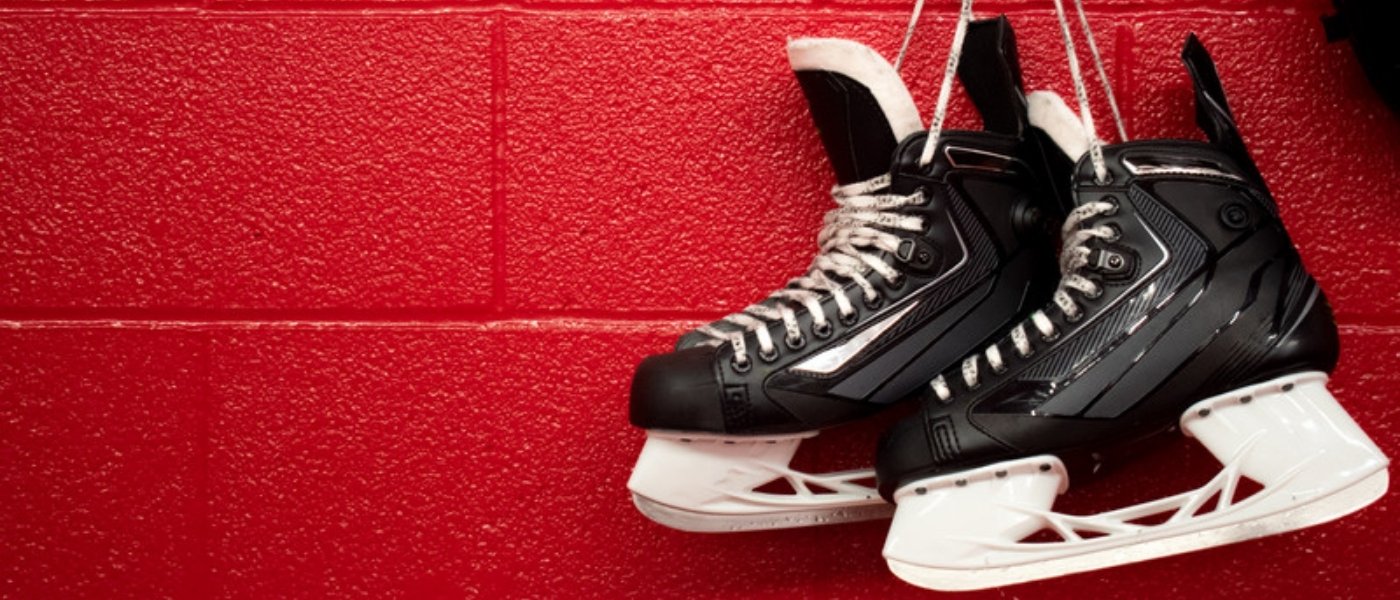
Pair of ice hockey skates hanging against a red brick wall

AC Joint Separation (Separated Shoulder)

An injury to the joint between the collarbone and shoulder blade, usually from a fall or hit on the point of the shoulder.
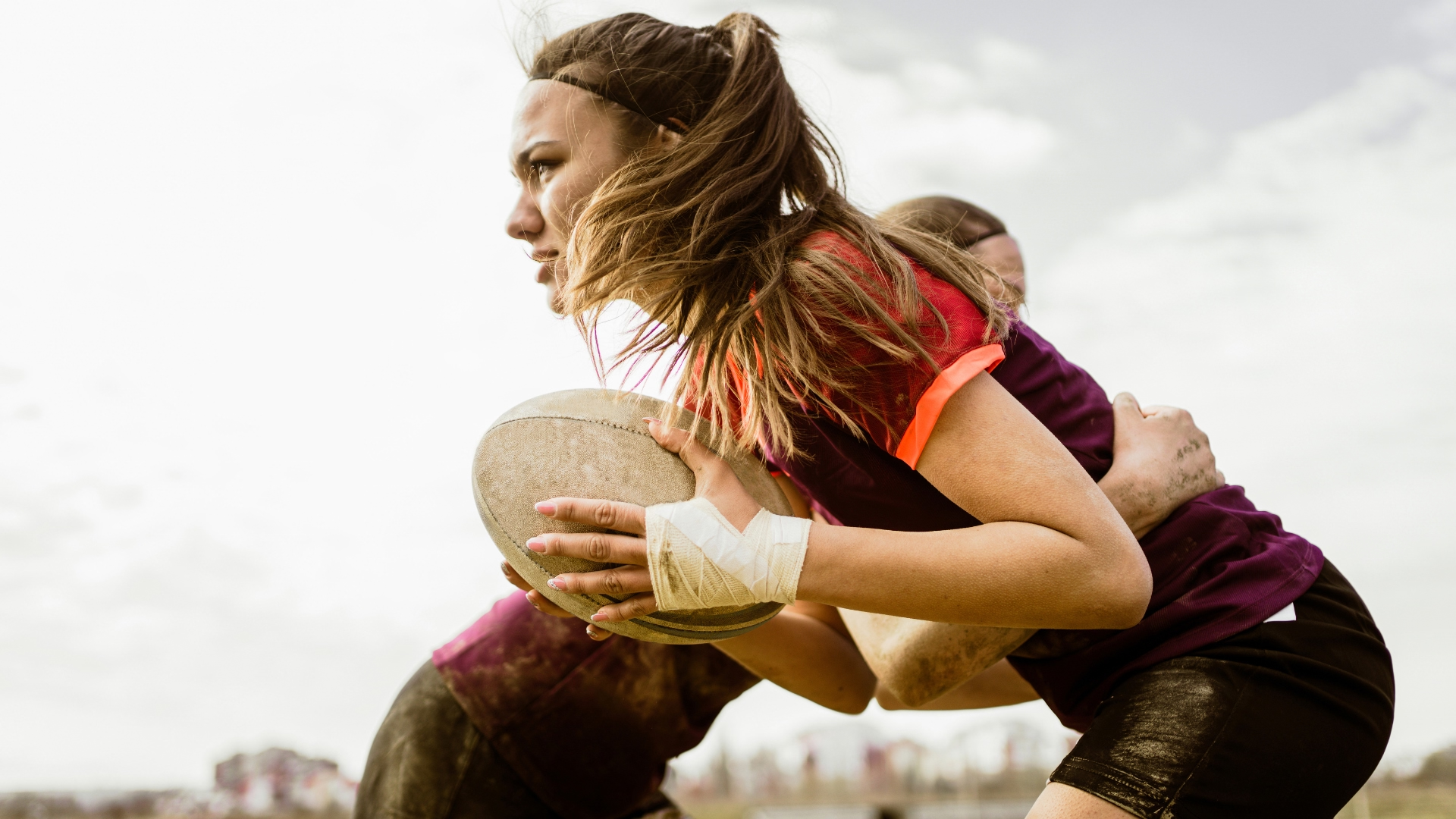
Did you land hard on the point of your shoulder in a tackle, a check into the boards, or a fall off your bike? Is there now a painful bump on top of your shoulder where there was none before? If so, you may have separated your shoulder, an injury to the acromioclavicular (AC) joint.

At Vaughan Physiotherapy Clinic, we treat separated shoulders in rugby and hockey players, cyclists, skiers, and anyone who has fallen onto the shoulder. The good news is that most separated shoulders, including many that look dramatic on an X-ray, recover well without surgery when they are rehabilitated properly. Our goal is to settle the pain, restore full movement and strength, and get you back to your sport or work with a shoulder you trust.

Here is what a separated shoulder is, how the different grades are classified, how to recognize it, and when it needs a surgeon's opinion.

What Is an AC Joint Separation?

A separated shoulder is an injury to the joint where the end of the collarbone (clavicle) meets the top of the shoulder blade (the acromion). This small joint is called the acromioclavicular joint, or AC joint. It is a different injury from a dislocated shoulder, which affects the ball and socket joint lower down.

The injury usually happens from a direct blow or fall onto the point of the shoulder with the arm tucked in at the side (LeVasseur et al., 2021). In elite rugby, AC joint dislocations were seen with the "direct hit" mechanism, where a tackled player is driven into the ground on the point of the shoulder (Crichton et al., 2012). AC joint injuries are among the most common shoulder injuries in contact sports, and they also happen in non-contact sports such as cycling and triathlon (LeVasseur et al., 2021).

Grades of AC Joint Separation

Doctors usually grade separations from I to VI using the Rockwood classification, based on which ligaments are torn and how far the collarbone has moved (Tamaoki et al., 2019; LeVasseur et al., 2021):

  • Type I: a sprain of the AC ligament. The joint stays in place
  • Type II: the AC ligament is torn, but the stronger coracoclavicular (CC) ligaments below are intact. The collarbone may sit slightly high
  • Type III: both the AC and CC ligaments are torn, and the end of the collarbone sits clearly higher, creating a visible bump
  • Types IV, V and VI: more severe injuries where the collarbone is pushed backward, far upward, or downward, with more damage to the surrounding muscles

Types I and II are generally treated without surgery, and types IV to VI usually need surgery. Type III is the grey zone. Many clinicians start with rehabilitation and save surgery for people who stay symptomatic (LeVasseur et al., 2021). An international group of shoulder surgeons (ISAKOS) has split type III into a more stable "A" and less stable "B" form, but a recent study found this split did not reliably predict who would need surgery (Haugaard et al., 2024).

Understanding the Anatomy

  • AC joint: a small joint that lets the shoulder blade glide and tilt on the collarbone every time you lift your arm
  • AC ligament: holds the joint together side to side and front to back
  • Coracoclavicular (CC) ligaments: two strong ligaments that hold the collarbone down to the shoulder blade. Tearing these lets the collarbone ride up
  • Trapezius and deltoid muscles: attach over the joint and are often injured too. One study found muscle injury in 94 percent of AC separations (Lizaur et al., as cited in LeVasseur et al., 2021)
  • Shoulder blade: because the AC joint links the arm to the trunk, a separation often changes how the shoulder blade moves

Recognizing the Symptoms

  • Pain on top of the shoulder, right over the end of the collarbone
  • A bump or step at the top of the shoulder, more obvious in type III and above
  • Swelling and bruising over the joint
  • Pain lifting the arm, especially above shoulder height or across the body
  • Pain lying on that side
  • A feeling of the shoulder being weak or "dropped"

What Makes It Worse?

  • Reaching across the body, such as putting on a seatbelt or washing the other armpit
  • Overhead movements and pressing exercises such as bench press, dips, and push-ups in the early weeks
  • Carrying heavy bags on the injured side, which pulls the shoulder down
  • Direct pressure from backpack straps, sleeping on the side, or another hit in contact sport
  • Too much rest: long periods in a sling can lead to stiffness, muscle loss, and a slower recovery (LeVasseur et al., 2021)

What Else Could It Be?

A fall onto the shoulder can injure several structures, and more than one can be hurt at the same time:

  • Broken collarbone: pain and a bump along the shaft of the collarbone rather than at the very end. An X-ray tells them apart
  • Shoulder dislocation: the ball comes out of the socket, the arm is often held turned outward, and the shoulder loses its round contour. See our page on shoulder subluxation and instability
  • Rotator cuff tear: weakness lifting or turning the arm that does not improve as the pain settles, especially over age 40
  • Fracture at the top of the arm or shoulder blade after a high-energy fall
  • Long-standing AC joint pain: if the joint was not recently injured, the problem may be AC joint arthritis or overload, covered on our AC joint dysfunction page
  • Nerve injury: burning pain, tingling, or weakness down the arm after the hit may point to a stinger or nerve stretch

For more on contact injuries, see our guides to rugby shoulder injuries and shoulder injuries from falls on the slopes.

When to See a Doctor First

See a physician, urgent care, or the emergency department promptly if you have:

  • A large bump, skin tenting, or a broken-skin wound over the collarbone
  • The collarbone pushed backward or a deformity that looks severe
  • Numbness, tingling, coldness, or colour change in the arm or hand
  • Trouble breathing or chest pain after the fall
  • A shoulder that looks out of place or that you cannot move at all
  • Signs of concussion or neck pain after the same impact

An X-ray is needed to confirm the grade and rule out a fracture. A standard front view or a special angled view of both AC joints is usually enough (ESA DELPHI Consensus Panel, 2021). Our physiotherapists screen for these signs at your first visit and will arrange imaging or a referral through your physician when needed.

Start Your Journey to 

‍Better Health Today

Recover faster, move better, and feel stronger with expert physiotherapy. Our team is here to guide you every step of the way.

Why Physiotherapy Is Essential

The bump on top of a separated shoulder can look alarming, and many people assume it needs surgery. For most separations, the research says otherwise.

A Cochrane review of randomized trials in adults with AC joint dislocation found that surgery was not better than conservative care for shoulder function, quality of life, or return to activity at one year. Conservative care gave better function in the first weeks, and surgery came with more complications, mainly hardware problems and infection (Tamaoki et al., 2019). The evidence in that review is low to very low quality, but it points in a consistent direction.

A Canadian multicentre trial of 83 people with complete (type III to V) separations found the same pattern. The non-surgical group had better arm function scores at 6 weeks and 3 months, both groups were equal at 1 and 2 years, and the surgical group needed more repeat operations, even though their X-rays looked better (Canadian Orthopaedic Trauma Society, 2015).

Conservative care is not just "waiting it out". A separated shoulder changes how the shoulder blade moves, and pain, fear of moving, and stiffness in the front of the chest can all get in the way of recovery (LeVasseur et al., 2021). Physiotherapy addresses the main drivers:

  • Pain and protection: settling the joint early without leaving the arm in a sling for too long
  • Shoulder blade control: retraining the muscles that position the shoulder blade, so load is shared away from the injured joint
  • Movement: restoring full shoulder, upper back, and chest wall mobility
  • Strength: rebuilding the rotator cuff, trapezius, deltoid, and trunk to protect the shoulder in sport and work
  • Return to sport: criteria-based progressions rather than fixed dates

Your Treatment Plan at Vaughan Physiotherapy Clinic

Published rehabilitation programs for separated shoulders move through four phases, with progress based on how you are doing rather than strict time points (LeVasseur et al., 2021). The timelines below are typical ranges, not guarantees.

Phase 1: Assessment and Early Protection (Days 1 to 10)

A full assessment includes:

  • History: how the injury happened, your sport, work, and goals
  • Joint and soft tissue exam: where it hurts, how much the collarbone has moved, and whether it can be pushed back into place
  • Cross-body test and stability checks for the AC joint, including front-to-back movement of the collarbone (ESA DELPHI Consensus Panel, 2021)
  • Screening of nearby structures: rotator cuff, ball and socket joint, collarbone, neck, and nerves
  • Load chain assessment: how your upper back, rib cage, and trunk position the shoulder blade, since stiffness above and below the shoulder can push extra load through the AC joint
  • Review of your X-rays, or a referral for imaging if you have not had them

Early care usually includes:

  • A sling for comfort for a short time, often about 3 to 10 days, then weaning off as pain allows (LeVasseur et al., 2021)
  • Ice and pain relief advice from your physician or pharmacist
  • Gentle movement of the elbow, wrist, and hand straight away, and early pain-free shoulder movement
  • Taping to support the joint and offload the trapezius in some cases
  • Occasionally, TENS or similar for a short time to settle pain so you can start moving

Phase 2: Restore Movement and Shoulder Blade Control (Weeks 1 to 4)

  • Assisted shoulder movement: table slides, pulley or stick-assisted lifting, progressing to active movement as pain allows
  • Shoulder blade setting: gentle retraction and positioning drills, then closed-chain exercises such as wall and table weight-shifts, which load the shoulder blade muscles while the arm is supported (LeVasseur et al., 2021)
  • Upper back and chest mobility: thoracic extension and rotation, and stretches for the front of the chest, to address the stiffness that often limits shoulder blade movement
  • Manual therapy: mobilization of the upper back, ribs, and shoulder joint, and soft tissue work for the trapezius and deltoid, to restore movement so you can do your exercises well

Phase 3: Rebuild Strength (Weeks 3 to 10)

Progressive strengthening
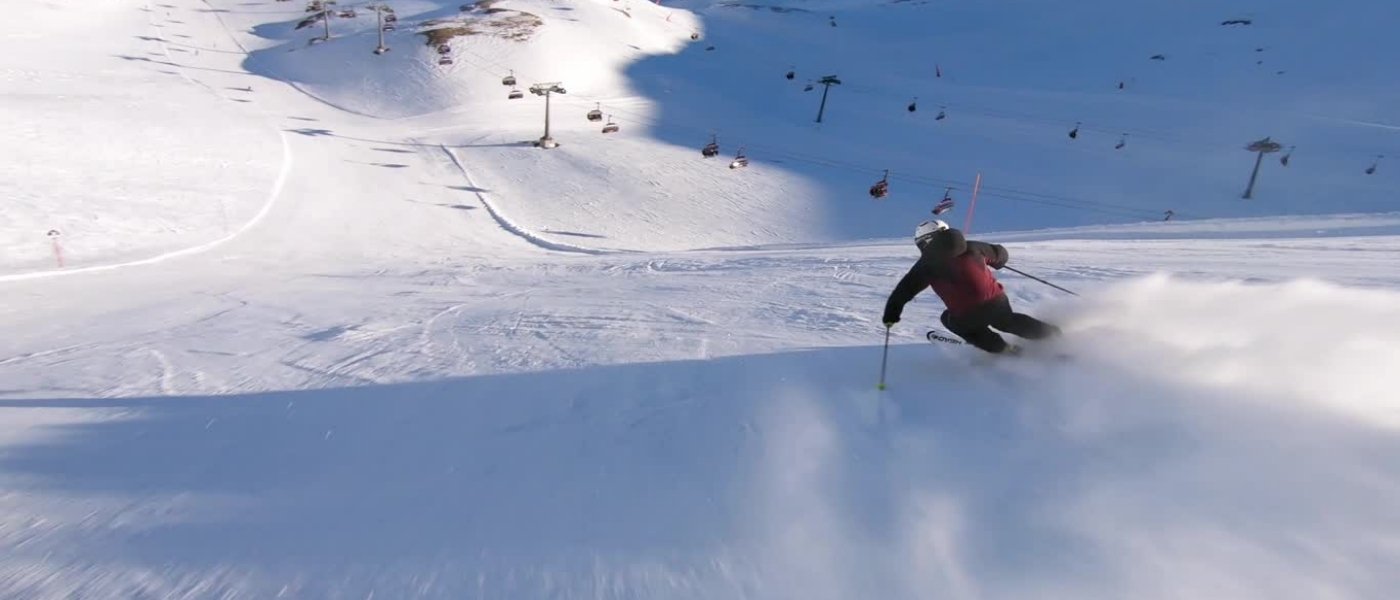
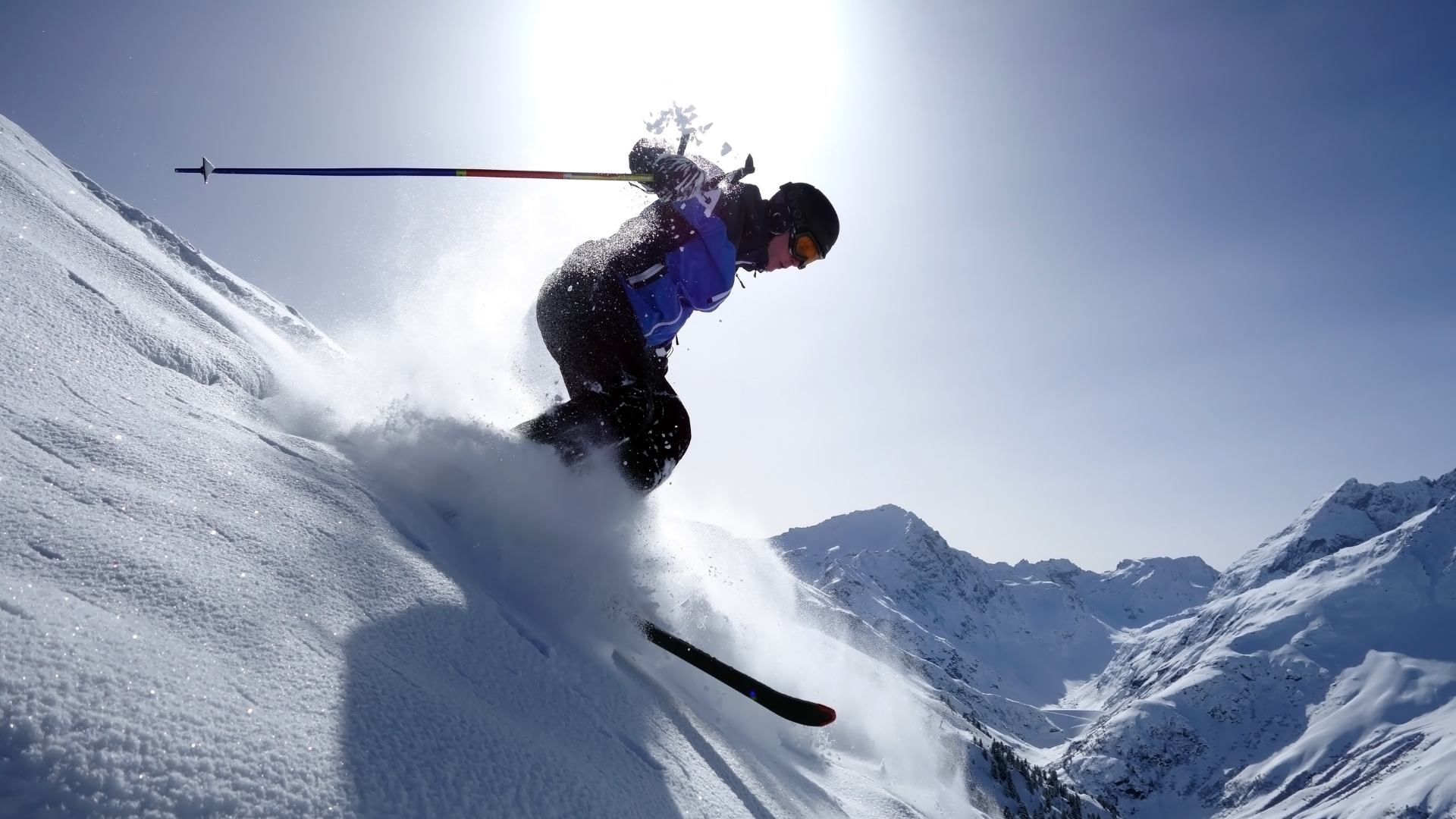
Skier carving down a groomed slope with snow spraying
Falls on the ski hill, the ice, and the bike often land on the point of the shoulder, the usual cause of an AC joint separation.

This phase builds the strength that holds the shoulder blade and arm in good position, with attention to the order in which muscles switch on, so the shoulder blade sets before the arm takes load:

  • Band and cable rows, pull-downs, and other pulling exercises
  • Rotator cuff strengthening in side-lying and standing positions
  • Serratus anterior work such as wall slides and push-up plus, progressing from the wall to the floor
  • Kinetic chain exercises that link the legs, trunk, and arm, such as split-stance cable pulls and lunges with a reach
  • Gradual pressing and overhead work, introduced later because these load the AC joint directly. Some exercises that load the joint heavily are delayed until the joint is settled (LeVasseur et al., 2021)

Shoulder blade rehabilitation matters. In one study of people with long-standing type III separations, detailed shoulder blade rehabilitation resolved altered shoulder blade movement in 78 percent (Carbone et al., as cited in LeVasseur et al., 2021).

Phase 4: Return to Sport and Full Activity

  • Sport-specific drills: tackling and contact progressions for rugby, checking for hockey, and handlebar loading and falls practice for cyclists
  • Plyometric and throwing progressions for overhead athletes
  • Full-range strength testing compared with the other side
  • Protective padding over the joint for contact sport if needed

Published protocols suggest return to sport around 1 to 2 weeks for type I, 2 to 3 weeks for type II, and 4 to 6 weeks for type III injuries, although these timelines have not been formally tested (LeVasseur et al., 2021). We base your return on pain, movement, strength, and sport-specific testing rather than the calendar.

Beyond Physiotherapy: Complementary Care for a Separated Shoulder

Exercise-based rehabilitation is the core of care for a separated shoulder. There is very little research on other therapies for this injury, so here is an honest summary of what we know.

How Acupuncture and Dry Needling Can Help

  • What the evidence shows: we did not find studies of needling for AC joint separations. For musculoskeletal pain in general, including shoulder and neck trials, a review of 13 trials found low-quality evidence that dry needling reduced pain more than no treatment or sham in the short term (Gattie et al., 2017)
  • Where it fits: to ease guarding in the trapezius and shoulder muscles so you can move and train more comfortably
  • Safety: generally very safe. Mild bruising and soreness are the most common side effects

How Massage Therapy Can Help

  • What the evidence shows: there are no published trials of massage for separated shoulders
  • Where it fits: as a comfort measure for neck, trapezius, and chest wall tightness that often develops while the shoulder is protected
  • Safety: very safe. Direct pressure over the injured joint is avoided in the early weeks

How Chiropractic and Joint Manipulation Can Help

  • What the evidence shows: we did not find trials of manipulation for AC joint separation
  • Where it fits: upper back and rib mobility work may help restore the movement the shoulder blade needs, as part of an exercise program
  • Safety: forceful manipulation of the injured AC joint is not appropriate. Techniques are directed at stiff areas above and below the shoulder instead

Whichever combination you choose, these treatments have one purpose: easing pain and stiffness so you can keep progressing the exercise program that rebuilds your shoulder.

When Is Surgery Considered?

Surgery is usually recommended for type IV, V, and VI separations, where the collarbone is badly displaced (LeVasseur et al., 2021). For type III injuries, most people are offered a trial of rehabilitation first, often for about 6 to 12 weeks, with surgery reserved for those who stay painful or weak (LeVasseur et al., 2021). In a Danish study of 89 adults with complete separations (the collarbone sitting more than 25 percent higher than on the other side) treated with 3 months of home-based training, about 1 in 10 were later referred for surgery (Haugaard et al., 2024).

Surgery can improve how the joint looks on an X-ray, but the bump does not always go away completely, and surgery carries risks of infection, hardware problems, and repeat operations (Tamaoki et al., 2019; Canadian Orthopaedic Trauma Society, 2015). If surgery is needed, we work with your surgeon and follow their post-operative protocol.

How Long Will It Take?

  • Type I: about 1 to 2 weeks before returning to sport
  • Type II: about 2 to 3 weeks
  • Type III: about 4 to 6 weeks, and sometimes longer for contact and overhead athletes, depending on how quickly strength returns

These ranges come from published protocols that have not been formally tested (LeVasseur et al., 2021). In the Canadian trial, people treated without surgery had good to excellent shoulder function by 2 years (Canadian Orthopaedic Trauma Society, 2015). The bump at the top of the shoulder may remain, but it rarely limits function.

Prevention and Long-Term Management

  • Keep your shoulder blade muscles strong with a short routine of rows, band pull-aparts, and serratus work
  • Keep your upper back mobile, especially if you sit for long hours
  • Learn to fall and tackle well: safe landing technique for cyclists, skiers, and contact athletes, and good tackle technique in rugby
  • Use padding over the joint if your sport allows it
  • Build back gradually: return to heavy pressing, dips, and overhead lifting step by step
  • Act early: if pain returns at the top of the shoulder, reduce pressing and overhead load and return to your exercises

Frequently Asked Questions

Will the bump go away?

In type I and II injuries it may be small or barely noticeable. In type III and above, a bump often remains without surgery. In the research, this rarely affects function, and people treated without surgery reached the same function scores as those who had surgery by one year (Tamaoki et al., 2019).

Do I need surgery for a type III separation?

Usually not at first. Most people are offered rehabilitation first, and surgery is kept for those who still have pain or weakness after a proper trial (LeVasseur et al., 2021). In one study, about 1 in 10 people treated with home exercise went on to be referred for surgery (Haugaard et al., 2024).

How long should I wear a sling?

Usually only for comfort, often for about 3 to 10 days. Wearing a sling for too long can lead to stiffness and muscle loss (LeVasseur et al., 2021). We will guide you on when to start weaning off.

Is a separated shoulder the same as a dislocated shoulder?

No. A separated shoulder injures the joint at the top of the shoulder between the collarbone and the shoulder blade. A dislocated shoulder is when the ball of the upper arm comes out of the socket. They are treated differently.

When can I go back to the gym?

Lower body training and cardio can usually continue within days. Pulling exercises come back first for the upper body, and bench press, dips, and overhead pressing are added gradually once you have full, pain-free movement and good shoulder blade control.

Can acupuncture, massage, or chiropractic replace exercise?

No. They can help with pain and muscle tension, but none has been tested for separated shoulders. A progressive exercise program is the foundation of recovery.

Will I get arthritis in the joint later?

Some people develop long-term pain at the AC joint after a separation. If that happens, it is managed with the same approach as other AC joint pain, described on our AC joint dysfunction page.

Our Specialized Approach at Vaughan Physiotherapy Clinic

✓ Sport-specific rehab: experience with rugby, hockey, cycling, and skiing injuries, with return-to-sport progressions to match

✓ Whole-chain assessment: we look at your upper back, ribs, neck, and trunk, not just the sore joint

✓ Shoulder blade retraining: targeted exercises to restore the movement a separation disrupts

✓ Hands-on care with purpose: taping and manual therapy used to help you move and train better

✓ Integrated care: physiotherapy, massage therapy, acupuncture, and chiropractic under one roof when they add value

✓ Safety first: screening for fractures, nerve injury, and severe separations, with referral to a surgeon when needed

Take the First Step Toward a Strong, Stable Shoulder

A separated shoulder does not have to mean surgery or a lost season. Our team at Vaughan Physiotherapy Clinic helps patients from Thornhill, Vaughan, North York, Richmond Hill, and surrounding communities recover with evidence-based, hands-on care.

Book your assessment today:

📞 Phone: 905-669-1221

📍 Location: 398 Steeles Ave W #201, Thornhill, ON L4J 6X3

🌐 Online Booking: www.vaughanphysiotherapy.com

References

Canadian Orthopaedic Trauma Society. Multicenter randomized clinical trial of nonoperative versus operative treatment of acute acromio-clavicular joint dislocation. Journal of Orthopaedic Trauma. 2015;29(11):479-487. PMID: 26489055

Crichton J, Jones DR, Funk L. Mechanisms of traumatic shoulder injury in elite rugby players. British Journal of Sports Medicine. 2012;46(7):538-542. doi:10.1136/bjsports-2011-090688

ESA DELPHI Consensus Panel. High degree of consensus achieved regarding diagnosis and treatment of acromioclavicular joint instability among ESA-ESSKA members. Knee Surgery, Sports Traumatology, Arthroscopy. 2021;29(7):2325-2332. doi:10.1007/s00167-020-06286-w

Gattie E, Cleland JA, Snodgrass S. The effectiveness of trigger point dry needling for musculoskeletal conditions by physical therapists: a systematic review and meta-analysis. Journal of Orthopaedic & Sports Physical Therapy. 2017;47(3):133-149. doi:10.2519/jospt.2017.7096

Haugaard KB, Bak K, Ryberg D, Muharemovic O, Hölmich P, Barfod KW. The ISAKOS subclassification of Rockwood type III AC joint dislocations in a stable type A and an unstable type B is not clinically relevant. Knee Surgery, Sports Traumatology, Arthroscopy. 2024;32(7):1821-1829. doi:10.1002/ksa.12253

LeVasseur MR, Mancini MR, Berthold DP, Cusano A, McCann GP, Cote MP, Gomlinski G, Mazzocca AD. Acromioclavicular joint injuries: effective rehabilitation. Open Access Journal of Sports Medicine. 2021;12:73-85. doi:10.2147/OAJSM.S244283

Tamaoki MJS, Lenza M, Matsunaga FT, Belloti JC, Matsumoto MH, Faloppa F. Surgical versus conservative interventions for treating acromioclavicular dislocation of the shoulder in adults. Cochrane Database of Systematic Reviews. 2019;(10):CD007429. doi:10.1002/14651858.CD007429.pub3

Disclaimer: This article is for educational purposes only and does not replace professional medical advice. A fall onto the shoulder can also cause fractures, dislocations, rotator cuff tears, and nerve injuries. Always see a qualified healthcare provider for diagnosis, imaging, and treatment specific to your injury.

Team

Condition guide

AC Joint Separation (Separated Shoulder)

An injury to the joint between the collarbone and shoulder blade, usually from a fall or hit on the point of the shoulder.

Pair of ice hockey skates hanging against a red brick wallAC Joint Separation (Separated Shoulder)

Did you land hard on the point of your shoulder in a tackle, a check into the boards, or a fall off your bike? Is there now a painful bump on top of your shoulder where there was none before? If so, you may have separated your shoulder, an injury to the acromioclavicular (AC) joint.

At Vaughan Physiotherapy Clinic, we treat separated shoulders in rugby and hockey players, cyclists, skiers, and anyone who has fallen onto the shoulder. The good news is that most separated shoulders, including many that look dramatic on an X-ray, recover well without surgery when they are rehabilitated properly. Our goal is to settle the pain, restore full movement and strength, and get you back to your sport or work with a shoulder you trust.

Here is what a separated shoulder is, how the different grades are classified, how to recognize it, and when it needs a surgeon's opinion.

What Is an AC Joint Separation?

A separated shoulder is an injury to the joint where the end of the collarbone (clavicle) meets the top of the shoulder blade (the acromion). This small joint is called the acromioclavicular joint, or AC joint. It is a different injury from a dislocated shoulder, which affects the ball and socket joint lower down.

The injury usually happens from a direct blow or fall onto the point of the shoulder with the arm tucked in at the side (LeVasseur et al., 2021). In elite rugby, AC joint dislocations were seen with the "direct hit" mechanism, where a tackled player is driven into the ground on the point of the shoulder (Crichton et al., 2012). AC joint injuries are among the most common shoulder injuries in contact sports, and they also happen in non-contact sports such as cycling and triathlon (LeVasseur et al., 2021).

Grades of AC Joint Separation

Doctors usually grade separations from I to VI using the Rockwood classification, based on which ligaments are torn and how far the collarbone has moved (Tamaoki et al., 2019; LeVasseur et al., 2021):

  • Type I: a sprain of the AC ligament. The joint stays in place
  • Type II: the AC ligament is torn, but the stronger coracoclavicular (CC) ligaments below are intact. The collarbone may sit slightly high
  • Type III: both the AC and CC ligaments are torn, and the end of the collarbone sits clearly higher, creating a visible bump
  • Types IV, V and VI: more severe injuries where the collarbone is pushed backward, far upward, or downward, with more damage to the surrounding muscles

Types I and II are generally treated without surgery, and types IV to VI usually need surgery. Type III is the grey zone. Many clinicians start with rehabilitation and save surgery for people who stay symptomatic (LeVasseur et al., 2021). An international group of shoulder surgeons (ISAKOS) has split type III into a more stable "A" and less stable "B" form, but a recent study found this split did not reliably predict who would need surgery (Haugaard et al., 2024).

Understanding the Anatomy

  • AC joint: a small joint that lets the shoulder blade glide and tilt on the collarbone every time you lift your arm
  • AC ligament: holds the joint together side to side and front to back
  • Coracoclavicular (CC) ligaments: two strong ligaments that hold the collarbone down to the shoulder blade. Tearing these lets the collarbone ride up
  • Trapezius and deltoid muscles: attach over the joint and are often injured too. One study found muscle injury in 94 percent of AC separations (Lizaur et al., as cited in LeVasseur et al., 2021)
  • Shoulder blade: because the AC joint links the arm to the trunk, a separation often changes how the shoulder blade moves

Recognizing the Symptoms

  • Pain on top of the shoulder, right over the end of the collarbone
  • A bump or step at the top of the shoulder, more obvious in type III and above
  • Swelling and bruising over the joint
  • Pain lifting the arm, especially above shoulder height or across the body
  • Pain lying on that side
  • A feeling of the shoulder being weak or "dropped"

What Makes It Worse?

  • Reaching across the body, such as putting on a seatbelt or washing the other armpit
  • Overhead movements and pressing exercises such as bench press, dips, and push-ups in the early weeks
  • Carrying heavy bags on the injured side, which pulls the shoulder down
  • Direct pressure from backpack straps, sleeping on the side, or another hit in contact sport
  • Too much rest: long periods in a sling can lead to stiffness, muscle loss, and a slower recovery (LeVasseur et al., 2021)

What Else Could It Be?

A fall onto the shoulder can injure several structures, and more than one can be hurt at the same time:

  • Broken collarbone: pain and a bump along the shaft of the collarbone rather than at the very end. An X-ray tells them apart
  • Shoulder dislocation: the ball comes out of the socket, the arm is often held turned outward, and the shoulder loses its round contour. See our page on shoulder subluxation and instability
  • Rotator cuff tear: weakness lifting or turning the arm that does not improve as the pain settles, especially over age 40
  • Fracture at the top of the arm or shoulder blade after a high-energy fall
  • Long-standing AC joint pain: if the joint was not recently injured, the problem may be AC joint arthritis or overload, covered on our AC joint dysfunction page
  • Nerve injury: burning pain, tingling, or weakness down the arm after the hit may point to a stinger or nerve stretch

For more on contact injuries, see our guides to rugby shoulder injuries and shoulder injuries from falls on the slopes.

When to See a Doctor First

See a physician, urgent care, or the emergency department promptly if you have:

  • A large bump, skin tenting, or a broken-skin wound over the collarbone
  • The collarbone pushed backward or a deformity that looks severe
  • Numbness, tingling, coldness, or colour change in the arm or hand
  • Trouble breathing or chest pain after the fall
  • A shoulder that looks out of place or that you cannot move at all
  • Signs of concussion or neck pain after the same impact

An X-ray is needed to confirm the grade and rule out a fracture. A standard front view or a special angled view of both AC joints is usually enough (ESA DELPHI Consensus Panel, 2021). Our physiotherapists screen for these signs at your first visit and will arrange imaging or a referral through your physician when needed.

Why Physiotherapy Is Essential

The bump on top of a separated shoulder can look alarming, and many people assume it needs surgery. For most separations, the research says otherwise.

A Cochrane review of randomized trials in adults with AC joint dislocation found that surgery was not better than conservative care for shoulder function, quality of life, or return to activity at one year. Conservative care gave better function in the first weeks, and surgery came with more complications, mainly hardware problems and infection (Tamaoki et al., 2019). The evidence in that review is low to very low quality, but it points in a consistent direction.

A Canadian multicentre trial of 83 people with complete (type III to V) separations found the same pattern. The non-surgical group had better arm function scores at 6 weeks and 3 months, both groups were equal at 1 and 2 years, and the surgical group needed more repeat operations, even though their X-rays looked better (Canadian Orthopaedic Trauma Society, 2015).

Conservative care is not just "waiting it out". A separated shoulder changes how the shoulder blade moves, and pain, fear of moving, and stiffness in the front of the chest can all get in the way of recovery (LeVasseur et al., 2021). Physiotherapy addresses the main drivers:

  • Pain and protection: settling the joint early without leaving the arm in a sling for too long
  • Shoulder blade control: retraining the muscles that position the shoulder blade, so load is shared away from the injured joint
  • Movement: restoring full shoulder, upper back, and chest wall mobility
  • Strength: rebuilding the rotator cuff, trapezius, deltoid, and trunk to protect the shoulder in sport and work
  • Return to sport: criteria-based progressions rather than fixed dates

Your Treatment Plan at Vaughan Physiotherapy Clinic

Published rehabilitation programs for separated shoulders move through four phases, with progress based on how you are doing rather than strict time points (LeVasseur et al., 2021). The timelines below are typical ranges, not guarantees.

Phase 1: Assessment and Early Protection (Days 1 to 10)

A full assessment includes:

  • History: how the injury happened, your sport, work, and goals
  • Joint and soft tissue exam: where it hurts, how much the collarbone has moved, and whether it can be pushed back into place
  • Cross-body test and stability checks for the AC joint, including front-to-back movement of the collarbone (ESA DELPHI Consensus Panel, 2021)
  • Screening of nearby structures: rotator cuff, ball and socket joint, collarbone, neck, and nerves
  • Load chain assessment: how your upper back, rib cage, and trunk position the shoulder blade, since stiffness above and below the shoulder can push extra load through the AC joint
  • Review of your X-rays, or a referral for imaging if you have not had them

Early care usually includes:

  • A sling for comfort for a short time, often about 3 to 10 days, then weaning off as pain allows (LeVasseur et al., 2021)
  • Ice and pain relief advice from your physician or pharmacist
  • Gentle movement of the elbow, wrist, and hand straight away, and early pain-free shoulder movement
  • Taping to support the joint and offload the trapezius in some cases
  • Occasionally, TENS or similar for a short time to settle pain so you can start moving

Phase 2: Restore Movement and Shoulder Blade Control (Weeks 1 to 4)

  • Assisted shoulder movement: table slides, pulley or stick-assisted lifting, progressing to active movement as pain allows
  • Shoulder blade setting: gentle retraction and positioning drills, then closed-chain exercises such as wall and table weight-shifts, which load the shoulder blade muscles while the arm is supported (LeVasseur et al., 2021)
  • Upper back and chest mobility: thoracic extension and rotation, and stretches for the front of the chest, to address the stiffness that often limits shoulder blade movement
  • Manual therapy: mobilization of the upper back, ribs, and shoulder joint, and soft tissue work for the trapezius and deltoid, to restore movement so you can do your exercises well

Phase 3: Rebuild Strength (Weeks 3 to 10)

Progressive strengthening

Skier carving down a groomed slope with snow spraying
Falls on the ski hill, the ice, and the bike often land on the point of the shoulder, the usual cause of an AC joint separation.

This phase builds the strength that holds the shoulder blade and arm in good position, with attention to the order in which muscles switch on, so the shoulder blade sets before the arm takes load:

  • Band and cable rows, pull-downs, and other pulling exercises
  • Rotator cuff strengthening in side-lying and standing positions
  • Serratus anterior work such as wall slides and push-up plus, progressing from the wall to the floor
  • Kinetic chain exercises that link the legs, trunk, and arm, such as split-stance cable pulls and lunges with a reach
  • Gradual pressing and overhead work, introduced later because these load the AC joint directly. Some exercises that load the joint heavily are delayed until the joint is settled (LeVasseur et al., 2021)

Shoulder blade rehabilitation matters. In one study of people with long-standing type III separations, detailed shoulder blade rehabilitation resolved altered shoulder blade movement in 78 percent (Carbone et al., as cited in LeVasseur et al., 2021).

Phase 4: Return to Sport and Full Activity

  • Sport-specific drills: tackling and contact progressions for rugby, checking for hockey, and handlebar loading and falls practice for cyclists
  • Plyometric and throwing progressions for overhead athletes
  • Full-range strength testing compared with the other side
  • Protective padding over the joint for contact sport if needed

Published protocols suggest return to sport around 1 to 2 weeks for type I, 2 to 3 weeks for type II, and 4 to 6 weeks for type III injuries, although these timelines have not been formally tested (LeVasseur et al., 2021). We base your return on pain, movement, strength, and sport-specific testing rather than the calendar.

Beyond Physiotherapy: Complementary Care for a Separated Shoulder

Exercise-based rehabilitation is the core of care for a separated shoulder. There is very little research on other therapies for this injury, so here is an honest summary of what we know.

How Acupuncture and Dry Needling Can Help

  • What the evidence shows: we did not find studies of needling for AC joint separations. For musculoskeletal pain in general, including shoulder and neck trials, a review of 13 trials found low-quality evidence that dry needling reduced pain more than no treatment or sham in the short term (Gattie et al., 2017)
  • Where it fits: to ease guarding in the trapezius and shoulder muscles so you can move and train more comfortably
  • Safety: generally very safe. Mild bruising and soreness are the most common side effects

How Massage Therapy Can Help

  • What the evidence shows: there are no published trials of massage for separated shoulders
  • Where it fits: as a comfort measure for neck, trapezius, and chest wall tightness that often develops while the shoulder is protected
  • Safety: very safe. Direct pressure over the injured joint is avoided in the early weeks

How Chiropractic and Joint Manipulation Can Help

  • What the evidence shows: we did not find trials of manipulation for AC joint separation
  • Where it fits: upper back and rib mobility work may help restore the movement the shoulder blade needs, as part of an exercise program
  • Safety: forceful manipulation of the injured AC joint is not appropriate. Techniques are directed at stiff areas above and below the shoulder instead

Whichever combination you choose, these treatments have one purpose: easing pain and stiffness so you can keep progressing the exercise program that rebuilds your shoulder.

When Is Surgery Considered?

Surgery is usually recommended for type IV, V, and VI separations, where the collarbone is badly displaced (LeVasseur et al., 2021). For type III injuries, most people are offered a trial of rehabilitation first, often for about 6 to 12 weeks, with surgery reserved for those who stay painful or weak (LeVasseur et al., 2021). In a Danish study of 89 adults with complete separations (the collarbone sitting more than 25 percent higher than on the other side) treated with 3 months of home-based training, about 1 in 10 were later referred for surgery (Haugaard et al., 2024).

Surgery can improve how the joint looks on an X-ray, but the bump does not always go away completely, and surgery carries risks of infection, hardware problems, and repeat operations (Tamaoki et al., 2019; Canadian Orthopaedic Trauma Society, 2015). If surgery is needed, we work with your surgeon and follow their post-operative protocol.

How Long Will It Take?

  • Type I: about 1 to 2 weeks before returning to sport
  • Type II: about 2 to 3 weeks
  • Type III: about 4 to 6 weeks, and sometimes longer for contact and overhead athletes, depending on how quickly strength returns

These ranges come from published protocols that have not been formally tested (LeVasseur et al., 2021). In the Canadian trial, people treated without surgery had good to excellent shoulder function by 2 years (Canadian Orthopaedic Trauma Society, 2015). The bump at the top of the shoulder may remain, but it rarely limits function.

Prevention and Long-Term Management

  • Keep your shoulder blade muscles strong with a short routine of rows, band pull-aparts, and serratus work
  • Keep your upper back mobile, especially if you sit for long hours
  • Learn to fall and tackle well: safe landing technique for cyclists, skiers, and contact athletes, and good tackle technique in rugby
  • Use padding over the joint if your sport allows it
  • Build back gradually: return to heavy pressing, dips, and overhead lifting step by step
  • Act early: if pain returns at the top of the shoulder, reduce pressing and overhead load and return to your exercises

Frequently Asked Questions

Will the bump go away?

In type I and II injuries it may be small or barely noticeable. In type III and above, a bump often remains without surgery. In the research, this rarely affects function, and people treated without surgery reached the same function scores as those who had surgery by one year (Tamaoki et al., 2019).

Do I need surgery for a type III separation?

Usually not at first. Most people are offered rehabilitation first, and surgery is kept for those who still have pain or weakness after a proper trial (LeVasseur et al., 2021). In one study, about 1 in 10 people treated with home exercise went on to be referred for surgery (Haugaard et al., 2024).

How long should I wear a sling?

Usually only for comfort, often for about 3 to 10 days. Wearing a sling for too long can lead to stiffness and muscle loss (LeVasseur et al., 2021). We will guide you on when to start weaning off.

Is a separated shoulder the same as a dislocated shoulder?

No. A separated shoulder injures the joint at the top of the shoulder between the collarbone and the shoulder blade. A dislocated shoulder is when the ball of the upper arm comes out of the socket. They are treated differently.

When can I go back to the gym?

Lower body training and cardio can usually continue within days. Pulling exercises come back first for the upper body, and bench press, dips, and overhead pressing are added gradually once you have full, pain-free movement and good shoulder blade control.

Can acupuncture, massage, or chiropractic replace exercise?

No. They can help with pain and muscle tension, but none has been tested for separated shoulders. A progressive exercise program is the foundation of recovery.

Will I get arthritis in the joint later?

Some people develop long-term pain at the AC joint after a separation. If that happens, it is managed with the same approach as other AC joint pain, described on our AC joint dysfunction page.

Our Specialized Approach at Vaughan Physiotherapy Clinic

✓ Sport-specific rehab: experience with rugby, hockey, cycling, and skiing injuries, with return-to-sport progressions to match

✓ Whole-chain assessment: we look at your upper back, ribs, neck, and trunk, not just the sore joint

✓ Shoulder blade retraining: targeted exercises to restore the movement a separation disrupts

✓ Hands-on care with purpose: taping and manual therapy used to help you move and train better

✓ Integrated care: physiotherapy, massage therapy, acupuncture, and chiropractic under one roof when they add value

✓ Safety first: screening for fractures, nerve injury, and severe separations, with referral to a surgeon when needed

Take the First Step Toward a Strong, Stable Shoulder

A separated shoulder does not have to mean surgery or a lost season. Our team at Vaughan Physiotherapy Clinic helps patients from Thornhill, Vaughan, North York, Richmond Hill, and surrounding communities recover with evidence-based, hands-on care.

Book your assessment today:

📞 Phone: 905-669-1221

📍 Location: 398 Steeles Ave W #201, Thornhill, ON L4J 6X3

🌐 Online Booking: www.vaughanphysiotherapy.com

References

Canadian Orthopaedic Trauma Society. Multicenter randomized clinical trial of nonoperative versus operative treatment of acute acromio-clavicular joint dislocation. Journal of Orthopaedic Trauma. 2015;29(11):479-487. PMID: 26489055

Crichton J, Jones DR, Funk L. Mechanisms of traumatic shoulder injury in elite rugby players. British Journal of Sports Medicine. 2012;46(7):538-542. doi:10.1136/bjsports-2011-090688

ESA DELPHI Consensus Panel. High degree of consensus achieved regarding diagnosis and treatment of acromioclavicular joint instability among ESA-ESSKA members. Knee Surgery, Sports Traumatology, Arthroscopy. 2021;29(7):2325-2332. doi:10.1007/s00167-020-06286-w

Gattie E, Cleland JA, Snodgrass S. The effectiveness of trigger point dry needling for musculoskeletal conditions by physical therapists: a systematic review and meta-analysis. Journal of Orthopaedic & Sports Physical Therapy. 2017;47(3):133-149. doi:10.2519/jospt.2017.7096

Haugaard KB, Bak K, Ryberg D, Muharemovic O, Hölmich P, Barfod KW. The ISAKOS subclassification of Rockwood type III AC joint dislocations in a stable type A and an unstable type B is not clinically relevant. Knee Surgery, Sports Traumatology, Arthroscopy. 2024;32(7):1821-1829. doi:10.1002/ksa.12253

LeVasseur MR, Mancini MR, Berthold DP, Cusano A, McCann GP, Cote MP, Gomlinski G, Mazzocca AD. Acromioclavicular joint injuries: effective rehabilitation. Open Access Journal of Sports Medicine. 2021;12:73-85. doi:10.2147/OAJSM.S244283

Tamaoki MJS, Lenza M, Matsunaga FT, Belloti JC, Matsumoto MH, Faloppa F. Surgical versus conservative interventions for treating acromioclavicular dislocation of the shoulder in adults. Cochrane Database of Systematic Reviews. 2019;(10):CD007429. doi:10.1002/14651858.CD007429.pub3

Disclaimer: This article is for educational purposes only and does not replace professional medical advice. A fall onto the shoulder can also cause fractures, dislocations, rotator cuff tears, and nerve injuries. Always see a qualified healthcare provider for diagnosis, imaging, and treatment specific to your injury.

How it works

Getting started.

  1. 01

    No referral needed

    You can book directly. Some benefit plans ask for a doctor's note, so check yours before your visit.

  2. 02

    Your first assessment, 45 minutes

    Your history, movement testing, a clear diagnosis and a plan you understand.

  3. 03

    Follow-up sessions

    Hands-on care and exercise, progressed each visit.

  4. 04

    Not the right fit? Second opinion on us

    If you're not satisfied with your initial assessment, a second assessment with another therapist is complimentary.

Who treats this

Clinicians who treat this.

Tap a profile for credentials and booking.

Not sure this is what you have?

One of our therapists can check what is going on and build a plan around what they find. Book online, or call us at 905-669-1221.