
Figure skating looks effortless, but every jump, spin, and landing puts real demands on your body. At Vaughan Physiotherapy Clinic, our physiotherapists, chiropractors, and registered massage therapists work together to keep skaters at every level moving well, recovering faster, and staying on the ice longer.
Whether you're already feeling it or just want to keep skating pain-free, figure skating is harder on your body than it looks.
Here's what every skater should know:
Below, we break down what figure skating is really doing to your body, so you can keep skating the sport you love, for as long as you want.
Figure skating injuries don't look the same at every level. We tailor care to where you are.
Build good habits now, or spend next season undoing bad ones.
The fix isn't rest. It's managing how many jumps you land.
A clean lift is the difference between a full season and a short one.
You're not skating alone. You need to react fast, not just skate well.
You don't need to skate less. You need to train around the growth.
Built around your history, not a generic protocol.
Stiff boots feel supportive. They also move the load.
The injury didn't come from the jump. It came from the boot.


One landing looks easy. Hundreds a week add up.
Most skaters blame their technique. The real problem is usually their jump count.
About 1 in 3 young skaters with back pain has a stress fracture in the spine. Laybacks and Biellmann spins are the biggest culprits.
A sore back isn't part of the sport. It's the difference between a few weeks off and a full season out.

Expert care from assessment to recovery, designed just for you. No referral necessary.
Your therapist will tailor a plan, and we'll schedule sessions that suit you. Healing takes time - we're with you the whole way.
Use your benefits to access top-quality physiotherapy.
Learn about how we handle insurance claims and direct billing.
❖
Free Phone Consultation (10 min)
❖
Comprehensive Consultation & Assessment (45 min)
❖
Personalized Follow-Up Sessions (30/45 min)
Tryouts, tournaments, and comebacks after injury all ask more of your body than regular play. Ramp up the right way and you stay on the ice. Ramp up blind and you break down.
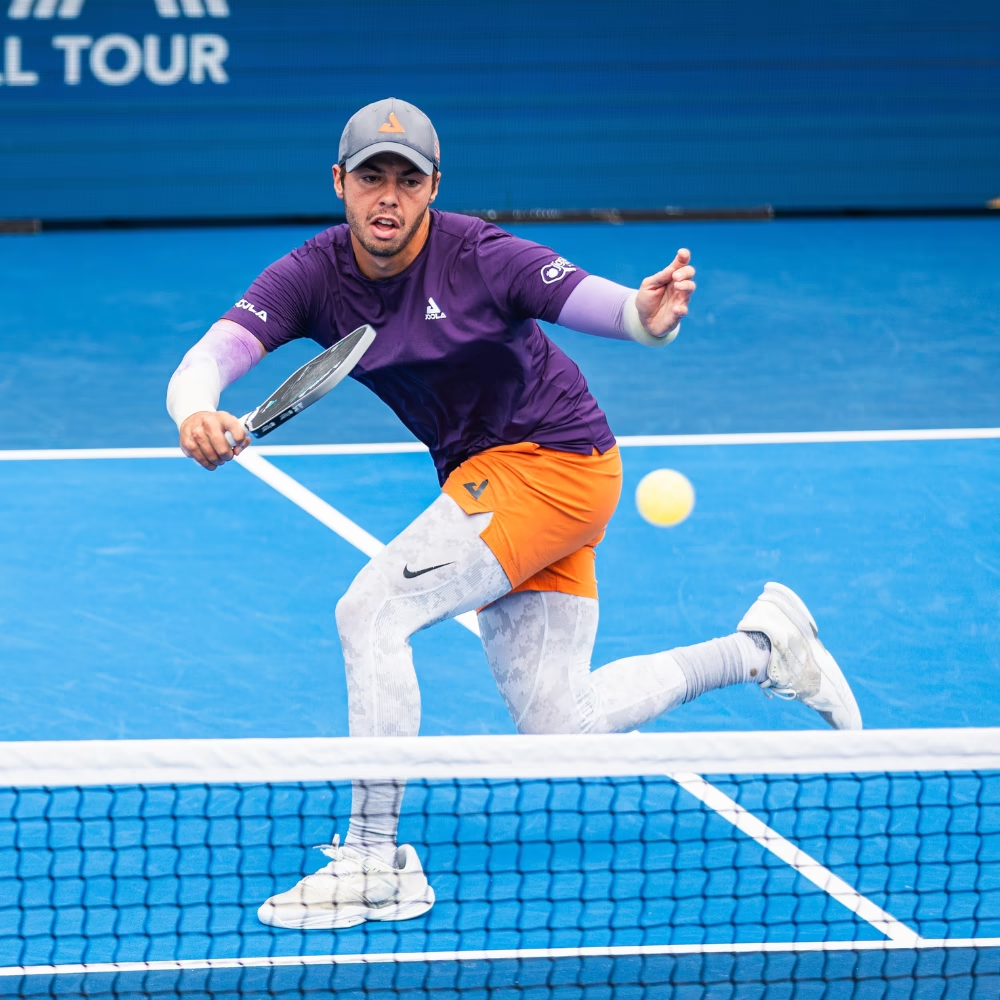
Ben Johns
On-site physio for hockey tournaments, leagues, and camps, led by a certified sport physiotherapist trained to assess and treat injuries rink-side, so a small injury never becomes a season-ending one.
.avif)
We cover events across the GTA, and we travel. Wherever you're playing, we'll make it work.
At Vaughan Physiotherapy Clinic, we work with hockey players at every level, from minor hockey and beer league to competitive rep and old-timer play. Whether it's a groin that won't settle, lingering dizziness after a hit, or a back that tightens up shift by shift, we have the team to get you back on the ice faster.
We're not just a clinic — we're part of the pickleball community here in Vaughan. If you're feeling it on the court, come see us off it.
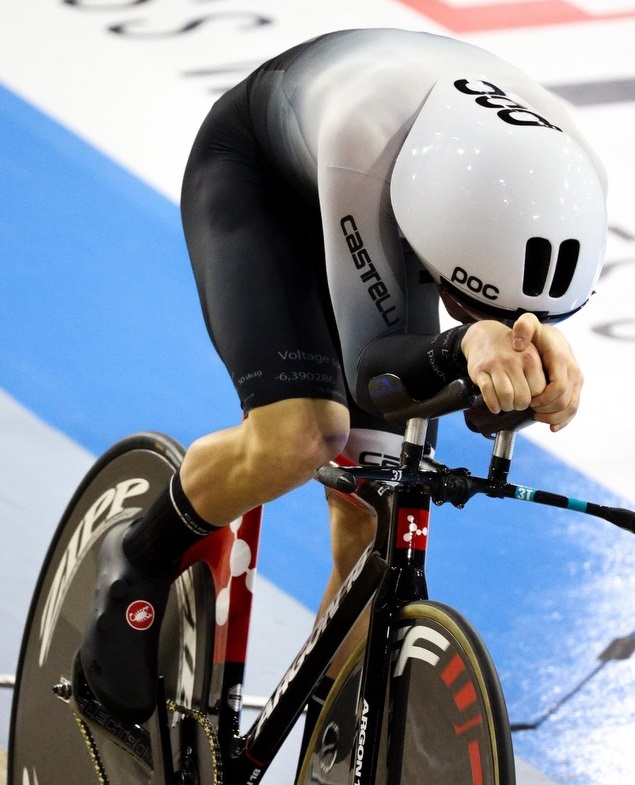
As the exclusive provider of VALD assessment tools in the Vaughan area, we are at the forefront of data-driven performance optimization. Our track record of collaborating with high performance athletes, teams, and coaches from prestigious athletic organizations - including Cycling Canada, Toronto Rugby, and Cheer Canada - demonstrates our commitment to transformative athletic excellence.

Our team brings together experts from multiple disciplines, including specialized Vestibular Therapists, Registered Massage Therapists, and Chiropractors. With diverse expertise and certifications such as Sports First Responder and Sport Physiotherapy Canada, we deliver a holistic approach to athlete care and performance. Together, we address not just immediate physical performance needs, but also the underlying biomechanical, neurological, and structural aspects of an athlete's health and potential.
We believe that extraordinary performance is within reach through the right insights, scientific precision, and personalized guidance. Whether you're a professional competitor or a fitness enthusiast, we don't just assess your current capabilities – we illuminate the path to your future athletic greatness. Our mission is to be more than service providers; we aim to be your true performance partners.
Recover faster, move better, and feel stronger with expert physiotherapy. Our team is here to guide you every step of the way.

Explore the latest articles written by our clinicians