
Police officers, paramedics, and firefighters lift patients, carry heavy gear, and work long shifts. Over a career, that load adds up. At Vaughan Physiotherapy Clinic, our physiotherapists, chiropractors, and registered massage therapists work together to keep first responders healthy, on shift, and ready for the next call.
Trusted by pickleball players across the GTA


From community clubs to competitive leagues, we work alongside local pickleball programs to keep players moving well, staying on the court, and performing at their best.
Whether you're already feeling it or want to stay ahead of it, the job is harder on your body than it looks.
Here's what every first responder should know:
Below, we break down what the job is doing to your body, so you can stay healthy on shift and after you retire.
Injuries look different in every role and at every stage of your career. We tailor care to where you are.
Train for the weight you actually carry on a call.
Most back injuries come from lifts you do every shift.
Small changes to how you carry your gear can take load off your back.
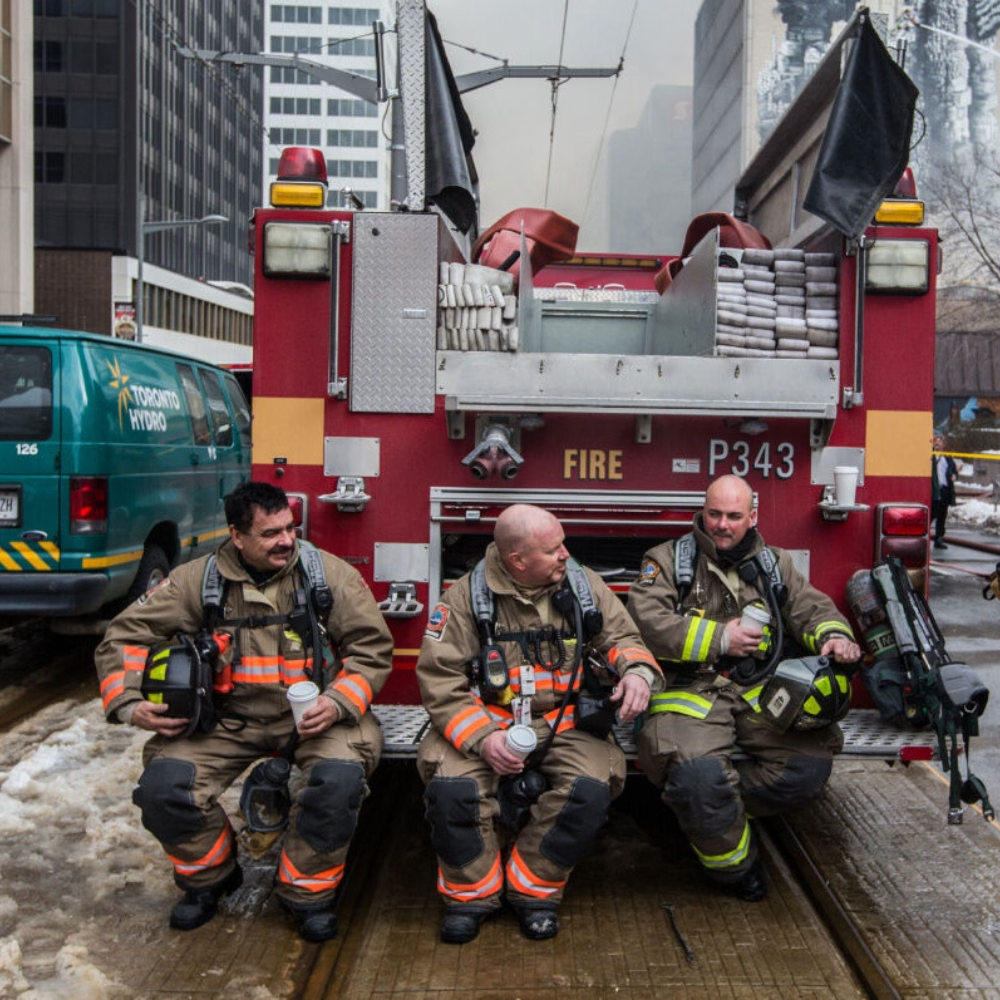
The habits you build in training follow you for the next 25 years.
You don't need to slow down. You need a plan that fits your body now.
Built around your job demands , not a generic protocol.
Time in the cruiser feels like a break. For your back, it isn't.
Where you carry your gear matters. In one study, officers using drop-leg holsters reported much less back pain than officers using belt holsters.

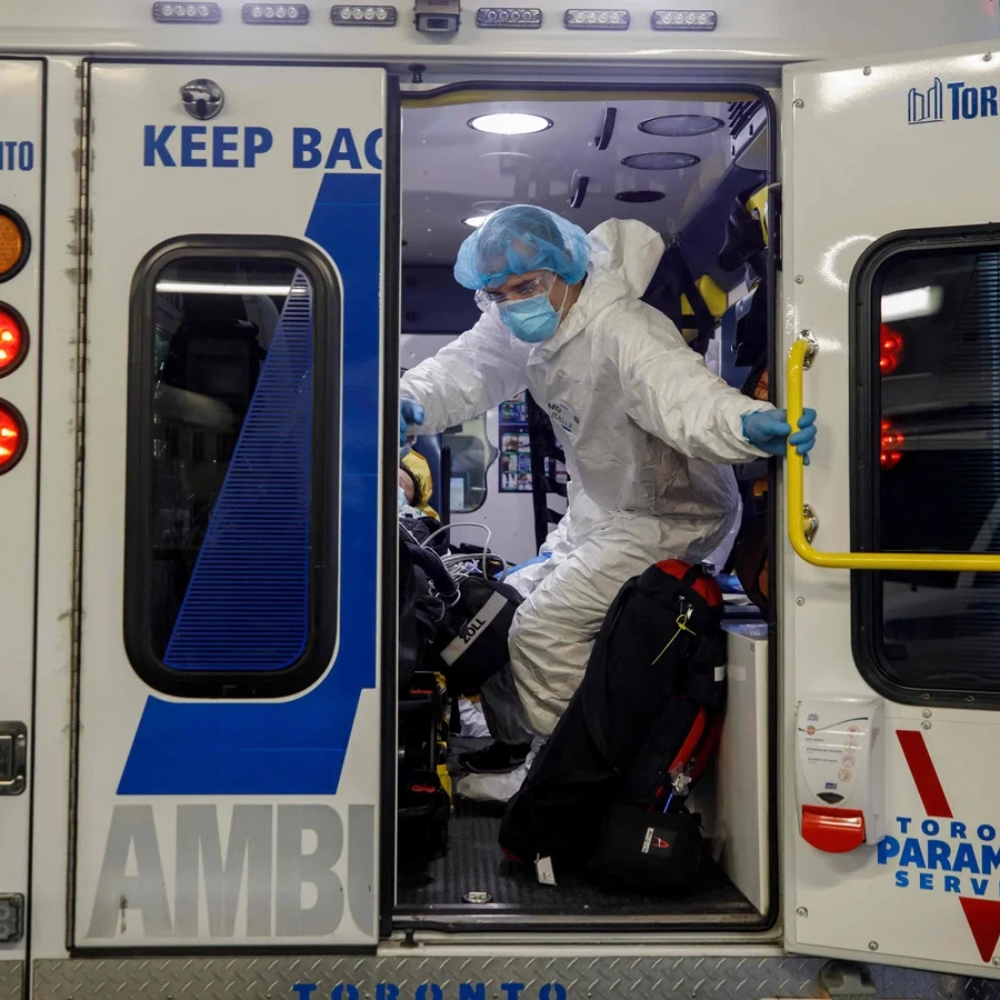
One lift won't hurt you. Hundreds of them over a career can.
Lifting from the floor to the stretcher puts the highest load on your spine of any common paramedic task.
Fresh at the start of a call, tired by the end. That's when injuries happen.
Most slips, trips, and strains happen when you're tired, not when you're fresh.
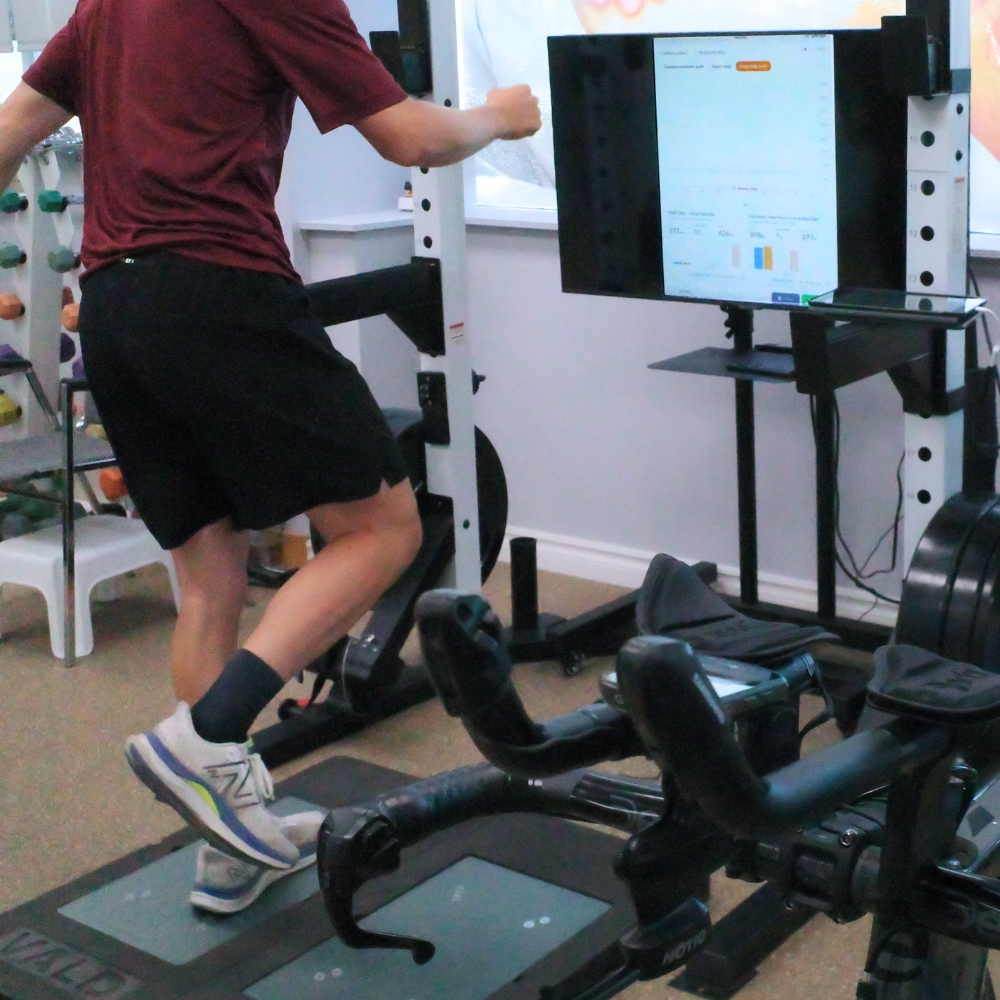
Expert care from assessment to recovery, designed just for you. No referral necessary.
Your therapist will tailor a plan, and we'll schedule sessions that suit you. Healing takes time - we're with you the whole way.
Use your benefits to access top-quality physiotherapy.
Learn about how we handle insurance claims and direct billing.
❖
Free Phone Consultation (10 min)
❖
Comprehensive Consultation & Assessment (45 min)
❖
Personalized Follow-Up Sessions (30/45 min)
Getting back on shift after an injury takes more than the pain going away. Your body needs to handle the full demands of the job again.
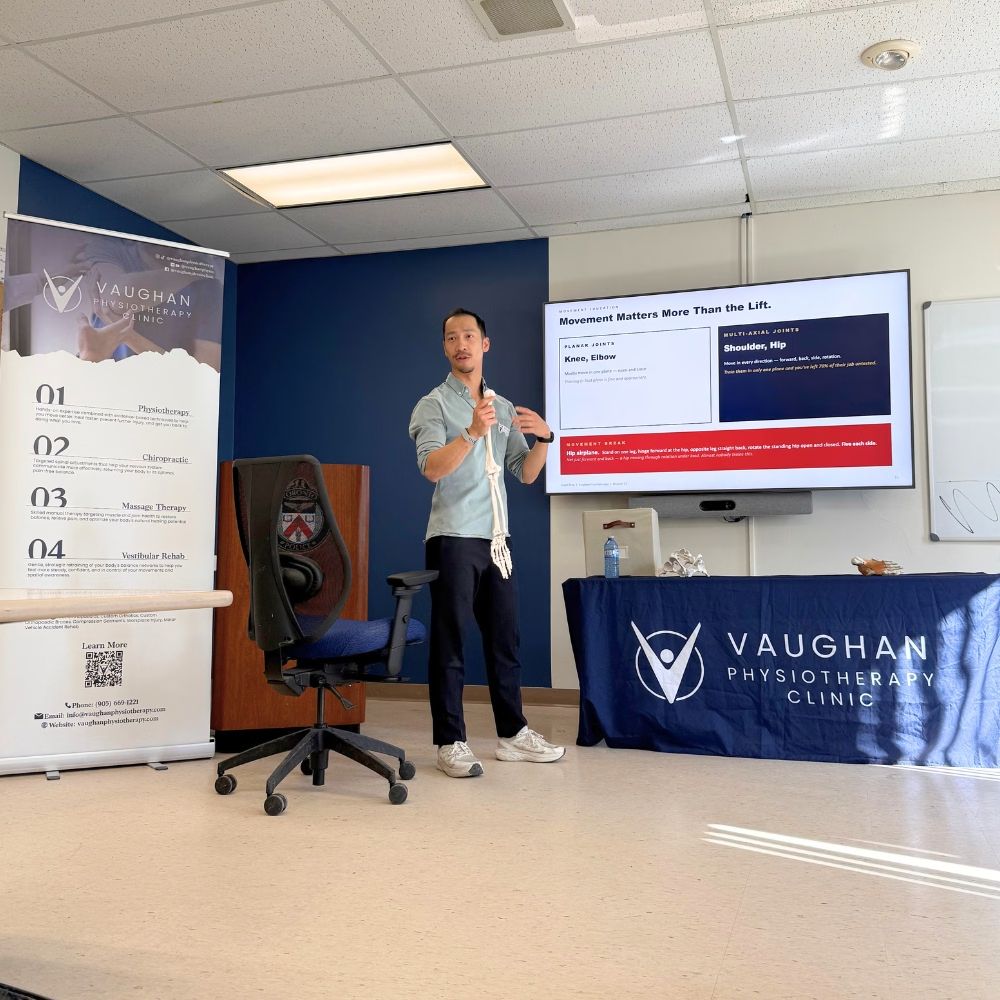
Injury prevention sessions for fire halls, police services, paramedic services, and training academies.
We cover events across the GTA — and we travel. Wherever you're playing, we'll make it work.
At Vaughan Physiotherapy Clinic, we work with first responders at every stage, from recruits preparing for fitness testing to senior members managing years of wear and tear. Whether you’re dealing with a lower back that flares up after long shifts, a shoulder that won’t settle down, or knees taking a beating from stairs and gear, we have the team to get you back to work.
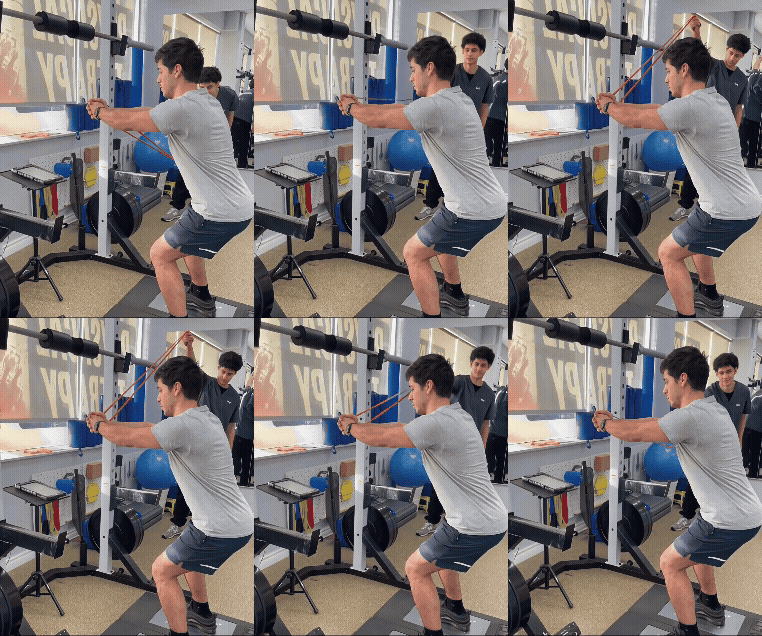
We’re part of the community we serve. If the job is taking a toll on your body, come see us.
Police officers, firefighters, paramedics, corrections officers, dispatchers, and other emergency services personnel. If your job puts you on the front line, we’re here for you.
Back and neck pain, shoulder and knee injuries, sprains and strains, repetitive strain from gear and equipment, post-surgical rehab, concussion and dizziness, and general wear and tear from the job.
No. You can book directly with us. Some insurance plans ask for a referral before they’ll reimburse, so check your plan first.
Most extended health plans cover physiotherapy, chiropractic, massage therapy, and acupuncture. Coverage depends on your plan, so check your benefits booklet or call your provider.
Yes. If you were injured on the job and have an open WSIB claim, let us know when you book and bring your claim number. Learn more here.
Yes, we can bill many insurance providers directly. Call us to confirm yours.
Yes. We build return-to-work plans around the physical demands of your role, including lifting, carrying gear, and fitness standards.
Your therapist will go over your history and the demands of your job, assess how you’re moving, and build a treatment plan around getting you back on shift.
No, we’re not an OHIP clinic. Most of our patients use extended health benefits or WSIB.
Recover faster, move better, and feel stronger with expert physiotherapy. Our team is here to guide you every step of the way.

Explore the latest articles written by our clinicians