


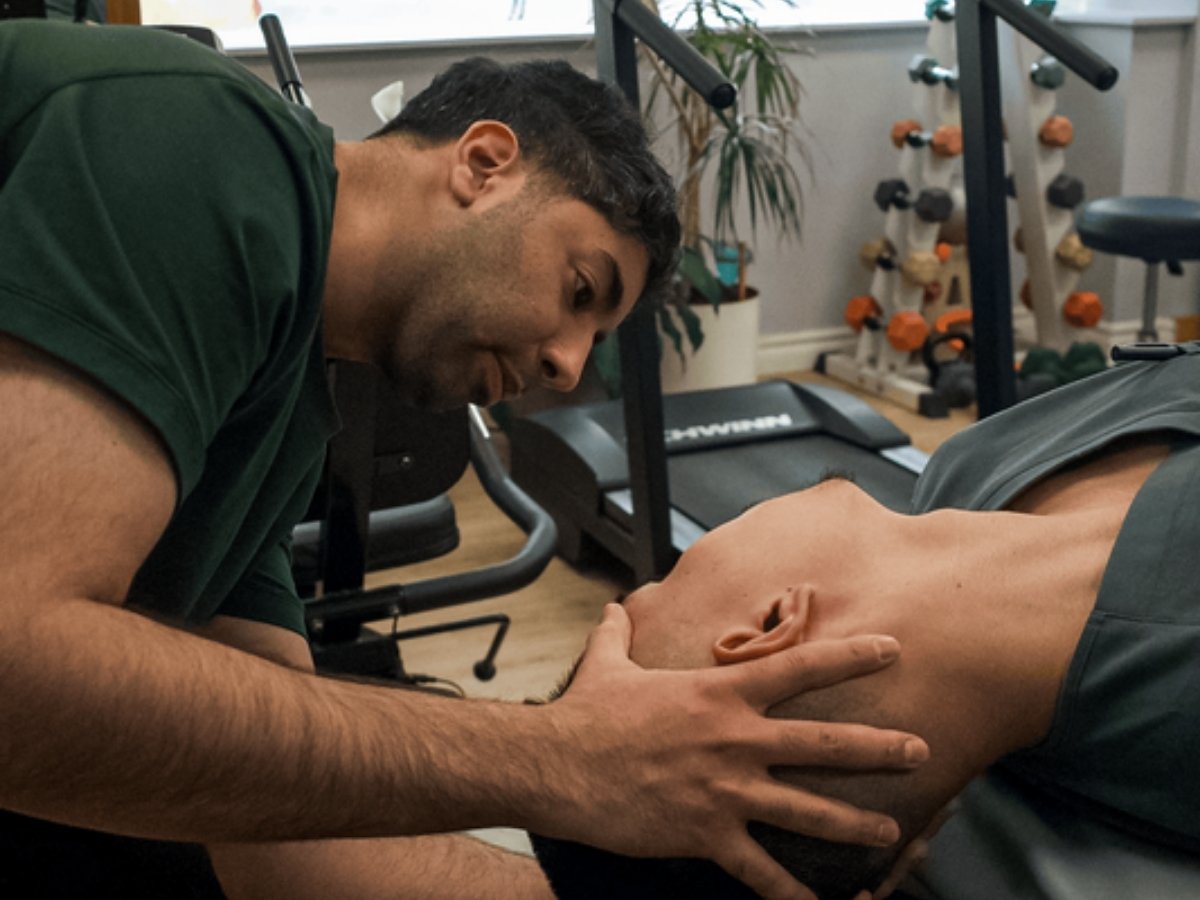
Physiotherapist performing hands-on neck and upper shoulder soft tissue treatment on a patient at Vaughan Physiotherapy Clinic

Myofascial Trigger Point Pain

Ongoing muscle pain linked to tender spots in tight bands of muscle that can refer pain elsewhere, also called myofascial pain syndrome.
Do you have a tight, tender knot in your neck, shoulder, or lower back that aches no matter how often you rub it? Does pressing on that spot send pain somewhere else, like up into your head or down your arm? If so, you may be dealing with myofascial trigger point pain, one of the most common reasons people come to see us with muscle pain.

At Vaughan Physiotherapy Clinic, we assess and treat stubborn muscle pain in desk workers, athletes, parents, and anyone whose body has started to feel tight and sore most of the time. The goal is not just to press out a knot for a day, but to understand why your muscles have become so sensitive and to build a plan that keeps the pain from coming back.

Here is what myofascial trigger point pain is, how to recognize it, what else it could be, and what the research honestly says about it.

What Is Myofascial Trigger Point Pain?

Myofascial pain is pain that seems to come from the muscles and the thin connective tissue (fascia) around them. A trigger point is usually described as a very tender spot inside a tight band of muscle. Pressing on it often reproduces a person's familiar pain, and sometimes sends pain to another area (Shipton et al., 2023). When this pattern is ongoing, it is often called myofascial pain syndrome.

It is common. In one primary care study cited in a family medicine review, about 30 percent of people seeing their doctor for muscle and joint pain also had myofascial pain. The upper trapezius (the muscle between the neck and shoulder) is the most common site, followed by the buttock muscles and the deep muscles of the lower back (Shipton et al., 2023).

How Clinicians Describe Trigger Points

In 2018, an international panel of 60 experts agreed on three main features of a trigger point (Fernández-de-las-Peñas & Dommerholt, 2018):

  • A taut band: a tight, rope-like strip within the muscle
  • A hypersensitive spot: a small area on that band that is much more tender than the muscle around it
  • Referred pain: pressing the spot causes pain, aching, tingling, or burning somewhere else

The same panel described two types:

  • Active trigger points: pressing them reproduces the pain you came in with, and you recognize it as "your" pain
  • Latent trigger points: tender when pressed, but they do not reproduce your usual symptoms

An Honest Note About the Science

Your pain is real. What is still debated is what a trigger point actually is. Some researchers argue that the classic theory, a contracted patch of muscle caught in a self-sustaining cycle, has never been proven, and that the tender spots are better explained by sensitized nerves and the way the nervous system processes pain (Quintner et al., 2015). These critics do not deny that people have tender, painful muscles. They question the explanation.

There is also a practical problem: a systematic review found that clinicians do not reliably agree on where trigger points are. Agreement was better for tenderness and for reproducing a patient's pain, and worse for finding a taut band or a muscle "twitch" (Lucas et al., 2009). In plain terms, a trigger point is best thought of as a useful clinical description of a sensitive spot, not a lesion that can be seen on a scan or proven with a test. We use it as a starting point, not as the whole story.

Recognizing the Symptoms

Myofascial pain can start after a strain, an awkward sleep, or a busy period, or it can build gradually. Common symptoms include:

  • A deep, dull ache in a muscle, often hard to pinpoint
  • A tender knot you can feel, which may be sore to press
  • Pain that spreads in a predictable pattern, for example from the upper shoulder into the side of the head
  • Stiffness and reduced range of movement, such as difficulty turning your head
  • Muscles that feel tired or weak, even without true nerve weakness
  • Tension-type headaches linked to neck and shoulder muscles

What Makes It Worse?

  • Sustained postures: long periods at a desk, phone, or steering wheel without a change in position
  • Repetitive or unfamiliar loading: a new sport, a heavy lifting day, or a sudden increase in training
  • Poor sleep: short or broken sleep tends to make the body more sensitive to pain
  • Stress: ongoing stress often goes with muscle guarding and a lower pain tolerance
  • Low activity: deconditioned muscles tend to fatigue and ache sooner
  • Other painful conditions: a stiff joint or an irritated nerve nearby can keep the surrounding muscles on guard

What Else Could It Be?

Muscle tenderness shows up in many conditions, so part of our assessment is making sure the label fits. Possibilities include:

  • Neck or back joint pain: stiff or irritated spinal joints can refer pain into nearby muscles
  • Pinched nerve (radiculopathy): pain with numbness, pins and needles, or weakness travelling down the arm or leg in a nerve pattern
  • Shoulder or hip problems: rotator cuff or hip joint pain can feel like a deep muscle ache
  • Fibromyalgia: widespread pain on both sides of the body, above and below the waist, usually with fatigue, poor sleep, and trouble concentrating. Researchers have long debated how trigger points and widespread pain overlap (Quintner et al., 2015)
  • Inflammatory conditions: such as polymyalgia rheumatica or inflammatory arthritis, which often cause long-lasting morning stiffness
  • Medical causes of muscle aches: such as an underactive thyroid or side effects of some medications

When to See a Doctor First

Most muscle pain is not dangerous. See your physician promptly if you have:

  • Unexplained weight loss, or a history of cancer
  • Pain at night that does not ease with rest or changing position
  • Fever, chills, or feeling generally unwell along with muscle pain
  • Widespread pain with ongoing fatigue, which should be looked at by your doctor, who may check for fibromyalgia, inflammatory conditions, or thyroid problems
  • Morning stiffness in many areas that lasts well into the day
  • Numbness, weakness, or loss of coordination in the arms or legs, or any change in bladder or bowel control
  • Muscle pain that started after a new medication, or with dark urine or marked weakness

Our physiotherapists screen for these signs at your first visit and will coordinate with your physician if blood work, imaging, or a referral is needed.

Related reading: You may also find our guides to trigger point headaches and fibromyalgia helpful.

Start Your Journey to 

‍Better Health Today

Recover faster, move better, and feel stronger with expert physiotherapy. Our team is here to guide you every step of the way.

Why Physiotherapy Is Essential

Myofascial pain is rarely just about one knot. A sensitive muscle usually reflects several things adding up: load, lack of breaks, poor sleep, stress, and a more sensitive nervous system. Pressing on a sore spot can bring short-term relief, but the pain often returns if nothing else changes.

A family medicine review recommends massage and physical therapy as first-line treatments, ahead of injections (Shipton et al., 2023). The same review describes a meta-analysis of 24 trials in which physical therapy treatments improved pain intensity, pressure tolerance, and range of motion, with moderate effects, although they did not clearly change disability. Because the nature of trigger points is still debated (Quintner et al., 2015), we focus on what we can measure and change: your pain, movement, and function.

Physiotherapy addresses the main drivers:

  • Sensitivity: hands-on treatment and, where appropriate, dry needling to calm a sore area
  • Capacity: exercise that makes painful muscles stronger and more tolerant of load
  • Habits: posture variety, work setup, and regular breaks
  • Lifestyle: sleep, stress, and activity levels, which all affect pain

Your Treatment Plan at Vaughan Physiotherapy Clinic

Phase 1: Assessment and Understanding Your Pain (Week 1)

Your first visit looks at the full picture, not just the sore spot:

  • History: when the pain started, what makes it better or worse, your work and training, sleep, stress, and general health
  • Screening: checking for signs that point to a nerve, joint, inflammatory, or medical cause instead of a muscle problem
  • Movement assessment: how your neck, back, shoulders, or hips move, and which movements bring on your pain
  • Palpation: gently pressing through the muscles to find the spots that reproduce your familiar pain. Because examiners do not always agree on trigger point findings (Lucas et al., 2009), we place the most weight on whether pressing a spot reproduces the pain you recognize, which is one of the more consistent findings
  • Strength testing: how well the muscles around the painful area hold up under load, and a review of your work setup

If anything suggests a different cause, such as a pinched nerve, an inflammatory condition, or a thyroid or medication issue, we will recommend a visit to your physician.

Phase 2: Settling Pain (Weeks 1 to 3)

Early pain relief often combines several approaches:

  • Manual pressure release and soft tissue work: steady pressure and massage-style techniques on the tender area
  • Dry needling: where appropriate and with your consent (see below)
  • Gentle movement and stretching: to restore range without flaring the pain
  • Activity adjustment: changing the amount or pattern of activity, rather than stopping it

What the research says about manual pressure release. Holding pressure on a trigger point is often called ischemic compression. A systematic review of 17 randomized trials found that it increased how much pressure people could tolerate before feeling pain, compared with no active treatment. However, it was not better than other active treatments, and it did not clearly reduce people's own pain ratings. Most trials were small, short, and not blinded (Lu et al., 2022). We use it as one tool to make a sore area more comfortable, not as a treatment on its own.

What the research says about dry needling. Dry needling is the treatment most closely linked to trigger points, and it has been studied more than most:

  • A systematic review of 13 trials found it may reduce pain and sensitivity for up to 12 weeks compared with sham or no treatment, with no clear benefit at 6 to 12 months and very low to moderate quality evidence (Gattie et al., 2017)
  • Both this review and a later neck pain review found dry needling was not better than other physical therapy, and the neck pain review noted that average improvements may be too small for patients to clearly notice (Gattie et al., 2017; Navarro-Santana et al., 2020)

Put simply, dry needling can help some people in the short term, but it does not fix the problem on its own. We use it, if at all, to open a window of less pain for exercise.

Phase 3: Building Strength and Tolerance (Weeks 3 to 8)

Stretching and strengthening

Physiotherapist demonstrating a resistance band strengthening exercise in the clinic gym
Combining stretching with strengthening, like this band exercise, gave the best short-term results for myofascial pain in research.

A systematic review of 8 trials (255 people) found that exercise reduced myofascial pain by about 1.2 points on a 10-point scale in the short term compared with minimal or no treatment. Programs that combined stretching and strengthening did best, with about a 2.3-point drop. Exercise worked about as well as dry needling or electrotherapy in the small number of trials that compared them, and effects on disability were not clear (Diz et al., 2017). The research is still growing, but exercise is low risk, and it is something you can keep doing on your own long after treatment ends.

A 2023 review of 14 randomized trials with 734 people looked at adding exercise to other treatments for trigger points and myofascial pain syndrome (MPS). Adding exercise lowered pain, improved range of motion and reduced disability more than the other treatment alone, in both the short and longer term. The authors say larger, higher quality trials are still needed (Zhou et al., 2023). This is why hands-on care and needling are paired with an exercise plan you keep doing at home.

Your program may include:

  • Gentle stretches for the tight muscles, such as upper trapezius and levator scapulae stretches for neck and shoulder pain
  • Shoulder blade strengthening: rows, band pull-aparts, and wall slides
  • Deep neck flexor work: chin nods to support the neck
  • Hip and trunk strengthening: bridges, side planks, and hip abduction for lower back and buttock pain

Sleep and stress

Poor sleep and high stress are common in people with ongoing muscle pain, and both tend to turn up the volume on pain. Research specific to trigger points is limited here, so we keep advice practical:

  • Sleep routine: a consistent bedtime and wake time, and a pillow and position that keep your neck comfortable
  • Movement breaks: a short change of position at regular intervals when you sit for long periods
  • Regular general exercise: walking, cycling, or swimming, which supports both sleep and mood

If sleep problems, low mood, or anxiety are a big part of the picture, we will encourage you to speak with your physician.

Phase 4: Return to Full Activity and Self-Management (Weeks 6 to 12+)

  • Return to sport or heavy work with load built up step by step
  • Work setup changes such as screen height and chair support
  • A short maintenance program of 2 or 3 key exercises you can keep doing
  • A flare-up plan so you know what to do if the pain returns, without needing to start over

Beyond Physiotherapy: Complementary Care for Myofascial Trigger Point Pain

Exercise and better load management form the core of long-term care, and that is where we put most of our effort. Some patients also benefit from other services at our clinic to ease pain and tension so they can stay consistent with their program. Here is an honest summary of what the evidence does and does not show for each.

How Acupuncture and Dry Needling Can Help

Dry needling uses fine filament needles placed into a tender spot in the muscle. Acupuncture uses similar needles, often based on traditional points.

  • What the evidence shows: dry needling may reduce pain in the short term, up to about 12 weeks, compared with sham or no treatment, but it is not clearly better than other physical therapy and long-term benefit is not proven. Evidence quality ranges from very low to moderate (Gattie et al., 2017; Navarro-Santana et al., 2020). We did not include traditional acupuncture trials in this summary, so we cannot speak to it separately
  • Where it fits: as a short-term option to reduce pain and tension so you can exercise more comfortably
  • Safety: in a survey covering 7,629 dry needling treatments, about 19 percent were followed by a mild side effect, most often bruising, bleeding, or soreness, and no significant adverse events were reported (Brady et al., 2014). Post-needling soreness usually settles within 1 to 2 days (Navarro-Santana et al., 2020). Rare but serious complications, such as a collapsed lung when needling near the chest wall, have been reported (Shipton et al., 2023), which is why it should only be done by a trained clinician

How Massage Therapy Can Help

Registered massage therapy uses hands-on techniques to the muscles and fascia, including sustained pressure and friction massage.

  • What the evidence shows: massage is listed as a reasonable first-line option for trigger point pain (Shipton et al., 2023). A review of 12 trials found friction massage reduced pain and improved pressure tolerance within groups, but it was not clearly better than comparison treatments, and the overall evidence was weak (Sadeghnia et al., 2025). Sustained pressure release improves pressure tolerance but has not clearly reduced pain ratings (Lu et al., 2022)
  • Where it fits: for short-term relief, comfort, and relaxation, especially during a flare-up or a stressful period, alongside your exercise program
  • Safety: very safe. Some temporary soreness after deeper work is normal

How Chiropractic and Joint Manipulation Can Help

Chiropractic care uses joint mobilization and manipulation, often of the neck, upper back, or lower back.

  • What the evidence shows: we did not find good-quality trials testing chiropractic manipulation for myofascial trigger point pain specifically. The closest evidence is the broader research on manual and physical therapy for muscle pain, which shows modest short-term benefits for pain and movement (Shipton et al., 2023). This is indirect evidence
  • Where it fits: when a stiff spinal joint seems to be keeping nearby muscles guarded and sore, combined with exercise
  • Safety: generally safe when done after proper screening. It is not appropriate if there are signs of a fracture, nerve compression, inflammatory disease, or other red flags

Whichever combination you and your clinician choose, these treatments share one purpose: settling symptoms so you can keep moving while the real fix, stronger muscles, better habits, and a less sensitive system, takes hold.

When Are Injections or Medication Considered?

Myofascial pain is not treated with surgery. Some people try medication or trigger point injections when pain is not settling:

  • Medication: anti-inflammatories, acetaminophen, or muscle relaxants are commonly used, but there is little evidence that they help trigger point pain specifically (Shipton et al., 2023). Speak with your physician or pharmacist before starting any medication
  • Trigger point injections: a physician injects a local anaesthetic or other substance into the tender spot. A family medicine review found that no injected substance has been shown to work better than another or better than placebo, and that routine injections are not supported by trials. They may be considered when other treatments have not helped, after a shared discussion with your doctor (Shipton et al., 2023)

How Long Will It Take?

Recovery varies. A recent flare may settle within days to a couple of weeks, while pain that has built over months, especially with poor sleep or high stress, usually takes longer.

Research mostly measures short-term results. Dry needling shows its clearest effects in the days to weeks after treatment, with no proven benefit beyond about 12 weeks, and pressure release has mostly been measured right after treatment (Lu et al., 2022; Gattie et al., 2017; Navarro-Santana et al., 2020). Exercise also shows short-term gains (Diz et al., 2017), and in our experience it is what keeps people better. Many people notice a difference within a few weeks, with strength building over the following months.

Prevention and Long-Term Management

  • Change position often: your best posture is your next posture, so vary how you sit and stand through the day
  • Keep strong: continue a few shoulder, neck, hip, or trunk exercises two or three times a week
  • Stay active: regular walking, cycling, or swimming helps muscles and mood
  • Protect your sleep: a regular routine and a comfortable sleep position
  • Manage stress: short breathing breaks, time outdoors, or whatever helps you unwind
  • Act early: if a familiar ache returns, use your flare-up plan straight away

Frequently Asked Questions

Are trigger points real?

The pain and tenderness are real. What researchers debate is the explanation. Some argue trigger points are a distinct problem in the muscle (Fernández-de-las-Peñas & Dommerholt, 2018), while others argue the tenderness comes from sensitized nerves and the nervous system rather than a "knot" (Quintner et al., 2015). Clinicians also do not reliably agree on exactly where trigger points are (Lucas et al., 2009). Either way, the treatments that help, especially exercise, are much the same.

Why does pressing on my shoulder cause a headache?

Pain from a sensitive area can be felt somewhere else, which is called referred pain. Pressing a tender spot in the upper shoulder or neck often reproduces pain felt in the head. This is a common pattern in tension-type headaches.

Does dry needling hurt?

Most people feel a brief cramp or twitch when the needle is in the muscle, and some soreness afterward. In a large survey, mild side effects such as bruising and soreness followed about 19 percent of treatments, with no serious events reported (Brady et al., 2014). Soreness usually eases within 1 to 2 days.

Can I massage my own trigger points?

Yes. Steady, comfortable pressure with your hand, a ball, or a foam roller is a reasonable way to ease a sore spot. Treat it as short-term relief alongside your exercises.

Is dry needling the same as acupuncture?

Both use very thin needles, but they are based on different ideas. Dry needling targets sensitive spots in muscle based on anatomy and your assessment findings, while traditional acupuncture follows the principles of Chinese medicine. Read more in our article on dry needling versus traditional acupuncture.

Is it fibromyalgia?

Usually not. Myofascial pain tends to be in one region, such as one side of the neck and shoulder. Fibromyalgia involves widespread pain on both sides of the body, along with fatigue, poor sleep, and trouble concentrating. If your pain is widespread, we will ask you to see your physician for a proper medical assessment.

Can acupuncture, massage, or chiropractic replace exercise?

No. Needling, massage, and joint manipulation can ease pain for a while, but the research shows mostly short-term effects. Exercise, better sleep, and changes to how you load your body are what help most over the long term. We use the other treatments to help you get there.

Our Specialized Approach at Vaughan Physiotherapy Clinic

Whole-person assessment: we look at load, sleep, stress, and movement, not just the sore spot

Honest about the evidence: we explain what each treatment can and cannot do so you can choose with confidence

Certified dry needling: offered when it fits your goals, with careful technique and safety screening

Exercise that lasts: a short, progressive program combining stretching and strengthening

Integrated care: physiotherapy, massage therapy, acupuncture, and chiropractic under one roof when they add value

Safety first: screening for nerve, inflammatory, and medical causes of muscle pain, with physician referral when needed

Take the First Step Toward Lasting Relief From Muscle Pain

Nagging muscle pain does not have to shape your workday, your training, or your sleep. Our team at Vaughan Physiotherapy Clinic helps patients from Thornhill, Vaughan, North York, Richmond Hill, and surrounding communities move more comfortably with evidence-based, hands-on care.

Book your assessment today:

Phone: 905-669-1221

Location: 398 Steeles Ave W #201, Thornhill, ON L4J 6X3

Online Booking: www.vaughanphysiotherapy.com

References

Brady S, McEvoy J, Dommerholt J, Doody C. Adverse events following trigger point dry needling: a prospective survey of chartered physiotherapists. Journal of Manual & Manipulative Therapy. 2014;22(3):134-140. doi:10.1179/2042618613Y.0000000044

Diz JBM, de Souza JRLM, Leopoldino AAO, Oliveira VC. Exercise, especially combined stretching and strengthening exercise, reduces myofascial pain: a systematic review. Journal of Physiotherapy. 2017;63(1):17-22. doi:10.1016/j.jphys.2016.11.008

Fernández-de-las-Peñas C, Dommerholt J. International consensus on diagnostic criteria and clinical considerations of myofascial trigger points: a Delphi study. Pain Medicine. 2018;19(1):142-150. doi:10.1093/pm/pnx207

Gattie E, Cleland JA, Snodgrass S. The effectiveness of trigger point dry needling for musculoskeletal conditions by physical therapists: a systematic review and meta-analysis. Journal of Orthopaedic & Sports Physical Therapy. 2017;47(3):133-149. doi:10.2519/jospt.2017.7096

Lu W, Li J, Tian Y, Lu X. Effect of ischemic compression on myofascial pain syndrome: a systematic review and meta-analysis. Chiropractic & Manual Therapies. 2022;30:34. doi:10.1186/s12998-022-00441-5

Lucas N, Macaskill P, Irwig L, Moran R, Bogduk N. Reliability of physical examination for diagnosis of myofascial trigger points: a systematic review of the literature. Clinical Journal of Pain. 2009;25(1):80-89. doi:10.1097/AJP.0b013e31817e13b6

Navarro-Santana MJ, Sanchez-Infante J, Fernández-de-las-Peñas C, Cleland JA, Martín-Casas P, Plaza-Manzano G. Effectiveness of dry needling for myofascial trigger points associated with neck pain symptoms: an updated systematic review and meta-analysis. Journal of Clinical Medicine. 2020;9(10):3300. doi:10.3390/jcm9103300

Quintner JL, Bove GM, Cohen ML. A critical evaluation of the trigger point phenomenon. Rheumatology (Oxford). 2015;54(3):392-399. doi:10.1093/rheumatology/keu471

Sadeghnia M, Kajbafvala M, Shadmehr A. The effect of friction massage on pain intensity, PPT, and ROM in individuals with myofascial trigger points: a systematic review. BMC Musculoskeletal Disorders. 2025;26:250. doi:10.1186/s12891-025-08372-x

Shipton B, Sagar S, Mall JK. Trigger point management. American Family Physician. 2023;107(2):159-164A.

Zhou Y, Lu J, Liu L, Wang HW. Is exercise rehabilitation an effective adjuvant to clinical treatment for myofascial trigger points? A systematic review and meta-analysis. Journal of Pain Research. 2023;16:245-256. doi:10.2147/JPR.S390386

Disclaimer: This article is for educational purposes only and does not replace professional medical advice. Muscle pain can have many causes, including nerve, joint, inflammatory, thyroid, and other medical conditions, and the science of trigger points is still debated. Always consult a qualified healthcare provider for diagnosis and treatment specific to your condition.

Team

Condition guide

Myofascial Trigger Point Pain

Ongoing muscle pain linked to tender spots in tight bands of muscle that can refer pain elsewhere, also called myofascial pain syndrome.

Physiotherapist performing hands-on neck and upper shoulder soft tissue treatment on a patient at Vaughan Physiotherapy ClinicMyofascial Trigger Point Pain

Do you have a tight, tender knot in your neck, shoulder, or lower back that aches no matter how often you rub it? Does pressing on that spot send pain somewhere else, like up into your head or down your arm? If so, you may be dealing with myofascial trigger point pain, one of the most common reasons people come to see us with muscle pain.

At Vaughan Physiotherapy Clinic, we assess and treat stubborn muscle pain in desk workers, athletes, parents, and anyone whose body has started to feel tight and sore most of the time. The goal is not just to press out a knot for a day, but to understand why your muscles have become so sensitive and to build a plan that keeps the pain from coming back.

Here is what myofascial trigger point pain is, how to recognize it, what else it could be, and what the research honestly says about it.

What Is Myofascial Trigger Point Pain?

Myofascial pain is pain that seems to come from the muscles and the thin connective tissue (fascia) around them. A trigger point is usually described as a very tender spot inside a tight band of muscle. Pressing on it often reproduces a person's familiar pain, and sometimes sends pain to another area (Shipton et al., 2023). When this pattern is ongoing, it is often called myofascial pain syndrome.

It is common. In one primary care study cited in a family medicine review, about 30 percent of people seeing their doctor for muscle and joint pain also had myofascial pain. The upper trapezius (the muscle between the neck and shoulder) is the most common site, followed by the buttock muscles and the deep muscles of the lower back (Shipton et al., 2023).

How Clinicians Describe Trigger Points

In 2018, an international panel of 60 experts agreed on three main features of a trigger point (Fernández-de-las-Peñas & Dommerholt, 2018):

  • A taut band: a tight, rope-like strip within the muscle
  • A hypersensitive spot: a small area on that band that is much more tender than the muscle around it
  • Referred pain: pressing the spot causes pain, aching, tingling, or burning somewhere else

The same panel described two types:

  • Active trigger points: pressing them reproduces the pain you came in with, and you recognize it as "your" pain
  • Latent trigger points: tender when pressed, but they do not reproduce your usual symptoms

An Honest Note About the Science

Your pain is real. What is still debated is what a trigger point actually is. Some researchers argue that the classic theory, a contracted patch of muscle caught in a self-sustaining cycle, has never been proven, and that the tender spots are better explained by sensitized nerves and the way the nervous system processes pain (Quintner et al., 2015). These critics do not deny that people have tender, painful muscles. They question the explanation.

There is also a practical problem: a systematic review found that clinicians do not reliably agree on where trigger points are. Agreement was better for tenderness and for reproducing a patient's pain, and worse for finding a taut band or a muscle "twitch" (Lucas et al., 2009). In plain terms, a trigger point is best thought of as a useful clinical description of a sensitive spot, not a lesion that can be seen on a scan or proven with a test. We use it as a starting point, not as the whole story.

Recognizing the Symptoms

Myofascial pain can start after a strain, an awkward sleep, or a busy period, or it can build gradually. Common symptoms include:

  • A deep, dull ache in a muscle, often hard to pinpoint
  • A tender knot you can feel, which may be sore to press
  • Pain that spreads in a predictable pattern, for example from the upper shoulder into the side of the head
  • Stiffness and reduced range of movement, such as difficulty turning your head
  • Muscles that feel tired or weak, even without true nerve weakness
  • Tension-type headaches linked to neck and shoulder muscles

What Makes It Worse?

  • Sustained postures: long periods at a desk, phone, or steering wheel without a change in position
  • Repetitive or unfamiliar loading: a new sport, a heavy lifting day, or a sudden increase in training
  • Poor sleep: short or broken sleep tends to make the body more sensitive to pain
  • Stress: ongoing stress often goes with muscle guarding and a lower pain tolerance
  • Low activity: deconditioned muscles tend to fatigue and ache sooner
  • Other painful conditions: a stiff joint or an irritated nerve nearby can keep the surrounding muscles on guard

What Else Could It Be?

Muscle tenderness shows up in many conditions, so part of our assessment is making sure the label fits. Possibilities include:

  • Neck or back joint pain: stiff or irritated spinal joints can refer pain into nearby muscles
  • Pinched nerve (radiculopathy): pain with numbness, pins and needles, or weakness travelling down the arm or leg in a nerve pattern
  • Shoulder or hip problems: rotator cuff or hip joint pain can feel like a deep muscle ache
  • Fibromyalgia: widespread pain on both sides of the body, above and below the waist, usually with fatigue, poor sleep, and trouble concentrating. Researchers have long debated how trigger points and widespread pain overlap (Quintner et al., 2015)
  • Inflammatory conditions: such as polymyalgia rheumatica or inflammatory arthritis, which often cause long-lasting morning stiffness
  • Medical causes of muscle aches: such as an underactive thyroid or side effects of some medications

When to See a Doctor First

Most muscle pain is not dangerous. See your physician promptly if you have:

  • Unexplained weight loss, or a history of cancer
  • Pain at night that does not ease with rest or changing position
  • Fever, chills, or feeling generally unwell along with muscle pain
  • Widespread pain with ongoing fatigue, which should be looked at by your doctor, who may check for fibromyalgia, inflammatory conditions, or thyroid problems
  • Morning stiffness in many areas that lasts well into the day
  • Numbness, weakness, or loss of coordination in the arms or legs, or any change in bladder or bowel control
  • Muscle pain that started after a new medication, or with dark urine or marked weakness

Our physiotherapists screen for these signs at your first visit and will coordinate with your physician if blood work, imaging, or a referral is needed.

Related reading: You may also find our guides to trigger point headaches and fibromyalgia helpful.

Why Physiotherapy Is Essential

Myofascial pain is rarely just about one knot. A sensitive muscle usually reflects several things adding up: load, lack of breaks, poor sleep, stress, and a more sensitive nervous system. Pressing on a sore spot can bring short-term relief, but the pain often returns if nothing else changes.

A family medicine review recommends massage and physical therapy as first-line treatments, ahead of injections (Shipton et al., 2023). The same review describes a meta-analysis of 24 trials in which physical therapy treatments improved pain intensity, pressure tolerance, and range of motion, with moderate effects, although they did not clearly change disability. Because the nature of trigger points is still debated (Quintner et al., 2015), we focus on what we can measure and change: your pain, movement, and function.

Physiotherapy addresses the main drivers:

  • Sensitivity: hands-on treatment and, where appropriate, dry needling to calm a sore area
  • Capacity: exercise that makes painful muscles stronger and more tolerant of load
  • Habits: posture variety, work setup, and regular breaks
  • Lifestyle: sleep, stress, and activity levels, which all affect pain

Your Treatment Plan at Vaughan Physiotherapy Clinic

Phase 1: Assessment and Understanding Your Pain (Week 1)

Your first visit looks at the full picture, not just the sore spot:

  • History: when the pain started, what makes it better or worse, your work and training, sleep, stress, and general health
  • Screening: checking for signs that point to a nerve, joint, inflammatory, or medical cause instead of a muscle problem
  • Movement assessment: how your neck, back, shoulders, or hips move, and which movements bring on your pain
  • Palpation: gently pressing through the muscles to find the spots that reproduce your familiar pain. Because examiners do not always agree on trigger point findings (Lucas et al., 2009), we place the most weight on whether pressing a spot reproduces the pain you recognize, which is one of the more consistent findings
  • Strength testing: how well the muscles around the painful area hold up under load, and a review of your work setup

If anything suggests a different cause, such as a pinched nerve, an inflammatory condition, or a thyroid or medication issue, we will recommend a visit to your physician.

Phase 2: Settling Pain (Weeks 1 to 3)

Early pain relief often combines several approaches:

  • Manual pressure release and soft tissue work: steady pressure and massage-style techniques on the tender area
  • Dry needling: where appropriate and with your consent (see below)
  • Gentle movement and stretching: to restore range without flaring the pain
  • Activity adjustment: changing the amount or pattern of activity, rather than stopping it

What the research says about manual pressure release. Holding pressure on a trigger point is often called ischemic compression. A systematic review of 17 randomized trials found that it increased how much pressure people could tolerate before feeling pain, compared with no active treatment. However, it was not better than other active treatments, and it did not clearly reduce people's own pain ratings. Most trials were small, short, and not blinded (Lu et al., 2022). We use it as one tool to make a sore area more comfortable, not as a treatment on its own.

What the research says about dry needling. Dry needling is the treatment most closely linked to trigger points, and it has been studied more than most:

  • A systematic review of 13 trials found it may reduce pain and sensitivity for up to 12 weeks compared with sham or no treatment, with no clear benefit at 6 to 12 months and very low to moderate quality evidence (Gattie et al., 2017)
  • Both this review and a later neck pain review found dry needling was not better than other physical therapy, and the neck pain review noted that average improvements may be too small for patients to clearly notice (Gattie et al., 2017; Navarro-Santana et al., 2020)

Put simply, dry needling can help some people in the short term, but it does not fix the problem on its own. We use it, if at all, to open a window of less pain for exercise.

Phase 3: Building Strength and Tolerance (Weeks 3 to 8)

Stretching and strengthening

Physiotherapist demonstrating a resistance band strengthening exercise in the clinic gym
Combining stretching with strengthening, like this band exercise, gave the best short-term results for myofascial pain in research.

A systematic review of 8 trials (255 people) found that exercise reduced myofascial pain by about 1.2 points on a 10-point scale in the short term compared with minimal or no treatment. Programs that combined stretching and strengthening did best, with about a 2.3-point drop. Exercise worked about as well as dry needling or electrotherapy in the small number of trials that compared them, and effects on disability were not clear (Diz et al., 2017). The research is still growing, but exercise is low risk, and it is something you can keep doing on your own long after treatment ends.

A 2023 review of 14 randomized trials with 734 people looked at adding exercise to other treatments for trigger points and myofascial pain syndrome (MPS). Adding exercise lowered pain, improved range of motion and reduced disability more than the other treatment alone, in both the short and longer term. The authors say larger, higher quality trials are still needed (Zhou et al., 2023). This is why hands-on care and needling are paired with an exercise plan you keep doing at home.

Your program may include:

  • Gentle stretches for the tight muscles, such as upper trapezius and levator scapulae stretches for neck and shoulder pain
  • Shoulder blade strengthening: rows, band pull-aparts, and wall slides
  • Deep neck flexor work: chin nods to support the neck
  • Hip and trunk strengthening: bridges, side planks, and hip abduction for lower back and buttock pain

Sleep and stress

Poor sleep and high stress are common in people with ongoing muscle pain, and both tend to turn up the volume on pain. Research specific to trigger points is limited here, so we keep advice practical:

  • Sleep routine: a consistent bedtime and wake time, and a pillow and position that keep your neck comfortable
  • Movement breaks: a short change of position at regular intervals when you sit for long periods
  • Regular general exercise: walking, cycling, or swimming, which supports both sleep and mood

If sleep problems, low mood, or anxiety are a big part of the picture, we will encourage you to speak with your physician.

Phase 4: Return to Full Activity and Self-Management (Weeks 6 to 12+)

  • Return to sport or heavy work with load built up step by step
  • Work setup changes such as screen height and chair support
  • A short maintenance program of 2 or 3 key exercises you can keep doing
  • A flare-up plan so you know what to do if the pain returns, without needing to start over

Beyond Physiotherapy: Complementary Care for Myofascial Trigger Point Pain

Exercise and better load management form the core of long-term care, and that is where we put most of our effort. Some patients also benefit from other services at our clinic to ease pain and tension so they can stay consistent with their program. Here is an honest summary of what the evidence does and does not show for each.

How Acupuncture and Dry Needling Can Help

Dry needling uses fine filament needles placed into a tender spot in the muscle. Acupuncture uses similar needles, often based on traditional points.

  • What the evidence shows: dry needling may reduce pain in the short term, up to about 12 weeks, compared with sham or no treatment, but it is not clearly better than other physical therapy and long-term benefit is not proven. Evidence quality ranges from very low to moderate (Gattie et al., 2017; Navarro-Santana et al., 2020). We did not include traditional acupuncture trials in this summary, so we cannot speak to it separately
  • Where it fits: as a short-term option to reduce pain and tension so you can exercise more comfortably
  • Safety: in a survey covering 7,629 dry needling treatments, about 19 percent were followed by a mild side effect, most often bruising, bleeding, or soreness, and no significant adverse events were reported (Brady et al., 2014). Post-needling soreness usually settles within 1 to 2 days (Navarro-Santana et al., 2020). Rare but serious complications, such as a collapsed lung when needling near the chest wall, have been reported (Shipton et al., 2023), which is why it should only be done by a trained clinician

How Massage Therapy Can Help

Registered massage therapy uses hands-on techniques to the muscles and fascia, including sustained pressure and friction massage.

  • What the evidence shows: massage is listed as a reasonable first-line option for trigger point pain (Shipton et al., 2023). A review of 12 trials found friction massage reduced pain and improved pressure tolerance within groups, but it was not clearly better than comparison treatments, and the overall evidence was weak (Sadeghnia et al., 2025). Sustained pressure release improves pressure tolerance but has not clearly reduced pain ratings (Lu et al., 2022)
  • Where it fits: for short-term relief, comfort, and relaxation, especially during a flare-up or a stressful period, alongside your exercise program
  • Safety: very safe. Some temporary soreness after deeper work is normal

How Chiropractic and Joint Manipulation Can Help

Chiropractic care uses joint mobilization and manipulation, often of the neck, upper back, or lower back.

  • What the evidence shows: we did not find good-quality trials testing chiropractic manipulation for myofascial trigger point pain specifically. The closest evidence is the broader research on manual and physical therapy for muscle pain, which shows modest short-term benefits for pain and movement (Shipton et al., 2023). This is indirect evidence
  • Where it fits: when a stiff spinal joint seems to be keeping nearby muscles guarded and sore, combined with exercise
  • Safety: generally safe when done after proper screening. It is not appropriate if there are signs of a fracture, nerve compression, inflammatory disease, or other red flags

Whichever combination you and your clinician choose, these treatments share one purpose: settling symptoms so you can keep moving while the real fix, stronger muscles, better habits, and a less sensitive system, takes hold.

When Are Injections or Medication Considered?

Myofascial pain is not treated with surgery. Some people try medication or trigger point injections when pain is not settling:

  • Medication: anti-inflammatories, acetaminophen, or muscle relaxants are commonly used, but there is little evidence that they help trigger point pain specifically (Shipton et al., 2023). Speak with your physician or pharmacist before starting any medication
  • Trigger point injections: a physician injects a local anaesthetic or other substance into the tender spot. A family medicine review found that no injected substance has been shown to work better than another or better than placebo, and that routine injections are not supported by trials. They may be considered when other treatments have not helped, after a shared discussion with your doctor (Shipton et al., 2023)

How Long Will It Take?

Recovery varies. A recent flare may settle within days to a couple of weeks, while pain that has built over months, especially with poor sleep or high stress, usually takes longer.

Research mostly measures short-term results. Dry needling shows its clearest effects in the days to weeks after treatment, with no proven benefit beyond about 12 weeks, and pressure release has mostly been measured right after treatment (Lu et al., 2022; Gattie et al., 2017; Navarro-Santana et al., 2020). Exercise also shows short-term gains (Diz et al., 2017), and in our experience it is what keeps people better. Many people notice a difference within a few weeks, with strength building over the following months.

Prevention and Long-Term Management

  • Change position often: your best posture is your next posture, so vary how you sit and stand through the day
  • Keep strong: continue a few shoulder, neck, hip, or trunk exercises two or three times a week
  • Stay active: regular walking, cycling, or swimming helps muscles and mood
  • Protect your sleep: a regular routine and a comfortable sleep position
  • Manage stress: short breathing breaks, time outdoors, or whatever helps you unwind
  • Act early: if a familiar ache returns, use your flare-up plan straight away

Frequently Asked Questions

Are trigger points real?

The pain and tenderness are real. What researchers debate is the explanation. Some argue trigger points are a distinct problem in the muscle (Fernández-de-las-Peñas & Dommerholt, 2018), while others argue the tenderness comes from sensitized nerves and the nervous system rather than a "knot" (Quintner et al., 2015). Clinicians also do not reliably agree on exactly where trigger points are (Lucas et al., 2009). Either way, the treatments that help, especially exercise, are much the same.

Why does pressing on my shoulder cause a headache?

Pain from a sensitive area can be felt somewhere else, which is called referred pain. Pressing a tender spot in the upper shoulder or neck often reproduces pain felt in the head. This is a common pattern in tension-type headaches.

Does dry needling hurt?

Most people feel a brief cramp or twitch when the needle is in the muscle, and some soreness afterward. In a large survey, mild side effects such as bruising and soreness followed about 19 percent of treatments, with no serious events reported (Brady et al., 2014). Soreness usually eases within 1 to 2 days.

Can I massage my own trigger points?

Yes. Steady, comfortable pressure with your hand, a ball, or a foam roller is a reasonable way to ease a sore spot. Treat it as short-term relief alongside your exercises.

Is dry needling the same as acupuncture?

Both use very thin needles, but they are based on different ideas. Dry needling targets sensitive spots in muscle based on anatomy and your assessment findings, while traditional acupuncture follows the principles of Chinese medicine. Read more in our article on dry needling versus traditional acupuncture.

Is it fibromyalgia?

Usually not. Myofascial pain tends to be in one region, such as one side of the neck and shoulder. Fibromyalgia involves widespread pain on both sides of the body, along with fatigue, poor sleep, and trouble concentrating. If your pain is widespread, we will ask you to see your physician for a proper medical assessment.

Can acupuncture, massage, or chiropractic replace exercise?

No. Needling, massage, and joint manipulation can ease pain for a while, but the research shows mostly short-term effects. Exercise, better sleep, and changes to how you load your body are what help most over the long term. We use the other treatments to help you get there.

Our Specialized Approach at Vaughan Physiotherapy Clinic

Whole-person assessment: we look at load, sleep, stress, and movement, not just the sore spot

Honest about the evidence: we explain what each treatment can and cannot do so you can choose with confidence

Certified dry needling: offered when it fits your goals, with careful technique and safety screening

Exercise that lasts: a short, progressive program combining stretching and strengthening

Integrated care: physiotherapy, massage therapy, acupuncture, and chiropractic under one roof when they add value

Safety first: screening for nerve, inflammatory, and medical causes of muscle pain, with physician referral when needed

Take the First Step Toward Lasting Relief From Muscle Pain

Nagging muscle pain does not have to shape your workday, your training, or your sleep. Our team at Vaughan Physiotherapy Clinic helps patients from Thornhill, Vaughan, North York, Richmond Hill, and surrounding communities move more comfortably with evidence-based, hands-on care.

Book your assessment today:

Phone: 905-669-1221

Location: 398 Steeles Ave W #201, Thornhill, ON L4J 6X3

Online Booking: www.vaughanphysiotherapy.com

References

Brady S, McEvoy J, Dommerholt J, Doody C. Adverse events following trigger point dry needling: a prospective survey of chartered physiotherapists. Journal of Manual & Manipulative Therapy. 2014;22(3):134-140. doi:10.1179/2042618613Y.0000000044

Diz JBM, de Souza JRLM, Leopoldino AAO, Oliveira VC. Exercise, especially combined stretching and strengthening exercise, reduces myofascial pain: a systematic review. Journal of Physiotherapy. 2017;63(1):17-22. doi:10.1016/j.jphys.2016.11.008

Fernández-de-las-Peñas C, Dommerholt J. International consensus on diagnostic criteria and clinical considerations of myofascial trigger points: a Delphi study. Pain Medicine. 2018;19(1):142-150. doi:10.1093/pm/pnx207

Gattie E, Cleland JA, Snodgrass S. The effectiveness of trigger point dry needling for musculoskeletal conditions by physical therapists: a systematic review and meta-analysis. Journal of Orthopaedic & Sports Physical Therapy. 2017;47(3):133-149. doi:10.2519/jospt.2017.7096

Lu W, Li J, Tian Y, Lu X. Effect of ischemic compression on myofascial pain syndrome: a systematic review and meta-analysis. Chiropractic & Manual Therapies. 2022;30:34. doi:10.1186/s12998-022-00441-5

Lucas N, Macaskill P, Irwig L, Moran R, Bogduk N. Reliability of physical examination for diagnosis of myofascial trigger points: a systematic review of the literature. Clinical Journal of Pain. 2009;25(1):80-89. doi:10.1097/AJP.0b013e31817e13b6

Navarro-Santana MJ, Sanchez-Infante J, Fernández-de-las-Peñas C, Cleland JA, Martín-Casas P, Plaza-Manzano G. Effectiveness of dry needling for myofascial trigger points associated with neck pain symptoms: an updated systematic review and meta-analysis. Journal of Clinical Medicine. 2020;9(10):3300. doi:10.3390/jcm9103300

Quintner JL, Bove GM, Cohen ML. A critical evaluation of the trigger point phenomenon. Rheumatology (Oxford). 2015;54(3):392-399. doi:10.1093/rheumatology/keu471

Sadeghnia M, Kajbafvala M, Shadmehr A. The effect of friction massage on pain intensity, PPT, and ROM in individuals with myofascial trigger points: a systematic review. BMC Musculoskeletal Disorders. 2025;26:250. doi:10.1186/s12891-025-08372-x

Shipton B, Sagar S, Mall JK. Trigger point management. American Family Physician. 2023;107(2):159-164A.

Zhou Y, Lu J, Liu L, Wang HW. Is exercise rehabilitation an effective adjuvant to clinical treatment for myofascial trigger points? A systematic review and meta-analysis. Journal of Pain Research. 2023;16:245-256. doi:10.2147/JPR.S390386

Disclaimer: This article is for educational purposes only and does not replace professional medical advice. Muscle pain can have many causes, including nerve, joint, inflammatory, thyroid, and other medical conditions, and the science of trigger points is still debated. Always consult a qualified healthcare provider for diagnosis and treatment specific to your condition.

How it works

Getting started.

  1. 01

    No referral needed

    You can book directly. Some benefit plans ask for a doctor's note, so check yours before your visit.

  2. 02

    Your first assessment, 45 minutes

    Your history, movement testing, a clear diagnosis and a plan you understand.

  3. 03

    Follow-up sessions

    Hands-on care and exercise, progressed each visit.

  4. 04

    Not the right fit? Second opinion on us

    If you're not satisfied with your initial assessment, a second assessment with another therapist is complimentary.

Who treats this

Clinicians who treat this.

Tap a profile for credentials and booking.

Not sure this is what you have?

One of our therapists can check what is going on and build a plan around what they find. Book online, or call us at 905-669-1221.