








Condition guide
Postural Headaches
Headaches linked to sustained neck and desk postures, usually classed as tension-type or cervicogenic headache.
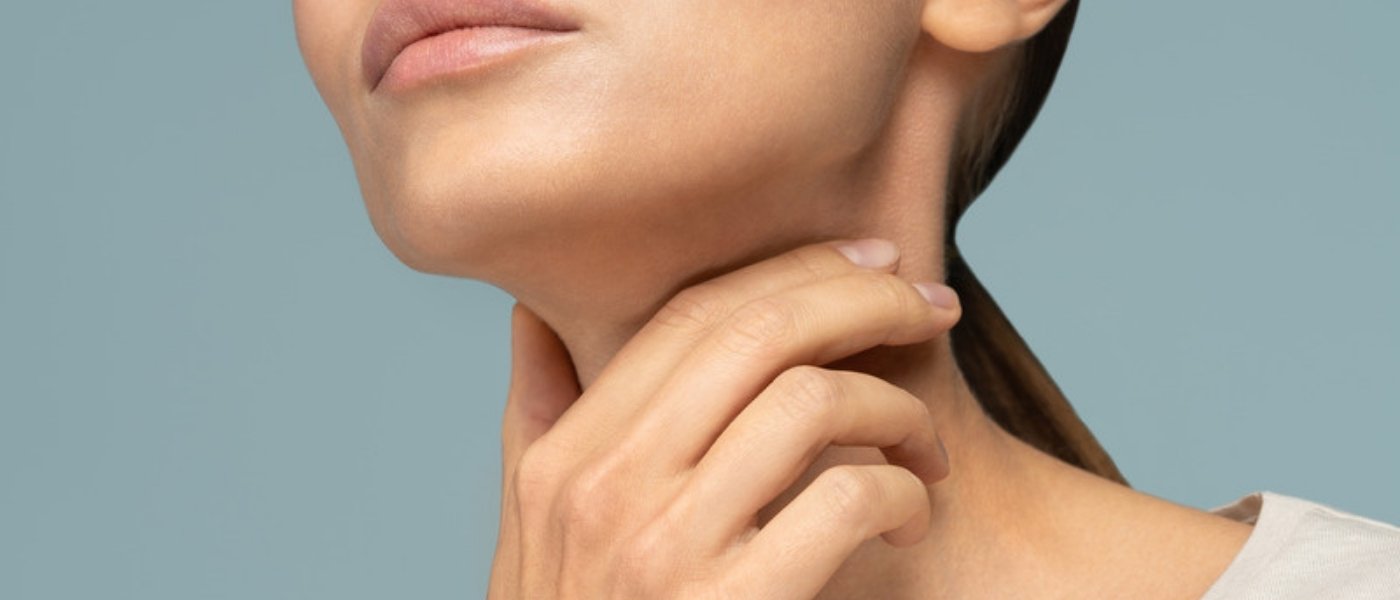
Do your headaches tend to build through the workday, starting as a tight neck or shoulders and creeping up the back of your head by late afternoon? Do they get worse after hours at a laptop, on your phone, or behind the wheel? If so, you may be dealing with what many people call a postural headache.
At Vaughan Physiotherapy Clinic, we assess and treat neck-related headaches in office workers, students, drivers, new parents, and anyone who spends long stretches in one position. The goal is not just to get you through today's headache, but to work out what your neck and posture are contributing, and change that, so the headaches come less often and with less intensity.
Here is what postural headaches are, how they relate to the official headache types, how to recognize them, what else they could be, and what the research says about treating them.
What Are Postural Headaches?
"Postural headache" is an everyday term, not a formal medical diagnosis. People use it to describe headaches that seem to be brought on or made worse by sustained positions, such as sitting at a desk, looking down at a phone, or holding the head forward for long periods. You will not find "postural headache" as a category in the official international headache classification.
Instead, most headaches that people describe this way fit into one of two recognized types (Headache Classification Committee of the International Headache Society, 2018):
How Postural Headaches Relate to Recognized Headache Types
- Tension-type headache: the most common headache type. It is usually felt on both sides of the head, with a pressing or tightening feeling, mild to moderate in strength, and it does not usually get worse with routine activity like walking. Tender muscles in the head, neck and shoulders are the most common finding on examination. Headaches driven by tight, tender neck muscles (trigger points) are classified here
- Cervicogenic headache: a headache caused by a problem in the neck itself, such as the joints, discs, or soft tissues of the upper neck. It is usually one-sided, often starts in the neck and spreads forward, and can be brought on by neck movement or by pressing on certain neck muscles. Reduced neck movement is common
The two often overlap and can be hard to tell apart, and some people also have migraine on top of a neck-related headache. Part of our job is to sort out which pattern fits you best, because that shapes the treatment plan.
Does Posture Really Cause Headaches?
The honest answer is: posture is part of the picture, but it is not the whole story. A review of 12 studies (1,083 people) found that adults with chronic primary headaches held their heads further forward than people without headaches and people with only occasional headaches (Elizagaray-Garcia et al., 2020). These studies show a link, not proof that posture causes headaches. Long periods in any one position, tired neck muscles, stiffness in the upper neck joints, stress, and poor sleep all seem to add up.
Understanding the Anatomy
- Upper cervical spine: the top three neck joints share nerve pathways with the head and face, which is why a problem here can be felt as headache (Headache Classification Committee of the International Headache Society, 2018)
- Deep neck flexors: small muscles at the front of the neck that support the head. How well they work was one of the measures tracked in a landmark trial on cervicogenic headache (Jull et al., 2002)
- Suboccipital, upper trapezius and levator scapulae muscles: at the base of the skull and top of the shoulders, these often become tender and develop trigger points
- Shoulder blade muscles: help hold the shoulders and upper back in a position that takes strain off the neck
Recognizing the Symptoms
- Dull, pressing, or band-like pain across the forehead, temples, or back of the head
- Pain that starts in the neck or base of the skull and spreads toward the forehead or behind the eye
- A stiff, tight, or sore neck and upper shoulders
- Headaches that build over the day and ease with rest, a change of position, or time away from the screen
- Tender spots in the neck or shoulder muscles that reproduce the headache when pressed
- Reduced or uncomfortable neck movement, especially turning or looking up
- Usually no vomiting. Mild sensitivity to light or noise can occur, but is usually less than with migraine
What Makes It Worse?
- Long stretches in one position: desk work, studying, phone use, driving, or feeding a baby
- Head-forward postures: a low laptop screen, leaning toward the monitor, or reading in bed
- Awkward neck positions: sleeping on a high or flat pillow, or holding a phone between ear and shoulder
- Stress, poor sleep, and skipped meals: common triggers for tension-type headache
- Frequent painkiller use: taking headache medication on many days a month can itself keep headaches going (Do et al., 2019)
What Else Could It Be?
Several other headache types can look similar and need different care. Part of our assessment is screening for these (Headache Classification Committee of the International Headache Society, 2018; Do et al., 2019):
- Migraine: often throbbing, moderate to severe, worse with activity, and linked with nausea, light and sound sensitivity, or aura. Neck pain is common during migraine, so it can be mistaken for a neck headache
- Medication-overuse headache: a daily or near-daily headache in someone using painkillers or migraine medication very often
- Headache that changes with lying down versus standing: in medical terms, a "positional" or orthostatic headache that is much worse upright and eases quickly when lying flat can signal a change in spinal fluid pressure. This is very different from a desk-posture headache and needs a doctor
- Jaw (TMD) related headache: pain around the temples linked to jaw clenching, chewing, or clicking
- Eye strain or uncorrected vision: headaches tied to screen or reading tasks
- Occipital neuralgia: sharp, shooting, electric pain over the back of the scalp
When to See a Doctor First
Most headaches are not dangerous, but some need urgent medical care. See your physician promptly, or go to the emergency department, if you have (Do et al., 2019):
- A sudden, severe headache that comes on abruptly, like a thunderclap
- Headache with fever, a stiff neck, rash, or feeling generally unwell
- New neurological symptoms: weakness, numbness, slurred speech, confusion, loss of balance, double vision, or vision loss
- A headache that is much worse when upright and eases lying down, or the reverse
- Headache brought on by coughing, sneezing, straining, or exertion
- A new headache starting after age 65, a new headache with a history of cancer or a weakened immune system, or one that is steadily getting worse
- Headache that started after a head or neck injury, such as a fall or car accident
- A new headache during pregnancy or shortly after giving birth
- A clear change in your usual headache pattern
Our physiotherapists screen for these warning signs at your first visit and will refer you to your family doctor or the emergency department right away if anything needs medical attention first.
Related reading: You may also find our guides to forward head posture, cervicogenic headaches and tension-type headaches helpful.
Why Physiotherapy Is Essential
Postural headaches are usually a load and tolerance problem. The neck muscles are holding the head in one position for longer than they comfortably can, the upper neck joints may be stiff, and the result is pain that spreads into the head. Painkillers take the edge off, but headaches tend to return with the same desk, habits, and tired muscles.
A clinical practice guideline for headaches linked with neck pain, developed in Ontario, recommends specific neck and shoulder exercise for both tension-type and cervicogenic headache, with hands-on treatment, education, and regular reassessment as part of care (Côté et al., 2019). The most important step is working out which type of headache you have and what is driving it.
Physiotherapy addresses the main drivers:
- How your neck moves: stiffness in the upper neck joints that can refer pain into the head
- How your neck muscles work: endurance and control of the deep neck and shoulder blade muscles that support your head through the day
- Tender spots: neck and shoulder trigger points that reproduce your headache
- Your daily load: workstation, screen habits, breaks, and sleep
Your Treatment Plan at Vaughan Physiotherapy Clinic
Phase 1: Assessment and Screening (Visit 1)
Your first visit focuses on understanding your headaches and ruling out anything that needs a doctor. The guideline stresses that serious causes and migraine should be considered before a headache is classified and treated as neck-related (Côté et al., 2019). A full assessment includes:
- Headache history: location, quality, frequency, duration, triggers, and medication use
- Red flag screening: checking for warning signs such as sudden onset, neurological symptoms, fever, or a change in pattern (Do et al., 2019)
- Neck movement: range of motion in all directions, including rotation of the upper neck
- Hands-on examination: gentle pressure on neck joints and muscles to see if your familiar headache is reproduced
- Deep neck muscle testing: a craniocervical flexion test, a gentle "nod" performed while lying down, measures how well the deep neck flexors work. It was one of the measures used in the landmark trial on cervicogenic headache (Jull et al., 2002)
- Workstation review: how you sit, use screens, and sleep
We may ask you to keep a headache diary so we can track progress objectively.
Phase 2: Settling Symptoms (Weeks 1 to 3)
Education is a core part of early care (Côté et al., 2019). Understanding that your headache is not dangerous, and what is driving it, often reduces worry and helps you take control.
Early pain relief usually includes:
- Manual therapy: joint mobilization of the upper neck and upper back, and soft tissue work for tight, tender muscles. In a randomized trial of 200 people with cervicogenic headache, manual therapy over 6 weeks reduced headache frequency and intensity compared with no treatment, and the benefit was still present at 12 months (Jull et al., 2002)
- Movement breaks: short, regular changes of position during desk work, rather than trying to hold "perfect" posture all day
- Workstation changes: raising the screen to eye level, bringing the keyboard closer, and supporting the forearms
Phase 3: Rebuilding Neck Strength and Control (Weeks 2 to 8)
This is where the longer-term change happens. Exercise has the most consistent support of any physiotherapy treatment for neck-related headaches.
Deep neck flexor training (the chin nod)

The guideline recommends low-load endurance exercises for the deep neck and shoulder blade muscles for both tension-type and cervicogenic headache (Côté et al., 2019). In the Jull trial, a 6-week low-load exercise program reduced headache frequency and intensity, with results that held at 12 months (Jull et al., 2002). Your program may include:
- Chin nods: lying on your back, gently nodding the chin as if saying "yes," holding for a few seconds, without pushing the head into the pillow
- Chin nods in sitting: progressing the same movement to upright positions you use during the day
Shoulder blade and upper back strengthening
Band rows, wall slides, and upper back extension build support for the neck from below.
General strength and fitness
A review of 19 studies found that strength training reduced pain intensity in tension-type headache, although the certainty of that evidence was very low (Varangot-Reille et al., 2022). For chronic tension-type headache, the guideline also lists general exercise as an option (Côté et al., 2019).
Combined care
For chronic tension-type headache, the guideline supports a combined approach of joint mobilization, deep neck exercise, and posture correction (Côté et al., 2019).
Phase 4: Long-Term Control and Return to Full Activity (Weeks 6 to 12+)
- Building endurance with longer holds and positions that match your work, driving, or sport
- A personal flare-up plan so you know what to do when a headache starts to build
- Reviewing your diary to confirm that headache days are coming down
Beyond Physiotherapy: Complementary Care for Postural Headaches
Education, exercise, and hands-on physiotherapy form the core of care for neck-related headaches. Some patients also benefit from other services at our clinic to ease pain and muscle tension so they can stay consistent with their program. Here is an honest summary of what the evidence does and does not show for each.
How Acupuncture and Dry Needling Can Help
Acupuncture and dry needling use fine needles to reduce pain and release tight, tender muscles in the neck and shoulders.
- What the evidence shows: a Cochrane review of 12 trials (2,349 adults) found that for frequent or chronic tension-type headache, 48 percent of people receiving acupuncture had their headache frequency cut by at least half, compared with 17 percent with usual care alone. Acupuncture also did somewhat better than sham needling (51 versus 43 percent) (Linde et al., 2016). For dry needling, a review of 11 trials found improvements in disability in tension-type and cervicogenic headache, but no clear advantage over other treatments for pain intensity, and the evidence was rated very low quality (Pourahmadi et al., 2021)
- Where it fits: as an option for frequent or chronic tension-type headache, or to settle tender trigger points while you build strength and change your daily habits
- Safety: generally safe. In the Cochrane review, side effects were reported by 17 percent of people having acupuncture and 12 percent having sham, a difference that was not statistically significant (Linde et al., 2016). Minor bruising or soreness is most common
How Massage Therapy Can Help
Registered massage therapy focuses on the muscles of the neck, shoulders, and base of the skull.
- What the evidence shows: the guideline suggests clinical massage may be considered for chronic tension-type headache (Côté et al., 2019). In a randomized trial of 56 people, trigger point massage of the head and neck reduced headache frequency, but a placebo treatment also reduced it, and the two did not differ. People did report feeling more improvement with massage, and muscle tenderness improved only in the massage group (Moraska et al., 2015). Overall the evidence is limited and mostly from small trials
- Where it fits: as a supportive add-on to ease muscle tension and improve comfort, not as a stand-alone treatment
- Safety: very safe. Some temporary muscle soreness afterward is normal
How Chiropractic and Joint Manipulation Can Help
Chiropractic care for neck-related headache uses joint mobilization and manipulation of the neck and upper back.
- What the evidence shows: evidence differs by headache type. For cervicogenic headache, manipulation reduced headache frequency and intensity with benefits lasting 12 months (Jull et al., 2002), and the guideline supports manipulation of the neck and upper back, or exercise (Côté et al., 2019). A 2025 review ranked neck manipulation highly for short-term pain relief in cervicogenic headache, but the studies varied a lot and some results may be affected by publication bias (Xu & Ling, 2025). For tension-type headache, the guideline advises against using neck manipulation as the only treatment (Côté et al., 2019)
- Where it fits: for cervicogenic headache with stiff upper neck joints, combined with a specific exercise program
- Safety: serious side effects are rare, but neck manipulation is not appropriate for everyone. We screen carefully before any neck manipulation, and gentle mobilization is always an alternative
Whichever combination you and your clinician choose, these treatments share one purpose: settling symptoms so you can keep working on the real long-term fix, a stronger, more resilient neck and better daily habits.
When Is Medical Care Needed?
Surgery is not a treatment for postural headaches. Medical care is important, though, in a few situations:
- Red flags: any of the warning signs listed above need prompt medical assessment (Do et al., 2019)
- Frequent medication use: if you are taking painkillers on many days each month, your doctor can help with a plan to reduce them safely
- Persistent cervicogenic headache: when headaches do not settle with good conservative care, a physician may consider nerve blocks or other injections. These can also help confirm whether the neck is the source of the pain (Headache Classification Committee of the International Headache Society, 2018)
Imaging is not routinely needed. Changes on neck X-rays and scans are common in people without any headaches, so they do not prove that the neck is the cause (Headache Classification Committee of the International Headache Society, 2018).
How Long Will It Take?
Recovery depends on the type of headache, how long you have had it, how often it occurs, and how much of your day is spent in demanding positions. In the main trial on cervicogenic headache, treatment lasted 6 weeks, and improvements were maintained a year later (Jull et al., 2002). In three small trials of physiotherapy for chronic tension-type headache, between 54 and 85 percent of people had their headache frequency cut by at least half (Chaibi & Russell, 2014).
In our experience, many people notice fewer or milder headaches within a few weeks, with bigger changes building over the following weeks to months of consistent exercise.
Prevention and Long-Term Management
- Move often: change position regularly through the day. The best posture is your next posture
- Set up your workstation: screen at eye level, keyboard close, feet supported, and a laptop stand if you use a laptop all day
- Keep up your exercises: a few minutes of chin nods and shoulder blade work, a few times a week
- Stay active: regular general exercise supports headache control
- Protect your sleep: regular hours and a pillow that keeps your neck neutral
- Limit painkillers: avoid using headache medication on many days each month
- Act early: at the first sign of a building headache, take a break, move your neck, and use your flare-up plan
Frequently Asked Questions
Is a postural headache a real diagnosis?
Not formally. It is a useful everyday description, but in medical terms most of these headaches are classified as tension-type headache or cervicogenic headache (Headache Classification Committee of the International Headache Society, 2018). We will explain which pattern fits you.
Will fixing my posture cure my headaches?
Probably not on its own. People with chronic headaches do tend to hold their heads further forward (Elizagaray-Garcia et al., 2020), but that does not prove posture is the cause. What helps most is building neck endurance, changing position often, and addressing stiff joints and tender muscles, rather than trying to hold one "perfect" posture.
How do I know if my headache is coming from my neck?
Clues include a one-sided headache that starts in the neck, headaches brought on by neck movement or sustained positions, a stiff neck, and tender spots that reproduce your headache when pressed (Headache Classification Committee of the International Headache Society, 2018). None of these is proof on its own.
Can I have migraine and a neck headache at the same time?
Yes. Many people have more than one headache type. Physiotherapy helps the neck-related part, while your doctor manages migraine.
How often should I do my exercises?
Most deep neck programs take only a few minutes on most days. Consistency matters more than intensity, and we progress the program over time.
Can acupuncture, massage, or chiropractic replace exercise?
No. Exercise and education are the foundation, and they have the most consistent support. Acupuncture has good evidence for tension-type headache, and manipulation has support for cervicogenic headache, but both work best as part of a plan that also builds neck strength and changes daily habits.
Our Specialized Approach at Vaughan Physiotherapy Clinic
Careful headache screening: we check for warning signs and sort out which headache type fits you before treatment starts
Hands-on care: joint mobilization and soft tissue work for stiff, tender neck and upper back structures
Deep neck and shoulder training: specific, progressive exercises with the strongest research support
Workstation and habit coaching: practical changes for desk work, phone use, driving, and sleep
Integrated care: physiotherapy, massage therapy, acupuncture, and chiropractic under one roof when they add value
Safety first: red flag screening and coordination with your physician when medical care is needed
Take the First Step Toward Fewer Headaches
Headaches do not have to shape your workday, your studies, or your evenings. Our team at Vaughan Physiotherapy Clinic helps patients from Thornhill, Vaughan, North York, Richmond Hill, and surrounding communities reduce neck-related headaches with evidence-based, hands-on care.
Book your assessment today:
Phone: 905-669-1221
Location: 398 Steeles Ave W #201, Thornhill, ON L4J 6X3
Online Booking: www.vaughanphysiotherapy.com
References
Chaibi A, Russell MB. Manual therapies for primary chronic headaches: a systematic review of randomized controlled trials. Journal of Headache and Pain. 2014;15:67. doi:10.1186/1129-2377-15-67
Côté P, Yu H, Shearer HM, et al. Non-pharmacological management of persistent headaches associated with neck pain: a clinical practice guideline from the Ontario protocol for traffic injury management (OPTIMa) collaboration. European Journal of Pain. 2019;23(6):1051-1070. doi:10.1002/ejp.1374
Do TP, Remmers A, Schytz HW, et al. Red and orange flags for secondary headaches in clinical practice: SNNOOP10 list. Neurology. 2019;92(3):134-144. doi:10.1212/WNL.0000000000006697
Elizagaray-Garcia I, Beltran-Alacreu H, Angulo-Díaz S, Garrigós-Pedrón M, Gil-Martínez A. Chronic primary headache subjects have greater forward head posture than asymptomatic and episodic primary headache sufferers: systematic review and meta-analysis. Pain Medicine. 2020;21(10):2465-2480. doi:10.1093/pm/pnaa235
Headache Classification Committee of the International Headache Society (IHS). The International Classification of Headache Disorders, 3rd edition. Cephalalgia. 2018;38(1):1-211. doi:10.1177/0333102417738202
Jull G, Trott P, Potter H, et al. A randomized controlled trial of exercise and manipulative therapy for cervicogenic headache. Spine. 2002;27(17):1835-1843. doi:10.1097/00007632-200209010-00004
Linde K, Allais G, Brinkhaus B, et al. Acupuncture for the prevention of tension-type headache. Cochrane Database of Systematic Reviews. 2016;(4):CD007587. doi:10.1002/14651858.CD007587.pub2
Moraska AF, Stenerson L, Butryn N, Krutsch JP, Schmiege SJ, Mann JD. Myofascial trigger point-focused head and neck massage for recurrent tension-type headache: a randomized, placebo-controlled clinical trial. Clinical Journal of Pain. 2015;31(2):159-168. doi:10.1097/AJP.0000000000000091
Pourahmadi M, Dommerholt J, Fernández-de-Las-Peñas C, et al. Dry needling for the treatment of tension-type, cervicogenic, or migraine headaches: a systematic review and meta-analysis. Physical Therapy. 2021;101(5):pzab068. doi:10.1093/ptj/pzab068
Varangot-Reille C, Suso-Martí L, Romero-Palau M, Suárez-Pastor P, Cuenca-Martínez F. Effects of different therapeutic exercise modalities on migraine or tension-type headache: a systematic review and meta-analysis with a replicability analysis. Journal of Pain. 2022. doi:10.1016/j.jpain.2021.12.003
Xu X, Ling Y. Comparative safety and efficacy of manual therapy interventions for cervicogenic headache: a systematic review and network meta-analysis. Frontiers in Neurology. 2025;16:1566764. doi:10.3389/fneur.2025.1566764
Disclaimer: This article is for educational purposes only and does not replace professional medical advice. Headaches can have many causes, including migraine, medication overuse, and, rarely, serious conditions affecting the brain, blood vessels, or spinal fluid pressure. If you have a sudden severe headache, new neurological symptoms, fever, or a headache that changes with lying down and standing up, seek medical care promptly. Always consult a qualified healthcare provider for diagnosis and treatment specific to your condition.







