
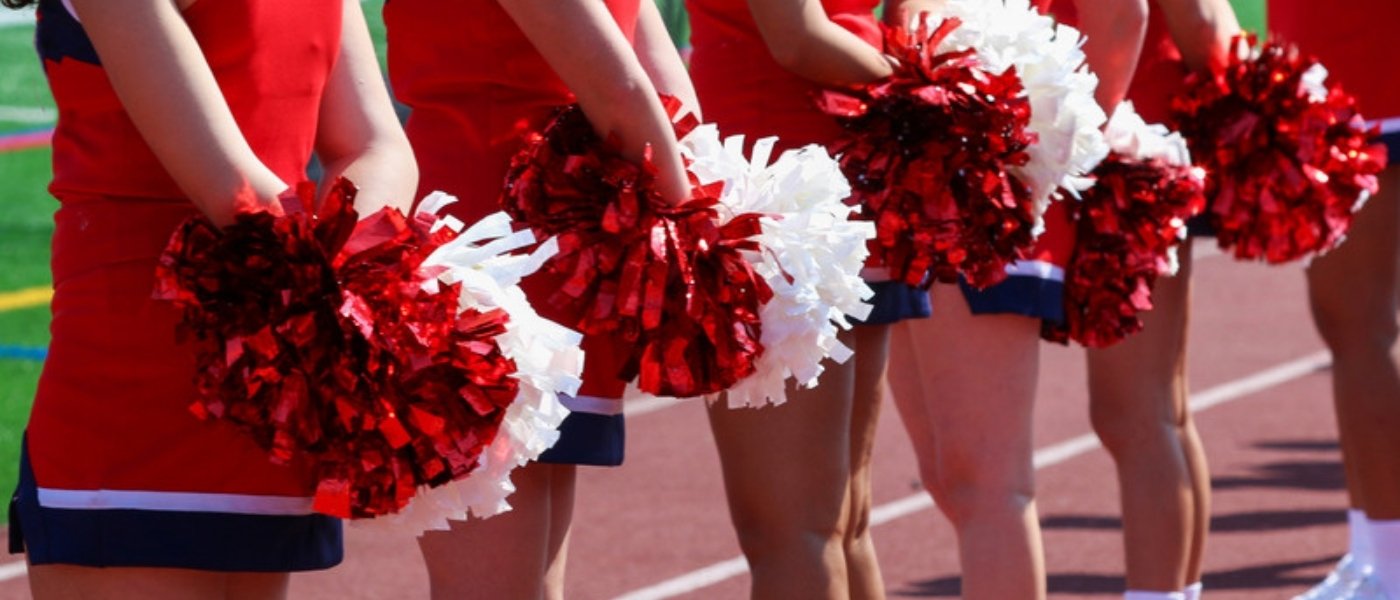
Young cheerleaders in uniform standing on a track, a jumping sport that can trigger heel pain in growing kids

Sever's Disease (Heel Pain in Growing Kids)

Sever's disease (calcaneal apophysitis) is irritation of the heel growth plate, the most common cause of heel pain in active kids aged 8 to 15.
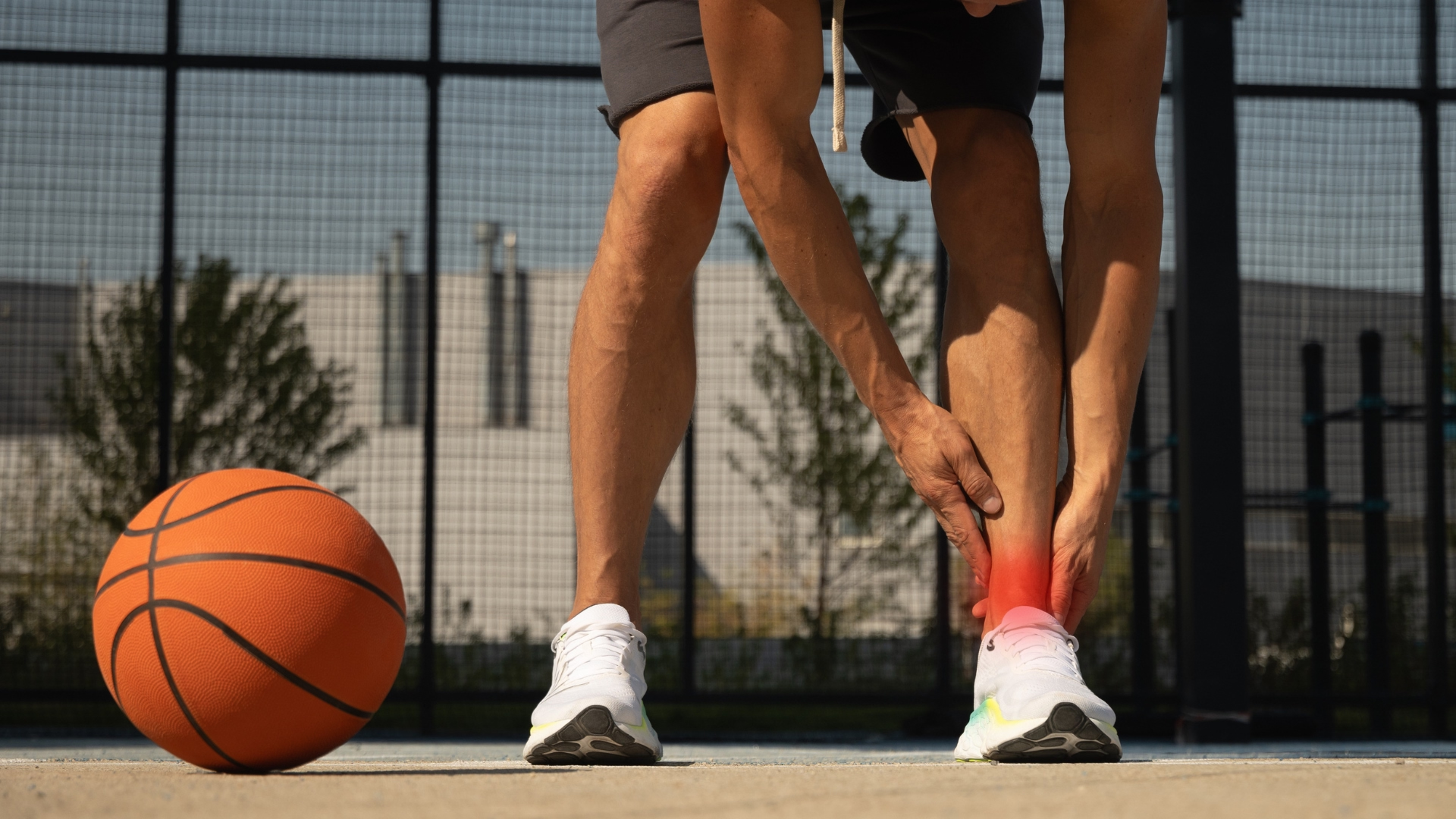
Is your child limping after soccer practice or volleyball? Do they complain that the back of their heel hurts when they run or jump, or walk on their toes first thing in the morning? If they are between about 8 and 15 years old and very active, they may have Sever's disease, the most common cause of heel pain in growing kids.

At Vaughan Physiotherapy Clinic, we assess and treat Sever's disease in young athletes from soccer, volleyball, cheer, basketball, dance, and gymnastics. Our goal is not to sideline your child for months, but to calm the heel down, find out what is overloading it, and keep them playing the sports they love as safely as possible.

Here is what Sever's disease is, how to recognize it, what else can cause heel pain in kids, and what the research says about treating it.

What Is Sever's Disease?

Sever's disease, also called calcaneal apophysitis, is irritation of the growth plate at the back of the heel bone (the calcaneus). Despite the name, it is not a disease. It is an overuse condition of a growing skeleton.

In children, the back of the heel bone has a separate area of growing bone called the apophysis, joined to the main heel bone by a band of growth cartilage. The Achilles tendon pulls on this area from above and behind, and the plantar fascia on the sole of the foot pulls from below. Every time a child runs, jumps, or lands, the heel also takes repeated impact. Until the growth area fuses with the rest of the bone, it is softer and more sensitive to that combination of pull and impact.

Who Gets It?

  • Age: usually between about 8 and 15 years old, although it has been reported as young as six (James et al., 2013). It is most often seen in girls aged about 7 to 9 and boys aged about 8 to 15, peaking around 10 to 12 (Hernandez-Lucas et al., 2024)
  • Sex: it appears to affect boys more than girls (Hernandez-Lucas et al., 2024)
  • Activity: children who do a lot of running and jumping, such as soccer, and those in competitive sport, seem more likely to be affected (James et al., 2013)
  • How common it is: it accounts for about 2 to 16 percent of visits to sports injury clinics (James et al., 2013), and is described as the most common cause of heel pain in children (Hernandez-Lucas et al., 2024)

In a study of 124 children with Sever's disease, the children were on average taller and heavier than typical children their age, and tended to have flatter feet. Their ankle flexibility was not reduced compared with normal values (James et al., 2015). This was an early conference report and needs confirming, but it suggests that impact and foot posture may matter more than tight calves in many kids.

It Usually Gets Better, But It Can Still Hold Kids Back

Sever's disease is considered self-limiting: pain is expected to settle once the heel growth plate fuses (James et al., 2013). Most children are pain-free within weeks to months, and return to play has been reported at about 2 to 8 weeks (Hernandez-Lucas et al., 2024). But while it lasts, it matters. In one study, children with Sever's disease scored lower on measures of happiness and sport and physical function than children without it (James et al., 2013). That is why we focus on keeping kids active and confident while it settles, rather than simply telling them to sit out.

Recognizing the Symptoms

  • Pain at the back or bottom edge of the heel, often in one heel more than the other, though both heels are commonly affected (Hernandez-Lucas et al., 2024)
  • Pain during or after running and jumping
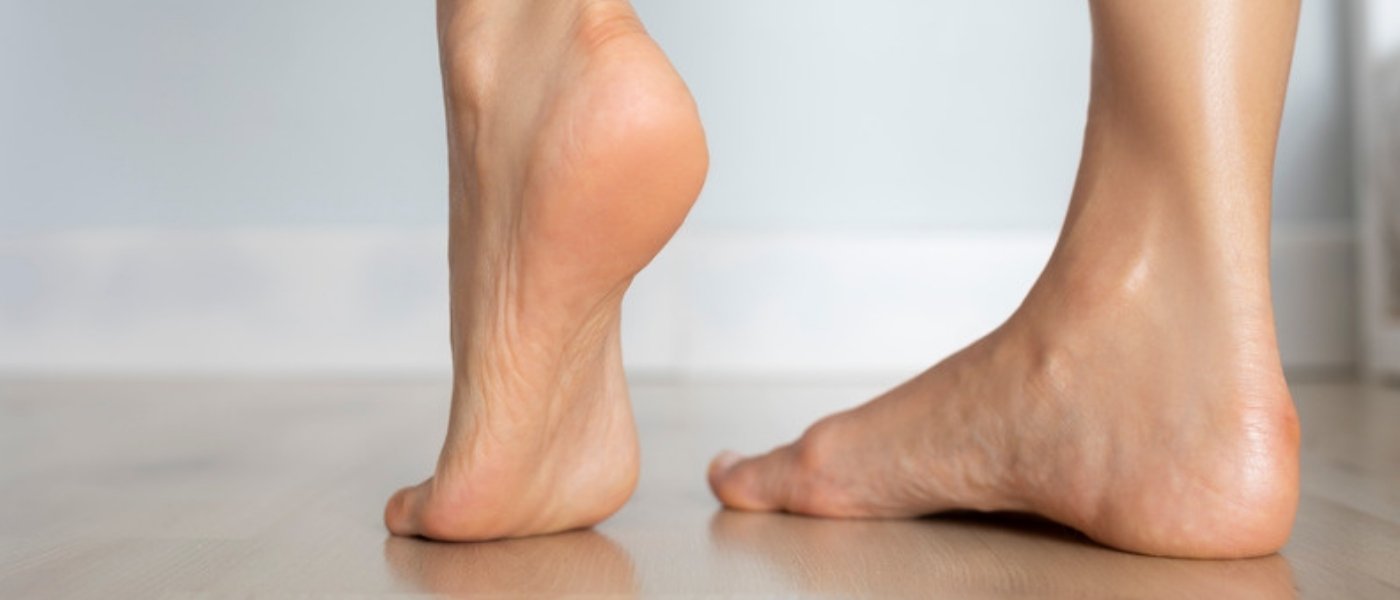
  • Limping or walking on the toes to avoid putting pressure on the heel, especially after sport or first thing in the morning
  • Pain when the sides of the heel are squeezed
  • Gradual onset without a specific injury (Hernandez-Lucas et al., 2024)
  • Pain that eases with rest and returns with activity

What Makes It Worse?

  • High volumes of running and jumping, especially with several teams or sports in the same season
  • Hard playing surfaces, such as gym floors and artificial turf
  • Footwear with little heel cushioning, including flat soccer cleats and worn-out shoes
  • Barefoot sports on hard floors, such as some dance and gymnastics
  • Growth spurts, when bones grow quickly and muscles and tendons have to catch up
  • Flatter foot posture and higher body weight, which may increase impact and load at the heel (James et al., 2015)

What Else Could It Be?

Most heel pain in active kids is Sever's disease, but not all. Part of our assessment is ruling out other causes:

  • Calcaneal stress fracture: pain that keeps building, with tenderness over a specific spot on the bone
  • Bone cysts or other bone lesions: in one study of 98 children diagnosed with Sever's disease who had X-rays, about 5 percent had another finding, such as a bone cyst or a stress fracture, and nothing in the history or exam reliably predicted who would (Rachel et al., 2011)
  • Achilles tendon pain: more common in older teens and adults. See our Achilles Tendinopathy page
  • Plantar heel pain: pain under the heel and into the arch, more common in adults. See our Plantar Fasciitis page
  • Ankle sprain or bruised heel after a specific injury
  • Inflammatory arthritis, especially if there is joint swelling elsewhere, morning stiffness, or the child seems unwell

Sever's disease is one of a family of growth plate overuse problems. If your child also has knee pain, see our pages on Osgood-Schlatter Disease and Sinding-Larsen-Johansson Syndrome.

When to See a Doctor First

See your family doctor or paediatrician promptly if your child has:

  • Heel pain at night or at rest that wakes them from sleep
  • Fever, feeling unwell, or unexplained weight loss with heel or leg pain
  • A hot, red, or swollen heel or ankle
  • Heel pain after a fall or landing with an inability to put weight on the foot
  • Pain that keeps getting worse despite rest and reduced activity
  • Swelling or stiffness in other joints
  • Pain in a child under 7 or older than typical for Sever's disease

Sever's disease is usually diagnosed from the history and examination. Because a small number of children turn out to have another cause, the authors of that study suggested a side-view X-ray of the heel for children with heel pain (Rachel et al., 2011). Your doctor will decide whether one is needed, especially if the pain is unusual or not improving as expected. Our physiotherapists screen for these signs at your child's first visit and will coordinate with your doctor if imaging or a referral is needed.

Start Your Journey to 

‍Better Health Today

Recover faster, move better, and feel stronger with expert physiotherapy. Our team is here to guide you every step of the way.

Why Physiotherapy Is Essential

Sever's disease will settle once your child's heel finishes growing (James et al., 2013), so it is fair to ask why treatment matters. The answer is that "finish growing" can be a long way off, and in the meantime heel pain can mean missed games, limping, and kids losing confidence in their bodies. Children with Sever's disease score lower on measures of happiness and sports function than children without it (James et al., 2013).

The research is reassuring about the options. In a well-run trial of 101 children aged 8 to 15, three approaches, a wait-and-see plan with activity modification, a cushioned heel insert, and physiotherapy with calf exercises, all significantly reduced heel pain over 3 months, with no clinically important difference between them at the end (Wiegerinck et al., 2016). A 2024 review of 8 trials concluded that conservative treatment is effective, while noting that the trials were small and varied (Hernandez-Lucas et al., 2024).

In other words, your child does not need anything invasive. What helps most is a plan that settles the heel, reduces the impact load, keeps them active, and that the family is happy to follow. Physiotherapy provides that plan:

  • Reducing impact at the heel: cushioning, heel inserts, footwear advice, and smart training load
  • How the whole leg absorbs force: foot posture, ankle movement, knee and hip control during landing and running
  • Keeping kids moving: modifying sport rather than stopping it whenever possible
  • Teaching families to self-manage flare-ups through the rest of the growth years

Your Treatment Plan at Vaughan Physiotherapy Clinic

Phase 1: Assessment and Settling Pain (Weeks 1 to 2)

Your child's first visit focuses on confirming the diagnosis and finding what is driving the overload. A full assessment includes:

  • History: sports, number of teams and practices per week, playing surfaces, footwear, recent growth spurts, and pain pattern
  • Examination: heel squeeze test, tenderness of the Achilles tendon and the sole of the foot, and checks to rule out other causes
  • Foot posture and footwear review: flat or rolling-in feet, cleats, and running shoes
  • Ankle and calf assessment: ankle flexibility and calf strength. Many kids with Sever's disease do not actually have tight calves (James et al., 2015), so we measure rather than assume
  • Movement and landing assessment: how your child hops, lands, squats, and runs, looking at the knee and hip as well as the foot
  • Red flag screen: night pain, fever, swelling, and other signs that need a doctor's input

Early pain relief usually includes:

  • Activity modification: reducing the highest-impact parts of training, such as sprint and jump drills, rather than stopping sport altogether when possible
  • Heel cushioning: a heel cup or cushioned heel insert in sport shoes and everyday shoes
  • Ice after activity for comfort
  • Taping: may give short-term relief in some children, although the evidence is weak (James et al., 2013)

Phase 2: Reducing Heel Load (Weeks 1 to 6)

Heel inserts and orthoses are the most-studied treatment for Sever's disease (Hernandez-Lucas et al., 2024):

  • In one trial, a cushioned heel insert gave children greater satisfaction at 6 weeks than a wait-and-see plan or physiotherapy, and better early function than waiting alone (Wiegerinck et al., 2016)
  • In a trial of 124 children, heel raises gave a small early advantage over ready-made orthoses at 1 to 2 months, but by 6 and 12 months all groups had improved similarly. Buying new sports shoes made no extra difference (James et al., 2016)
  • Small earlier trials found that firm heel cups reduced activity pain compared with soft heel wedges or no treatment, but these studies had important limitations (James et al., 2013)

A clinical summary for family physicians reached a similar conclusion: heel inserts and ready-made orthotics may help pain and function early, but by about 3 months children tend to improve similarly with or without them (Uvelli et al., 2017). Because the options perform similarly over time, we choose with you based on your child's sport, footwear, foot posture, cost, and what they will actually wear.

Phase 3: Strength, Mobility and Landing Control (Weeks 2 to 8)

Calf strengthening and mobility
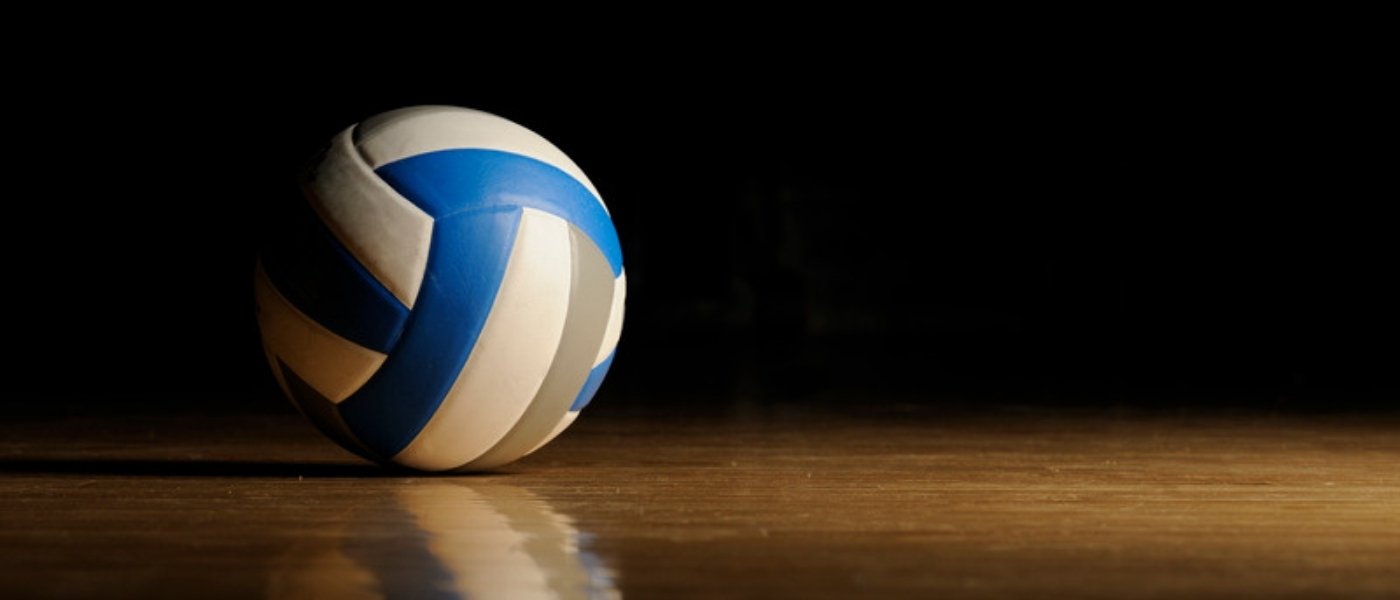
Volleyball resting on a polished gym floor
Repeated jumping on hard gym floors is a common trigger for heel pain in young volleyball, basketball and cheer athletes.

The physiotherapy group in the Wiegerinck trial did supervised eccentric calf exercises and improved as much as the other groups (Wiegerinck et al., 2016). Exercises are kept pain-free or close to it, and may include:

  • Double-leg calf raises, progressing to slow lowering on one leg
  • Seated calf raises with light resistance
  • Gentle calf stretching if ankle range is actually limited
  • Toe and foot strengthening, such as short-foot holds and towel scrunches

Landing and running control

Kids who land stiffly or on flat feet can push more force through the heel. We teach softer landings that use the ankles, knees, and hips together, and build hip and thigh strength so the whole leg shares the work. Examples include squat jumps with soft landings, step-downs, single-leg balance, and glute bridges.

Manual therapy

Gentle soft tissue work for the calf and joint mobilization for a stiff ankle or midfoot may be used for comfort and to restore movement. There are no trials of manual therapy for Sever's disease, so we use it only alongside exercise and load management.

Phase 4: Return to Full Sport (Weeks 4 to 12)

  • Graded return to running, jumping, and cutting, increasing intensity before volume
  • Training load planning with parents and coaches, especially for kids on several teams
  • Footwear and surface advice for each sport
  • A short home program to keep the calves and feet strong through the remaining growth years
  • A flare-up plan, because Sever's disease can come and go until the growth plate fuses

Beyond Physiotherapy: Complementary Care for Sever's Disease

For Sever's disease, load management, heel cushioning, and exercise are the core of care. Here is an honest summary of what the evidence does and does not show for other services.

How Acupuncture and Dry Needling Can Help

  • What the evidence shows: we did not find any trials of acupuncture or dry needling for Sever's disease (Hernandez-Lucas et al., 2024)
  • Where it fits: we do not routinely use needling for children with Sever's disease. Simpler, well-tolerated options are usually enough
  • Safety: if ever considered for an older teen, it requires parental consent and a clear reason

How Massage Therapy Can Help

  • What the evidence shows: there are no trials of massage alone for Sever's disease. Massage has been used as part of combined physiotherapy programs in some studies (Hernandez-Lucas et al., 2024), so its separate effect is unknown
  • Where it fits: gentle calf massage can be a comfort measure for kids with sore, tight calves after sport, and parents can learn simple techniques for home
  • Safety: very safe when gentle. Firm pressure directly on the sore heel should be avoided

How Chiropractic and Joint Manipulation Can Help

  • What the evidence shows: we did not find any trials of chiropractic adjustment or joint manipulation for Sever's disease (Hernandez-Lucas et al., 2024)
  • Where it fits: gentle mobilization of a stiff ankle or foot may be part of a physiotherapy session, but forceful manipulation of a growing heel is not recommended
  • Safety: growth plates are more vulnerable than adult bone, so any hands-on care for children should be gentle and purposeful

For most families, the simplest effective plan is the best one: a cushioned heel, smarter training load, and a few exercises done regularly.

When Are Other Treatments Considered?

Surgery is not used for Sever's disease. Injections are not part of standard care, and a systematic review found no studies of them for Sever's disease (James et al., 2013). If pain is not improving as expected, the next step is usually a review with your family doctor or a sports medicine physician, and sometimes an X-ray to rule out a stress fracture, bone cyst, or other cause (Rachel et al., 2011).

How Long Will It Take?

Most children feel much better within a few weeks to a few months. Return to play has been reported at about 2 to 8 weeks (Hernandez-Lucas et al., 2024), and in trials most improvement happened within the first 2 to 3 months, whichever treatment was used (Wiegerinck et al., 2016; James et al., 2016). Older children and those who have had pain for longer may have more severe pain (James et al., 2015), so getting started early helps. Because the growth plate takes time to fuse, flare-ups can recur during busy seasons or growth spurts, but they are usually shorter once families know how to manage them.

Prevention and Long-Term Management

  • Watch total training load: be careful with several teams or tournaments in the same season
  • Build in rest days and avoid year-round single-sport training without breaks
  • Choose cushioned footwear and replace worn-out sports shoes and cleats
  • Keep heel cups or inserts handy for busy seasons and hard surfaces
  • Keep calves and feet strong with a few exercises a week
  • Practise soft landings in jumping sports like volleyball, basketball, and cheer
  • Act early: if the limp or heel pain returns, ease off the highest-impact activities and restart the home program

Frequently Asked Questions

Is Sever's disease serious?

No. Despite the name, it is not a disease and does not cause long-term damage in the vast majority of children. It is an overuse irritation of the heel growth plate that settles once the bone finishes growing (James et al., 2013).

Does my child need to stop playing sports?

Usually not completely. In one trial, a wait-and-see approach that simply avoided painful activities worked about as well as heel inserts or physiotherapy at 3 months (Wiegerinck et al., 2016). Most kids can keep playing with modified training, heel cushioning, and a plan to manage pain. If your child is limping during or after play, they need a lighter load for a while.

Will heel cups or orthotics help?

They are the most studied treatment and often help in the first few weeks (Hernandez-Lucas et al., 2024). Simple heel raises or cushioned inserts tend to work as well as more expensive options over time (James et al., 2016).

Should my child stretch their calves?

Only if they actually need to. Many children with Sever's disease have normal or even above-average ankle flexibility (James et al., 2015). We measure first and focus on strength, landing control, and load if flexibility is fine.

Does my child need an X-ray?

Not always. Sever's disease is usually diagnosed by examination. However, a small number of children with what looks like Sever's disease have another cause on X-ray (Rachel et al., 2011), so your doctor may recommend one, especially if there is night pain, swelling, or the pain is not improving.

Will it come back?

It can flare up again during growth spurts or busy seasons until the growth plate fuses. Families who know the warning signs and have a plan can usually manage these flare-ups quickly.

Can acupuncture, massage, or chiropractic replace exercise and load management?

No. There is no research supporting these as treatments for Sever's disease. Heel cushioning, smarter training load, and simple strengthening are what the evidence supports.

Our Specialized Approach at Vaughan Physiotherapy Clinic

✓ Youth sport experience: we work with young athletes from soccer, volleyball, cheer, basketball, and dance

✓ Whole-leg assessment: foot posture, ankle movement, and knee and hip control during landing and running

✓ Practical heel offloading: heel cups, inserts, taping, and footwear advice tailored to each sport

✓ Keep them playing: modified training plans built with parents and coaches

✓ Family self-management: simple home exercises and a flare-up plan for the growth years

✓ Safety first: screening for stress fractures, bone lesions, and other causes of heel pain, with physician referral when needed

Take the First Step Toward Pain-Free Play

Heel pain does not have to keep your child on the bench. Our team at Vaughan Physiotherapy Clinic helps young athletes from Thornhill, Vaughan, North York, Richmond Hill, and surrounding communities get back to the sports they love with evidence-based, family-friendly care.

Book your assessment today:

📞 Phone: 905-669-1221

📍 Location: 398 Steeles Ave W #201, Thornhill, ON L4J 6X3

🌐 Online Booking: www.vaughanphysiotherapy.com

References

Hernandez-Lucas P, Leirós-Rodríguez R, García-Liñeira J, Diez-Buil H. Conservative treatment of Sever's disease: a systematic review. Journal of Clinical Medicine. 2024;13(5):1391. doi:10.3390/jcm13051391

James AM, Williams CM, Haines TP. Effectiveness of interventions in reducing pain and maintaining physical activity in children and adolescents with calcaneal apophysitis (Sever's disease): a systematic review. Journal of Foot and Ankle Research. 2013;6:16. doi:10.1186/1757-1146-6-16

James A, Williams C, Haines T. Contributing factors in children who present with calcaneal apophysitis. Journal of Foot and Ankle Research. 2015;8(Suppl 2):O21. doi:10.1186/1757-1146-8-S2-O21

James AM, Williams CM, Haines TP. Effectiveness of footwear and foot orthoses for calcaneal apophysitis: a 12-month factorial randomised trial. British Journal of Sports Medicine. 2016;50(20):1268-1275. doi:10.1136/bjsports-2015-094986

Rachel JN, Williams JB, Sawyer JR, Warner WC, Kelly DM. Is radiographic evaluation necessary in children with a clinical diagnosis of calcaneal apophysitis (Sever disease)? Journal of Pediatric Orthopaedics. 2011;31(5):548-550. doi:10.1097/BPO.0b013e318219905c

Uvelli K, Neher JO, Safranek S. Treatment for calcaneal apophysitis. American Family Physician. 2017;96(2):126-127.

Wiegerinck JI, Zwiers R, Sierevelt IN, van Weert HC, van Dijk CN, Struijs PA. Treatment of calcaneal apophysitis: wait and see versus orthotic device versus physical therapy: a pragmatic therapeutic randomized clinical trial. Journal of Pediatric Orthopaedics. 2016;36(2):152-157. doi:10.1097/BPO.0000000000000417

Disclaimer: This article is for educational purposes only and does not replace professional medical advice. Heel pain in children is usually caused by Sever's disease, but it can also be caused by stress fractures, bone cysts, infection, or inflammatory conditions. Always consult a qualified healthcare provider for diagnosis and treatment specific to your child.

Team

Condition guide

Sever's Disease (Heel Pain in Growing Kids)

Sever's disease (calcaneal apophysitis) is irritation of the heel growth plate, the most common cause of heel pain in active kids aged 8 to 15.

Young cheerleaders in uniform standing on a track, a jumping sport that can trigger heel pain in growing kidsSever's Disease (Heel Pain in Growing Kids)

Is your child limping after soccer practice or volleyball? Do they complain that the back of their heel hurts when they run or jump, or walk on their toes first thing in the morning? If they are between about 8 and 15 years old and very active, they may have Sever's disease, the most common cause of heel pain in growing kids.

At Vaughan Physiotherapy Clinic, we assess and treat Sever's disease in young athletes from soccer, volleyball, cheer, basketball, dance, and gymnastics. Our goal is not to sideline your child for months, but to calm the heel down, find out what is overloading it, and keep them playing the sports they love as safely as possible.

Here is what Sever's disease is, how to recognize it, what else can cause heel pain in kids, and what the research says about treating it.

What Is Sever's Disease?

Sever's disease, also called calcaneal apophysitis, is irritation of the growth plate at the back of the heel bone (the calcaneus). Despite the name, it is not a disease. It is an overuse condition of a growing skeleton.

In children, the back of the heel bone has a separate area of growing bone called the apophysis, joined to the main heel bone by a band of growth cartilage. The Achilles tendon pulls on this area from above and behind, and the plantar fascia on the sole of the foot pulls from below. Every time a child runs, jumps, or lands, the heel also takes repeated impact. Until the growth area fuses with the rest of the bone, it is softer and more sensitive to that combination of pull and impact.

Who Gets It?

  • Age: usually between about 8 and 15 years old, although it has been reported as young as six (James et al., 2013). It is most often seen in girls aged about 7 to 9 and boys aged about 8 to 15, peaking around 10 to 12 (Hernandez-Lucas et al., 2024)
  • Sex: it appears to affect boys more than girls (Hernandez-Lucas et al., 2024)
  • Activity: children who do a lot of running and jumping, such as soccer, and those in competitive sport, seem more likely to be affected (James et al., 2013)
  • How common it is: it accounts for about 2 to 16 percent of visits to sports injury clinics (James et al., 2013), and is described as the most common cause of heel pain in children (Hernandez-Lucas et al., 2024)

In a study of 124 children with Sever's disease, the children were on average taller and heavier than typical children their age, and tended to have flatter feet. Their ankle flexibility was not reduced compared with normal values (James et al., 2015). This was an early conference report and needs confirming, but it suggests that impact and foot posture may matter more than tight calves in many kids.

It Usually Gets Better, But It Can Still Hold Kids Back

Sever's disease is considered self-limiting: pain is expected to settle once the heel growth plate fuses (James et al., 2013). Most children are pain-free within weeks to months, and return to play has been reported at about 2 to 8 weeks (Hernandez-Lucas et al., 2024). But while it lasts, it matters. In one study, children with Sever's disease scored lower on measures of happiness and sport and physical function than children without it (James et al., 2013). That is why we focus on keeping kids active and confident while it settles, rather than simply telling them to sit out.

Recognizing the Symptoms

  • Pain at the back or bottom edge of the heel, often in one heel more than the other, though both heels are commonly affected (Hernandez-Lucas et al., 2024)
  • Pain during or after running and jumping
  • Limping or walking on the toes to avoid putting pressure on the heel, especially after sport or first thing in the morning
  • Pain when the sides of the heel are squeezed
  • Gradual onset without a specific injury (Hernandez-Lucas et al., 2024)
  • Pain that eases with rest and returns with activity

What Makes It Worse?

  • High volumes of running and jumping, especially with several teams or sports in the same season
  • Hard playing surfaces, such as gym floors and artificial turf
  • Footwear with little heel cushioning, including flat soccer cleats and worn-out shoes
  • Barefoot sports on hard floors, such as some dance and gymnastics
  • Growth spurts, when bones grow quickly and muscles and tendons have to catch up
  • Flatter foot posture and higher body weight, which may increase impact and load at the heel (James et al., 2015)

What Else Could It Be?

Most heel pain in active kids is Sever's disease, but not all. Part of our assessment is ruling out other causes:

  • Calcaneal stress fracture: pain that keeps building, with tenderness over a specific spot on the bone
  • Bone cysts or other bone lesions: in one study of 98 children diagnosed with Sever's disease who had X-rays, about 5 percent had another finding, such as a bone cyst or a stress fracture, and nothing in the history or exam reliably predicted who would (Rachel et al., 2011)
  • Achilles tendon pain: more common in older teens and adults. See our Achilles Tendinopathy page
  • Plantar heel pain: pain under the heel and into the arch, more common in adults. See our Plantar Fasciitis page
  • Ankle sprain or bruised heel after a specific injury
  • Inflammatory arthritis, especially if there is joint swelling elsewhere, morning stiffness, or the child seems unwell

Sever's disease is one of a family of growth plate overuse problems. If your child also has knee pain, see our pages on Osgood-Schlatter Disease and Sinding-Larsen-Johansson Syndrome.

When to See a Doctor First

See your family doctor or paediatrician promptly if your child has:

  • Heel pain at night or at rest that wakes them from sleep
  • Fever, feeling unwell, or unexplained weight loss with heel or leg pain
  • A hot, red, or swollen heel or ankle
  • Heel pain after a fall or landing with an inability to put weight on the foot
  • Pain that keeps getting worse despite rest and reduced activity
  • Swelling or stiffness in other joints
  • Pain in a child under 7 or older than typical for Sever's disease

Sever's disease is usually diagnosed from the history and examination. Because a small number of children turn out to have another cause, the authors of that study suggested a side-view X-ray of the heel for children with heel pain (Rachel et al., 2011). Your doctor will decide whether one is needed, especially if the pain is unusual or not improving as expected. Our physiotherapists screen for these signs at your child's first visit and will coordinate with your doctor if imaging or a referral is needed.

Why Physiotherapy Is Essential

Sever's disease will settle once your child's heel finishes growing (James et al., 2013), so it is fair to ask why treatment matters. The answer is that "finish growing" can be a long way off, and in the meantime heel pain can mean missed games, limping, and kids losing confidence in their bodies. Children with Sever's disease score lower on measures of happiness and sports function than children without it (James et al., 2013).

The research is reassuring about the options. In a well-run trial of 101 children aged 8 to 15, three approaches, a wait-and-see plan with activity modification, a cushioned heel insert, and physiotherapy with calf exercises, all significantly reduced heel pain over 3 months, with no clinically important difference between them at the end (Wiegerinck et al., 2016). A 2024 review of 8 trials concluded that conservative treatment is effective, while noting that the trials were small and varied (Hernandez-Lucas et al., 2024).

In other words, your child does not need anything invasive. What helps most is a plan that settles the heel, reduces the impact load, keeps them active, and that the family is happy to follow. Physiotherapy provides that plan:

  • Reducing impact at the heel: cushioning, heel inserts, footwear advice, and smart training load
  • How the whole leg absorbs force: foot posture, ankle movement, knee and hip control during landing and running
  • Keeping kids moving: modifying sport rather than stopping it whenever possible
  • Teaching families to self-manage flare-ups through the rest of the growth years

Your Treatment Plan at Vaughan Physiotherapy Clinic

Phase 1: Assessment and Settling Pain (Weeks 1 to 2)

Your child's first visit focuses on confirming the diagnosis and finding what is driving the overload. A full assessment includes:

  • History: sports, number of teams and practices per week, playing surfaces, footwear, recent growth spurts, and pain pattern
  • Examination: heel squeeze test, tenderness of the Achilles tendon and the sole of the foot, and checks to rule out other causes
  • Foot posture and footwear review: flat or rolling-in feet, cleats, and running shoes
  • Ankle and calf assessment: ankle flexibility and calf strength. Many kids with Sever's disease do not actually have tight calves (James et al., 2015), so we measure rather than assume
  • Movement and landing assessment: how your child hops, lands, squats, and runs, looking at the knee and hip as well as the foot
  • Red flag screen: night pain, fever, swelling, and other signs that need a doctor's input

Early pain relief usually includes:

  • Activity modification: reducing the highest-impact parts of training, such as sprint and jump drills, rather than stopping sport altogether when possible
  • Heel cushioning: a heel cup or cushioned heel insert in sport shoes and everyday shoes
  • Ice after activity for comfort
  • Taping: may give short-term relief in some children, although the evidence is weak (James et al., 2013)

Phase 2: Reducing Heel Load (Weeks 1 to 6)

Heel inserts and orthoses are the most-studied treatment for Sever's disease (Hernandez-Lucas et al., 2024):

  • In one trial, a cushioned heel insert gave children greater satisfaction at 6 weeks than a wait-and-see plan or physiotherapy, and better early function than waiting alone (Wiegerinck et al., 2016)
  • In a trial of 124 children, heel raises gave a small early advantage over ready-made orthoses at 1 to 2 months, but by 6 and 12 months all groups had improved similarly. Buying new sports shoes made no extra difference (James et al., 2016)
  • Small earlier trials found that firm heel cups reduced activity pain compared with soft heel wedges or no treatment, but these studies had important limitations (James et al., 2013)

A clinical summary for family physicians reached a similar conclusion: heel inserts and ready-made orthotics may help pain and function early, but by about 3 months children tend to improve similarly with or without them (Uvelli et al., 2017). Because the options perform similarly over time, we choose with you based on your child's sport, footwear, foot posture, cost, and what they will actually wear.

Phase 3: Strength, Mobility and Landing Control (Weeks 2 to 8)

Calf strengthening and mobility

Volleyball resting on a polished gym floor
Repeated jumping on hard gym floors is a common trigger for heel pain in young volleyball, basketball and cheer athletes.

The physiotherapy group in the Wiegerinck trial did supervised eccentric calf exercises and improved as much as the other groups (Wiegerinck et al., 2016). Exercises are kept pain-free or close to it, and may include:

  • Double-leg calf raises, progressing to slow lowering on one leg
  • Seated calf raises with light resistance
  • Gentle calf stretching if ankle range is actually limited
  • Toe and foot strengthening, such as short-foot holds and towel scrunches

Landing and running control

Kids who land stiffly or on flat feet can push more force through the heel. We teach softer landings that use the ankles, knees, and hips together, and build hip and thigh strength so the whole leg shares the work. Examples include squat jumps with soft landings, step-downs, single-leg balance, and glute bridges.

Manual therapy

Gentle soft tissue work for the calf and joint mobilization for a stiff ankle or midfoot may be used for comfort and to restore movement. There are no trials of manual therapy for Sever's disease, so we use it only alongside exercise and load management.

Phase 4: Return to Full Sport (Weeks 4 to 12)

  • Graded return to running, jumping, and cutting, increasing intensity before volume
  • Training load planning with parents and coaches, especially for kids on several teams
  • Footwear and surface advice for each sport
  • A short home program to keep the calves and feet strong through the remaining growth years
  • A flare-up plan, because Sever's disease can come and go until the growth plate fuses

Beyond Physiotherapy: Complementary Care for Sever's Disease

For Sever's disease, load management, heel cushioning, and exercise are the core of care. Here is an honest summary of what the evidence does and does not show for other services.

How Acupuncture and Dry Needling Can Help

  • What the evidence shows: we did not find any trials of acupuncture or dry needling for Sever's disease (Hernandez-Lucas et al., 2024)
  • Where it fits: we do not routinely use needling for children with Sever's disease. Simpler, well-tolerated options are usually enough
  • Safety: if ever considered for an older teen, it requires parental consent and a clear reason

How Massage Therapy Can Help

  • What the evidence shows: there are no trials of massage alone for Sever's disease. Massage has been used as part of combined physiotherapy programs in some studies (Hernandez-Lucas et al., 2024), so its separate effect is unknown
  • Where it fits: gentle calf massage can be a comfort measure for kids with sore, tight calves after sport, and parents can learn simple techniques for home
  • Safety: very safe when gentle. Firm pressure directly on the sore heel should be avoided

How Chiropractic and Joint Manipulation Can Help

  • What the evidence shows: we did not find any trials of chiropractic adjustment or joint manipulation for Sever's disease (Hernandez-Lucas et al., 2024)
  • Where it fits: gentle mobilization of a stiff ankle or foot may be part of a physiotherapy session, but forceful manipulation of a growing heel is not recommended
  • Safety: growth plates are more vulnerable than adult bone, so any hands-on care for children should be gentle and purposeful

For most families, the simplest effective plan is the best one: a cushioned heel, smarter training load, and a few exercises done regularly.

When Are Other Treatments Considered?

Surgery is not used for Sever's disease. Injections are not part of standard care, and a systematic review found no studies of them for Sever's disease (James et al., 2013). If pain is not improving as expected, the next step is usually a review with your family doctor or a sports medicine physician, and sometimes an X-ray to rule out a stress fracture, bone cyst, or other cause (Rachel et al., 2011).

How Long Will It Take?

Most children feel much better within a few weeks to a few months. Return to play has been reported at about 2 to 8 weeks (Hernandez-Lucas et al., 2024), and in trials most improvement happened within the first 2 to 3 months, whichever treatment was used (Wiegerinck et al., 2016; James et al., 2016). Older children and those who have had pain for longer may have more severe pain (James et al., 2015), so getting started early helps. Because the growth plate takes time to fuse, flare-ups can recur during busy seasons or growth spurts, but they are usually shorter once families know how to manage them.

Prevention and Long-Term Management

  • Watch total training load: be careful with several teams or tournaments in the same season
  • Build in rest days and avoid year-round single-sport training without breaks
  • Choose cushioned footwear and replace worn-out sports shoes and cleats
  • Keep heel cups or inserts handy for busy seasons and hard surfaces
  • Keep calves and feet strong with a few exercises a week
  • Practise soft landings in jumping sports like volleyball, basketball, and cheer
  • Act early: if the limp or heel pain returns, ease off the highest-impact activities and restart the home program

Frequently Asked Questions

Is Sever's disease serious?

No. Despite the name, it is not a disease and does not cause long-term damage in the vast majority of children. It is an overuse irritation of the heel growth plate that settles once the bone finishes growing (James et al., 2013).

Does my child need to stop playing sports?

Usually not completely. In one trial, a wait-and-see approach that simply avoided painful activities worked about as well as heel inserts or physiotherapy at 3 months (Wiegerinck et al., 2016). Most kids can keep playing with modified training, heel cushioning, and a plan to manage pain. If your child is limping during or after play, they need a lighter load for a while.

Will heel cups or orthotics help?

They are the most studied treatment and often help in the first few weeks (Hernandez-Lucas et al., 2024). Simple heel raises or cushioned inserts tend to work as well as more expensive options over time (James et al., 2016).

Should my child stretch their calves?

Only if they actually need to. Many children with Sever's disease have normal or even above-average ankle flexibility (James et al., 2015). We measure first and focus on strength, landing control, and load if flexibility is fine.

Does my child need an X-ray?

Not always. Sever's disease is usually diagnosed by examination. However, a small number of children with what looks like Sever's disease have another cause on X-ray (Rachel et al., 2011), so your doctor may recommend one, especially if there is night pain, swelling, or the pain is not improving.

Will it come back?

It can flare up again during growth spurts or busy seasons until the growth plate fuses. Families who know the warning signs and have a plan can usually manage these flare-ups quickly.

Can acupuncture, massage, or chiropractic replace exercise and load management?

No. There is no research supporting these as treatments for Sever's disease. Heel cushioning, smarter training load, and simple strengthening are what the evidence supports.

Our Specialized Approach at Vaughan Physiotherapy Clinic

✓ Youth sport experience: we work with young athletes from soccer, volleyball, cheer, basketball, and dance

✓ Whole-leg assessment: foot posture, ankle movement, and knee and hip control during landing and running

✓ Practical heel offloading: heel cups, inserts, taping, and footwear advice tailored to each sport

✓ Keep them playing: modified training plans built with parents and coaches

✓ Family self-management: simple home exercises and a flare-up plan for the growth years

✓ Safety first: screening for stress fractures, bone lesions, and other causes of heel pain, with physician referral when needed

Take the First Step Toward Pain-Free Play

Heel pain does not have to keep your child on the bench. Our team at Vaughan Physiotherapy Clinic helps young athletes from Thornhill, Vaughan, North York, Richmond Hill, and surrounding communities get back to the sports they love with evidence-based, family-friendly care.

Book your assessment today:

📞 Phone: 905-669-1221

📍 Location: 398 Steeles Ave W #201, Thornhill, ON L4J 6X3

🌐 Online Booking: www.vaughanphysiotherapy.com

References

Hernandez-Lucas P, Leirós-Rodríguez R, García-Liñeira J, Diez-Buil H. Conservative treatment of Sever's disease: a systematic review. Journal of Clinical Medicine. 2024;13(5):1391. doi:10.3390/jcm13051391

James AM, Williams CM, Haines TP. Effectiveness of interventions in reducing pain and maintaining physical activity in children and adolescents with calcaneal apophysitis (Sever's disease): a systematic review. Journal of Foot and Ankle Research. 2013;6:16. doi:10.1186/1757-1146-6-16

James A, Williams C, Haines T. Contributing factors in children who present with calcaneal apophysitis. Journal of Foot and Ankle Research. 2015;8(Suppl 2):O21. doi:10.1186/1757-1146-8-S2-O21

James AM, Williams CM, Haines TP. Effectiveness of footwear and foot orthoses for calcaneal apophysitis: a 12-month factorial randomised trial. British Journal of Sports Medicine. 2016;50(20):1268-1275. doi:10.1136/bjsports-2015-094986

Rachel JN, Williams JB, Sawyer JR, Warner WC, Kelly DM. Is radiographic evaluation necessary in children with a clinical diagnosis of calcaneal apophysitis (Sever disease)? Journal of Pediatric Orthopaedics. 2011;31(5):548-550. doi:10.1097/BPO.0b013e318219905c

Uvelli K, Neher JO, Safranek S. Treatment for calcaneal apophysitis. American Family Physician. 2017;96(2):126-127.

Wiegerinck JI, Zwiers R, Sierevelt IN, van Weert HC, van Dijk CN, Struijs PA. Treatment of calcaneal apophysitis: wait and see versus orthotic device versus physical therapy: a pragmatic therapeutic randomized clinical trial. Journal of Pediatric Orthopaedics. 2016;36(2):152-157. doi:10.1097/BPO.0000000000000417

Disclaimer: This article is for educational purposes only and does not replace professional medical advice. Heel pain in children is usually caused by Sever's disease, but it can also be caused by stress fractures, bone cysts, infection, or inflammatory conditions. Always consult a qualified healthcare provider for diagnosis and treatment specific to your child.

How it works

Getting started.

  1. 01

    No referral needed

    You can book directly. Some benefit plans ask for a doctor's note, so check yours before your visit.

  2. 02

    Your first assessment, 45 minutes

    Your history, movement testing, a clear diagnosis and a plan you understand.

  3. 03

    Follow-up sessions

    Hands-on care and exercise, progressed each visit.

  4. 04

    Not the right fit? Second opinion on us

    If you're not satisfied with your initial assessment, a second assessment with another therapist is complimentary.

Who treats this

Clinicians who treat this.

Tap a profile for credentials and booking.

Not sure this is what you have?

One of our therapists can check what is going on and build a plan around what they find. Book online, or call us at 905-669-1221.