
Condition guide
Osgood-Schlatter Disease
Osgood-Schlatter disease is a painful irritation of the growth area just below the kneecap, common in active kids during growth spurts.
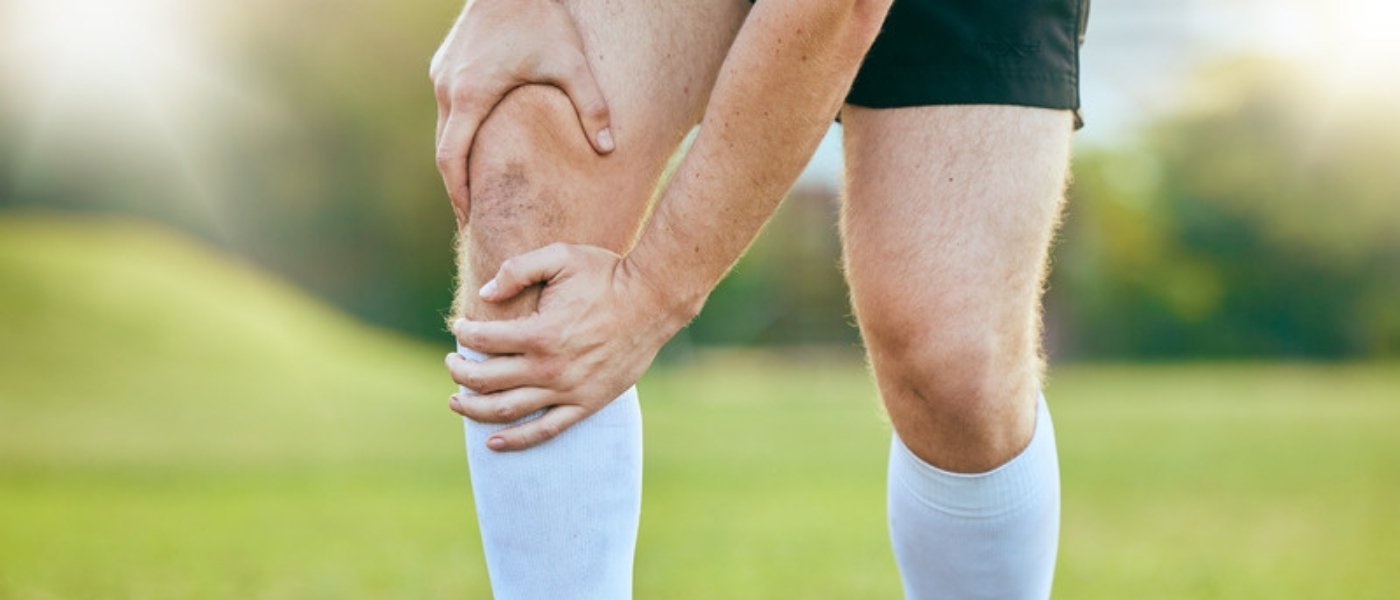
Does your child complain of a sore bump just below the kneecap after soccer, basketball, or dance? Do they wince when they kneel, climb stairs, or land from a jump, and is the bump getting bigger? If so, they may have Osgood-Schlatter disease, one of the most common causes of knee pain in active, growing kids.
At Vaughan Physiotherapy Clinic, we assess and treat Osgood-Schlatter disease in young athletes and work closely with parents to keep kids active while their knees settle. The goal is not to sit your child on the bench for months, but to find the right amount of activity, build strength, and help them get back to the sports they love.
Here is what Osgood-Schlatter disease is, how to recognize it, what else it could be, and what the research says about helping your child through it.
What Is Osgood-Schlatter Disease?
Osgood-Schlatter disease is an irritation of the growth area at the top of the shinbone, just below the kneecap. This spot is called the tibial tuberosity, and it is where the patellar tendon attaches. In growing children, this area is still partly made of cartilage, so it is softer than adult bone. Repeated pulling from the thigh muscle during running, jumping, and kicking irritates it and can cause a tender, raised bump (Corbi et al., 2022).
Despite the word "disease," it is not an infection or a sign that something is seriously wrong. It is an overuse problem linked to growth and sport. It is common: in a school-based study of 956 Brazilian teens aged 12 to 15, about 1 in 10 had it, and it was more common in kids who played sport regularly (de Lucena et al., 2011). Both knees are affected in roughly 20 to 30 percent of cases (Corbi et al., 2022).
Who Gets It?
Osgood-Schlatter disease usually shows up during the growth spurt. Symptoms tend to start between about 8 and 12 years in girls and 12 and 15 years in boys, since girls usually hit their growth spurt earlier (Corbi et al., 2022). It is most common in kids who play sports with lots of sprinting, jumping, kicking, and quick changes of direction, such as soccer, basketball, volleyball, gymnastics, and martial arts (Corbi et al., 2022).
Understanding the Anatomy
Every time your child jumps, kicks, or slows down from a sprint, the thigh muscle pulls hard on the shinbone. Key structures include:
- Quadriceps: the large muscle group on the front of the thigh that straightens the knee
- Patellar tendon: the thick tendon that runs from the bottom of the kneecap to the top of the shinbone
- Tibial tuberosity: the bony bump at the top of the shinbone where the patellar tendon attaches
- Growth plate (apophysis): a zone of growing cartilage under the tibial tuberosity. During growth spurts, bone can grow faster than muscles and tendons lengthen, which adds to the pull on this area
Recognizing the Symptoms
Osgood-Schlatter disease usually comes on gradually rather than from one injury. Common signs include (Corbi et al., 2022):
- Pain and tenderness on the bump just below the kneecap
- A visible or growing bump at the top of the shin
- Pain that is worse during or after running, jumping, kicking, squatting, or climbing stairs
- Pain when kneeling or when something presses on the bump
- Mild swelling, and sometimes a limp after sport
- Pain that eases with rest and flares again with activity
What Makes It Worse?
- Growth spurts: rapid growth adds to the strain on the tendon attachment (Corbi et al., 2022)
- High training loads: lots of games, practices, and tournaments, especially in sports with jumping and cutting (Corbi et al., 2022)
- Early specialization: playing one sport year-round with little variety or rest (Corbi et al., 2022)
- Tight thigh muscles: in the Brazilian study, teens with a tight rectus femoris (one of the quadriceps muscles) were far more likely to have Osgood-Schlatter disease (de Lucena et al., 2011)
- Kneeling and direct pressure: kneeling on hard floors or taking knocks to the bump
What Else Could It Be?
Several conditions cause pain in the same area and are treated differently. Part of our assessment is ruling these in or out:
- Sinding-Larsen-Johansson syndrome: a similar growth-related irritation, but at the bottom tip of the kneecap rather than the top of the shin
- Patellar tendinopathy (jumper's knee): pain in the tendon itself, more common in older teens and adults
- Patellofemoral pain: a more general ache around or behind the kneecap, often with stairs and sitting
- Fat pad irritation (Hoffa's syndrome): pain and puffiness just beside or under the patellar tendon (Corbi et al., 2022)
- Fractures: fractures around the knee need to be ruled out (Corbi et al., 2022), including a tibial tubercle avulsion fracture, where the growth area is pulled away from the bone during a forceful jump or landing
- Infection or bone tumour: rare, but they need to be ruled out when the pattern does not fit (Corbi et al., 2022)
- Hip problems: some hip conditions in growing children are felt mainly in the knee, so we always check the hip
When to See a Doctor First
See your family doctor or paediatrician promptly, or go to urgent care, if your child has:
- A sudden "pop" and severe pain after a jump or landing, especially if they cannot straighten the knee or put weight on the leg
- Fever, or a knee that is hot, red, and very swollen
- Pain at night or constant pain at rest that does not settle
- Unexplained weight loss, tiredness, or feeling unwell
- A limp, groin, or thigh pain with no clear cause, which can point to a hip problem
- Pain or swelling that is not at the bump, or a lump that keeps growing in another part of the leg
Our physiotherapists screen for these signs at your child's first visit and will coordinate with your family doctor if X-rays, an ultrasound, or a referral are needed.
Related reading: Other causes of knee pain in active kids and teens include Sinding-Larsen-Johansson syndrome, jumper's knee and patellofemoral pain.
Why Physiotherapy Is Essential
For years, families were told that Osgood-Schlatter disease always goes away on its own once growth is finished, and that the answer was simply rest. Newer research suggests the picture is more mixed. In a Danish study that followed 46 adolescents for two years, about 1 in 3 still had knee pain, and those kids had lower sports function and quality of life than those whose pain had settled (Holden et al., 2021). A hospital-based study found even more lingering pain at four years, though only half of patients replied (Guldhammer et al., 2019).
Long breaks from sport can do their own harm, so the goal is to keep kids active in a way their knees can handle (Guldhammer et al., 2019). Research quality is generally poor to moderate, with few controlled trials (Neuhaus et al., 2021), which makes a clear, structured plan even more valuable.
Physiotherapy addresses the main drivers:
- How much load the knee takes: a step-by-step activity plan so your child can stay as active as possible without constant flares
- How strong the legs are: progressive knee and hip strengthening so the knee can handle running, jumping, and kicking again
- How flexible the thigh muscles are: tight quadriceps are strongly linked with Osgood-Schlatter disease (de Lucena et al., 2011)
- What the family understands: clear guidance on acceptable pain and how to talk with coaches
Your Treatment Plan at Vaughan Physiotherapy Clinic
Our approach is guided by a 12-week program developed and tested by Danish researchers. In that study, 51 young athletes aged 10 to 14 followed a plan of short-term activity changes, pain monitoring, and progressive home strengthening. Parents attended every visit. At 12 weeks, 80 percent reported being improved or much improved, rising to 90 percent at 12 months. Knee strength rose by 32 percent and jumping ability also improved (Rathleff et al., 2020). This study did not include a comparison group, so we cannot be sure how much of the change came from the program and how much from time, but it gives us a well-described, active plan to follow.
Phase 1: Assessment and Education (Week 1)
The first visit confirms the diagnosis and rules out other problems. A full assessment includes:
- History: when the pain started, sports and weekly hours, and recent growth spurts
- Hands-on examination: pressing on the tibial tuberosity, the patellar tendon, and the kneecap to pinpoint the painful structure
- Functional tests: resisted knee straightening, squatting, hopping, and kneeling
- Flexibility and strength: quadriceps, hamstrings, calves, and hip muscles on both sides
- Hip screening and movement review: checking the hip, and how your child lands, cuts, and slows down
If anything does not fit, we may recommend an X-ray or ultrasound through your family doctor (Corbi et al., 2022).
Education is a big part of treatment. We explain why the knee hurts, why it is not dangerous, and how activity and pain fit together.
Phase 2: Settling Pain With Load Management (Weeks 1 to 4)
In the Danish program, the first four weeks focused on temporarily reducing sport and the activities that caused the most pain, while starting simple exercises such as static thigh muscle holds and bridges (Rathleff et al., 2020). This phase usually includes:
- An activity ladder: a list of activities ranked from easiest to hardest on the knee. Your child starts at a level that feels comfortable and climbs as pain allows
- Pain monitoring: a simple way for your child to rate pain during and after activity, and to know when to ease off
- Activity swaps: lower-impact options such as swimming or cycling to keep fitness up while jumping and sprinting are reduced (Corbi et al., 2022)
- Comfort measures: ice after activity and kneeling pads for school or sport. A patellar strap may be tried if it helps (Corbi et al., 2022)
Medication such as ibuprofen can ease pain but does not shorten the condition (Corbi et al., 2022). Check with your pharmacist or doctor first.
Phase 3: Building Strength and Flexibility (Weeks 5 to 12)
Progressive knee and hip strengthening
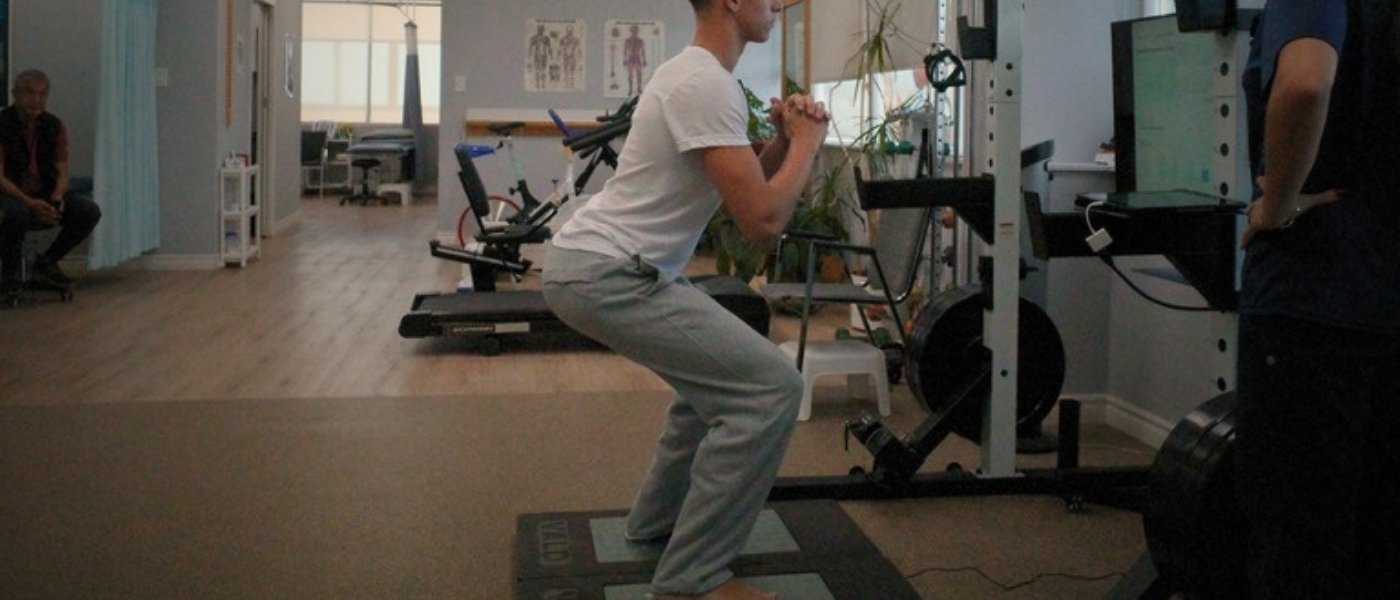
Once pain has settled, the focus moves to a progressive home program. In the Danish study, strengthening was built in three levels over weeks 5 to 12 (Rathleff et al., 2020). A randomized trial now underway in Denmark uses similar exercises (Krommes et al., 2024). Examples include:
- Wall squats and wall sits
- Knee press or leg press style exercises
- Lunges, progressing in depth and speed
- Bridges and side-lying hip exercises for the hip muscles
- Calf raises, progressing from two legs to one
The program is designed to be done at home, a few times a week, with a parent helping to keep track of progress.
Stretching
Tight thigh muscles are closely linked with Osgood-Schlatter disease (de Lucena et al., 2011), and stretching is one of the most widely recommended treatments. A systematic review found that stretching appears to help, though this has not yet been confirmed in a controlled trial (Neuhaus et al., 2021). Your child's program may include:
- Quadriceps, hamstring, and calf stretches
Phase 4: Return to Sport (Weeks 8 to 12 and Beyond)
- Graded return to training: in the Danish program, sport was gradually reintroduced once the athlete reached the upper steps of the activity ladder (Rathleff et al., 2020)
- Jumping and landing drills: starting with small, controlled hops and building to sport-specific jumping, cutting, and sprinting
- Load planning: working with you and the coach on schedules, especially during tournaments and growth spurts
Be patient with this phase. In the Danish study, only 16 percent of athletes were back in their sport at 12 weeks, but this rose to 67 percent at 6 months and 69 percent at 12 months (Rathleff et al., 2020).
Beyond Physiotherapy: Complementary Care for Osgood-Schlatter Disease
Activity management, education, and progressive exercise are the core of Osgood-Schlatter care, and that is where the research is clearest. Some young athletes also benefit from other services at our clinic to ease pain and tight thigh muscles so they can stay on track with rehab. Here is an honest summary of what the evidence does and does not show for each.
How Acupuncture and Dry Needling Can Help
Acupuncture and dry needling use fine needles to reduce pain and relax tight, tender muscles.
- What the evidence shows: there are no randomized trials of acupuncture or dry needling for Osgood-Schlatter disease. In a small study at a youth football school, players who also had treatments to relax the thigh muscles (electroacupuncture, massage, a muscle stimulator, or taping) returned to training in about 1.5 weeks, compared with 3.6 weeks for knee treatment alone (Pan et al., 2025). The study was not randomized, mixed several treatments, and found no difference in how often pain returned, so it cannot show whether needling itself helped
- Where it fits: as an optional, short-term add-on for tight, tender thigh muscles in older teens who are comfortable with needles, alongside the exercise program
- Safety: generally very safe when done by a trained practitioner. We do not needle over the growth area itself, and we need a parent's or guardian's consent for younger patients
How Massage Therapy Can Help
Registered massage therapy focuses on the soft tissues of the thigh, hip, and calf.
- What the evidence shows: there are no controlled trials of massage for Osgood-Schlatter disease. Thigh massage was one of the mixed treatments in the football school study above (Pan et al., 2025), so this is indirect, early evidence only
- Where it fits: to ease thigh tightness and soreness during busy seasons, as an add-on to stretching and strengthening
- Safety: very safe. Pressure directly on the painful bump is avoided. Some muscle soreness the next day is normal
How Chiropractic and Joint Manipulation Can Help
Chiropractic care uses joint mobilization, manipulation, and soft tissue techniques.
- What the evidence shows: we did not find any peer-reviewed studies of chiropractic care or joint manipulation for Osgood-Schlatter disease. The problem is at a tendon attachment rather than a stiff joint, so there is no clear reason to expect manipulation of the knee to help directly
- Where it fits: a chiropractor may help with related issues such as hip or ankle stiffness, or with soft tissue work for tight thigh muscles, as part of a plan centred on exercise
- Safety: forceful techniques are not used over the growing bump or a suspected fracture. Gentle techniques are generally safe for active teens
Whichever combination you and your clinician choose, these treatments share one purpose: settling pain and tightness so your child can keep moving while the real fix, sensible load and a stronger leg, takes hold.
When Are Injections or Surgery Considered?
Injections: steroid injections are generally discouraged for Osgood-Schlatter disease because of concerns about weakening the tendon (Corbi et al., 2022). One randomized trial in Argentina tested dextrose injections in young athletes whose pain had lasted at least three months. At three months, 14 of 21 knees treated with dextrose were pain-free in sport, compared with 3 of 22 knees in the usual care group. After that, many knees switched to dextrose, so the one-year results are not a randomized comparison (Topol et al., 2011). However, a systematic review found that the two randomized trials of dextrose injections reached opposite conclusions (Neuhaus et al., 2021), so this is not yet a standard treatment.
Surgery: surgery is only considered after growth has finished, when pain persists despite a full trial of conservative care, usually because a loose fragment of bone (an ossicle) has formed under the tendon (Corbi et al., 2022). In a Finnish study that followed young men for about 10 years after surgery for unresolved Osgood-Schlatter disease, most returned to normal daily activities and sport, although pain when kneeling was the symptom most likely to linger (Pihlajamäki et al., 2009).
How Long Will It Take?
Every child is different, and it depends on how long symptoms have been present, how much sport they play, and where they are in their growth. The research gives a general picture:
- In the Danish program, most young athletes felt improved by 12 weeks, and two thirds were back in their sport by 6 months (Rathleff et al., 2020)
- Symptoms often settle as growth slows, but not always. About 1 in 3 still had some knee pain two years later (Holden et al., 2021)
- Waiting does not always work. On average, the athletes in the Danish program had already had pain for almost two years before starting it (Rathleff et al., 2020), which is one more reason to seek help early
Flare-ups during growth spurts or busy seasons are common and usually just mean the load needs a temporary adjustment.
Prevention and Long-Term Management
- Watch the growth spurt: avoid sudden jumps in training load while your child is growing fast
- Avoid year-round single-sport training: variety in sport and planned rest periods help spread the load (Corbi et al., 2022)
- Keep the thighs flexible: regular quadriceps and hamstring stretching
- Keep the legs strong: a short knee and hip strength routine two or three times a week, even after pain settles
- Use kneeling pads on hard surfaces
- Stay active: long periods of complete rest can lead to lost fitness and strength. Modify rather than stop when possible (Guldhammer et al., 2019)
- Act early: if the bump becomes sore again, step back down the activity ladder and restart the exercise program
Frequently Asked Questions
Is Osgood-Schlatter disease serious?
Usually not. It is a common overuse problem in growing kids. However, it can last longer than many families expect (Holden et al., 2021), so a clear plan early helps limit time away from sport.
Does my child need to stop playing sport?
Not necessarily. Some children need a short break from the most painful activities, but most can keep doing some sport or a modified version of it. In the Danish program, sport was reduced for the first few weeks and then gradually reintroduced (Rathleff et al., 2020). We will help you find the right level.
Will the bump go away?
The bump often stays, even after the pain is gone. It is usually not a problem in itself. If kneeling on it stays painful after growth has finished, we will talk with you about whether a medical review is worthwhile.
Is some pain during sport okay?
Mild pain that settles quickly after activity is usually acceptable. Pain that keeps building, causes limping, or is worse the next morning is a sign to ease off. We teach families a simple monitoring system.
Does my child need an X-ray?
Often not. Osgood-Schlatter disease is usually diagnosed from the history and a hands-on exam. An X-ray or ultrasound may be recommended if the symptoms are unusual, follow an injury, or are not improving (Corbi et al., 2022).
Can acupuncture, massage, or chiropractic replace exercise and activity changes?
No. Activity management, education, and progressive strengthening are the foundation, and they have the most research behind them. Needling, massage, and other hands-on treatments are best used as short-term supports to ease pain and tightness while your child rebuilds strength.
Our Specialized Approach at Vaughan Physiotherapy Clinic
Family-centred care: parents are part of every step, with clear guidance on activity, pain, and coach communication
Keep-them-moving philosophy: a step-by-step activity ladder instead of months on the bench
Progressive strengthening: a short, simple home program for the knee and hip that kids can actually stick with
Sport-specific return: jumping, landing, and cutting drills matched to your child's sport
Integrated care: physiotherapy, massage therapy, acupuncture, and chiropractic under one roof when they add value
Safety first: screening for fractures, hip problems, and other causes of knee pain, with referral to your family doctor when needed
Take the First Step Toward Pain-Free Play
Knee pain does not have to keep your child on the sidelines. Our team at Vaughan Physiotherapy Clinic helps young athletes and their families from Thornhill, Vaughan, North York, Richmond Hill, and surrounding communities get back to sport with evidence-based, hands-on care.
Book your assessment today:
Phone: 905-669-1221
Location: 398 Steeles Ave W #201, Thornhill, ON L4J 6X3
Online Booking: www.vaughanphysiotherapy.com
References
Corbi F, Matas S, Álvarez-Herms J, Sitko S, Baiget E, Reverter-Masia J, López-Laval I. Osgood-Schlatter disease: appearance, diagnosis and treatment: a narrative review. Healthcare. 2022;10(6):1011. doi:10.3390/healthcare10061011
de Lucena GL, dos Santos Gomes C, Guerra RO. Prevalence and associated factors of Osgood-Schlatter syndrome in a population-based sample of Brazilian adolescents. American Journal of Sports Medicine. 2011;39(2):415-420. doi:10.1177/0363546510383835
Guldhammer C, Rathleff MS, Jensen HP, Holden S. Long-term prognosis and impact of Osgood-Schlatter disease 4 years after diagnosis: a retrospective study. Orthopaedic Journal of Sports Medicine. 2019;7(10):2325967119878136. doi:10.1177/2325967119878136
Holden S, Olesen JL, Winiarski LM, Krommes K, Thorborg K, Hölmich P, Rathleff MS. Is the prognosis of Osgood-Schlatter poorer than anticipated? A prospective cohort study with 24-month follow-up. Orthopaedic Journal of Sports Medicine. 2021;9(8):23259671211022239. doi:10.1177/23259671211022239
Krommes K, Thorborg K, Clausen MB, Rathleff MS, Olesen JL, Kallemose T, Hölmich P. Self-management including exercise, education and activity modification compared to usual care for adolescents with Osgood-Schlatter (the SOGOOD trial): protocol of a randomized controlled superiority trial. BMC Sports Science, Medicine and Rehabilitation. 2024;16:89. doi:10.1186/s13102-024-00870-0
Neuhaus C, Appenzeller-Herzog C, Faude O. A systematic review on conservative treatment options for Osgood-Schlatter disease. Physical Therapy in Sport. 2021;49:178-187. doi:10.1016/j.ptsp.2021.03.002
Pan H, Bai W, Zhang C, Wang C, Liu L, Chen S, Ding Z. The impact of quadriceps release therapy on rehabilitation of adolescent athletes with Osgood-Schlatter disease: a retrospective cohort study. Orthopedic Reviews. 2025;17. doi:10.52965/001c.138749
Pihlajamäki HK, Mattila VM, Parviainen M, Kiuru MJ, Visuri TI. Long-term outcome after surgical treatment of unresolved Osgood-Schlatter disease in young men. Journal of Bone and Joint Surgery (American). 2009;91(10):2350-2358. doi:10.2106/JBJS.H.01796
Rathleff MS, Winiarski L, Krommes K, Graven-Nielsen T, Hölmich P, Olesen JL, Holden S, Thorborg K. Activity modification and knee strengthening for Osgood-Schlatter disease: a prospective cohort study. Orthopaedic Journal of Sports Medicine. 2020;8(4):2325967120911106. doi:10.1177/2325967120911106
Topol GA, Podesta LA, Reeves KD, Raya MF, Fullerton BD, Yeh HW. Hyperosmolar dextrose injection for recalcitrant Osgood-Schlatter disease. Pediatrics. 2011;128(5):e1121-e1128. doi:10.1542/peds.2010-1931
Disclaimer: This article is for educational purposes only and does not replace professional medical advice. Knee pain in children and teens can have several causes, including fractures, hip conditions, infection, and, rarely, bone tumours. Always consult a qualified healthcare provider for diagnosis and treatment specific to your child's condition.