

Woman squinting at a document held close to her face, brow furrowed in discomfort

Sinus-Related Headaches (with manual techniques)

Facial pressure and headache blamed on the sinuses. Many cases are actually migraine, while true rhinosinusitis needs medical care.

Do you get a pressure headache across your forehead, cheeks, or around your eyes that you have always blamed on your sinuses? Does it flare with weather changes, allergy season, or a stuffy nose, and keep coming back no matter how many sinus pills you take? You are not alone, and the answer may surprise you: many recurring "sinus headaches" are not caused by the sinuses at all.

At Vaughan Physiotherapy Clinic, we see people who have lived with facial pressure and head pain for years. Our role is to help you understand what is really driving your headaches, use gentle hands-on techniques and exercise where they can help, and make sure you are connected with your family doctor or a specialist when medical care is needed.

Here is what sinus-related headaches are, why they are so often mistaken for migraine, what else could be going on, and what the research honestly says about manual techniques.

What Are Sinus-Related Headaches?

Your sinuses are air-filled spaces in the bones of your face, behind the cheeks, forehead, and around the nose and eyes. When the lining of the nose and sinuses becomes inflamed, the condition is called rhinosinusitis. It can cause pain or a feeling of pressure or fullness in the face (Rosenfeld et al., 2015).

A true sinus headache is a headache caused by that inflammation. The international headache classification only accepts this diagnosis when there is clinical, endoscopic, or imaging evidence of sinus inflammation, and when the headache clearly follows the sinus problem, for example by starting with it and easing as it clears (Straburzynski et al., 2023).

Why "Sinus Headache" Is Often Migraine

This is the most important thing to know about this condition. When researchers carefully assessed people who believed they had sinus headaches, most turned out to have migraine:

  • In a large primary care study of nearly 3,000 people with a history of "sinus" headache, 88 percent met the criteria for migraine. This study was funded by a drug company and may overestimate the true figure, but the pattern is clear (Schreiber et al., 2004)
  • In a study of 100 people who had self-diagnosed sinus headache, most had migraine or probable migraine, and only 3 percent had headache caused by rhinosinusitis (Eross et al., 2007)

Why the mix-up? Migraine can cause pain over the sinuses, a blocked or runny nose, and watery eyes, and it is often triggered by weather and allergy season, the same things people link to their sinuses (Eross et al., 2007; Straburzynski et al., 2023).

Types of Rhinosinusitis

When the sinuses truly are involved, doctors usually describe it by how long it lasts (Rosenfeld et al., 2015):

  • Acute viral rhinosinusitis: usually follows a cold and lasts up to 4 weeks. Antibiotics do not help
  • Acute bacterial rhinosinusitis: suspected when symptoms last at least 10 days without improving, or get worse again after first getting better
  • Chronic rhinosinusitis: long-lasting sinus inflammation that needs to be confirmed by a doctor, using a scope or a CT scan

Understanding the Anatomy

  • Maxillary sinuses: behind the cheekbones
  • Frontal sinuses: in the forehead above the eyebrows
  • Ethmoid sinuses: between the eyes, beside the bridge of the nose
  • Trigeminal nerve: the main nerve that carries feeling from the face and sinuses. Migraine pain often shows up in this same area, which is one reason the two are easily confused (Eross et al., 2007)
  • Upper neck and jaw muscles: tension in these areas can add to head and face pain and is something we always check

Recognizing the Symptoms

When rhinosinusitis is the true cause, facial pain usually comes with clear nose symptoms. Typical features include (Rosenfeld et al., 2015):

  • Thick, cloudy, or coloured nasal discharge
  • A blocked or stuffy nose
  • Pain, pressure, or fullness in the cheeks, forehead, or around the eyes
  • A reduced sense of smell
  • Symptoms that began with or after a cold

Signs that point more toward migraine include a throbbing headache, sensitivity to light, sound, or smells, nausea, headaches that come and go in attacks lasting hours to a few days, and attacks that return even when your nose is clear (Eross et al., 2007; Straburzynski et al., 2023).

What Makes It Worse?

  • Colds and upper respiratory infections: the most common trigger for true acute rhinosinusitis (Rosenfeld et al., 2015)
  • Weather and seasonal changes: reported as a trigger by most people in one study of self-diagnosed sinus headache, nearly all of whom actually had migraine (Eross et al., 2007)
  • Allergen exposure: pollen, dust, and pets
  • Pressure over the sinuses: pain that gets worse when the sinus areas are pressed is one of the features doctors use to link a headache to the sinuses (Straburzynski et al., 2023)
  • Poor sleep, stress, skipped meals, and dehydration: common migraine triggers that are easy to overlook
  • Frequent use of pain relievers: taking them on many days each month can feed a cycle of more frequent headaches

What Else Could It Be?

Facial pressure and forehead pain have many possible causes. Part of our assessment is sorting these out:

  • Migraine: the most common explanation for recurring "sinus headaches" (Schreiber et al., 2004; Eross et al., 2007)
  • Tension-type headache: a band-like, pressing pain, often linked to stress and neck or jaw muscle tension
  • Cervicogenic headache: pain that starts in the upper neck and spreads to the head, often on one side
  • Temporomandibular (jaw) disorders: pain in front of the ear, at the temple, or in the cheek, often with clicking or jaw fatigue
  • Medication overuse headache: daily or near-daily headaches in people who frequently take pain medication (Eross et al., 2007)
  • Dental problems: an infected upper tooth can cause cheek pain that feels like sinus pain
  • Cluster headache and other rare headaches: severe one-sided pain around the eye with a watery eye or runny nose on that side (Eross et al., 2007)

When to See a Doctor First

Sinus infections and headaches are medical conditions, and some warning signs need prompt medical attention. See your physician promptly, or go to the emergency department, if you have:

  • Swelling, redness, or pain around the eye, double vision, or any change in vision
  • A severe headache with fever, a stiff neck, confusion, or unusual drowsiness
  • A sudden, explosive headache that peaks within seconds or minutes, or the worst headache of your life
  • Headache with weakness, numbness, trouble speaking, or loss of balance
  • A new headache after age 50, a headache pattern that is steadily getting worse, or headache after a head injury
  • Sinus symptoms lasting 10 days or more without improvement, or that get worse after starting to improve (Rosenfeld et al., 2015)
  • Numbness of the face, a bloody nasal discharge from one side, or a blocked nose on one side only that does not clear

Our physiotherapists screen for these signs at your first visit. If anything suggests an infection, a migraine that needs medical treatment, or another medical cause, we will refer you to your family doctor or recommend urgent care before any hands-on treatment.

Related reading: Other headache types we treat include tension-type headaches and migraine, and face pain can also come from the jaw (TMJ facial pain).

Start Your Journey to 

‍Better Health Today

Recover faster, move better, and feel stronger with expert physiotherapy. Our team is here to guide you every step of the way.

Why Physiotherapy Is Essential

To be clear from the start: physiotherapy does not cure a sinus infection or replace medical care. Rhinosinusitis is diagnosed and treated by physicians, using options such as saline rinses, nasal steroid sprays, pain relievers, and sometimes antibiotics (Rosenfeld et al., 2015).

So where does physiotherapy fit? Many people with recurring "sinus headaches" actually have migraine or another headache type (Schreiber et al., 2004; Eross et al., 2007), and many also carry tension in the neck, jaw, and face that adds to their pain. A physiotherapist can help in three ways:

  • Sorting out the headache pattern: a careful history and headache diary can show whether your pain behaves more like sinus disease, migraine, tension-type headache, or a neck or jaw problem, so you can be pointed to the right care
  • Easing facial and neck pain: gentle manual techniques for the face, head, and neck may give short-term relief from pressure and tenderness, although the research is still small and early (Méndez-Sánchez et al., 2012; Rowane et al., 2025)
  • Building long-term control: neck and posture exercise, trigger management, and a plan for flare-ups, working alongside your doctor's medical treatment

Your Treatment Plan at Vaughan Physiotherapy Clinic

Phase 1: Assessment and Getting the Diagnosis Right (Visit 1 to 2)

Your first visit focuses on understanding your headaches, not just treating where it hurts. A full assessment includes:

  • Headache history: how often your headaches come, how long they last, what they feel like, and what helps or hurts. We ask about light, sound, and smell sensitivity and nausea, which are common in migraine (Eross et al., 2007; Straburzynski et al., 2023)
  • Nose and sinus symptoms: whether your pain comes with thick or coloured discharge and a blocked nose, and whether it started after a cold. Facial pain on its own, without these nose symptoms, is less likely to be sinus disease (Rosenfeld et al., 2015; Straburzynski et al., 2023)
  • Medication use: how often you take pain relievers or sinus products (Eross et al., 2007)
  • Neck, jaw, and face examination: upper neck stiffness, jaw movement, and tender muscles that may reproduce your pain
  • Red flag screening: checking for any signs that need a doctor's attention first

If your pattern looks like migraine, a true sinus infection, or something else that needs medical care, we will tell you and recommend a visit to your family doctor, since migraine and sinus disease are treated very differently.

Phase 2: Settling Pain with Gentle Manual Techniques

Once serious causes have been ruled out, hands-on treatment can help ease facial pressure, head pain, and neck tension.

Gentle manual techniques for the face and neck
Still life of fine acupuncture needles laid out on a surface
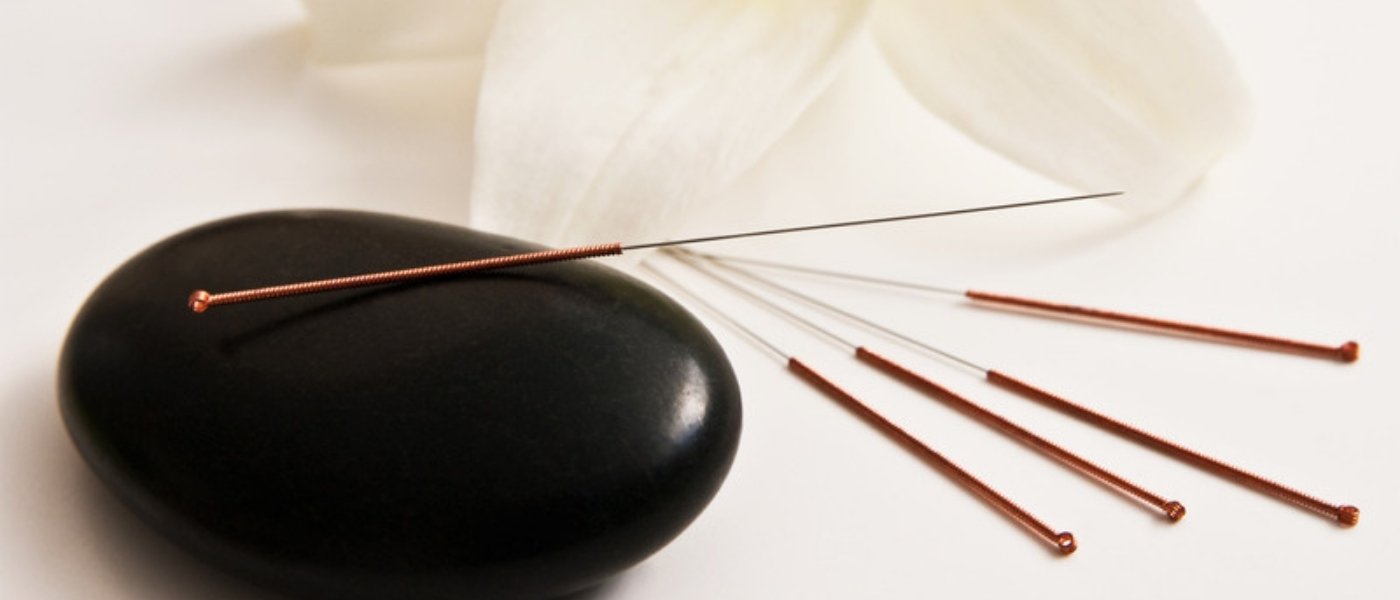
Some people add acupuncture to hands-on care for head pain. The research supports it more for migraine than for sinus problems.

Your treatment may include:

  • Facial soft tissue techniques: light, sustained pressure and gentle stroking over the forehead, cheeks, and along the nose
  • Suboccipital release: gentle pressure at the base of the skull to relax the small muscles that connect the head and neck
  • Upper neck joint mobilization: slow, gentle movements of stiff neck joints
  • Soft tissue work for tight jaw, temple, and shoulder muscles
  • Self-massage instruction for use at home

What does the research show? The evidence is limited, but it is encouraging for short-term relief:

  • In a small case series of 14 people with facial pain from chronic rhinosinusitis, pain and pain sensitivity did not change during a week with no treatment, then improved over three manual therapy sessions spread across seven weeks (Méndez-Sánchez et al., 2012). With no comparison group, this is early evidence only
  • In a single-blinded controlled study of 43 adults with long-standing chronic rhinosinusitis, osteopathic techniques for the face, head, neck, and upper back reduced congestion and facial pain right after treatment, while light touch did not. The benefit had faded by 10 days (Rowane et al., 2025)

Put simply, gentle hands-on care may help in the short term, but there is no good evidence that it treats the sinus inflammation itself. We use it alongside, not instead of, your medical care.

Supporting your medical treatment

If your doctor has confirmed sinus disease, we support their plan. Saline rinses, for example, are recommended for symptom relief in chronic rhinosinusitis (Rosenfeld et al., 2015).

Phase 3: Building Neck, Jaw, and Postural Control (Weeks 2 to 8)

If your assessment shows that the neck or jaw is contributing to your head pain, your program may include:

  • Deep neck flexor training: gentle chin nods to build control of the small muscles at the front of the neck
  • Neck, upper back, and shoulder blade exercises: gentle rotations, thoracic extension, and band rows
  • Jaw relaxation: teeth apart, tongue resting on the roof of the mouth
  • Breathing and relaxation: slow nasal or belly breathing to reduce muscle tension. In one older trial in women with migraine, a relaxation program helped more people than a physical therapy program in the first phase of the study (Chaibi et al., 2011, reviewing Marcus et al.)
  • Regular aerobic activity: walking, cycling, or swimming at a comfortable level, built up gradually

Direct research on exercise for sinus-related headaches is lacking, so we tailor this low-risk plan to what your assessment finds.

Phase 4: Long-Term Management and Preventing Flare-Ups (Weeks 6 to 12+)

  • Headache diary review: tracking headaches, triggers, sleep, and nose symptoms helps you and your doctor see patterns over time
  • Trigger and flare-up planning: for weather changes, allergy season, poor sleep, and stress, with self-massage, heat, and relaxation you can use early
  • Home program: a short set of neck and posture exercises to keep doing a few times a week

Beyond Physiotherapy: Complementary Care for Sinus-Related Headaches

Medical care and the right diagnosis come first. Some patients also benefit from other services at our clinic to ease pain and muscle tension. Research on these treatments for true sinus headache is very thin, so most of the evidence below comes from migraine, the most common cause of so-called sinus headache. Here is an honest summary.

How Acupuncture and Dry Needling Can Help

Acupuncture uses fine needles placed at specific points, and dry needling targets tight, tender spots in muscles.

  • What the evidence shows: for chronic sinusitis, a small randomized trial found that traditional acupuncture was no better than sham needling for quality of life, and neither was clearly better than conventional medical treatment (Stavem et al., 2008). For migraine, the picture is stronger: a Cochrane review of 22 trials found that acupuncture reduced how often migraines occur compared with usual care, and had a small extra benefit over sham needling (Linde et al., 2016). We did not find trials of dry needling for sinus headache
  • Where it fits: to reduce headache frequency if your headaches are migraine, and to ease neck and shoulder tension
  • Safety: generally very safe. In the Cochrane review, people having acupuncture reported fewer side effects than those taking preventive migraine medication (Linde et al., 2016). Minor bruising or soreness is the most common side effect

How Massage Therapy Can Help

Registered massage therapy can include gentle facial, scalp, neck, and shoulder massage.

  • What the evidence shows: we did not find well-designed trials of massage for confirmed sinus headache. The closest evidence is from migraine, where a systematic review included two small trials suggesting massage may reduce migraine frequency or pain intensity, but the studies were small and of limited quality (Chaibi et al., 2011). Hands-on facial and neck techniques in chronic rhinosinusitis have only been studied in small, short-term studies (Méndez-Sánchez et al., 2012; Rowane et al., 2025)
  • Where it fits: for short-term comfort and relaxation, and for neck, jaw, and shoulder tension that adds to head pain
  • Safety: very safe. Facial massage should be gentle, and it is not appropriate over swollen, red, or hot skin around the eyes or face, which can signal infection

How Chiropractic and Joint Manipulation Can Help

Chiropractic care for headaches usually focuses on joint mobilization and manipulation of the neck and upper back.

  • What the evidence shows: there are no trials of chiropractic adjustment for sinus headache or rhinosinusitis. For migraine, a meta-analysis of randomized trials found that spinal manipulation may slightly reduce migraine days and pain intensity, but not disability, and the authors called the findings preliminary because of study quality concerns (Rist et al., 2019)
  • Where it fits: for neck stiffness that seems to contribute to head pain, combined with exercise and medical care
  • Safety: generally safe when you are properly screened. Neck manipulation is not appropriate if you have any red flag signs, a recent neck injury, or new neurological symptoms. Gentle mobilization is an alternative for people who prefer not to have manipulation

Whichever combination you and your clinician choose, these treatments share one purpose: easing pain and tension so you can stay active and consistent, while the right diagnosis and medical treatment address the real cause.

When Is Medical or Surgical Care Needed?

Medical care is central to this condition. If your symptoms point to acute bacterial rhinosinusitis, your doctor may watch and wait or prescribe antibiotics, depending on your situation and whether follow-up is available (Rosenfeld et al., 2015). If you have chronic rhinosinusitis, it needs to be confirmed by a doctor using a scope or a CT scan, and treatment often includes saline rinses and nasal steroid sprays (Rosenfeld et al., 2015). Sinus surgery is an option for some people with chronic rhinosinusitis that does not respond to medical treatment, and that decision is made with an ear, nose, and throat (ENT) specialist.

If your headaches are migraine, your family doctor or a neurologist can guide medical treatment to stop and prevent attacks. Sinus medications and antibiotics do not treat migraine.

How Long Will It Take?

This depends entirely on the cause:

  • Acute viral sinus symptoms usually settle within about 4 weeks (Rosenfeld et al., 2015)
  • Chronic rhinosinusitis is long-lasting and is managed over time with your doctor or ENT specialist
  • Migraine and tension-type headaches are often long-term conditions that can be well controlled with the right plan, though not usually cured

For manual techniques, the research shows short-term relief: the benefit of one session had faded by 10 days in one study (Rowane et al., 2025), while people in an uncontrolled study improved over three treatment sessions spread across seven weeks (Méndez-Sánchez et al., 2012). In our experience, many people notice some easing of tension within a few sessions, while longer-term control comes from the right diagnosis, medical treatment where needed, and a home program over several weeks to months.

Prevention and Long-Term Management

  • Get the right diagnosis: if your "sinus headaches" keep coming back, ask your doctor about migraine
  • Keep a headache diary: note timing, sleep, stress, weather, and nose symptoms
  • Watch your medication use: frequent pain reliever use can lead to more headaches. Talk to your doctor if you need them often
  • Look after your nose: use rinses or sprays as your doctor directs
  • Manage known triggers: regular sleep, meals, and hydration, and a plan for allergy season
  • Keep your neck moving: take breaks from screens and desk work, and continue your neck and posture exercises
  • Act early: start your self-massage, relaxation, and gentle neck exercises at the first sign of a flare

Frequently Asked Questions

How do I know if my headache is from my sinuses or a migraine?

A true sinus headache usually comes with thick or coloured nasal discharge and a blocked nose, often after a cold. Migraine is more likely if your headaches come in repeated, throbbing attacks with sensitivity to light, sound, or smells, or nausea. Most people who think they have sinus headaches turn out to have migraine (Schreiber et al., 2004; Eross et al., 2007). A doctor can confirm the diagnosis.

Can physiotherapy drain my sinuses?

There is no good evidence that manual techniques drain the sinuses or treat the inflammation itself. Small studies show that gentle hands-on techniques may ease facial pain and pressure in the short term (Méndez-Sánchez et al., 2012; Rowane et al., 2025), which can make you more comfortable while medical treatment does its work.

Do I need antibiotics for a sinus headache?

Usually not. Most sinus infections follow a cold and are caused by viruses, which antibiotics do not treat. Your doctor will consider antibiotics if symptoms last 10 days or more without improving, or worsen after first improving (Rosenfeld et al., 2015).

Are sinus rinses worth trying?

Saline rinses are recommended for symptom relief in chronic rhinosinusitis (Rosenfeld et al., 2015). A Cochrane review found large-volume rinses modestly improved quality of life, though the evidence was low certainty and some people had nosebleeds (Chong et al., 2016). Use sterile, distilled, or previously boiled water, and follow your doctor's or pharmacist's advice.

Can acupuncture, massage, or chiropractic replace medical treatment and exercise?

No. If your sinuses are inflamed, you need medical care. If your headaches are migraine, the right medical diagnosis and treatment come first. Acupuncture, massage, and joint mobilization are best used as supportive options to ease pain and tension, and the strongest evidence for any of them is for migraine, not sinus disease (Linde et al., 2016; Rist et al., 2019).

Can I do facial massage at home?

Yes, gentle self-massage of the forehead, cheeks, temples, and base of the skull is safe for most people. Stop and see a doctor if you notice swelling, redness, or warmth around the eyes or any change in vision.

Our Specialized Approach at Vaughan Physiotherapy Clinic

Diagnosis-first assessment: we look at your full headache pattern to help sort out sinus disease, migraine, and neck or jaw pain

Gentle hands-on care: facial, head, and neck techniques to ease pressure and tension, with honest expectations about what they can do

Neck and jaw focus: addressing the muscle and joint problems that often add to head and face pain

Practical home program: self-massage, relaxation, and simple exercises you can use during a flare

Integrated care: physiotherapy, massage therapy, acupuncture, and chiropractic under one roof when they add value

Safety first: screening for infection, serious headache warning signs, and migraine, with referral to your physician or a specialist when needed

Take the First Step Toward Clearer, Calmer Days

Recurring facial pressure and headaches do not have to run your life. Our team at Vaughan Physiotherapy Clinic helps patients from Thornhill, Vaughan, North York, Richmond Hill, and surrounding communities understand their headaches and find relief with evidence-based, hands-on care, working alongside their doctors.

Book your assessment today:

Phone: 905-669-1221

Location: 398 Steeles Ave W #201, Thornhill, ON L4J 6X3

Online Booking: www.vaughanphysiotherapy.com

References

Chaibi A, Tuchin PJ, Russell MB. Manual therapies for migraine: a systematic review. Journal of Headache and Pain. 2011;12(2):127-133. doi:10.1007/s10194-011-0296-6

Chong LY, Head K, Hopkins C, Philpott C, Glew S, Scadding G, Burton MJ, Schilder AGM. Saline irrigation for chronic rhinosinusitis. Cochrane Database of Systematic Reviews. 2016;(4):CD011995. doi:10.1002/14651858.CD011995.pub2

Eross E, Dodick D, Eross M. The Sinus, Allergy and Migraine Study (SAMS). Headache. 2007;47(2):213-224. doi:10.1111/j.1526-4610.2006.00688.x

Linde K, Allais G, Brinkhaus B, Fei Y, Mehring M, Vertosick EA, Vickers A, White AR. Acupuncture for the prevention of episodic migraine. Cochrane Database of Systematic Reviews. 2016;(6):CD001218. doi:10.1002/14651858.CD001218.pub3

Méndez-Sánchez R, González-Iglesias J, Puente-González AS, Sánchez-Sánchez JL, Puentedura EJ, Fernández-de-las-Peñas C. Effects of manual therapy on craniofacial pain in patients with chronic rhinosinusitis: a case series. Journal of Manipulative and Physiological Therapeutics. 2012;35(1):64-72. doi:10.1016/j.jmpt.2011.09.012

Rist PM, Hernandez A, Bernstein C, Kowalski M, Osypiuk K, Vining R, Long CR, Goertz C, Song R, Wayne PM. The impact of spinal manipulation on migraine pain and disability: a systematic review and meta-analysis. Headache. 2019;59(4):532-542. doi:10.1111/head.13501

Rosenfeld RM, Piccirillo JF, Chandrasekhar SS, et al. Clinical practice guideline (update): adult sinusitis. Otolaryngology: Head and Neck Surgery. 2015;152(2 Suppl):S1-S39. doi:10.1177/0194599815572097

Rowane M, Shankar A, Nagireddi S, Kalkat A, Hammes C, Kohli E, Callahan M, Hostoffer R. The effect of osteopathic manipulative treatment on chronic rhinosinusitis. Journal of Osteopathic Medicine. 2025;125(6):299-304. doi:10.1515/jom-2024-0122

Schreiber CP, Hutchinson S, Webster CJ, et al. Prevalence of migraine in patients with a history of self-reported or physician-diagnosed "sinus" headache. Archives of Internal Medicine. 2004;164(16):1769-1772. doi:10.1001/archinte.164.16.1769

Stavem K, Røssberg E, Larsson PG. Health-related quality of life in a trial of acupuncture, sham acupuncture and conventional treatment for chronic sinusitis. BMC Research Notes. 2008;1:37. doi:10.1186/1756-0500-1-37

Straburzynski M, Nowaczewska M, Czapinska-Ciepiela EK, Gryglas-Dworak A, Budrewicz S, Waliszewska-Prosół M. Sinonasal symptoms in migraine without aura: results from the cross-sectional "Migraine in Poland" study. Frontiers in Neurology. 2023;14:1321261. doi:10.3389/fneur.2023.1321261

Disclaimer: This article is for educational purposes only and does not replace professional medical advice. Facial pain and headache can have many causes, including sinus infection, migraine, dental problems, and rare but serious conditions. Physiotherapy does not treat sinus infections. Always consult your physician for diagnosis and treatment, and seek urgent care for swelling around the eye, vision changes, severe headache with fever or stiff neck, or a sudden severe headache.


Team

Condition guide

Sinus-Related Headaches (with manual techniques)

Facial pressure and headache blamed on the sinuses. Many cases are actually migraine, while true rhinosinusitis needs medical care.

Woman squinting at a document held close to her face, brow furrowed in discomfortSinus-Related Headaches (with manual techniques)

Do you get a pressure headache across your forehead, cheeks, or around your eyes that you have always blamed on your sinuses? Does it flare with weather changes, allergy season, or a stuffy nose, and keep coming back no matter how many sinus pills you take? You are not alone, and the answer may surprise you: many recurring "sinus headaches" are not caused by the sinuses at all.

At Vaughan Physiotherapy Clinic, we see people who have lived with facial pressure and head pain for years. Our role is to help you understand what is really driving your headaches, use gentle hands-on techniques and exercise where they can help, and make sure you are connected with your family doctor or a specialist when medical care is needed.

Here is what sinus-related headaches are, why they are so often mistaken for migraine, what else could be going on, and what the research honestly says about manual techniques.

What Are Sinus-Related Headaches?

Your sinuses are air-filled spaces in the bones of your face, behind the cheeks, forehead, and around the nose and eyes. When the lining of the nose and sinuses becomes inflamed, the condition is called rhinosinusitis. It can cause pain or a feeling of pressure or fullness in the face (Rosenfeld et al., 2015).

A true sinus headache is a headache caused by that inflammation. The international headache classification only accepts this diagnosis when there is clinical, endoscopic, or imaging evidence of sinus inflammation, and when the headache clearly follows the sinus problem, for example by starting with it and easing as it clears (Straburzynski et al., 2023).

Why "Sinus Headache" Is Often Migraine

This is the most important thing to know about this condition. When researchers carefully assessed people who believed they had sinus headaches, most turned out to have migraine:

  • In a large primary care study of nearly 3,000 people with a history of "sinus" headache, 88 percent met the criteria for migraine. This study was funded by a drug company and may overestimate the true figure, but the pattern is clear (Schreiber et al., 2004)
  • In a study of 100 people who had self-diagnosed sinus headache, most had migraine or probable migraine, and only 3 percent had headache caused by rhinosinusitis (Eross et al., 2007)

Why the mix-up? Migraine can cause pain over the sinuses, a blocked or runny nose, and watery eyes, and it is often triggered by weather and allergy season, the same things people link to their sinuses (Eross et al., 2007; Straburzynski et al., 2023).

Types of Rhinosinusitis

When the sinuses truly are involved, doctors usually describe it by how long it lasts (Rosenfeld et al., 2015):

  • Acute viral rhinosinusitis: usually follows a cold and lasts up to 4 weeks. Antibiotics do not help
  • Acute bacterial rhinosinusitis: suspected when symptoms last at least 10 days without improving, or get worse again after first getting better
  • Chronic rhinosinusitis: long-lasting sinus inflammation that needs to be confirmed by a doctor, using a scope or a CT scan

Understanding the Anatomy

  • Maxillary sinuses: behind the cheekbones
  • Frontal sinuses: in the forehead above the eyebrows
  • Ethmoid sinuses: between the eyes, beside the bridge of the nose
  • Trigeminal nerve: the main nerve that carries feeling from the face and sinuses. Migraine pain often shows up in this same area, which is one reason the two are easily confused (Eross et al., 2007)
  • Upper neck and jaw muscles: tension in these areas can add to head and face pain and is something we always check

Recognizing the Symptoms

When rhinosinusitis is the true cause, facial pain usually comes with clear nose symptoms. Typical features include (Rosenfeld et al., 2015):

  • Thick, cloudy, or coloured nasal discharge
  • A blocked or stuffy nose
  • Pain, pressure, or fullness in the cheeks, forehead, or around the eyes
  • A reduced sense of smell
  • Symptoms that began with or after a cold

Signs that point more toward migraine include a throbbing headache, sensitivity to light, sound, or smells, nausea, headaches that come and go in attacks lasting hours to a few days, and attacks that return even when your nose is clear (Eross et al., 2007; Straburzynski et al., 2023).

What Makes It Worse?

  • Colds and upper respiratory infections: the most common trigger for true acute rhinosinusitis (Rosenfeld et al., 2015)
  • Weather and seasonal changes: reported as a trigger by most people in one study of self-diagnosed sinus headache, nearly all of whom actually had migraine (Eross et al., 2007)
  • Allergen exposure: pollen, dust, and pets
  • Pressure over the sinuses: pain that gets worse when the sinus areas are pressed is one of the features doctors use to link a headache to the sinuses (Straburzynski et al., 2023)
  • Poor sleep, stress, skipped meals, and dehydration: common migraine triggers that are easy to overlook
  • Frequent use of pain relievers: taking them on many days each month can feed a cycle of more frequent headaches

What Else Could It Be?

Facial pressure and forehead pain have many possible causes. Part of our assessment is sorting these out:

  • Migraine: the most common explanation for recurring "sinus headaches" (Schreiber et al., 2004; Eross et al., 2007)
  • Tension-type headache: a band-like, pressing pain, often linked to stress and neck or jaw muscle tension
  • Cervicogenic headache: pain that starts in the upper neck and spreads to the head, often on one side
  • Temporomandibular (jaw) disorders: pain in front of the ear, at the temple, or in the cheek, often with clicking or jaw fatigue
  • Medication overuse headache: daily or near-daily headaches in people who frequently take pain medication (Eross et al., 2007)
  • Dental problems: an infected upper tooth can cause cheek pain that feels like sinus pain
  • Cluster headache and other rare headaches: severe one-sided pain around the eye with a watery eye or runny nose on that side (Eross et al., 2007)

When to See a Doctor First

Sinus infections and headaches are medical conditions, and some warning signs need prompt medical attention. See your physician promptly, or go to the emergency department, if you have:

  • Swelling, redness, or pain around the eye, double vision, or any change in vision
  • A severe headache with fever, a stiff neck, confusion, or unusual drowsiness
  • A sudden, explosive headache that peaks within seconds or minutes, or the worst headache of your life
  • Headache with weakness, numbness, trouble speaking, or loss of balance
  • A new headache after age 50, a headache pattern that is steadily getting worse, or headache after a head injury
  • Sinus symptoms lasting 10 days or more without improvement, or that get worse after starting to improve (Rosenfeld et al., 2015)
  • Numbness of the face, a bloody nasal discharge from one side, or a blocked nose on one side only that does not clear

Our physiotherapists screen for these signs at your first visit. If anything suggests an infection, a migraine that needs medical treatment, or another medical cause, we will refer you to your family doctor or recommend urgent care before any hands-on treatment.

Related reading: Other headache types we treat include tension-type headaches and migraine, and face pain can also come from the jaw (TMJ facial pain).

Why Physiotherapy Is Essential

To be clear from the start: physiotherapy does not cure a sinus infection or replace medical care. Rhinosinusitis is diagnosed and treated by physicians, using options such as saline rinses, nasal steroid sprays, pain relievers, and sometimes antibiotics (Rosenfeld et al., 2015).

So where does physiotherapy fit? Many people with recurring "sinus headaches" actually have migraine or another headache type (Schreiber et al., 2004; Eross et al., 2007), and many also carry tension in the neck, jaw, and face that adds to their pain. A physiotherapist can help in three ways:

  • Sorting out the headache pattern: a careful history and headache diary can show whether your pain behaves more like sinus disease, migraine, tension-type headache, or a neck or jaw problem, so you can be pointed to the right care
  • Easing facial and neck pain: gentle manual techniques for the face, head, and neck may give short-term relief from pressure and tenderness, although the research is still small and early (Méndez-Sánchez et al., 2012; Rowane et al., 2025)
  • Building long-term control: neck and posture exercise, trigger management, and a plan for flare-ups, working alongside your doctor's medical treatment

Your Treatment Plan at Vaughan Physiotherapy Clinic

Phase 1: Assessment and Getting the Diagnosis Right (Visit 1 to 2)

Your first visit focuses on understanding your headaches, not just treating where it hurts. A full assessment includes:

  • Headache history: how often your headaches come, how long they last, what they feel like, and what helps or hurts. We ask about light, sound, and smell sensitivity and nausea, which are common in migraine (Eross et al., 2007; Straburzynski et al., 2023)
  • Nose and sinus symptoms: whether your pain comes with thick or coloured discharge and a blocked nose, and whether it started after a cold. Facial pain on its own, without these nose symptoms, is less likely to be sinus disease (Rosenfeld et al., 2015; Straburzynski et al., 2023)
  • Medication use: how often you take pain relievers or sinus products (Eross et al., 2007)
  • Neck, jaw, and face examination: upper neck stiffness, jaw movement, and tender muscles that may reproduce your pain
  • Red flag screening: checking for any signs that need a doctor's attention first

If your pattern looks like migraine, a true sinus infection, or something else that needs medical care, we will tell you and recommend a visit to your family doctor, since migraine and sinus disease are treated very differently.

Phase 2: Settling Pain with Gentle Manual Techniques

Once serious causes have been ruled out, hands-on treatment can help ease facial pressure, head pain, and neck tension.

Gentle manual techniques for the face and neck

Still life of fine acupuncture needles laid out on a surface
Some people add acupuncture to hands-on care for head pain. The research supports it more for migraine than for sinus problems.

Your treatment may include:

  • Facial soft tissue techniques: light, sustained pressure and gentle stroking over the forehead, cheeks, and along the nose
  • Suboccipital release: gentle pressure at the base of the skull to relax the small muscles that connect the head and neck
  • Upper neck joint mobilization: slow, gentle movements of stiff neck joints
  • Soft tissue work for tight jaw, temple, and shoulder muscles
  • Self-massage instruction for use at home

What does the research show? The evidence is limited, but it is encouraging for short-term relief:

  • In a small case series of 14 people with facial pain from chronic rhinosinusitis, pain and pain sensitivity did not change during a week with no treatment, then improved over three manual therapy sessions spread across seven weeks (Méndez-Sánchez et al., 2012). With no comparison group, this is early evidence only
  • In a single-blinded controlled study of 43 adults with long-standing chronic rhinosinusitis, osteopathic techniques for the face, head, neck, and upper back reduced congestion and facial pain right after treatment, while light touch did not. The benefit had faded by 10 days (Rowane et al., 2025)

Put simply, gentle hands-on care may help in the short term, but there is no good evidence that it treats the sinus inflammation itself. We use it alongside, not instead of, your medical care.

Supporting your medical treatment

If your doctor has confirmed sinus disease, we support their plan. Saline rinses, for example, are recommended for symptom relief in chronic rhinosinusitis (Rosenfeld et al., 2015).

Phase 3: Building Neck, Jaw, and Postural Control (Weeks 2 to 8)

If your assessment shows that the neck or jaw is contributing to your head pain, your program may include:

  • Deep neck flexor training: gentle chin nods to build control of the small muscles at the front of the neck
  • Neck, upper back, and shoulder blade exercises: gentle rotations, thoracic extension, and band rows
  • Jaw relaxation: teeth apart, tongue resting on the roof of the mouth
  • Breathing and relaxation: slow nasal or belly breathing to reduce muscle tension. In one older trial in women with migraine, a relaxation program helped more people than a physical therapy program in the first phase of the study (Chaibi et al., 2011, reviewing Marcus et al.)
  • Regular aerobic activity: walking, cycling, or swimming at a comfortable level, built up gradually

Direct research on exercise for sinus-related headaches is lacking, so we tailor this low-risk plan to what your assessment finds.

Phase 4: Long-Term Management and Preventing Flare-Ups (Weeks 6 to 12+)

  • Headache diary review: tracking headaches, triggers, sleep, and nose symptoms helps you and your doctor see patterns over time
  • Trigger and flare-up planning: for weather changes, allergy season, poor sleep, and stress, with self-massage, heat, and relaxation you can use early
  • Home program: a short set of neck and posture exercises to keep doing a few times a week

Beyond Physiotherapy: Complementary Care for Sinus-Related Headaches

Medical care and the right diagnosis come first. Some patients also benefit from other services at our clinic to ease pain and muscle tension. Research on these treatments for true sinus headache is very thin, so most of the evidence below comes from migraine, the most common cause of so-called sinus headache. Here is an honest summary.

How Acupuncture and Dry Needling Can Help

Acupuncture uses fine needles placed at specific points, and dry needling targets tight, tender spots in muscles.

  • What the evidence shows: for chronic sinusitis, a small randomized trial found that traditional acupuncture was no better than sham needling for quality of life, and neither was clearly better than conventional medical treatment (Stavem et al., 2008). For migraine, the picture is stronger: a Cochrane review of 22 trials found that acupuncture reduced how often migraines occur compared with usual care, and had a small extra benefit over sham needling (Linde et al., 2016). We did not find trials of dry needling for sinus headache
  • Where it fits: to reduce headache frequency if your headaches are migraine, and to ease neck and shoulder tension
  • Safety: generally very safe. In the Cochrane review, people having acupuncture reported fewer side effects than those taking preventive migraine medication (Linde et al., 2016). Minor bruising or soreness is the most common side effect

How Massage Therapy Can Help

Registered massage therapy can include gentle facial, scalp, neck, and shoulder massage.

  • What the evidence shows: we did not find well-designed trials of massage for confirmed sinus headache. The closest evidence is from migraine, where a systematic review included two small trials suggesting massage may reduce migraine frequency or pain intensity, but the studies were small and of limited quality (Chaibi et al., 2011). Hands-on facial and neck techniques in chronic rhinosinusitis have only been studied in small, short-term studies (Méndez-Sánchez et al., 2012; Rowane et al., 2025)
  • Where it fits: for short-term comfort and relaxation, and for neck, jaw, and shoulder tension that adds to head pain
  • Safety: very safe. Facial massage should be gentle, and it is not appropriate over swollen, red, or hot skin around the eyes or face, which can signal infection

How Chiropractic and Joint Manipulation Can Help

Chiropractic care for headaches usually focuses on joint mobilization and manipulation of the neck and upper back.

  • What the evidence shows: there are no trials of chiropractic adjustment for sinus headache or rhinosinusitis. For migraine, a meta-analysis of randomized trials found that spinal manipulation may slightly reduce migraine days and pain intensity, but not disability, and the authors called the findings preliminary because of study quality concerns (Rist et al., 2019)
  • Where it fits: for neck stiffness that seems to contribute to head pain, combined with exercise and medical care
  • Safety: generally safe when you are properly screened. Neck manipulation is not appropriate if you have any red flag signs, a recent neck injury, or new neurological symptoms. Gentle mobilization is an alternative for people who prefer not to have manipulation

Whichever combination you and your clinician choose, these treatments share one purpose: easing pain and tension so you can stay active and consistent, while the right diagnosis and medical treatment address the real cause.

When Is Medical or Surgical Care Needed?

Medical care is central to this condition. If your symptoms point to acute bacterial rhinosinusitis, your doctor may watch and wait or prescribe antibiotics, depending on your situation and whether follow-up is available (Rosenfeld et al., 2015). If you have chronic rhinosinusitis, it needs to be confirmed by a doctor using a scope or a CT scan, and treatment often includes saline rinses and nasal steroid sprays (Rosenfeld et al., 2015). Sinus surgery is an option for some people with chronic rhinosinusitis that does not respond to medical treatment, and that decision is made with an ear, nose, and throat (ENT) specialist.

If your headaches are migraine, your family doctor or a neurologist can guide medical treatment to stop and prevent attacks. Sinus medications and antibiotics do not treat migraine.

How Long Will It Take?

This depends entirely on the cause:

  • Acute viral sinus symptoms usually settle within about 4 weeks (Rosenfeld et al., 2015)
  • Chronic rhinosinusitis is long-lasting and is managed over time with your doctor or ENT specialist
  • Migraine and tension-type headaches are often long-term conditions that can be well controlled with the right plan, though not usually cured

For manual techniques, the research shows short-term relief: the benefit of one session had faded by 10 days in one study (Rowane et al., 2025), while people in an uncontrolled study improved over three treatment sessions spread across seven weeks (Méndez-Sánchez et al., 2012). In our experience, many people notice some easing of tension within a few sessions, while longer-term control comes from the right diagnosis, medical treatment where needed, and a home program over several weeks to months.

Prevention and Long-Term Management

  • Get the right diagnosis: if your "sinus headaches" keep coming back, ask your doctor about migraine
  • Keep a headache diary: note timing, sleep, stress, weather, and nose symptoms
  • Watch your medication use: frequent pain reliever use can lead to more headaches. Talk to your doctor if you need them often
  • Look after your nose: use rinses or sprays as your doctor directs
  • Manage known triggers: regular sleep, meals, and hydration, and a plan for allergy season
  • Keep your neck moving: take breaks from screens and desk work, and continue your neck and posture exercises
  • Act early: start your self-massage, relaxation, and gentle neck exercises at the first sign of a flare

Frequently Asked Questions

How do I know if my headache is from my sinuses or a migraine?

A true sinus headache usually comes with thick or coloured nasal discharge and a blocked nose, often after a cold. Migraine is more likely if your headaches come in repeated, throbbing attacks with sensitivity to light, sound, or smells, or nausea. Most people who think they have sinus headaches turn out to have migraine (Schreiber et al., 2004; Eross et al., 2007). A doctor can confirm the diagnosis.

Can physiotherapy drain my sinuses?

There is no good evidence that manual techniques drain the sinuses or treat the inflammation itself. Small studies show that gentle hands-on techniques may ease facial pain and pressure in the short term (Méndez-Sánchez et al., 2012; Rowane et al., 2025), which can make you more comfortable while medical treatment does its work.

Do I need antibiotics for a sinus headache?

Usually not. Most sinus infections follow a cold and are caused by viruses, which antibiotics do not treat. Your doctor will consider antibiotics if symptoms last 10 days or more without improving, or worsen after first improving (Rosenfeld et al., 2015).

Are sinus rinses worth trying?

Saline rinses are recommended for symptom relief in chronic rhinosinusitis (Rosenfeld et al., 2015). A Cochrane review found large-volume rinses modestly improved quality of life, though the evidence was low certainty and some people had nosebleeds (Chong et al., 2016). Use sterile, distilled, or previously boiled water, and follow your doctor's or pharmacist's advice.

Can acupuncture, massage, or chiropractic replace medical treatment and exercise?

No. If your sinuses are inflamed, you need medical care. If your headaches are migraine, the right medical diagnosis and treatment come first. Acupuncture, massage, and joint mobilization are best used as supportive options to ease pain and tension, and the strongest evidence for any of them is for migraine, not sinus disease (Linde et al., 2016; Rist et al., 2019).

Can I do facial massage at home?

Yes, gentle self-massage of the forehead, cheeks, temples, and base of the skull is safe for most people. Stop and see a doctor if you notice swelling, redness, or warmth around the eyes or any change in vision.

Our Specialized Approach at Vaughan Physiotherapy Clinic

Diagnosis-first assessment: we look at your full headache pattern to help sort out sinus disease, migraine, and neck or jaw pain

Gentle hands-on care: facial, head, and neck techniques to ease pressure and tension, with honest expectations about what they can do

Neck and jaw focus: addressing the muscle and joint problems that often add to head and face pain

Practical home program: self-massage, relaxation, and simple exercises you can use during a flare

Integrated care: physiotherapy, massage therapy, acupuncture, and chiropractic under one roof when they add value

Safety first: screening for infection, serious headache warning signs, and migraine, with referral to your physician or a specialist when needed

Take the First Step Toward Clearer, Calmer Days

Recurring facial pressure and headaches do not have to run your life. Our team at Vaughan Physiotherapy Clinic helps patients from Thornhill, Vaughan, North York, Richmond Hill, and surrounding communities understand their headaches and find relief with evidence-based, hands-on care, working alongside their doctors.

Book your assessment today:

Phone: 905-669-1221

Location: 398 Steeles Ave W #201, Thornhill, ON L4J 6X3

Online Booking: www.vaughanphysiotherapy.com

References

Chaibi A, Tuchin PJ, Russell MB. Manual therapies for migraine: a systematic review. Journal of Headache and Pain. 2011;12(2):127-133. doi:10.1007/s10194-011-0296-6

Chong LY, Head K, Hopkins C, Philpott C, Glew S, Scadding G, Burton MJ, Schilder AGM. Saline irrigation for chronic rhinosinusitis. Cochrane Database of Systematic Reviews. 2016;(4):CD011995. doi:10.1002/14651858.CD011995.pub2

Eross E, Dodick D, Eross M. The Sinus, Allergy and Migraine Study (SAMS). Headache. 2007;47(2):213-224. doi:10.1111/j.1526-4610.2006.00688.x

Linde K, Allais G, Brinkhaus B, Fei Y, Mehring M, Vertosick EA, Vickers A, White AR. Acupuncture for the prevention of episodic migraine. Cochrane Database of Systematic Reviews. 2016;(6):CD001218. doi:10.1002/14651858.CD001218.pub3

Méndez-Sánchez R, González-Iglesias J, Puente-González AS, Sánchez-Sánchez JL, Puentedura EJ, Fernández-de-las-Peñas C. Effects of manual therapy on craniofacial pain in patients with chronic rhinosinusitis: a case series. Journal of Manipulative and Physiological Therapeutics. 2012;35(1):64-72. doi:10.1016/j.jmpt.2011.09.012

Rist PM, Hernandez A, Bernstein C, Kowalski M, Osypiuk K, Vining R, Long CR, Goertz C, Song R, Wayne PM. The impact of spinal manipulation on migraine pain and disability: a systematic review and meta-analysis. Headache. 2019;59(4):532-542. doi:10.1111/head.13501

Rosenfeld RM, Piccirillo JF, Chandrasekhar SS, et al. Clinical practice guideline (update): adult sinusitis. Otolaryngology: Head and Neck Surgery. 2015;152(2 Suppl):S1-S39. doi:10.1177/0194599815572097

Rowane M, Shankar A, Nagireddi S, Kalkat A, Hammes C, Kohli E, Callahan M, Hostoffer R. The effect of osteopathic manipulative treatment on chronic rhinosinusitis. Journal of Osteopathic Medicine. 2025;125(6):299-304. doi:10.1515/jom-2024-0122

Schreiber CP, Hutchinson S, Webster CJ, et al. Prevalence of migraine in patients with a history of self-reported or physician-diagnosed "sinus" headache. Archives of Internal Medicine. 2004;164(16):1769-1772. doi:10.1001/archinte.164.16.1769

Stavem K, Røssberg E, Larsson PG. Health-related quality of life in a trial of acupuncture, sham acupuncture and conventional treatment for chronic sinusitis. BMC Research Notes. 2008;1:37. doi:10.1186/1756-0500-1-37

Straburzynski M, Nowaczewska M, Czapinska-Ciepiela EK, Gryglas-Dworak A, Budrewicz S, Waliszewska-Prosół M. Sinonasal symptoms in migraine without aura: results from the cross-sectional "Migraine in Poland" study. Frontiers in Neurology. 2023;14:1321261. doi:10.3389/fneur.2023.1321261

Disclaimer: This article is for educational purposes only and does not replace professional medical advice. Facial pain and headache can have many causes, including sinus infection, migraine, dental problems, and rare but serious conditions. Physiotherapy does not treat sinus infections. Always consult your physician for diagnosis and treatment, and seek urgent care for swelling around the eye, vision changes, severe headache with fever or stiff neck, or a sudden severe headache.

How it works

Getting started.

  1. 01

    No referral needed

    You can book directly. Some benefit plans ask for a doctor's note, so check yours before your visit.

  2. 02

    Your first assessment, 45 minutes

    Your history, movement testing, a clear diagnosis and a plan you understand.

  3. 03

    Follow-up sessions

    Hands-on care and exercise, progressed each visit.

  4. 04

    Not the right fit? Second opinion on us

    If you're not satisfied with your initial assessment, a second assessment with another therapist is complimentary.

Not sure this is what you have?

One of our therapists can check what is going on and build a plan around what they find. Book online, or call us at 905-669-1221.