


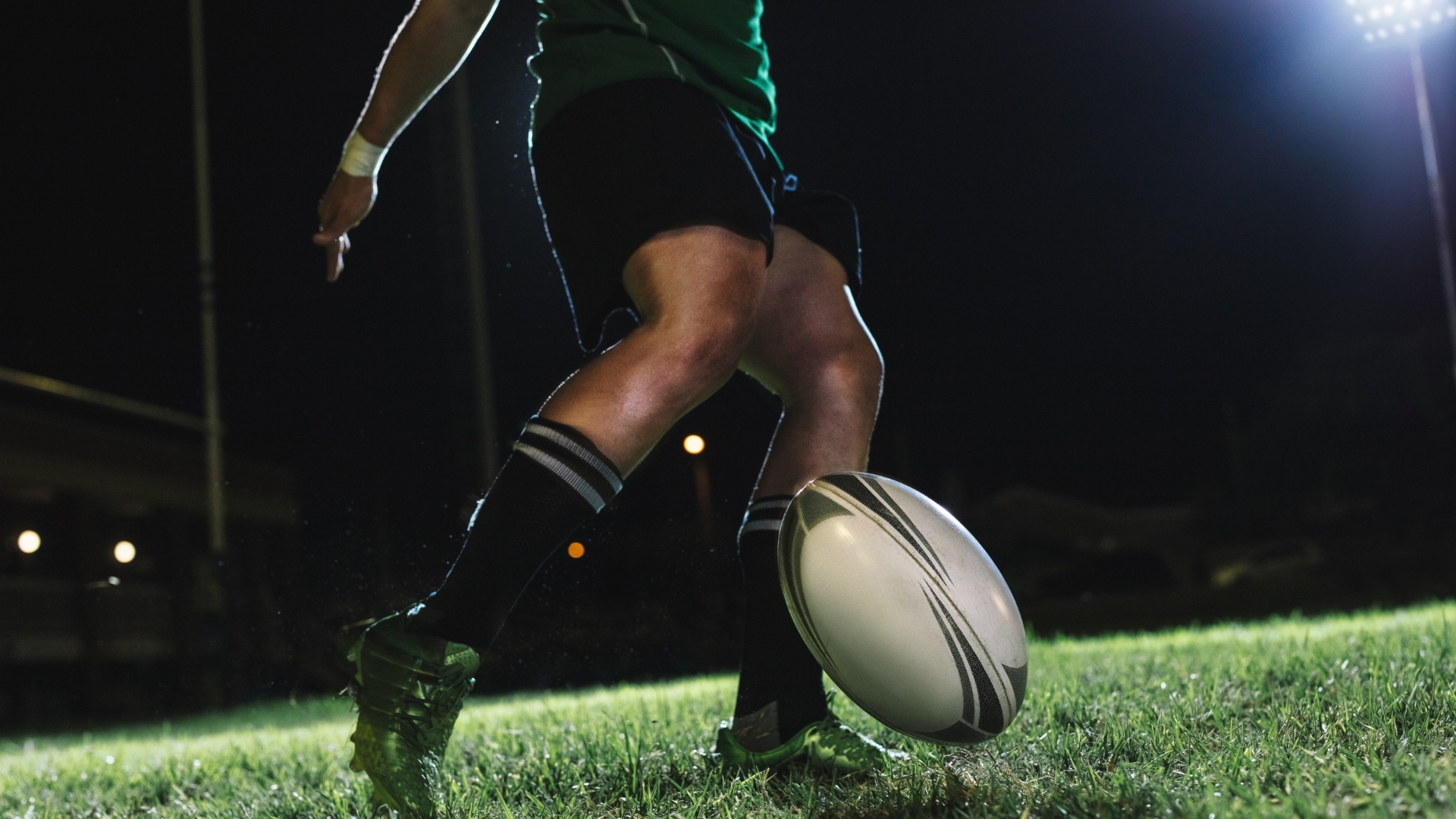
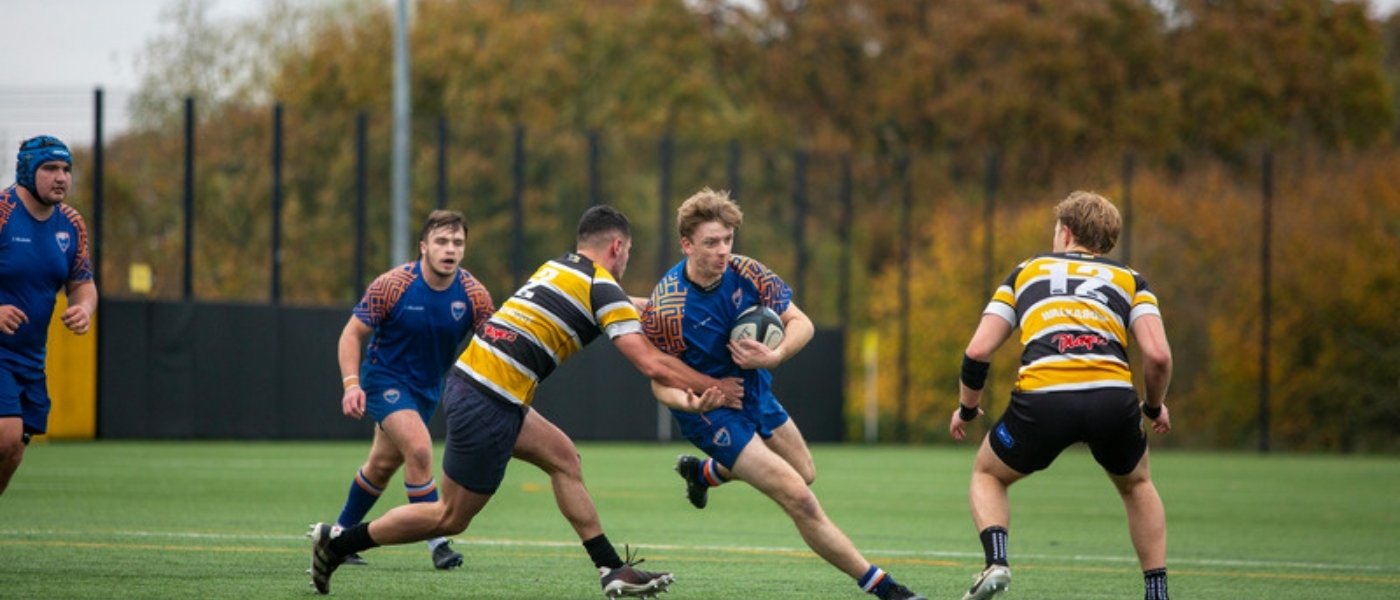
Rugby player carrying the ball while being tackled during a match, the kind of explosive play that can strain a muscle

Sports-Related Myofascial Strains

A tear of muscle fibres, often in the hamstring, calf, quadriceps or groin, caused by sprinting, kicking or quick changes of direction in sport.
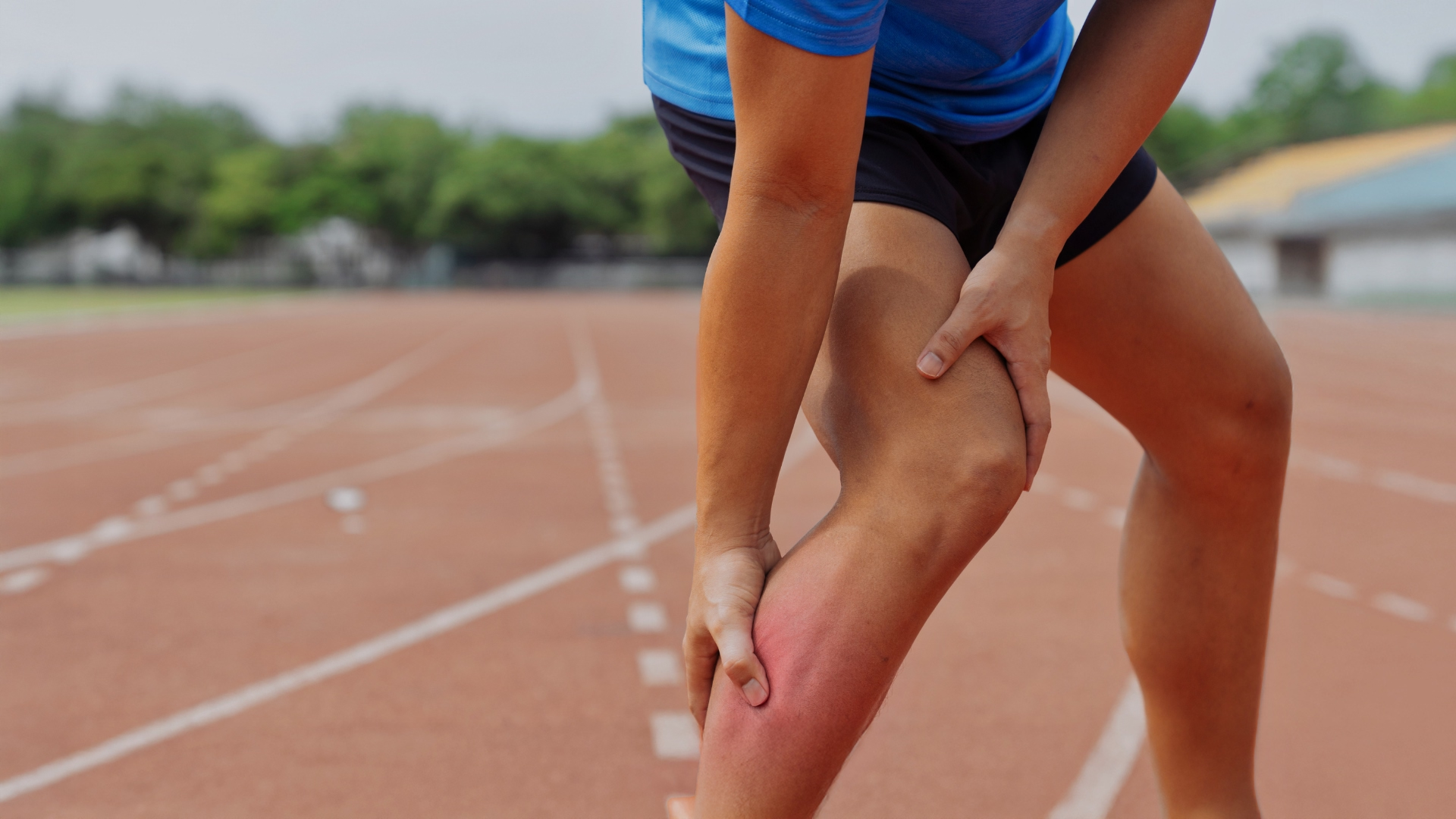
Did you feel a sudden grab, pull, or sharp pain in the back of your thigh, your calf, or your groin while sprinting, kicking, or changing direction? Did you have to stop, and does it now hurt to stretch, walk fast, or push off? If so, you may have strained a muscle, one of the most common injuries in running and field sports.

At Vaughan Physiotherapy Clinic, we assess and treat muscle strains for soccer, rugby, and hockey players, runners, and weekend athletes of every level. The goal is not just to get you back on the field quickly, but to get you back strong enough that the same muscle does not go again a few weeks later.

Here is what a sports muscle strain is, how it is graded, how to recognize it, what else it could be, and what the research says about getting back to sport safely.

What Is a Sports-Related Muscle Strain?

A muscle strain is a tear of muscle fibres, usually where the muscle blends into its tendon. It happens when a muscle is working hard while it is being stretched, such as the hamstring slowing the leg down at the end of a sprint stride. Strains are most common in muscles that cross two joints and work at high speed: the hamstrings, calf, quadriceps, and groin (adductor) muscles.

The hamstring is the most studied. In a recent clinical practice guideline, hamstring strains were most common in track and field, soccer, Australian football, American football, and rugby, and a professional soccer team of 25 players can expect around 7 hamstring strains per season (Martin et al., 2022).

Two Common Ways the Hamstring Gets Injured

  • Sprinting type: happens during high-speed running, usually affects the long head of the biceps femoris, and causes a sudden, sharp pain in the back of the thigh
  • Stretching type: happens in a slow, extreme stretch such as a high kick, a split, or a slide tackle, and often involves the tendon near the sit bone. In a trial of elite soccer players, stretching-type injuries took noticeably longer to return from than sprinting-type injuries (Askling et al., 2013)

How Muscle Strains Are Graded

Sports medicine teams often use the British Athletics Muscle Injury Classification, which grades injuries from 0 to 4 based on MRI findings and adds a letter to show where in the muscle the injury sits (Pollock et al., 2014):

  • Grade 0: soreness or tightness with a normal MRI, including ordinary post-exercise soreness
  • Grade 1 (small tear): pain during or after activity, with normal range of motion within a day and little loss of strength
  • Grade 2 (moderate tear): pain that stops you playing, with some loss of range and detectable weakness the next day
  • Grade 3 (extensive tear): sudden pain, sometimes a fall, with a clear loss of range and obvious weakness
  • Grade 4 (complete tear): a full tear of the muscle or tendon, often with a gap you can feel

The letter tells us whether the injury is at the outer layer of the muscle (a), within the muscle or at the muscle and tendon junction (b), or extends into the tendon itself (c). Injuries involving the tendon tend to need more time. Most mild to moderate strains do not need an MRI to start rehab; imaging is mainly recommended when a severe tear is suspected (Martin et al., 2022).

Recognizing the Symptoms

A muscle strain usually starts with a clear moment of injury. Common signs include (Martin et al., 2022):

  • A sudden sharp pain, grab, or pulling feeling in the muscle during sprinting, kicking, jumping, or a quick change of direction
  • Pain when you stretch the muscle or when you contract it against resistance
  • Tenderness over a specific spot in the muscle
  • Loss of function: limping, being unable to run, or feeling weak when pushing off
  • Swelling and sometimes bruising that appears a day or two later

What Makes It Worse?

  • A previous strain: the strongest known risk factor. Across more than 71,000 athletes, a prior hamstring strain made another one about 2.7 times more likely (Martin et al., 2022)
  • Returning too soon: the risk of reinjury is highest in the first weeks after a strain, and reported reinjury rates range from about 14 to 63 percent (Martin et al., 2022)
  • Incomplete rehab: returning without a full program that includes eccentric (lengthening) strengthening (Martin et al., 2022)
  • Age: older athletes have a higher risk of hamstring strain (Martin et al., 2022)
  • Sudden spikes in sprinting or kicking, fatigue late in a game, and skipping your warm-up

What Else Could It Be?

Several problems can feel like a pulled muscle but need a different plan. Part of our assessment is ruling these in or out:

  • Tendon avulsion: the tendon pulls off the bone, most often the hamstring at the sit bone. It can be mistaken for a bad strain (van der Made et al., 2019)
  • Muscle bruise (contusion): caused by a direct blow, such as a knee to the thigh, rather than a stretch or sprint
  • Referred pain from the lower back: nerve irritation can cause back-of-thigh or calf pain without a muscle tear
  • Hip-related groin pain: hip joint problems and pubic bone stress can mimic a groin strain
  • Achilles tendon injury: a sudden "kick in the calf" feeling may be an Achilles rupture rather than a calf strain
  • Stress fracture of the thigh or shin bone, which tends to build gradually with training rather than start suddenly
  • Delayed onset muscle soreness: general soreness a day or two after hard exercise, without a single moment of injury

When to See a Doctor First

See a physician promptly, or go to urgent care or the emergency department, if you have:

  • Signs of a tendon avulsion: a pop or tearing feeling, large bruising spreading down the back of the thigh, pain when sitting, trouble walking, or a gap you can feel near the sit bone. Delayed diagnosis is linked to poorer results, and surgery for these injuries is reported to work better when done early (van der Made et al., 2019)
  • Signs of compartment syndrome: severe, rising pain out of proportion to the injury, a tense or rock-hard muscle, or numbness, tingling, or weakness in the foot. This is a medical emergency
  • Signs of a blood clot (DVT): calf swelling, warmth, redness, or a deep ache that keeps getting worse, especially after a long flight, surgery, or time in a boot. Sudden shortness of breath or chest pain needs emergency care
  • A sudden snap at the back of the ankle or being unable to rise on your toes, which may be an Achilles rupture
  • A muscle that stays very weak or that you cannot contract at all

Our physiotherapists screen for these signs at your first visit and will coordinate with your physician if imaging or a surgical opinion is needed.

Related reading: For specific muscle injuries, see our guides to hamstring strains, calf strains and DOMS.

Start Your Journey to 

‍Better Health Today

Recover faster, move better, and feel stronger with expert physiotherapy. Our team is here to guide you every step of the way.

Why Physiotherapy Is Essential

A strained muscle heals, but healing on its own does not guarantee the muscle is ready for sprinting, kicking, or tackling. Pain often settles well before strength and length come back, which is one reason so many athletes get hurt again soon after they return. The biggest risk factor for a hamstring strain is a previous hamstring strain (Martin et al., 2022).

The current clinical practice guideline for hamstring strain recommends a progressive, impairment-based rehab program that includes eccentric (lengthening) strengthening, agility and trunk control work, and a graded return to running. It also advises caution in returning athletes who have not completed this kind of program (Martin et al., 2022). Most of this research is on the hamstring, but the same principles guide calf, quadriceps, and groin rehab.

Physiotherapy addresses the main drivers of a full recovery:

  • Timing: starting gentle loading early rather than resting for weeks
  • Strength: rebuilding the injured muscle, especially its ability to work while lengthening
  • Length and control: restoring range of motion and teaching the trunk and pelvis to control the leg at speed
  • Return to sport: a step-by-step running and sport plan, with clear tests before you go back to full play

Your Treatment Plan at Vaughan Physiotherapy Clinic

Phase 1: Assessment and Early Protection (Days 1 to 7)

Your first visit confirms the diagnosis, estimates the grade, and checks for anything that needs a doctor. A full assessment includes:

  • History: exactly how the injury happened (sprinting, stretching, kicking, or a direct blow), whether you felt a pop, past strains, and your sport and game schedule
  • Hands-on examination: finding where the tenderness is and how long the tender area is, since both help predict recovery time (Martin et al., 2022)
  • Strength testing: measuring knee flexor strength with a handheld dynamometer, which the guideline strongly recommends (Martin et al., 2022)
  • Range of motion: measuring hamstring length with an active knee extension test using an inclinometer (Martin et al., 2022)
  • Walking and functional tests: how long it takes to walk pain-free is one of the measures that helps predict your return date (Martin et al., 2022)
  • Red flag screening: checking for signs of a tendon avulsion, Achilles rupture, compartment syndrome, or blood clot

The more severe the loss of range, the longer recovery tends to take. In the guideline, athletes with a knee extension deficit under 15 degrees returned in about 26 days, while those with a deficit of 26 to 35 degrees took about 75 days (Martin et al., 2022). Re-checking at about one week gives a much more accurate estimate than the first day alone (Martin et al., 2022). If a large tear or tendon avulsion is suspected, we will refer you for an MRI or ultrasound and a medical opinion (Martin et al., 2022; van der Made et al., 2019).

Early care usually includes:

  • Relative rest: avoiding sprinting, kicking, and hard stretching for the first few days, but staying as active as comfort allows
  • Pain and swelling management: compression, elevation, and ice for comfort
  • Gentle muscle activation: easy holds and pain-free range of motion exercises

Phase 2: Early Loading (From Day 2 Onward)

Long rest after a muscle strain is no longer recommended. In a randomized trial of 50 recreational athletes with severe thigh or calf strains, people who started a structured rehab program 2 days after injury returned to sport about 3 weeks sooner than people who waited 9 days to start the same program (median 62.5 versus 83 days). There was only one reinjury in the whole trial (Bayer et al., 2018).

How much pain is acceptable during exercise? In a trial of 43 male athletes with hamstring strains, training up to a mild level of discomfort returned players just as quickly as training completely pain-free (median 15 versus 17 days). The group that worked to their pain threshold regained more strength, about 15 percent more at return to play and two months later (Hickey et al., 2020). We will guide you on how much discomfort is okay for your injury.

Early loading may include:

  • Isometric holds for the injured muscle at different angles
  • Bridges and hip lifts for the hamstrings
  • Seated and standing calf raises for calf strains
  • Gentle adductor squeezes for groin strains
  • Stationary cycling or pool work to keep your fitness up

Phase 3: Rebuilding Strength and Length (Weeks 1 to 6)

Lengthening exercises
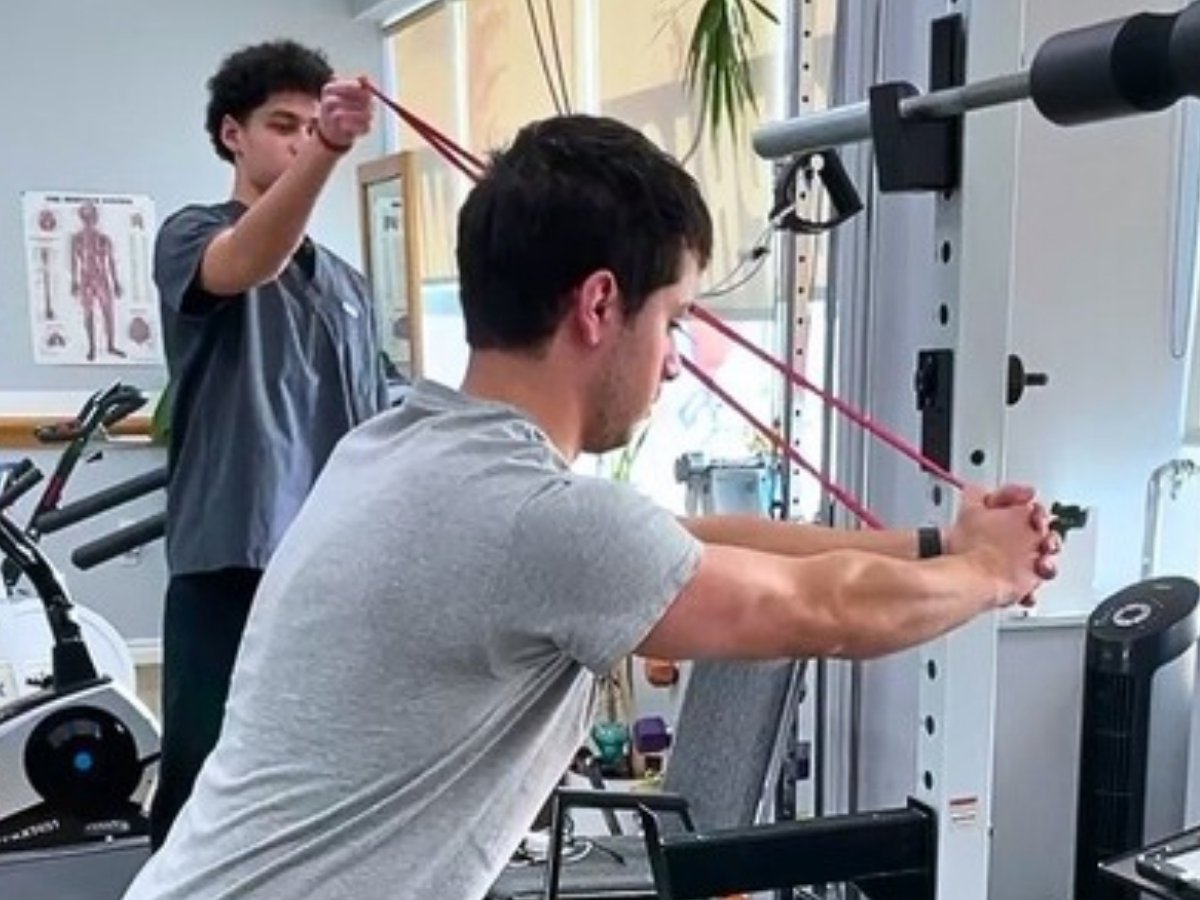
Young man doing a standing resistance exercise in the clinic gym while a physiotherapist supervises at Vaughan Physiotherapy Clinic
Supervised, progressive strength work in the clinic rebuilds capacity after a strain, building up to lengthening exercises for the injured muscle.

Exercises that load the muscle while it lengthens are the core of strain rehab. In a randomized trial of 75 elite soccer players with MRI-confirmed hamstring injuries, a program built around lengthening exercises got players back to full training in an average of 28 days, compared with 51 days for a conventional exercise program (Askling et al., 2013). The guideline also supports adding eccentric training as tolerated, which was linked to a faster return in earlier trials (Martin et al., 2022). Your program may include:

  • The extender: lying on your back, holding the thigh with the hip bent, and slowly straightening the knee
  • The diver: a single-leg forward reach with the arms stretched out, like a diving motion
  • The glider: a controlled sliding lunge that loads the hamstring as it lengthens
  • Nordic hamstring curls and slider leg curls, built up gradually
  • For calf, quadriceps, and groin strains, similar lengthening and heavy strength work for that muscle group, such as slow heel drops, Spanish squats, and Copenhagen adductor exercises

Agility and trunk control

Adding progressive agility and trunk stabilization to rehab helps lower the risk of reinjury. In one review, reinjury was 7.7 percent with agility and trunk work compared with 70 percent with stretching and strengthening alone (Martin et al., 2022). Examples include:

  • Side shuffles, grapevine steps, and quick footwork drills
  • Planks and side planks with leg movements
  • Single-leg balance and reaching drills

Manual therapy and modalities

Gentle soft tissue work, nerve gliding, and other modalities can help with pain and swelling early on. The guideline lists these as options based on expert opinion only (Martin et al., 2022), so we use them alongside, not instead of, exercise.

Phase 4: Return to Running and Sport (Weeks 2 to 12+)

  • Graded running program: from jogging to striding to near-maximal sprints, tracked so we can see progress (Martin et al., 2022)
  • Sport-specific drills: cutting, kicking, jumping, and tackling movements for your sport
  • Strength testing: comparing the injured side with the other side before you return
  • Return to play decision: based on pain-free sprinting, restored strength and range, your confidence, and your injury history (Martin et al., 2022)

Beyond Physiotherapy: Complementary Care for Sports-Related Muscle Strains

Early loading, lengthening exercises, and a graded return to running form the core of muscle strain care, and that is where the research is clearest. Some athletes also benefit from other services at our clinic to ease pain and tightness so they can keep training. Here is an honest summary of what the evidence does and does not show for each.

How Acupuncture and Dry Needling Can Help

Acupuncture and dry needling use fine needles to reduce pain and ease tight, tender muscles.

  • What the evidence shows: we did not find good-quality trials of acupuncture or dry needling for acute muscle strains. The closest evidence is a very small trial of 16 people with tight (not injured) hamstrings, where dry needling improved hamstring flexibility over five sessions compared with sham needling (Fakhari et al., 2023). This is indirect evidence and does not show that needling speeds healing
  • Where it fits: later in rehab, for muscle tightness or tender spots that are limiting your exercise, not over a fresh tear
  • Safety: generally very safe. We avoid needling directly into a recently torn area. Minor bruising or soreness is the most common side effect

How Massage Therapy Can Help

Registered massage therapy focuses on the soft tissues around the injured area and the rest of the leg.

  • What the evidence shows: there are no published trials of massage as a treatment for acute muscle strains. In a large review of recovery methods after hard exercise, massage was the most effective method for reducing muscle soreness and feelings of fatigue (Dupuy et al., 2018). Those studies were in uninjured people after exercise, so the evidence is indirect
  • Where it fits: to ease tightness and soreness in surrounding muscles, and later on to help you feel ready to train. We treat it as a supportive add-on, not a stand-alone treatment
  • Safety: very safe when it is gentle. Deep pressure directly over a fresh tear should be avoided in the first days after injury

How Chiropractic and Joint Manipulation Can Help

Chiropractic care uses spinal and pelvic joint mobilization and manipulation, along with soft tissue techniques.

  • What the evidence shows: we did not find reliable trials of chiropractic care or joint manipulation for treating or preventing muscle strains. A well-known trial on preventing hamstring injuries in football players with chiropractic care was later retracted by its journal, so we do not rely on it. The current hamstring guideline does not include a recommendation for spinal manipulation (Martin et al., 2022)
  • Where it fits: for athletes who also have lower back or pelvic stiffness, or back-related leg symptoms, as part of an exercise-based plan
  • Safety: generally safe. It is not appropriate if a fracture, avulsion, or nerve problem has not been ruled out

Whichever combination you and your clinician choose, these treatments share one purpose: keeping you comfortable and moving while the real fix, progressive loading and a well-planned return to sport, takes hold.

When Is Surgery Considered?

Almost all muscle strains, including most severe ones, are treated without surgery. Surgery is mainly considered when a tendon has pulled off the bone, most often the hamstring at the sit bone. For these injuries, surgical repair is reported to give better results than non-surgical care, and delaying surgery makes the operation harder and the outcome worse (van der Made et al., 2019). That is why we check carefully for avulsion signs at your first visit and refer quickly for imaging and a surgical opinion if needed. If you do have surgery, your physiotherapy will follow your surgeon's protocol.

How Long Will It Take?

Recovery depends on which muscle is hurt, how severe the injury is, whether the tendon is involved, and how demanding your sport is. For hamstring strains, time away from sport ranges from a few days to about a month for many injuries, and longer for severe ones (Martin et al., 2022). Some general patterns from the research:

  • Hamstring strains with a small loss of range (a knee extension deficit under 15 degrees) took about 26 days on average to return (Martin et al., 2022)
  • Stretching-type hamstring injuries near the tendon take longer than sprinting-type injuries (Askling et al., 2013)
  • Severe thigh and calf strains in recreational athletes took a median of about 2 to 3 months to return to sport in one trial (Bayer et al., 2018)
  • Tissue remodelling can continue for up to 2 years, which is why prevention work matters after you are back (Martin et al., 2022)

We will give you an estimated timeline after your first assessment, and a more accurate one after about a week, when your early progress tells us more.

Prevention and Long-Term Management

  • Do Nordic hamstring curls: programs that include the Nordic hamstring exercise cut hamstring injuries roughly in half across 15 studies and more than 8,000 athletes (van Dyk et al., 2019)
  • Strengthen your groin: in a trial of 35 semi-professional soccer teams, a single Copenhagen adductor exercise program lowered the average weekly share of players with groin problems from about 21 percent to under 14 percent over a season (Harøy et al., 2019)
  • Keep up your rehab exercises after you return, especially in the first few months, when reinjury risk is highest
  • Warm up properly with build-up runs before sprinting or kicking
  • Build sprint and kicking load gradually, especially early in the season or after a break
  • Include regular high-speed running in training so your muscles are prepared for game speed
  • Act early: if you feel tightness or a small grab, stop and get it checked rather than playing through it

Frequently Asked Questions

Should I rest completely after a pulled muscle?

No. A few days of relative rest is sensible, but gentle loading should start early. In a randomized trial, starting rehab 2 days after a severe strain led to a return to sport about 3 weeks sooner than waiting 9 days (Bayer et al., 2018).

Is it okay to feel some pain during rehab exercises?

Usually, mild discomfort is fine. In a trial of hamstring strains, working up to a mild pain threshold was as fast as staying pain-free and led to better strength recovery (Hickey et al., 2020). Sharp pain, or pain that is worse the next day, means the load needs adjusting.

Do I need an MRI?

Most mild to moderate strains do not need imaging to start treatment. An MRI is recommended when a severe tear is suspected (Martin et al., 2022), and ultrasound or MRI should be done promptly if a tendon avulsion is possible (van der Made et al., 2019).

Why do hamstring strains keep coming back?

A previous hamstring strain is the biggest risk factor for another one (Martin et al., 2022). Common reasons are returning before strength and range have fully come back, and stopping the rehab exercises once the pain is gone. Agility and trunk control work, eccentric strengthening, and ongoing Nordic curls all help lower that risk (Martin et al., 2022; van Dyk et al., 2019).

How is a "pulled muscle" different from a tendon tear?

A strain is a tear within the muscle or where it joins the tendon. An avulsion is when the tendon pulls off the bone. Avulsions often come with a pop, large bruising, and pain when sitting, and they may need surgery, so they should be checked quickly (van der Made et al., 2019).

Can acupuncture, massage, or chiropractic replace exercise for a muscle strain?

No. Early loading, lengthening exercises, and a graded return to running have the strongest research behind them. Needling, massage, and manual therapy are best used as short-term supports to ease pain and tightness while you rebuild.

Our Specialized Approach at Vaughan Physiotherapy Clinic

Sport-focused assessment: we grade your injury, measure strength and range, and give you a realistic return timeline

Early, guided loading: rehab starts within days, not weeks, at a level your muscle can handle

Lengthening and eccentric strength: exercise programs built on the strongest research in muscle strain rehab

Return to play testing: sprint, strength, and sport-specific checks before you go back to full games

Integrated care: physiotherapy, massage therapy, acupuncture, and chiropractic under one roof when they add value

Safety first: screening for tendon avulsions, Achilles ruptures, compartment syndrome, and blood clots, with physician referral when needed

Take the First Step Toward Getting Back in the Game

A pulled muscle does not have to cost you your season or keep coming back. Our team at Vaughan Physiotherapy Clinic helps athletes from Thornhill, Vaughan, North York, Richmond Hill, and surrounding communities return to sport stronger, with evidence-based, hands-on care.

Book your assessment today:

Phone: 905-669-1221

Location: 398 Steeles Ave W #201, Thornhill, ON L4J 6X3

Online Booking: www.vaughanphysiotherapy.com

References

Askling CM, Tengvar M, Thorstensson A. Acute hamstring injuries in Swedish elite football: a prospective randomised controlled clinical trial comparing two rehabilitation protocols. British Journal of Sports Medicine. 2013;47(15):953-959. doi:10.1136/bjsports-2013-092165

Bayer ML, Hoegberget-Kalisz M, Jensen MH, et al. Role of tissue perfusion, muscle strength recovery, and pain in rehabilitation after acute muscle strain injury: a randomized controlled trial comparing early and delayed rehabilitation. Scandinavian Journal of Medicine & Science in Sports. 2018;28(12):2579-2591. doi:10.1111/sms.13269

Dupuy O, Douzi W, Theurot D, Bosquet L, Dugué B. An evidence-based approach for choosing post-exercise recovery techniques to reduce markers of muscle damage, soreness, fatigue, and inflammation: a systematic review with meta-analysis. Frontiers in Physiology. 2018;9:403. doi:10.3389/fphys.2018.00403

Fakhari P, Shadmehr A, Khanmohammadi R, Hadian MR, Kazemi Motlagh AH. Investigating the effects of dry needling on hamstring muscles flexibility: a randomized controlled trial. Journal of Modern Rehabilitation. 2023;17(4). doi:10.18502/jmr.v17i4.13888

Harøy J, Clarsen B, Wiger EG, et al. The Adductor Strengthening Programme prevents groin problems among male football players: a cluster-randomised controlled trial. British Journal of Sports Medicine. 2019;53(3):150-157. doi:10.1136/bjsports-2017-098937

Hickey JT, Timmins RG, Maniar N, et al. Pain-free versus pain-threshold rehabilitation following acute hamstring strain injury: a randomized controlled trial. Journal of Orthopaedic & Sports Physical Therapy. 2020;50(2):91-103. doi:10.2519/jospt.2020.8895

Martin RL, Cibulka MT, Bolgla LA, et al. Hamstring strain injury in athletes: clinical practice guidelines linked to the International Classification of Functioning, Disability and Health from the Academy of Orthopaedic Physical Therapy and the American Academy of Sports Physical Therapy of the American Physical Therapy Association. Journal of Orthopaedic & Sports Physical Therapy. 2022;52(3):CPG1-CPG44. doi:10.2519/jospt.2022.0301

Pollock N, James SLJ, Lee JC, Chakraverty R. British athletics muscle injury classification: a new grading system. British Journal of Sports Medicine. 2014;48(18):1347-1351. doi:10.1136/bjsports-2013-093302

van der Made AD, Tol JL, Reurink G, Peters RW, Kerkhoffs GM. Potential hamstring injury blind spot: we need to raise awareness of proximal hamstring tendon avulsion injuries. British Journal of Sports Medicine. 2019;53(7):390-392. doi:10.1136/bjsports-2018-100063

van Dyk N, Behan FP, Whiteley R. Including the Nordic hamstring exercise in injury prevention programmes halves the rate of hamstring injuries: a systematic review and meta-analysis of 8459 athletes. British Journal of Sports Medicine. 2019;53(21):1362-1370. doi:10.1136/bjsports-2018-100045

Disclaimer: This article is for educational purposes only and does not replace professional medical advice. Pain in the thigh, calf, or groin after sport can have several causes, including tendon avulsions, Achilles ruptures, blood clots, compartment syndrome, and referred pain from the spine. Always consult a qualified healthcare provider for diagnosis and treatment specific to your injury.

Team

Condition guide

Sports-Related Myofascial Strains

A tear of muscle fibres, often in the hamstring, calf, quadriceps or groin, caused by sprinting, kicking or quick changes of direction in sport.

Rugby player carrying the ball while being tackled during a match, the kind of explosive play that can strain a muscleSports-Related Myofascial Strains

Did you feel a sudden grab, pull, or sharp pain in the back of your thigh, your calf, or your groin while sprinting, kicking, or changing direction? Did you have to stop, and does it now hurt to stretch, walk fast, or push off? If so, you may have strained a muscle, one of the most common injuries in running and field sports.

At Vaughan Physiotherapy Clinic, we assess and treat muscle strains for soccer, rugby, and hockey players, runners, and weekend athletes of every level. The goal is not just to get you back on the field quickly, but to get you back strong enough that the same muscle does not go again a few weeks later.

Here is what a sports muscle strain is, how it is graded, how to recognize it, what else it could be, and what the research says about getting back to sport safely.

What Is a Sports-Related Muscle Strain?

A muscle strain is a tear of muscle fibres, usually where the muscle blends into its tendon. It happens when a muscle is working hard while it is being stretched, such as the hamstring slowing the leg down at the end of a sprint stride. Strains are most common in muscles that cross two joints and work at high speed: the hamstrings, calf, quadriceps, and groin (adductor) muscles.

The hamstring is the most studied. In a recent clinical practice guideline, hamstring strains were most common in track and field, soccer, Australian football, American football, and rugby, and a professional soccer team of 25 players can expect around 7 hamstring strains per season (Martin et al., 2022).

Two Common Ways the Hamstring Gets Injured

  • Sprinting type: happens during high-speed running, usually affects the long head of the biceps femoris, and causes a sudden, sharp pain in the back of the thigh
  • Stretching type: happens in a slow, extreme stretch such as a high kick, a split, or a slide tackle, and often involves the tendon near the sit bone. In a trial of elite soccer players, stretching-type injuries took noticeably longer to return from than sprinting-type injuries (Askling et al., 2013)

How Muscle Strains Are Graded

Sports medicine teams often use the British Athletics Muscle Injury Classification, which grades injuries from 0 to 4 based on MRI findings and adds a letter to show where in the muscle the injury sits (Pollock et al., 2014):

  • Grade 0: soreness or tightness with a normal MRI, including ordinary post-exercise soreness
  • Grade 1 (small tear): pain during or after activity, with normal range of motion within a day and little loss of strength
  • Grade 2 (moderate tear): pain that stops you playing, with some loss of range and detectable weakness the next day
  • Grade 3 (extensive tear): sudden pain, sometimes a fall, with a clear loss of range and obvious weakness
  • Grade 4 (complete tear): a full tear of the muscle or tendon, often with a gap you can feel

The letter tells us whether the injury is at the outer layer of the muscle (a), within the muscle or at the muscle and tendon junction (b), or extends into the tendon itself (c). Injuries involving the tendon tend to need more time. Most mild to moderate strains do not need an MRI to start rehab; imaging is mainly recommended when a severe tear is suspected (Martin et al., 2022).

Recognizing the Symptoms

A muscle strain usually starts with a clear moment of injury. Common signs include (Martin et al., 2022):

  • A sudden sharp pain, grab, or pulling feeling in the muscle during sprinting, kicking, jumping, or a quick change of direction
  • Pain when you stretch the muscle or when you contract it against resistance
  • Tenderness over a specific spot in the muscle
  • Loss of function: limping, being unable to run, or feeling weak when pushing off
  • Swelling and sometimes bruising that appears a day or two later

What Makes It Worse?

  • A previous strain: the strongest known risk factor. Across more than 71,000 athletes, a prior hamstring strain made another one about 2.7 times more likely (Martin et al., 2022)
  • Returning too soon: the risk of reinjury is highest in the first weeks after a strain, and reported reinjury rates range from about 14 to 63 percent (Martin et al., 2022)
  • Incomplete rehab: returning without a full program that includes eccentric (lengthening) strengthening (Martin et al., 2022)
  • Age: older athletes have a higher risk of hamstring strain (Martin et al., 2022)
  • Sudden spikes in sprinting or kicking, fatigue late in a game, and skipping your warm-up

What Else Could It Be?

Several problems can feel like a pulled muscle but need a different plan. Part of our assessment is ruling these in or out:

  • Tendon avulsion: the tendon pulls off the bone, most often the hamstring at the sit bone. It can be mistaken for a bad strain (van der Made et al., 2019)
  • Muscle bruise (contusion): caused by a direct blow, such as a knee to the thigh, rather than a stretch or sprint
  • Referred pain from the lower back: nerve irritation can cause back-of-thigh or calf pain without a muscle tear
  • Hip-related groin pain: hip joint problems and pubic bone stress can mimic a groin strain
  • Achilles tendon injury: a sudden "kick in the calf" feeling may be an Achilles rupture rather than a calf strain
  • Stress fracture of the thigh or shin bone, which tends to build gradually with training rather than start suddenly
  • Delayed onset muscle soreness: general soreness a day or two after hard exercise, without a single moment of injury

When to See a Doctor First

See a physician promptly, or go to urgent care or the emergency department, if you have:

  • Signs of a tendon avulsion: a pop or tearing feeling, large bruising spreading down the back of the thigh, pain when sitting, trouble walking, or a gap you can feel near the sit bone. Delayed diagnosis is linked to poorer results, and surgery for these injuries is reported to work better when done early (van der Made et al., 2019)
  • Signs of compartment syndrome: severe, rising pain out of proportion to the injury, a tense or rock-hard muscle, or numbness, tingling, or weakness in the foot. This is a medical emergency
  • Signs of a blood clot (DVT): calf swelling, warmth, redness, or a deep ache that keeps getting worse, especially after a long flight, surgery, or time in a boot. Sudden shortness of breath or chest pain needs emergency care
  • A sudden snap at the back of the ankle or being unable to rise on your toes, which may be an Achilles rupture
  • A muscle that stays very weak or that you cannot contract at all

Our physiotherapists screen for these signs at your first visit and will coordinate with your physician if imaging or a surgical opinion is needed.

Related reading: For specific muscle injuries, see our guides to hamstring strains, calf strains and DOMS.

Why Physiotherapy Is Essential

A strained muscle heals, but healing on its own does not guarantee the muscle is ready for sprinting, kicking, or tackling. Pain often settles well before strength and length come back, which is one reason so many athletes get hurt again soon after they return. The biggest risk factor for a hamstring strain is a previous hamstring strain (Martin et al., 2022).

The current clinical practice guideline for hamstring strain recommends a progressive, impairment-based rehab program that includes eccentric (lengthening) strengthening, agility and trunk control work, and a graded return to running. It also advises caution in returning athletes who have not completed this kind of program (Martin et al., 2022). Most of this research is on the hamstring, but the same principles guide calf, quadriceps, and groin rehab.

Physiotherapy addresses the main drivers of a full recovery:

  • Timing: starting gentle loading early rather than resting for weeks
  • Strength: rebuilding the injured muscle, especially its ability to work while lengthening
  • Length and control: restoring range of motion and teaching the trunk and pelvis to control the leg at speed
  • Return to sport: a step-by-step running and sport plan, with clear tests before you go back to full play

Your Treatment Plan at Vaughan Physiotherapy Clinic

Phase 1: Assessment and Early Protection (Days 1 to 7)

Your first visit confirms the diagnosis, estimates the grade, and checks for anything that needs a doctor. A full assessment includes:

  • History: exactly how the injury happened (sprinting, stretching, kicking, or a direct blow), whether you felt a pop, past strains, and your sport and game schedule
  • Hands-on examination: finding where the tenderness is and how long the tender area is, since both help predict recovery time (Martin et al., 2022)
  • Strength testing: measuring knee flexor strength with a handheld dynamometer, which the guideline strongly recommends (Martin et al., 2022)
  • Range of motion: measuring hamstring length with an active knee extension test using an inclinometer (Martin et al., 2022)
  • Walking and functional tests: how long it takes to walk pain-free is one of the measures that helps predict your return date (Martin et al., 2022)
  • Red flag screening: checking for signs of a tendon avulsion, Achilles rupture, compartment syndrome, or blood clot

The more severe the loss of range, the longer recovery tends to take. In the guideline, athletes with a knee extension deficit under 15 degrees returned in about 26 days, while those with a deficit of 26 to 35 degrees took about 75 days (Martin et al., 2022). Re-checking at about one week gives a much more accurate estimate than the first day alone (Martin et al., 2022). If a large tear or tendon avulsion is suspected, we will refer you for an MRI or ultrasound and a medical opinion (Martin et al., 2022; van der Made et al., 2019).

Early care usually includes:

  • Relative rest: avoiding sprinting, kicking, and hard stretching for the first few days, but staying as active as comfort allows
  • Pain and swelling management: compression, elevation, and ice for comfort
  • Gentle muscle activation: easy holds and pain-free range of motion exercises

Phase 2: Early Loading (From Day 2 Onward)

Long rest after a muscle strain is no longer recommended. In a randomized trial of 50 recreational athletes with severe thigh or calf strains, people who started a structured rehab program 2 days after injury returned to sport about 3 weeks sooner than people who waited 9 days to start the same program (median 62.5 versus 83 days). There was only one reinjury in the whole trial (Bayer et al., 2018).

How much pain is acceptable during exercise? In a trial of 43 male athletes with hamstring strains, training up to a mild level of discomfort returned players just as quickly as training completely pain-free (median 15 versus 17 days). The group that worked to their pain threshold regained more strength, about 15 percent more at return to play and two months later (Hickey et al., 2020). We will guide you on how much discomfort is okay for your injury.

Early loading may include:

  • Isometric holds for the injured muscle at different angles
  • Bridges and hip lifts for the hamstrings
  • Seated and standing calf raises for calf strains
  • Gentle adductor squeezes for groin strains
  • Stationary cycling or pool work to keep your fitness up

Phase 3: Rebuilding Strength and Length (Weeks 1 to 6)

Lengthening exercises

Young man doing a standing resistance exercise in the clinic gym while a physiotherapist supervises at Vaughan Physiotherapy Clinic
Supervised, progressive strength work in the clinic rebuilds capacity after a strain, building up to lengthening exercises for the injured muscle.

Exercises that load the muscle while it lengthens are the core of strain rehab. In a randomized trial of 75 elite soccer players with MRI-confirmed hamstring injuries, a program built around lengthening exercises got players back to full training in an average of 28 days, compared with 51 days for a conventional exercise program (Askling et al., 2013). The guideline also supports adding eccentric training as tolerated, which was linked to a faster return in earlier trials (Martin et al., 2022). Your program may include:

  • The extender: lying on your back, holding the thigh with the hip bent, and slowly straightening the knee
  • The diver: a single-leg forward reach with the arms stretched out, like a diving motion
  • The glider: a controlled sliding lunge that loads the hamstring as it lengthens
  • Nordic hamstring curls and slider leg curls, built up gradually
  • For calf, quadriceps, and groin strains, similar lengthening and heavy strength work for that muscle group, such as slow heel drops, Spanish squats, and Copenhagen adductor exercises

Agility and trunk control

Adding progressive agility and trunk stabilization to rehab helps lower the risk of reinjury. In one review, reinjury was 7.7 percent with agility and trunk work compared with 70 percent with stretching and strengthening alone (Martin et al., 2022). Examples include:

  • Side shuffles, grapevine steps, and quick footwork drills
  • Planks and side planks with leg movements
  • Single-leg balance and reaching drills

Manual therapy and modalities

Gentle soft tissue work, nerve gliding, and other modalities can help with pain and swelling early on. The guideline lists these as options based on expert opinion only (Martin et al., 2022), so we use them alongside, not instead of, exercise.

Phase 4: Return to Running and Sport (Weeks 2 to 12+)

  • Graded running program: from jogging to striding to near-maximal sprints, tracked so we can see progress (Martin et al., 2022)
  • Sport-specific drills: cutting, kicking, jumping, and tackling movements for your sport
  • Strength testing: comparing the injured side with the other side before you return
  • Return to play decision: based on pain-free sprinting, restored strength and range, your confidence, and your injury history (Martin et al., 2022)

Beyond Physiotherapy: Complementary Care for Sports-Related Muscle Strains

Early loading, lengthening exercises, and a graded return to running form the core of muscle strain care, and that is where the research is clearest. Some athletes also benefit from other services at our clinic to ease pain and tightness so they can keep training. Here is an honest summary of what the evidence does and does not show for each.

How Acupuncture and Dry Needling Can Help

Acupuncture and dry needling use fine needles to reduce pain and ease tight, tender muscles.

  • What the evidence shows: we did not find good-quality trials of acupuncture or dry needling for acute muscle strains. The closest evidence is a very small trial of 16 people with tight (not injured) hamstrings, where dry needling improved hamstring flexibility over five sessions compared with sham needling (Fakhari et al., 2023). This is indirect evidence and does not show that needling speeds healing
  • Where it fits: later in rehab, for muscle tightness or tender spots that are limiting your exercise, not over a fresh tear
  • Safety: generally very safe. We avoid needling directly into a recently torn area. Minor bruising or soreness is the most common side effect

How Massage Therapy Can Help

Registered massage therapy focuses on the soft tissues around the injured area and the rest of the leg.

  • What the evidence shows: there are no published trials of massage as a treatment for acute muscle strains. In a large review of recovery methods after hard exercise, massage was the most effective method for reducing muscle soreness and feelings of fatigue (Dupuy et al., 2018). Those studies were in uninjured people after exercise, so the evidence is indirect
  • Where it fits: to ease tightness and soreness in surrounding muscles, and later on to help you feel ready to train. We treat it as a supportive add-on, not a stand-alone treatment
  • Safety: very safe when it is gentle. Deep pressure directly over a fresh tear should be avoided in the first days after injury

How Chiropractic and Joint Manipulation Can Help

Chiropractic care uses spinal and pelvic joint mobilization and manipulation, along with soft tissue techniques.

  • What the evidence shows: we did not find reliable trials of chiropractic care or joint manipulation for treating or preventing muscle strains. A well-known trial on preventing hamstring injuries in football players with chiropractic care was later retracted by its journal, so we do not rely on it. The current hamstring guideline does not include a recommendation for spinal manipulation (Martin et al., 2022)
  • Where it fits: for athletes who also have lower back or pelvic stiffness, or back-related leg symptoms, as part of an exercise-based plan
  • Safety: generally safe. It is not appropriate if a fracture, avulsion, or nerve problem has not been ruled out

Whichever combination you and your clinician choose, these treatments share one purpose: keeping you comfortable and moving while the real fix, progressive loading and a well-planned return to sport, takes hold.

When Is Surgery Considered?

Almost all muscle strains, including most severe ones, are treated without surgery. Surgery is mainly considered when a tendon has pulled off the bone, most often the hamstring at the sit bone. For these injuries, surgical repair is reported to give better results than non-surgical care, and delaying surgery makes the operation harder and the outcome worse (van der Made et al., 2019). That is why we check carefully for avulsion signs at your first visit and refer quickly for imaging and a surgical opinion if needed. If you do have surgery, your physiotherapy will follow your surgeon's protocol.

How Long Will It Take?

Recovery depends on which muscle is hurt, how severe the injury is, whether the tendon is involved, and how demanding your sport is. For hamstring strains, time away from sport ranges from a few days to about a month for many injuries, and longer for severe ones (Martin et al., 2022). Some general patterns from the research:

  • Hamstring strains with a small loss of range (a knee extension deficit under 15 degrees) took about 26 days on average to return (Martin et al., 2022)
  • Stretching-type hamstring injuries near the tendon take longer than sprinting-type injuries (Askling et al., 2013)
  • Severe thigh and calf strains in recreational athletes took a median of about 2 to 3 months to return to sport in one trial (Bayer et al., 2018)
  • Tissue remodelling can continue for up to 2 years, which is why prevention work matters after you are back (Martin et al., 2022)

We will give you an estimated timeline after your first assessment, and a more accurate one after about a week, when your early progress tells us more.

Prevention and Long-Term Management

  • Do Nordic hamstring curls: programs that include the Nordic hamstring exercise cut hamstring injuries roughly in half across 15 studies and more than 8,000 athletes (van Dyk et al., 2019)
  • Strengthen your groin: in a trial of 35 semi-professional soccer teams, a single Copenhagen adductor exercise program lowered the average weekly share of players with groin problems from about 21 percent to under 14 percent over a season (Harøy et al., 2019)
  • Keep up your rehab exercises after you return, especially in the first few months, when reinjury risk is highest
  • Warm up properly with build-up runs before sprinting or kicking
  • Build sprint and kicking load gradually, especially early in the season or after a break
  • Include regular high-speed running in training so your muscles are prepared for game speed
  • Act early: if you feel tightness or a small grab, stop and get it checked rather than playing through it

Frequently Asked Questions

Should I rest completely after a pulled muscle?

No. A few days of relative rest is sensible, but gentle loading should start early. In a randomized trial, starting rehab 2 days after a severe strain led to a return to sport about 3 weeks sooner than waiting 9 days (Bayer et al., 2018).

Is it okay to feel some pain during rehab exercises?

Usually, mild discomfort is fine. In a trial of hamstring strains, working up to a mild pain threshold was as fast as staying pain-free and led to better strength recovery (Hickey et al., 2020). Sharp pain, or pain that is worse the next day, means the load needs adjusting.

Do I need an MRI?

Most mild to moderate strains do not need imaging to start treatment. An MRI is recommended when a severe tear is suspected (Martin et al., 2022), and ultrasound or MRI should be done promptly if a tendon avulsion is possible (van der Made et al., 2019).

Why do hamstring strains keep coming back?

A previous hamstring strain is the biggest risk factor for another one (Martin et al., 2022). Common reasons are returning before strength and range have fully come back, and stopping the rehab exercises once the pain is gone. Agility and trunk control work, eccentric strengthening, and ongoing Nordic curls all help lower that risk (Martin et al., 2022; van Dyk et al., 2019).

How is a "pulled muscle" different from a tendon tear?

A strain is a tear within the muscle or where it joins the tendon. An avulsion is when the tendon pulls off the bone. Avulsions often come with a pop, large bruising, and pain when sitting, and they may need surgery, so they should be checked quickly (van der Made et al., 2019).

Can acupuncture, massage, or chiropractic replace exercise for a muscle strain?

No. Early loading, lengthening exercises, and a graded return to running have the strongest research behind them. Needling, massage, and manual therapy are best used as short-term supports to ease pain and tightness while you rebuild.

Our Specialized Approach at Vaughan Physiotherapy Clinic

Sport-focused assessment: we grade your injury, measure strength and range, and give you a realistic return timeline

Early, guided loading: rehab starts within days, not weeks, at a level your muscle can handle

Lengthening and eccentric strength: exercise programs built on the strongest research in muscle strain rehab

Return to play testing: sprint, strength, and sport-specific checks before you go back to full games

Integrated care: physiotherapy, massage therapy, acupuncture, and chiropractic under one roof when they add value

Safety first: screening for tendon avulsions, Achilles ruptures, compartment syndrome, and blood clots, with physician referral when needed

Take the First Step Toward Getting Back in the Game

A pulled muscle does not have to cost you your season or keep coming back. Our team at Vaughan Physiotherapy Clinic helps athletes from Thornhill, Vaughan, North York, Richmond Hill, and surrounding communities return to sport stronger, with evidence-based, hands-on care.

Book your assessment today:

Phone: 905-669-1221

Location: 398 Steeles Ave W #201, Thornhill, ON L4J 6X3

Online Booking: www.vaughanphysiotherapy.com

References

Askling CM, Tengvar M, Thorstensson A. Acute hamstring injuries in Swedish elite football: a prospective randomised controlled clinical trial comparing two rehabilitation protocols. British Journal of Sports Medicine. 2013;47(15):953-959. doi:10.1136/bjsports-2013-092165

Bayer ML, Hoegberget-Kalisz M, Jensen MH, et al. Role of tissue perfusion, muscle strength recovery, and pain in rehabilitation after acute muscle strain injury: a randomized controlled trial comparing early and delayed rehabilitation. Scandinavian Journal of Medicine & Science in Sports. 2018;28(12):2579-2591. doi:10.1111/sms.13269

Dupuy O, Douzi W, Theurot D, Bosquet L, Dugué B. An evidence-based approach for choosing post-exercise recovery techniques to reduce markers of muscle damage, soreness, fatigue, and inflammation: a systematic review with meta-analysis. Frontiers in Physiology. 2018;9:403. doi:10.3389/fphys.2018.00403

Fakhari P, Shadmehr A, Khanmohammadi R, Hadian MR, Kazemi Motlagh AH. Investigating the effects of dry needling on hamstring muscles flexibility: a randomized controlled trial. Journal of Modern Rehabilitation. 2023;17(4). doi:10.18502/jmr.v17i4.13888

Harøy J, Clarsen B, Wiger EG, et al. The Adductor Strengthening Programme prevents groin problems among male football players: a cluster-randomised controlled trial. British Journal of Sports Medicine. 2019;53(3):150-157. doi:10.1136/bjsports-2017-098937

Hickey JT, Timmins RG, Maniar N, et al. Pain-free versus pain-threshold rehabilitation following acute hamstring strain injury: a randomized controlled trial. Journal of Orthopaedic & Sports Physical Therapy. 2020;50(2):91-103. doi:10.2519/jospt.2020.8895

Martin RL, Cibulka MT, Bolgla LA, et al. Hamstring strain injury in athletes: clinical practice guidelines linked to the International Classification of Functioning, Disability and Health from the Academy of Orthopaedic Physical Therapy and the American Academy of Sports Physical Therapy of the American Physical Therapy Association. Journal of Orthopaedic & Sports Physical Therapy. 2022;52(3):CPG1-CPG44. doi:10.2519/jospt.2022.0301

Pollock N, James SLJ, Lee JC, Chakraverty R. British athletics muscle injury classification: a new grading system. British Journal of Sports Medicine. 2014;48(18):1347-1351. doi:10.1136/bjsports-2013-093302

van der Made AD, Tol JL, Reurink G, Peters RW, Kerkhoffs GM. Potential hamstring injury blind spot: we need to raise awareness of proximal hamstring tendon avulsion injuries. British Journal of Sports Medicine. 2019;53(7):390-392. doi:10.1136/bjsports-2018-100063

van Dyk N, Behan FP, Whiteley R. Including the Nordic hamstring exercise in injury prevention programmes halves the rate of hamstring injuries: a systematic review and meta-analysis of 8459 athletes. British Journal of Sports Medicine. 2019;53(21):1362-1370. doi:10.1136/bjsports-2018-100045

Disclaimer: This article is for educational purposes only and does not replace professional medical advice. Pain in the thigh, calf, or groin after sport can have several causes, including tendon avulsions, Achilles ruptures, blood clots, compartment syndrome, and referred pain from the spine. Always consult a qualified healthcare provider for diagnosis and treatment specific to your injury.

How it works

Getting started.

  1. 01

    No referral needed

    You can book directly. Some benefit plans ask for a doctor's note, so check yours before your visit.

  2. 02

    Your first assessment, 45 minutes

    Your history, movement testing, a clear diagnosis and a plan you understand.

  3. 03

    Follow-up sessions

    Hands-on care and exercise, progressed each visit.

  4. 04

    Not the right fit? Second opinion on us

    If you're not satisfied with your initial assessment, a second assessment with another therapist is complimentary.

Who treats this

Clinicians who treat this.

Tap a profile for credentials and booking.

Not sure this is what you have?

One of our therapists can check what is going on and build a plan around what they find. Book online, or call us at 905-669-1221.