



Condition guide
Wrist Sprain
A stretch or tear of the ligaments that hold the wrist bones together, usually from a fall onto an outstretched hand.

Did you fall on an outstretched hand and now your wrist aches, swells, or hurts when you push up from a chair, turn a doorknob, or grip a pan? Were you told it is "just a sprain"? Most wrist sprains do settle well, but a few injuries that look like simple sprains are actually hidden fractures or important ligament tears that need a different plan.
At Vaughan Physiotherapy Clinic, we assess and treat wrist injuries in athletes, workers, students, and anyone who has taken a tumble on ice or on the field. Our first job is to make sure your "sprain" really is a sprain. Then we help you settle the pain, restore movement and grip strength, and get back to lifting, typing, training, and everyday life with a wrist you can trust.
Here is what a wrist sprain is, how to recognize it, which injuries it can be confused with, and what the research says about treating it.
What Is a Wrist Sprain?
A wrist sprain is a stretch or tear of one or more of the ligaments that hold the wrist bones together. It usually happens with a fall onto an outstretched hand, a sudden twist, or a blow during sport. Falls, sports injuries, and motorcycle crashes are among the most common causes of serious wrist ligament injury (Andersson, 2017).
"Wrist sprain" is a broad label. Most sprains are mild and heal with time and good rehab, but the same type of fall can also break the scaphoid bone or tear a key ligament. That is why the first visit focuses on ruling out these injuries before we decide how hard to push.
Grades of Sprain
Clinicians usually describe ligament sprains in three grades:
- Grade 1 (mild): the ligament is stretched but not torn. There is pain and mild swelling, but the wrist feels stable
- Grade 2 (moderate): a partial tear. Pain, swelling, and bruising are more obvious, and grip is weaker
- Grade 3 (severe): a complete tear. The wrist may feel unstable, clunk, or give way, and specialist assessment is needed
Understanding the Anatomy
The wrist is not a single joint. It is made of eight small carpal bones in two rows, sitting between the forearm bones (radius and ulna) and the hand. Dozens of ligaments keep these bones moving together as a unit. Key structures include:
- Scaphoid: a small, curved bone on the thumb side of the wrist that links the two rows of carpal bones. It is the most commonly broken carpal bone, accounting for about 60 percent of carpal fractures, and its blood supply is fragile, which makes healing slow (Al-Jabri et al., 2014)
- Scapholunate (SL) ligament: a C-shaped ligament joining the scaphoid to the lunate. It is the most commonly injured ligament in the wrist, and its back (dorsal) part is the strongest and most important for stability (Andersson, 2017)
- Triangular fibrocartilage complex (TFCC): a cartilage and ligament cushion on the little-finger side of the wrist
- Wrist muscles and tendons: the forearm muscles that move the wrist also help hold the carpal bones steady during gripping (Salva-Coll et al., 2024)
Recognizing the Symptoms
Symptoms usually start right after the injury. Common signs include:
- Pain around the wrist, often on the back of the wrist or the thumb side
- Swelling and sometimes bruising
- Stiffness and reduced range of motion, especially bending the wrist back
- Weak or painful grip
- Pain with weight-bearing through the hand, such as push-ups, yoga, or pushing up from a chair
- Tenderness when pressing on the injured ligament
What Makes It Worse?
- Loading the wrist in extension: push-ups, planks, burpees, handstands, and pushing up from a seat
- Gripping and twisting: opening jars, turning keys or doorknobs, wringing out a cloth, or swinging a racquet or club
- Carrying heavy items such as groceries or a child
- Returning to sport too soon, before strength and control are back
- Repeated falls in sports like skateboarding, snowboarding, hockey, and rugby
What Else Could It Be?
Several injuries cause similar pain after a fall and need very different care. Two of them are commonly missed and deserve special attention.
- Scaphoid fracture (the most important one not to miss): pain on the thumb side of the wrist, often in the hollow at the base of the thumb (the "anatomical snuffbox"). A normal first X-ray does not rule it out. In patients with a suspected scaphoid fracture and normal X-rays, about 1 in 5 turn out to have a real fracture on further imaging (Mallee et al., 2015). Because the scaphoid heals poorly, a missed fracture can fail to heal (nonunion), which happens in about 10 to 15 percent of scaphoid fractures in reported case series and can lead to collapse and arthritis of the wrist (Al-Jabri et al., 2014)
- Scapholunate (SL) ligament tear: pain on the back of the wrist just past the middle, often with weak grip, a clicking or clunking feeling, or pain with loading. About 5 percent of wrist sprains involve an SL tear, and early X-rays are often normal. Signs of instability may only appear on special stress views months after the injury (Andersson, 2017). Untreated complete tears can slowly progress to a pattern of wrist arthritis known as SLAC wrist, typically 3 to 15 years later (Andersson, 2017)
- Distal radius fracture: a break at the end of the forearm bone, very common after falls, especially in older adults. Around 40 percent of these fractures also involve an SL ligament injury (Andersson, 2017)
- TFCC injury: pain on the little-finger side of the wrist, often worse with twisting or leaning on the hand
- Other carpal fractures or dislocations: less common, but serious, and sometimes subtle on X-ray
- Tendon problems: such as irritation of the thumb tendons (De Quervain's) after unaccustomed lifting
When to See a Doctor First
See your physician promptly, or go to urgent care or the emergency department, if you have:
- Tenderness in the anatomical snuffbox or over the scaphoid after a fall, even if your X-ray was normal. You may need a splint and follow-up imaging. No single examination finding reliably excludes a hidden scaphoid fracture (Coventry et al., 2023)
- A visible deformity, a bump that was not there before, or severe swelling
- Clunking, giving way, or a feeling that the wrist is unstable, or pain on the back of the wrist that is not improving, which may point to an SL ligament tear. Complete tears are best repaired within 4 to 6 weeks of the injury, so early referral matters (Andersson, 2017)
- Numbness or tingling in the fingers, or a hand that is cold, pale, or changing colour
- Inability to move the wrist or fingers, or severe pain that is getting worse
- A high-energy injury, such as a car or motorcycle crash or a fall from height
- Pain that is not improving after a couple of weeks of sensible care
Our physiotherapists screen for these signs at your first visit. If a scaphoid fracture or ligament tear is suspected, we will protect the wrist and coordinate with your physician for imaging or a hand specialist referral before starting active rehab.
Related reading: If your wrist is slow to settle, read about TFCC tears, carpal instability and snowboarder's wrist.
Why Physiotherapy Is Essential
After a wrist sprain, it is tempting to either rest completely or push through the pain. Too much rest leaves the wrist stiff and weak, while loading too early can aggravate an injured ligament or an injury that was never properly diagnosed.
Physiotherapy helps in two ways. First, a careful assessment checks for the injuries that should not be treated as a simple sprain, especially a scaphoid fracture and a scapholunate (SL) ligament tear. Second, once those are ruled out or managed, a structured program restores motion, strength, and control so the wrist can handle the loads of work, sport, and daily life.
There are very few trials on rehab for wrist sprains specifically, so much of our approach is borrowed from the clinical practice guideline for wrist fractures (Mehta et al., 2024) and expert reviews on wrist ligament injury (Andersson, 2017; Wolff & Wolfe, 2016).
Physiotherapy addresses the main issues after a wrist sprain:
- Pain and swelling: protecting the injured tissue while keeping the rest of the arm moving
- Stiffness: restoring wrist and forearm range of motion
- Strength and grip: rebuilding the muscles that power and stabilize the wrist
- Control: retraining the wrist's position sense and muscle reactions, which help protect the ligaments
Your Treatment Plan at Vaughan Physiotherapy Clinic
Phase 1: Assessment and Protection (Weeks 0 to 2)
Your first visit focuses on what was injured and how badly. A full assessment includes:
- History: how you fell, where it hurts, any pop or clunking, and whether you have had an X-ray
- Careful palpation: over the scaphoid, the snuffbox, the SL ligament, the TFCC, and the forearm bones
- Scaphoid screening: snuffbox tenderness, painful forearm rotation against resistance, and grip and rotation strength compared with the other side. In a systematic review of eight studies (1,685 wrist injuries), having no snuffbox tenderness made a hidden fracture much less likely, and pain with resisted turning of the forearm was a strong warning sign in the one study that tested it. But the authors concluded that no single test is enough to rule a fracture out (Coventry et al., 2023)
- Ligament stability tests: such as the scaphoid shift (Watson) test for the SL ligament. This test is helpful but imperfect, since it is positive in about 1 in 5 people with healthy wrists (Andersson, 2017), so we interpret it alongside the whole picture
- Range of motion, grip strength, and a wrist function questionnaire: these give us a baseline to track progress, as recommended in the wrist fracture guideline (Mehta et al., 2024)
If a scaphoid fracture is suspected, the wrist is protected in a splint and you are referred for follow-up imaging. In a Cochrane review, MRI correctly identified about 88 percent of scaphoid fractures that did not show on the first X-ray, and when it found a fracture it was almost always right (Mallee et al., 2015). It is far better to protect a wrist for a short time and find out it was only a sprain than to miss a fracture.
If an SL ligament tear is suspected, we refer you promptly to your physician or a hand surgeon. Early X-rays can look normal, and even a normal MRI does not fully exclude a significant tear. Wrist arthroscopy is the most accurate test (Andersson, 2017).
Early care for a confirmed sprain usually includes:
- Relative rest: avoiding painful loading while keeping light daily use
- A wrist brace or taping for comfort and support during the first days to weeks
- Swelling control: elevation, gentle finger and hand movement, and compression. Combining these methods helps swelling, pain, and motion in the short term after wrist fractures (Mehta et al., 2024)
Phase 2: Restoring Motion (Weeks 1 to 4)
As pain settles, the focus shifts to getting the wrist moving again:
- Active range of motion: bending, extending, side-to-side movement, and forearm rotation, done gently and often within comfort
- Tendon gliding exercises for the fingers
- Manual therapy: gentle joint mobilizations and mobilization with movement for a stiff wrist. The wrist fracture guideline recommends these techniques for short-term gains in pain, motion, and function, matched to what the injured tissues can tolerate (Mehta et al., 2024)
Phase 3: Rebuilding Strength and Control (Weeks 3 to 8)
Progressive strengthening
Light gripping and squeezing can usually start early, with resistance building gradually. The wrist fracture guideline supports early submaximal loading, such as squeezing a towel or putty, for stable injuries without ulnar-sided pain (Mehta et al., 2024). Your program may include:
- Grip work with putty, a soft ball, or a towel
- Wrist curls and reverse curls with a light weight or band
- Forearm rotation (turning the palm up and down) with a hammer or light bar
- Shoulder and upper back strengthening, since the whole arm shares the load
Wrist control and proprioception training
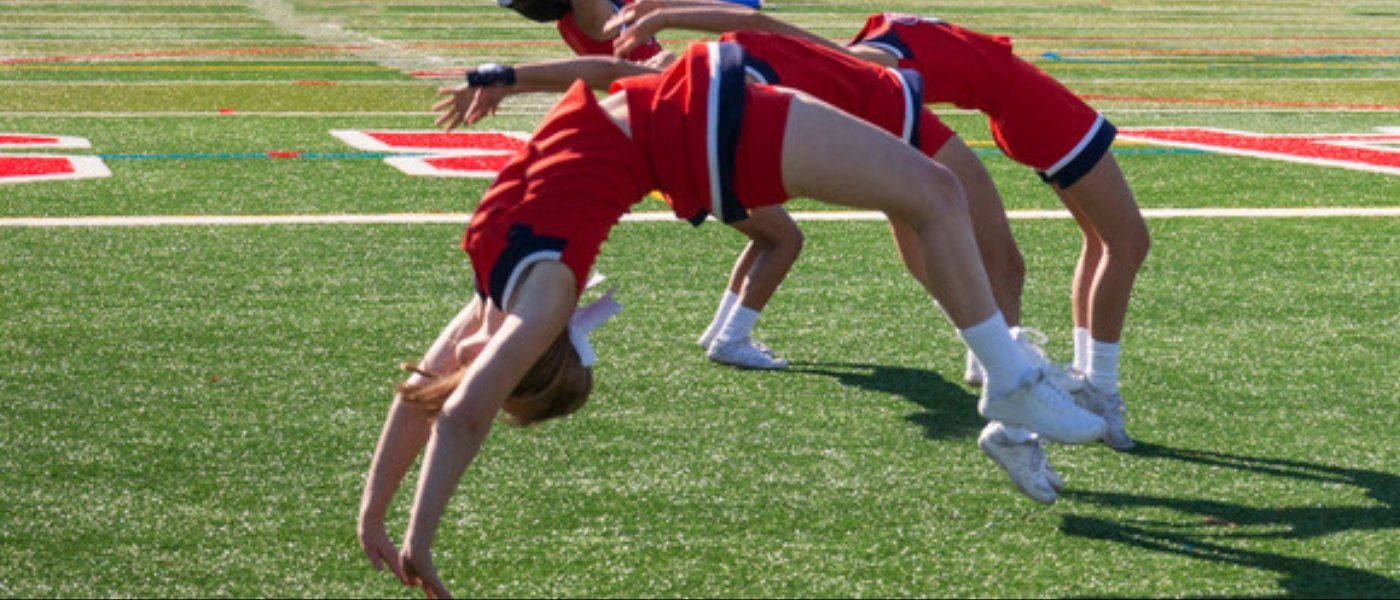
Wrist ligaments contain sensors that tell your brain where the joint is, which helps switch on the muscles that protect it. Retraining this system is a core part of rehab for wrist ligament injuries, especially partial SL injuries (Andersson, 2017; Wolff & Wolfe, 2016). Exercises may include:
- Joint position matching with your eyes closed
- Slow, controlled movements against a band or a light weight, with pauses at different angles
- Weight shifting through the hands on a table, then on the floor, then on an unstable surface
For SL ligament injuries, lab and cadaver research suggests some forearm muscles help hold the scaphoid and lunate together while others may add strain, so specific muscles such as the flexor carpi radialis are targeted (Salva-Coll et al., 2024; Andersson, 2017). The exact benefit of proprioception training is still being studied (Andersson, 2017), so it is one part of a broader program.
Phase 4: Return to Full Activity (Weeks 6 to 12+)
- Weight-bearing progressions: from wall push-ups to incline, then floor push-ups, planks, and yoga positions
- Sport-specific training: catching, tackling, swinging, climbing, or lifting
- Workplace advice for desk work, trades, and caregiving
- Re-testing grip strength and motion against the uninjured side before full return
Beyond Physiotherapy: Complementary Care for Wrist Sprain
Accurate diagnosis, protection, and progressive exercise form the core of wrist sprain care. Some patients also benefit from other services at our clinic to ease pain and stiffness. Research on these treatments for wrist sprains is very limited, so here is an honest summary of the evidence for each.
How Acupuncture and Dry Needling Can Help
Acupuncture and dry needling use fine needles to reduce pain and ease tight forearm muscles.
- What the evidence shows: we did not find trials of acupuncture or dry needling for wrist sprains. The closest evidence is indirect: a large analysis of 39 trials and over 20,000 patients found acupuncture helped chronic musculoskeletal pain, osteoarthritis, headache, and shoulder pain more than sham or no acupuncture (Vickers et al., 2018). It does not tell us how well needling works for a new wrist injury
- Where it fits: as an optional add-on for pain or forearm muscle tension once a fracture has been ruled out, alongside exercise
- Safety: generally very safe. Minor bruising or soreness at needle sites is the most common side effect. Needling is avoided over a suspected fracture or an area of active swelling
How Massage Therapy Can Help
Registered massage therapy focuses on the soft tissues of the forearm and hand.
- What the evidence shows: there are no published trials of massage for wrist sprains. A systematic review of 26 trials in other musculoskeletal conditions found massage gave short-term improvements in pain and function compared with no treatment in some conditions, but no clear advantage over other active treatments (Bervoets et al., 2015).
- Where it fits: for comfort and the forearm tightness that builds up when you guard an injured wrist, as a supportive add-on
- Safety: very safe once serious injury is ruled out. Deep pressure directly over a freshly injured ligament or a suspected fracture is avoided
How Chiropractic and Joint Manipulation Can Help
Chiropractic care for the wrist uses joint mobilization, and sometimes manipulation, of the wrist, forearm, and elbow, usually combined with exercise.
- What the evidence shows: we did not find trials of chiropractic care for wrist sprains. A systematic review of manual therapy for upper limb conditions found fair evidence for short-term benefit in conditions such as carpal tunnel syndrome and tennis elbow, mostly when combined with exercise (Korporaal et al., 2013). Joint mobilization is also recommended for stiffness after wrist fractures (Mehta et al., 2024). This is indirect evidence for sprains
- Where it fits: for a wrist or forearm that stays stiff after the ligament has healed enough to tolerate it
- Safety: forceful manipulation is not appropriate with a suspected scaphoid fracture, SL ligament tear, or other carpal instability, or in the early, painful stage. Gentle mobilization is used once serious injury is ruled out
Whichever combination you choose, these treatments share one purpose: easing pain and stiffness so you can keep progressing with the exercises that rebuild a strong, stable wrist.
When Is Surgery Considered?
Most wrist sprains never need surgery. Surgery is considered when imaging or arthroscopy shows a significant structural injury, for example:
- A displaced or unstable scaphoid fracture, or one that has not healed. Displacement is a major risk factor for nonunion, and a scaphoid that does not heal can gradually collapse and lead to wrist arthritis, so surgery is often recommended in these cases (Al-Jabri et al., 2014)
- A complete SL ligament tear. Acute complete tears are best repaired within 4 to 6 weeks of the injury, because the ligament can start to degenerate within a few weeks and become harder to repair. In one review, more than 70 percent of patients reported meaningful pain improvement after open repair in mid-term follow-up (Andersson, 2017). Partial tears are usually managed first with physiotherapy
This is why getting the diagnosis right early matters so much. If surgery is needed, our physiotherapists work closely with your surgeon and follow their protocol for protection and return to activity.
How Long Will It Take?
Recovery depends on what was injured, how badly, and what you need your wrist to do. There is very little published data on recovery times for simple wrist sprains, so we avoid promising a fixed date.
In our experience, mild sprains often feel much better within a few weeks, while moderate sprains can take a couple of months before full strength and confidence return. When an SL ligament injury or scaphoid fracture is involved, recovery is longer and depends on whether surgery is needed.
Prevention and Long-Term Management
- Keep your forearm and grip strong: continue a few wrist and grip exercises a couple of times a week
- Wear wrist guards for snowboarding, skateboarding, and inline skating
- Learn to fall: in sport, practise rolling rather than landing on a straight, locked arm
- Act early: if wrist pain, clicking, or weakness returns after a fall, get it checked rather than waiting it out
Frequently Asked Questions
My X-ray was normal. Does that mean it is just a sprain?
Not always. Scaphoid fractures and SL ligament tears can both be invisible on the first X-ray. Among people with a suspected scaphoid fracture and normal X-rays, about 1 in 5 are later found to have a real fracture (Mallee et al., 2015). If you still have tenderness on the thumb side of the wrist, follow-up imaging is often needed.
Should I wear a brace?
A brace can help with comfort and protection in the early days of a sprain, and a splint is important if a scaphoid fracture has not been ruled out. For a simple sprain, we usually wean you off the brace as motion and strength return, since long periods in a brace can leave the wrist stiff and weak.
When can I go back to the gym or my sport?
It depends on the injury and your sport. You should have near-normal grip strength and motion compared with the other side, and be able to bear weight through the hand comfortably, before full return.
What is a scapholunate ligament injury, and why does it matter?
It is a tear of the ligament that joins two key wrist bones, the scaphoid and the lunate. It is the most commonly injured wrist ligament (Andersson, 2017). If a complete tear is missed, the bones can gradually drift apart and wear out the joint over years. Early diagnosis gives you the most treatment options, including repair within the first few weeks if needed.
Can acupuncture, massage, or chiropractic replace exercise for a wrist sprain?
No. Correct diagnosis and progressive exercise are the foundation of recovery, and none of these treatments can heal a fracture or repair a torn ligament. Needling, massage, and joint mobilization are best used as short-term supports to ease pain and stiffness while you rebuild strength and control.
Why does my wrist still hurt months after a "sprain"?
Ongoing pain, clicking, or weakness months after a fall is not normal and should be reassessed. A missed scaphoid fracture, an SL ligament tear, or a TFCC injury are common reasons. Signs of SL instability may only show on special X-ray views months after the injury (Andersson, 2017).
Our Specialized Approach at Vaughan Physiotherapy Clinic
✓ Screening first: a careful check for scaphoid fractures and scapholunate ligament tears before we load your wrist
✓ Fast referral when needed: coordination with your physician or a hand specialist for imaging and surgical opinions
✓ Protection that fits: bracing, taping, and activity advice matched to your injury and your daily life
✓ Progressive strength and control: grip, wrist, forearm, and proprioception training to build a stable wrist
✓ Integrated care: physiotherapy, massage therapy, acupuncture, and chiropractic under one roof when they add value
✓ Return-to-sport testing: objective strength and motion checks before you get back to the gym, field, or ice
Take the First Step Toward a Strong, Stable Wrist
A wrist injury does not have to keep you out of the gym, off the field, or struggling at work. Our team at Vaughan Physiotherapy Clinic helps patients from Thornhill, Vaughan, North York, Richmond Hill, and surrounding communities recover from wrist sprains with careful screening and evidence-based, hands-on care.
Book your assessment today:
📞 Phone: 905-669-1221
📍 Location: 398 Steeles Ave W #201, Thornhill, ON L4J 6X3
🌐 Online Booking: www.vaughanphysiotherapy.com
References
Al-Jabri T, Mannan A, Giannoudis P. The use of the free vascularised bone graft for nonunion of the scaphoid: a systematic review. Journal of Orthopaedic Surgery and Research. 2014;9:21. doi:10.1186/1749-799X-9-21
Andersson JK. Treatment of scapholunate ligament injury: current concepts. EFORT Open Reviews. 2017;2(9):382-393. doi:10.1302/2058-5241.2.170016
Bervoets DC, Luijsterburg PAJ, Alessie JJN, Buijs MJ, Verhagen AP. Massage therapy has short-term benefits for people with common musculoskeletal disorders compared to no treatment: a systematic review. Journal of Physiotherapy. 2015;61(3):106-116. doi:10.1016/j.jphys.2015.05.018
Coventry L, Oldrini I, Dean B, Novak A, Duckworth A, Metcalfe D. Which clinical features best predict occult scaphoid fractures? A systematic review of diagnostic test accuracy studies. Emergency Medicine Journal. 2023;40(8):576-582. doi:10.1136/emermed-2023-213119
Korporaal C, Tong V, Pollard H, et al. Manipulative and multimodal therapy for upper extremity and temporomandibular disorders: a systematic review. Journal of Manipulative and Physiological Therapeutics. 2013;36(3):143-201. doi:10.1016/j.jmpt.2013.04.001
Mallee WH, Wang J, Poolman RW, et al. Computed tomography versus magnetic resonance imaging versus bone scintigraphy for clinically suspected scaphoid fractures in patients with negative plain radiographs. Cochrane Database of Systematic Reviews. 2015;(6):CD010023. doi:10.1002/14651858.CD010023.pub2
Mehta SP, Karagiannopoulos C, Pepin ME, et al. Distal radius fracture rehabilitation: clinical practice guidelines linked to the International Classification of Functioning, Disability, and Health. Journal of Orthopaedic & Sports Physical Therapy. 2024;54(9):CPG1-CPG78. doi:10.2519/jospt.2024.0301
Salva-Coll G, Lluch A, Esplugas M, et al. Scapholunate and lunotriquetral joint dynamic stabilizers and their role in wrist neuromuscular control and proprioception. Journal of Hand Therapy. 2024;37(2):273-281. doi:10.1016/j.jht.2023.09.011
Vickers AJ, Vertosick EA, Lewith G, et al. Acupuncture for chronic pain: update of an individual patient data meta-analysis. Journal of Pain. 2018;19(5):455-474. doi:10.1016/j.jpain.2017.11.005
Wolff AL, Wolfe SW. Rehabilitation for scapholunate injury: application of scientific and clinical evidence to practice. Journal of Hand Therapy. 2016;29(2). doi:10.1016/j.jht.2016.03.010
Disclaimer: This article is for educational purposes only and does not replace professional medical advice. Wrist pain after a fall can be caused by fractures, including scaphoid fractures that may not show on a first X-ray, and by ligament tears that need early specialist care. If you have injured your wrist, consult a qualified healthcare provider for diagnosis and treatment specific to your condition.