

Condition guide
Finger Joint Sprains or Ligamentous Injuries
A finger joint sprain is a stretch or tear of the ligaments that hold a finger or thumb joint together, often from a jammed or bent finger.
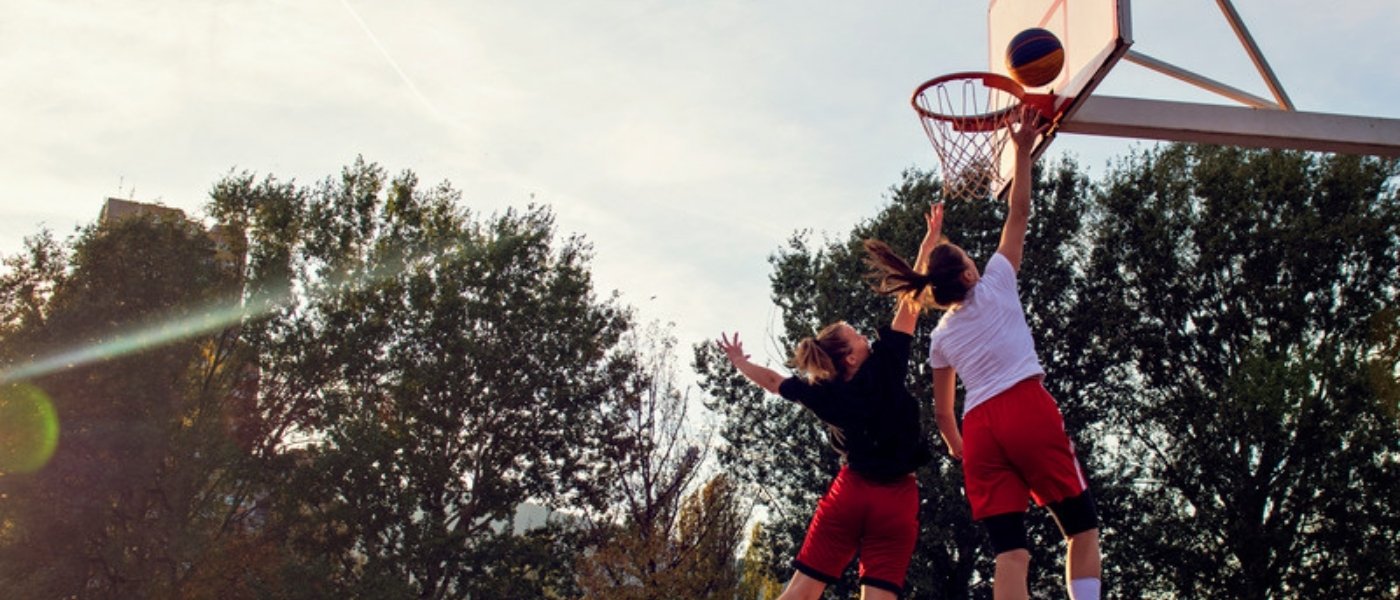
Did a ball catch the end of your finger, or did you land on an outstretched hand and bend a finger or thumb the wrong way? Is the joint now puffy, stiff, and sore every time you grip, type, or make a fist? If so, you may have sprained one of the small ligaments that hold your finger joints together.
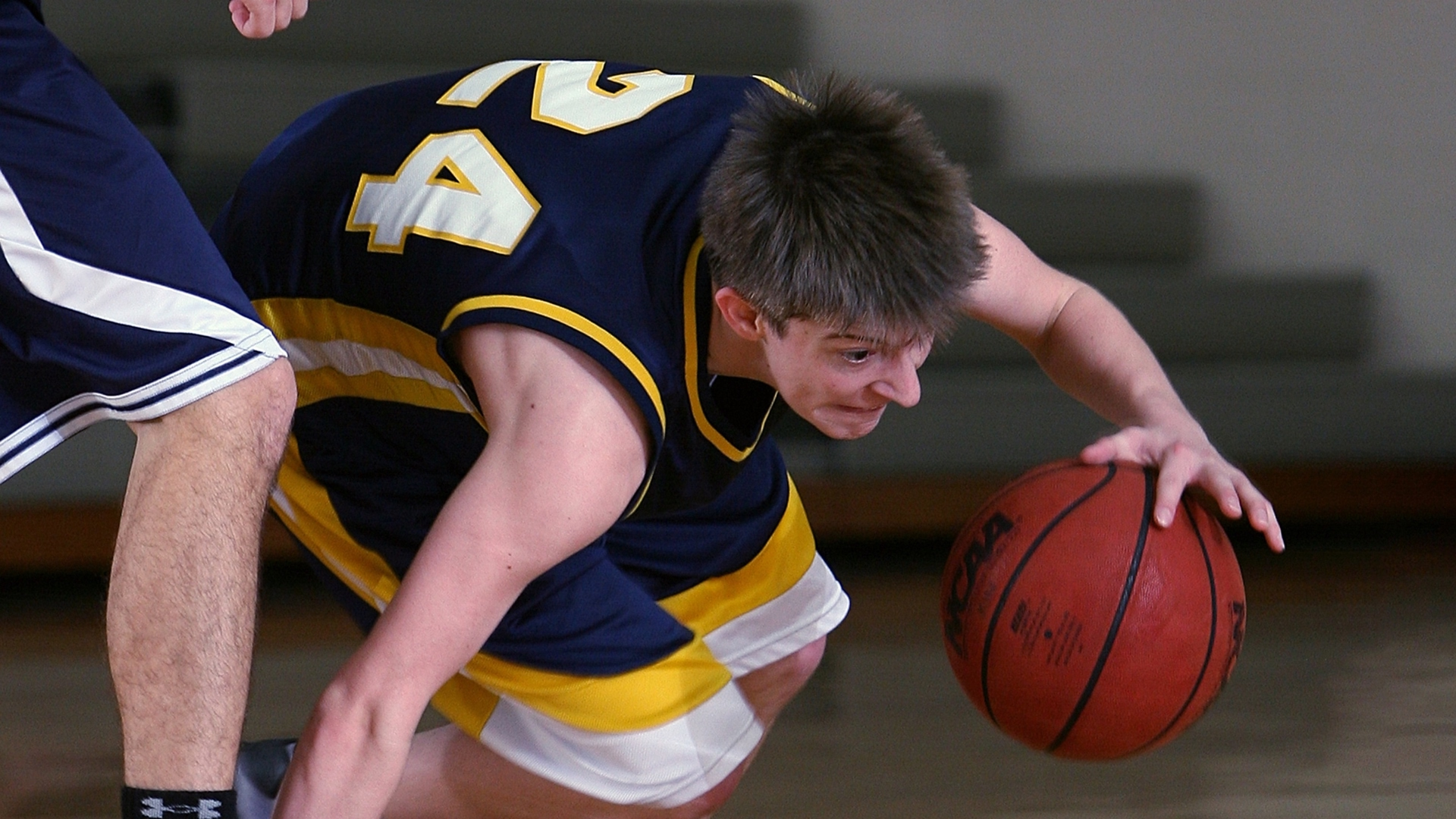
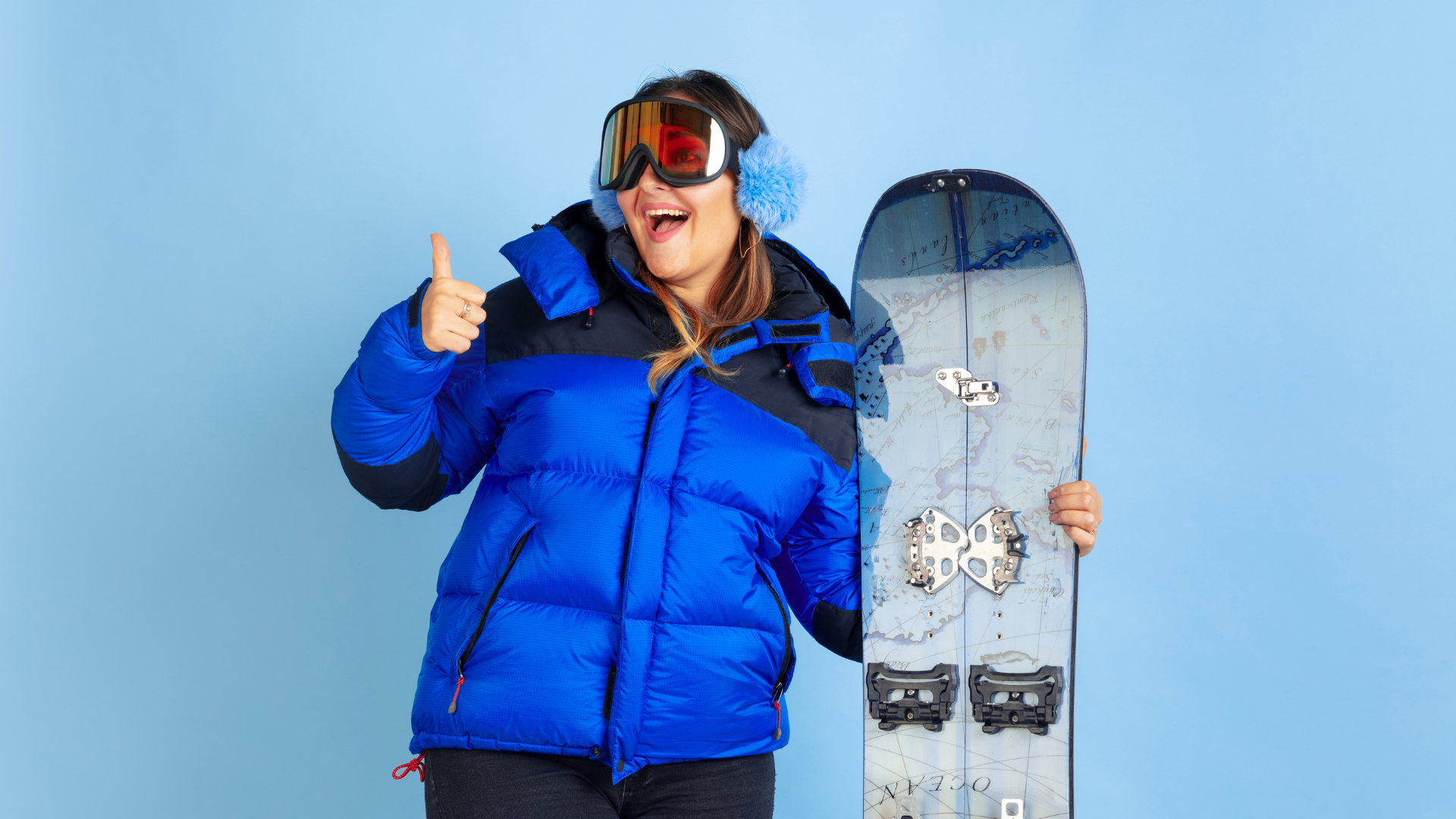
At Vaughan Physiotherapy Clinic, we assess and treat finger and thumb sprains for basketball, volleyball, and rugby players, climbers, skiers, and anyone who has jammed a finger at home or at work. The goal is not just to wait for the swelling to go down, but to protect the ligament while it heals, keep the joint from getting stiff, and rebuild your grip so the finger works properly again.
Here is what a finger joint sprain is, how to recognize one, what it can be confused with, and what the research says about treating it.
What Is a Finger Joint Sprain?
A sprain is a stretch or tear of a ligament, the tough band of tissue that holds two bones together at a joint. In the hand, sprains usually happen when a finger is forced backward, sideways, or jammed straight into the knuckle, which many people call a "jammed finger."
The middle knuckle of the finger, called the proximal interphalangeal (PIP) joint, is the single most common place for a finger injury in sport (Carruthers et al., 2016). The thumb is the other common site, where the ligament on the inside of the thumb knuckle is often injured in falls while skiing or by a ball hitting the thumb (Strelan & Crowley, 2022).
Types of Finger Ligament Injuries
Clinicians usually group these injuries by which structure is hurt and how stable the joint is (Carruthers et al., 2016; Strelan & Crowley, 2022):
- Collateral ligament sprain: a sideways force stretches or tears the ligament on one side of the joint. These are common in football and other ball sports, and the ligament on the thumb side of the index finger is one of the most frequently injured
- Volar plate injury: the finger is bent backward (hyperextended), injuring the thick plate of tissue on the palm side of the joint. A small flake of bone can sometimes pull off with it
- Dislocation: the joint is pushed fully out of place, which always means significant ligament damage, even after it has been put back in
- Thumb ulnar collateral ligament (UCL) injury: also called "skier's thumb" or "gamekeeper's thumb," caused by the thumb being forced away from the hand
Sprains are also graded by severity: grade 1 is a mild stretch, grade 2 is a partial tear, and grade 3 is a complete tear that leaves the joint loose or unstable.
Understanding the Anatomy
Each finger has three joints, and the thumb has two. The key structures are:
- PIP joint: the middle knuckle. It works like a hinge and normally bends from straight to about 110 degrees (Carruthers et al., 2016)
- DIP joint: the joint closest to the fingertip, which bends to about 80 degrees
- Collateral ligaments: one on each side of every finger joint. They stop the finger from bending sideways
- Volar plate: a thick pad of tissue on the palm side of the joint that stops the finger from bending backward
- Central slip: part of the tendon on the back of the finger that straightens the middle knuckle. If it is torn in a jamming injury, the finger can slowly bend into a "boutonnière" shape
Recognizing the Symptoms
Most finger sprains happen in a single moment, such as catching a ball or a fall. Common symptoms include:
- Pain and tenderness on one side of the joint, or on the palm side of the knuckle
- Swelling that makes the joint look thick or spindle-shaped
- Bruising around the knuckle in the first few days
- Stiffness, especially trouble making a full fist or fully straightening the finger
- Weak or painful grip, such as when opening jars, holding a phone, or catching
- For thumb injuries, pain and weakness when pinching, such as turning a key or holding a pen
- In more severe injuries, a feeling that the joint is loose or gives way
What Makes It Worse?
- Another hit to the same finger: playing ball sports without protection while the ligament is still healing
- Gripping and pinching: heavy lifting, climbing holds, or tools that load the injured joint
- Sideways or backward stress: movements that stretch the injured ligament, such as pushing off a surface with the fingers bent back
- Leaving it completely still for too long: long periods in a splint can lead to a stiff joint (Carruthers et al., 2016)
- Ignoring it: an untreated ligament or tendon injury can lead to ongoing pain, a loose joint, or a bent finger (Carruthers et al., 2016)
What Else Could It Be?
A "jammed finger" can hide several injuries that need very different treatment. Part of our assessment is ruling these in or out (Carruthers et al., 2016):
- Fracture: a break in one of the finger bones, including small chips pulled off by a ligament. X-rays are needed if a fracture is possible
- Mallet finger: the fingertip droops and you cannot actively straighten it, because the tendon at the end of the finger has torn
- Central slip injury: you cannot fully straighten the middle knuckle. Left untreated, it can turn into a boutonnière deformity within as little as two to three weeks
- Jersey finger: you cannot bend the fingertip, usually the ring finger, after it is pulled while grabbing a jersey. This is a tendon tear that needs early surgical review
- Pulley injury: common in climbers, causing pain on the palm side of the finger and sometimes a "bowstringing" tendon
- Stener lesion of the thumb: a complete thumb ligament tear where the ligament gets trapped and cannot heal on its own (Strelan & Crowley, 2022)
- Arthritis or gout: a swollen, painful knuckle without a clear injury
When to See a Doctor First
See your physician promptly, or go to urgent care, if you have:
- A finger that looks bent, crooked, or rotated, or a joint that is still out of place
- A joint that feels loose or unstable, or a thumb that wobbles when you pinch
- Inability to straighten or bend the fingertip or the middle knuckle
- A finger that is numb, cold, pale, or blue
- An open cut over the joint, or a joint that becomes hot, red, and increasingly swollen days after the injury, which may signal infection
- Severe swelling and bruising or pain that is not improving after a few days, which may mean a fracture
Our physiotherapists screen for these signs at your first visit and will coordinate with your physician if X-rays, ultrasound, or a surgical opinion is needed.
Related reading: You may also find our guides to thumb sprain, jersey finger and jammed fingers and other basketball finger injuries helpful.
Why Physiotherapy Is Essential
Most finger sprains heal without surgery. The challenge is getting the balance right: a healing ligament needs protection, but a finger joint that is held still for too long can become stiff, and that stiffness is often harder to fix than the original sprain. Long periods in a splint are a common cause of stiffness after finger injuries (Carruthers et al., 2016).
Research supports conservative care as the first choice for most finger ligament injuries. In a randomized trial of 83 people with unstable volar plate injuries of the middle knuckle, surgery gave no better stability, movement, or pain relief at 12 months than a short period of splinting and buddy taping, and over a third of the surgical group had complications (Werlinrud et al., 2013). A 2026 scoping review of 14 studies also found that conservative treatment, including splints and early movement, appears effective for these injuries, although approaches vary widely between clinics (Delaney et al., 2026).
Physiotherapy addresses the main parts of recovery:
- Protecting the ligament: the right splint or buddy taping, for the right length of time
- Keeping the joint moving: safe, early exercises to prevent stiffness
- Controlling swelling: so the finger can bend fully and feel normal again
- Rebuilding grip and pinch strength: so you can return to sport, work, and daily tasks with confidence
Your Treatment Plan at Vaughan Physiotherapy Clinic
Phase 1: Assessment and Protection (Week 1)
Your first visit focuses on what was injured and how stable the joint is. Stability, more than pain, decides how the injury should be managed (Carruthers et al., 2016; Strelan & Crowley, 2022). A full assessment includes:
- History: how the injury happened, whether it dislocated, and what you need your hand for
- Hands-on examination: pressing along each side of the joint and the palm side to find the injured structure
- Ligament stress tests: gently testing the joint sideways, with the finger slightly bent and then straight. Opening of more than about 10 degrees suggests a ligament injury (Carruthers et al., 2016)
- Tendon checks: making sure you can fully straighten and bend each joint on your own, to rule out mallet finger, jersey finger, and central slip injuries
- Thumb testing: for thumb injuries, comparing the looseness of the injured thumb to the other side. A thumb that opens more than 30 degrees, or about 15 degrees more than the uninjured thumb, points to a complete tear (Strelan & Crowley, 2022)
If a fracture, dislocation, or complete tear is possible, we will recommend X-rays and, when needed, an ultrasound or MRI and a hand surgeon's opinion. Three standard X-ray views are usually the first test (Carruthers et al., 2016).
Early care usually includes:
- Relative rest: avoiding heavy gripping and anything that stresses the injured side of the joint
- Swelling control: elevation, gentle compression wraps, and cold packs in the first days
- Protection: buddy taping or a splint, chosen based on which structure is injured and how stable the joint is
Phase 2: Protected Movement (Weeks 1 to 3)
Buddy taping and splinting
Buddy taping means taping the injured finger to the finger next to it, so the healthy finger acts as a moving splint. It lets the joint bend and straighten while blocking the sideways or backward forces that stress the healing ligament. Stable injuries can often be buddy taped, and many athletes can keep playing with protection (Carruthers et al., 2016).
How long and how strictly to protect a finger sprain is less certain than many people expect:
- A Cochrane review of three trials (366 people) with hyperextension sprains of the middle knuckle found no clear differences in pain, movement, or poor outcomes at six months between free movement, protected movement with a double-finger bandage, and splinting. One week of immobilisation did as well as three weeks, and longer immobilisation meant more time off work (Chalmer et al., 2013)
- The same review rated the evidence as very low quality, so it cannot tell us exactly which approach is best (Chalmer et al., 2013)
- For volar plate injuries that are stable, early movement is recommended, with range of motion exercises often starting about one week after injury (Carruthers et al., 2016)
- For collateral ligament injuries, a protective splint for about three weeks is commonly used, and a splint after a dislocation generally should not stay on longer than three weeks because of the risk of stiffness (Carruthers et al., 2016)
Thumb ligament injuries
Thumb UCL sprains need longer protection, because a stable thumb is essential for pinching and gripping. Mild sprains often need about a month in a thumb splint, while partial tears are usually splinted full time for about six weeks, with mobilisation and strengthening starting around six to eight weeks (Strelan & Crowley, 2022). Your physiotherapist can fit a custom or off-the-shelf thumb splint and adjust it as you heal.
Early exercises
- Gentle active bending and straightening of the injured joint, within comfort
- Blocking exercises, where you hold the finger above the joint and bend only that joint
- Tendon gliding exercises, moving through a series of fist positions to keep the tendons sliding freely
Phase 3: Restoring Motion and Strength (Weeks 3 to 8)
Managing stubborn swelling
A thick, puffy knuckle is one of the most common complaints after a finger sprain, and it can make the finger feel stiff long after the ligament has settled. Options include compression sleeves or wraps, elevation, and movement. A systematic review of ten studies found low to moderate quality evidence supporting manual oedema mobilisation, a gentle massage technique that moves swelling out of the hand, when it is added to usual therapy for swelling that is excessive or not responding. The authors did not recommend it as a routine treatment for everyone (Miller et al., 2017).
Restoring full movement
- Progressive active and assisted stretches to regain a full fist and a fully straight finger
- Gentle joint mobilisation by your physiotherapist for a joint that is stiff but stable
- Splints or stretching positions for a finger that will not fully straighten, when needed
Grip and pinch strengthening
- Therapy putty squeezes and finger presses
- Pinch exercises with putty or clothespins, especially after thumb injuries
- Wrist and forearm strengthening to support the whole hand
We keep testing joint stability throughout. A thumb or finger that stays loose despite good care may need a surgical opinion (Strelan & Crowley, 2022).
Phase 4: Return to Sport and Work (Weeks 4 to 12+)
- Graded return to sport: catching, ball handling, and contact drills built up step by step, with buddy taping or a splint during play as needed
- Protection from hyperextension: after a volar plate injury, contact athletes are usually advised to avoid forces that bend the finger backward for about the first six weeks (Carruthers et al., 2016)
- Workplace advice: tool use and lifting strategies while grip returns
Beyond Physiotherapy: Complementary Care for Finger Joint Sprains
Correct protection, early movement, and strengthening form the core of finger sprain care. Some patients also use other services at our clinic to ease pain, swelling, or stiffness. There is very little research on these treatments for finger sprains, so here is an honest summary.
How Acupuncture and Dry Needling Can Help
Acupuncture and dry needling use fine needles to reduce pain and ease tight, tender muscles.
- What the evidence shows: we did not find any trials of acupuncture or dry needling for finger or thumb sprains. The closest evidence comes from ankle sprains, where a Cochrane review of 20 studies with 2,012 adults found that the research was too weak and inconsistent to reliably show whether acupuncture works (Kim et al., 2014)
- Where it fits: as an optional add-on for pain or tension in the forearm and hand muscles, not as a treatment for the ligament itself
- Safety: generally very safe. Needling is avoided directly over a freshly injured, swollen joint or broken skin
How Massage Therapy Can Help
Registered massage therapy focuses on the soft tissues of the hand, forearm, and arm.
- What the evidence shows: there are no published trials of massage for finger sprains. Indirect evidence from hand swelling after injury or surgery suggests that a gentle, specialized massage technique for swelling may help when swelling is not settling with usual care (Miller et al., 2017)
- Where it fits: for stubborn swelling, forearm tightness from guarding the hand, or general comfort, alongside your exercise program
- Safety: very safe when the joint is stable. Deep pressure over a fresh sprain or a suspected fracture should be avoided
How Chiropractic and Joint Manipulation Can Help
Chiropractic care for the hand uses gentle joint mobilisation of the finger, thumb, and wrist joints.
- What the evidence shows: we did not find any trials of chiropractic adjustment or manipulation for finger sprains. The closest evidence comes from wrist fracture rehabilitation, where a Cochrane review found very low quality evidence that passive joint mobilisation made no clinically important difference compared with no added treatment (Handoll & Elliott, 2015)
- Where it fits: gentle, graded mobilisation may help a joint that is stiff but fully stable, combined with active exercise
- Safety: forceful manipulation is not appropriate for a recently sprained, loose, or possibly fractured finger joint, because it can stress a healing ligament
Whichever combination you and your clinician choose, these treatments share one purpose: making it easier to keep moving and strengthening the hand while the ligament heals.
When Is Surgery Considered?
Most finger sprains do not need surgery. A surgical opinion is considered when (Carruthers et al., 2016; Strelan & Crowley, 2022):
- A bone fragment pulled off with the volar plate involves a large part of the joint surface, generally more than about 40 percent, and leaves the joint unstable
- A dislocation cannot be put back into place, or soft tissue is trapped in the joint
- There is a Stener lesion of the thumb, where the torn ligament is trapped and will not heal without surgery
- A joint remains unstable after a proper trial of conservative care
- There is an associated tendon tear, such as jersey finger, or a large central slip avulsion
For an isolated volar plate injury of the middle knuckle, a randomized trial found surgery did not improve results compared with splinting and buddy taping, and it carried a higher complication rate (Werlinrud et al., 2013). If surgery is needed, our physiotherapists follow your surgeon's protocol for protection and rehabilitation.
How Long Will It Take?
Recovery depends on which structure is injured, how severe the sprain is, and what you need your hand to do. In one small trial included in a Cochrane review, everyone with a middle knuckle sprain returned to their usual job within two to three weeks, whether they were splinted or buddy taped (Chalmer et al., 2013). Thumb UCL sprains take longer, with splinting often lasting four to six weeks before strengthening begins (Strelan & Crowley, 2022).
Pain usually settles well before the joint looks and feels normal. In our experience, some thickening around the knuckle and mild end-range stiffness can linger for several months, even when the finger works well. We will give you a timeline based on your own injury.
Prevention and Long-Term Management
- Practise catching technique: catch with soft hands and fingers pointing up or down, not straight at the ball
- Buddy tape during return to sport for a period after a sprain, especially in ball and contact sports
- Use the right gear: gloves where your sport allows, and correct pole grips for skiing
- Keep your grip strong: continue putty, pinch, and wrist exercises a few times a week
- Do not ignore a jammed finger: a joint that stays swollen, bent, or loose should be checked early, since some injuries get harder to treat with time
- Keep moving it: once the joint is stable, regular full fists and full straightening help prevent long-term stiffness
Frequently Asked Questions
Is a jammed finger serious?
Usually not, and most heal well with conservative care. But a jammed finger can also hide a fracture, dislocation, tendon tear, or complete ligament tear. If the finger looks crooked, feels loose, or you cannot fully bend or straighten any joint, get it checked promptly.
Do I need an X-ray?
Often, yes. If there is a lot of swelling or bruising, the finger was dislocated, or the joint feels unstable, X-rays help rule out a fracture or a bone fragment pulled off by a ligament (Carruthers et al., 2016).
Should I buddy tape or wear a splint?
It depends on the injury. Stable sprains are often buddy taped, while unstable joints and thumb UCL sprains need a proper splint (Carruthers et al., 2016; Strelan & Crowley, 2022). Research has not shown one method to be clearly better for the common middle knuckle sprain (Chalmer et al., 2013).
Can I keep playing sport?
Many athletes with a stable sprain can keep playing with buddy taping or a splint (Carruthers et al., 2016). A dislocation, an unstable joint, or a thumb ligament injury usually needs a period of protection first. We will help you return safely without risking a repeat injury.
What is skier's thumb?
Skier's thumb is a sprain or tear of the ligament on the inside of the thumb knuckle, often from falling onto a ski pole or being hit by a ball. Most heal with a thumb splint, but a complete tear with a Stener lesion needs surgery, so a careful assessment is important (Strelan & Crowley, 2022).
Can acupuncture, massage, or chiropractic replace splinting and exercise?
No. Protecting the ligament, keeping the joint moving, and rebuilding strength are the foundation of recovery. Needling, massage, and joint mobilisation have little or no direct research for finger sprains and are best used as short-term supports to ease pain, swelling, or stiffness while you rehab.
Our Specialized Approach at Vaughan Physiotherapy Clinic
Thorough hand assessment: we test ligaments, tendons, and joint stability so nothing serious is missed
Right-fit protection: buddy taping, finger splints, and thumb splints fitted and adjusted in clinic
Early, safe movement: exercises that protect the healing ligament while preventing a stiff finger
Swelling management: compression, elevation, and hands-on techniques for stubborn swelling
Integrated care: physiotherapy, massage therapy, acupuncture, and chiropractic under one roof when they add value
Safety first: screening for fractures, dislocations, tendon tears, and unstable joints, with physician or hand surgeon referral when needed
Take the First Step Toward a Strong, Pain-Free Grip
A jammed finger or sprained thumb does not have to linger for months or leave you with a stiff, swollen knuckle. Our team at Vaughan Physiotherapy Clinic helps patients from Thornhill, Vaughan, North York, Richmond Hill, and surrounding communities get back to sport, work, and everyday tasks with evidence-based, hands-on care.
Book your assessment today:
Phone: 905-669-1221
Location: 398 Steeles Ave W #201, Thornhill, ON L4J 6X3
Online Booking: www.vaughanphysiotherapy.com
References
Carruthers KH, Skie M, Jain M. Jam injuries of the finger: diagnosis and management of injuries to the interphalangeal joints across multiple sports and levels of experience. Sports Health. 2016;8(5):469-478. doi:10.1177/1941738116658643
Chalmer J, Blakeway M, Adams Z, Milan SJ. Conservative interventions for treating hyperextension injuries of the proximal interphalangeal joints of the fingers. Cochrane Database of Systematic Reviews. 2013;(2):CD009030. doi:10.1002/14651858.CD009030.pub2
Delaney K, Gleeson D, Lloyd B. A scoping review of conservative treatment approaches for volar plate injuries of the proximal interphalangeal joints in an acute health care setting. International Journal of Orthopaedic and Trauma Nursing. 2026;61:101284. doi:10.1016/j.ijotn.2026.101284
Handoll HHG, Elliott J. Rehabilitation for distal radial fractures in adults. Cochrane Database of Systematic Reviews. 2015;(9):CD003324. doi:10.1002/14651858.CD003324.pub3
Kim TH, Lee MS, Kim KH, Kang JW, Choi TY, Ernst E. Acupuncture for treating acute ankle sprains in adults. Cochrane Database of Systematic Reviews. 2014;(6):CD009065. doi:10.1002/14651858.CD009065.pub2
Miller LK, Jerosch-Herold C, Shepstone L. Effectiveness of edema management techniques for subacute hand edema: a systematic review. Journal of Hand Therapy. 2017;30(4):432-446. doi:10.1016/j.jht.2017.05.011
Strelan V, Crowley R. Doctor, why does my thumb hurt? Australian Journal of General Practice. 2022;51(7). doi:10.31128/AJGP-10-21-6207
Werlinrud JC, Petersen K, Lauritsen J, Larsen S, Schrøder H. A prospective randomized study of conservative versus surgical treatment of unstable palmar plate disruption in the proximal interphalangeal finger joint. Strategies in Trauma and Limb Reconstruction. 2013;8(1):21-24. doi:10.1007/s11751-013-0154-y
Disclaimer: This article is for educational purposes only and does not replace professional medical advice. A jammed or sprained finger or thumb can hide fractures, dislocations, tendon tears, and complete ligament tears that need prompt medical or surgical care. Always consult a qualified healthcare provider for diagnosis and treatment specific to your injury.