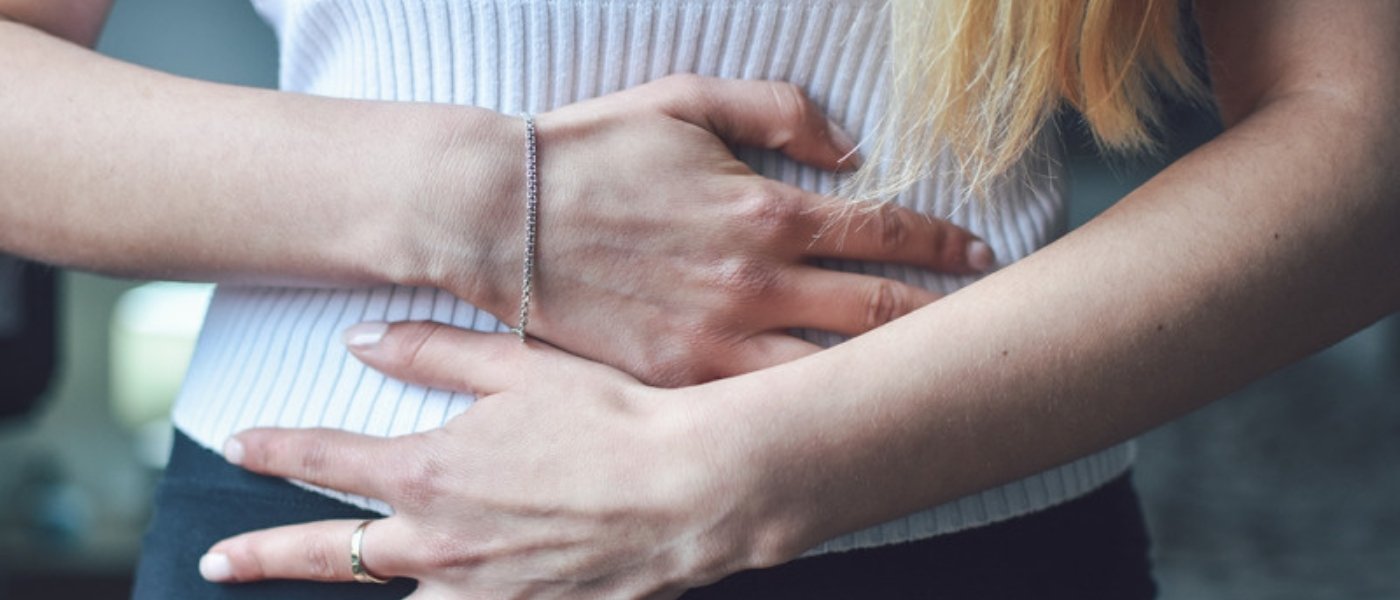
Person holding their lower abdomen with both hands

Inguinal Hernia

An inguinal hernia is a bulge in the groin where tissue or bowel pushes through a weak spot in the lower abdominal wall.
Have you noticed a soft bulge in your groin that shows up when you stand, cough, or lift, and seems to disappear when you lie down? Does your groin feel heavy, achy, or like something is pulling by the end of the day? These are common signs of an inguinal hernia, one of the most frequent reasons adults see a surgeon.

At Vaughan Physiotherapy Clinic, we see people with groin pain every week, from weekend athletes to people who lift for a living. An inguinal hernia is a medical and surgical condition, so diagnosis and repair decisions belong with your family doctor and surgeon. Our role is supportive: helping sort out whether groin pain is more likely muscular, joint-related, or a possible hernia that needs a medical review, and then helping you stay active before surgery and recover well afterward.

Here is what an inguinal hernia is, how to recognize it, the emergency warning signs everyone should know, and what the research says about physiotherapy's place in your care.

What Is an Inguinal Hernia?

An inguinal hernia happens when fatty tissue or a loop of bowel pushes through a weak spot in the lower abdominal wall, in the groin area just above the crease of the thigh. The result is a bulge that is often easier to see or feel when you are upright or straining.

Groin hernias are very common. About 27% of men and 3% of women will develop one in their lifetime, and about 96% of groin hernias are inguinal. The other 4% are femoral hernias, which sit slightly lower and behave differently (Shakil et al., 2020). Repair of a groin hernia is one of the most common operations in the world, with more than 20 million done each year (van Veenendaal et al., 2018).

Types of Groin Hernia

Doctors describe groin hernias by where they push through (Shakil et al., 2020):

  • Indirect inguinal hernia: pushes through the deep opening of the inguinal canal and follows the path of the spermatic cord. In men it can extend down into the scrotum
  • Direct inguinal hernia: pushes straight forward through a weak area in the back wall of the inguinal canal. It tends to be rounder and usually does not enter the scrotum
  • Femoral hernia: pushes through below the inguinal ligament, into the upper thigh. It is less common but carries a higher risk of becoming trapped, and it is more likely in women (HerniaSurge Group, 2018; Shakil et al., 2020)

Understanding the Anatomy

The inguinal canal is a short passage through the lower abdominal wall. In men it carries the spermatic cord to the testicle, and in women it carries a small ligament that supports the uterus. Because it is a natural passage, it is a natural weak point. Key structures include:

  • Abdominal wall muscles: the layers of the oblique and transversus abdominis muscles that form the walls of the canal
  • Inguinal ligament: the band running from the front of the pelvis to the pubic bone, forming the floor of the canal
  • Hesselbach's triangle: an area of the inner groin where direct hernias push through (Shakil et al., 2020)
  • Nerves of the groin: small sensory nerves run through this area, which is one reason groin pain can be burning or spread into the inner thigh or genitals

Factors linked to inguinal hernia include male sex, older age, a family history of hernia, connective tissue disorders, and previous prostate surgery. Chronic cough, chronic constipation and heavy lifting may also play a part, though the evidence for these is weaker (HerniaSurge Group, 2018).

Recognizing the Symptoms

Symptoms vary a lot. Up to one in three people with an inguinal hernia have no symptoms at all (Shakil et al., 2020). When symptoms are present, they often include:

  • A bulge in the groin or scrotum that grows over time
  • A bulge that appears when standing, coughing or straining and shrinks or disappears when lying down
  • A dull ache, heaviness, pulling, or burning feeling in the groin
  • Discomfort that builds through the day or after lifting, long periods of standing, or sport
  • In women, groin pain may be the main symptom, because a visible bulge is often absent (Shakil et al., 2020)

Important: a hernia that becomes suddenly very painful, firm, and will not go back in can be a surgical emergency. See the warning signs at the end of this page.

What Makes It Worse?

  • Straining: heavy lifting, coughing, sneezing, and straining on the toilet all raise pressure inside the abdomen (Shakil et al., 2020)
  • Long periods upright: standing or walking for hours, especially later in the day
  • High-effort sport: sprinting, kicking, and sudden changes of direction
  • Ongoing cough or constipation: repeated pressure that may add to symptoms over time (HerniaSurge Group, 2018)

What Else Could It Be?

Many problems cause pain in the groin, and some cause a groin lump. A medical exam is the main way an inguinal hernia is diagnosed, with ultrasound added when the picture is unclear (HerniaSurge Group, 2018). Conditions that can look similar include (Shakil et al., 2020; Weir et al., 2015):

  • Adductor-related groin pain: tenderness of the inner thigh muscles and pain when squeezing the knees together. Very common in sport
  • Inguinal-related groin pain (often called "sports hernia" or athletic pubalgia): pain and tenderness over the inguinal canal in an athlete, with no actual hernia that can be felt. Experts now advise against the term "sports hernia" because it is misleading (Weir et al., 2015)
  • Iliopsoas-related groin pain: pain from the deep hip flexor muscle at the front of the hip
  • Pubic-related groin pain: tenderness over the pubic bone where the two sides of the pelvis meet
  • Hip joint problems: hip impingement, labral tears, or hip arthritis often cause deep groin pain
  • Femoral hernia: a lump just below the groin crease, more common in women
  • Other lumps: swollen lymph nodes, a fatty lump (lipoma), a hydrocele or varicocele in the scrotum
  • Abdominal, urinary, or testicular causes: such as appendicitis, kidney stones, or testicular problems

When to See a Doctor First

Call 911 or go to the nearest emergency department right away if you have a groin bulge with any of the following. These can mean the hernia is trapped (incarcerated) or its blood supply is cut off (strangulated), which needs urgent surgery (Ansari, 2024; Shakil et al., 2020):

  • A bulge that will not go back in when you lie down, and is firm or tender
  • Sudden, severe, or steadily worsening pain at the hernia
  • Nausea or vomiting
  • Red, dark, or discoloured skin over the bulge
  • A swollen, bloated belly, or being unable to pass gas or have a bowel movement, which can mean the bowel is blocked
  • Tenderness spreading across the belly, or a belly that is rigid and painful to touch

Do not try to force a hard, painful bulge back in yourself. Emergency hernia surgery carries much higher risks than a planned repair (HerniaSurge Group, 2018), so getting help quickly matters.

See your family doctor soon (not urgently) if you have:

  • Any new groin or scrotal lump, even if it is painless
  • A groin lump if you are a woman, since femoral hernias are more common in women and carry a higher risk of complications (HerniaSurge Group, 2018)
  • A sudden swelling or pain in the testicle
  • Groin pain with unexplained weight loss, night sweats, or swollen glands elsewhere

Our physiotherapists screen for these signs at your first visit. If anything suggests a hernia, we will refer you to your physician for diagnosis rather than treating it as a muscle strain.

Related reading: You may also find our guides to athletic pubalgia (sports hernia), groin or adductor strain and hip flexor strain helpful.

Start Your Journey to 

‍Better Health Today

Recover faster, move better, and feel stronger with expert physiotherapy. Our team is here to guide you every step of the way.

Why Physiotherapy Is Essential

Let us be clear from the start: physiotherapy and exercise do not close or repair a hernia. An inguinal hernia is a gap in the abdominal wall, and no amount of core training will seal it. When a hernia causes pain, the standard treatment is surgical repair (van Veenendaal et al., 2018), and decisions about whether and when to operate belong with your physician and surgeon.

So where does physiotherapy fit? A hernia is only one of many causes of groin pain (Weir et al., 2015), and physiotherapy plays a supportive role at three points:

  • Sorting out the cause: many people with groin pain have a muscle, tendon, or hip problem, and some "groin strains" turn out to be hernias. A careful assessment gets you to the right professional faster
  • Staying active while you wait: if you and your doctor choose watchful waiting, or you are on a surgical wait list, we help you keep moving and stay strong without aggravating symptoms
  • Recovering after repair: following your surgeon's instructions, we help you build confidence, rebuild strength, and return to work, the gym, and sport in a planned way

Your Treatment Plan at Vaughan Physiotherapy Clinic

Phase 1: Assessment and Screening

Your first visit focuses on understanding your groin pain and making sure nothing urgent is missed. A full assessment includes:

  • History: when the pain started, any bulge you have noticed, and your work and sport demands
  • Red flag screening: checking for signs of a trapped or strangulated hernia, testicular problems, or other medical causes that need same-day medical care (Ansari, 2024)
  • Groin pain examination: we use the internationally agreed framework for groin pain, which sorts pain into adductor-related, iliopsoas-related, inguinal-related, pubic-related, and hip-related groups based on where you are tender and which tests reproduce your pain (Weir et al., 2015)
  • Strength and movement testing: hip, trunk and adductor strength, and how you move during the tasks that bother you

If we find a bulge, or your symptoms point toward a possible hernia, we will refer you to your family doctor. A medical examination is the standard way to diagnose an inguinal hernia, with ultrasound used when the diagnosis is unclear (HerniaSurge Group, 2018).

Phase 2: Staying Active Before Surgery or During Watchful Waiting

Not every hernia needs an operation right away. For men with no symptoms or only mild symptoms, watchful waiting is a recognized option. In a large trial of 720 men, waiting was safe in the short term, and serious hernia complications were rare, at about 1.8 per 1,000 patient-years (Fitzgibbons et al., 2006). Over the longer term, though, many men end up choosing surgery, mainly because pain develops: about half of men in one trial had crossed over to surgery by about 7 years (HerniaSurge Group, 2018). Watchful waiting is generally not advised for women, because of the higher chance of a femoral hernia (Shakil et al., 2020).

While you wait, physiotherapy aims to keep you fit and confident, not to fix the hernia. This may include:

  • Activity planning: keeping you exercising at a level that does not provoke pain, and modifying the tasks that do
  • Lifting technique: keeping loads close, breathing out during effort, and avoiding sudden heavy strain
  • General conditioning: walking, cycling, and strength work for the legs and upper body to keep your fitness up before surgery
  • Knowing your warning signs: making sure you know exactly when to go to the emergency department

Research on exercise before hernia surgery is very limited. A small Canadian pilot trial found that a pre- and post-operative exercise and education program was feasible to run, and that most people waiting for repair could already lift and move well. That study was designed to test the methods, not whether the program improves recovery (Shologan, 2023).

Phase 3: Early Recovery After Repair

Your surgeon's instructions come first, since your surgeon knows exactly what was done. Within that framework, the research is reassuring about early activity.

  • International guidelines recommend that people return to normal activities as soon as they feel comfortable, without fixed restrictions (HerniaSurge Group, 2018)
  • Most people feel comfortable within 1 to 2 weeks (van Veenendaal et al., 2018), and many people resume normal activity within 3 to 5 days of a laparoscopic repair (Shakil et al., 2020)
  • The old advice of 4 to 6 weeks of rest is not supported by evidence, and early activity does not appear to increase the chance of the hernia coming back (Shakil et al., 2020)
  • A review of the research found no link between activity after surgery and recurrence, and concluded that pain is the sensible guide to how much you do (Buhck et al., 2012)

Early walking and gentle core activation

Person walking across a crosswalk, seen from the waist down
Short, frequent walks are usually one of the first steps back to activity after hernia repair, along with gentle breathing and core activation.

Once your surgeon has cleared you, early rehab is simple and gentle. It may include:

  • Short, frequent walks, building up the distance each day
  • Relaxed breathing and gentle abdominal activation lying on your back, without holding your breath
  • Gentle hip and back mobility, such as knee rolls and pelvic tilts, within comfort
  • Supporting the area with a hand or small pillow when you cough or sneeze

Phase 4: Rebuilding Strength and Returning to Work and Sport

As soreness settles, we gradually build the strength and tolerance you need for your job and your sport, always within your surgeon's guidance:

  • Progressive core and hip strengthening: bridges, side-lying hip work, and plank variations, progressed as tolerated
  • Adductor strengthening: especially for kicking and change-of-direction sports
  • Graded lifting: building from light to heavier loads with good breathing and technique, guided by comfort
  • Running and agility progressions: straight-line jogging first, then cutting and kicking
  • Work-specific training: practising the lifting and carrying your job demands

For athletes with groin pain but no actual hernia (inguinal-related groin pain), the research picture is different. A systematic review found moderate evidence that surgery gave better results than conservative care for this type of pain, but also found that the overall quality of studies in this area is low (Serner et al., 2015). We start with a structured rehab program and work with sports physicians and surgeons if progress stalls.

Beyond Physiotherapy: Complementary Care for Inguinal Hernia

No complementary therapy can repair a hernia, and none should delay a medical assessment. Some services at our clinic may help with comfort and muscle tension around the hip and groin, especially during recovery. Here is an honest summary of what the evidence does and does not show.

How Acupuncture and Dry Needling Can Help

Acupuncture and dry needling use fine needles to help reduce pain and ease tight, tender muscles.

  • What the evidence shows: a small randomized trial of 54 people having open mesh hernia repair found that electroacupuncture around the time of surgery lowered pain scores and anxiety in the first 24 hours compared with sham treatment (Dalamagka et al., 2015). This was done in hospital as part of surgical care, so it is indirect evidence for clinic-based treatment. We found no studies of dry needling for hernia or recovery after repair
  • Where it fits: as an option for muscle tension in the hips, back, or inner thighs during recovery. We do not needle near a fresh incision or over a hernia
  • Safety: generally very safe. Minor bruising or soreness at needle sites is the most common side effect

How Massage Therapy Can Help

Registered massage therapy focuses on the soft tissues of the hips, back, and legs.

  • What the evidence shows: we did not find any published studies of massage therapy for inguinal hernia or for recovery after hernia repair
  • Where it fits: it may ease tightness in the back, hips, and thighs that builds up when you guard a sore groin. It is a supportive add-on only
  • Safety: massage should never be applied directly over a hernia bulge or a healing incision. Your therapist will work around the area

How Chiropractic and Joint Manipulation Can Help

Chiropractic care uses joint mobilization and manipulation, usually of the spine, pelvis, and hips.

  • What the evidence shows: we did not find any studies of chiropractic care or joint manipulation for inguinal hernia. More broadly, studies of treatments for groin pain in athletes are mostly of low quality (Serner et al., 2015)
  • Where it fits: it may be useful for separate back or hip stiffness, once a hernia has been diagnosed and is being managed medically. It does not treat the hernia itself
  • Safety: forceful techniques that raise abdominal pressure or press on the groin are avoided with a known hernia and in early recovery after repair

Whichever you choose, these treatments have one purpose: helping you stay comfortable and active while the main plan, proper medical care and a gradual return to activity, does the work.

When Is Surgery Considered?

Surgery is the main treatment for an inguinal hernia, and the decision is made by you and your surgeon. In general:

  • Painful hernias: surgical repair is the standard of care (van Veenendaal et al., 2018)
  • Men with no or mild symptoms: watchful waiting is a reasonable option, with surgery if symptoms develop (Fitzgibbons et al., 2006; Shakil et al., 2020)
  • Women: repair is usually recommended, because femoral hernias are more common in women and more likely to become trapped (HerniaSurge Group, 2018; Shakil et al., 2020)
  • Trapped or strangulated hernias: these need emergency surgery (Ansari, 2024). Emergency repair carries much higher rates of complications and death than a planned operation (HerniaSurge Group, 2018)

Most repairs use a mesh, which lowers the chance of the hernia coming back. Current international guidelines recommend a laparoscopic (keyhole) repair for most people with a one-sided hernia when an experienced surgeon is available, with open repair still the best choice for some people. The Shouldice technique, a non-mesh repair developed here in Ontario, is the preferred option when mesh is not used (Stabilini et al., 2023).

About 1 in 10 people develop pain lasting more than 3 months after repair, and this usually eases over time. In a small minority, the pain is severe enough to affect daily life, and those people should go back to their surgeon to discuss options (van Veenendaal et al., 2018; HerniaSurge Group, 2018). Physiotherapy can help you stay active and manage activity levels, but persistent nerve-type pain after repair needs a surgical review.

How Long Will It Take?

That depends on which path you are on:

  • Watchful waiting: this can last months or years. Many men eventually choose surgery as symptoms build (HerniaSurge Group, 2018)
  • After repair: most people feel comfortable with normal daily activities within 1 to 2 weeks (van Veenendaal et al., 2018), sometimes sooner after a laparoscopic repair (Shakil et al., 2020)
  • Return to heavy work and sport: there is little research on exact timelines. In our experience, most people build back to full training over several weeks, guided by comfort and their surgeon's advice

Prevention and Long-Term Management

  • Get new lumps checked: any new groin bulge deserves a medical assessment
  • Know the emergency signs: a hard, painful bulge that will not go back in, with nausea or vomiting, needs emergency care
  • Lift smart: keep loads close, breathe out during effort, and build up heavy lifting gradually
  • Avoid straining: manage constipation with fibre and fluids, and see your doctor about a chronic cough
  • Stay active and strong: fitness helps you tolerate work and sport, though it does not prevent or fix a hernia
  • Follow up after surgery: if groin pain persists beyond about 3 months, see your surgeon

Frequently Asked Questions

Can exercise or physiotherapy fix my hernia?

No. A hernia is a gap in the abdominal wall, and exercise cannot close it. Physiotherapy helps you stay active, recover after surgery, and figure out whether your groin pain might be something else. Repair is a surgical decision.

Is it safe to exercise with a hernia?

For many people with a small hernia and mild symptoms, staying active is reasonable, but check with your doctor first. Choose activities that do not cause pain, and get help immediately if the bulge becomes hard, painful, or will not go back in.

Is a "sports hernia" a real hernia?

Usually not. "Sports hernia" is a popular term for groin pain in athletes around the inguinal canal, but by definition there is no hernia that can be felt. Experts now call it inguinal-related groin pain and recommend dropping the term "sports hernia" (Weir et al., 2015).

How soon can I lift after hernia surgery?

Follow your surgeon's specific advice. International guidelines say most people can return to normal activities once they feel comfortable, without fixed restrictions (HerniaSurge Group, 2018), and early activity does not appear to raise the risk of recurrence (Shakil et al., 2020). We help you build back to heavier lifting gradually.

What should I do if my hernia suddenly becomes very painful?

Go to the emergency department or call 911, especially if the bulge is hard, will not go back in, the skin is red or discoloured, or you have nausea or vomiting. Do not try to force it back in. A trapped hernia can lose its blood supply and needs urgent surgery (Ansari, 2024).

Can acupuncture, massage, or chiropractic replace surgery or exercise?

No. None of these treatments repair a hernia, and they should never delay a medical assessment. They can be used as short-term supports for comfort and muscle tension, alongside proper medical care and a gradual return to activity.

Our Specialized Approach at Vaughan Physiotherapy Clinic

Groin pain expertise: a structured assessment that separates muscle, joint, and possible hernia causes

Safety first: screening for emergency warning signs, with fast referral to your physician when a hernia is suspected

Working with your surgeon: post-operative rehab that follows your surgical team's instructions

Graded return to load: step-by-step progressions for lifting, work tasks, and sport

Integrated care: physiotherapy, massage therapy, acupuncture, and chiropractic under one roof when they add value

Honest advice: clear information about what physiotherapy can and cannot do for a hernia

Take the First Step Toward Confident, Active Recovery

Groin pain and hernia recovery do not have to keep you off the field or away from work. Our team at Vaughan Physiotherapy Clinic helps patients from Thornhill, Vaughan, North York, Richmond Hill, and surrounding communities understand their groin pain and recover with evidence-based care, working alongside their doctors and surgeons.

Book your assessment today:

Phone: 905-669-1221

Location: 398 Steeles Ave W #201, Thornhill, ON L4J 6X3

Online Booking: www.vaughanphysiotherapy.com

References

Ansari P. Inguinal hernia. Merck Manual Professional Version. 2024. https://www.merckmanuals.com/en-ca/professional/gastrointestinal-disorders/acute-abdomen-and-surgical-gastroenterology/inguinal-hernia

Buhck H, Untied M, Bechstein WO. Evidence-based assessment of the period of physical inactivity required after inguinal herniotomy. Langenbeck's Archives of Surgery. 2012;(8). doi:10.1007/s00423-012-1008-7

Dalamagka M, Mavrommatis C, Grosomanidis V, Karakoulas K, Vasilakos D. Postoperative analgesia after low-frequency electroacupuncture as adjunctive treatment in inguinal hernia surgery with abdominal wall mesh reconstruction. Acupuncture in Medicine. 2015;33(5):360-367. doi:10.1136/acupmed-2014-010689

Fitzgibbons RJ Jr, Giobbie-Hurder A, Gibbs JO, et al. Watchful waiting vs repair of inguinal hernia in minimally symptomatic men: a randomized clinical trial. JAMA. 2006;295(3):285-292. doi:10.1001/jama.295.3.285

HerniaSurge Group. International guidelines for groin hernia management. Hernia. 2018;22(1):1-165. doi:10.1007/s10029-017-1668-x

Serner A, van Eijck CHJ, Beumer BR, Hölmich P, Weir A, de Vos RJ. Study quality on groin injury management remains low: a systematic review on treatment of groin pain in athletes. British Journal of Sports Medicine. 2015;49(12):813. doi:10.1136/bjsports-2014-094256

Shakil A, Aparicio K, Barta E, Munez K. Inguinal hernias: diagnosis and management. American Family Physician. 2020;102(8):487-492.

Shologan A. A pilot study examining feasibility of perioperative rehabilitation for inguinal hernia repair surgery. MSc thesis, University of Alberta. 2023.

Stabilini C, van Veenendaal N, Aasvang E, et al. Update of the international HerniaSurge guidelines for groin hernia management. BJS Open. 2023;7(5):zrad080. doi:10.1093/bjsopen/zrad080

van Veenendaal N, Simons MP, Bonjer HJ. Summary for patients: international guidelines for groin hernia management. Hernia. 2018;22(1):167-168. doi:10.1007/s10029-018-1729-9

Weir A, Brukner P, Delahunt E, et al. Doha agreement meeting on terminology and definitions in groin pain in athletes. British Journal of Sports Medicine. 2015;49(12):768-774. doi:10.1136/bjsports-2015-094869

Disclaimer: This article is for educational purposes only and does not replace professional medical advice. An inguinal hernia is a medical condition that must be diagnosed and managed by a physician or surgeon, and physiotherapy does not repair a hernia. A hernia that becomes hard, painful, or cannot be pushed back in, especially with nausea or vomiting, is a medical emergency: call 911 or go to the nearest emergency department. Always follow the advice of your own healthcare providers.


Team

Expert Insights

Explore the latest articles written by our clinicians

No items found.

Condition guide

Inguinal Hernia

An inguinal hernia is a bulge in the groin where tissue or bowel pushes through a weak spot in the lower abdominal wall.

Person holding their lower abdomen with both handsInguinal Hernia

Have you noticed a soft bulge in your groin that shows up when you stand, cough, or lift, and seems to disappear when you lie down? Does your groin feel heavy, achy, or like something is pulling by the end of the day? These are common signs of an inguinal hernia, one of the most frequent reasons adults see a surgeon.

At Vaughan Physiotherapy Clinic, we see people with groin pain every week, from weekend athletes to people who lift for a living. An inguinal hernia is a medical and surgical condition, so diagnosis and repair decisions belong with your family doctor and surgeon. Our role is supportive: helping sort out whether groin pain is more likely muscular, joint-related, or a possible hernia that needs a medical review, and then helping you stay active before surgery and recover well afterward.

Here is what an inguinal hernia is, how to recognize it, the emergency warning signs everyone should know, and what the research says about physiotherapy's place in your care.

What Is an Inguinal Hernia?

An inguinal hernia happens when fatty tissue or a loop of bowel pushes through a weak spot in the lower abdominal wall, in the groin area just above the crease of the thigh. The result is a bulge that is often easier to see or feel when you are upright or straining.

Groin hernias are very common. About 27% of men and 3% of women will develop one in their lifetime, and about 96% of groin hernias are inguinal. The other 4% are femoral hernias, which sit slightly lower and behave differently (Shakil et al., 2020). Repair of a groin hernia is one of the most common operations in the world, with more than 20 million done each year (van Veenendaal et al., 2018).

Types of Groin Hernia

Doctors describe groin hernias by where they push through (Shakil et al., 2020):

  • Indirect inguinal hernia: pushes through the deep opening of the inguinal canal and follows the path of the spermatic cord. In men it can extend down into the scrotum
  • Direct inguinal hernia: pushes straight forward through a weak area in the back wall of the inguinal canal. It tends to be rounder and usually does not enter the scrotum
  • Femoral hernia: pushes through below the inguinal ligament, into the upper thigh. It is less common but carries a higher risk of becoming trapped, and it is more likely in women (HerniaSurge Group, 2018; Shakil et al., 2020)

Understanding the Anatomy

The inguinal canal is a short passage through the lower abdominal wall. In men it carries the spermatic cord to the testicle, and in women it carries a small ligament that supports the uterus. Because it is a natural passage, it is a natural weak point. Key structures include:

  • Abdominal wall muscles: the layers of the oblique and transversus abdominis muscles that form the walls of the canal
  • Inguinal ligament: the band running from the front of the pelvis to the pubic bone, forming the floor of the canal
  • Hesselbach's triangle: an area of the inner groin where direct hernias push through (Shakil et al., 2020)
  • Nerves of the groin: small sensory nerves run through this area, which is one reason groin pain can be burning or spread into the inner thigh or genitals

Factors linked to inguinal hernia include male sex, older age, a family history of hernia, connective tissue disorders, and previous prostate surgery. Chronic cough, chronic constipation and heavy lifting may also play a part, though the evidence for these is weaker (HerniaSurge Group, 2018).

Recognizing the Symptoms

Symptoms vary a lot. Up to one in three people with an inguinal hernia have no symptoms at all (Shakil et al., 2020). When symptoms are present, they often include:

  • A bulge in the groin or scrotum that grows over time
  • A bulge that appears when standing, coughing or straining and shrinks or disappears when lying down
  • A dull ache, heaviness, pulling, or burning feeling in the groin
  • Discomfort that builds through the day or after lifting, long periods of standing, or sport
  • In women, groin pain may be the main symptom, because a visible bulge is often absent (Shakil et al., 2020)

Important: a hernia that becomes suddenly very painful, firm, and will not go back in can be a surgical emergency. See the warning signs at the end of this page.

What Makes It Worse?

  • Straining: heavy lifting, coughing, sneezing, and straining on the toilet all raise pressure inside the abdomen (Shakil et al., 2020)
  • Long periods upright: standing or walking for hours, especially later in the day
  • High-effort sport: sprinting, kicking, and sudden changes of direction
  • Ongoing cough or constipation: repeated pressure that may add to symptoms over time (HerniaSurge Group, 2018)

What Else Could It Be?

Many problems cause pain in the groin, and some cause a groin lump. A medical exam is the main way an inguinal hernia is diagnosed, with ultrasound added when the picture is unclear (HerniaSurge Group, 2018). Conditions that can look similar include (Shakil et al., 2020; Weir et al., 2015):

  • Adductor-related groin pain: tenderness of the inner thigh muscles and pain when squeezing the knees together. Very common in sport
  • Inguinal-related groin pain (often called "sports hernia" or athletic pubalgia): pain and tenderness over the inguinal canal in an athlete, with no actual hernia that can be felt. Experts now advise against the term "sports hernia" because it is misleading (Weir et al., 2015)
  • Iliopsoas-related groin pain: pain from the deep hip flexor muscle at the front of the hip
  • Pubic-related groin pain: tenderness over the pubic bone where the two sides of the pelvis meet
  • Hip joint problems: hip impingement, labral tears, or hip arthritis often cause deep groin pain
  • Femoral hernia: a lump just below the groin crease, more common in women
  • Other lumps: swollen lymph nodes, a fatty lump (lipoma), a hydrocele or varicocele in the scrotum
  • Abdominal, urinary, or testicular causes: such as appendicitis, kidney stones, or testicular problems

When to See a Doctor First

Call 911 or go to the nearest emergency department right away if you have a groin bulge with any of the following. These can mean the hernia is trapped (incarcerated) or its blood supply is cut off (strangulated), which needs urgent surgery (Ansari, 2024; Shakil et al., 2020):

  • A bulge that will not go back in when you lie down, and is firm or tender
  • Sudden, severe, or steadily worsening pain at the hernia
  • Nausea or vomiting
  • Red, dark, or discoloured skin over the bulge
  • A swollen, bloated belly, or being unable to pass gas or have a bowel movement, which can mean the bowel is blocked
  • Tenderness spreading across the belly, or a belly that is rigid and painful to touch

Do not try to force a hard, painful bulge back in yourself. Emergency hernia surgery carries much higher risks than a planned repair (HerniaSurge Group, 2018), so getting help quickly matters.

See your family doctor soon (not urgently) if you have:

  • Any new groin or scrotal lump, even if it is painless
  • A groin lump if you are a woman, since femoral hernias are more common in women and carry a higher risk of complications (HerniaSurge Group, 2018)
  • A sudden swelling or pain in the testicle
  • Groin pain with unexplained weight loss, night sweats, or swollen glands elsewhere

Our physiotherapists screen for these signs at your first visit. If anything suggests a hernia, we will refer you to your physician for diagnosis rather than treating it as a muscle strain.

Related reading: You may also find our guides to athletic pubalgia (sports hernia), groin or adductor strain and hip flexor strain helpful.

Why Physiotherapy Is Essential

Let us be clear from the start: physiotherapy and exercise do not close or repair a hernia. An inguinal hernia is a gap in the abdominal wall, and no amount of core training will seal it. When a hernia causes pain, the standard treatment is surgical repair (van Veenendaal et al., 2018), and decisions about whether and when to operate belong with your physician and surgeon.

So where does physiotherapy fit? A hernia is only one of many causes of groin pain (Weir et al., 2015), and physiotherapy plays a supportive role at three points:

  • Sorting out the cause: many people with groin pain have a muscle, tendon, or hip problem, and some "groin strains" turn out to be hernias. A careful assessment gets you to the right professional faster
  • Staying active while you wait: if you and your doctor choose watchful waiting, or you are on a surgical wait list, we help you keep moving and stay strong without aggravating symptoms
  • Recovering after repair: following your surgeon's instructions, we help you build confidence, rebuild strength, and return to work, the gym, and sport in a planned way

Your Treatment Plan at Vaughan Physiotherapy Clinic

Phase 1: Assessment and Screening

Your first visit focuses on understanding your groin pain and making sure nothing urgent is missed. A full assessment includes:

  • History: when the pain started, any bulge you have noticed, and your work and sport demands
  • Red flag screening: checking for signs of a trapped or strangulated hernia, testicular problems, or other medical causes that need same-day medical care (Ansari, 2024)
  • Groin pain examination: we use the internationally agreed framework for groin pain, which sorts pain into adductor-related, iliopsoas-related, inguinal-related, pubic-related, and hip-related groups based on where you are tender and which tests reproduce your pain (Weir et al., 2015)
  • Strength and movement testing: hip, trunk and adductor strength, and how you move during the tasks that bother you

If we find a bulge, or your symptoms point toward a possible hernia, we will refer you to your family doctor. A medical examination is the standard way to diagnose an inguinal hernia, with ultrasound used when the diagnosis is unclear (HerniaSurge Group, 2018).

Phase 2: Staying Active Before Surgery or During Watchful Waiting

Not every hernia needs an operation right away. For men with no symptoms or only mild symptoms, watchful waiting is a recognized option. In a large trial of 720 men, waiting was safe in the short term, and serious hernia complications were rare, at about 1.8 per 1,000 patient-years (Fitzgibbons et al., 2006). Over the longer term, though, many men end up choosing surgery, mainly because pain develops: about half of men in one trial had crossed over to surgery by about 7 years (HerniaSurge Group, 2018). Watchful waiting is generally not advised for women, because of the higher chance of a femoral hernia (Shakil et al., 2020).

While you wait, physiotherapy aims to keep you fit and confident, not to fix the hernia. This may include:

  • Activity planning: keeping you exercising at a level that does not provoke pain, and modifying the tasks that do
  • Lifting technique: keeping loads close, breathing out during effort, and avoiding sudden heavy strain
  • General conditioning: walking, cycling, and strength work for the legs and upper body to keep your fitness up before surgery
  • Knowing your warning signs: making sure you know exactly when to go to the emergency department

Research on exercise before hernia surgery is very limited. A small Canadian pilot trial found that a pre- and post-operative exercise and education program was feasible to run, and that most people waiting for repair could already lift and move well. That study was designed to test the methods, not whether the program improves recovery (Shologan, 2023).

Phase 3: Early Recovery After Repair

Your surgeon's instructions come first, since your surgeon knows exactly what was done. Within that framework, the research is reassuring about early activity.

  • International guidelines recommend that people return to normal activities as soon as they feel comfortable, without fixed restrictions (HerniaSurge Group, 2018)
  • Most people feel comfortable within 1 to 2 weeks (van Veenendaal et al., 2018), and many people resume normal activity within 3 to 5 days of a laparoscopic repair (Shakil et al., 2020)
  • The old advice of 4 to 6 weeks of rest is not supported by evidence, and early activity does not appear to increase the chance of the hernia coming back (Shakil et al., 2020)
  • A review of the research found no link between activity after surgery and recurrence, and concluded that pain is the sensible guide to how much you do (Buhck et al., 2012)

Early walking and gentle core activation

Person walking across a crosswalk, seen from the waist down
Short, frequent walks are usually one of the first steps back to activity after hernia repair, along with gentle breathing and core activation.

Once your surgeon has cleared you, early rehab is simple and gentle. It may include:

  • Short, frequent walks, building up the distance each day
  • Relaxed breathing and gentle abdominal activation lying on your back, without holding your breath
  • Gentle hip and back mobility, such as knee rolls and pelvic tilts, within comfort
  • Supporting the area with a hand or small pillow when you cough or sneeze

Phase 4: Rebuilding Strength and Returning to Work and Sport

As soreness settles, we gradually build the strength and tolerance you need for your job and your sport, always within your surgeon's guidance:

  • Progressive core and hip strengthening: bridges, side-lying hip work, and plank variations, progressed as tolerated
  • Adductor strengthening: especially for kicking and change-of-direction sports
  • Graded lifting: building from light to heavier loads with good breathing and technique, guided by comfort
  • Running and agility progressions: straight-line jogging first, then cutting and kicking
  • Work-specific training: practising the lifting and carrying your job demands

For athletes with groin pain but no actual hernia (inguinal-related groin pain), the research picture is different. A systematic review found moderate evidence that surgery gave better results than conservative care for this type of pain, but also found that the overall quality of studies in this area is low (Serner et al., 2015). We start with a structured rehab program and work with sports physicians and surgeons if progress stalls.

Beyond Physiotherapy: Complementary Care for Inguinal Hernia

No complementary therapy can repair a hernia, and none should delay a medical assessment. Some services at our clinic may help with comfort and muscle tension around the hip and groin, especially during recovery. Here is an honest summary of what the evidence does and does not show.

How Acupuncture and Dry Needling Can Help

Acupuncture and dry needling use fine needles to help reduce pain and ease tight, tender muscles.

  • What the evidence shows: a small randomized trial of 54 people having open mesh hernia repair found that electroacupuncture around the time of surgery lowered pain scores and anxiety in the first 24 hours compared with sham treatment (Dalamagka et al., 2015). This was done in hospital as part of surgical care, so it is indirect evidence for clinic-based treatment. We found no studies of dry needling for hernia or recovery after repair
  • Where it fits: as an option for muscle tension in the hips, back, or inner thighs during recovery. We do not needle near a fresh incision or over a hernia
  • Safety: generally very safe. Minor bruising or soreness at needle sites is the most common side effect

How Massage Therapy Can Help

Registered massage therapy focuses on the soft tissues of the hips, back, and legs.

  • What the evidence shows: we did not find any published studies of massage therapy for inguinal hernia or for recovery after hernia repair
  • Where it fits: it may ease tightness in the back, hips, and thighs that builds up when you guard a sore groin. It is a supportive add-on only
  • Safety: massage should never be applied directly over a hernia bulge or a healing incision. Your therapist will work around the area

How Chiropractic and Joint Manipulation Can Help

Chiropractic care uses joint mobilization and manipulation, usually of the spine, pelvis, and hips.

  • What the evidence shows: we did not find any studies of chiropractic care or joint manipulation for inguinal hernia. More broadly, studies of treatments for groin pain in athletes are mostly of low quality (Serner et al., 2015)
  • Where it fits: it may be useful for separate back or hip stiffness, once a hernia has been diagnosed and is being managed medically. It does not treat the hernia itself
  • Safety: forceful techniques that raise abdominal pressure or press on the groin are avoided with a known hernia and in early recovery after repair

Whichever you choose, these treatments have one purpose: helping you stay comfortable and active while the main plan, proper medical care and a gradual return to activity, does the work.

When Is Surgery Considered?

Surgery is the main treatment for an inguinal hernia, and the decision is made by you and your surgeon. In general:

  • Painful hernias: surgical repair is the standard of care (van Veenendaal et al., 2018)
  • Men with no or mild symptoms: watchful waiting is a reasonable option, with surgery if symptoms develop (Fitzgibbons et al., 2006; Shakil et al., 2020)
  • Women: repair is usually recommended, because femoral hernias are more common in women and more likely to become trapped (HerniaSurge Group, 2018; Shakil et al., 2020)
  • Trapped or strangulated hernias: these need emergency surgery (Ansari, 2024). Emergency repair carries much higher rates of complications and death than a planned operation (HerniaSurge Group, 2018)

Most repairs use a mesh, which lowers the chance of the hernia coming back. Current international guidelines recommend a laparoscopic (keyhole) repair for most people with a one-sided hernia when an experienced surgeon is available, with open repair still the best choice for some people. The Shouldice technique, a non-mesh repair developed here in Ontario, is the preferred option when mesh is not used (Stabilini et al., 2023).

About 1 in 10 people develop pain lasting more than 3 months after repair, and this usually eases over time. In a small minority, the pain is severe enough to affect daily life, and those people should go back to their surgeon to discuss options (van Veenendaal et al., 2018; HerniaSurge Group, 2018). Physiotherapy can help you stay active and manage activity levels, but persistent nerve-type pain after repair needs a surgical review.

How Long Will It Take?

That depends on which path you are on:

  • Watchful waiting: this can last months or years. Many men eventually choose surgery as symptoms build (HerniaSurge Group, 2018)
  • After repair: most people feel comfortable with normal daily activities within 1 to 2 weeks (van Veenendaal et al., 2018), sometimes sooner after a laparoscopic repair (Shakil et al., 2020)
  • Return to heavy work and sport: there is little research on exact timelines. In our experience, most people build back to full training over several weeks, guided by comfort and their surgeon's advice

Prevention and Long-Term Management

  • Get new lumps checked: any new groin bulge deserves a medical assessment
  • Know the emergency signs: a hard, painful bulge that will not go back in, with nausea or vomiting, needs emergency care
  • Lift smart: keep loads close, breathe out during effort, and build up heavy lifting gradually
  • Avoid straining: manage constipation with fibre and fluids, and see your doctor about a chronic cough
  • Stay active and strong: fitness helps you tolerate work and sport, though it does not prevent or fix a hernia
  • Follow up after surgery: if groin pain persists beyond about 3 months, see your surgeon

Frequently Asked Questions

Can exercise or physiotherapy fix my hernia?

No. A hernia is a gap in the abdominal wall, and exercise cannot close it. Physiotherapy helps you stay active, recover after surgery, and figure out whether your groin pain might be something else. Repair is a surgical decision.

Is it safe to exercise with a hernia?

For many people with a small hernia and mild symptoms, staying active is reasonable, but check with your doctor first. Choose activities that do not cause pain, and get help immediately if the bulge becomes hard, painful, or will not go back in.

Is a "sports hernia" a real hernia?

Usually not. "Sports hernia" is a popular term for groin pain in athletes around the inguinal canal, but by definition there is no hernia that can be felt. Experts now call it inguinal-related groin pain and recommend dropping the term "sports hernia" (Weir et al., 2015).

How soon can I lift after hernia surgery?

Follow your surgeon's specific advice. International guidelines say most people can return to normal activities once they feel comfortable, without fixed restrictions (HerniaSurge Group, 2018), and early activity does not appear to raise the risk of recurrence (Shakil et al., 2020). We help you build back to heavier lifting gradually.

What should I do if my hernia suddenly becomes very painful?

Go to the emergency department or call 911, especially if the bulge is hard, will not go back in, the skin is red or discoloured, or you have nausea or vomiting. Do not try to force it back in. A trapped hernia can lose its blood supply and needs urgent surgery (Ansari, 2024).

Can acupuncture, massage, or chiropractic replace surgery or exercise?

No. None of these treatments repair a hernia, and they should never delay a medical assessment. They can be used as short-term supports for comfort and muscle tension, alongside proper medical care and a gradual return to activity.

Our Specialized Approach at Vaughan Physiotherapy Clinic

Groin pain expertise: a structured assessment that separates muscle, joint, and possible hernia causes

Safety first: screening for emergency warning signs, with fast referral to your physician when a hernia is suspected

Working with your surgeon: post-operative rehab that follows your surgical team's instructions

Graded return to load: step-by-step progressions for lifting, work tasks, and sport

Integrated care: physiotherapy, massage therapy, acupuncture, and chiropractic under one roof when they add value

Honest advice: clear information about what physiotherapy can and cannot do for a hernia

Take the First Step Toward Confident, Active Recovery

Groin pain and hernia recovery do not have to keep you off the field or away from work. Our team at Vaughan Physiotherapy Clinic helps patients from Thornhill, Vaughan, North York, Richmond Hill, and surrounding communities understand their groin pain and recover with evidence-based care, working alongside their doctors and surgeons.

Book your assessment today:

Phone: 905-669-1221

Location: 398 Steeles Ave W #201, Thornhill, ON L4J 6X3

Online Booking: www.vaughanphysiotherapy.com

References

Ansari P. Inguinal hernia. Merck Manual Professional Version. 2024. https://www.merckmanuals.com/en-ca/professional/gastrointestinal-disorders/acute-abdomen-and-surgical-gastroenterology/inguinal-hernia

Buhck H, Untied M, Bechstein WO. Evidence-based assessment of the period of physical inactivity required after inguinal herniotomy. Langenbeck's Archives of Surgery. 2012;(8). doi:10.1007/s00423-012-1008-7

Dalamagka M, Mavrommatis C, Grosomanidis V, Karakoulas K, Vasilakos D. Postoperative analgesia after low-frequency electroacupuncture as adjunctive treatment in inguinal hernia surgery with abdominal wall mesh reconstruction. Acupuncture in Medicine. 2015;33(5):360-367. doi:10.1136/acupmed-2014-010689

Fitzgibbons RJ Jr, Giobbie-Hurder A, Gibbs JO, et al. Watchful waiting vs repair of inguinal hernia in minimally symptomatic men: a randomized clinical trial. JAMA. 2006;295(3):285-292. doi:10.1001/jama.295.3.285

HerniaSurge Group. International guidelines for groin hernia management. Hernia. 2018;22(1):1-165. doi:10.1007/s10029-017-1668-x

Serner A, van Eijck CHJ, Beumer BR, Hölmich P, Weir A, de Vos RJ. Study quality on groin injury management remains low: a systematic review on treatment of groin pain in athletes. British Journal of Sports Medicine. 2015;49(12):813. doi:10.1136/bjsports-2014-094256

Shakil A, Aparicio K, Barta E, Munez K. Inguinal hernias: diagnosis and management. American Family Physician. 2020;102(8):487-492.

Shologan A. A pilot study examining feasibility of perioperative rehabilitation for inguinal hernia repair surgery. MSc thesis, University of Alberta. 2023.

Stabilini C, van Veenendaal N, Aasvang E, et al. Update of the international HerniaSurge guidelines for groin hernia management. BJS Open. 2023;7(5):zrad080. doi:10.1093/bjsopen/zrad080

van Veenendaal N, Simons MP, Bonjer HJ. Summary for patients: international guidelines for groin hernia management. Hernia. 2018;22(1):167-168. doi:10.1007/s10029-018-1729-9

Weir A, Brukner P, Delahunt E, et al. Doha agreement meeting on terminology and definitions in groin pain in athletes. British Journal of Sports Medicine. 2015;49(12):768-774. doi:10.1136/bjsports-2015-094869

Disclaimer: This article is for educational purposes only and does not replace professional medical advice. An inguinal hernia is a medical condition that must be diagnosed and managed by a physician or surgeon, and physiotherapy does not repair a hernia. A hernia that becomes hard, painful, or cannot be pushed back in, especially with nausea or vomiting, is a medical emergency: call 911 or go to the nearest emergency department. Always follow the advice of your own healthcare providers.

How it works

Getting started.

  1. 01

    No referral needed

    You can book directly. Some benefit plans ask for a doctor's note, so check yours before your visit.

  2. 02

    Your first assessment, 45 minutes

    Your history, movement testing, a clear diagnosis and a plan you understand.

  3. 03

    Follow-up sessions

    Hands-on care and exercise, progressed each visit.

  4. 04

    Not the right fit? Second opinion on us

    If you're not satisfied with your initial assessment, a second assessment with another therapist is complimentary.

Not sure this is what you have?

One of our therapists can check what is going on and build a plan around what they find. Book online, or call us at 905-669-1221.