







Condition guide
Nonspecific Mid-Back (Thoracic) Pain
Nonspecific mid-back pain is pain between the neck and low back that comes from muscles and joints, with no single serious cause found.

Do you get a nagging ache between your shoulder blades after a long day at the computer? Does your mid-back feel stiff when you twist, reach, or take a deep breath, but nothing shows up as an obvious injury? If so, you may be dealing with nonspecific mid-back pain, also called thoracic spine pain.
At Vaughan Physiotherapy Clinic, we treat mid-back pain in desk workers, drivers, parents, and athletes. Our first job is to make sure your pain is coming from the muscles and joints of the back, and not from the heart, lungs, or organs that can refer pain to the same area. Then we calm the pain, get your upper back moving, and build the strength and habits that keep it from coming back.
Here is what nonspecific mid-back pain is, how to recognize it, what else it could be, and the warning signs that mean you should see a doctor first.
What Is Nonspecific Mid-Back (Thoracic) Pain?
The thoracic spine is the middle section of your spine, from the base of the neck to the bottom of the rib cage. Nonspecific thoracic pain means pain in this region that comes from the muscles, joints, and other soft tissues of the back, without a single identifiable cause such as a fracture, infection, or tumour. It is a description, not a disease, and in most people it is not dangerous.
Mid-back pain gets less attention than neck or low back pain, but it is common. A systematic review of 33 community studies found that in adults, between about 15 and 35 percent report thoracic pain over a year, and up to about 1 in 5 teenagers report it at some point in their lives (Briggs et al., 2009). In a survey of UK physiotherapists, the presentations they saw most often were muscular pain, posture-related pain, and nonspecific pain (Heneghan et al., 2019).
Understanding the Anatomy
The thoracic spine is built for protection as much as movement. Key structures include:
- Twelve thoracic vertebrae (T1 to T12): the bones of the mid-back, stacked between the neck and the lower back
- Ribs and rib joints: each vertebra connects to a pair of ribs through small joints at the back (costovertebral and costotransverse joints). These joints move every time you breathe
- Facet joints: small paired joints at the back of each vertebra that guide twisting and bending
- Muscles: the trapezius, rhomboids, and back extensors, which hold your posture and move your shoulder blades
- Nerves: nerves leave the spine at each level and wrap around the chest wall between the ribs
Because the thoracic spine sits right behind the heart, lungs, aorta, and upper abdominal organs, problems in those organs can also be felt in the mid-back. This is the main reason mid-back pain needs careful screening.
Recognizing the Symptoms
Nonspecific mid-back pain usually comes on gradually, or after an awkward movement, a long drive, or a heavy lifting day. Common symptoms include:
- A dull ache, tightness, or burning between or just below the shoulder blades
- Stiffness when twisting, arching, or reaching overhead
- A sharp, "catching" pain with certain movements, or at a single spot beside the spine
- Pain that may catch on a deep breath if a rib joint is irritated
- Pain that changes with position and movement, and eases with rest, heat, or a change of posture
What Makes It Worse?
- Long periods in one position: sitting at a desk, driving, or looking down at a phone
- Heavy or repetitive lifting: especially with twisting, or carrying children, bags, or a backpack on one side
- Sudden increases in activity: a new gym program, golf, or racquet sports
- Other aches: mid-back pain often shows up alongside neck, shoulder, or low back pain (Briggs et al., 2009)
- Stress, poor sleep, and low mood: in young people, poorer mental health has been linked with thoracic pain (Briggs et al., 2009)
What Else Could It Be?
The mid-back is a crossroads, and several conditions can cause pain in the same place. Part of our assessment is ruling these in or out:
- Neck problems: irritated joints or discs in the lower neck often refer pain to the area between the shoulder blades
- Rib joint irritation: sharp pain beside the spine that catches with breathing, coughing, or twisting
- Thoracic disc or nerve irritation: pain that wraps around the chest wall in a band along one rib
- Osteoporotic compression fracture: sudden mid-back pain in an older adult, sometimes after only a minor fall, a cough, or a sneeze. The thoracic spine is the most common site of these fractures (Finucane et al., 2020)
- Inflammatory back pain: such as axial spondyloarthritis, with long-lasting morning stiffness that eases with movement, usually starting in younger adults
- Shingles: burning pain in a band around one side of the chest, sometimes before a rash appears
- Heart, lung, and organ problems: heart attack, aortic dissection, blood clot in the lung, pneumonia, gallbladder disease, stomach ulcer, pancreatitis, and kidney problems can all refer pain to the mid-back (see below)
When to See a Doctor First
Call 9-1-1 right away if your mid-back or upper back pain comes with any of these:
- Chest pain, pressure, tightness, or burning, or pain spreading to the arm, shoulder, neck, jaw, or upper abdomen. Heart attack pain can be felt in the back, and women in particular may also have nausea or shortness of breath (Gulati et al., 2021)
- Sudden, severe, "worst ever" pain in the chest or between the shoulder blades, sometimes described as tearing or ripping. This can be a sign of aortic dissection, a tear in the body's main artery. In a large international registry, the pain started abruptly in about 85 percent of one type of dissection, and back pain was present in about two thirds of another type (Evangelista et al., 2016)
- Shortness of breath, coughing up blood, or pain that is sharp with every breath, especially after surgery, a long flight, or with a swollen calf
- Fainting, a racing or irregular heartbeat, sweating, or feeling very unwell with back pain
- New weakness, numbness, or clumsiness in both legs, trouble walking, or new problems controlling your bladder or bowels
See your physician promptly if you have:
- A history of cancer, especially breast, prostate, lung, kidney, or thyroid cancer. The thoracic spine is where about 70 percent of spinal metastases occur (Finucane et al., 2020)
- Constant or worsening pain that does not change with position or rest, pain that wakes you and stops you getting back to sleep, or pain that feels like a tight band around the chest
- Unexplained weight loss, fever, chills, or night sweats, or a weakened immune system or injection drug use. Fever is missing in about half of spinal infections, so feeling generally unwell matters too (Finucane et al., 2020)
- New back pain after a fall or injury if you are older, have osteoporosis, or take long-term steroid medication, or a visible change in the curve of your upper back (Finucane et al., 2020)
- Pain linked to eating, digestion, or passing urine, or with yellowing of the skin, dark urine, or heartburn that does not settle
Our physiotherapists screen for these signs at your first visit, including questions about your heart, breathing, digestion, and general health, and will refer you to your physician or the emergency department if anything does not fit a musculoskeletal pattern.
Related reading: Mid-back pain often overlaps with postural kyphosis and rounded shoulders, T4 syndrome and intercostal muscle strains.
Why Physiotherapy Is Essential
Most mid-back pain is not dangerous, and most people improve. But pain that lingers or keeps coming back is worth addressing properly. A physiotherapist can do two things that rest and pain pills cannot: make sure nothing more serious is going on, and find out what is keeping your back irritated.
The honest picture is that research on mid-back pain is thin. The thoracic spine has been studied far less than the neck or the low back, and only a handful of good-quality trials exist (Southerst et al., 2015). In a trial of 143 people with nonspecific thoracic pain, people improved over time whether they received spinal manipulation, instrument-assisted soft tissue work, or a sham treatment, with no clear winner between the groups (Crothers et al., 2016). This suggests mid-back pain usually has a good outlook, and no single passive treatment is the answer.
So our approach borrows from the much larger body of research on neck and low back pain, where active care is the foundation. In a Cochrane review of 249 trials in chronic low back pain, exercise reduced pain by about 15 points on a 100-point scale compared with no treatment or usual care (Hayden et al., 2021). Physiotherapy for mid-back pain focuses on:
- Screening first: checking for heart, lung, organ, and serious spinal causes before treatment starts
- Calming pain and restoring movement: reassurance, activity advice, and hands-on care for the stiff upper back and ribs
- Building strength and tolerance: so your back can handle desk days, lifting, and sport
- Changing what keeps it going: workstation set-up, static postures, and training load
Your Treatment Plan at Vaughan Physiotherapy Clinic
Phase 1: Assessment and Screening (Visit 1)
Your first visit confirms that your pain is coming from the back and works out what is driving it. It includes:
- Health screening questions: chest pain, shortness of breath, pain with deep breathing, coughing or sneezing, pain linked to eating, history of cancer, recent weight loss, fever, and medications such as steroids. These are the same screening questions most physiotherapists use for thoracic pain (Heneghan et al., 2019), and they follow international guidance on red flags for serious spinal problems (Finucane et al., 2020)
- Movement testing: how your mid-back twists, bends, and arches
- Hands-on examination: feeling the joints, ribs, and muscles of the mid-back to find the sore and stiff levels
- Neurological screen: checking sensation, strength, and reflexes when symptoms wrap around the chest or travel into the arms or legs
- Neck and shoulder check: both commonly refer pain into the mid-back
If anything suggests a cardiac, lung, digestive, or serious spinal cause, we stop and refer you to your physician or the emergency department. Imaging through your doctor is only needed if a fracture or other serious problem is suspected (Finucane et al., 2020).
Phase 2: Settling Pain and Restoring Movement (Weeks 1 to 3)
The early goal is to make moving feel safe and comfortable again. This usually includes:
- Reassurance and education: most mid-back pain is not dangerous and improves with time
- Staying active: walking and daily activity, with regular breaks from sitting
- Manual therapy: gentle joint mobilization of the thoracic spine and ribs, and soft tissue work for tight muscles. These can ease pain and stiffness in the short term so you can move and exercise. In the best trial so far, though, they did not do better than a sham treatment over time (Crothers et al., 2016), so we use them as a bridge to exercise, not as the whole plan
- Gentle mobility exercises: started from the first visit
Mid-back mobility exercises
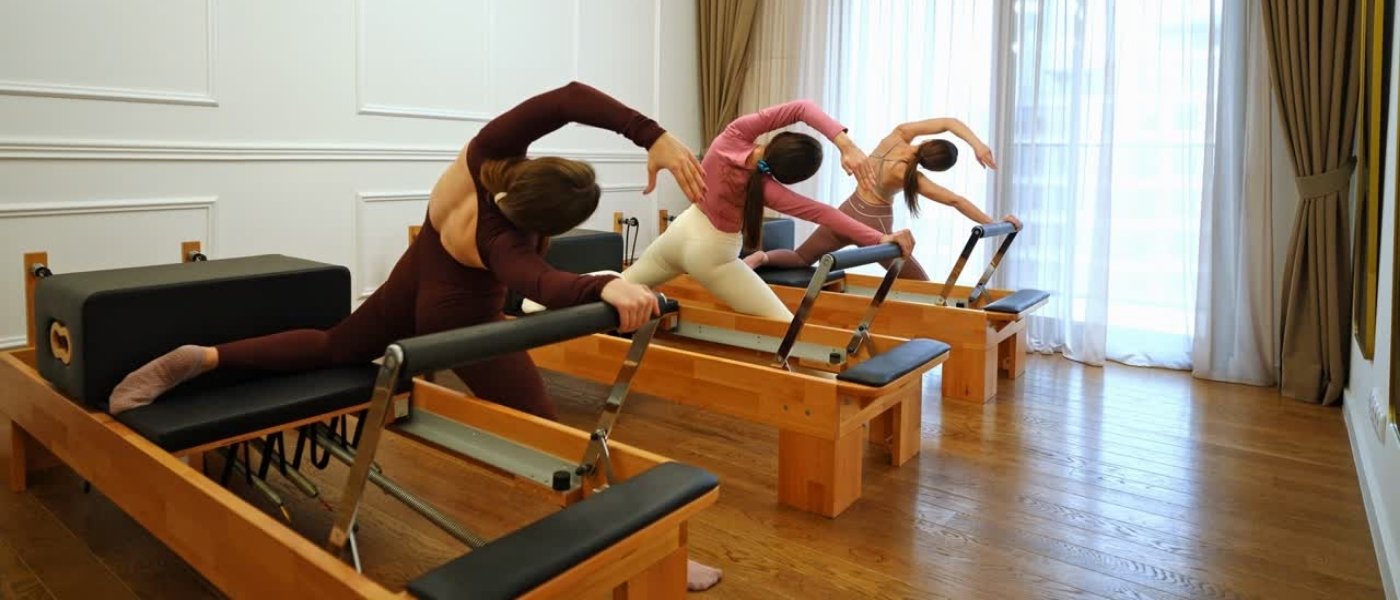
Simple movements that bend, arch, and twist the upper back help restore motion and reduce stiffness. In a small trial of 26 office workers with chronic neck pain, a program of thoracic mobility exercises gave similar improvements in pain and disability to thoracic manipulation over 6 weeks (Seo et al., 2022). That study looked at neck pain rather than mid-back pain, so it is indirect evidence, but it supports self-managed movement as a good option. Your program may include:
- Open book rotations: lying on your side and rotating the upper arm and chest open
- Seated or standing rotations: twisting gently through the mid-back with arms crossed
- Cat and camel: on hands and knees, slowly rounding and arching the spine
- Extension over a chair back or foam roller: gently arching the upper back over a support
- Breathing drills: slow, deep breaths into the back of the rib cage
Phase 3: Building Strength and Tolerance (Weeks 3 to 8)
Once pain is settling, the focus moves to strength and endurance. There is little research on how best to dose exercise for the mid-back (Heneghan et al., 2019), so our programs are guided by the stronger evidence for exercise in other spinal pain (Hayden et al., 2021) and adjusted to your response. Examples include:
- Shoulder blade strengthening: rows, band pull-aparts, and prone "Y" and "T" raises for the mid and lower trapezius and rhomboids
- Back extensor endurance: progressive holds and hip hinge patterns
- Trunk and rotation control: side planks, bird dogs, and controlled rotation with a band or cable
Phase 4: Return to Full Activity and Prevention (Weeks 6 to 12+)
- Workstation and posture habits: screen height, chair set-up, and changing position often. There is no single perfect posture
- Return to lifting and sport: gradual loading for the gym, golf, racquet sports, or rugby
- Load and recovery planning: avoiding big jumps in training, and managing busy work weeks
- A short maintenance program: a few key mobility and strength exercises to keep doing two or three times a week
Beyond Physiotherapy: Complementary Care for Nonspecific Mid-Back (Thoracic) Pain
Education, staying active, and exercise are the core of care for mid-back pain. Some patients also benefit from other services at our clinic to ease pain and muscle tension so they can stay consistent with their program. Research on these options for the mid-back specifically is very limited, so here is an honest summary of what the evidence does and does not show.
How Acupuncture and Dry Needling Can Help
Acupuncture and dry needling use fine needles to ease pain and tight, tender muscles.
- What the evidence shows: there is very little research on needling for mid-back pain. A review of thoracic pain treatments included one trial with an acupuncture group, but it did not identify clear evidence supporting needling for mid-back pain (Southerst et al., 2015). The closest broader evidence is a review of 13 trials of dry needling by physical therapists across many musculoskeletal conditions, which found less pain for up to 12 weeks compared with sham or other treatments, but no proof of long-term benefit (Gattie et al., 2017)
- Where it fits: as a short-term option for painful muscle tension between the shoulder blades, alongside exercise
- Safety: generally safe when done by a trained clinician. Bruising and soreness at needle sites are the most common side effects. Because the lungs sit close beneath the mid-back muscles, needling here requires careful technique and depth control
How Massage Therapy Can Help
Registered massage therapy focuses on the soft tissues of the upper back, neck, and shoulders.
- What the evidence shows: we did not find trials of massage for mid-back pain specifically. The closest evidence is a Cochrane review of 25 trials in low back pain, which found massage improved pain and function in the short term compared with no active treatment, but the benefits did not last, and the overall quality of evidence was low to very low (Furlan et al., 2015). In one trial of thoracic pain, instrument-assisted soft tissue work did no better than a sham treatment (Crothers et al., 2016)
- Where it fits: short-term relief of muscle tightness, especially if it helps you move and exercise more easily. It is a supportive add-on, not a stand-alone treatment
- Safety: very safe. A temporary increase in soreness is the most common side effect (Furlan et al., 2015)
How Chiropractic and Joint Manipulation Can Help
Chiropractic care for the mid-back uses joint mobilization and manipulation (a quick, small thrust) to the thoracic spine and ribs.
- What the evidence shows: the evidence is limited and mixed. A systematic review found only two trials for thoracic and chest wall pain that met its quality standards, and concluded that manual therapies gave small, short-term changes that were not clinically important (Southerst et al., 2015). The largest trial so far found spinal manipulation was no better than a sham treatment for pain or disability up to 12 months, although all groups improved (Crothers et al., 2016)
- Where it fits: some people get quick short-term relief of stiffness, which can make exercise easier. It is best used alongside, not instead of, an active program
- Safety: no serious side effects were reported in the main thoracic trial (Crothers et al., 2016). Manipulation is not appropriate if osteoporosis, fracture, cancer, infection, or a non-musculoskeletal cause is suspected, which is why screening comes first
Whichever combination you and your clinician choose, these treatments share one purpose: easing pain and stiffness so you can keep moving while exercise and better daily habits do the long-term work.
When Is Medical Care or Surgery Considered?
Surgery is not a treatment for nonspecific mid-back pain. Medical care becomes the priority when screening points to a different cause, such as a heart or lung problem, a digestive condition, a compression fracture, infection, or cancer (Finucane et al., 2020). Spine surgery is reserved for specific problems such as spinal cord compression, unstable fractures, or tumours.
If your pain is not improving as expected with a good physiotherapy program, we will work with your family physician to look again at the diagnosis.
How Long Will It Take?
Most people with nonspecific mid-back pain improve. In the largest trial of thoracic pain, people in every group, including the sham group, improved significantly over time (Crothers et al., 2016). There is little published data on typical recovery times for mid-back pain, so we avoid giving fixed timelines.
In our experience, many people notice less pain and better movement within a few weeks, with strength and confidence building over the following one to three months. Long-standing pain, or pain that comes with poor sleep, high stress, or pain elsewhere, may take longer.
Prevention and Long-Term Management
- Move often: change position regularly when sitting, and build short movement breaks into your day
- Set up your workstation: screen at eye level, keyboard close, and a laptop stand if you work on a laptop
- Keep your upper back mobile and strong: a few rotation and extension exercises daily, and strengthening two or three times a week
- Carry loads evenly: use both straps on a backpack and keep heavy bags light, especially for children and teens (Briggs et al., 2009)
- Build training gradually: avoid sudden jumps in rowing, lifting, golf, or racquet sports
- Know your warning signs: chest pain, shortness of breath, or sudden severe pain need urgent medical care, not a stretch
Frequently Asked Questions
Is mid-back pain serious?
Usually not. Most mid-back pain comes from the muscles and joints and improves with time and the right exercise. But because heart, lung, and organ problems can cause pain here too, it deserves a proper assessment, especially if you are older, have a history of cancer, or have symptoms that do not fit a back problem.
How can I tell if my back pain is my heart?
You cannot always tell on your own, which is why the warning signs matter. Pain that comes with chest pressure, shortness of breath, sweating, nausea, light-headedness, or pain spreading to the arm, neck, or jaw needs a 9-1-1 call (Gulati et al., 2021). Musculoskeletal pain usually changes with movement and position and is sore to press. If you are unsure, get checked urgently.
Why does my mid-back hurt when I breathe deeply?
Your ribs connect to your spine through small joints that move every time you breathe. When those joints or the muscles around them are irritated, a deep breath can catch. However, pain with breathing can also come from the lungs, so if you are short of breath, coughing up blood, have a fever, or feel unwell, see a doctor first.
Do I need an X-ray or MRI?
Usually not. Imaging is not needed for most nonspecific mid-back pain and often shows age-related changes that are not the cause of pain. It is recommended when red flags suggest a fracture, infection, cancer, or nerve compression (Finucane et al., 2020).
Can acupuncture, massage, or chiropractic replace exercise for mid-back pain?
No. These treatments can ease pain and stiffness in the short term, but research shows little long-term benefit on their own (Southerst et al., 2015; Crothers et al., 2016). Exercise and staying active have the strongest overall support for spinal pain (Hayden et al., 2021), so passive treatments work best as a support while you rebuild.
Our Specialized Approach at Vaughan Physiotherapy Clinic
Safety-first screening: we check for cardiac, lung, digestive, and serious spinal causes before treatment begins
Whole upper quarter assessment: we look at your neck, ribs, and shoulders, not just the sore spot
Hands-on care that leads to movement: mobilization and soft tissue work used to make exercise easier
Progressive strengthening: a simple, targeted home program for your upper back and shoulder blades
Integrated care: physiotherapy, massage therapy, acupuncture, and chiropractic under one roof when they add value
Work and lifestyle advice: practical changes to your workstation, training, and daily routine to keep pain from coming back
Take the First Step Toward a Stronger, Pain-Free Back
Mid-back pain does not have to slow down your workday or your workouts. Our team at Vaughan Physiotherapy Clinic helps patients from Thornhill, Vaughan, North York, Richmond Hill, and surrounding communities move comfortably again with careful screening and evidence-based, hands-on care.
Book your assessment today:
Phone: 905-669-1221
Location: 398 Steeles Ave W #201, Thornhill, ON L4J 6X3
Online Booking: www.vaughanphysiotherapy.com
References
Briggs AM, Smith AJ, Straker LM, Bragge P. Thoracic spine pain in the general population: prevalence, incidence and associated factors in children, adolescents and adults. A systematic review. BMC Musculoskeletal Disorders. 2009;10:77. doi:10.1186/1471-2474-10-77
Crothers AL, French SD, Hebert JJ, Walker BF. Spinal manipulative therapy, Graston technique and placebo for non-specific thoracic spine pain: a randomised controlled trial. Chiropractic & Manual Therapies. 2016;24:16. doi:10.1186/s12998-016-0096-9
Evangelista A, Maldonado G, Gruosso D, Teixido G, Rodríguez-Palomares J, Eagle K. Insights from the International Registry of Acute Aortic Dissection. Global Cardiology Science & Practice. 2016;2016(1):e201608. doi:10.21542/gcsp.2016.8
Finucane LM, Downie A, Mercer C, et al. International framework for red flags for potential serious spinal pathologies. Journal of Orthopaedic & Sports Physical Therapy. 2020;50(7):350-372. doi:10.2519/jospt.2020.9971
Furlan AD, Giraldo M, Baskwill A, Irvin E, Imamura M. Massage for low-back pain. Cochrane Database of Systematic Reviews. 2015;(9):CD001929. doi:10.1002/14651858.CD001929.pub3
Gattie E, Cleland JA, Snodgrass S. The effectiveness of trigger point dry needling for musculoskeletal conditions by physical therapists: a systematic review and meta-analysis. Journal of Orthopaedic & Sports Physical Therapy. 2017;47(3):133-149. doi:10.2519/jospt.2017.7096
Gulati M, Levy PD, Mukherjee D, et al. 2021 AHA/ACC/ASE/CHEST/SAEM/SCCT/SCMR guideline for the evaluation and diagnosis of chest pain. Journal of the American College of Cardiology. 2021;78(22):e187-e285. doi:10.1016/j.jacc.2021.07.053
Hayden JA, Ellis J, Ogilvie R, Malmivaara A, van Tulder MW. Exercise therapy for chronic low back pain. Cochrane Database of Systematic Reviews. 2021;(9):CD009790. doi:10.1002/14651858.CD009790.pub2
Heneghan NR, Gormley S, Hallam C, Rushton A. Management of thoracic spine pain and dysfunction: a survey of clinical practice in the UK. Musculoskeletal Science and Practice. 2019;39:58-66. doi:10.1016/j.msksp.2018.11.006
Seo J, Song C, Shin D. A single-centre study comparing the effects of thoracic spine manipulation vs mobility exercises in 26 office workers with chronic neck pain: a randomized controlled clinical study. Medical Science Monitor. 2022;28:e937316. doi:10.12659/MSM.937316
Southerst D, Marchand AA, Côté P, et al. The effectiveness of noninvasive interventions for musculoskeletal thoracic spine and chest wall pain: a systematic review by the Ontario Protocol for Traffic Injury Management (OPTIMa) collaboration. Journal of Manipulative and Physiological Therapeutics. 2015;38(7):521-531. doi:10.1016/j.jmpt.2015.06.001
Disclaimer: This article is for educational purposes only and does not replace professional medical advice. Mid-back pain can sometimes be caused by heart, lung, blood vessel, or digestive problems, or by fractures, infection, or cancer. If you have chest pain, shortness of breath, or sudden severe pain, call 9-1-1. Always consult a qualified healthcare provider for diagnosis and treatment specific to your condition.







