Close-up of a bent arm with the elbow in view, representing olecranon bursitis care at Vaughan Physiotherapy Clinic

Olecranon Bursitis (non-surgical management)

Swelling of the fluid-filled sac at the tip of the elbow, usually from pressure or a knock, that often settles with protection and compression.
Has a soft, squishy lump appeared on the point of your elbow, almost like a small water balloon? Maybe it showed up after a knock, or after weeks of leaning on your elbows at a desk, in the car, or on a workbench. If so, you may have olecranon bursitis, sometimes called "student's elbow" or "Popeye elbow."

At Vaughan Physiotherapy Clinic, we help people manage elbow bursitis safely and without surgery whenever that is the right choice. Just as important, we check carefully for signs of infection, because an infected elbow bursa needs a doctor and antibiotics, not exercises.

Here is what olecranon bursitis is, how to recognize it, how to tell when it could be infected, and what the research says about treating it without surgery.

What Is Olecranon Bursitis?

A bursa is a thin, slippery sac that lets skin and tissues glide over bone. The olecranon bursa sits just under the skin at the bony tip of the elbow. Because it is so close to the surface and has a limited blood supply, it is easily irritated by pressure, bumps, and germs that get in through the skin (Nchinda & Wolf, 2021).

Olecranon bursitis means this sac has become irritated and filled with extra fluid. It is one of the most common forms of bursitis (Reilly & Kamineni, 2016). Studies suggest it affects at least 10 people in every 100,000 each year, and probably more, since mild cases often go unreported. It is more common in men and usually appears between ages 30 and 60 (Baumbach et al., 2014; Nchinda & Wolf, 2021).

Two Very Different Types: Non-Septic and Septic

The single most important question with elbow bursitis is whether it is infected:

  • Non-septic (aseptic) bursitis: about two out of three cases. The bursa is inflamed from pressure, a knock, or a medical condition such as gout or rheumatoid arthritis, but there is no infection. This type usually responds well to simple, non-surgical care (Nchinda & Wolf, 2021)
  • Septic (infected) bursitis: about one out of three cases. Bacteria, most often Staphylococcus aureus from the skin, get into the bursa, usually through a scrape, cut, or puncture (Baumbach et al., 2014; El Zein et al., 2024). This type needs medical treatment with antibiotics and sometimes drainage

This page focuses on non-surgical management of non-septic bursitis. If there is any chance your bursa is infected, your first stop is a physician.

What Causes It?

  • Repeated pressure: leaning on your elbows at a desk, in a vehicle, or during work such as plumbing, mining, or flooring
  • A direct blow: falling onto the elbow, or contact in sports such as hockey, wrestling, or volleyball
  • Medical conditions: gout, pseudogout, rheumatoid arthritis, and lupus can all inflame the bursa (Nchinda & Wolf, 2021)
  • Bone shape: a prominent elbow tip or bone spur (Nchinda & Wolf, 2021)

Recognizing the Symptoms

Non-septic olecranon bursitis usually looks worse than it feels. Common signs include:

  • A soft, rounded swelling over the point of the elbow, which can range from a small bump to the size of a golf ball or larger
  • Mild tenderness, or no pain at all, unless the area is pressed or bumped
  • Discomfort when leaning on the elbow or wearing tight sleeves
  • Elbow bending and straightening that is usually normal, or only a little stiff at the very end of the bend

What Makes It Worse?

  • Leaning on the elbow on hard surfaces such as desks, armrests, and car door ledges
  • Repeated bumps during sport or work without padding
  • Waiting too long: in one trial, people who had symptoms for longer before starting treatment were more likely to have treatment fail (Kim et al., 2016)
  • Picking at or scratching the skin over the swelling, which can let bacteria in
  • Untreated gout or inflammatory arthritis, which can keep the bursa inflamed

What Else Could It Be?

Several conditions can cause pain or swelling at the back of the elbow and need different care:

  • Septic bursitis: an infected bursa. It is more often red, hot, and very tender, but the signs overlap with non-septic bursitis, so it can be hard to tell apart without testing (Reilly & Kamineni, 2016)
  • Cellulitis: a skin infection that causes spreading redness and warmth without a fluid-filled sac
  • Gout or pseudogout flare: sudden, very painful swelling caused by crystals, sometimes in the bursa itself
  • Elbow joint swelling or infection: fluid inside the joint usually makes it painful and difficult to bend and straighten the elbow, unlike bursitis
  • Triceps tendon problems: pain where the triceps attaches to the tip of the elbow, worse with pushing
  • Olecranon fracture or bone spur: after a fall, or with long-standing pressure; an X-ray can show a spur (Nchinda & Wolf, 2021)
  • Rheumatoid nodules or gout deposits (tophi): firm lumps near the elbow

When to See a Doctor First

Septic bursitis is a medical problem that needs prompt treatment. Infection in the elbow bursa can spread to the skin, blood, or bone if it is not treated. Signs of infection overlap with ordinary bursitis, and many people with an infected bursa do not have a fever: in one large hospital series, only about 1 in 7 patients with septic olecranon bursitis had a fever (El Zein et al., 2024). So do not wait for a fever before getting checked.

See your family doctor the same day, or go to urgent care or the emergency department, if you have:

  • Redness over or spreading around the elbow, or red streaks running up or down the arm
  • Heat: the swollen elbow feels clearly warmer than the other elbow. A noticeable temperature difference is one of the warning signs of infection (Baumbach et al., 2014)
  • Increasing pain or tenderness, especially pain that is worse each day instead of better
  • A cut, scrape, puncture, insect bite, or broken skin over the swelling, or pus or fluid draining from it (Reilly & Kamineni, 2016)
  • Fever, chills, sweats, or feeling generally unwell
  • Swelling that appeared soon after a needle, injection, or procedure near the elbow
  • Any bursitis if you have diabetes, rheumatoid arthritis, take steroids or other immune-suppressing medicines, or have a weakened immune system, since these increase the risk of infection (El Zein et al., 2024)
  • Pain when bending or straightening the elbow, or you cannot move the elbow fully, which may mean the joint itself is involved
  • A very painful, hot, sudden swelling that might be a gout flare
  • Swelling after a fall or hard blow with bruising or pain on the bone, which may need an X-ray

Your doctor may draw fluid from the bursa with a needle to test it. Testing the fluid is the most reliable way to tell infected and non-infected bursitis apart (Baumbach et al., 2014). If infection is confirmed, antibiotics come first, and physiotherapy can help later with getting your elbow moving and comfortable again.

Our physiotherapists screen for signs of infection, gout, and fracture at your first visit. If anything looks concerning, we will stop and arrange same-day medical care rather than start treatment.

Related reading: Other elbow problems we treat include tennis elbow, elbow hyperextension injuries and elbow stiffness after an injury.

Start Your Journey to 

‍Better Health Today

Recover faster, move better, and feel stronger with expert physiotherapy. Our team is here to guide you every step of the way.

Why Physiotherapy Is Essential

Most non-septic elbow bursitis settles without surgery. The bursa is reacting to pressure and irritation, and when that irritation is removed, the swelling usually goes down on its own. Reviews of the research recommend a conservative, non-surgical approach first, with protection, rest, ice, compression, elevation, and anti-inflammatory medicine if appropriate, and surgery kept for severe, stubborn, or repeated cases (Baumbach et al., 2014; Nchinda & Wolf, 2021).

A systematic review of 29 studies and 1,278 patients found that people treated with surgery were actually less likely to have their bursitis resolve, and had more complications such as ongoing wound drainage and infection, than people treated without surgery (Sayegh & Strauch, 2014). That makes good non-surgical care worth doing properly.

To be clear about the evidence: there are no trials testing physiotherapy exercise programs for olecranon bursitis specifically. The research covers compression, padding, medication, aspiration, and injection. Physiotherapy's role is to put that conservative plan into practice safely and to address the habits and movement problems around it:

  • Safety screening: checking for infection, gout, fracture, or joint involvement, and referring when needed
  • Protecting the bursa: padding, compression, and changing habits that press on the elbow
  • Keeping the arm moving while the swelling settles
  • Getting back to work and sport with the right set-up and protective equipment

Your Treatment Plan at Vaughan Physiotherapy Clinic

Phase 1: Assessment and Infection Screening (First Visit)

Your first visit confirms what is going on and whether physiotherapy is the right place to start. It includes:

  • History: how the swelling appeared, any knocks, cuts, or recent needles near the elbow, leaning habits, and conditions such as gout, rheumatoid arthritis, or diabetes
  • Look and feel: the size of the swelling, skin colour, any breaks in the skin, and whether the elbow feels warmer than the other side
  • General health check: fever, chills, or feeling unwell
  • Movement testing: bursitis usually leaves elbow movement close to normal, so painful or blocked movement points to another cause
  • Strength and tendon testing: triceps and grip strength, and checking the triceps tendon at the tip of the elbow

If anything suggests infection, we refer you for same-day medical care before any treatment. Redness, warmth, increasing tenderness, and a break in the skin are all more common in septic bursitis, but these signs overlap with non-septic bursitis, and fever is often absent (Reilly & Kamineni, 2016; El Zein et al., 2024). Your physician can test fluid from the bursa to confirm the diagnosis (Baumbach et al., 2014). We would much rather send you to a doctor and be wrong than miss an infection.

Phase 2: Settling the Swelling (Weeks 1 to 3)

Compression and protection
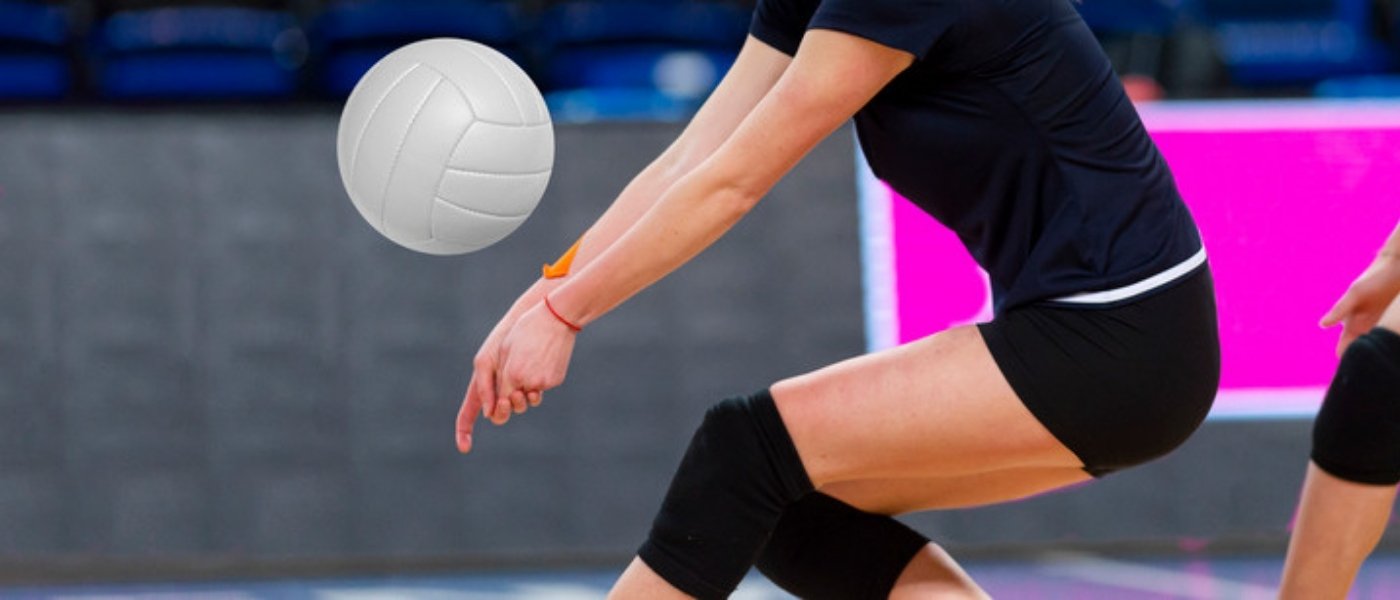
Volleyball player in knee pads making a forearm pass on an indoor court
Sports with diving or floor contact, like volleyball, can irritate the elbow bursa, so padding and compression help protect it while the swelling settles.

Compression is the backbone of non-surgical care. In a randomized trial of 90 people with non-septic olecranon bursitis, a compression bandage plus a short course of anti-inflammatory medicine resolved the bursitis in 83 percent of patients by four weeks, similar to aspiration with a steroid injection (85 percent) and aspiration alone (65 percent); the differences were not statistically significant. The authors felt compression offered the best balance of safety and effectiveness (Kim et al., 2016).

In clinic, we will show you how to:

  • Apply a compression wrap or sleeve firmly, without cutting off circulation to the hand
  • Pad the elbow with a doughnut-shaped or gel elbow pad so pressure goes around the bursa instead of on it
  • Stop leaning on the elbow: this is often the single biggest change. We look at your desk, armrests, car, and work positions with you
  • Use ice and elevation for comfort in the first days (Baumbach et al., 2014)

Medication

A short course of anti-inflammatory medicine is often used alongside compression (Kim et al., 2016). It is not right for everyone, so check with your physician or pharmacist first.

Keeping the arm moving

You do not need to keep the elbow still. Gentle, pain-free elbow bending and straightening, forearm rotation, and wrist and shoulder movement help prevent stiffness while the bursa settles.

Phase 3: Restoring Strength and Function (Weeks 2 to 6)

Once the swelling is going down and the area is no longer tender, we gradually reintroduce load. There is no research on strengthening for bursitis itself, so this phase follows general rehab principles and your work or sport demands:

  • Grip and forearm strengthening, for example squeezing a soft ball and light wrist curls
  • Triceps strengthening without pressure on the tip of the elbow, such as standing band pushdowns before lying exercises where the elbow rests on a surface
  • Gradual return to weight-bearing through the arm, such as wall push-ups before floor push-ups, with the elbow padded

Manual therapy

Gentle soft tissue work to the forearm and shoulder can ease tightness from guarding the arm. We do not press directly on the swollen bursa.

Phase 4: Return to Full Activity and Preventing Recurrence (Weeks 4 to 8+)

  • Workstation and vehicle changes so you are not resting on the tip of the elbow
  • Protective elbow pads for contact sports and work on hard surfaces
  • Gradual return to contact, falls, and floor work once the bursa is no longer swollen or tender
  • A plan for flare-ups, including when to see a doctor instead

Beyond Physiotherapy: Complementary Care for Olecranon Bursitis

Protection, compression, and time are the core of treatment, and that is where the research points. Other services at our clinic do not treat the bursa itself, but may help with discomfort in the rest of the arm, neck, and upper back. Here is an honest summary of the evidence.

How Acupuncture and Dry Needling Can Help

Acupuncture and dry needling use fine needles to reduce pain and ease tight muscles.

  • What the evidence shows: we found no studies of acupuncture or dry needling for olecranon bursitis. The closest indirect evidence comes from a different elbow problem, lateral elbow (tennis elbow) pain, where a systematic review found that acupuncture can give short-term pain relief (Trinh et al., 2004). Tennis elbow is a tendon problem, not a bursa problem, so this cannot be assumed to apply
  • Where it fits: possibly for muscle tension in the forearm, shoulder, or neck, away from the elbow
  • Safety: needles are never placed into or near a swollen bursa, because any break in the skin over the bursa is a route for infection. Needling is not appropriate at all if infection is suspected

How Massage Therapy Can Help

Registered massage therapy focuses on the soft tissues of the arm, shoulder, and upper back.

  • What the evidence shows: there are no published trials of massage for olecranon bursitis
  • Where it fits: as a comfort measure for the forearm, upper arm, shoulder, and neck, especially if you have been guarding the arm. It is a supportive add-on, not a treatment for the bursa
  • Safety: the therapist will avoid direct pressure on the bursa. Massage is not appropriate over a red, hot, or possibly infected elbow

How Chiropractic and Joint Manipulation Can Help

Chiropractic care uses joint mobilization and manipulation, most often of the neck, upper back, and arm joints.

  • What the evidence shows: we found no peer-reviewed trials of chiropractic care or joint manipulation for olecranon bursitis. In tennis elbow, a systematic review found moderate evidence that upper back and neck manipulation added to exercise and wrist mobilization helped in the short and medium term (Hoogvliet et al., 2013). This is indirect evidence from a different condition
  • Where it fits: for neck, upper back, or shoulder stiffness that is limiting how you use the arm, combined with the protection and compression plan
  • Safety: manipulation of the elbow itself is not needed for bursitis, and treatment should avoid pressure on the swollen bursa. It is not appropriate while infection is being ruled out

Whichever combination you choose, these services play a supporting role. The swelling settles because the bursa is protected and compressed.

When Are Aspiration, Injection, or Surgery Considered?

Aspiration (draining the fluid with a needle) is done by a physician. It is the most reliable way to test whether a bursa is infected (Baumbach et al., 2014). For non-septic bursitis, draining the fluid can bring quick relief, but the fluid often comes back, and there is a small risk of introducing infection or creating a persistent leak through the skin (Nchinda & Wolf, 2021). Whether routine aspiration is worth it for non-septic bursitis is still debated.

Steroid injection into the bursa can make the swelling go down faster. In the trial above, people who had aspiration plus a steroid injection resolved in about 2.3 weeks on average, compared with about 3 weeks for compression or aspiration alone (Kim et al., 2016). However, steroid injection has been linked to more complications, including skin thinning and ongoing local pain (Sayegh & Strauch, 2014; Kaur et al., 2023). A recent systematic review recommends keeping steroid injection for cases that do not settle with conservative care (Kaur et al., 2023).

Surgery to remove the bursa (bursectomy) is considered only for long-lasting or repeatedly returning bursitis that has not responded to other treatment, or for some severe infections (Baumbach et al., 2014). Surgery has its own risks: in one series of open bursectomy, about a quarter of patients had slow wound healing and about one in five had the bursitis return (Nchinda & Wolf, 2021).

Septic bursitis is treated by a physician with antibiotics, often with drainage, and surgery if it does not respond. Recent French expert guidelines set out when it can be managed at home and when hospital care is needed (Godot et al., 2024).

How Long Will It Take?

Every case is different. In the randomized trial of non-septic olecranon bursitis, most people improved within about 2 to 3 weeks, and around 8 in 10 of those treated with compression had resolved by four weeks (Kim et al., 2016).

Recovery can be slower if symptoms were present for longer before treatment (Kim et al., 2016), if you keep leaning on the elbow, or if gout or inflammatory arthritis is not controlled. Long-standing cases may leave a thickened bursa that takes longer to settle.

Prevention and Long-Term Management

  • Stop leaning on your elbows: rest your forearms rather than the tip of the elbow on desks and armrests
  • Pad hard surfaces: use padded armrests and cushioned mats where you work
  • Wear elbow pads for contact sports, floor work, and trades that involve kneeling or crawling on the arms
  • Look after your skin: clean and cover any scrape or cut on the elbow straight away, since infected bursitis almost always follows an injury to the skin over the elbow (Nchinda & Wolf, 2021)
  • Manage related conditions: keep gout, rheumatoid arthritis, and diabetes under good control with your physician
  • Act early: if the swelling returns, go back to padding and compression straight away, since earlier treatment is linked to better results (Kim et al., 2016; Kaur et al., 2023)
  • Know the warning signs: redness, heat, worsening pain, broken skin, or feeling unwell mean a same-day doctor visit

Frequently Asked Questions

Is olecranon bursitis serious?

Non-septic bursitis usually settles with simple care. Septic bursitis needs antibiotics and can spread if ignored, so redness, heat, increasing pain, broken skin, or feeling unwell should be checked by a doctor the same day.

How can I tell if my elbow bursitis is infected?

You cannot always tell by looking. Infected bursae are more often red, warm, very tender, and linked to a cut or scrape, but these signs also show up in some non-infected cases (Reilly & Kamineni, 2016). Many people with an infected bursa have no fever (El Zein et al., 2024). Testing fluid from the bursa is the most reliable way to know, and that is done by a physician.

Should I get it drained?

Not necessarily. For non-septic bursitis, compression with a short course of anti-inflammatory medicine worked about as well as drainage in a randomized trial (Kim et al., 2016). Drainage is important when infection is suspected, because the fluid needs to be tested. Never try to drain or pop the swelling yourself.

Will a cortisone shot help?

It may speed things up, but it carries a higher risk of skin thinning and ongoing pain (Sayegh & Strauch, 2014; Kaur et al., 2023). Most experts suggest saving it for cases that do not settle with conservative care. This is a decision to make with your physician.

Can I keep working out or playing my sport?

Usually yes, with changes. Pad the elbow for contact, avoid exercises where the elbow rests on the floor or a bench, and stop if the swelling grows or the area gets red or hot.

Can acupuncture, massage, or chiropractic replace compression and protecting the elbow?

No. Protecting and compressing the bursa is what helps the swelling settle, and there is no direct research on these therapies for olecranon bursitis. They may help with comfort in the surrounding muscles and joints, and they must never involve needling or pressing on the swollen bursa.

Our Specialized Approach at Vaughan Physiotherapy Clinic

Infection screening first: we check for signs of septic bursitis at every visit and arrange same-day medical care when needed

Hands-on protection: compression wraps, sleeves, and elbow padding fitted and adjusted in clinic

Cause-focused care: we find out what is pressing on or irritating your elbow and help you change it

Keeping you moving: safe elbow, wrist, and shoulder exercise so the arm does not stiffen while it settles

Integrated care: physiotherapy, massage therapy, acupuncture, and chiropractic under one roof when they add value

Team approach: clear communication with your family doctor about aspiration, injection, or specialist referral when needed

Take the First Step Toward a Comfortable, Pain-Free Elbow

A swollen elbow does not have to keep you off the job or out of your sport. Our team at Vaughan Physiotherapy Clinic helps patients from Thornhill, Vaughan, North York, Richmond Hill, and surrounding communities manage elbow bursitis safely, with careful screening and evidence-based, hands-on care.

Book your assessment today:

Phone: 905-669-1221

Location: 398 Steeles Ave W #201, Thornhill, ON L4J 6X3

Online Booking: www.vaughanphysiotherapy.com

References

Baumbach SF, Lobo CM, Badyine I, Mutschler W, Kanz KG. Prepatellar and olecranon bursitis: literature review and development of a treatment algorithm. Archives of Orthopaedic and Trauma Surgery. 2014;134(3):359-370. doi:10.1007/s00402-013-1882-7

El Zein S, Berbari EF, LeMahieu AM, et al. Optimal antibiotics duration following surgical management of septic olecranon bursitis: a 12-year retrospective analysis. Journal of Bone and Joint Infection. 2024;9:107-115. doi:10.5194/jbji-9-107-2024

Godot S, Salliot C, Guggenbuhl P, et al. 2023 French recommendations for diagnosing and managing prepatellar and olecranon septic bursitis. Joint Bone Spine. 2024;91(2):105664. doi:10.1016/j.jbspin.2023.105664

Hoogvliet P, Randsdorp M, Dingemanse R, Koes B, Huisstede B. Does effectiveness of exercise therapy and mobilisation techniques offer guidance for the treatment of lateral and medial epicondylitis? A systematic review. British Journal of Sports Medicine. 2013;47(17):1112-1119. doi:10.1136/bjsports-2012-091990

Kaur IP, Mughal MS, Aslam F, Schram J, Bansal P. Non-surgical treatment of aseptic olecranon bursitis: a systematic review. Reumatología Clínica. 2023;19(9):482-487. doi:10.1016/j.reumae.2023.05.004

Kim JY, Chung SW, Kim JH, et al. A randomized trial among compression plus nonsteroidal antiinflammatory drugs, aspiration, and aspiration with steroid injection for nonseptic olecranon bursitis. Clinical Orthopaedics and Related Research. 2016;474(3):776-783. doi:10.1007/s11999-015-4579-0

Nchinda NN, Wolf JM. Clinical management of olecranon bursitis: a review. Journal of Hand Surgery (American). 2021;46(6):501-506. doi:10.1016/j.jhsa.2021.02.006

Reilly D, Kamineni S. Olecranon bursitis. Journal of Shoulder and Elbow Surgery. 2016;25(1):158-167. doi:10.1016/j.jse.2015.08.032

Sayegh ET, Strauch RJ. Treatment of olecranon bursitis: a systematic review. Archives of Orthopaedic and Trauma Surgery. 2014;134(11):1517-1536. doi:10.1007/s00402-014-2088-3

Trinh KV, Phillips SD, Ho E, Damsma K. Acupuncture for the alleviation of lateral epicondyle pain: a systematic review. Rheumatology. 2004;43(9):1085-1090. doi:10.1093/rheumatology/keh247

Disclaimer: This article is for educational purposes only and does not replace professional medical advice. A swollen elbow can be caused by infection, gout, inflammatory arthritis, fracture, or joint problems, and an infected bursa needs prompt medical treatment. If your elbow is red, hot, increasingly painful, has broken skin, or you feel unwell or feverish, see a physician the same day. Always consult a qualified healthcare provider for diagnosis and treatment specific to your condition.


Team

Condition guide

Olecranon Bursitis (non-surgical management)

Swelling of the fluid-filled sac at the tip of the elbow, usually from pressure or a knock, that often settles with protection and compression.

Close-up of a bent arm with the elbow in view, representing olecranon bursitis care at Vaughan Physiotherapy ClinicOlecranon Bursitis (non-surgical management)

Has a soft, squishy lump appeared on the point of your elbow, almost like a small water balloon? Maybe it showed up after a knock, or after weeks of leaning on your elbows at a desk, in the car, or on a workbench. If so, you may have olecranon bursitis, sometimes called "student's elbow" or "Popeye elbow."

At Vaughan Physiotherapy Clinic, we help people manage elbow bursitis safely and without surgery whenever that is the right choice. Just as important, we check carefully for signs of infection, because an infected elbow bursa needs a doctor and antibiotics, not exercises.

Here is what olecranon bursitis is, how to recognize it, how to tell when it could be infected, and what the research says about treating it without surgery.

What Is Olecranon Bursitis?

A bursa is a thin, slippery sac that lets skin and tissues glide over bone. The olecranon bursa sits just under the skin at the bony tip of the elbow. Because it is so close to the surface and has a limited blood supply, it is easily irritated by pressure, bumps, and germs that get in through the skin (Nchinda & Wolf, 2021).

Olecranon bursitis means this sac has become irritated and filled with extra fluid. It is one of the most common forms of bursitis (Reilly & Kamineni, 2016). Studies suggest it affects at least 10 people in every 100,000 each year, and probably more, since mild cases often go unreported. It is more common in men and usually appears between ages 30 and 60 (Baumbach et al., 2014; Nchinda & Wolf, 2021).

Two Very Different Types: Non-Septic and Septic

The single most important question with elbow bursitis is whether it is infected:

  • Non-septic (aseptic) bursitis: about two out of three cases. The bursa is inflamed from pressure, a knock, or a medical condition such as gout or rheumatoid arthritis, but there is no infection. This type usually responds well to simple, non-surgical care (Nchinda & Wolf, 2021)
  • Septic (infected) bursitis: about one out of three cases. Bacteria, most often Staphylococcus aureus from the skin, get into the bursa, usually through a scrape, cut, or puncture (Baumbach et al., 2014; El Zein et al., 2024). This type needs medical treatment with antibiotics and sometimes drainage

This page focuses on non-surgical management of non-septic bursitis. If there is any chance your bursa is infected, your first stop is a physician.

What Causes It?

  • Repeated pressure: leaning on your elbows at a desk, in a vehicle, or during work such as plumbing, mining, or flooring
  • A direct blow: falling onto the elbow, or contact in sports such as hockey, wrestling, or volleyball
  • Medical conditions: gout, pseudogout, rheumatoid arthritis, and lupus can all inflame the bursa (Nchinda & Wolf, 2021)
  • Bone shape: a prominent elbow tip or bone spur (Nchinda & Wolf, 2021)

Recognizing the Symptoms

Non-septic olecranon bursitis usually looks worse than it feels. Common signs include:

  • A soft, rounded swelling over the point of the elbow, which can range from a small bump to the size of a golf ball or larger
  • Mild tenderness, or no pain at all, unless the area is pressed or bumped
  • Discomfort when leaning on the elbow or wearing tight sleeves
  • Elbow bending and straightening that is usually normal, or only a little stiff at the very end of the bend

What Makes It Worse?

  • Leaning on the elbow on hard surfaces such as desks, armrests, and car door ledges
  • Repeated bumps during sport or work without padding
  • Waiting too long: in one trial, people who had symptoms for longer before starting treatment were more likely to have treatment fail (Kim et al., 2016)
  • Picking at or scratching the skin over the swelling, which can let bacteria in
  • Untreated gout or inflammatory arthritis, which can keep the bursa inflamed

What Else Could It Be?

Several conditions can cause pain or swelling at the back of the elbow and need different care:

  • Septic bursitis: an infected bursa. It is more often red, hot, and very tender, but the signs overlap with non-septic bursitis, so it can be hard to tell apart without testing (Reilly & Kamineni, 2016)
  • Cellulitis: a skin infection that causes spreading redness and warmth without a fluid-filled sac
  • Gout or pseudogout flare: sudden, very painful swelling caused by crystals, sometimes in the bursa itself
  • Elbow joint swelling or infection: fluid inside the joint usually makes it painful and difficult to bend and straighten the elbow, unlike bursitis
  • Triceps tendon problems: pain where the triceps attaches to the tip of the elbow, worse with pushing
  • Olecranon fracture or bone spur: after a fall, or with long-standing pressure; an X-ray can show a spur (Nchinda & Wolf, 2021)
  • Rheumatoid nodules or gout deposits (tophi): firm lumps near the elbow

When to See a Doctor First

Septic bursitis is a medical problem that needs prompt treatment. Infection in the elbow bursa can spread to the skin, blood, or bone if it is not treated. Signs of infection overlap with ordinary bursitis, and many people with an infected bursa do not have a fever: in one large hospital series, only about 1 in 7 patients with septic olecranon bursitis had a fever (El Zein et al., 2024). So do not wait for a fever before getting checked.

See your family doctor the same day, or go to urgent care or the emergency department, if you have:

  • Redness over or spreading around the elbow, or red streaks running up or down the arm
  • Heat: the swollen elbow feels clearly warmer than the other elbow. A noticeable temperature difference is one of the warning signs of infection (Baumbach et al., 2014)
  • Increasing pain or tenderness, especially pain that is worse each day instead of better
  • A cut, scrape, puncture, insect bite, or broken skin over the swelling, or pus or fluid draining from it (Reilly & Kamineni, 2016)
  • Fever, chills, sweats, or feeling generally unwell
  • Swelling that appeared soon after a needle, injection, or procedure near the elbow
  • Any bursitis if you have diabetes, rheumatoid arthritis, take steroids or other immune-suppressing medicines, or have a weakened immune system, since these increase the risk of infection (El Zein et al., 2024)
  • Pain when bending or straightening the elbow, or you cannot move the elbow fully, which may mean the joint itself is involved
  • A very painful, hot, sudden swelling that might be a gout flare
  • Swelling after a fall or hard blow with bruising or pain on the bone, which may need an X-ray

Your doctor may draw fluid from the bursa with a needle to test it. Testing the fluid is the most reliable way to tell infected and non-infected bursitis apart (Baumbach et al., 2014). If infection is confirmed, antibiotics come first, and physiotherapy can help later with getting your elbow moving and comfortable again.

Our physiotherapists screen for signs of infection, gout, and fracture at your first visit. If anything looks concerning, we will stop and arrange same-day medical care rather than start treatment.

Related reading: Other elbow problems we treat include tennis elbow, elbow hyperextension injuries and elbow stiffness after an injury.

Why Physiotherapy Is Essential

Most non-septic elbow bursitis settles without surgery. The bursa is reacting to pressure and irritation, and when that irritation is removed, the swelling usually goes down on its own. Reviews of the research recommend a conservative, non-surgical approach first, with protection, rest, ice, compression, elevation, and anti-inflammatory medicine if appropriate, and surgery kept for severe, stubborn, or repeated cases (Baumbach et al., 2014; Nchinda & Wolf, 2021).

A systematic review of 29 studies and 1,278 patients found that people treated with surgery were actually less likely to have their bursitis resolve, and had more complications such as ongoing wound drainage and infection, than people treated without surgery (Sayegh & Strauch, 2014). That makes good non-surgical care worth doing properly.

To be clear about the evidence: there are no trials testing physiotherapy exercise programs for olecranon bursitis specifically. The research covers compression, padding, medication, aspiration, and injection. Physiotherapy's role is to put that conservative plan into practice safely and to address the habits and movement problems around it:

  • Safety screening: checking for infection, gout, fracture, or joint involvement, and referring when needed
  • Protecting the bursa: padding, compression, and changing habits that press on the elbow
  • Keeping the arm moving while the swelling settles
  • Getting back to work and sport with the right set-up and protective equipment

Your Treatment Plan at Vaughan Physiotherapy Clinic

Phase 1: Assessment and Infection Screening (First Visit)

Your first visit confirms what is going on and whether physiotherapy is the right place to start. It includes:

  • History: how the swelling appeared, any knocks, cuts, or recent needles near the elbow, leaning habits, and conditions such as gout, rheumatoid arthritis, or diabetes
  • Look and feel: the size of the swelling, skin colour, any breaks in the skin, and whether the elbow feels warmer than the other side
  • General health check: fever, chills, or feeling unwell
  • Movement testing: bursitis usually leaves elbow movement close to normal, so painful or blocked movement points to another cause
  • Strength and tendon testing: triceps and grip strength, and checking the triceps tendon at the tip of the elbow

If anything suggests infection, we refer you for same-day medical care before any treatment. Redness, warmth, increasing tenderness, and a break in the skin are all more common in septic bursitis, but these signs overlap with non-septic bursitis, and fever is often absent (Reilly & Kamineni, 2016; El Zein et al., 2024). Your physician can test fluid from the bursa to confirm the diagnosis (Baumbach et al., 2014). We would much rather send you to a doctor and be wrong than miss an infection.

Phase 2: Settling the Swelling (Weeks 1 to 3)

Compression and protection

Volleyball player in knee pads making a forearm pass on an indoor court
Sports with diving or floor contact, like volleyball, can irritate the elbow bursa, so padding and compression help protect it while the swelling settles.

Compression is the backbone of non-surgical care. In a randomized trial of 90 people with non-septic olecranon bursitis, a compression bandage plus a short course of anti-inflammatory medicine resolved the bursitis in 83 percent of patients by four weeks, similar to aspiration with a steroid injection (85 percent) and aspiration alone (65 percent); the differences were not statistically significant. The authors felt compression offered the best balance of safety and effectiveness (Kim et al., 2016).

In clinic, we will show you how to:

  • Apply a compression wrap or sleeve firmly, without cutting off circulation to the hand
  • Pad the elbow with a doughnut-shaped or gel elbow pad so pressure goes around the bursa instead of on it
  • Stop leaning on the elbow: this is often the single biggest change. We look at your desk, armrests, car, and work positions with you
  • Use ice and elevation for comfort in the first days (Baumbach et al., 2014)

Medication

A short course of anti-inflammatory medicine is often used alongside compression (Kim et al., 2016). It is not right for everyone, so check with your physician or pharmacist first.

Keeping the arm moving

You do not need to keep the elbow still. Gentle, pain-free elbow bending and straightening, forearm rotation, and wrist and shoulder movement help prevent stiffness while the bursa settles.

Phase 3: Restoring Strength and Function (Weeks 2 to 6)

Once the swelling is going down and the area is no longer tender, we gradually reintroduce load. There is no research on strengthening for bursitis itself, so this phase follows general rehab principles and your work or sport demands:

  • Grip and forearm strengthening, for example squeezing a soft ball and light wrist curls
  • Triceps strengthening without pressure on the tip of the elbow, such as standing band pushdowns before lying exercises where the elbow rests on a surface
  • Gradual return to weight-bearing through the arm, such as wall push-ups before floor push-ups, with the elbow padded

Manual therapy

Gentle soft tissue work to the forearm and shoulder can ease tightness from guarding the arm. We do not press directly on the swollen bursa.

Phase 4: Return to Full Activity and Preventing Recurrence (Weeks 4 to 8+)

  • Workstation and vehicle changes so you are not resting on the tip of the elbow
  • Protective elbow pads for contact sports and work on hard surfaces
  • Gradual return to contact, falls, and floor work once the bursa is no longer swollen or tender
  • A plan for flare-ups, including when to see a doctor instead

Beyond Physiotherapy: Complementary Care for Olecranon Bursitis

Protection, compression, and time are the core of treatment, and that is where the research points. Other services at our clinic do not treat the bursa itself, but may help with discomfort in the rest of the arm, neck, and upper back. Here is an honest summary of the evidence.

How Acupuncture and Dry Needling Can Help

Acupuncture and dry needling use fine needles to reduce pain and ease tight muscles.

  • What the evidence shows: we found no studies of acupuncture or dry needling for olecranon bursitis. The closest indirect evidence comes from a different elbow problem, lateral elbow (tennis elbow) pain, where a systematic review found that acupuncture can give short-term pain relief (Trinh et al., 2004). Tennis elbow is a tendon problem, not a bursa problem, so this cannot be assumed to apply
  • Where it fits: possibly for muscle tension in the forearm, shoulder, or neck, away from the elbow
  • Safety: needles are never placed into or near a swollen bursa, because any break in the skin over the bursa is a route for infection. Needling is not appropriate at all if infection is suspected

How Massage Therapy Can Help

Registered massage therapy focuses on the soft tissues of the arm, shoulder, and upper back.

  • What the evidence shows: there are no published trials of massage for olecranon bursitis
  • Where it fits: as a comfort measure for the forearm, upper arm, shoulder, and neck, especially if you have been guarding the arm. It is a supportive add-on, not a treatment for the bursa
  • Safety: the therapist will avoid direct pressure on the bursa. Massage is not appropriate over a red, hot, or possibly infected elbow

How Chiropractic and Joint Manipulation Can Help

Chiropractic care uses joint mobilization and manipulation, most often of the neck, upper back, and arm joints.

  • What the evidence shows: we found no peer-reviewed trials of chiropractic care or joint manipulation for olecranon bursitis. In tennis elbow, a systematic review found moderate evidence that upper back and neck manipulation added to exercise and wrist mobilization helped in the short and medium term (Hoogvliet et al., 2013). This is indirect evidence from a different condition
  • Where it fits: for neck, upper back, or shoulder stiffness that is limiting how you use the arm, combined with the protection and compression plan
  • Safety: manipulation of the elbow itself is not needed for bursitis, and treatment should avoid pressure on the swollen bursa. It is not appropriate while infection is being ruled out

Whichever combination you choose, these services play a supporting role. The swelling settles because the bursa is protected and compressed.

When Are Aspiration, Injection, or Surgery Considered?

Aspiration (draining the fluid with a needle) is done by a physician. It is the most reliable way to test whether a bursa is infected (Baumbach et al., 2014). For non-septic bursitis, draining the fluid can bring quick relief, but the fluid often comes back, and there is a small risk of introducing infection or creating a persistent leak through the skin (Nchinda & Wolf, 2021). Whether routine aspiration is worth it for non-septic bursitis is still debated.

Steroid injection into the bursa can make the swelling go down faster. In the trial above, people who had aspiration plus a steroid injection resolved in about 2.3 weeks on average, compared with about 3 weeks for compression or aspiration alone (Kim et al., 2016). However, steroid injection has been linked to more complications, including skin thinning and ongoing local pain (Sayegh & Strauch, 2014; Kaur et al., 2023). A recent systematic review recommends keeping steroid injection for cases that do not settle with conservative care (Kaur et al., 2023).

Surgery to remove the bursa (bursectomy) is considered only for long-lasting or repeatedly returning bursitis that has not responded to other treatment, or for some severe infections (Baumbach et al., 2014). Surgery has its own risks: in one series of open bursectomy, about a quarter of patients had slow wound healing and about one in five had the bursitis return (Nchinda & Wolf, 2021).

Septic bursitis is treated by a physician with antibiotics, often with drainage, and surgery if it does not respond. Recent French expert guidelines set out when it can be managed at home and when hospital care is needed (Godot et al., 2024).

How Long Will It Take?

Every case is different. In the randomized trial of non-septic olecranon bursitis, most people improved within about 2 to 3 weeks, and around 8 in 10 of those treated with compression had resolved by four weeks (Kim et al., 2016).

Recovery can be slower if symptoms were present for longer before treatment (Kim et al., 2016), if you keep leaning on the elbow, or if gout or inflammatory arthritis is not controlled. Long-standing cases may leave a thickened bursa that takes longer to settle.

Prevention and Long-Term Management

  • Stop leaning on your elbows: rest your forearms rather than the tip of the elbow on desks and armrests
  • Pad hard surfaces: use padded armrests and cushioned mats where you work
  • Wear elbow pads for contact sports, floor work, and trades that involve kneeling or crawling on the arms
  • Look after your skin: clean and cover any scrape or cut on the elbow straight away, since infected bursitis almost always follows an injury to the skin over the elbow (Nchinda & Wolf, 2021)
  • Manage related conditions: keep gout, rheumatoid arthritis, and diabetes under good control with your physician
  • Act early: if the swelling returns, go back to padding and compression straight away, since earlier treatment is linked to better results (Kim et al., 2016; Kaur et al., 2023)
  • Know the warning signs: redness, heat, worsening pain, broken skin, or feeling unwell mean a same-day doctor visit

Frequently Asked Questions

Is olecranon bursitis serious?

Non-septic bursitis usually settles with simple care. Septic bursitis needs antibiotics and can spread if ignored, so redness, heat, increasing pain, broken skin, or feeling unwell should be checked by a doctor the same day.

How can I tell if my elbow bursitis is infected?

You cannot always tell by looking. Infected bursae are more often red, warm, very tender, and linked to a cut or scrape, but these signs also show up in some non-infected cases (Reilly & Kamineni, 2016). Many people with an infected bursa have no fever (El Zein et al., 2024). Testing fluid from the bursa is the most reliable way to know, and that is done by a physician.

Should I get it drained?

Not necessarily. For non-septic bursitis, compression with a short course of anti-inflammatory medicine worked about as well as drainage in a randomized trial (Kim et al., 2016). Drainage is important when infection is suspected, because the fluid needs to be tested. Never try to drain or pop the swelling yourself.

Will a cortisone shot help?

It may speed things up, but it carries a higher risk of skin thinning and ongoing pain (Sayegh & Strauch, 2014; Kaur et al., 2023). Most experts suggest saving it for cases that do not settle with conservative care. This is a decision to make with your physician.

Can I keep working out or playing my sport?

Usually yes, with changes. Pad the elbow for contact, avoid exercises where the elbow rests on the floor or a bench, and stop if the swelling grows or the area gets red or hot.

Can acupuncture, massage, or chiropractic replace compression and protecting the elbow?

No. Protecting and compressing the bursa is what helps the swelling settle, and there is no direct research on these therapies for olecranon bursitis. They may help with comfort in the surrounding muscles and joints, and they must never involve needling or pressing on the swollen bursa.

Our Specialized Approach at Vaughan Physiotherapy Clinic

Infection screening first: we check for signs of septic bursitis at every visit and arrange same-day medical care when needed

Hands-on protection: compression wraps, sleeves, and elbow padding fitted and adjusted in clinic

Cause-focused care: we find out what is pressing on or irritating your elbow and help you change it

Keeping you moving: safe elbow, wrist, and shoulder exercise so the arm does not stiffen while it settles

Integrated care: physiotherapy, massage therapy, acupuncture, and chiropractic under one roof when they add value

Team approach: clear communication with your family doctor about aspiration, injection, or specialist referral when needed

Take the First Step Toward a Comfortable, Pain-Free Elbow

A swollen elbow does not have to keep you off the job or out of your sport. Our team at Vaughan Physiotherapy Clinic helps patients from Thornhill, Vaughan, North York, Richmond Hill, and surrounding communities manage elbow bursitis safely, with careful screening and evidence-based, hands-on care.

Book your assessment today:

Phone: 905-669-1221

Location: 398 Steeles Ave W #201, Thornhill, ON L4J 6X3

Online Booking: www.vaughanphysiotherapy.com

References

Baumbach SF, Lobo CM, Badyine I, Mutschler W, Kanz KG. Prepatellar and olecranon bursitis: literature review and development of a treatment algorithm. Archives of Orthopaedic and Trauma Surgery. 2014;134(3):359-370. doi:10.1007/s00402-013-1882-7

El Zein S, Berbari EF, LeMahieu AM, et al. Optimal antibiotics duration following surgical management of septic olecranon bursitis: a 12-year retrospective analysis. Journal of Bone and Joint Infection. 2024;9:107-115. doi:10.5194/jbji-9-107-2024

Godot S, Salliot C, Guggenbuhl P, et al. 2023 French recommendations for diagnosing and managing prepatellar and olecranon septic bursitis. Joint Bone Spine. 2024;91(2):105664. doi:10.1016/j.jbspin.2023.105664

Hoogvliet P, Randsdorp M, Dingemanse R, Koes B, Huisstede B. Does effectiveness of exercise therapy and mobilisation techniques offer guidance for the treatment of lateral and medial epicondylitis? A systematic review. British Journal of Sports Medicine. 2013;47(17):1112-1119. doi:10.1136/bjsports-2012-091990

Kaur IP, Mughal MS, Aslam F, Schram J, Bansal P. Non-surgical treatment of aseptic olecranon bursitis: a systematic review. Reumatología Clínica. 2023;19(9):482-487. doi:10.1016/j.reumae.2023.05.004

Kim JY, Chung SW, Kim JH, et al. A randomized trial among compression plus nonsteroidal antiinflammatory drugs, aspiration, and aspiration with steroid injection for nonseptic olecranon bursitis. Clinical Orthopaedics and Related Research. 2016;474(3):776-783. doi:10.1007/s11999-015-4579-0

Nchinda NN, Wolf JM. Clinical management of olecranon bursitis: a review. Journal of Hand Surgery (American). 2021;46(6):501-506. doi:10.1016/j.jhsa.2021.02.006

Reilly D, Kamineni S. Olecranon bursitis. Journal of Shoulder and Elbow Surgery. 2016;25(1):158-167. doi:10.1016/j.jse.2015.08.032

Sayegh ET, Strauch RJ. Treatment of olecranon bursitis: a systematic review. Archives of Orthopaedic and Trauma Surgery. 2014;134(11):1517-1536. doi:10.1007/s00402-014-2088-3

Trinh KV, Phillips SD, Ho E, Damsma K. Acupuncture for the alleviation of lateral epicondyle pain: a systematic review. Rheumatology. 2004;43(9):1085-1090. doi:10.1093/rheumatology/keh247

Disclaimer: This article is for educational purposes only and does not replace professional medical advice. A swollen elbow can be caused by infection, gout, inflammatory arthritis, fracture, or joint problems, and an infected bursa needs prompt medical treatment. If your elbow is red, hot, increasingly painful, has broken skin, or you feel unwell or feverish, see a physician the same day. Always consult a qualified healthcare provider for diagnosis and treatment specific to your condition.

How it works

Getting started.

  1. 01

    No referral needed

    You can book directly. Some benefit plans ask for a doctor's note, so check yours before your visit.

  2. 02

    Your first assessment, 45 minutes

    Your history, movement testing, a clear diagnosis and a plan you understand.

  3. 03

    Follow-up sessions

    Hands-on care and exercise, progressed each visit.

  4. 04

    Not the right fit? Second opinion on us

    If you're not satisfied with your initial assessment, a second assessment with another therapist is complimentary.

Not sure this is what you have?

One of our therapists can check what is going on and build a plan around what they find. Book online, or call us at 905-669-1221.