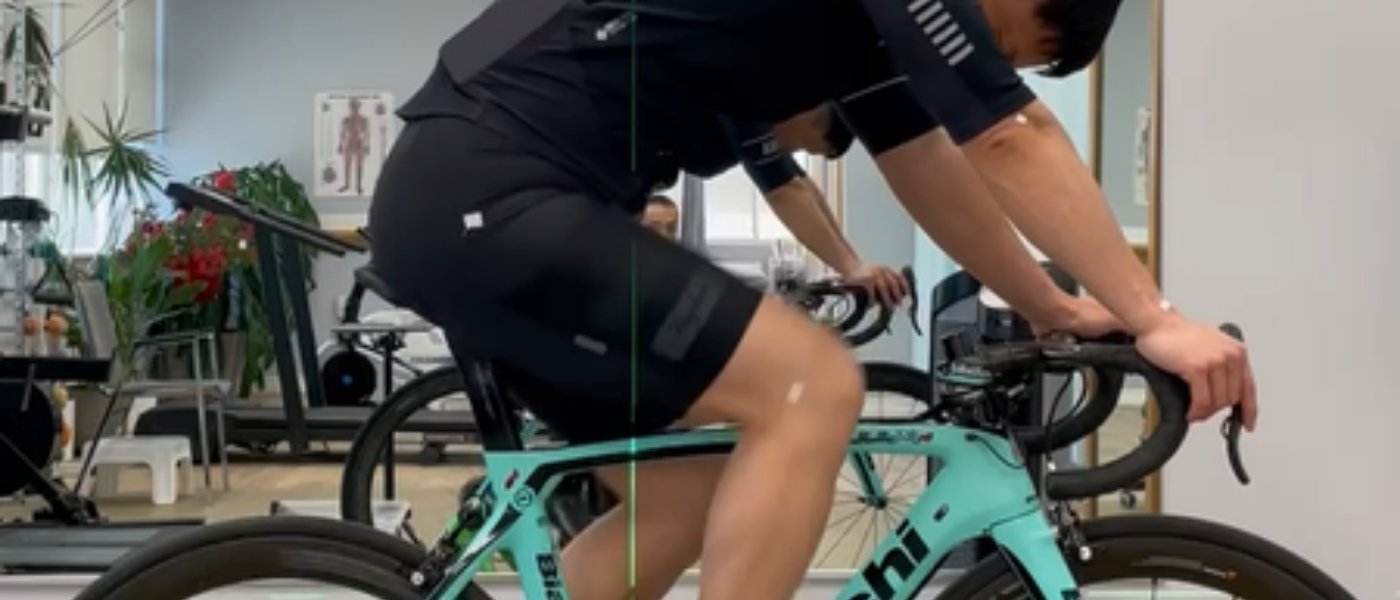
Patient pedalling a bike on a stationary trainer in a physiotherapy clinic, a common early exercise after hip arthroscopy

Post-Operative Labral Repair of the Hip

Recovery after arthroscopic surgery to reattach a torn hip labrum, guided by your surgeon's protocol and progressive physiotherapy.
Have you just had hip arthroscopy to repair a torn labrum, or do you have surgery booked and want to know what recovery really looks like? Are you wondering when you can drive, sit comfortably, get back to the gym, or return to your sport? Those are the questions almost every patient asks after a hip labral repair.

At Vaughan Physiotherapy Clinic, we guide patients through rehabilitation after hip arthroscopy, working within the protocol and restrictions set by their surgeon. Our job is to protect the repair while it heals, restore movement and strength step by step, and help you return to work, training, and sport with confidence.

Here is what a hip labral repair involves, what is normal during recovery, what other problems can cause pain after surgery, and when to call your surgeon.

What Is Post-Operative Labral Repair of the Hip?

The labrum is a ring of tough fibrocartilage that lines the rim of the hip socket (the acetabulum). A labral repair is a keyhole (arthroscopic) operation in which the surgeon reattaches a torn labrum to the bone, usually with small anchors and sutures. "Post-operative labral repair" simply means the recovery period after that surgery.

Labral tears often happen together with femoroacetabular impingement (FAI), where the shape of the ball, the socket, or both causes them to pinch together during deep hip bending and turning. For that reason, a labral repair is frequently combined with reshaping of the bone during the same operation (Holling et al., 2022).

Types of Labral Surgery

Depending on the tear and the tissue quality, the two main options are repair and debridement (Hurley et al., 2021), often alongside other work inside the joint:

  • Labral repair: the torn labrum is stitched back to the rim of the socket so it can heal in place
  • Labral debridement: the frayed or unstable part of the labrum is trimmed away, with nothing reattached
  • Additional procedures: reshaping a cam (ball) or pincer (socket) bump, closing the joint capsule, or treating cartilage damage, all of which can change your restrictions

A systematic review comparing repair with debridement found that repair may give better patient-reported results, with similar complication and revision rates (Hurley et al., 2021). Because the repaired labrum needs time to heal to bone, rehabilitation after a repair is usually more cautious early on than after debridement alone (Grzybowski et al., 2015).

Understanding the Anatomy

The labrum deepens the socket and helps create a suction seal that holds the ball in the socket and spreads load across the joint cartilage (Hurley et al., 2021). Key structures involved in your recovery include:

  • Labrum: the rim of cartilage that was repaired and is now healing
  • Joint capsule: the strong sleeve of ligaments around the hip, which the surgeon opens to reach the joint and may close at the end
  • Hip flexors (iliopsoas): the muscles at the front of the hip, which are often irritated after surgery
  • Gluteal muscles: the main stabilizers of the hip, which weaken quickly after surgery and are a major focus of rehab
  • Core and pelvis: the base that controls how load passes through the hip during walking, running, and twisting

Recognizing the Symptoms

Some discomfort is expected after hip arthroscopy, and it usually improves week by week. Common and normal experiences include:

  • Aching in the groin or front of the hip, especially at the end of the day
  • Stiffness, most noticeable after sitting or first thing in the morning
  • Soreness around the small incisions and some bruising down the thigh
  • Fatigue and weakness in the hip and thigh muscles, and a limp while on crutches
  • Clicking or catching sensations that come and go as the joint settles
  • Pinching at the front of the hip with deeper bending, which should ease gradually over the first few months

What Makes It Worse?

  • Doing too much too soon: walking long distances, skipping crutches, or adding exercises before your protocol allows
  • Breaking movement precautions: deep hip bending, twisting, or stretching the hip into positions your surgeon has restricted during early healing (Grzybowski et al., 2015)
  • Long periods of sitting in low chairs or cars, which keep the hip bent and can irritate the front of the joint
  • Straight-leg raises and hard hip flexor work early on, which commonly aggravate the iliopsoas
  • Poor sleep and stress, which can make post-surgical pain feel worse

What Else Could It Be?

Not every new pain after hip arthroscopy comes from the repair itself. Part of our assessment is checking for other sources of pain:

  • Hip flexor irritation (iliopsoas tendinopathy): pain at the front of the hip with lifting the leg, getting in and out of the car, or climbing stairs
  • Gluteal tendon pain: pain on the outside of the hip, often worse lying on that side
  • Nerve irritation: numbness or tingling in the groin, genitals, or outer thigh. Nerve problems occur in about 0.9 percent of hip arthroscopies, mostly involving the pudendal nerve or the nerve to the outer thigh, and are usually temporary (Nakano et al., 2017)
  • Low back referral: pain from the lumbar spine that is felt in the buttock or hip, sometimes stirred up by limping
  • Adductor or hamstring strain: from returning to activity too quickly
  • Ongoing joint problems: cartilage damage, early arthritis, or residual impingement, which your surgeon will assess if progress stalls

When to See a Doctor First

Contact your surgeon promptly, or go to the emergency department, if you have:

  • Calf pain, swelling, warmth, or redness in either leg, which may be a blood clot
  • Sudden shortness of breath or chest pain, which needs emergency care right away
  • Fever, chills, or an incision that is red, hot, swollen, or draining, which may be an infection
  • Numbness or weakness that is spreading or not improving, or new loss of bladder or bowel control
  • A sudden pop with sharp pain, or being suddenly unable to put weight on the leg
  • Severe or worsening pain that is not controlled by your prescribed medication

Our physiotherapists screen for these signs at your first visit and at every follow-up, and we contact your surgeon directly if anything needs medical review.

Related reading: You may also want to read about non-surgical care for hip labral tears, femoroacetabular impingement and iliopsoas tendinopathy.

Start Your Journey to 

‍Better Health Today

Recover faster, move better, and feel stronger with expert physiotherapy. Our team is here to guide you every step of the way.

Why Physiotherapy Is Essential

Surgery repairs the labrum, but it does not restore your strength, movement, or confidence on its own. After hip arthroscopy, the hip muscles switch off, the joint stiffens, and walking changes. Rehabilitation turns a successful operation into a hip that works for sport and daily life.

The research supports this. In a randomized trial of people having hip arthroscopy for FAI, those who received a physiotherapist-led program (one session before surgery and six after, with education, manual therapy, and progressive home, pool, and gym exercise) reported better hip function and sport scores at 14 weeks than those who had no structured rehab (Bennell et al., 2017). The trial was small (30 people) and the difference had evened out by 24 weeks, so it suggests faster early recovery rather than proving a long-term advantage. A 2024 systematic review also found that supervised physiotherapy outperformed usual care for movement, pain, and hip scores in a 100-person trial (Monselli et al., 2024).

Just as important, your physiotherapist works inside your surgeon's protocol. Every surgeon sets restrictions based on what was done in the joint, and those restrictions come first. Physiotherapy after a labral repair focuses on:

  • Protecting the repair: following weight-bearing limits, movement precautions, and brace instructions while the labrum heals
  • Restoring movement: regaining range of motion gradually, within the limits your surgeon allows
  • Rebuilding strength: the gluteal, core, and thigh muscles that weaken after surgery
  • Returning to activity: using strength and movement tests, not just the calendar, to decide when you are ready

Your Treatment Plan at Vaughan Physiotherapy Clinic

Most rehabilitation programs after hip arthroscopy follow a four-phase approach (Holling et al., 2022). The exact timing varies a lot between surgeons and procedures, and a systematic review of published protocols found no high-quality evidence that any single protocol is best. The authors recommend moving through phases based on how you are doing, with slower progression when tissue such as a repaired labrum needs to heal (Grzybowski et al., 2015). The timelines below are general guides only. Your surgeon's protocol always takes priority.

Phase 1: Assessment and Protection (Weeks 0 to about 4)

Ideally we see you before surgery for crutch training, then again soon after the operation. Your first post-operative visit includes:

  • Surgical review: your operative report and surgeon's protocol, including any bone reshaping, capsular closure, or cartilage work
  • Wound and screening check: incisions, swelling, and signs of blood clot, infection, or nerve irritation
  • Walking and crutch use: making sure you are bearing the right amount of weight

Common early restrictions

Published protocols differ widely, which is why we follow your surgeon's instructions, not a generic plan. Examples include (Grzybowski et al., 2015):

  • Protected weight-bearing on crutches: labral repair usually requires partial weight-bearing, with periods ranging from about one week to six weeks depending on the surgeon and procedure, and longer if cartilage work such as microfracture was done
  • Movement precautions: some protocols limit hip bending (for example, to 90 degrees early on), extension behind the body, and turning the leg outward for the first few weeks
  • Brace or passive motion machine: used by some surgeons, with brace use reported from about 10 days to 6 weeks

Early hip activation exercises
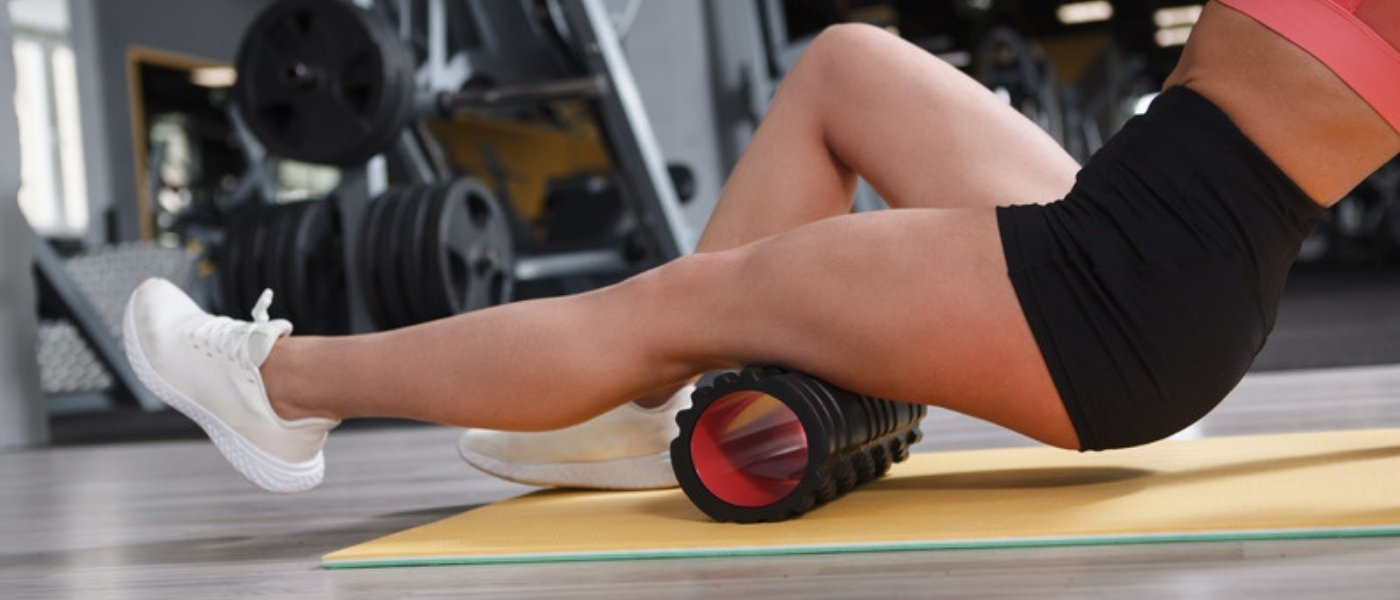
Woman foam rolling the back of her thigh on a yoga mat in a gym
Gentle mobility and soft tissue work on a mat are added as the repair heals and your surgeon's restrictions ease.

Early on, the goal is to reduce stiffness and get the hip muscles firing without stressing the repair. If your protocol allows, this may include:

  • Ankle pumps to support circulation
  • Gluteal squeezes and thigh (quadriceps) tightening
  • Gentle isometric hip exercises, such as pressing the knees outward against a belt
  • Supported hip movement within your allowed range, often on a stationary bike with no resistance
  • Gentle core activation, such as drawing in the lower abdomen while lying down

Ice and positioning advice help with comfort.

Phase 2: Restoring Movement and Walking (Weeks about 4 to 8)

Once you are cleared for full weight-bearing, the focus shifts to walking normally and regaining motion. Some protocols use a range target (for example, reaching about 75 percent of the other side's movement) before moving on (Grzybowski et al., 2015).

  • Weaning off crutches when cleared, and retraining a normal stride without a limp
  • Range of motion work in the directions your surgeon allows, progressed gently
  • Strengthening: bridges, side-lying hip work, mini squats, and standing balance
  • Pool work: once incisions have healed and your surgeon agrees, chest-deep water walking and water squats (Monselli et al., 2024)
  • Manual therapy: soft tissue work and gentle mobilization, as used in the FAIR trial program (Bennell et al., 2017)

Phase 3: Building Strength and Control (Weeks about 8 to 16)

This is where most rebuilding happens, progressed steadily as long as your hip stays settled.

  • Progressive strength training: squats, step-ups, deadlift patterns, lunges, and single-leg work, adding load over time
  • Gluteal, core, and balance work to control the pelvis during running and twisting
  • Low-impact cardio: cycling with resistance, swimming, and the elliptical as cleared. In published protocols, low-impact sport began at 6 weeks at the earliest (Grzybowski et al., 2015)

Phase 4: Return to Running, Sport, and Full Activity (Months 4 to 6 and beyond)

High-impact activity such as running, jumping, and cutting usually starts somewhere between 3 and 6 months in published protocols (Grzybowski et al., 2015), and timing and test criteria vary between surgeons (Holling et al., 2022). We use objective markers to decide readiness, not the date alone:

  • Strength testing of the hip and thigh compared with the other side
  • Hop tests and a graded walk-run return to running
  • Sport-specific drills and surgeon clearance before full contact or competition

Beyond Physiotherapy: Complementary Care for Post-Operative Labral Repair of the Hip

Protected loading and progressive exercise are the core of recovery. Other services at our clinic can sometimes ease pain and tension so you stay on track. Research on them after hip arthroscopy is very limited, so here is an honest summary. All are used only within your surgeon's restrictions.

How Acupuncture and Dry Needling Can Help

Acupuncture and dry needling use fine needles to reduce pain and ease tight, tender muscles.

  • What the evidence shows: we did not find trials of acupuncture or dry needling after hip arthroscopy or labral repair. The closest evidence is a 2023 review of 12 trials in other hip conditions, including hip arthritis, hip fracture, and hip replacement. It found that acupuncture added to usual care may help with pain, but the authors rated the evidence as weak because the studies were small and of low quality (Park et al., 2023). Dry needling is mentioned in post-arthroscopy rehab programs as an optional add-on, but it has not been tested on its own (Monselli et al., 2024)
  • Where it fits: later in recovery, for tight or tender hip and buttock muscles, alongside exercise
  • Safety: no serious side effects were reported in the hip pain trials, though minor bleeding and needle-site soreness can occur (Park et al., 2023). Needles are never placed near healing incisions, and we confirm with your surgeon if you are on blood thinners

How Massage Therapy Can Help

Registered massage therapy focuses on the soft tissues around the hip, thigh, buttock, and low back.

  • What the evidence shows: we did not find any trials of massage therapy after hip arthroscopy. Trigger point massage of the hip muscles was one part of the physiotherapy program in the FAIR trial, but its effect was not measured separately (Bennell et al., 2017; Monselli et al., 2024)
  • Where it fits: for hip and low back muscle tension from limping and crutch use, as a supportive add-on
  • Safety: very safe when the therapist avoids the incisions until they are fully healed and respects your movement precautions.

How Chiropractic and Joint Manipulation Can Help

Chiropractic care uses joint mobilization and manipulation, usually of the spine and pelvis.

  • What the evidence shows: we did not find trials of chiropractic care or joint manipulation after hip arthroscopy. Gentle low back mobilization, used when an assessment points to it, is described in some post-arthroscopy rehab programs, but it has not been tested on its own (Monselli et al., 2024)
  • Where it fits: for low back or pelvic stiffness and pain that develop from limping or altered movement during recovery
  • Safety: forceful manipulation of the operated hip is not appropriate while the repair heals, and any spinal or pelvic treatment must respect your hip precautions

Whichever combination you choose, these treatments share one purpose: keeping you comfortable enough to stay consistent with the exercise program that drives your recovery.

Working With Your Surgical Team

Your surgeon is in charge of your recovery plan, and we work as part of that team. That means:

  • Following the protocol: we ask for your surgeon's written protocol and operative report, and we follow its weight-bearing limits, movement precautions, and brace instructions exactly
  • Never skipping ahead: if you feel ready for more than your protocol allows, we check with your surgeon first
  • Keeping your surgeon informed: we report progress and flag concerns such as stalled motion or persistent pain

Complications after hip arthroscopy are uncommon. A review of nearly 37,000 operations found an overall complication rate of about 3.3 percent, with major complications in about 0.2 percent (Nakano et al., 2017). If you notice any of the red flags listed above, contact your surgeon rather than waiting for your next physiotherapy appointment.

How Long Will It Take?

Recovery from a hip labral repair is measured in months, not weeks. Published rehab programs after hip arthroscopy generally run about 4 to 8 months (16 to 32 weeks) from start to finish (Monselli et al., 2024), and improvements in sport and activity scores can continue for up to a year after surgery (Monselli et al., 2024).

As a rough guide:

  • Crutches: usually from about one to six weeks, depending on your surgeon and what was done (Grzybowski et al., 2015)
  • Low-impact sport: not before 6 weeks at the earliest (Grzybowski et al., 2015). In one group of cyclists, the average return to cycling was about 4.5 months (Monselli et al., 2024)
  • Running: in one study of runners, the average return to running was about 8.5 months (Monselli et al., 2024)
  • Return to sport overall: across 38 studies, about 93 percent of athletes returned to sport at some level and about 82 percent returned to their pre-injury level (Memon et al., 2019). An earlier review found similar results (Casartelli et al., 2015)

People with a shorter period of symptoms before surgery tended to have higher rates of return to sport (Memon et al., 2019). Your timeline depends on what was done in surgery, your surgeon's protocol, and the demands of your sport or job.

Prevention and Long-Term Management

  • Finish your rehab: sport demands far more strength than daily life
  • Keep strength training: continue hip, gluteal, and core exercises two to three times a week for the long term
  • Build load gradually: increase running distance, gym weights, and training sessions step by step
  • Respect deep hip positions: ask about long-term guidance for deep squatting and repeated twisting
  • Act early: if groin pain, catching, or pinching returns, book a reassessment instead of pushing through

Frequently Asked Questions

When can I stop using crutches?

This is your surgeon's decision. After a labral repair, most protocols require partial weight-bearing for a period that ranges from about one to six weeks, and longer if cartilage work was also done (Grzybowski et al., 2015). We will help you wean off safely once you are cleared and can walk without a limp.

Is it normal to have pain at the front of my hip months after surgery?

Some front-of-hip discomfort, often from the hip flexors, is common as activity increases and usually settles with load adjustments. Pain that is worsening, waking you at night, or comes with locking or giving way should be reviewed by your surgeon.

Do I really need physiotherapy, or can I do exercises at home?

Home exercise is a big part of recovery, but supervised physiotherapy has been shown to give better early results than no structured rehab (Bennell et al., 2017; Monselli et al., 2024). A physiotherapist keeps you within your restrictions and progresses your program at the right time.

Will I be able to return to my sport?

Most athletes do. Across 38 studies, about 93 percent of athletes returned to sport and about 82 percent returned to their previous level (Memon et al., 2019). Return takes several months and should be guided by strength and movement testing plus surgeon clearance.

Can the repair tear again?

It can, but most people do not need further surgery. In the review comparing repair with debridement, most studies reported revision in a minority of patients, with no clear difference between the two approaches (Hurley et al., 2021). Following your protocol, building strength fully, and returning to sport gradually all help protect the repair.

Can acupuncture, massage, or chiropractic replace my rehab exercises?

No. Protected loading and progressive exercise are the foundation of recovery after a labral repair. Acupuncture, massage, and joint mobilization have not been tested after hip arthroscopy and are best used as short-term supports to ease pain and tightness while you rebuild, always within your surgeon's restrictions.

Our Specialized Approach at Vaughan Physiotherapy Clinic

Protocol-driven care: we follow your surgeon's restrictions and timelines and keep them informed of your progress

Pre-surgery preparation: crutch training, home setup advice, and early exercises before your operation

Criteria-based progression: strength and movement testing to decide when you are ready for each new phase

Return-to-sport testing: hop, strength, and agility testing for runners and field and court athletes

Integrated care: physiotherapy, massage therapy, acupuncture, and chiropractic under one roof when they add value

Safety first: screening for blood clots, infection, and nerve symptoms at every stage, with direct contact with your surgical team when needed

Take the First Step Toward a Strong, Confident Hip

Our team at Vaughan Physiotherapy Clinic helps patients from Thornhill, Vaughan, North York, Richmond Hill, and surrounding communities rebuild strength and return to the activities they love after hip arthroscopy, working hand in hand with their surgeons.

Book your assessment today:

Phone: 905-669-1221

Location: 398 Steeles Ave W #201, Thornhill, ON L4J 6X3

Online Booking: www.vaughanphysiotherapy.com

References

Bennell KL, Spiers L, Takla A, O'Donnell J, Kasza J, Hunter DJ, Hinman RS. Efficacy of adding a physiotherapy rehabilitation programme to arthroscopic management of femoroacetabular impingement syndrome: a randomised controlled trial (FAIR). BMJ Open. 2017;7(6):e014658. doi:10.1136/bmjopen-2016-014658

Casartelli NC, Leunig M, Maffiuletti NA, Bizzini M. Return to sport after hip surgery for femoroacetabular impingement: a systematic review. British Journal of Sports Medicine. 2015;49(12):819-824. doi:10.1136/bjsports-2014-094414

Grzybowski JS, Malloy P, Stegemann C, Bush-Joseph C, Harris JD, Nho SJ. Rehabilitation following hip arthroscopy: a systematic review. Frontiers in Surgery. 2015;2:21. doi:10.3389/fsurg.2015.00021

Holling MJ, Miller ST, Geeslin AG. Rehabilitation and return to sport after arthroscopic treatment of femoroacetabular impingement: a review of the recent literature and discussion of advanced rehabilitation techniques for athletes. Arthroscopy, Sports Medicine, and Rehabilitation. 2022;4(1):e125-e132. doi:10.1016/j.asmr.2021.11.003

Hurley ET, Hughes AJ, Jamal MS, Mojica ES, Bloom DA, Youm T, McCarthy T. Repair versus debridement for acetabular labral tears: a systematic review. Arthroscopy, Sports Medicine, and Rehabilitation. 2021;3(5):e1569-e1576. doi:10.1016/j.asmr.2021.06.008

Memon M, Kay J, Hache P, Simunovic N, Harris JD, O'Donnell J, Ayeni OR. Athletes experience a high rate of return to sport following hip arthroscopy. Knee Surgery, Sports Traumatology, Arthroscopy. 2019;27(10):3066-3104. doi:10.1007/s00167-018-4929-z

Monselli C, Bianco Prevot L, Accetta R, Tronconi LP, Bolcato V, Basile G. State of the art in rehabilitation strategies after hip arthroscopy for femoroacetabular impingement syndrome: a systematic review. Journal of Clinical Medicine. 2024;13(23):7302. doi:10.3390/jcm13237302

Nakano N, Lisenda L, Jones TL, Loveday DT, Khanduja V. Complications following arthroscopic surgery of the hip: a systematic review of 36 761 cases. Bone & Joint Journal. 2017;99-B(12):1577-1583. doi:10.1302/0301-620X.99B12.BJJ-2017-0043.R2

Park HS, Jeong HI, Sung SH, Kim KH. Acupuncture treatment for hip pain: a systematic review and meta-analysis. Healthcare. 2023;11(11):1624. doi:10.3390/healthcare11111624

Disclaimer: This article is for educational purposes only and does not replace professional medical advice. Recovery after hip labral repair varies with the surgical technique, any additional procedures, and your surgeon's protocol. Always follow your surgeon's instructions and restrictions, and contact your surgical team or a qualified healthcare provider about any concerns with your recovery.


Team

Condition guide

Post-Operative Labral Repair of the Hip

Recovery after arthroscopic surgery to reattach a torn hip labrum, guided by your surgeon's protocol and progressive physiotherapy.

Patient pedalling a bike on a stationary trainer in a physiotherapy clinic, a common early exercise after hip arthroscopyPost-Operative Labral Repair of the Hip

Have you just had hip arthroscopy to repair a torn labrum, or do you have surgery booked and want to know what recovery really looks like? Are you wondering when you can drive, sit comfortably, get back to the gym, or return to your sport? Those are the questions almost every patient asks after a hip labral repair.

At Vaughan Physiotherapy Clinic, we guide patients through rehabilitation after hip arthroscopy, working within the protocol and restrictions set by their surgeon. Our job is to protect the repair while it heals, restore movement and strength step by step, and help you return to work, training, and sport with confidence.

Here is what a hip labral repair involves, what is normal during recovery, what other problems can cause pain after surgery, and when to call your surgeon.

What Is Post-Operative Labral Repair of the Hip?

The labrum is a ring of tough fibrocartilage that lines the rim of the hip socket (the acetabulum). A labral repair is a keyhole (arthroscopic) operation in which the surgeon reattaches a torn labrum to the bone, usually with small anchors and sutures. "Post-operative labral repair" simply means the recovery period after that surgery.

Labral tears often happen together with femoroacetabular impingement (FAI), where the shape of the ball, the socket, or both causes them to pinch together during deep hip bending and turning. For that reason, a labral repair is frequently combined with reshaping of the bone during the same operation (Holling et al., 2022).

Types of Labral Surgery

Depending on the tear and the tissue quality, the two main options are repair and debridement (Hurley et al., 2021), often alongside other work inside the joint:

  • Labral repair: the torn labrum is stitched back to the rim of the socket so it can heal in place
  • Labral debridement: the frayed or unstable part of the labrum is trimmed away, with nothing reattached
  • Additional procedures: reshaping a cam (ball) or pincer (socket) bump, closing the joint capsule, or treating cartilage damage, all of which can change your restrictions

A systematic review comparing repair with debridement found that repair may give better patient-reported results, with similar complication and revision rates (Hurley et al., 2021). Because the repaired labrum needs time to heal to bone, rehabilitation after a repair is usually more cautious early on than after debridement alone (Grzybowski et al., 2015).

Understanding the Anatomy

The labrum deepens the socket and helps create a suction seal that holds the ball in the socket and spreads load across the joint cartilage (Hurley et al., 2021). Key structures involved in your recovery include:

  • Labrum: the rim of cartilage that was repaired and is now healing
  • Joint capsule: the strong sleeve of ligaments around the hip, which the surgeon opens to reach the joint and may close at the end
  • Hip flexors (iliopsoas): the muscles at the front of the hip, which are often irritated after surgery
  • Gluteal muscles: the main stabilizers of the hip, which weaken quickly after surgery and are a major focus of rehab
  • Core and pelvis: the base that controls how load passes through the hip during walking, running, and twisting

Recognizing the Symptoms

Some discomfort is expected after hip arthroscopy, and it usually improves week by week. Common and normal experiences include:

  • Aching in the groin or front of the hip, especially at the end of the day
  • Stiffness, most noticeable after sitting or first thing in the morning
  • Soreness around the small incisions and some bruising down the thigh
  • Fatigue and weakness in the hip and thigh muscles, and a limp while on crutches
  • Clicking or catching sensations that come and go as the joint settles
  • Pinching at the front of the hip with deeper bending, which should ease gradually over the first few months

What Makes It Worse?

  • Doing too much too soon: walking long distances, skipping crutches, or adding exercises before your protocol allows
  • Breaking movement precautions: deep hip bending, twisting, or stretching the hip into positions your surgeon has restricted during early healing (Grzybowski et al., 2015)
  • Long periods of sitting in low chairs or cars, which keep the hip bent and can irritate the front of the joint
  • Straight-leg raises and hard hip flexor work early on, which commonly aggravate the iliopsoas
  • Poor sleep and stress, which can make post-surgical pain feel worse

What Else Could It Be?

Not every new pain after hip arthroscopy comes from the repair itself. Part of our assessment is checking for other sources of pain:

  • Hip flexor irritation (iliopsoas tendinopathy): pain at the front of the hip with lifting the leg, getting in and out of the car, or climbing stairs
  • Gluteal tendon pain: pain on the outside of the hip, often worse lying on that side
  • Nerve irritation: numbness or tingling in the groin, genitals, or outer thigh. Nerve problems occur in about 0.9 percent of hip arthroscopies, mostly involving the pudendal nerve or the nerve to the outer thigh, and are usually temporary (Nakano et al., 2017)
  • Low back referral: pain from the lumbar spine that is felt in the buttock or hip, sometimes stirred up by limping
  • Adductor or hamstring strain: from returning to activity too quickly
  • Ongoing joint problems: cartilage damage, early arthritis, or residual impingement, which your surgeon will assess if progress stalls

When to See a Doctor First

Contact your surgeon promptly, or go to the emergency department, if you have:

  • Calf pain, swelling, warmth, or redness in either leg, which may be a blood clot
  • Sudden shortness of breath or chest pain, which needs emergency care right away
  • Fever, chills, or an incision that is red, hot, swollen, or draining, which may be an infection
  • Numbness or weakness that is spreading or not improving, or new loss of bladder or bowel control
  • A sudden pop with sharp pain, or being suddenly unable to put weight on the leg
  • Severe or worsening pain that is not controlled by your prescribed medication

Our physiotherapists screen for these signs at your first visit and at every follow-up, and we contact your surgeon directly if anything needs medical review.

Related reading: You may also want to read about non-surgical care for hip labral tears, femoroacetabular impingement and iliopsoas tendinopathy.

Why Physiotherapy Is Essential

Surgery repairs the labrum, but it does not restore your strength, movement, or confidence on its own. After hip arthroscopy, the hip muscles switch off, the joint stiffens, and walking changes. Rehabilitation turns a successful operation into a hip that works for sport and daily life.

The research supports this. In a randomized trial of people having hip arthroscopy for FAI, those who received a physiotherapist-led program (one session before surgery and six after, with education, manual therapy, and progressive home, pool, and gym exercise) reported better hip function and sport scores at 14 weeks than those who had no structured rehab (Bennell et al., 2017). The trial was small (30 people) and the difference had evened out by 24 weeks, so it suggests faster early recovery rather than proving a long-term advantage. A 2024 systematic review also found that supervised physiotherapy outperformed usual care for movement, pain, and hip scores in a 100-person trial (Monselli et al., 2024).

Just as important, your physiotherapist works inside your surgeon's protocol. Every surgeon sets restrictions based on what was done in the joint, and those restrictions come first. Physiotherapy after a labral repair focuses on:

  • Protecting the repair: following weight-bearing limits, movement precautions, and brace instructions while the labrum heals
  • Restoring movement: regaining range of motion gradually, within the limits your surgeon allows
  • Rebuilding strength: the gluteal, core, and thigh muscles that weaken after surgery
  • Returning to activity: using strength and movement tests, not just the calendar, to decide when you are ready

Your Treatment Plan at Vaughan Physiotherapy Clinic

Most rehabilitation programs after hip arthroscopy follow a four-phase approach (Holling et al., 2022). The exact timing varies a lot between surgeons and procedures, and a systematic review of published protocols found no high-quality evidence that any single protocol is best. The authors recommend moving through phases based on how you are doing, with slower progression when tissue such as a repaired labrum needs to heal (Grzybowski et al., 2015). The timelines below are general guides only. Your surgeon's protocol always takes priority.

Phase 1: Assessment and Protection (Weeks 0 to about 4)

Ideally we see you before surgery for crutch training, then again soon after the operation. Your first post-operative visit includes:

  • Surgical review: your operative report and surgeon's protocol, including any bone reshaping, capsular closure, or cartilage work
  • Wound and screening check: incisions, swelling, and signs of blood clot, infection, or nerve irritation
  • Walking and crutch use: making sure you are bearing the right amount of weight

Common early restrictions

Published protocols differ widely, which is why we follow your surgeon's instructions, not a generic plan. Examples include (Grzybowski et al., 2015):

  • Protected weight-bearing on crutches: labral repair usually requires partial weight-bearing, with periods ranging from about one week to six weeks depending on the surgeon and procedure, and longer if cartilage work such as microfracture was done
  • Movement precautions: some protocols limit hip bending (for example, to 90 degrees early on), extension behind the body, and turning the leg outward for the first few weeks
  • Brace or passive motion machine: used by some surgeons, with brace use reported from about 10 days to 6 weeks

Early hip activation exercises

Woman foam rolling the back of her thigh on a yoga mat in a gym
Gentle mobility and soft tissue work on a mat are added as the repair heals and your surgeon's restrictions ease.

Early on, the goal is to reduce stiffness and get the hip muscles firing without stressing the repair. If your protocol allows, this may include:

  • Ankle pumps to support circulation
  • Gluteal squeezes and thigh (quadriceps) tightening
  • Gentle isometric hip exercises, such as pressing the knees outward against a belt
  • Supported hip movement within your allowed range, often on a stationary bike with no resistance
  • Gentle core activation, such as drawing in the lower abdomen while lying down

Ice and positioning advice help with comfort.

Phase 2: Restoring Movement and Walking (Weeks about 4 to 8)

Once you are cleared for full weight-bearing, the focus shifts to walking normally and regaining motion. Some protocols use a range target (for example, reaching about 75 percent of the other side's movement) before moving on (Grzybowski et al., 2015).

  • Weaning off crutches when cleared, and retraining a normal stride without a limp
  • Range of motion work in the directions your surgeon allows, progressed gently
  • Strengthening: bridges, side-lying hip work, mini squats, and standing balance
  • Pool work: once incisions have healed and your surgeon agrees, chest-deep water walking and water squats (Monselli et al., 2024)
  • Manual therapy: soft tissue work and gentle mobilization, as used in the FAIR trial program (Bennell et al., 2017)

Phase 3: Building Strength and Control (Weeks about 8 to 16)

This is where most rebuilding happens, progressed steadily as long as your hip stays settled.

  • Progressive strength training: squats, step-ups, deadlift patterns, lunges, and single-leg work, adding load over time
  • Gluteal, core, and balance work to control the pelvis during running and twisting
  • Low-impact cardio: cycling with resistance, swimming, and the elliptical as cleared. In published protocols, low-impact sport began at 6 weeks at the earliest (Grzybowski et al., 2015)

Phase 4: Return to Running, Sport, and Full Activity (Months 4 to 6 and beyond)

High-impact activity such as running, jumping, and cutting usually starts somewhere between 3 and 6 months in published protocols (Grzybowski et al., 2015), and timing and test criteria vary between surgeons (Holling et al., 2022). We use objective markers to decide readiness, not the date alone:

  • Strength testing of the hip and thigh compared with the other side
  • Hop tests and a graded walk-run return to running
  • Sport-specific drills and surgeon clearance before full contact or competition

Beyond Physiotherapy: Complementary Care for Post-Operative Labral Repair of the Hip

Protected loading and progressive exercise are the core of recovery. Other services at our clinic can sometimes ease pain and tension so you stay on track. Research on them after hip arthroscopy is very limited, so here is an honest summary. All are used only within your surgeon's restrictions.

How Acupuncture and Dry Needling Can Help

Acupuncture and dry needling use fine needles to reduce pain and ease tight, tender muscles.

  • What the evidence shows: we did not find trials of acupuncture or dry needling after hip arthroscopy or labral repair. The closest evidence is a 2023 review of 12 trials in other hip conditions, including hip arthritis, hip fracture, and hip replacement. It found that acupuncture added to usual care may help with pain, but the authors rated the evidence as weak because the studies were small and of low quality (Park et al., 2023). Dry needling is mentioned in post-arthroscopy rehab programs as an optional add-on, but it has not been tested on its own (Monselli et al., 2024)
  • Where it fits: later in recovery, for tight or tender hip and buttock muscles, alongside exercise
  • Safety: no serious side effects were reported in the hip pain trials, though minor bleeding and needle-site soreness can occur (Park et al., 2023). Needles are never placed near healing incisions, and we confirm with your surgeon if you are on blood thinners

How Massage Therapy Can Help

Registered massage therapy focuses on the soft tissues around the hip, thigh, buttock, and low back.

  • What the evidence shows: we did not find any trials of massage therapy after hip arthroscopy. Trigger point massage of the hip muscles was one part of the physiotherapy program in the FAIR trial, but its effect was not measured separately (Bennell et al., 2017; Monselli et al., 2024)
  • Where it fits: for hip and low back muscle tension from limping and crutch use, as a supportive add-on
  • Safety: very safe when the therapist avoids the incisions until they are fully healed and respects your movement precautions.

How Chiropractic and Joint Manipulation Can Help

Chiropractic care uses joint mobilization and manipulation, usually of the spine and pelvis.

  • What the evidence shows: we did not find trials of chiropractic care or joint manipulation after hip arthroscopy. Gentle low back mobilization, used when an assessment points to it, is described in some post-arthroscopy rehab programs, but it has not been tested on its own (Monselli et al., 2024)
  • Where it fits: for low back or pelvic stiffness and pain that develop from limping or altered movement during recovery
  • Safety: forceful manipulation of the operated hip is not appropriate while the repair heals, and any spinal or pelvic treatment must respect your hip precautions

Whichever combination you choose, these treatments share one purpose: keeping you comfortable enough to stay consistent with the exercise program that drives your recovery.

Working With Your Surgical Team

Your surgeon is in charge of your recovery plan, and we work as part of that team. That means:

  • Following the protocol: we ask for your surgeon's written protocol and operative report, and we follow its weight-bearing limits, movement precautions, and brace instructions exactly
  • Never skipping ahead: if you feel ready for more than your protocol allows, we check with your surgeon first
  • Keeping your surgeon informed: we report progress and flag concerns such as stalled motion or persistent pain

Complications after hip arthroscopy are uncommon. A review of nearly 37,000 operations found an overall complication rate of about 3.3 percent, with major complications in about 0.2 percent (Nakano et al., 2017). If you notice any of the red flags listed above, contact your surgeon rather than waiting for your next physiotherapy appointment.

How Long Will It Take?

Recovery from a hip labral repair is measured in months, not weeks. Published rehab programs after hip arthroscopy generally run about 4 to 8 months (16 to 32 weeks) from start to finish (Monselli et al., 2024), and improvements in sport and activity scores can continue for up to a year after surgery (Monselli et al., 2024).

As a rough guide:

  • Crutches: usually from about one to six weeks, depending on your surgeon and what was done (Grzybowski et al., 2015)
  • Low-impact sport: not before 6 weeks at the earliest (Grzybowski et al., 2015). In one group of cyclists, the average return to cycling was about 4.5 months (Monselli et al., 2024)
  • Running: in one study of runners, the average return to running was about 8.5 months (Monselli et al., 2024)
  • Return to sport overall: across 38 studies, about 93 percent of athletes returned to sport at some level and about 82 percent returned to their pre-injury level (Memon et al., 2019). An earlier review found similar results (Casartelli et al., 2015)

People with a shorter period of symptoms before surgery tended to have higher rates of return to sport (Memon et al., 2019). Your timeline depends on what was done in surgery, your surgeon's protocol, and the demands of your sport or job.

Prevention and Long-Term Management

  • Finish your rehab: sport demands far more strength than daily life
  • Keep strength training: continue hip, gluteal, and core exercises two to three times a week for the long term
  • Build load gradually: increase running distance, gym weights, and training sessions step by step
  • Respect deep hip positions: ask about long-term guidance for deep squatting and repeated twisting
  • Act early: if groin pain, catching, or pinching returns, book a reassessment instead of pushing through

Frequently Asked Questions

When can I stop using crutches?

This is your surgeon's decision. After a labral repair, most protocols require partial weight-bearing for a period that ranges from about one to six weeks, and longer if cartilage work was also done (Grzybowski et al., 2015). We will help you wean off safely once you are cleared and can walk without a limp.

Is it normal to have pain at the front of my hip months after surgery?

Some front-of-hip discomfort, often from the hip flexors, is common as activity increases and usually settles with load adjustments. Pain that is worsening, waking you at night, or comes with locking or giving way should be reviewed by your surgeon.

Do I really need physiotherapy, or can I do exercises at home?

Home exercise is a big part of recovery, but supervised physiotherapy has been shown to give better early results than no structured rehab (Bennell et al., 2017; Monselli et al., 2024). A physiotherapist keeps you within your restrictions and progresses your program at the right time.

Will I be able to return to my sport?

Most athletes do. Across 38 studies, about 93 percent of athletes returned to sport and about 82 percent returned to their previous level (Memon et al., 2019). Return takes several months and should be guided by strength and movement testing plus surgeon clearance.

Can the repair tear again?

It can, but most people do not need further surgery. In the review comparing repair with debridement, most studies reported revision in a minority of patients, with no clear difference between the two approaches (Hurley et al., 2021). Following your protocol, building strength fully, and returning to sport gradually all help protect the repair.

Can acupuncture, massage, or chiropractic replace my rehab exercises?

No. Protected loading and progressive exercise are the foundation of recovery after a labral repair. Acupuncture, massage, and joint mobilization have not been tested after hip arthroscopy and are best used as short-term supports to ease pain and tightness while you rebuild, always within your surgeon's restrictions.

Our Specialized Approach at Vaughan Physiotherapy Clinic

Protocol-driven care: we follow your surgeon's restrictions and timelines and keep them informed of your progress

Pre-surgery preparation: crutch training, home setup advice, and early exercises before your operation

Criteria-based progression: strength and movement testing to decide when you are ready for each new phase

Return-to-sport testing: hop, strength, and agility testing for runners and field and court athletes

Integrated care: physiotherapy, massage therapy, acupuncture, and chiropractic under one roof when they add value

Safety first: screening for blood clots, infection, and nerve symptoms at every stage, with direct contact with your surgical team when needed

Take the First Step Toward a Strong, Confident Hip

Our team at Vaughan Physiotherapy Clinic helps patients from Thornhill, Vaughan, North York, Richmond Hill, and surrounding communities rebuild strength and return to the activities they love after hip arthroscopy, working hand in hand with their surgeons.

Book your assessment today:

Phone: 905-669-1221

Location: 398 Steeles Ave W #201, Thornhill, ON L4J 6X3

Online Booking: www.vaughanphysiotherapy.com

References

Bennell KL, Spiers L, Takla A, O'Donnell J, Kasza J, Hunter DJ, Hinman RS. Efficacy of adding a physiotherapy rehabilitation programme to arthroscopic management of femoroacetabular impingement syndrome: a randomised controlled trial (FAIR). BMJ Open. 2017;7(6):e014658. doi:10.1136/bmjopen-2016-014658

Casartelli NC, Leunig M, Maffiuletti NA, Bizzini M. Return to sport after hip surgery for femoroacetabular impingement: a systematic review. British Journal of Sports Medicine. 2015;49(12):819-824. doi:10.1136/bjsports-2014-094414

Grzybowski JS, Malloy P, Stegemann C, Bush-Joseph C, Harris JD, Nho SJ. Rehabilitation following hip arthroscopy: a systematic review. Frontiers in Surgery. 2015;2:21. doi:10.3389/fsurg.2015.00021

Holling MJ, Miller ST, Geeslin AG. Rehabilitation and return to sport after arthroscopic treatment of femoroacetabular impingement: a review of the recent literature and discussion of advanced rehabilitation techniques for athletes. Arthroscopy, Sports Medicine, and Rehabilitation. 2022;4(1):e125-e132. doi:10.1016/j.asmr.2021.11.003

Hurley ET, Hughes AJ, Jamal MS, Mojica ES, Bloom DA, Youm T, McCarthy T. Repair versus debridement for acetabular labral tears: a systematic review. Arthroscopy, Sports Medicine, and Rehabilitation. 2021;3(5):e1569-e1576. doi:10.1016/j.asmr.2021.06.008

Memon M, Kay J, Hache P, Simunovic N, Harris JD, O'Donnell J, Ayeni OR. Athletes experience a high rate of return to sport following hip arthroscopy. Knee Surgery, Sports Traumatology, Arthroscopy. 2019;27(10):3066-3104. doi:10.1007/s00167-018-4929-z

Monselli C, Bianco Prevot L, Accetta R, Tronconi LP, Bolcato V, Basile G. State of the art in rehabilitation strategies after hip arthroscopy for femoroacetabular impingement syndrome: a systematic review. Journal of Clinical Medicine. 2024;13(23):7302. doi:10.3390/jcm13237302

Nakano N, Lisenda L, Jones TL, Loveday DT, Khanduja V. Complications following arthroscopic surgery of the hip: a systematic review of 36 761 cases. Bone & Joint Journal. 2017;99-B(12):1577-1583. doi:10.1302/0301-620X.99B12.BJJ-2017-0043.R2

Park HS, Jeong HI, Sung SH, Kim KH. Acupuncture treatment for hip pain: a systematic review and meta-analysis. Healthcare. 2023;11(11):1624. doi:10.3390/healthcare11111624

Disclaimer: This article is for educational purposes only and does not replace professional medical advice. Recovery after hip labral repair varies with the surgical technique, any additional procedures, and your surgeon's protocol. Always follow your surgeon's instructions and restrictions, and contact your surgical team or a qualified healthcare provider about any concerns with your recovery.

How it works

Getting started.

  1. 01

    No referral needed

    You can book directly. Some benefit plans ask for a doctor's note, so check yours before your visit.

  2. 02

    Your first assessment, 45 minutes

    Your history, movement testing, a clear diagnosis and a plan you understand.

  3. 03

    Follow-up sessions

    Hands-on care and exercise, progressed each visit.

  4. 04

    Not the right fit? Second opinion on us

    If you're not satisfied with your initial assessment, a second assessment with another therapist is complimentary.

Not sure this is what you have?

One of our therapists can check what is going on and build a plan around what they find. Book online, or call us at 905-669-1221.