Condition guide
Rib Subluxation or Slipped Rib Syndrome
Slipped rib syndrome is sharp lower rib pain caused by an overly mobile rib cartilage tip that slides and irritates the nerve below the rib above.
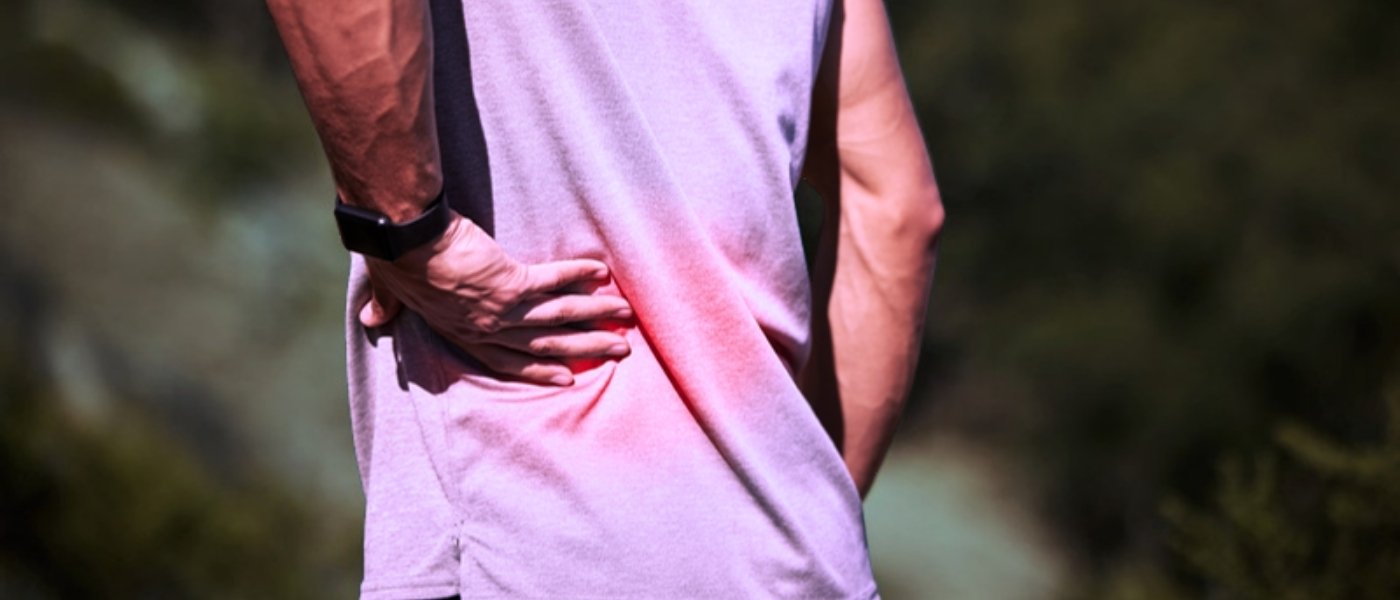
Do you get a sharp, stabbing pain along the bottom edge of your ribs when you twist, bend, cough, or reach? Do you sometimes feel a click or a pop, followed by an ache that spreads toward your back or belly? Have you already had tests for your gallbladder or stomach that came back normal? If so, you may be dealing with slipped rib syndrome, a real but often missed cause of lower rib pain.
At Vaughan Physiotherapy Clinic, we assess and treat rib and chest wall pain in athletes, desk workers, and anyone who has started to brace every time they turn. The goal is to work out which structure is irritated and why, so you can get back to training, working, and sleeping comfortably.
Here is what slipped rib syndrome and so-called rib subluxation are, how to recognize them, what they can be confused with, and what the research says about treating them.
What Is Rib Subluxation or Slipped Rib Syndrome?
Slipped rib syndrome (also called slipping rib syndrome) happens when one or more of the lower ribs, usually ribs 8, 9 and 10, become too mobile at the front where their cartilage tips join the rib above. The 10th rib is the one most often involved (Madeka et al., 2023; Foley et al., 2019). When the loose cartilage tip slides up and under the rib above it, it can pinch or irritate the intercostal nerve that runs along the underside of each rib. That nerve irritation is what produces the sharp, sometimes spreading pain (Gress et al., 2020).
It is still poorly understood and frequently overlooked. In one sports medicine clinic, young athletes with slipped rib syndrome waited an average of about 15 months and saw more than two specialists before they were diagnosed (Foley et al., 2019). It is thought to account for roughly 5 percent of musculoskeletal chest pain seen in primary care (Gress et al., 2020), although true numbers are unknown because it is so often missed (Madeka et al., 2023).
Slipped Rib vs "Rib Subluxation" or a "Rib Out"
People use several terms for rib pain, and they do not always mean the same thing:
- Slipped rib syndrome: a recognized condition where lower rib cartilages move too much at the front and side of the chest, irritating a nerve
- "Rib subluxation" or a "rib out": terms often used for sharp pain at the back, beside the spine, where the ribs join the vertebrae. This usually reflects irritated rib joints and muscles. Research has not shown true partial dislocation here to be common, so we treat these terms as a description of symptoms, not a confirmed diagnosis
- Rib tip syndrome or clicking rib: older names for slipped rib (Winzenberg et al., 2015)
This page covers both, since they are assessed and managed in similar ways, but slipped rib syndrome has the clearer research behind it.
Understanding the Anatomy
You have 12 pairs of ribs. How each one attaches at the front explains why the lower ribs are the ones that slip (Madeka et al., 2023):
- True ribs (1 to 7): attach directly to the breastbone by their own cartilage, which makes them stable
- False ribs (8 to 10): instead of reaching the breastbone, their cartilage tips are tied to the rib above by cartilage or a fibrous band. If that connection is loose or damaged, the tip can move too much
- Floating ribs (11 and 12): have no attachment at the front at all
- Intercostal nerves: run under each rib and supply the chest and part of the abdominal wall, which is why rib pain can be felt in the belly or wrap around to the back
- Costovertebral joints: the small joints at the back where each rib meets the spine, usually blamed when a rib is "out"
Possible causes include a blow or twisting injury, joint hypermobility (including Ehlers-Danlos syndrome), and differences in rib development (Madeka et al., 2023).
Recognizing the Symptoms
Slipped rib syndrome usually comes on gradually, though it can also start after a specific movement or injury. Most people have symptoms on one side only (Foley et al., 2019). Common symptoms include:
- Sharp, stabbing, or catching pain along the lower edge of the rib cage
- A clicking, popping, or slipping sensation with certain movements (Madeka et al., 2023)
- Pain that spreads into the upper abdomen or around to the back
- A dull ache that lingers for hours after a sharp episode
- A tender spot on the edge of the rib cage that reproduces your familiar pain when pressed (Winzenberg et al., 2015)
- For "rib out" pain: a sharp spot beside the spine that catches on deep breaths or twisting
What Makes It Worse?
- Twisting and side bending: turning in bed, reaching into the back seat, swinging a racquet or stick
- Coughing, sneezing, and deep breaths (Gress et al., 2020)
- Sports with repeated trunk loading: running, rowing, lacrosse, and field hockey were common in one series of athletes (Foley et al., 2019), and the condition has been reported in swimmers (Udermann et al., 2005)
- Sit-ups and crunches, which pull on the lower rib cage
- Joint hypermobility: about 1 in 5 athletes with slipped rib syndrome in one study were hypermobile (Foley et al., 2019)
What Else Could It Be?
Lower rib and upper abdominal pain has many possible causes, and several need very different care. Slipped rib syndrome is often first mistaken for gallbladder disease or costochondritis, and some adults have even had their gallbladder removed without relief (Madeka et al., 2023). We rule these in or out:
- Costochondritis: tenderness at several rib and breastbone junctions, usually ribs 2 to 5, higher up than slipped rib pain (Winzenberg et al., 2015)
- Intercostal muscle strain: pain between the ribs after a specific effort, without clicking
- Rib fracture or stress fracture: very local bone pain after a fall, hard coughing, or heavy rowing training
- Thoracic spine problems: mid back joints or muscles can refer pain around the chest (Winzenberg et al., 2015)
- Gallbladder, stomach, or kidney problems: pain linked to meals, nausea, or fever
- Shingles: burning pain along one rib, followed a few days later by a band-shaped rash
- Heart and lung conditions: these must always be ruled out first when chest pain is new (Winzenberg et al., 2015)
When to See a Doctor First
Chest pain can be serious. Chest wall tenderness or pain that changes with movement is not enough on its own to rule out a heart or lung problem (Winzenberg et al., 2015). Call 911 or go to the emergency department if you have:
- Chest pain or pressure with shortness of breath, sweating, nausea, light-headedness, or pain spreading to the arm, jaw, or neck
- Sudden shortness of breath, coughing up blood, or chest pain with a swollen, painful calf
- Sudden sharp pain with breathlessness after an injury
See your physician promptly if you have:
- Rib pain after a fall or blow, or after a hard bout of coughing, especially if you have osteoporosis
- Fever, night sweats, or unexplained weight loss
- Severe pain or pain at night that does not change with position (Winzenberg et al., 2015)
- Pain linked to eating, yellowing skin or eyes, vomiting, or blood in urine or stools
- A burning band of pain followed by a rash
- A history of cancer with new, unexplained rib pain
Our physiotherapists screen for these signs at your first visit and will coordinate with your family physician or sports medicine doctor if imaging, tests, or a referral are needed.
Related reading: Rib and chest wall pain can also come from costochondritis, an intercostal muscle strain or other chest wall pain.
Why Physiotherapy Is Essential
Slipped rib syndrome is partly a mechanical problem and partly a nerve sensitivity problem. A rib that moves too much keeps catching and irritating the nerve beneath it. Rest and medication can calm a flare, but the pain often returns once you go back to the same sport or the same core exercises.
Reviews of slipped rib syndrome list conservative care as the first step, including activity modification, ice or heat, anti-inflammatory medication, and physical therapy, with injections and surgery kept for cases that do not settle (Madeka et al., 2023; Gress et al., 2020). Research on rehab for this condition is thin, mostly case reports and chart reviews, with no randomized trials of physiotherapy. What physiotherapy does well is pin down the source of your pain, keep you active without provoking it, and build trunk control that protects the lower ribs.
Physiotherapy addresses the main drivers:
- Getting the diagnosis right: slipped rib syndrome is often missed, and a careful hands-on exam is the main way it is identified (Madeka et al., 2023)
- How much load the ribs take: adjusting training, work, and daily movements so the irritated area can settle
- How the trunk moves and is controlled: mid back mobility, breathing, and deep abdominal and back strength to steady the lower rib cage
Your Treatment Plan at Vaughan Physiotherapy Clinic
Phase 1: Assessment and Diagnosis (Week 1)
Your first visit focuses on finding the source of your pain and making sure nothing more serious is going on. A full assessment includes:
- History: how the pain started, what sets it off, your training load, and previous tests and diagnoses
- Medical screening: checking for heart, lung, abdominal, or bone warning signs first (Winzenberg et al., 2015)
- Palpation of the rib margin: pressing along the lower rib edge to find a tender, mobile cartilage tip that reproduces your pain
- The hooking manoeuvre: the clinician curls their fingers under the lower rib edge and gently lifts forward to see if this reproduces the slip and your pain. It is the classic test, yet in one series of athletes it was tried in only about 39 percent of cases, and the authors concluded it was underused (Foley et al., 2019)
- Spine and rib joint exam: checking the mid back and rib joints beside the spine
- Breathing and movement: how your rib cage moves when you breathe, twist, and reach
- Hypermobility screen: a quick check for general joint looseness, which is common in this condition (Foley et al., 2019)
When imaging helps: X-rays, CT and MRI usually look normal in slipped rib syndrome but can rule out other causes (Madeka et al., 2023). Dynamic ultrasound, scanning the rib while it is pushed or while you move, is more useful. In one study of 46 young patients, it correctly picked up slipped rib syndrome in 89 percent of confirmed cases and correctly ruled it out in all 10 patients who did not have it. The rib push manoeuvre was the most sensitive part of the scan (Van Tassel et al., 2019). If the picture is unclear, we will recommend a physician referral.
Phase 2: Settling the Pain (Weeks 1 to 3)
The first aim is to calm the irritated nerve and joints while keeping you as active as possible.
- Reassurance: once serious causes are ruled out, knowing the pain comes from the chest wall can ease worry and guarding
- Load modification: temporarily reducing hard twisting, crunches, or high-volume rowing, and swapping in cycling or walking
- Ice or heat: both are listed among conservative options (Gress et al., 2020). Use whichever feels better
- Medication: your physician or pharmacist can advise on anti-inflammatory medication. In one series of athletes, a topical anti-inflammatory gel helped about 60 percent of those who tried it (Foley et al., 2019)
- Comfortable positions: tips for sleeping and getting in and out of bed or a car
- Gentle breathing: relaxed, rib-expanding breathing within comfort, so you do not lock up the chest wall
Phase 3: Restoring Mobility and Trunk Control (Weeks 2 to 8)
Manual therapy
Gentle mobilization of the mid back and rib joints, and soft tissue work around the rib cage, can ease pain and stiffness so you can exercise more comfortably. Direct evidence is limited. In a review of 54 athletes treated at one sports medicine clinic, osteopathic manipulative treatment was the option most often reported as helpful, working for about 71 percent of the athletes who received it (Foley et al., 2019). That was a look back at patient records with no comparison group, so it shows promise rather than proof. For general musculoskeletal chest wall pain, one trial found thoracic spine manipulation was modestly better than a sham treatment at four weeks (Winzenberg et al., 2015). For a hypermobile rib, we avoid forceful techniques over the loose segment and focus on the stiffer areas around it.
Trunk and breathing control
The abdominal and back muscles attach to the lower ribs, so trunk control is central to protecting them. There are no trials of specific exercise programs for slipped rib syndrome, so these choices are based on clinical reasoning and general chest wall care, where stretching and strengthening are commonly suggested (Winzenberg et al., 2015). Your program may include:
- Rib cage breathing: slow breaths that expand the lower ribs sideways
- Deep core activation: gentle drawing in of the lower abdomen while breathing normally, progressing to dead bugs and bird dogs
- Low-load anti-rotation work: side planks from the knees and band press holds that train the trunk to resist twisting, instead of repeatedly twisting into pain
- Mid back mobility: open books, foam roller extensions, and cat-camel within comfort
- Posture endurance: shoulder blade and upper back strengthening such as rows and prone raises
Early on, we usually avoid crunches and fast loaded twisting, which pull directly on the lower rib margin.
Phase 4: Return to Full Activity (Weeks 6 to 12+)
- Gradual return to sport, building volume and intensity step by step while symptoms stay settled
- Sport-specific trunk work: rotation, throwing, rowing, or swimming patterns, from slow and controlled to full speed
- Technique review for rowers, swimmers, and racquet and stick sport athletes
- A flare-up plan so you know what to do if the rib catches again
Reviews still recommend conservative care as the first step (Madeka et al., 2023; Gress et al., 2020), but some people need more help. In one published case, a collegiate swimmer still had pain after months of rest, medication, chiropractic care, and physical therapy, and went on to have surgery (Udermann et al., 2005). If you are not progressing, we will help you get the right medical opinion.
Beyond Physiotherapy: Complementary Care for Rib Subluxation or Slipped Rib Syndrome
Accurate diagnosis, load management, and trunk control are the core of conservative care for rib pain. Some patients also benefit from other services at our clinic to ease pain and muscle guarding. The research for every option here is limited, so here is an honest summary.
How Acupuncture and Dry Needling Can Help
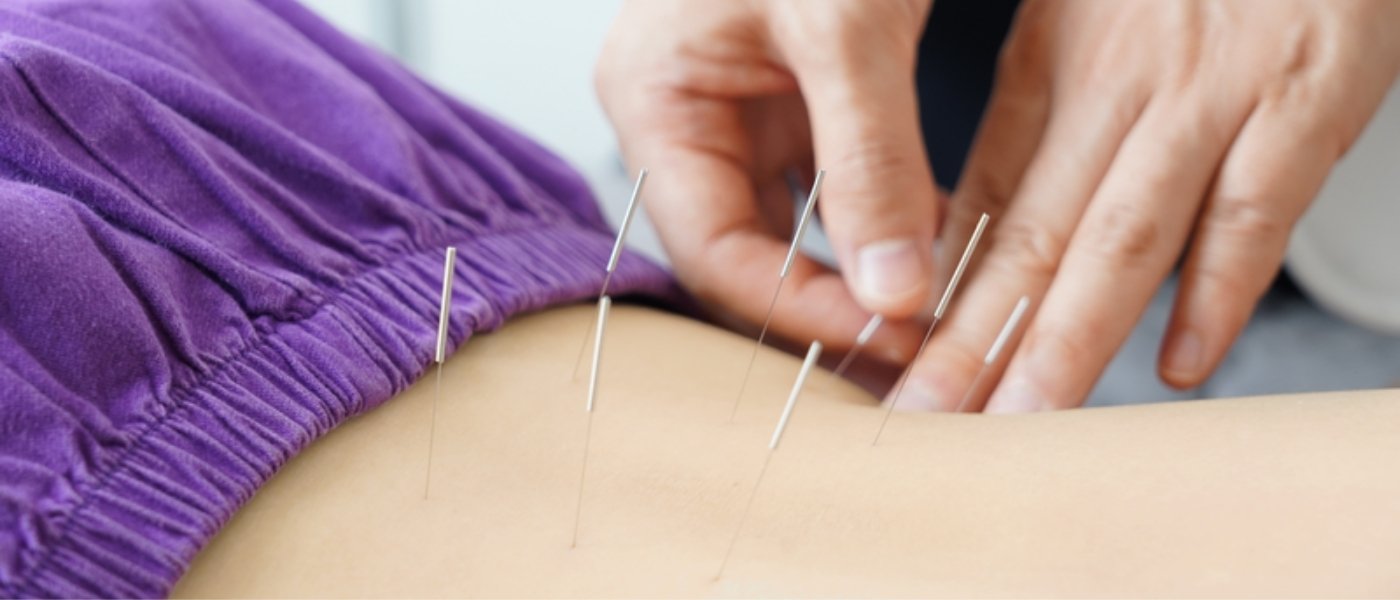
Acupuncture and dry needling use fine needles to reduce pain and ease tight, tender muscles.
- What the evidence shows: we did not find any studies of acupuncture or dry needling for slipped rib syndrome. The closest evidence is indirect. In a randomized trial of 109 hospital patients with rib fractures, acupuncture added to usual pain medicine lowered average pain scores after three days compared with a sham treatment (Liu et al., 2022). On the other hand, acupuncture was not effective for general musculoskeletal chest wall pain in an earlier trial (Winzenberg et al., 2015). The results are mixed and do not apply directly to slipped rib
- Where it fits: as an optional short-term tool to ease pain and muscle tension while you work on trunk control
- Safety: generally safe in trained hands. Needling over the chest wall carries a small risk of puncturing the lung, so careful depth and angle, or points away from the rib cage, are used
How Massage Therapy Can Help
Registered massage therapy focuses on the soft tissues around the rib cage, mid back, and shoulders.
- What the evidence shows: there are no published trials of massage for slipped rib syndrome or rib subluxation. Massage is listed among conservative options in reviews (Gress et al., 2020), but without data on how well it works
- Where it fits: it may help with comfort and with tight, guarding muscles around the chest. We treat it as a supportive add-on
- Safety: very safe. Your therapist will avoid firm pressure directly over a painful, mobile rib tip
How Chiropractic and Joint Manipulation Can Help
Chiropractic care for rib pain uses mobilization or manipulation of the mid back and rib joints.
- What the evidence shows: there are no controlled trials of chiropractic care for slipped rib syndrome. For acute musculoskeletal chest pain more broadly, a randomized trial of 115 patients found that both chiropractic treatment and a self-management program reduced pain, with no clear difference between them at one year (Stochkendahl et al., 2012). Osteopathic manipulation was often reported as helpful in a chart review of athletes (Foley et al., 2019), but that study had no comparison group
- Where it fits: for stiffness in the mid back and the rib joints beside the spine, the kind of pain often described as a "rib out," combined with exercise
- Safety: generally safe for chest wall pain once heart, lung, and bone causes have been ruled out. Forceful techniques are not appropriate over a hypermobile rib, a suspected fracture, or bones weakened by osteoporosis
Whichever combination you and your clinician choose, these treatments share one purpose: settling symptoms so you can stay active while better trunk control and a smarter training load do the long-term work.
When Is Surgery Considered?
For persistent pain, the next step is usually physician-led. An intercostal nerve block (local anaesthetic, sometimes with a steroid, injected near the nerve) can relieve pain for a while and help confirm which rib is the problem (Madeka et al., 2023; Gress et al., 2020). Botulinum toxin injection has been reported in a single case, with shorter relief than a nerve block (Madeka et al., 2023).
Surgery is considered when pain is severe, the diagnosis is clear, and conservative care and injections have not helped. The main operation removes the loose cartilage tips, usually two or three. Published results are encouraging but not perfect (Madeka et al., 2023):
- Most patients improve, with improvement or symptom resolution reported in roughly 70 to 90 percent of children and teenagers across different series
- Recurrence is a real issue: about 1 in 4 to 1 in 5 patients in some series needed a second operation, and in one adult series, nearly a third had symptoms return over the following years
- Newer techniques that stabilize the rib have lowered recurrence in early reports. In one series, recurrence was about 3 percent with added rib plating compared with about 17 percent without it. In 29 adults treated with a suture repair, median pain improvement was about 75 percent at one month and 80 percent at six months
Long-term data and comparison trials between these techniques are still lacking (Madeka et al., 2023). If surgery goes ahead, we guide your rehab within your surgeon's protocol.
How Long Will It Take?
There is very little published data on recovery time with conservative care, so we cannot give a guaranteed timeline. Many people live with this pain for a long time before it is recognized, about 15 months on average in one study of athletes (Foley et al., 2019), so an early, accurate diagnosis matters.
In our experience, rib joint pain at the back of the chest, the classic "rib out," often settles within days to a few weeks. Slipped rib syndrome tends to be slower and more prone to flare-ups, often taking several weeks to a few months. People with joint hypermobility or long-standing symptoms may need longer.
Prevention and Long-Term Management
- Keep your trunk strong: continue a few core, anti-rotation, and upper back exercises two or three times a week
- Build training gradually: avoid big jumps in rowing, swimming, throwing, or running volume, especially early in a season
- Respect early warning signs: if the rib starts to catch, back off the provoking activity for a few days and return to your settling routine
- Watch technique: stroke and swing mechanics that keep the trunk organized reduce strain on the lower ribs
- If you are hypermobile: treat strength and control work as a long-term habit
Frequently Asked Questions
Is slipped rib syndrome dangerous?
No. Slipped rib syndrome is painful and frustrating, but it is not harmful to your heart, lungs, or organs. The bigger risk is that other causes of chest pain are missed. That is why new chest pain should always be checked by a doctor first.
Can a rib really "pop out"?
In slipped rib syndrome, the cartilage tip of a lower rib can slide and catch under the rib above, which is often felt as a click or pop (Madeka et al., 2023). At the back of the chest, a "rib out" is more likely to be an irritated rib joint and tight surrounding muscles than a true dislocation.
Why did my scans come back normal?
Standard X-rays, CT, and MRI usually do not show slipped rib syndrome, because the problem is movement of cartilage that only shows up when the rib is stressed (Madeka et al., 2023). Dynamic ultrasound, done while the rib is pushed or you move, is more helpful (Van Tassel et al., 2019). Diagnosis is mainly based on a careful hands-on exam.
Should I avoid sit-ups and crunches?
Early on, yes. Repeated crunches pull directly on the lower rib margin and often provoke symptoms. Bracing and anti-rotation exercises are usually a better way to build core strength. Many people can return to crunches later if their sport needs them.
Is it slipped rib or costochondritis?
Costochondritis usually causes tenderness at several points beside the breastbone, around ribs 2 to 5 (Winzenberg et al., 2015). Slipped rib pain sits along the lower edge of the rib cage, often with clicking. We check for both.
Can acupuncture, massage, or chiropractic replace exercise and activity changes?
No. Getting the diagnosis right, managing your training load, and building trunk control are the foundation. Needling, massage, and joint mobilization have limited research for rib pain and are best used as short-term supports to ease pain and muscle guarding while you rebuild.
Our Specialized Approach at Vaughan Physiotherapy Clinic
Careful diagnosis: a thorough rib and spine exam, including the hooking manoeuvre, so slipped rib syndrome is not missed or mislabelled
Safety screening: checking for heart, lung, abdominal, and bone causes first, with physician referral or imaging when needed
Smart load management: keeping you training and working while the irritated rib settles
Trunk control and breathing: progressive core, anti-rotation, and mobility work tailored to your sport or job
Integrated care: physiotherapy, massage therapy, acupuncture, and chiropractic under one roof when they add value
Honest guidance: clear advice on what the evidence supports, and timely referral if conservative care is not enough
Take the First Step Toward Pain-Free Breathing and Movement
Rib pain does not have to catch you every time you twist, cough, or train. Our team at Vaughan Physiotherapy Clinic helps patients from Thornhill, Vaughan, North York, Richmond Hill, and surrounding communities get back to full activity with evidence-based, hands-on care.
Book your assessment today:
Phone: 905-669-1221
Location: 398 Steeles Ave W #201, Thornhill, ON L4J 6X3
Online Booking: www.vaughanphysiotherapy.com
References
Foley CM, Sugimoto D, Mooney DP, Meehan WP 3rd, Stracciolini A. Diagnosis and treatment of slipping rib syndrome. Clinical Journal of Sport Medicine. 2019;29(1):18-23. doi:10.1097/JSM.0000000000000506
Gress K, Charipova K, Kassem H, Berger AA, Cornett EM, Hasoon J, Schwartz R, Kaye AD, Viswanath O, Urits I. A comprehensive review of slipping rib syndrome: treatment and management. Psychopharmacology Bulletin. 2020;50(4 Suppl 1):189-196. PMCID: PMC7901126
Liu CT, Hsieh TM, Wu BY, Huang YC, Shih CH, Hu WL, Tsai MY, Chen YC. Acupuncture analgesia in patients with traumatic rib fractures: a randomized-controlled trial. Frontiers in Medicine. 2022;9:896692. doi:10.3389/fmed.2022.896692
Madeka I, Alaparthi S, Moreta M, Peterson S, Mojica JJ, Roedl J, Okusanya O. A review of slipping rib syndrome: diagnostic and treatment updates to a rare and challenging problem. Journal of Clinical Medicine. 2023;12(24):7671. doi:10.3390/jcm12247671
Stochkendahl MJ, Christensen HW, Vach W, Høilund-Carlsen PF, Haghfelt T, Hartvigsen J. A randomized clinical trial of chiropractic treatment and self-management in patients with acute musculoskeletal chest pain: 1-year follow-up. Journal of Manipulative and Physiological Therapeutics. 2012;35(4):254-262. doi:10.1016/j.jmpt.2012.04.003
Udermann BE, Cavanaugh DG, Gibson MH, Doberstein ST, Mayer JM, Murray SR. Slipping rib syndrome in a collegiate swimmer: a case report. Journal of Athletic Training. 2005;40(2):120-122. PMCID: PMC1150226
Van Tassel D, McMahon LE, Riemann M, Wong K, Barnes CE. Dynamic ultrasound in the evaluation of patients with suspected slipping rib syndrome. Skeletal Radiology. 2019;48(5):741-751. doi:10.1007/s00256-018-3133-z
Winzenberg T, Callisaya M, Jones G. Musculoskeletal chest wall pain. Australian Family Physician. 2015;44(8).
Disclaimer: This article is for educational purposes only and does not replace professional medical advice. Pain in the chest, ribs, or upper abdomen can have many causes, including heart and lung conditions, fractures, and abdominal organ problems, some of which need urgent care. If you have new chest pain, especially with shortness of breath, sweating, or pain spreading to the arm or jaw, call 911. Always consult a qualified healthcare provider for diagnosis and treatment specific to your condition.