



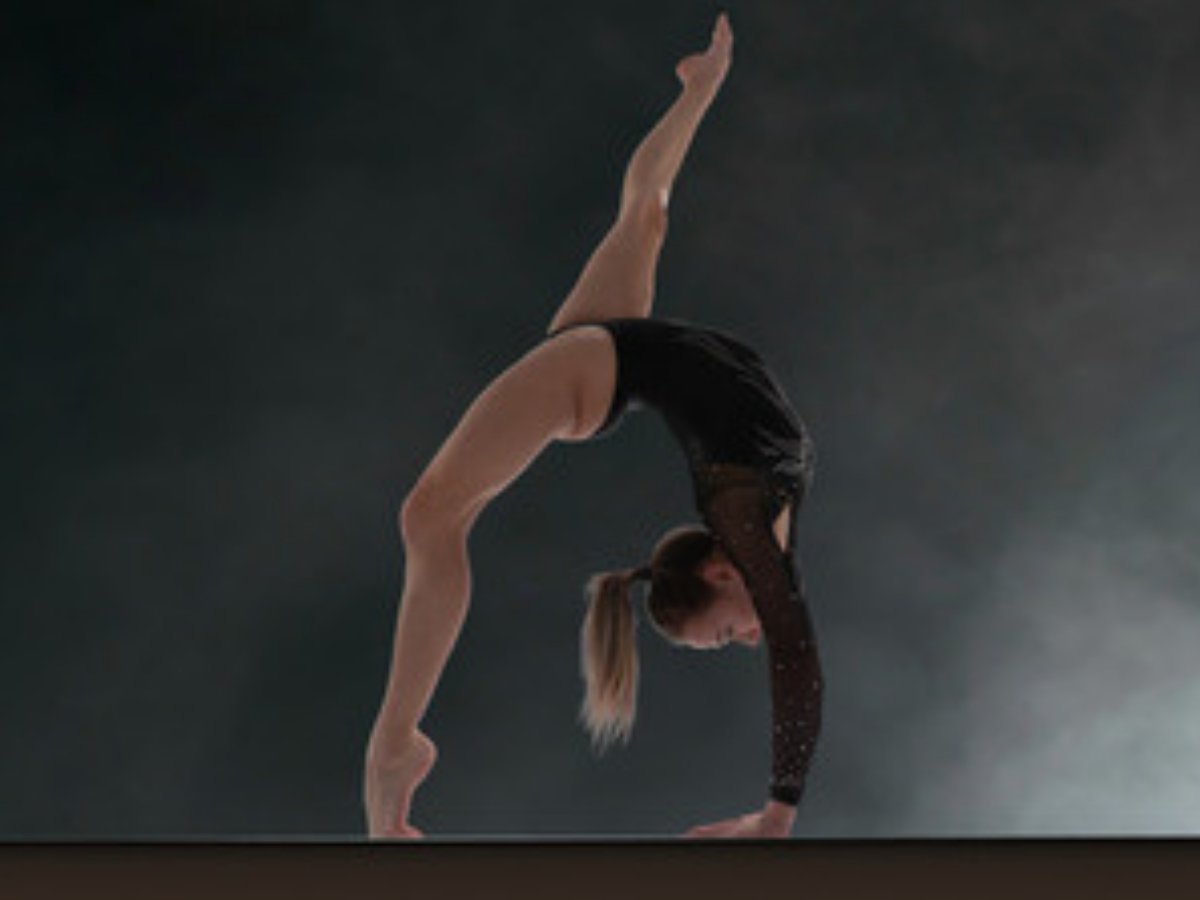
Young gymnast performing a backbend walkover, a movement that loads the pars in the low back

Spondylolysis (Pars Stress Fracture) Rehab for Young Athletes

A stress fracture of the pars, a small bridge of bone at the back of a lower vertebra, common in young athletes who arch and twist.
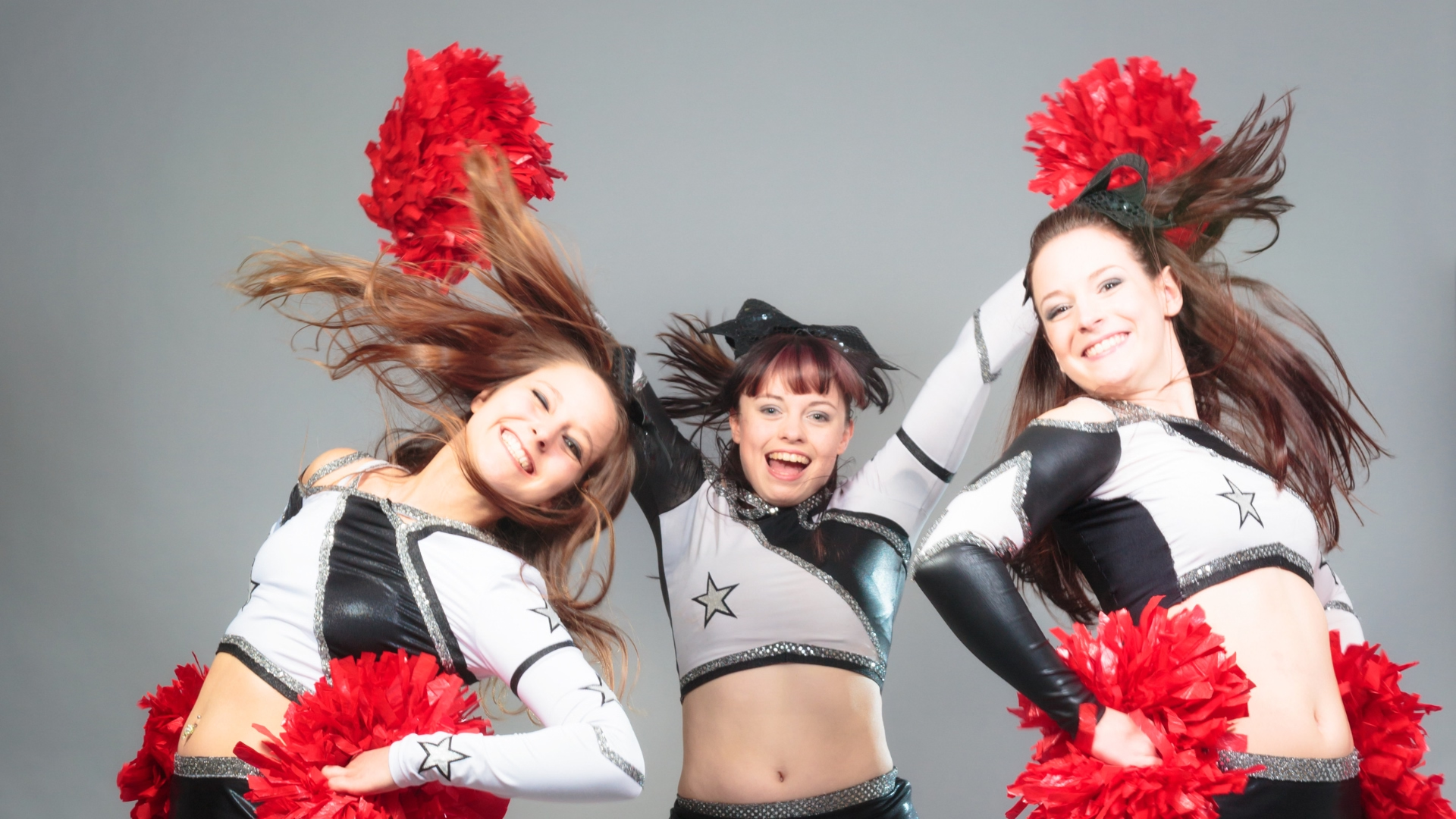
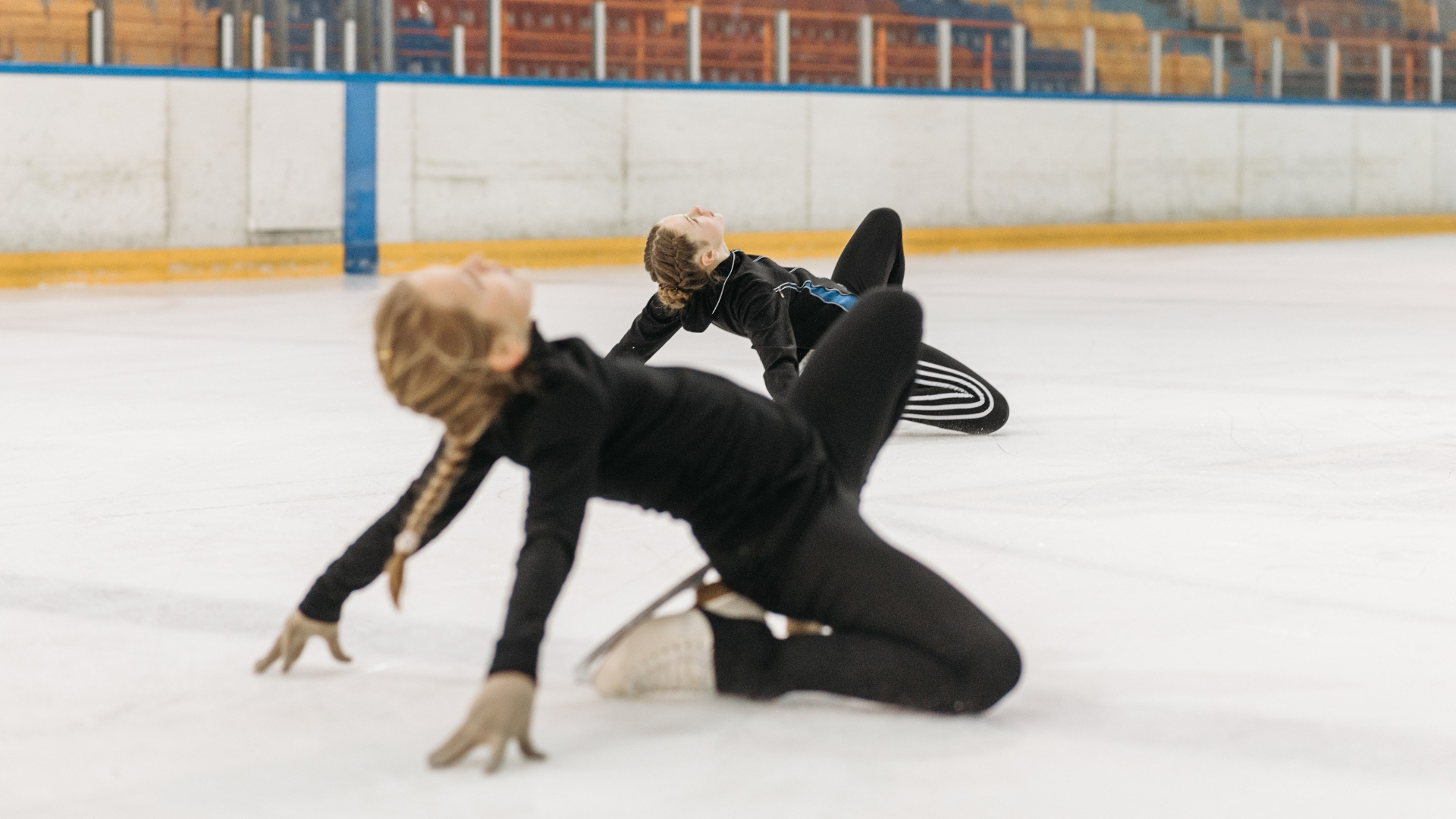
Has your teenager been told they have a stress fracture in their lower back? Maybe it started as an ache after cheer practice, volleyball, or skating that would not settle, and now the scan says "spondylolysis" or "pars defect." The big questions usually follow: do they have to stop everything, do they need a brace, and when can they get back to their sport?

At Vaughan Physiotherapy Clinic, we help young athletes and their families through spondylolysis rehab from the day of diagnosis to the first full practice back. Our goal is not just to wait for the bone to settle, but to rebuild the hips, trunk and movement habits that put too much load on the low back in the first place, so the athlete returns stronger and is less likely to have the pain come back.

Here is what a pars stress fracture is, how it is found, what affects healing, and what current research says about rehab and return to sport.

What Is Spondylolysis (Pars Stress Fracture)?

Spondylolysis is a stress fracture of the pars interarticularis, a thin bridge of bone at the back of a vertebra that links the upper and lower joints of the spine. It is a fatigue injury: the bone breaks down gradually from repeated loading in extension (arching backward) and rotation, rather than from one big hit. It most often affects the lowest lumbar vertebra, L5 (Mohile et al., 2022).

It is one of the most common causes of low back pain in young athletes. Spondylolysis has been found in about 11 percent of young athletes compared with 3 percent of non-athletes, and in some series of athletes aged 12 to 18 with back pain that did not follow a fall or collision, close to half had a pars injury (Mohile et al., 2022). That is why ongoing low back pain in a teenage athlete is never brushed off as "just a sore back."

Active Versus Old Defects

Not every pars defect behaves the same way. Doctors and researchers usually describe stages based on imaging (Mohile et al., 2022; Gamada et al., 2023):

  • Pre-lysis or early stage: the bone is stressed and swollen inside (bone marrow edema), with little or no visible crack. This is the "active" stage with the best chance of the bone knitting back together
  • Progressive stage: a clearer fracture line has formed. Healing is still possible but less likely
  • Terminal stage: an old, established gap with smooth edges (a "non-union"). This will not heal with rest, but many people with a terminal defect still do well once they are strong and pain free

A defect can be on one side (unilateral) or both sides (bilateral) of the vertebra. When both sides are involved, the vertebra can slowly slide forward on the one below it. That is called spondylolisthesis, and we cover it on its own page: Spondylolisthesis.

Understanding the Anatomy

Each lumbar vertebra has a solid body at the front that carries most of the weight, and a ring of bone at the back that protects the nerves and forms the small facet joints. The pars sits in that back ring. When the spine arches, especially while twisting or landing, the facet joints from the vertebra above press down on the pars like a nutcracker. Young athletes are more vulnerable because their bones are still maturing, and because sports such as gymnastics, diving, weightlifting, rowing and wrestling ask for repeated, forceful arching (Mohile et al., 2022). We see the same pattern in cheer, dance, figure skating and volleyball. It is not only an arching problem, though: in one large Japanese series, the most common sports were soccer and baseball, both of which involve fast twisting and kicking or throwing (Gamada et al., 2023).

Recognizing the Symptoms

Spondylolysis often starts quietly. Common features include:

  • Low back pain on one or both sides, usually just above the belt line or near the top of the buttock
  • Pain that is worse when arching backward, such as back walkovers, back spirals in skating, serving or spiking in volleyball, or the layback in a stunt (Mohile et al., 2022)
  • Pain that builds during and after training and eases with rest
  • Pain with twisting, kicking or throwing
  • Tight hamstrings and a stiff, guarded low back
  • Pain that has lasted more than two to three weeks in a growing athlete

A common clinic test is to have the athlete stand on one leg and arch backward. It is a useful clue, but research shows it misses many cases and flags many athletes who do not have a fracture, so it cannot confirm or rule out spondylolysis on its own (Mohile et al., 2022). Imaging, ordered by a physician, is what confirms the diagnosis.

What Makes It Worse?

  • Repeated arching and twisting: tumbling, walkovers, back spins, stunting, serving and spiking, fast bowling, and butterfly swimming
  • Sudden jumps in training load: extra practices, competition season, camps, or moving up a level
  • Growth spurts: bones are still maturing, and muscles and tendons often feel tight while the skeleton grows
  • Stiff hips and upper back: when the hips or mid-back do not move well, the low back is forced to make up the difference at end range
  • Poor trunk control: if the deep trunk and hip muscles are not switching on at the right time, more of the load is taken passively by the bone at the back of the spine
  • Training through pain: healing is more likely when the injury is found within about a month of symptoms starting (Mohile et al., 2022), so pushing on for weeks can cost healing time

What Else Could It Be?

Several other problems can cause low back pain in a young athlete. Part of our assessment, and your physician's, is ruling these in or out (Mohile et al., 2022):

  • Muscle strain or overuse: usually settles within days to a couple of weeks and is less tied to arching
  • Spondylolisthesis: a forward slip of the vertebra, which may follow bilateral spondylolysis
  • Disc herniation: more often painful when bending forward or sitting, and may cause leg pain, tingling or numbness
  • Scheuermann's disease: a growth-related change in the shape of the vertebrae, usually in the mid-back, causing a rounded posture and stiffness
  • Facet joint irritation or lumbar instability: see our page on Lumbar Instability
  • Sacroiliac joint pain: pain lower down, over the back of the pelvis
  • Inflammatory back pain, infection (spondylodiscitis) or, rarely, a tumour: uncommon, but important not to miss

When to See a Doctor First

Because spondylolysis is a fracture, the diagnosis needs to be confirmed by a physician with imaging. See your family doctor or sports medicine physician promptly, or go to urgent care, if there is:

  • Back pain in a young athlete lasting more than two to three weeks, or pain with arching that keeps returning
  • Pain at night or at rest that does not ease with a change in position (Mohile et al., 2022)
  • Fever, feeling unwell, or unexplained weight loss with back pain (Mohile et al., 2022)
  • Leg weakness, numbness or tingling, or changes in walking (Mohile et al., 2022)
  • Changes in bladder or bowel control, or numbness in the saddle area: this is an emergency, go to the emergency department
  • A visible change in the shape of the low back, a "step" you can feel in the spine, or a crouched way of walking

Our physiotherapists screen for these signs at your first visit, and if spondylolysis has not yet been confirmed, we will coordinate with your physician so the right imaging is arranged before rehab moves past the early, protected stage.

Start Your Journey to 

‍Better Health Today

Recover faster, move better, and feel stronger with expert physiotherapy. Our team is here to guide you every step of the way.

Why Physiotherapy Is Essential

Spondylolysis is a bone stress injury, but the bone is only part of the story. The pars broke down because the load going through it was greater than it could handle, again and again. If the athlete simply rests until the pain fades and then goes straight back to the same training with the same stiff hips and the same trunk control, the load problem is still there.

The research is encouraging. Across studies, most young athletes with spondylolysis return to sport with conservative care. A systematic review of 14 studies found that 92 percent of athletes treated conservatively returned to sport, and 89 percent returned to their pre-injury level, at an average of about 4.6 months (Grazina et al., 2019). A separate meta-analysis of 11 studies in adolescents found a return-to-play rate of about 92 percent with non-surgical treatment (Overley et al., 2018).

Newer evidence also changes what "conservative care" should look like. In a 2026 multicentre randomized trial, adolescent athletes with an active pars stress fracture who started physiotherapy within a week of diagnosis returned to sport a median of 38 days sooner than those who rested until they were pain free before starting rehab (74 versus 112 days). They also had better pain and function at one month and far fewer recurrences of back pain over the following year (3 percent versus 29 percent), with no difference in bone healing (Selhorst et al., 2026).

Physiotherapy addresses the main drivers:

  • How much load the spine is taking: a clear plan for what to stop, what to keep, and how to stay fit while the bone settles
  • How the trunk and hips share the work: motor control and strength of the deep trunk muscles, glutes and hips so the low back is not taking load passively at end range
  • How the rest of the chain moves: hip, hamstring and mid-back mobility, so arching and twisting are spread across many joints instead of one
  • How the athlete returns: a criteria-based return to sport rather than a date on the calendar

Your Treatment Plan at Vaughan Physiotherapy Clinic

Your plan is built around your physician's diagnosis and imaging. Every athlete is different, so the phases below are a guide. Progress is based on how the athlete moves and feels, not on a fixed timeline.

Phase 1: Assessment and Protected Loading (Weeks 0 to 4)

The first visit focuses on the athlete, the sport and the whole kinetic chain, not just the sore spot. A full assessment includes:

  • History: when the pain started, training hours, recent changes in load, growth spurts, the specific skills that hurt, and the imaging results
  • Screening: red flags and a neurological check of leg strength, sensation and reflexes
  • Low back movement: which directions are painful and how the lumbar spine moves through bending, arching and twisting
  • Above and below the injury: hip extension and rotation, hamstring length, mid-back (thoracic) rotation and extension, and in skaters and cheer athletes, shoulder overhead range, since a stiff upper back or shoulder pushes more arch into the low back
  • Motor control: whether the deep trunk muscles and glutes switch on in the right order during simple tasks like bridging, squatting, lunging and landing

In this phase, the athlete steps away from their sport and from the moves that provoke pain, but does not stop moving. Work starts in a neutral, comfortable spine position and includes trunk control, hip and shoulder blade strengthening, and gentle flexibility work, with the option of light manual therapy to ease muscle guarding (Selhorst, 2024). In the 2026 trial, athletes rested from sport and were not braced, but they did start this kind of exercise right away, without any harm to bone healing (Selhorst et al., 2026).

What about a brace? Some physicians recommend a back brace, especially for early-stage injuries where the goal is bony healing. Others do not. A meta-analysis summarized in a recent review found similar success with and without a brace (about 89 percent versus 86 percent) (Mohile et al., 2022). If your physician prescribes a brace, we work with it. Either way, the rehab principles are the same.

Phase 2: Rebuilding Control and Strength

Once the athlete can hold a neutral spine well and repeated bending and gentle arching are pain free, the program expands. This is where the deep work happens.

Trunk control and sequencing

A landmark randomized trial in people with chronic low back pain and a pars defect or slip found that a 10-week program training the deep abdominal muscles together with the multifidus (the small muscles that sit right beside the spine) reduced pain and disability, and the gains were still there at 30 months. The comparison group, who received other common treatments, did not improve (O'Sullivan et al., 1997). In the 2026 trial, athletes who started rehab early also kept and grew their multifidus muscle, while half of those in the rest-first group showed shrinkage of this muscle (Selhorst et al., 2026). Examples include:

  • Dead bug and bird dog variations, keeping the low back quiet while the arms and legs move
  • Side planks and front planks, progressing time and load
  • Pallof presses and other anti-rotation holds
  • Bridging, then single-leg bridging, with the glutes leading the movement rather than the low back arching

Hip and lower body strength

  • Squats, split squats and step-ups with a stable trunk
  • Hip hinge patterns (Romanian deadlift style) to teach the hips, not the low back, to drive the movement
  • Side-lying and banded hip work for the glutes

Mobility above and below

  • Hip flexor and quadriceps stretching, so the hip can extend without the low back over-arching
  • Hamstring flexibility
  • Mid-back extension and rotation drills

Graded return of arching and twisting

Extension and rotation are not avoided forever. They are reintroduced step by step: first strengthening the back muscles in a neutral position, then working into partial arching, then full range, as long as it stays pain free (Selhorst, 2024). Light jogging and jumping usually come back in this phase too.

Hands-on care and other helpers

Manual therapy to the hips and mid-back, soft tissue work and taping can be used to ease guarding and restore movement so the athlete can do their exercises well. Electrical modalities such as TENS may occasionally be used for short-term pain relief, but they are a helper, not the treatment (Selhorst, 2024).

Phase 3: Sport-Specific Training
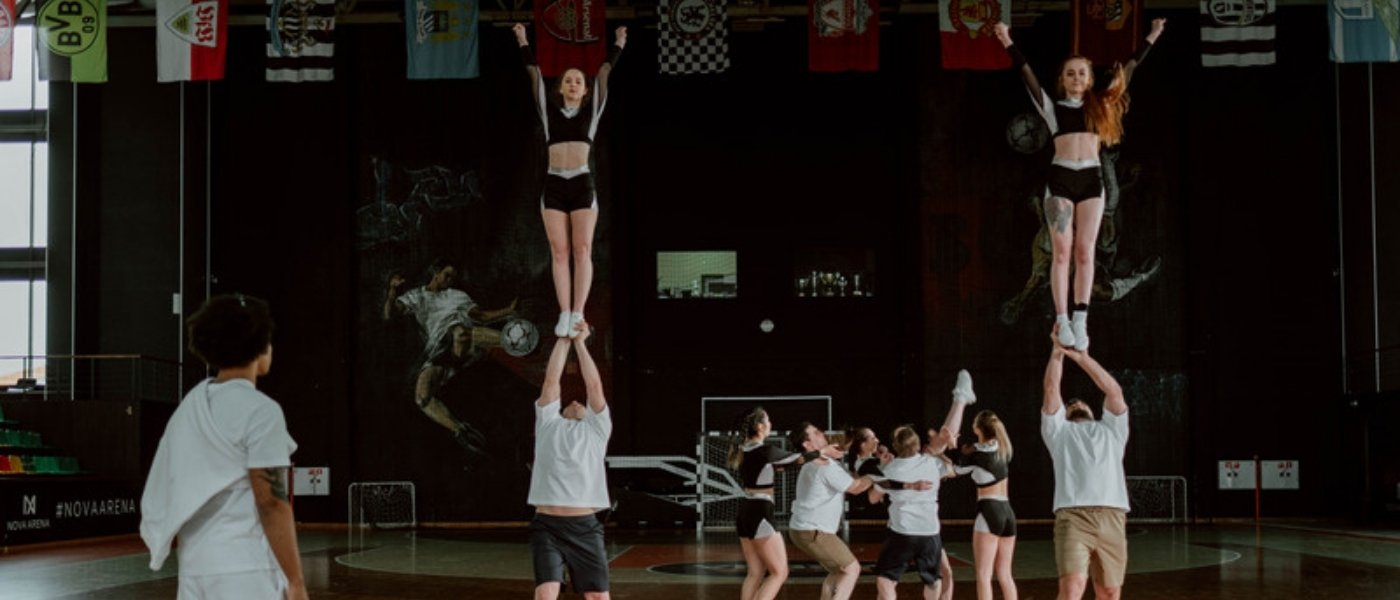
Youth cheer team practising overhead stunts in an indoor gym
Skills that load the spine, such as stunting and tumbling, come back last and in small doses once trunk and hip control are strong.
  • Power and landing: jumping and landing drills with good trunk and knee control
  • Sport skills: reintroducing the moves that load the spine, such as walkovers, back spins, layback positions, serves, spikes and kicks, at low volume first
  • Technique review: working with the athlete, and with coaches when possible, on positions that spread the arch through the hips and upper back
  • Training load plan: a gradual build in practice hours and intensity

Phase 4: Return to Full Sport

Return is based on meeting clear criteria, not just on time passing. In the 2026 trial, athletes were cleared when they had pain-free repeated movement to end range in every direction, two weeks of pain-free sport-specific training in physiotherapy, and a full score on a youth back function questionnaire (Selhorst et al., 2026). We use a similar checklist and communicate with your physician, who usually has the final say on clearance.

  • Full, pain-free trunk movement in all directions
  • Strength and endurance targets for the trunk and hips
  • Pain-free sport-specific drills at full intensity
  • A home maintenance program to keep doing during the season

Beyond Physiotherapy: Complementary Care for Spondylolysis

Graded exercise, load management and a criteria-based return to sport are the core of spondylolysis rehab, and that is where the research is clearest. Other services at our clinic can help some athletes manage pain and tightness so they can keep progressing. Here is an honest summary of what the evidence does and does not show.

How Acupuncture and Dry Needling Can Help

Acupuncture and dry needling use fine needles to reduce pain and ease tight, guarded muscles.

  • What the evidence shows: we did not find any studies of needling for spondylolysis. The closest evidence is from adults with chronic musculoskeletal pain, including back pain, where a large analysis of 39 trials found acupuncture gave more relief than no acupuncture and slightly more than sham needling (Vickers et al., 2018). This is indirect evidence and comes mostly from adults
  • Where it fits: occasionally, as a short-term option for muscle guarding around the low back and hips, so the athlete can move better during exercise
  • Safety: generally very safe. Minor bruising or soreness is the most common side effect. For athletes under 18, we discuss it with the athlete and a parent or guardian first

How Massage Therapy Can Help

Registered massage therapy focuses on the muscles around the low back, hips and hamstrings.

  • What the evidence shows: there are no trials of massage for spondylolysis. In adults with low back pain, a Cochrane review found that massage eased pain in the short term compared with no active treatment, but the benefits did not last, and the evidence was low quality (Furlan et al., 2015)
  • Where it fits: as a comfort and recovery add-on, for example for tight hip flexors and hamstrings during a growth spurt or a heavy training block, not as a replacement for strengthening
  • Safety: very safe. Some temporary soreness afterward is normal. Deep pressure directly over the fracture site is avoided

How Chiropractic and Joint Manipulation Can Help

Chiropractic care and manual therapy use joint mobilization and manipulation to restore movement.

  • What the evidence shows: we did not find trials of chiropractic manipulation for spondylolysis. Manual therapy "as needed" is part of the immediate rehab program tested in the 2026 trial, alongside exercise (Selhorst, 2024; Selhorst et al., 2026)
  • Where it fits: gentle mobilization of stiff hips and the mid-back can help the arch and twist come from the right places, so the injured level is not overworked
  • Safety: we do not apply high-force manipulation to a healing fracture level. Joint work is directed above and below the injury, and only once a physician has confirmed the diagnosis

Whatever combination you choose, these treatments have one purpose: settling symptoms so the athlete can keep doing the work that actually fixes the problem, which is better trunk and hip control and a smart return to load.

When Is Surgery Considered?

Surgery is uncommon for spondylolysis. It is usually only discussed when pain persists despite at least six months of well-run non-surgical care, or sooner in cases with a significant slip or nerve symptoms (Mohile et al., 2022). The surgeon may repair the pars directly or fuse the level.

Athletes who need surgery can still do well: in the systematic review, 88 percent of surgically treated athletes returned to sport, though it took longer on average, about 6.8 months (Grazina et al., 2019). Rehab after surgery follows your surgeon's protocol, and we work closely with the surgical team.

How Long Will It Take?

Recovery depends on the stage of the injury, whether one or both sides are affected, how early it was found and how the athlete responds to rehab. As a rough guide from the research:

  • In the 2026 trial, athletes who started physiotherapy right away returned to sport at a median of about 10 to 11 weeks, compared with about 16 weeks for those who rested first (Selhorst et al., 2026)
  • Across older studies, return to sport after conservative care averaged about 4.6 months (Grazina et al., 2019)

Will the bone heal? Healing rates depend heavily on the stage. A recent review reported healing in roughly 73 to 87 percent of early-stage fractures, 38 to 60 percent of progressive-stage fractures, and essentially none of terminal-stage defects (Mohile et al., 2022). In a study of 217 young athletes treated with rest and a brace, about 77 percent of fractures healed, and healing was less likely in progressive-stage fractures or when there was an old defect on the other side (Gamada et al., 2023). Another study found that a fracture at L5 or a non-healed defect on the other side made bony healing much less likely (Tatsumura et al., 2021).

Here is the reassuring part: bone healing and returning to sport are not the same thing. Return-to-play rates are high even though not every defect heals (Grazina et al., 2019; Overley et al., 2018), and the authors of one study suggest that athletes with a low chance of bony healing may be better served by symptom-guided rehab without long periods of rest or bracing (Tatsumura et al., 2021). That decision is made with your physician.

Prevention and Long-Term Management

  • Keep up the trunk and hip program: two or three short sessions a week during the season make a real difference
  • Watch the training load: avoid big jumps in hours, especially at the start of a season, at camps, or when moving up a level
  • Respect growth spurts: lower the volume of high-arch skills and keep up mobility work when an athlete is growing quickly
  • Keep the hips and mid-back mobile: so arching and twisting are shared across the whole chain
  • Vary training: mix in other sports and rest days rather than year-round single-sport training
  • Report back pain early: healing is more likely when a pars injury is caught within about a month (Mohile et al., 2022)
  • Know the bigger picture: if both sides are affected, your physician may recommend periodic check-ups during growth to watch for a slip

Frequently Asked Questions

Is spondylolysis serious?

It is a real fracture and needs to be taken seriously, but most young athletes recover well and return to their sport with conservative care (Grazina et al., 2019; Overley et al., 2018). The key is catching it early and following a structured plan rather than training through pain.

Does my child have to stop all activity?

They will need to step away from their sport and from moves that provoke pain for a period, but not from all movement. Research now supports starting gentle, guided physiotherapy within the first week of diagnosis rather than waiting until the pain is completely gone (Selhorst et al., 2026). Walking, gentle cycling and the rehab program usually continue.

Do they need a back brace?

Not always. Some physicians use a brace, especially for early-stage fractures. Research summaries show similar success with and without bracing (Mohile et al., 2022), and athletes in the 2026 trial were not braced (Selhorst et al., 2026). Follow your physician's advice; we can work with or without a brace.

What if the bone does not heal?

Many athletes with a non-healed pars defect still become pain free and return to full sport. Non-healing does mean a physician may want to watch for a forward slip over time, especially during growth (Mohile et al., 2022). Strength, control and smart load management remain the foundation either way.

Is spondylolysis the same as spondylolisthesis?

No. Spondylolysis is the stress fracture itself. Spondylolisthesis is when a vertebra slips forward on the one below, which can happen when both sides of the pars are affected. See our Spondylolisthesis page for more.

Will they be able to tumble, skate or spike again?

Most athletes return to their sport, including sports with a lot of arching. Those skills are reintroduced last, gradually, once trunk and hip control are strong and movement is pain free. For sport-specific advice, see our articles on cheerleading lower back pain and low back pain in skaters.

Can acupuncture, massage, or chiropractic replace the exercise program?

No. Graded exercise, load management and a criteria-based return are the foundation and have the most research behind them. Needling, massage and joint mobilization can be useful short-term helpers for pain and tightness, but they do not rebuild the trunk and hip control that protects the spine.

Our Specialized Approach at Vaughan Physiotherapy Clinic

✓ Whole-chain assessment: we look at the hips, mid-back and shoulders, not just the sore spot, to find out why the low back was overloaded

✓ Early, guided rehab: protected exercise from the first week, in line with current evidence, instead of weeks of waiting

✓ Motor control first: deep trunk and glute activation, sequencing and strength that carry over to the athlete's sport

✓ Criteria-based return to sport: clear checkpoints, with gradual reintroduction of arching, twisting and impact

✓ Integrated care: physiotherapy, massage therapy, acupuncture and chiropractic under one roof, used with a clear purpose

✓ Team communication: we work with your physician, and with coaches when you want us to, so everyone is on the same plan

Take the First Step Toward a Confident Return to Sport

A pars stress fracture does not have to end a season or a sport. Our team at Vaughan Physiotherapy Clinic helps young athletes from Thornhill, Vaughan, North York, Richmond Hill and surrounding communities rebuild their strength and get back to cheer, skating, volleyball, gymnastics and every sport in between, with evidence-based, hands-on care.

Book your assessment today:

📞 Phone: 905-669-1221

📍 Location: 398 Steeles Ave W #201, Thornhill, ON L4J 6X3

🌐 Online Booking: www.vaughanphysiotherapy.com

References

Furlan AD, Giraldo M, Baskwill A, Irvin E, Imamura M. Massage for low-back pain. Cochrane Database of Systematic Reviews. 2015;(9):CD001929. doi:10.1002/14651858.CD001929.pub3

Gamada H, Tatsumura M, Asai R, Okuwaki S, Funayama T, Yamazaki M, et al. Main and contralateral side stages of lesion affected bone union in the conservative treatment of adolescent lumbar spondylolysis: a multivariable analysis of 217 patients and 298 lesions in a retrospective cohort study. Journal of Orthopaedic Surgery and Research. 2023;18:404. doi:10.1186/s13018-023-03861-y

Grazina R, Andrade R, Santos FL, Marinhas J, Pereira R, Bastos R, Espregueira-Mendes J. Return to play after conservative and surgical treatment in athletes with spondylolysis: a systematic review. Physical Therapy in Sport. 2019;37:34-43. doi:10.1016/j.ptsp.2019.02.005

Mohile NV, Kuczmarski AS, Lee D, Warburton C, Rakoczy K, Butler AJ. Spondylolysis and isthmic spondylolisthesis: a guide to diagnosis and management. Journal of the American Board of Family Medicine. 2022;35(6):1204-1216. doi:10.3122/jabfm.2022.220130R1

O'Sullivan PB, Twomey LT, Allison GT. Evaluation of specific stabilizing exercise in the treatment of chronic low back pain with radiologic diagnosis of spondylolysis or spondylolisthesis. Spine. 1997;22(24):2959-2967. PMID:9431633

Overley SC, McAnany S, Andelman S, Kim J, Merrill RK, Cho SK, Qureshi S, Hecht AC. Return to play in adolescent athletes with symptomatic spondylolysis without listhesis: a meta-analysis. Global Spine Journal. 2018;8(2). doi:10.1177/2192568217734520

Selhorst M. Immediate Functional Progression Program (IFPP) for adolescents with active spondylolysis. Clinical protocol. Nationwide Children's Hospital Sports Physical Therapy; 2024.

Selhorst M, Sweeney E, Martin LC, Yang J, Benedict J, Brna M, Fischer AN. Immediate physical therapy is beneficial for adolescent athletes with active lumbar spondylolysis: a multicentre randomised trial. British Journal of Sports Medicine. 2026;60(2):125-132. doi:10.1136/bjsports-2025-110606

Tatsumura M, Gamada H, Okuwaki S, et al. Factors associated with failure of bony union after conservative treatment of acute cases of unilateral lumbar spondylolysis. BMC Musculoskeletal Disorders. 2021;22:75. doi:10.1186/s12891-020-03940-9

Vickers AJ, Vertosick EA, Lewith G, MacPherson H, Foster NE, Sherman KJ, Irnich D, Witt CM, Linde K; Acupuncture Trialists' Collaboration. Acupuncture for chronic pain: update of an individual patient data meta-analysis. Journal of Pain. 2018;19(5):455-474. doi:10.1016/j.jpain.2017.11.005

Disclaimer: This article is for educational purposes only and does not replace professional medical advice. Spondylolysis is a fracture and must be diagnosed by a physician with appropriate imaging. Low back pain in young athletes can have other causes, including disc injury, spondylolisthesis, infection and, rarely, tumours. Always consult a qualified healthcare provider for diagnosis and treatment specific to your child's condition, and follow your physician's guidance on activity restrictions and bracing.

Team

Condition guide

Spondylolysis (Pars Stress Fracture) Rehab for Young Athletes

A stress fracture of the pars, a small bridge of bone at the back of a lower vertebra, common in young athletes who arch and twist.

Young gymnast performing a backbend walkover, a movement that loads the pars in the low backSpondylolysis (Pars Stress Fracture) Rehab for Young Athletes

Has your teenager been told they have a stress fracture in their lower back? Maybe it started as an ache after cheer practice, volleyball, or skating that would not settle, and now the scan says "spondylolysis" or "pars defect." The big questions usually follow: do they have to stop everything, do they need a brace, and when can they get back to their sport?

At Vaughan Physiotherapy Clinic, we help young athletes and their families through spondylolysis rehab from the day of diagnosis to the first full practice back. Our goal is not just to wait for the bone to settle, but to rebuild the hips, trunk and movement habits that put too much load on the low back in the first place, so the athlete returns stronger and is less likely to have the pain come back.

Here is what a pars stress fracture is, how it is found, what affects healing, and what current research says about rehab and return to sport.

What Is Spondylolysis (Pars Stress Fracture)?

Spondylolysis is a stress fracture of the pars interarticularis, a thin bridge of bone at the back of a vertebra that links the upper and lower joints of the spine. It is a fatigue injury: the bone breaks down gradually from repeated loading in extension (arching backward) and rotation, rather than from one big hit. It most often affects the lowest lumbar vertebra, L5 (Mohile et al., 2022).

It is one of the most common causes of low back pain in young athletes. Spondylolysis has been found in about 11 percent of young athletes compared with 3 percent of non-athletes, and in some series of athletes aged 12 to 18 with back pain that did not follow a fall or collision, close to half had a pars injury (Mohile et al., 2022). That is why ongoing low back pain in a teenage athlete is never brushed off as "just a sore back."

Active Versus Old Defects

Not every pars defect behaves the same way. Doctors and researchers usually describe stages based on imaging (Mohile et al., 2022; Gamada et al., 2023):

  • Pre-lysis or early stage: the bone is stressed and swollen inside (bone marrow edema), with little or no visible crack. This is the "active" stage with the best chance of the bone knitting back together
  • Progressive stage: a clearer fracture line has formed. Healing is still possible but less likely
  • Terminal stage: an old, established gap with smooth edges (a "non-union"). This will not heal with rest, but many people with a terminal defect still do well once they are strong and pain free

A defect can be on one side (unilateral) or both sides (bilateral) of the vertebra. When both sides are involved, the vertebra can slowly slide forward on the one below it. That is called spondylolisthesis, and we cover it on its own page: Spondylolisthesis.

Understanding the Anatomy

Each lumbar vertebra has a solid body at the front that carries most of the weight, and a ring of bone at the back that protects the nerves and forms the small facet joints. The pars sits in that back ring. When the spine arches, especially while twisting or landing, the facet joints from the vertebra above press down on the pars like a nutcracker. Young athletes are more vulnerable because their bones are still maturing, and because sports such as gymnastics, diving, weightlifting, rowing and wrestling ask for repeated, forceful arching (Mohile et al., 2022). We see the same pattern in cheer, dance, figure skating and volleyball. It is not only an arching problem, though: in one large Japanese series, the most common sports were soccer and baseball, both of which involve fast twisting and kicking or throwing (Gamada et al., 2023).

Recognizing the Symptoms

Spondylolysis often starts quietly. Common features include:

  • Low back pain on one or both sides, usually just above the belt line or near the top of the buttock
  • Pain that is worse when arching backward, such as back walkovers, back spirals in skating, serving or spiking in volleyball, or the layback in a stunt (Mohile et al., 2022)
  • Pain that builds during and after training and eases with rest
  • Pain with twisting, kicking or throwing
  • Tight hamstrings and a stiff, guarded low back
  • Pain that has lasted more than two to three weeks in a growing athlete

A common clinic test is to have the athlete stand on one leg and arch backward. It is a useful clue, but research shows it misses many cases and flags many athletes who do not have a fracture, so it cannot confirm or rule out spondylolysis on its own (Mohile et al., 2022). Imaging, ordered by a physician, is what confirms the diagnosis.

What Makes It Worse?

  • Repeated arching and twisting: tumbling, walkovers, back spins, stunting, serving and spiking, fast bowling, and butterfly swimming
  • Sudden jumps in training load: extra practices, competition season, camps, or moving up a level
  • Growth spurts: bones are still maturing, and muscles and tendons often feel tight while the skeleton grows
  • Stiff hips and upper back: when the hips or mid-back do not move well, the low back is forced to make up the difference at end range
  • Poor trunk control: if the deep trunk and hip muscles are not switching on at the right time, more of the load is taken passively by the bone at the back of the spine
  • Training through pain: healing is more likely when the injury is found within about a month of symptoms starting (Mohile et al., 2022), so pushing on for weeks can cost healing time

What Else Could It Be?

Several other problems can cause low back pain in a young athlete. Part of our assessment, and your physician's, is ruling these in or out (Mohile et al., 2022):

  • Muscle strain or overuse: usually settles within days to a couple of weeks and is less tied to arching
  • Spondylolisthesis: a forward slip of the vertebra, which may follow bilateral spondylolysis
  • Disc herniation: more often painful when bending forward or sitting, and may cause leg pain, tingling or numbness
  • Scheuermann's disease: a growth-related change in the shape of the vertebrae, usually in the mid-back, causing a rounded posture and stiffness
  • Facet joint irritation or lumbar instability: see our page on Lumbar Instability
  • Sacroiliac joint pain: pain lower down, over the back of the pelvis
  • Inflammatory back pain, infection (spondylodiscitis) or, rarely, a tumour: uncommon, but important not to miss

When to See a Doctor First

Because spondylolysis is a fracture, the diagnosis needs to be confirmed by a physician with imaging. See your family doctor or sports medicine physician promptly, or go to urgent care, if there is:

  • Back pain in a young athlete lasting more than two to three weeks, or pain with arching that keeps returning
  • Pain at night or at rest that does not ease with a change in position (Mohile et al., 2022)
  • Fever, feeling unwell, or unexplained weight loss with back pain (Mohile et al., 2022)
  • Leg weakness, numbness or tingling, or changes in walking (Mohile et al., 2022)
  • Changes in bladder or bowel control, or numbness in the saddle area: this is an emergency, go to the emergency department
  • A visible change in the shape of the low back, a "step" you can feel in the spine, or a crouched way of walking

Our physiotherapists screen for these signs at your first visit, and if spondylolysis has not yet been confirmed, we will coordinate with your physician so the right imaging is arranged before rehab moves past the early, protected stage.

Why Physiotherapy Is Essential

Spondylolysis is a bone stress injury, but the bone is only part of the story. The pars broke down because the load going through it was greater than it could handle, again and again. If the athlete simply rests until the pain fades and then goes straight back to the same training with the same stiff hips and the same trunk control, the load problem is still there.

The research is encouraging. Across studies, most young athletes with spondylolysis return to sport with conservative care. A systematic review of 14 studies found that 92 percent of athletes treated conservatively returned to sport, and 89 percent returned to their pre-injury level, at an average of about 4.6 months (Grazina et al., 2019). A separate meta-analysis of 11 studies in adolescents found a return-to-play rate of about 92 percent with non-surgical treatment (Overley et al., 2018).

Newer evidence also changes what "conservative care" should look like. In a 2026 multicentre randomized trial, adolescent athletes with an active pars stress fracture who started physiotherapy within a week of diagnosis returned to sport a median of 38 days sooner than those who rested until they were pain free before starting rehab (74 versus 112 days). They also had better pain and function at one month and far fewer recurrences of back pain over the following year (3 percent versus 29 percent), with no difference in bone healing (Selhorst et al., 2026).

Physiotherapy addresses the main drivers:

  • How much load the spine is taking: a clear plan for what to stop, what to keep, and how to stay fit while the bone settles
  • How the trunk and hips share the work: motor control and strength of the deep trunk muscles, glutes and hips so the low back is not taking load passively at end range
  • How the rest of the chain moves: hip, hamstring and mid-back mobility, so arching and twisting are spread across many joints instead of one
  • How the athlete returns: a criteria-based return to sport rather than a date on the calendar

Your Treatment Plan at Vaughan Physiotherapy Clinic

Your plan is built around your physician's diagnosis and imaging. Every athlete is different, so the phases below are a guide. Progress is based on how the athlete moves and feels, not on a fixed timeline.

Phase 1: Assessment and Protected Loading (Weeks 0 to 4)

The first visit focuses on the athlete, the sport and the whole kinetic chain, not just the sore spot. A full assessment includes:

  • History: when the pain started, training hours, recent changes in load, growth spurts, the specific skills that hurt, and the imaging results
  • Screening: red flags and a neurological check of leg strength, sensation and reflexes
  • Low back movement: which directions are painful and how the lumbar spine moves through bending, arching and twisting
  • Above and below the injury: hip extension and rotation, hamstring length, mid-back (thoracic) rotation and extension, and in skaters and cheer athletes, shoulder overhead range, since a stiff upper back or shoulder pushes more arch into the low back
  • Motor control: whether the deep trunk muscles and glutes switch on in the right order during simple tasks like bridging, squatting, lunging and landing

In this phase, the athlete steps away from their sport and from the moves that provoke pain, but does not stop moving. Work starts in a neutral, comfortable spine position and includes trunk control, hip and shoulder blade strengthening, and gentle flexibility work, with the option of light manual therapy to ease muscle guarding (Selhorst, 2024). In the 2026 trial, athletes rested from sport and were not braced, but they did start this kind of exercise right away, without any harm to bone healing (Selhorst et al., 2026).

What about a brace? Some physicians recommend a back brace, especially for early-stage injuries where the goal is bony healing. Others do not. A meta-analysis summarized in a recent review found similar success with and without a brace (about 89 percent versus 86 percent) (Mohile et al., 2022). If your physician prescribes a brace, we work with it. Either way, the rehab principles are the same.

Phase 2: Rebuilding Control and Strength

Once the athlete can hold a neutral spine well and repeated bending and gentle arching are pain free, the program expands. This is where the deep work happens.

Trunk control and sequencing

A landmark randomized trial in people with chronic low back pain and a pars defect or slip found that a 10-week program training the deep abdominal muscles together with the multifidus (the small muscles that sit right beside the spine) reduced pain and disability, and the gains were still there at 30 months. The comparison group, who received other common treatments, did not improve (O'Sullivan et al., 1997). In the 2026 trial, athletes who started rehab early also kept and grew their multifidus muscle, while half of those in the rest-first group showed shrinkage of this muscle (Selhorst et al., 2026). Examples include:

  • Dead bug and bird dog variations, keeping the low back quiet while the arms and legs move
  • Side planks and front planks, progressing time and load
  • Pallof presses and other anti-rotation holds
  • Bridging, then single-leg bridging, with the glutes leading the movement rather than the low back arching

Hip and lower body strength

  • Squats, split squats and step-ups with a stable trunk
  • Hip hinge patterns (Romanian deadlift style) to teach the hips, not the low back, to drive the movement
  • Side-lying and banded hip work for the glutes

Mobility above and below

  • Hip flexor and quadriceps stretching, so the hip can extend without the low back over-arching
  • Hamstring flexibility
  • Mid-back extension and rotation drills

Graded return of arching and twisting

Extension and rotation are not avoided forever. They are reintroduced step by step: first strengthening the back muscles in a neutral position, then working into partial arching, then full range, as long as it stays pain free (Selhorst, 2024). Light jogging and jumping usually come back in this phase too.

Hands-on care and other helpers

Manual therapy to the hips and mid-back, soft tissue work and taping can be used to ease guarding and restore movement so the athlete can do their exercises well. Electrical modalities such as TENS may occasionally be used for short-term pain relief, but they are a helper, not the treatment (Selhorst, 2024).

Phase 3: Sport-Specific Training

Youth cheer team practising overhead stunts in an indoor gym
Skills that load the spine, such as stunting and tumbling, come back last and in small doses once trunk and hip control are strong.
  • Power and landing: jumping and landing drills with good trunk and knee control
  • Sport skills: reintroducing the moves that load the spine, such as walkovers, back spins, layback positions, serves, spikes and kicks, at low volume first
  • Technique review: working with the athlete, and with coaches when possible, on positions that spread the arch through the hips and upper back
  • Training load plan: a gradual build in practice hours and intensity

Phase 4: Return to Full Sport

Return is based on meeting clear criteria, not just on time passing. In the 2026 trial, athletes were cleared when they had pain-free repeated movement to end range in every direction, two weeks of pain-free sport-specific training in physiotherapy, and a full score on a youth back function questionnaire (Selhorst et al., 2026). We use a similar checklist and communicate with your physician, who usually has the final say on clearance.

  • Full, pain-free trunk movement in all directions
  • Strength and endurance targets for the trunk and hips
  • Pain-free sport-specific drills at full intensity
  • A home maintenance program to keep doing during the season

Beyond Physiotherapy: Complementary Care for Spondylolysis

Graded exercise, load management and a criteria-based return to sport are the core of spondylolysis rehab, and that is where the research is clearest. Other services at our clinic can help some athletes manage pain and tightness so they can keep progressing. Here is an honest summary of what the evidence does and does not show.

How Acupuncture and Dry Needling Can Help

Acupuncture and dry needling use fine needles to reduce pain and ease tight, guarded muscles.

  • What the evidence shows: we did not find any studies of needling for spondylolysis. The closest evidence is from adults with chronic musculoskeletal pain, including back pain, where a large analysis of 39 trials found acupuncture gave more relief than no acupuncture and slightly more than sham needling (Vickers et al., 2018). This is indirect evidence and comes mostly from adults
  • Where it fits: occasionally, as a short-term option for muscle guarding around the low back and hips, so the athlete can move better during exercise
  • Safety: generally very safe. Minor bruising or soreness is the most common side effect. For athletes under 18, we discuss it with the athlete and a parent or guardian first

How Massage Therapy Can Help

Registered massage therapy focuses on the muscles around the low back, hips and hamstrings.

  • What the evidence shows: there are no trials of massage for spondylolysis. In adults with low back pain, a Cochrane review found that massage eased pain in the short term compared with no active treatment, but the benefits did not last, and the evidence was low quality (Furlan et al., 2015)
  • Where it fits: as a comfort and recovery add-on, for example for tight hip flexors and hamstrings during a growth spurt or a heavy training block, not as a replacement for strengthening
  • Safety: very safe. Some temporary soreness afterward is normal. Deep pressure directly over the fracture site is avoided

How Chiropractic and Joint Manipulation Can Help

Chiropractic care and manual therapy use joint mobilization and manipulation to restore movement.

  • What the evidence shows: we did not find trials of chiropractic manipulation for spondylolysis. Manual therapy "as needed" is part of the immediate rehab program tested in the 2026 trial, alongside exercise (Selhorst, 2024; Selhorst et al., 2026)
  • Where it fits: gentle mobilization of stiff hips and the mid-back can help the arch and twist come from the right places, so the injured level is not overworked
  • Safety: we do not apply high-force manipulation to a healing fracture level. Joint work is directed above and below the injury, and only once a physician has confirmed the diagnosis

Whatever combination you choose, these treatments have one purpose: settling symptoms so the athlete can keep doing the work that actually fixes the problem, which is better trunk and hip control and a smart return to load.

When Is Surgery Considered?

Surgery is uncommon for spondylolysis. It is usually only discussed when pain persists despite at least six months of well-run non-surgical care, or sooner in cases with a significant slip or nerve symptoms (Mohile et al., 2022). The surgeon may repair the pars directly or fuse the level.

Athletes who need surgery can still do well: in the systematic review, 88 percent of surgically treated athletes returned to sport, though it took longer on average, about 6.8 months (Grazina et al., 2019). Rehab after surgery follows your surgeon's protocol, and we work closely with the surgical team.

How Long Will It Take?

Recovery depends on the stage of the injury, whether one or both sides are affected, how early it was found and how the athlete responds to rehab. As a rough guide from the research:

  • In the 2026 trial, athletes who started physiotherapy right away returned to sport at a median of about 10 to 11 weeks, compared with about 16 weeks for those who rested first (Selhorst et al., 2026)
  • Across older studies, return to sport after conservative care averaged about 4.6 months (Grazina et al., 2019)

Will the bone heal? Healing rates depend heavily on the stage. A recent review reported healing in roughly 73 to 87 percent of early-stage fractures, 38 to 60 percent of progressive-stage fractures, and essentially none of terminal-stage defects (Mohile et al., 2022). In a study of 217 young athletes treated with rest and a brace, about 77 percent of fractures healed, and healing was less likely in progressive-stage fractures or when there was an old defect on the other side (Gamada et al., 2023). Another study found that a fracture at L5 or a non-healed defect on the other side made bony healing much less likely (Tatsumura et al., 2021).

Here is the reassuring part: bone healing and returning to sport are not the same thing. Return-to-play rates are high even though not every defect heals (Grazina et al., 2019; Overley et al., 2018), and the authors of one study suggest that athletes with a low chance of bony healing may be better served by symptom-guided rehab without long periods of rest or bracing (Tatsumura et al., 2021). That decision is made with your physician.

Prevention and Long-Term Management

  • Keep up the trunk and hip program: two or three short sessions a week during the season make a real difference
  • Watch the training load: avoid big jumps in hours, especially at the start of a season, at camps, or when moving up a level
  • Respect growth spurts: lower the volume of high-arch skills and keep up mobility work when an athlete is growing quickly
  • Keep the hips and mid-back mobile: so arching and twisting are shared across the whole chain
  • Vary training: mix in other sports and rest days rather than year-round single-sport training
  • Report back pain early: healing is more likely when a pars injury is caught within about a month (Mohile et al., 2022)
  • Know the bigger picture: if both sides are affected, your physician may recommend periodic check-ups during growth to watch for a slip

Frequently Asked Questions

Is spondylolysis serious?

It is a real fracture and needs to be taken seriously, but most young athletes recover well and return to their sport with conservative care (Grazina et al., 2019; Overley et al., 2018). The key is catching it early and following a structured plan rather than training through pain.

Does my child have to stop all activity?

They will need to step away from their sport and from moves that provoke pain for a period, but not from all movement. Research now supports starting gentle, guided physiotherapy within the first week of diagnosis rather than waiting until the pain is completely gone (Selhorst et al., 2026). Walking, gentle cycling and the rehab program usually continue.

Do they need a back brace?

Not always. Some physicians use a brace, especially for early-stage fractures. Research summaries show similar success with and without bracing (Mohile et al., 2022), and athletes in the 2026 trial were not braced (Selhorst et al., 2026). Follow your physician's advice; we can work with or without a brace.

What if the bone does not heal?

Many athletes with a non-healed pars defect still become pain free and return to full sport. Non-healing does mean a physician may want to watch for a forward slip over time, especially during growth (Mohile et al., 2022). Strength, control and smart load management remain the foundation either way.

Is spondylolysis the same as spondylolisthesis?

No. Spondylolysis is the stress fracture itself. Spondylolisthesis is when a vertebra slips forward on the one below, which can happen when both sides of the pars are affected. See our Spondylolisthesis page for more.

Will they be able to tumble, skate or spike again?

Most athletes return to their sport, including sports with a lot of arching. Those skills are reintroduced last, gradually, once trunk and hip control are strong and movement is pain free. For sport-specific advice, see our articles on cheerleading lower back pain and low back pain in skaters.

Can acupuncture, massage, or chiropractic replace the exercise program?

No. Graded exercise, load management and a criteria-based return are the foundation and have the most research behind them. Needling, massage and joint mobilization can be useful short-term helpers for pain and tightness, but they do not rebuild the trunk and hip control that protects the spine.

Our Specialized Approach at Vaughan Physiotherapy Clinic

✓ Whole-chain assessment: we look at the hips, mid-back and shoulders, not just the sore spot, to find out why the low back was overloaded

✓ Early, guided rehab: protected exercise from the first week, in line with current evidence, instead of weeks of waiting

✓ Motor control first: deep trunk and glute activation, sequencing and strength that carry over to the athlete's sport

✓ Criteria-based return to sport: clear checkpoints, with gradual reintroduction of arching, twisting and impact

✓ Integrated care: physiotherapy, massage therapy, acupuncture and chiropractic under one roof, used with a clear purpose

✓ Team communication: we work with your physician, and with coaches when you want us to, so everyone is on the same plan

Take the First Step Toward a Confident Return to Sport

A pars stress fracture does not have to end a season or a sport. Our team at Vaughan Physiotherapy Clinic helps young athletes from Thornhill, Vaughan, North York, Richmond Hill and surrounding communities rebuild their strength and get back to cheer, skating, volleyball, gymnastics and every sport in between, with evidence-based, hands-on care.

Book your assessment today:

📞 Phone: 905-669-1221

📍 Location: 398 Steeles Ave W #201, Thornhill, ON L4J 6X3

🌐 Online Booking: www.vaughanphysiotherapy.com

References

Furlan AD, Giraldo M, Baskwill A, Irvin E, Imamura M. Massage for low-back pain. Cochrane Database of Systematic Reviews. 2015;(9):CD001929. doi:10.1002/14651858.CD001929.pub3

Gamada H, Tatsumura M, Asai R, Okuwaki S, Funayama T, Yamazaki M, et al. Main and contralateral side stages of lesion affected bone union in the conservative treatment of adolescent lumbar spondylolysis: a multivariable analysis of 217 patients and 298 lesions in a retrospective cohort study. Journal of Orthopaedic Surgery and Research. 2023;18:404. doi:10.1186/s13018-023-03861-y

Grazina R, Andrade R, Santos FL, Marinhas J, Pereira R, Bastos R, Espregueira-Mendes J. Return to play after conservative and surgical treatment in athletes with spondylolysis: a systematic review. Physical Therapy in Sport. 2019;37:34-43. doi:10.1016/j.ptsp.2019.02.005

Mohile NV, Kuczmarski AS, Lee D, Warburton C, Rakoczy K, Butler AJ. Spondylolysis and isthmic spondylolisthesis: a guide to diagnosis and management. Journal of the American Board of Family Medicine. 2022;35(6):1204-1216. doi:10.3122/jabfm.2022.220130R1

O'Sullivan PB, Twomey LT, Allison GT. Evaluation of specific stabilizing exercise in the treatment of chronic low back pain with radiologic diagnosis of spondylolysis or spondylolisthesis. Spine. 1997;22(24):2959-2967. PMID:9431633

Overley SC, McAnany S, Andelman S, Kim J, Merrill RK, Cho SK, Qureshi S, Hecht AC. Return to play in adolescent athletes with symptomatic spondylolysis without listhesis: a meta-analysis. Global Spine Journal. 2018;8(2). doi:10.1177/2192568217734520

Selhorst M. Immediate Functional Progression Program (IFPP) for adolescents with active spondylolysis. Clinical protocol. Nationwide Children's Hospital Sports Physical Therapy; 2024.

Selhorst M, Sweeney E, Martin LC, Yang J, Benedict J, Brna M, Fischer AN. Immediate physical therapy is beneficial for adolescent athletes with active lumbar spondylolysis: a multicentre randomised trial. British Journal of Sports Medicine. 2026;60(2):125-132. doi:10.1136/bjsports-2025-110606

Tatsumura M, Gamada H, Okuwaki S, et al. Factors associated with failure of bony union after conservative treatment of acute cases of unilateral lumbar spondylolysis. BMC Musculoskeletal Disorders. 2021;22:75. doi:10.1186/s12891-020-03940-9

Vickers AJ, Vertosick EA, Lewith G, MacPherson H, Foster NE, Sherman KJ, Irnich D, Witt CM, Linde K; Acupuncture Trialists' Collaboration. Acupuncture for chronic pain: update of an individual patient data meta-analysis. Journal of Pain. 2018;19(5):455-474. doi:10.1016/j.jpain.2017.11.005

Disclaimer: This article is for educational purposes only and does not replace professional medical advice. Spondylolysis is a fracture and must be diagnosed by a physician with appropriate imaging. Low back pain in young athletes can have other causes, including disc injury, spondylolisthesis, infection and, rarely, tumours. Always consult a qualified healthcare provider for diagnosis and treatment specific to your child's condition, and follow your physician's guidance on activity restrictions and bracing.

How it works

Getting started.

  1. 01

    No referral needed

    You can book directly. Some benefit plans ask for a doctor's note, so check yours before your visit.

  2. 02

    Your first assessment, 45 minutes

    Your history, movement testing, a clear diagnosis and a plan you understand.

  3. 03

    Follow-up sessions

    Hands-on care and exercise, progressed each visit.

  4. 04

    Not the right fit? Second opinion on us

    If you're not satisfied with your initial assessment, a second assessment with another therapist is complimentary.

Who treats this

Clinicians who treat this.

Tap a profile for credentials and booking.

Not sure this is what you have?

One of our therapists can check what is going on and build a plan around what they find. Book online, or call us at 905-669-1221.