








Condition guide
Tarsal Tunnel Syndrome
Tarsal tunnel syndrome is entrapment of the tibial nerve at the inner ankle, causing burning, tingling, or numbness in the sole of the foot.
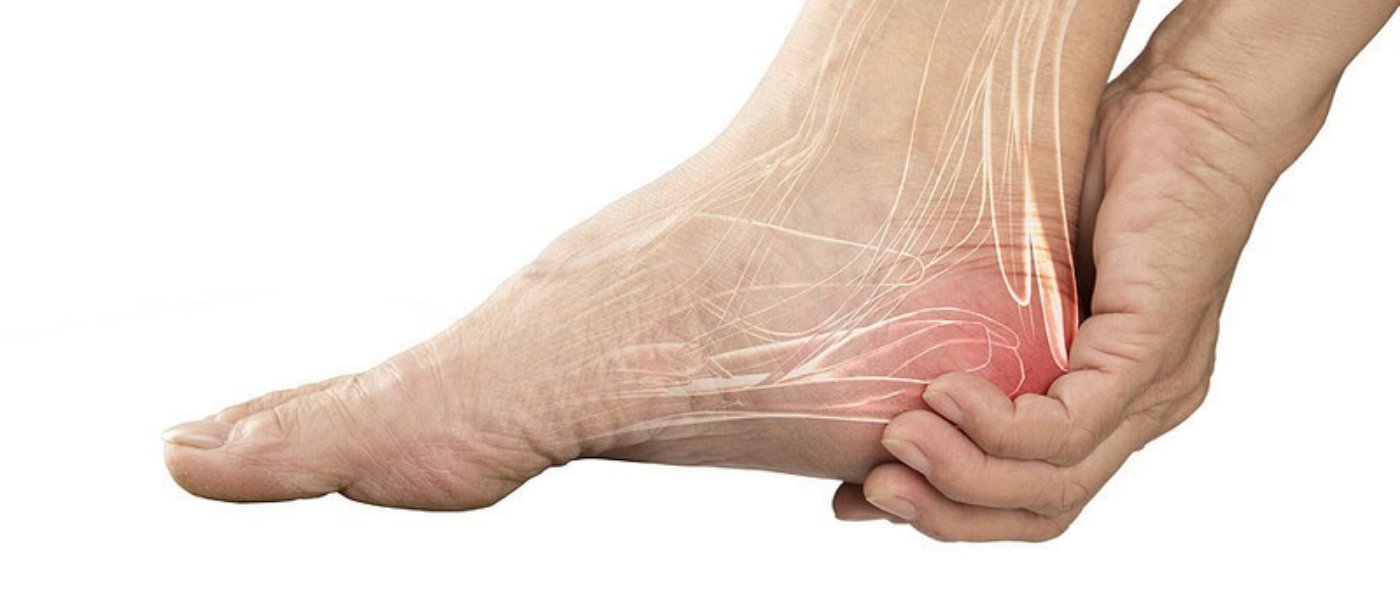
Do you get burning, tingling, or numbness along the inside of your ankle and into the sole of your foot? Does it get worse the longer you stand or walk, or wake you up at night? If so, you may be dealing with tarsal tunnel syndrome, a pinched or irritated nerve at the inner ankle that is often mistaken for plantar fasciitis.
At Vaughan Physiotherapy Clinic, we assess and treat nerve-related foot pain for runners, people who work on their feet, and anyone whose foot has started to feel "wrong" in a way that is hard to describe. The goal is to work out whether the nerve is really the problem, find what is irritating it, and take the pressure off so you can stand, walk, and train comfortably again.
Here is what tarsal tunnel syndrome is, how to recognize it, what it can be confused with, and what the research does and does not tell us about treating it.
What Is Tarsal Tunnel Syndrome?
Tarsal tunnel syndrome is an entrapment of the tibial nerve or its branches as they pass through a narrow channel on the inside of the ankle, just behind and below the ankle bone (Adler et al., 2026). It is sometimes described as the foot's version of carpal tunnel syndrome, but it is much less common and much less studied.
It is thought to be under-diagnosed, partly because its symptoms overlap with more common causes of heel and arch pain (Doneddu et al., 2017). It is about three times more common in women than in men, and most often starts between the ages of 40 and 60 (Adler et al., 2026).
Understanding the Anatomy
The tarsal tunnel is a fibro-osseous tunnel: bone on one side and a tough band of tissue on the other (Adler et al., 2026). Key structures include:
- Flexor retinaculum: the band of connective tissue that forms the roof of the tunnel
- Tibial nerve: the main nerve running through the tunnel, which supplies feeling and muscle control to the sole of the foot
- Medial and lateral plantar nerves: the two main branches that carry sensation to the inner and outer parts of the sole and the toes
- Medial calcaneal nerve: a small branch to the skin of the heel. Its path varies a lot between people
- Tendons and blood vessels: three tendons that control the foot and toes (tibialis posterior, flexor digitorum longus, flexor hallucis longus) plus an artery and veins share the same space
What Causes It?
Anything that takes up room in the tunnel or squeezes or stretches the nerve can cause symptoms. A specific cause is found in most cases (Adler et al., 2026). Causes are usually grouped as:
- Space-occupying lesions: ganglion cysts, swollen tendon sheaths, varicose veins, bony spurs, lipomas, and occasionally nerve tumours
- Injury: ankle sprains and fractures are reported in roughly 17 to 43 percent of cases
- Foot shape and mechanics: a heel that rolls inward or a flattening arch can put extra stretch on the nerve, and runners who over-pronate seem to be at higher risk
- Swelling and systemic conditions: pregnancy, inflammatory arthritis, diabetes, low thyroid function, and gout
- Footwear and scarring: tight or poorly fitting shoes, or scar tissue after previous ankle surgery
Recognizing the Symptoms
Tarsal tunnel syndrome usually comes on gradually. Common symptoms include (Adler et al., 2026):
- Burning, tingling, or pins and needles on the sole of the foot, the arch, or the toes
- Pain on the inside of the ankle that can shoot or spread into the arch and sole
- Numbness on part of the sole
- Symptoms that are worse with long periods of standing or walking and ease with rest
- Symptoms that are often worse at night
- In long-standing or severe cases, weakness of the small foot muscles and clawing of the toes
What Makes It Worse?
- Prolonged standing and walking: especially on hard floors (Adler et al., 2026)
- Positions that stretch the nerve: pulling the ankle up and rolling the foot outward puts the nerve under more tension. In cadaver studies, tibial nerve strain at the ankle rose further when the knee was straight and the hip was bent, as in a straight-leg raise (Alshami et al., 2008)
- Running with a lot of inward heel roll and sudden jumps in training
- Tight or unsupportive footwear
- Swelling around the ankle from injury, pregnancy, or fluid retention
What Else Could It Be?
Several conditions cause similar heel and sole symptoms. Part of our assessment is ruling these in or out (Adler et al., 2026):
- Plantar fasciitis: the most common cause of heel pain. It typically causes sharp pain under the heel with the first steps in the morning or after sitting, without true numbness or pins and needles. The two can overlap, and plantar fasciitis can be hard to tell apart from tarsal tunnel syndrome (Hudes, 2010)
- Lumbar radiculopathy (S1 nerve root): a pinched nerve in the low back can cause numbness or burning in the sole and outer foot. Clues include back or buttock pain, symptoms down the back of the leg, a reduced ankle reflex, or calf weakness
- Peripheral neuropathy: diabetes and other conditions can damage nerves throughout the feet. This usually affects both feet in a "stocking" pattern starting at the toes, rather than one area of one foot
- Morton's neuroma: burning or numbness between two toes, usually the third and fourth, made worse by tight shoes
- Stress fracture of the heel or foot bones
- Achilles or posterior ankle tendon problems and inflammatory foot conditions
Testing can be tricky. Nerve conduction tests are recommended only after polyneuropathy and radiculopathy have been ruled out on examination, because those conditions can produce similar results (Patel et al., 2005).
When to See a Doctor First
See your physician promptly, or go to urgent care, if you have:
- Numbness or tingling in both feet that is spreading, especially if you have diabetes, since this points to a whole-body nerve problem that needs medical assessment
- A foot wound, colour change, or sore you cannot feel properly, or a cold, pale foot
- Back pain with leg weakness, foot drop, or numbness in the groin or saddle area, or any new trouble with bladder or bowel control, which needs emergency care
- A lump or swelling on the inside of the ankle that is growing or painful
- A hot, red, swollen ankle, fever, or calf swelling and tenderness
- Rapidly worsening weakness of the foot or toes, pain at night that does not ease, or unexplained weight loss
Our physiotherapists screen for these signs at your first visit and will coordinate with your physician if nerve testing, imaging, or a specialist referral is needed.
Related reading: Heel and arch pain can also come from plantar fasciitis, posterior tibial tendinopathy or flat feet.
Why Physiotherapy Is Essential
Tarsal tunnel syndrome is a nerve that is being squeezed, stretched, or irritated where it passes the inner ankle. Pain medication can take the edge off, but it does not change what is happening at the tunnel. The aim of care is to reduce the pressure and tension on the nerve and help it tolerate everyday load again.
Research on tarsal tunnel syndrome is still growing. Reviews describe a condition with many treatment options but very little high-quality evidence for any of them so far, and open questions about the best conservative approach, the right time for surgery, and the best surgical method (Doneddu et al., 2017; Fortier et al., 2022). Most of what clinicians do is based on small studies, case reports, and an understanding of how nerves behave. What reviews do agree on is that conservative care is the usual first step, and surgery is generally kept for people who do not improve or who have a clear structural cause (Adler et al., 2026).
Physiotherapy addresses the main drivers:
- Is it really the nerve? Screening for plantar fasciitis, a pinched nerve in the back, and neuropathy
- How much tension the nerve is under: foot posture, footwear, and orthoses
- How well the nerve moves: gentle nerve gliding
- How strong and mobile the foot is: arch support and joint movement
- How much you are doing: a plan to keep you active while symptoms settle
Your Treatment Plan at Vaughan Physiotherapy Clinic
Phase 1: Assessment and Settling Symptoms (Weeks 1 to 2)
Your first visit focuses on confirming where the problem is coming from. A full assessment includes:
- History: where and when symptoms occur, past ankle injuries, footwear, training load, and conditions such as diabetes
- Tapping test (Tinel sign): tapping over the nerve behind the inner ankle to see if it reproduces tingling. It is a useful clue but misses many cases, with reported sensitivity of only 25 to 75 percent (Adler et al., 2026)
- Dorsiflexion-eversion test: holding the ankle up and the foot rolled outward to put the nerve on stretch. It is reported to be positive in about 82 percent of people with the condition (Adler et al., 2026)
- Sensation and strength: mapping reduced feeling and checking the small foot muscles
- Low back and nerve screen: reflexes, strength, and a straight-leg raise to check for an S1 nerve root problem or wider neuropathy
- Foot posture and gait: how your heel and arch move when you stand, walk, or run
When is further testing needed? Tarsal tunnel syndrome is mainly a clinical diagnosis, and no single test confirms it (Adler et al., 2026). We may suggest your physician arrange:
- Nerve conduction studies: these can help confirm the diagnosis. An evidence review for the American Association of Neuromuscular and Electrodiagnostic Medicine gave them only a modest (Level C) recommendation because the available studies were low quality (Patel et al., 2005), and false negatives are common (Adler et al., 2026)
- X-rays: the usual first imaging test, for bone spurs or old injury (Adler et al., 2026)
- Ultrasound or MRI: to look for a space-occupying lesion such as a ganglion cyst, swollen tendon sheath, or enlarged veins. Nerve imaging has made the cause easier to find (Doneddu et al., 2017)
Early symptom relief usually includes:
- Load modification: less prolonged standing, with cycling or swimming in place of provoking activities
- Footwear changes: supportive shoes that do not press on the inner ankle
- Taping: short-term arch support (Adler et al., 2026)
Phase 2: Taking Pressure Off the Nerve
Orthoses and footwear are a standard part of conservative care. Orthotics, supportive shoes, and medial heel wedges are used to reduce strain on the nerve, and night splints or a short period in a walking boot are sometimes used for more irritable cases (Adler et al., 2026). We should be honest that we found no controlled trials testing orthoses for tarsal tunnel syndrome. In one published case, new orthoses alone made little difference until hands-on treatment was added (Hudes, 2010). We use them as one part of the plan, fitted to your foot, rather than as a stand-alone fix.
Medication and injections are managed by your physician. Options include anti-inflammatory medication, nerve pain medication, and corticosteroid injections (Adler et al., 2026). In a large single-centre study of 218 people who had an ultrasound-guided injection, about 78 percent had not gone on to surgery during follow-up, which averaged just under a year (Atesok et al., 2022). That study looked back at records and had no comparison group, so it cannot tell us how much of the improvement was due to the injection itself.
Phase 3: Nerve Gliding, Mobility, and Strength (Weeks 2 to 8)
Nerve gliding (neurodynamics)
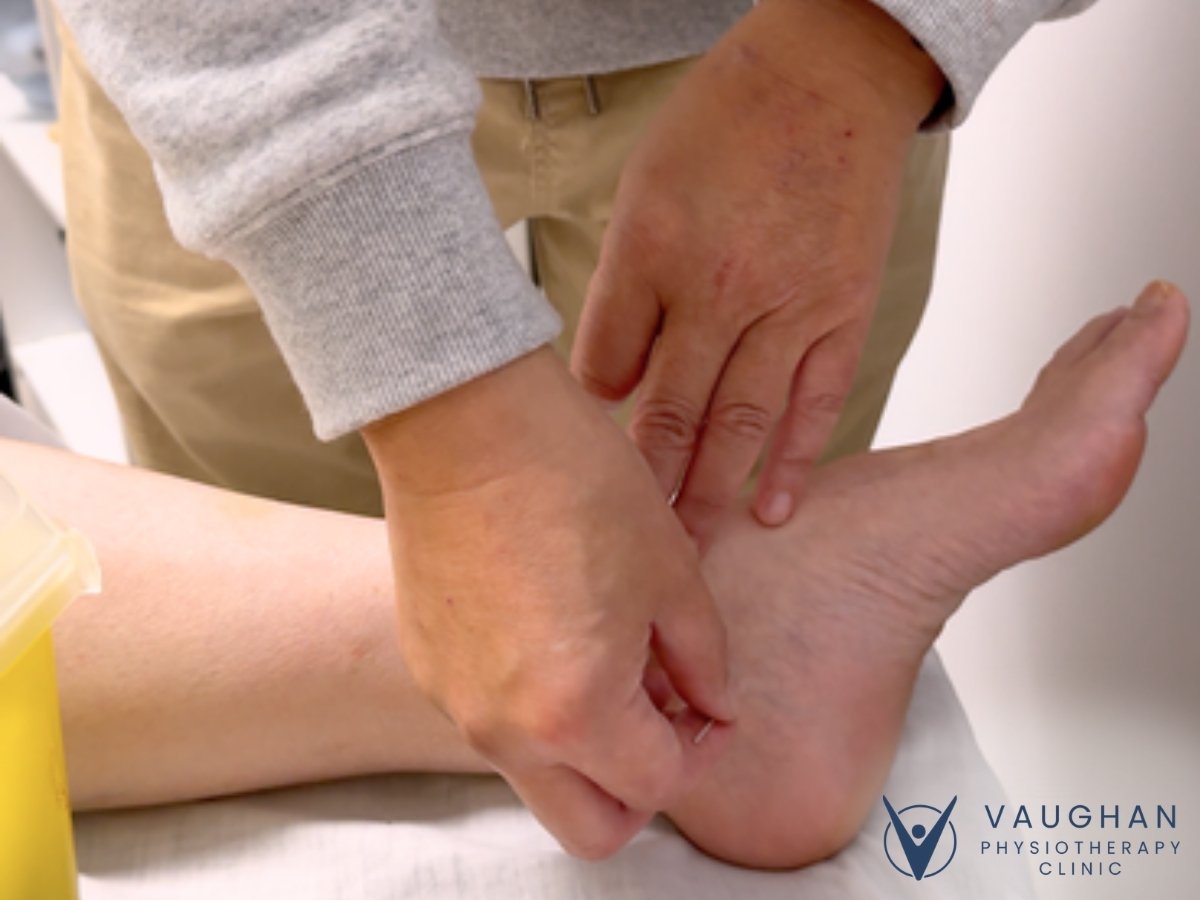
Nerves need to slide and stretch a little as you move. Cadaver research shows that bending the ankle up increases strain on the tibial nerve at the ankle, and that the amount of strain depends on where the knee and hip are (Alshami et al., 2008). This is the basis for nerve gliding exercises, which move the nerve gently through its range without holding it on stretch.
The only randomized trial we found on this topic included 28 people with tarsal tunnel syndrome. Adding nerve mobilization exercises to standard conservative care improved some measures of sensation and the Tinel sign, but did not improve pain, range of motion, or strength more than standard care alone (Kavlak & Uygur, 2011). The trial was small and the assessor was not blinded, so these results are early. Nerve gliding is low risk when it is dosed gently, so we use it as one part of the plan. Your program may include:
- Ankle sliders: sitting with the knee bent, gently pumping the ankle up and down
- Combined sliders: straightening the knee as the ankle points down, then bending the knee as the ankle comes up, so the nerve slides without being stretched at both ends
- Progression: only when symptoms are settled, and never pushing into strong tingling or burning
Foot and ankle strengthening
Physiotherapy often includes strengthening the tibialis posterior, a key arch-support muscle (Adler et al., 2026). There are no trials of strengthening for this condition, so this rests on clinical reasoning rather than direct evidence. Examples include:
- "Short foot" arch holds
- Resisted inversion with a band
- Calf raises, progressing from two feet to one
- Single-leg balance, and hip strengthening for runners
Manual therapy
Joint mobilization of a stiff midfoot or ankle and soft tissue work around the calf and inner ankle may help ease symptoms so you can stay consistent with your exercises. The evidence here is limited to case reports (Hudes, 2010; Gallas & Gearhart, 2015).
Phase 4: Return to Full Activity (Weeks 6 to 12+)
- Gradual return to running or sport while nerve symptoms stay quiet
- Running technique review: cadence and foot-strike retraining were part of one runner's recovery (Gallas & Gearhart, 2015)
- Workplace advice on footwear, flooring, and breaks
Beyond Physiotherapy: Complementary Care for Tarsal Tunnel Syndrome
For tarsal tunnel syndrome, research on every treatment, from exercise to surgery, is still growing, and conservative care stays the usual first step (Adler et al., 2026). Some patients also find that other services at our clinic help them manage pain and tightness so they can keep moving. Here is an honest summary of what the evidence does and does not show for each.
How Acupuncture and Dry Needling Can Help
Acupuncture and dry needling use fine needles to reduce pain and ease tight, tender muscles.
- What the evidence shows: we did not find any controlled trials of acupuncture or dry needling for tarsal tunnel syndrome. The closest evidence is one case report of a runner who had dry needling among several other treatments; the authors noted there was no evidence base for needling in this condition and could not say which treatment helped (Gallas & Gearhart, 2015)
- Where it fits: as an optional, short-term way to ease calf and foot muscle tension and pain while you work on the main plan. Needles are not placed directly into the irritated nerve
- Safety: generally very safe. Minor bruising or soreness is the most common side effect. Extra care is needed if you have reduced sensation, diabetes, or poor circulation in the foot
How Massage Therapy Can Help
Registered massage therapy focuses on the soft tissues of the calf, ankle, and foot.
- What the evidence shows: there are no published trials of massage for tarsal tunnel syndrome. Soft tissue techniques appear only within multi-treatment case reports (Hudes, 2010; Gallas & Gearhart, 2015), which cannot show whether massage itself helped
- Where it fits: it may help with comfort and calf tightness. Pressure over the tarsal tunnel itself should be gentle, since the nerve is already irritated
- Safety: very safe. Some temporary soreness afterward is normal. Tell your therapist if any technique brings on tingling or burning
How Chiropractic and Joint Manipulation Can Help
Chiropractic care for the foot uses joint mobilization and manipulation of the midfoot and ankle.
- What the evidence shows: the evidence is limited to a single case report. A 61-year-old woman improved from severe pain to none after a course of midfoot manipulation and soft tissue work, after orthoses alone had not helped. The author noted that one case cannot prove the treatment works (Hudes, 2010)
- Where it fits: for midfoot or ankle stiffness, combined with exercise and footwear changes. If symptoms are coming from your low back, spinal care may be more relevant
- Safety: generally safe. It is not appropriate over a suspected fracture, infection, or acute inflammatory flare
Whichever combination you choose, these treatments share one purpose: easing symptoms so you can stay active while the main work of taking pressure off the nerve takes hold.
When Is Surgery Considered?
Surgery to release the flexor retinaculum and free the nerve is considered when a definite structural cause is found, such as a ganglion cyst or other space-occupying lesion, or when well-run conservative care has not worked (Adler et al., 2026). One review suggests trying non-surgical care for at least 12 to 24 months before surgery in cases without a clear structural cause (Fortier et al., 2022).
Reported success rates for surgery vary widely, from about 44 to 96 percent (Adler et al., 2026). In one older series, 85 percent had complete relief on examination but only 51 percent felt fully relieved (Fortier et al., 2022). A newer ultrasound-guided release in 81 people reported excellent or good results in about 90 percent, with the poorest results in people who had symptoms the longest (Iborra et al., 2020).
Results tend to be better with a shorter history and a clear cause, and complications such as wound problems or infection are reported in about 6 to 12 percent of cases (Adler et al., 2026). If surgery is recommended, we work alongside your surgical team and follow their post-operative protocol.
How Long Will It Take?
There is little reliable data on how long tarsal tunnel syndrome takes to settle with conservative care, and recovery varies a lot. Outcomes tend to be better when there is a clear cause that is found early, and poorer with symptoms in both feet, no identifiable cause, long-standing symptoms, older age, and other conditions such as neuropathy or plantar fasciitis. Flare-ups are common (Adler et al., 2026).
In our experience, many people notice symptoms becoming less frequent within a few weeks once the main aggravating factors are addressed, with steadier improvement over the following months. Nerves tend to settle slowly, so consistency matters.
Prevention and Long-Term Management
- Choose supportive shoes that fit well
- Keep using your orthoses if they helped, especially for long days on your feet
- Keep your arch and calf strong with a few exercises a few times a week
- Keep the nerve moving with gentle gliding exercises if your symptoms start to return
- Build training gradually: avoid sudden jumps in running distance or time on your feet
- Manage health conditions: good control of diabetes and thyroid conditions supports nerve health
- Act early: if burning or tingling comes back, return to your program and a lighter load straight away
Frequently Asked Questions
Is tarsal tunnel syndrome serious?
It is usually not dangerous, but long-standing symptoms tend to do less well, and a cyst or other lesion may need medical treatment. Spreading numbness, weakness, or symptoms in both feet should always be checked.
How is it different from plantar fasciitis?
Plantar fasciitis usually causes sharp heel pain with the first steps in the morning, without numbness or pins and needles. Tarsal tunnel syndrome more often causes burning, tingling, or numbness across the sole. The two can occur together.
Do I need a nerve conduction test?
Not always. The diagnosis is mostly made on examination. Nerve conduction studies can help confirm it, especially if surgery is being considered, but the research behind them is limited and a normal result does not fully rule the condition out (Patel et al., 2005; Adler et al., 2026).
Do nerve gliding exercises work?
The only randomized trial found small improvements in sensation, but not in pain, when nerve gliding was added to standard care (Kavlak & Uygur, 2011). The evidence is early, but the exercises are simple and low risk when done gently.
Will I need surgery?
Most people start with conservative care. Surgery is usually considered only when a clear structural cause is found or when symptoms persist despite a good trial of treatment (Adler et al., 2026; Fortier et al., 2022).
Can acupuncture, massage, or chiropractic replace exercise, footwear, and orthoses?
No. For tarsal tunnel syndrome, the evidence for these treatments comes only from individual case reports. They are best used as short-term supports to ease symptoms alongside the main plan of reducing pressure on the nerve, improving foot mechanics, and staying active.
Our Specialized Approach at Vaughan Physiotherapy Clinic
Careful diagnosis: we check for plantar fasciitis, low back nerve problems, and neuropathy before treating the ankle
Nerve-friendly treatment: gentle nerve gliding and load advice that respect an irritated nerve
Footwear and orthoses: recommendations fitted to your foot, your work, and your sport
Progressive strengthening: a short, simple home program for the arch, ankle, and hip
Integrated care: physiotherapy, massage therapy, acupuncture, and chiropractic under one roof when they add value
Safety first: screening for red flags, with physician referral for nerve testing, imaging, or a surgical opinion when needed
Take the First Step Toward Comfortable, Confident Steps
Burning, tingling, or numbness in your foot does not have to limit your workday, your runs, or your sleep. Our team at Vaughan Physiotherapy Clinic helps patients from Thornhill, Vaughan, North York, Richmond Hill, and surrounding communities sort out nerve-related foot pain with careful, hands-on care.
Book your assessment today:
Phone: 905-669-1221
Location: 398 Steeles Ave W #201, Thornhill, ON L4J 6X3
Online Booking: www.vaughanphysiotherapy.com
References
Adler L, Bergman R, Kaiser K. Tarsal tunnel syndrome. In: StatPearls. Treasure Island (FL): StatPearls Publishing; 2026 (updated May 24, 2026). Bookshelf ID: NBK513273.
Alshami AM, Babri AS, Souvlis T, Coppieters MW. Strain in the tibial and plantar nerves with foot and ankle movements and the influence of adjacent joint positions. Journal of Applied Biomechanics. 2008;24(4):368-376. doi:10.1123/jab.24.4.368
Atesok K, Pierce J, Small B, Perumal V, Cooper T, Park J. The course of tarsal tunnel syndrome after ultrasound-guided injections. Orthopedic Reviews. 2022;14(3). doi:10.52965/001c.35455
Doneddu PE, Coraci D, Loreti C, Piccinini G, Padua L. Tarsal tunnel syndrome: still more opinions than evidence. Status of the art. Neurological Sciences. 2017. doi:10.1007/s10072-017-3039-x
Fortier LM, Leethy KN, Smith M, McCarron MM, Lee C, Sherman WF, Varrassi G, Kaye AD. An update on posterior tarsal tunnel syndrome. Orthopedic Reviews. 2022;14(3). doi:10.52965/001c.35444
Gallas J, Gearhart M. Conservative management of tarsal tunnel syndrome in a competitive distance runner. Orthopaedic Physical Therapy Practice. 2015;27(2):84-90.
Hudes K. Conservative management of a case of tarsal tunnel syndrome. Journal of the Canadian Chiropractic Association. 2010;54(2):100-106.
Iborra A, Villanueva M, Sanz-Ruiz P. Results of ultrasound-guided release of tarsal tunnel syndrome: a review of 81 cases with a minimum follow-up of 18 months. Journal of Orthopaedic Surgery and Research. 2020;15. doi:10.1186/s13018-020-1559-1
Kavlak Y, Uygur F. Effects of nerve mobilization exercise as an adjunct to the conservative treatment for patients with tarsal tunnel syndrome. Journal of Manipulative and Physiological Therapeutics. 2011;34(7):441-448.
Patel AT, Gaines K, Malamut R, Park TA, Del Toro DR, Holland N. Usefulness of electrodiagnostic techniques in the evaluation of suspected tarsal tunnel syndrome: an evidence-based review. Muscle & Nerve. 2005;32:236-240. doi:10.1002/mus.20393
Disclaimer: This article is for educational purposes only and does not replace professional medical advice. Burning, tingling, or numbness in the foot can have several causes, including plantar fasciitis, a pinched nerve in the low back, diabetic or other peripheral neuropathy, and growths or cysts that press on the nerve. Always consult a qualified healthcare provider for diagnosis and treatment specific to your condition.







