


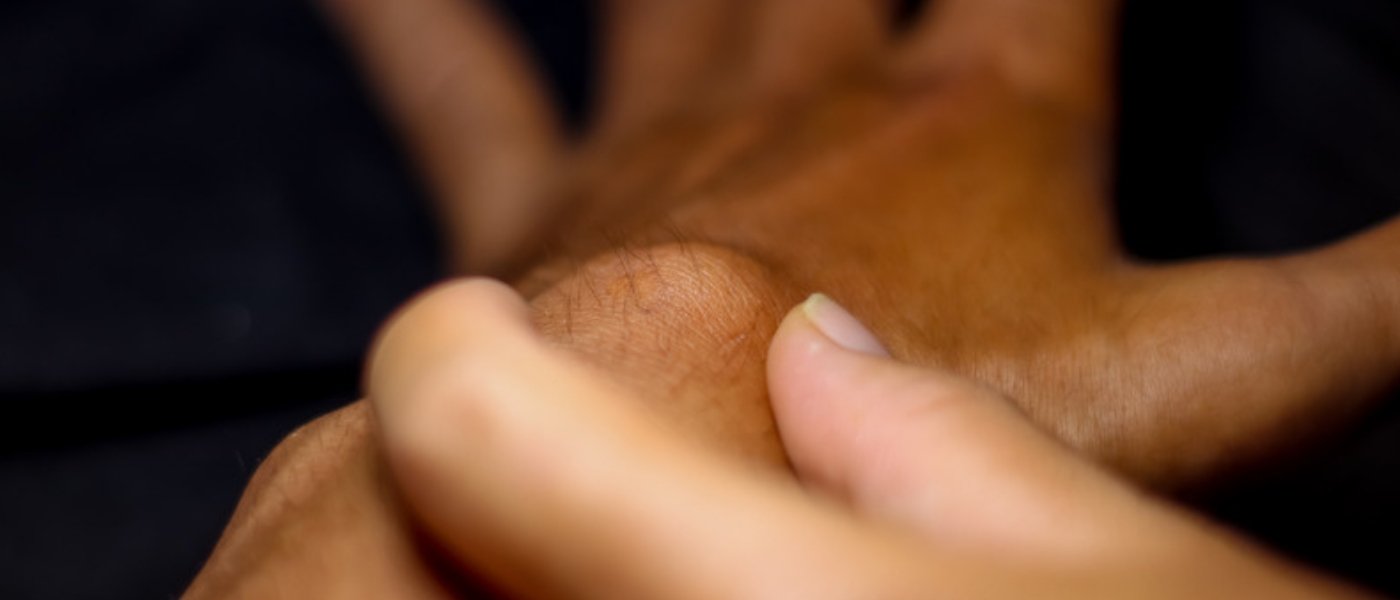
Close-up of fingers pressing the fleshy area near the base of the thumb

Thumb Osteoarthritis (Rhizarthrosis)

Arthritis at the base of the thumb that causes pain with pinching and gripping, stiffness, weakness, and sometimes a bump near the wrist.
Does the base of your thumb ache when you open a jar, turn a key, or pinch a piece of paper? Has your grip started to feel weaker, or is there a bump forming where your thumb meets your wrist? If so, you may be dealing with thumb osteoarthritis, also called rhizarthrosis or thumb base arthritis, one of the most common forms of arthritis in the hand.

At Vaughan Physiotherapy Clinic, we assess and treat thumb base pain for people of all ages, from office workers and hairstylists to grandparents who want to keep gardening, cooking, and holding their grandchildren. The goal is not just to take the edge off the pain, but to protect the joint, rebuild strength around it, and keep your hand working for the tasks that matter to you.

Here is what thumb osteoarthritis is, how to recognize it, what it can be confused with, and what the research says about treating it.

What Is Thumb Osteoarthritis (Rhizarthrosis)?

Thumb osteoarthritis is wear and change in the joint at the very base of the thumb, where the first metacarpal bone meets a small wrist bone called the trapezium. Doctors call this the first carpometacarpal (CMC) joint or the trapeziometacarpal joint. "Rhizarthrosis" simply means arthritis at the root of the thumb.

In osteoarthritis, the smooth cartilage that covers the ends of the bones thins out, the bone underneath changes, and small bony spurs can form. The joint can become painful, stiff, and less stable. The thumb base is the second most common site of arthritis in the hand, after the end joints of the fingers, and the lifetime risk approaches about 1 in 10 people (Li & White, 2013).

It is more common in women and in middle age and later. A previous injury to the thumb, years of repetitive hand use, and inflammatory joint disease also raise the risk (Li & White, 2013).

Stages of Thumb Osteoarthritis

On X-ray, thumb base arthritis is usually graded with the Eaton and Littler classification, from early changes with a mostly normal joint space through to advanced disease where the joint space is lost and the neighbouring joint between the scaphoid and trapezium is also affected (Li & White, 2013). In general:

  • Early stages: mild narrowing of the joint, small or no bone spurs, pain mainly with heavy pinching and gripping
  • Middle stages: clearer joint narrowing and bone spurs, more frequent pain, a visible bump at the thumb base
  • Advanced stages: major joint damage, stiffness, and sometimes a "zigzag" shape where the thumb base collapses and the next joint up bends backward to compensate (Li & White, 2013)

X-ray findings do not always match how much pain a person has. Some people with significant changes on imaging cope well, while others with milder changes have a lot of pain. That is why treatment is guided by your symptoms and function, not just your X-ray.

Understanding the Anatomy

The thumb base is a saddle-shaped joint. This shape lets the thumb move in many directions and swing across the palm to touch the fingertips, which is what makes human grip so useful. The trade-off is that the joint relies heavily on ligaments and muscles for stability. Key structures include:

  • Trapezium: the small wrist bone that forms the lower half of the saddle
  • First metacarpal: the long bone of the thumb that sits on top of the trapezium
  • Ligaments: strong bands around the joint that hold the metacarpal in place during pinching and gripping
  • Thenar muscles: the fleshy muscles at the base of the thumb in your palm, which position and stabilize the thumb
  • First dorsal interosseous: the muscle in the web space between your thumb and index finger, which helps hold the thumb base steady

Firm pinching puts a large load through the thumb base. Over years, that load can wear on the joint, especially if the ligaments are loose or the muscles are not holding it well.

Recognizing the Symptoms

Thumb osteoarthritis usually comes on gradually. Common symptoms include (Li & White, 2013):

  • Aching pain at the base of the thumb, near the wrist on the thumb side
  • Pain with pinching and gripping, such as turning keys, opening jars, writing, or doing up buttons
  • Stiffness, especially first thing in the morning or after rest
  • Weakness in pinch or grip, or dropping things
  • A bump or swelling at the thumb base
  • A grinding or clicking feeling when moving the thumb
  • In later stages, a change in thumb shape and difficulty opening the hand wide to grasp large objects

What Makes It Worse?

  • Tight pinching and twisting: opening jars, turning keys or taps, wringing cloths, and using scissors or tools
  • Sustained grip: holding a phone, pen, steering wheel, or gardening tools for long periods
  • Repetitive hand work: jobs or hobbies that involve a lot of pinching, such as hairdressing, sewing, knitting, or keyboard and mouse work
  • Cold weather and long periods without moving the hand
  • Loose joints: people with more flexible ligaments may have less natural support at the thumb base

What Else Could It Be?

Several conditions cause pain on the thumb side of the wrist and need different treatment. Part of our assessment is ruling these in or out (Li & White, 2013):

  • De Quervain's tenosynovitis: irritation of the tendons that run along the thumb side of the wrist. The pain sits a little higher, over the wrist rather than the joint itself, and is often triggered by lifting a baby or by a positive Finkelstein test (bending the wrist toward the little finger with the thumb tucked in)
  • Trigger thumb: catching, clicking, or locking of the thumb when it bends, usually with a tender spot at the base of the thumb in the palm
  • Thumb ligament injury: a sprain or tear of the ligament on the inside of the thumb knuckle (sometimes called skier's thumb), usually after a fall or forceful bend
  • Scaphoid fracture or carpal instability: wrist pain after a fall onto an outstretched hand, which needs prompt imaging
  • Ganglion cyst: a smooth, firm lump near the wrist that can be tender
  • Carpal tunnel syndrome: numbness and tingling in the thumb, index, and middle fingers, often worse at night. It can occur alongside thumb arthritis
  • Inflammatory arthritis: such as rheumatoid or psoriatic arthritis, which tends to affect several joints with more swelling and longer morning stiffness

When to See a Doctor First

See your physician promptly, or go to urgent care, if you have:

  • A hot, red, swollen joint, especially with fever or feeling unwell, since joint infection needs urgent treatment
  • Swelling in several joints of both hands, or morning stiffness lasting more than about an hour, which may point to inflammatory arthritis
  • Pain, swelling, or bruising after a fall or injury, especially tenderness in the hollow at the base of the thumb on the back of the wrist, which may be a scaphoid fracture
  • Numbness, tingling, or muscle wasting in the hand that is getting worse
  • A sudden loss of the ability to move the thumb, which may mean a tendon rupture
  • Pain at night that does not ease with rest, unexplained weight loss, or a rapidly growing lump

Our physiotherapists screen for these signs at your first visit and will coordinate with your physician if X-rays, blood tests, or a referral are needed.

Related reading: Other causes of thumb and hand pain include hand osteoarthritis, De Quervain's tenosynovitis and a thumb sprain.

Start Your Journey to 

‍Better Health Today

Recover faster, move better, and feel stronger with expert physiotherapy. Our team is here to guide you every step of the way.

Why Physiotherapy Is Essential

Thumb osteoarthritis is a long-term joint condition, but pain and weakness do not have to keep getting worse. How much the thumb hurts depends a lot on how the joint is loaded, how well the muscles hold it steady, and how you use your hands, and all of these can be changed.

International guidelines agree that non-drug treatment should come first for hand osteoarthritis. The European (EULAR) recommendations advise education on joint protection and pacing, the use of assistive devices, exercise for every patient, and a thumb base orthosis (splint) for symptom relief, with medication and surgery added only if needed (Kloppenburg et al., 2019). The American College of Rheumatology guideline strongly recommends exercise, self-management programs, and a hand orthosis for the thumb base joint (Kolasinski et al., 2020).

Physiotherapy addresses the main drivers:

  • How the joint is loaded: splints, taping, and joint protection strategies to reduce stress on the thumb base
  • How stable the joint is: exercises for the muscles that hold the thumb base steady during pinch and grip
  • How well the hand moves: keeping the thumb web space open and the joints mobile so the hand can still open wide
  • How you use your hands: smarter ways to do daily tasks, plus tools and gadgets that take the strain off

Your Treatment Plan at Vaughan Physiotherapy Clinic

Phase 1: Assessment and Understanding Your Thumb (Week 1)

Your first visit focuses on confirming where the pain is coming from and what is making it worse. A full assessment includes:

  • History: which tasks hurt, your work and hobbies, past injuries, and other health conditions
  • Hands-on examination: feeling around the thumb base and the nearby tendons to pinpoint the painful structure
  • Special tests: the grind test, which presses and rotates the thumb at its base. A positive test strongly suggests thumb base arthritis, but a negative test does not rule it out, so we use it alongside other findings (Li & White, 2013). We also test for de Quervain's tenosynovitis and other look-alike problems
  • Movement and shape: thumb range, web space opening, and whether the thumb knuckle bends backward to compensate
  • Strength: grip and pinch strength, and how well you can hold the thumb in a stable position

If your history or exam suggests a fracture, inflammatory arthritis, or another problem, we will recommend imaging or a physician referral. Plain X-rays of the thumb are the usual first test to confirm and stage the arthritis (Li & White, 2013).

Phase 2: Settling Pain and Protecting the Joint (Weeks 1 to 4)

Thumb splints (orthoses)

Splints have some of the most consistent support of any treatment for thumb base arthritis:

  • The EULAR guideline recommends a thumb base orthosis for symptom relief and advises wearing it over the long term, for at least about 3 months, since benefits take time to appear (Kloppenburg et al., 2019)
  • A network meta-analysis of 22 trials found that a rigid splint covering both the thumb base and the thumb knuckle was the only treatment that clearly improved pain and function compared with control over the medium term (3 to 12 months) (Thakker et al., 2025)
  • A meta-analysis of five studies found that soft neoprene splints and custom-moulded thermoplastic splints reduced pain about equally (Aebischer et al., 2016), so the choice can be based on comfort, the task, and what you will actually wear

We often suggest a firmer splint for heavy tasks and a softer one when you need more freedom, fitted and adjusted in clinic.

Joint protection and daily habits

Education on joint protection, pacing, and assistive devices is recommended for every person with hand osteoarthritis (Kloppenburg et al., 2019). Examples include:

  • Using larger, padded handles on pens, kitchen tools, and garden tools to reduce pinch force
  • Jar openers, key turners, and lever taps to avoid tight twisting

Heat, taping, and other short-term relief

  • Heat or warm paraffin wax: conditionally recommended for hand arthritis to ease stiffness and pain (Kolasinski et al., 2020). Many people find warmth helpful before exercise or in the morning
  • Kinesiology taping: conditionally recommended for thumb base arthritis specifically (Kolasinski et al., 2020)

Phase 3: Restoring Mobility and Strength (Weeks 2 to 12)

Thumb and hand exercises
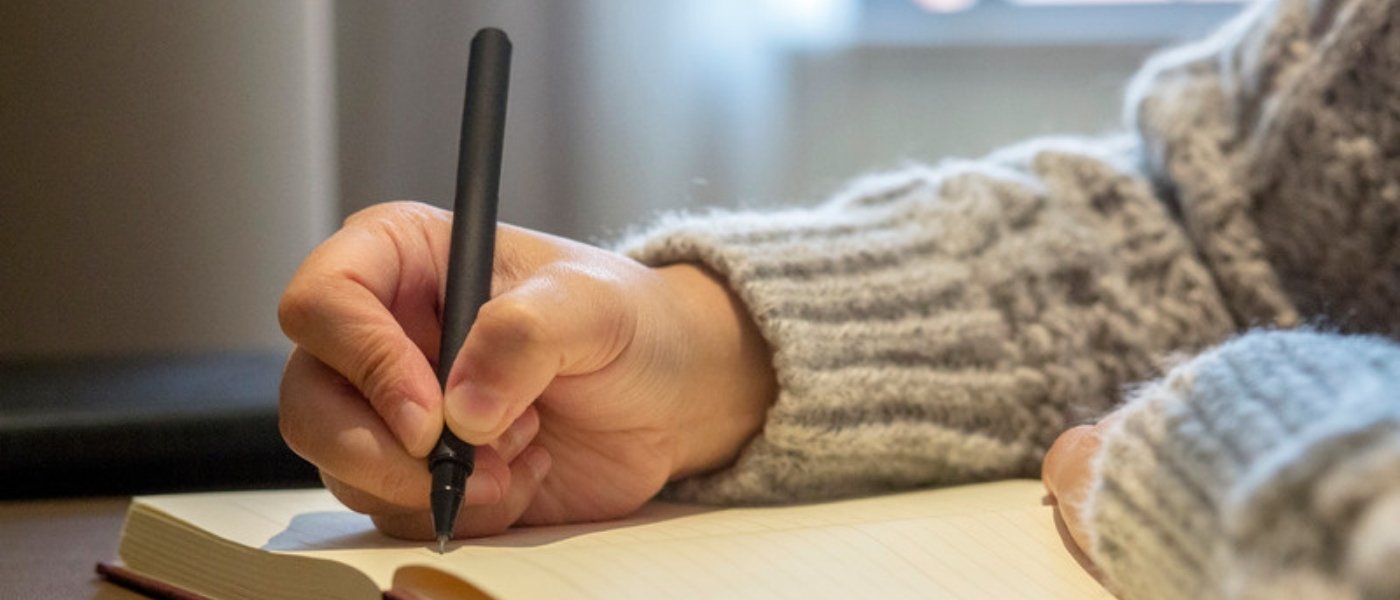
Close-up of a hand writing with a pen in a notebook
Writing, turning keys and opening jars all load the joint at the base of the thumb.

Exercise is recommended for everyone with hand osteoarthritis, with a focus on joint mobility, muscle strength, and stability of the thumb base (Kloppenburg et al., 2019). The research shows:

  • A Cochrane review of seven trials (534 people) found that exercise gave small improvements in pain, function, and finger stiffness compared with no exercise, but the quality of evidence was low and the benefits were not maintained at 6 to 12 months once people stopped (Østerås et al., 2017)
  • A 2024 meta-analysis of 14 trials (1,280 people) focused on the thumb base found that exercise-based programs improved pain and hand function in the short term compared with no treatment, while differences faded at longer follow-up (Karanasios et al., 2024)
  • A network meta-analysis found that hand exercises and multimodal programs (exercise combined with other treatments such as splinting and education) were among the best options for pain in the first 3 months, and hand exercises also improved grip strength (Thakker et al., 2025)

Exercise helps, but it needs to become a habit to keep helping. Your program may include:

  • Web space stretches: gently opening the space between the thumb and index finger
  • Thumb base stability work: holding the thumb in a gentle "C" or rounded shape while pinching, rather than letting the knuckle collapse
  • Thenar strengthening: moving the thumb out from the palm against a light band, and touching the thumb to each fingertip with control
  • Grip strengthening: putty or a soft ball, progressing slowly

Manual therapy

Gentle joint mobilization of the thumb base, wrist, and nearby joints, along with soft tissue work for tight thumb muscles, can ease pain and help you move more comfortably. A systematic review of 16 trials found moderate-quality evidence that manual therapy, alone or with exercise, reduced pain in the short and medium term (Bertozzi et al., 2015). We use it alongside, not instead of, exercise and splinting.

Phase 4: Return to Full Activity and Self-Management (Weeks 8 to 12+)

  • Task practice: cooking, gardening, typing, or sport with better thumb position
  • Gradual loading: building grip and pinch strength toward what your work and hobbies demand
  • Splint plan: deciding when you still need the splint and when you can go without
  • Flare-up plan: a simple routine to follow if pain returns

Beyond Physiotherapy: Complementary Care for Thumb Osteoarthritis

Splinting, exercise, and joint protection form the core of care, and that is where the research is clearest. Some patients also benefit from other services at our clinic to ease pain and stiffness. Here is an honest summary of the evidence for each.

How Acupuncture and Dry Needling Can Help

Acupuncture and dry needling use fine needles to reduce pain and ease tight, tender muscles.

  • What the evidence shows: the American College of Rheumatology guideline gives a conditional recommendation for acupuncture in hand osteoarthritis (Kolasinski et al., 2020). For the thumb base specifically, evidence is very limited. A small case series of nine women found less thumb pain and better function after six sessions of dry needling, but it had no comparison group, so we cannot be sure the needling caused the change (Staehli Wiser et al., 2023)
  • Where it fits: as a short-term option to settle pain while you work on splinting and exercise
  • Safety: generally very safe. Minor bruising or soreness at needle sites is the most common side effect (Staehli Wiser et al., 2023)

How Massage Therapy Can Help

Registered massage therapy focuses on the soft tissues of the hand, wrist, and forearm.

  • What the evidence shows: research is thin. One small trial of 20 adults with hand arthritis found that four weeks of weekly massage plus daily self-massage was helpful, and that adding a topical pain-relief cream gave better results for pain and grip than massage alone (Field et al., 2014). The trial did not include a no-massage group, and it was not specific to the thumb base
  • Where it fits: for comfort, tight forearm and thumb muscles, and learning self-massage. It is a supportive add-on, not a stand-alone treatment
  • Safety: very safe. Pressure is kept gentle over the arthritic joint itself

How Chiropractic and Joint Manipulation Can Help

Chiropractic care for the hand uses joint mobilization and, at times, manipulation of the thumb, wrist, and nearby joints.

  • What the evidence shows: we did not find trials of chiropractic adjustment for thumb arthritis specifically. The closest evidence comes from manual therapy trials, where gentle mobilization of the thumb base, alone or with exercise, reduced pain in the short and medium term with moderate-quality evidence (Bertozzi et al., 2015). Forceful manipulation of an arthritic thumb has not been studied
  • Where it fits: for stiffness in the thumb, wrist, or forearm, combined with exercise and splinting
  • Safety: generally safe when gentle. It is not appropriate over a suspected fracture, infection, or a hot, inflamed joint

Whichever combination you and your clinician choose, these treatments share one purpose: settling pain so you can keep using your hand while the real long-term fix, a better-supported and stronger thumb, takes hold.

When Is Surgery Considered?

Most people with thumb arthritis can manage well without surgery. Medication may also help: guidelines suggest topical anti-inflammatory gels as a first choice, with oral anti-inflammatories for short periods at the lowest effective dose (Kloppenburg et al., 2019; Kolasinski et al., 2020). A steroid injection into the thumb base is conditionally recommended in the American guideline (Kolasinski et al., 2020) but is generally not recommended for hand arthritis in the European guideline (Kloppenburg et al., 2019), so it is a decision to make with your physician.

Surgery is considered when there are clear structural changes and pain has not been relieved enough by other treatments (Kloppenburg et al., 2019). The most common operation is a trapeziectomy, which removes the small trapezium bone, sometimes combined with a ligament reconstruction and tendon interposition (LRTI) (Kloppenburg et al., 2019). Things to know:

  • A 2026 Cochrane review found that adding LRTI to trapeziectomy made little to no difference to pain or function, and side effects were reported in about 133 per 1,000 people with LRTI versus 67 per 1,000 with trapeziectomy alone (Baljer et al., 2026)
  • The same review found no trials comparing surgery with non-surgical care, so it is not known how much better surgery is than a well-run conservative program (Baljer et al., 2026)
  • Most patients report good pain relief after surgery, but thumb strength is often lower than before the operation (Li & White, 2013)
  • Rehabilitation after surgery matters (Kloppenburg et al., 2019), and our physiotherapists follow your surgeon's protocol

How Long Will It Take?

Recovery depends on how advanced the arthritis is and how much your work and hobbies demand of your hands. Because osteoarthritis is long-term, the aim is less pain and better function, not a cure.

Research gives some guide points. Splints need to be worn consistently for at least about 3 months to judge their effect (Kloppenburg et al., 2019). Exercise programs tend to show benefit within the first few months (Karanasios et al., 2024), but those gains fade if exercise stops (Østerås et al., 2017), so a short maintenance routine matters.

In our experience, many people notice easier daily tasks within a few weeks, with strength and confidence building over the following two to three months.

Prevention and Long-Term Management

  • Keep exercising: a few minutes of thumb and hand exercises several times a week helps maintain the gains you have made
  • Use your splint wisely: wear it for heavy tasks, long sessions of hand use, and flare-ups
  • Protect the joint: use thick-handled tools, jar openers, and lever taps, and avoid tight pinching where you can
  • Pace hand-heavy tasks: break up writing, knitting, gardening, and phone use with short breaks
  • Keep the web space open: gentle stretches help prevent the thumb from stiffening into the palm
  • Act early: if pain flares, go back to your splint, lighter loading, and your exercise routine straight away

Frequently Asked Questions

Will my thumb arthritis keep getting worse?

Not necessarily. Pain often goes up and down over time, and many people find their symptoms settle with the right splint, exercises, and habits. How your thumb feels and works matters more than what the X-ray shows.

Should I rest my thumb completely?

No. Complete rest tends to make the joint stiffer and the muscles weaker. The goal is smarter loading: protecting the joint during tight pinching while keeping the hand moving and building strength (Kloppenburg et al., 2019).

Do thumb splints really work?

Splints are one of the best-supported treatments for thumb base arthritis and are recommended in major guidelines (Kloppenburg et al., 2019; Kolasinski et al., 2020). They work best when worn consistently over several months.

Do I need a custom splint, or will a store-bought one do?

Not always. Soft prefabricated splints and custom-moulded splints reduced pain about equally in pooled research (Aebischer et al., 2016). A good fit matters more than the price. We help you choose and adjust the right type for your hand and your tasks.

Is it arthritis or de Quervain's tenosynovitis?

Arthritis pain sits right at the base of the thumb and is worse with pinching and twisting. De Quervain's pain sits a little higher over the wrist tendons and is often triggered by bending the wrist toward the little finger. The two can occur together, and we test for both.

Can acupuncture, massage, or chiropractic replace exercise and splinting?

No. Splinting, exercise, and joint protection are the foundation, and they have the most research behind them. Acupuncture, massage, and joint mobilization are best used as short-term supports to ease pain and stiffness while you build a stronger, better-supported thumb.

Our Specialized Approach at Vaughan Physiotherapy Clinic

Thorough hand assessment: we confirm the source of your pain and rule out look-alike conditions before starting treatment

Splint fitting: soft and rigid thumb orthoses chosen and adjusted in clinic to match your hand and your daily tasks

Thumb stability training: targeted exercises to strengthen the muscles that hold the thumb base steady

Joint protection coaching: practical changes and tools that take strain off the joint at home and at work

Integrated care: physiotherapy, massage therapy, acupuncture, and chiropractic under one roof when they add value

Safety first: screening for fractures, inflammatory arthritis, and nerve problems, with physician referral when needed

Take the First Step Toward Stronger, Pain-Free Hands

Thumb pain does not have to stop you from cooking, writing, gardening, or doing the work you love. Our team at Vaughan Physiotherapy Clinic helps patients from Thornhill, Vaughan, North York, Richmond Hill, and surrounding communities get back to using their hands with confidence through evidence-based, hands-on care.

Book your assessment today:

Phone: 905-669-1221

Location: 398 Steeles Ave W #201, Thornhill, ON L4J 6X3

Online Booking: www.vaughanphysiotherapy.com

References

Aebischer B, Elsig S, Taeymans J. Effectiveness of physical and occupational therapy on pain, function and quality of life in patients with trapeziometacarpal osteoarthritis: a systematic review and meta-analysis. Hand Therapy. 2016;21(1):5-15. doi:10.1177/1758998315614037

Baljer B, Vinycomb T, Low N. Surgery for thumb (trapeziometacarpal joint) osteoarthritis. Cochrane Database of Systematic Reviews. 2026;(5):CD004631. doi:10.1002/14651858.CD004631.pub6

Bertozzi L, Valdes K, Vanti C, Negrini S, Pillastrini P, Villafañe JH. Investigation of the effect of conservative interventions in thumb carpometacarpal osteoarthritis: systematic review and meta-analysis. Disability and Rehabilitation. 2015;37(22):2025-2043. doi:10.3109/09638288.2014.996299

Field T, Diego M, Solien-Wolfe L. Massage therapy plus topical analgesic is more effective than massage alone for hand arthritis pain. Journal of Bodywork and Movement Therapies. 2014;18(3):322-325. doi:10.1016/j.jbmt.2013.12.002

Karanasios S, Mertyri D, Karydis F, Gioftsos G. Exercise-based interventions are effective in the management of patients with thumb carpometacarpal osteoarthritis: a systematic review and meta-analysis of randomised controlled trials. Healthcare. 2024;12(8):823. doi:10.3390/healthcare12080823

Kloppenburg M, Kroon FPB, Blanco FJ, et al. 2018 update of the EULAR recommendations for the management of hand osteoarthritis. Annals of the Rheumatic Diseases. 2019;78(1):16-24. doi:10.1136/annrheumdis-2018-213826

Kolasinski SL, Neogi T, Hochberg MC, et al. 2019 American College of Rheumatology/Arthritis Foundation guideline for the management of osteoarthritis of the hand, hip, and knee. Arthritis & Rheumatology. 2020;72(2):220-233. doi:10.1002/art.41142

Li YK, White CP. Carpometacarpal osteoarthritis of the thumb. CMAJ. 2013;185(2):149. doi:10.1503/cmaj.111444

Østerås N, Kjeken I, Smedslund G, et al. Exercise for hand osteoarthritis. Cochrane Database of Systematic Reviews. 2017;(1):CD010388. doi:10.1002/14651858.CD010388.pub2

Staehli Wiser A, Dunning J, Charlebois C, Bliton P, Mourad F. Periosteal dry needling for carpometacarpal osteoarthritis: a prospective case series. Journal of Clinical Medicine. 2023;12(17):5678. doi:10.3390/jcm12175678

Thakker A, Ramchandani JP, Divall P, Sutton A, Johnson N, Dias J. What are the most clinically effective nonoperative interventions for thumb carpometacarpal osteoarthritis? An up-to-date systematic review and network meta-analysis. Clinical Orthopaedics and Related Research. 2025;483(4):719-736. doi:10.1097/CORR.0000000000003300

Disclaimer: This article is for educational purposes only and does not replace professional medical advice. Pain at the base of the thumb can have several causes, including tendon problems, ligament injuries, fractures, nerve compression, and inflammatory arthritis. Always consult a qualified healthcare provider for diagnosis and treatment specific to your condition.


Team

Condition guide

Thumb Osteoarthritis (Rhizarthrosis)

Arthritis at the base of the thumb that causes pain with pinching and gripping, stiffness, weakness, and sometimes a bump near the wrist.

Close-up of fingers pressing the fleshy area near the base of the thumbThumb Osteoarthritis (Rhizarthrosis)

Does the base of your thumb ache when you open a jar, turn a key, or pinch a piece of paper? Has your grip started to feel weaker, or is there a bump forming where your thumb meets your wrist? If so, you may be dealing with thumb osteoarthritis, also called rhizarthrosis or thumb base arthritis, one of the most common forms of arthritis in the hand.

At Vaughan Physiotherapy Clinic, we assess and treat thumb base pain for people of all ages, from office workers and hairstylists to grandparents who want to keep gardening, cooking, and holding their grandchildren. The goal is not just to take the edge off the pain, but to protect the joint, rebuild strength around it, and keep your hand working for the tasks that matter to you.

Here is what thumb osteoarthritis is, how to recognize it, what it can be confused with, and what the research says about treating it.

What Is Thumb Osteoarthritis (Rhizarthrosis)?

Thumb osteoarthritis is wear and change in the joint at the very base of the thumb, where the first metacarpal bone meets a small wrist bone called the trapezium. Doctors call this the first carpometacarpal (CMC) joint or the trapeziometacarpal joint. "Rhizarthrosis" simply means arthritis at the root of the thumb.

In osteoarthritis, the smooth cartilage that covers the ends of the bones thins out, the bone underneath changes, and small bony spurs can form. The joint can become painful, stiff, and less stable. The thumb base is the second most common site of arthritis in the hand, after the end joints of the fingers, and the lifetime risk approaches about 1 in 10 people (Li & White, 2013).

It is more common in women and in middle age and later. A previous injury to the thumb, years of repetitive hand use, and inflammatory joint disease also raise the risk (Li & White, 2013).

Stages of Thumb Osteoarthritis

On X-ray, thumb base arthritis is usually graded with the Eaton and Littler classification, from early changes with a mostly normal joint space through to advanced disease where the joint space is lost and the neighbouring joint between the scaphoid and trapezium is also affected (Li & White, 2013). In general:

  • Early stages: mild narrowing of the joint, small or no bone spurs, pain mainly with heavy pinching and gripping
  • Middle stages: clearer joint narrowing and bone spurs, more frequent pain, a visible bump at the thumb base
  • Advanced stages: major joint damage, stiffness, and sometimes a "zigzag" shape where the thumb base collapses and the next joint up bends backward to compensate (Li & White, 2013)

X-ray findings do not always match how much pain a person has. Some people with significant changes on imaging cope well, while others with milder changes have a lot of pain. That is why treatment is guided by your symptoms and function, not just your X-ray.

Understanding the Anatomy

The thumb base is a saddle-shaped joint. This shape lets the thumb move in many directions and swing across the palm to touch the fingertips, which is what makes human grip so useful. The trade-off is that the joint relies heavily on ligaments and muscles for stability. Key structures include:

  • Trapezium: the small wrist bone that forms the lower half of the saddle
  • First metacarpal: the long bone of the thumb that sits on top of the trapezium
  • Ligaments: strong bands around the joint that hold the metacarpal in place during pinching and gripping
  • Thenar muscles: the fleshy muscles at the base of the thumb in your palm, which position and stabilize the thumb
  • First dorsal interosseous: the muscle in the web space between your thumb and index finger, which helps hold the thumb base steady

Firm pinching puts a large load through the thumb base. Over years, that load can wear on the joint, especially if the ligaments are loose or the muscles are not holding it well.

Recognizing the Symptoms

Thumb osteoarthritis usually comes on gradually. Common symptoms include (Li & White, 2013):

  • Aching pain at the base of the thumb, near the wrist on the thumb side
  • Pain with pinching and gripping, such as turning keys, opening jars, writing, or doing up buttons
  • Stiffness, especially first thing in the morning or after rest
  • Weakness in pinch or grip, or dropping things
  • A bump or swelling at the thumb base
  • A grinding or clicking feeling when moving the thumb
  • In later stages, a change in thumb shape and difficulty opening the hand wide to grasp large objects

What Makes It Worse?

  • Tight pinching and twisting: opening jars, turning keys or taps, wringing cloths, and using scissors or tools
  • Sustained grip: holding a phone, pen, steering wheel, or gardening tools for long periods
  • Repetitive hand work: jobs or hobbies that involve a lot of pinching, such as hairdressing, sewing, knitting, or keyboard and mouse work
  • Cold weather and long periods without moving the hand
  • Loose joints: people with more flexible ligaments may have less natural support at the thumb base

What Else Could It Be?

Several conditions cause pain on the thumb side of the wrist and need different treatment. Part of our assessment is ruling these in or out (Li & White, 2013):

  • De Quervain's tenosynovitis: irritation of the tendons that run along the thumb side of the wrist. The pain sits a little higher, over the wrist rather than the joint itself, and is often triggered by lifting a baby or by a positive Finkelstein test (bending the wrist toward the little finger with the thumb tucked in)
  • Trigger thumb: catching, clicking, or locking of the thumb when it bends, usually with a tender spot at the base of the thumb in the palm
  • Thumb ligament injury: a sprain or tear of the ligament on the inside of the thumb knuckle (sometimes called skier's thumb), usually after a fall or forceful bend
  • Scaphoid fracture or carpal instability: wrist pain after a fall onto an outstretched hand, which needs prompt imaging
  • Ganglion cyst: a smooth, firm lump near the wrist that can be tender
  • Carpal tunnel syndrome: numbness and tingling in the thumb, index, and middle fingers, often worse at night. It can occur alongside thumb arthritis
  • Inflammatory arthritis: such as rheumatoid or psoriatic arthritis, which tends to affect several joints with more swelling and longer morning stiffness

When to See a Doctor First

See your physician promptly, or go to urgent care, if you have:

  • A hot, red, swollen joint, especially with fever or feeling unwell, since joint infection needs urgent treatment
  • Swelling in several joints of both hands, or morning stiffness lasting more than about an hour, which may point to inflammatory arthritis
  • Pain, swelling, or bruising after a fall or injury, especially tenderness in the hollow at the base of the thumb on the back of the wrist, which may be a scaphoid fracture
  • Numbness, tingling, or muscle wasting in the hand that is getting worse
  • A sudden loss of the ability to move the thumb, which may mean a tendon rupture
  • Pain at night that does not ease with rest, unexplained weight loss, or a rapidly growing lump

Our physiotherapists screen for these signs at your first visit and will coordinate with your physician if X-rays, blood tests, or a referral are needed.

Related reading: Other causes of thumb and hand pain include hand osteoarthritis, De Quervain's tenosynovitis and a thumb sprain.

Why Physiotherapy Is Essential

Thumb osteoarthritis is a long-term joint condition, but pain and weakness do not have to keep getting worse. How much the thumb hurts depends a lot on how the joint is loaded, how well the muscles hold it steady, and how you use your hands, and all of these can be changed.

International guidelines agree that non-drug treatment should come first for hand osteoarthritis. The European (EULAR) recommendations advise education on joint protection and pacing, the use of assistive devices, exercise for every patient, and a thumb base orthosis (splint) for symptom relief, with medication and surgery added only if needed (Kloppenburg et al., 2019). The American College of Rheumatology guideline strongly recommends exercise, self-management programs, and a hand orthosis for the thumb base joint (Kolasinski et al., 2020).

Physiotherapy addresses the main drivers:

  • How the joint is loaded: splints, taping, and joint protection strategies to reduce stress on the thumb base
  • How stable the joint is: exercises for the muscles that hold the thumb base steady during pinch and grip
  • How well the hand moves: keeping the thumb web space open and the joints mobile so the hand can still open wide
  • How you use your hands: smarter ways to do daily tasks, plus tools and gadgets that take the strain off

Your Treatment Plan at Vaughan Physiotherapy Clinic

Phase 1: Assessment and Understanding Your Thumb (Week 1)

Your first visit focuses on confirming where the pain is coming from and what is making it worse. A full assessment includes:

  • History: which tasks hurt, your work and hobbies, past injuries, and other health conditions
  • Hands-on examination: feeling around the thumb base and the nearby tendons to pinpoint the painful structure
  • Special tests: the grind test, which presses and rotates the thumb at its base. A positive test strongly suggests thumb base arthritis, but a negative test does not rule it out, so we use it alongside other findings (Li & White, 2013). We also test for de Quervain's tenosynovitis and other look-alike problems
  • Movement and shape: thumb range, web space opening, and whether the thumb knuckle bends backward to compensate
  • Strength: grip and pinch strength, and how well you can hold the thumb in a stable position

If your history or exam suggests a fracture, inflammatory arthritis, or another problem, we will recommend imaging or a physician referral. Plain X-rays of the thumb are the usual first test to confirm and stage the arthritis (Li & White, 2013).

Phase 2: Settling Pain and Protecting the Joint (Weeks 1 to 4)

Thumb splints (orthoses)

Splints have some of the most consistent support of any treatment for thumb base arthritis:

  • The EULAR guideline recommends a thumb base orthosis for symptom relief and advises wearing it over the long term, for at least about 3 months, since benefits take time to appear (Kloppenburg et al., 2019)
  • A network meta-analysis of 22 trials found that a rigid splint covering both the thumb base and the thumb knuckle was the only treatment that clearly improved pain and function compared with control over the medium term (3 to 12 months) (Thakker et al., 2025)
  • A meta-analysis of five studies found that soft neoprene splints and custom-moulded thermoplastic splints reduced pain about equally (Aebischer et al., 2016), so the choice can be based on comfort, the task, and what you will actually wear

We often suggest a firmer splint for heavy tasks and a softer one when you need more freedom, fitted and adjusted in clinic.

Joint protection and daily habits

Education on joint protection, pacing, and assistive devices is recommended for every person with hand osteoarthritis (Kloppenburg et al., 2019). Examples include:

  • Using larger, padded handles on pens, kitchen tools, and garden tools to reduce pinch force
  • Jar openers, key turners, and lever taps to avoid tight twisting

Heat, taping, and other short-term relief

  • Heat or warm paraffin wax: conditionally recommended for hand arthritis to ease stiffness and pain (Kolasinski et al., 2020). Many people find warmth helpful before exercise or in the morning
  • Kinesiology taping: conditionally recommended for thumb base arthritis specifically (Kolasinski et al., 2020)

Phase 3: Restoring Mobility and Strength (Weeks 2 to 12)

Thumb and hand exercises

Close-up of a hand writing with a pen in a notebook
Writing, turning keys and opening jars all load the joint at the base of the thumb.

Exercise is recommended for everyone with hand osteoarthritis, with a focus on joint mobility, muscle strength, and stability of the thumb base (Kloppenburg et al., 2019). The research shows:

  • A Cochrane review of seven trials (534 people) found that exercise gave small improvements in pain, function, and finger stiffness compared with no exercise, but the quality of evidence was low and the benefits were not maintained at 6 to 12 months once people stopped (Østerås et al., 2017)
  • A 2024 meta-analysis of 14 trials (1,280 people) focused on the thumb base found that exercise-based programs improved pain and hand function in the short term compared with no treatment, while differences faded at longer follow-up (Karanasios et al., 2024)
  • A network meta-analysis found that hand exercises and multimodal programs (exercise combined with other treatments such as splinting and education) were among the best options for pain in the first 3 months, and hand exercises also improved grip strength (Thakker et al., 2025)

Exercise helps, but it needs to become a habit to keep helping. Your program may include:

  • Web space stretches: gently opening the space between the thumb and index finger
  • Thumb base stability work: holding the thumb in a gentle "C" or rounded shape while pinching, rather than letting the knuckle collapse
  • Thenar strengthening: moving the thumb out from the palm against a light band, and touching the thumb to each fingertip with control
  • Grip strengthening: putty or a soft ball, progressing slowly

Manual therapy

Gentle joint mobilization of the thumb base, wrist, and nearby joints, along with soft tissue work for tight thumb muscles, can ease pain and help you move more comfortably. A systematic review of 16 trials found moderate-quality evidence that manual therapy, alone or with exercise, reduced pain in the short and medium term (Bertozzi et al., 2015). We use it alongside, not instead of, exercise and splinting.

Phase 4: Return to Full Activity and Self-Management (Weeks 8 to 12+)

  • Task practice: cooking, gardening, typing, or sport with better thumb position
  • Gradual loading: building grip and pinch strength toward what your work and hobbies demand
  • Splint plan: deciding when you still need the splint and when you can go without
  • Flare-up plan: a simple routine to follow if pain returns

Beyond Physiotherapy: Complementary Care for Thumb Osteoarthritis

Splinting, exercise, and joint protection form the core of care, and that is where the research is clearest. Some patients also benefit from other services at our clinic to ease pain and stiffness. Here is an honest summary of the evidence for each.

How Acupuncture and Dry Needling Can Help

Acupuncture and dry needling use fine needles to reduce pain and ease tight, tender muscles.

  • What the evidence shows: the American College of Rheumatology guideline gives a conditional recommendation for acupuncture in hand osteoarthritis (Kolasinski et al., 2020). For the thumb base specifically, evidence is very limited. A small case series of nine women found less thumb pain and better function after six sessions of dry needling, but it had no comparison group, so we cannot be sure the needling caused the change (Staehli Wiser et al., 2023)
  • Where it fits: as a short-term option to settle pain while you work on splinting and exercise
  • Safety: generally very safe. Minor bruising or soreness at needle sites is the most common side effect (Staehli Wiser et al., 2023)

How Massage Therapy Can Help

Registered massage therapy focuses on the soft tissues of the hand, wrist, and forearm.

  • What the evidence shows: research is thin. One small trial of 20 adults with hand arthritis found that four weeks of weekly massage plus daily self-massage was helpful, and that adding a topical pain-relief cream gave better results for pain and grip than massage alone (Field et al., 2014). The trial did not include a no-massage group, and it was not specific to the thumb base
  • Where it fits: for comfort, tight forearm and thumb muscles, and learning self-massage. It is a supportive add-on, not a stand-alone treatment
  • Safety: very safe. Pressure is kept gentle over the arthritic joint itself

How Chiropractic and Joint Manipulation Can Help

Chiropractic care for the hand uses joint mobilization and, at times, manipulation of the thumb, wrist, and nearby joints.

  • What the evidence shows: we did not find trials of chiropractic adjustment for thumb arthritis specifically. The closest evidence comes from manual therapy trials, where gentle mobilization of the thumb base, alone or with exercise, reduced pain in the short and medium term with moderate-quality evidence (Bertozzi et al., 2015). Forceful manipulation of an arthritic thumb has not been studied
  • Where it fits: for stiffness in the thumb, wrist, or forearm, combined with exercise and splinting
  • Safety: generally safe when gentle. It is not appropriate over a suspected fracture, infection, or a hot, inflamed joint

Whichever combination you and your clinician choose, these treatments share one purpose: settling pain so you can keep using your hand while the real long-term fix, a better-supported and stronger thumb, takes hold.

When Is Surgery Considered?

Most people with thumb arthritis can manage well without surgery. Medication may also help: guidelines suggest topical anti-inflammatory gels as a first choice, with oral anti-inflammatories for short periods at the lowest effective dose (Kloppenburg et al., 2019; Kolasinski et al., 2020). A steroid injection into the thumb base is conditionally recommended in the American guideline (Kolasinski et al., 2020) but is generally not recommended for hand arthritis in the European guideline (Kloppenburg et al., 2019), so it is a decision to make with your physician.

Surgery is considered when there are clear structural changes and pain has not been relieved enough by other treatments (Kloppenburg et al., 2019). The most common operation is a trapeziectomy, which removes the small trapezium bone, sometimes combined with a ligament reconstruction and tendon interposition (LRTI) (Kloppenburg et al., 2019). Things to know:

  • A 2026 Cochrane review found that adding LRTI to trapeziectomy made little to no difference to pain or function, and side effects were reported in about 133 per 1,000 people with LRTI versus 67 per 1,000 with trapeziectomy alone (Baljer et al., 2026)
  • The same review found no trials comparing surgery with non-surgical care, so it is not known how much better surgery is than a well-run conservative program (Baljer et al., 2026)
  • Most patients report good pain relief after surgery, but thumb strength is often lower than before the operation (Li & White, 2013)
  • Rehabilitation after surgery matters (Kloppenburg et al., 2019), and our physiotherapists follow your surgeon's protocol

How Long Will It Take?

Recovery depends on how advanced the arthritis is and how much your work and hobbies demand of your hands. Because osteoarthritis is long-term, the aim is less pain and better function, not a cure.

Research gives some guide points. Splints need to be worn consistently for at least about 3 months to judge their effect (Kloppenburg et al., 2019). Exercise programs tend to show benefit within the first few months (Karanasios et al., 2024), but those gains fade if exercise stops (Østerås et al., 2017), so a short maintenance routine matters.

In our experience, many people notice easier daily tasks within a few weeks, with strength and confidence building over the following two to three months.

Prevention and Long-Term Management

  • Keep exercising: a few minutes of thumb and hand exercises several times a week helps maintain the gains you have made
  • Use your splint wisely: wear it for heavy tasks, long sessions of hand use, and flare-ups
  • Protect the joint: use thick-handled tools, jar openers, and lever taps, and avoid tight pinching where you can
  • Pace hand-heavy tasks: break up writing, knitting, gardening, and phone use with short breaks
  • Keep the web space open: gentle stretches help prevent the thumb from stiffening into the palm
  • Act early: if pain flares, go back to your splint, lighter loading, and your exercise routine straight away

Frequently Asked Questions

Will my thumb arthritis keep getting worse?

Not necessarily. Pain often goes up and down over time, and many people find their symptoms settle with the right splint, exercises, and habits. How your thumb feels and works matters more than what the X-ray shows.

Should I rest my thumb completely?

No. Complete rest tends to make the joint stiffer and the muscles weaker. The goal is smarter loading: protecting the joint during tight pinching while keeping the hand moving and building strength (Kloppenburg et al., 2019).

Do thumb splints really work?

Splints are one of the best-supported treatments for thumb base arthritis and are recommended in major guidelines (Kloppenburg et al., 2019; Kolasinski et al., 2020). They work best when worn consistently over several months.

Do I need a custom splint, or will a store-bought one do?

Not always. Soft prefabricated splints and custom-moulded splints reduced pain about equally in pooled research (Aebischer et al., 2016). A good fit matters more than the price. We help you choose and adjust the right type for your hand and your tasks.

Is it arthritis or de Quervain's tenosynovitis?

Arthritis pain sits right at the base of the thumb and is worse with pinching and twisting. De Quervain's pain sits a little higher over the wrist tendons and is often triggered by bending the wrist toward the little finger. The two can occur together, and we test for both.

Can acupuncture, massage, or chiropractic replace exercise and splinting?

No. Splinting, exercise, and joint protection are the foundation, and they have the most research behind them. Acupuncture, massage, and joint mobilization are best used as short-term supports to ease pain and stiffness while you build a stronger, better-supported thumb.

Our Specialized Approach at Vaughan Physiotherapy Clinic

Thorough hand assessment: we confirm the source of your pain and rule out look-alike conditions before starting treatment

Splint fitting: soft and rigid thumb orthoses chosen and adjusted in clinic to match your hand and your daily tasks

Thumb stability training: targeted exercises to strengthen the muscles that hold the thumb base steady

Joint protection coaching: practical changes and tools that take strain off the joint at home and at work

Integrated care: physiotherapy, massage therapy, acupuncture, and chiropractic under one roof when they add value

Safety first: screening for fractures, inflammatory arthritis, and nerve problems, with physician referral when needed

Take the First Step Toward Stronger, Pain-Free Hands

Thumb pain does not have to stop you from cooking, writing, gardening, or doing the work you love. Our team at Vaughan Physiotherapy Clinic helps patients from Thornhill, Vaughan, North York, Richmond Hill, and surrounding communities get back to using their hands with confidence through evidence-based, hands-on care.

Book your assessment today:

Phone: 905-669-1221

Location: 398 Steeles Ave W #201, Thornhill, ON L4J 6X3

Online Booking: www.vaughanphysiotherapy.com

References

Aebischer B, Elsig S, Taeymans J. Effectiveness of physical and occupational therapy on pain, function and quality of life in patients with trapeziometacarpal osteoarthritis: a systematic review and meta-analysis. Hand Therapy. 2016;21(1):5-15. doi:10.1177/1758998315614037

Baljer B, Vinycomb T, Low N. Surgery for thumb (trapeziometacarpal joint) osteoarthritis. Cochrane Database of Systematic Reviews. 2026;(5):CD004631. doi:10.1002/14651858.CD004631.pub6

Bertozzi L, Valdes K, Vanti C, Negrini S, Pillastrini P, Villafañe JH. Investigation of the effect of conservative interventions in thumb carpometacarpal osteoarthritis: systematic review and meta-analysis. Disability and Rehabilitation. 2015;37(22):2025-2043. doi:10.3109/09638288.2014.996299

Field T, Diego M, Solien-Wolfe L. Massage therapy plus topical analgesic is more effective than massage alone for hand arthritis pain. Journal of Bodywork and Movement Therapies. 2014;18(3):322-325. doi:10.1016/j.jbmt.2013.12.002

Karanasios S, Mertyri D, Karydis F, Gioftsos G. Exercise-based interventions are effective in the management of patients with thumb carpometacarpal osteoarthritis: a systematic review and meta-analysis of randomised controlled trials. Healthcare. 2024;12(8):823. doi:10.3390/healthcare12080823

Kloppenburg M, Kroon FPB, Blanco FJ, et al. 2018 update of the EULAR recommendations for the management of hand osteoarthritis. Annals of the Rheumatic Diseases. 2019;78(1):16-24. doi:10.1136/annrheumdis-2018-213826

Kolasinski SL, Neogi T, Hochberg MC, et al. 2019 American College of Rheumatology/Arthritis Foundation guideline for the management of osteoarthritis of the hand, hip, and knee. Arthritis & Rheumatology. 2020;72(2):220-233. doi:10.1002/art.41142

Li YK, White CP. Carpometacarpal osteoarthritis of the thumb. CMAJ. 2013;185(2):149. doi:10.1503/cmaj.111444

Østerås N, Kjeken I, Smedslund G, et al. Exercise for hand osteoarthritis. Cochrane Database of Systematic Reviews. 2017;(1):CD010388. doi:10.1002/14651858.CD010388.pub2

Staehli Wiser A, Dunning J, Charlebois C, Bliton P, Mourad F. Periosteal dry needling for carpometacarpal osteoarthritis: a prospective case series. Journal of Clinical Medicine. 2023;12(17):5678. doi:10.3390/jcm12175678

Thakker A, Ramchandani JP, Divall P, Sutton A, Johnson N, Dias J. What are the most clinically effective nonoperative interventions for thumb carpometacarpal osteoarthritis? An up-to-date systematic review and network meta-analysis. Clinical Orthopaedics and Related Research. 2025;483(4):719-736. doi:10.1097/CORR.0000000000003300

Disclaimer: This article is for educational purposes only and does not replace professional medical advice. Pain at the base of the thumb can have several causes, including tendon problems, ligament injuries, fractures, nerve compression, and inflammatory arthritis. Always consult a qualified healthcare provider for diagnosis and treatment specific to your condition.

How it works

Getting started.

  1. 01

    No referral needed

    You can book directly. Some benefit plans ask for a doctor's note, so check yours before your visit.

  2. 02

    Your first assessment, 45 minutes

    Your history, movement testing, a clear diagnosis and a plan you understand.

  3. 03

    Follow-up sessions

    Hands-on care and exercise, progressed each visit.

  4. 04

    Not the right fit? Second opinion on us

    If you're not satisfied with your initial assessment, a second assessment with another therapist is complimentary.

Not sure this is what you have?

One of our therapists can check what is going on and build a plan around what they find. Book online, or call us at 905-669-1221.