
Condition guide
Ulnar Collateral Ligament (UCL) Sprain
A stretch or tear of the ligament on the inside of the elbow, most common in baseball pitchers and other overhead throwing athletes.
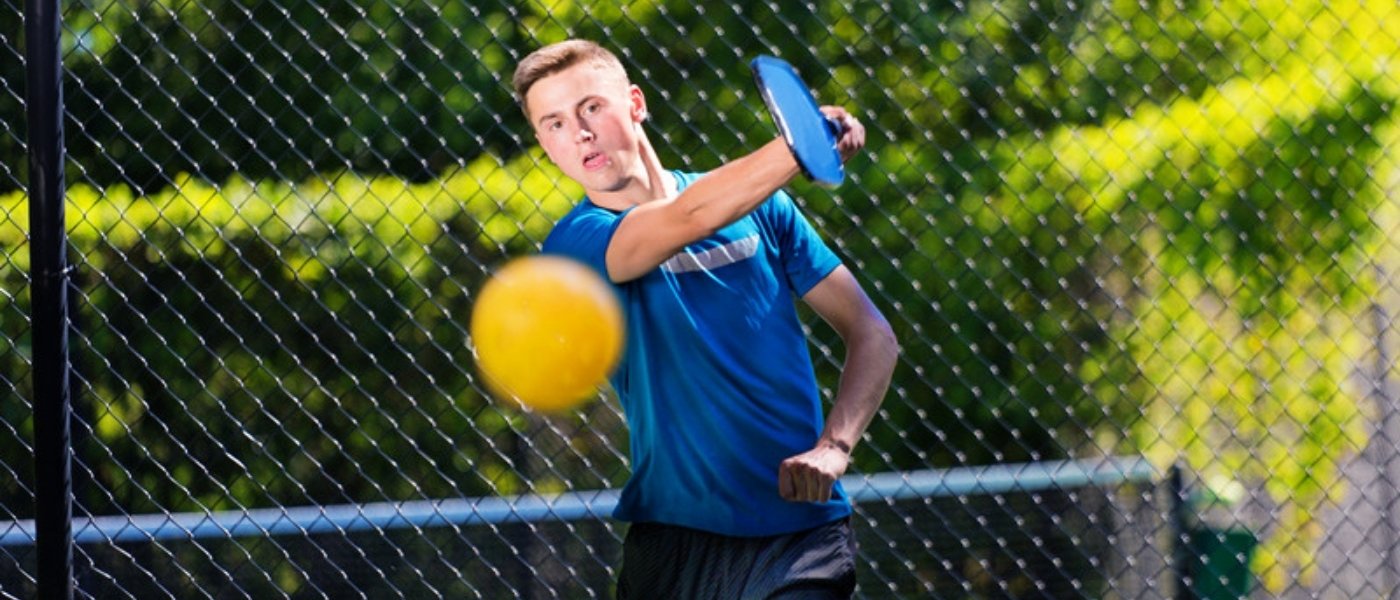
Do you feel a sharp or nagging pain on the inside of your elbow when you throw? Has your velocity dropped, your control slipped, or your arm started to feel "dead" after a game or practice? If so, you may be dealing with a sprain of the ulnar collateral ligament (UCL), one of the most important ligaments for anyone who throws, serves, or spikes overhead.
At Vaughan Physiotherapy Clinic, we assess and treat elbow injuries in baseball and softball players, volleyball and tennis players, javelin throwers, quarterbacks, and other overhead athletes. The goal is not just to calm the elbow down, but to find out why it was overloaded, rebuild the whole throwing chain from the legs to the fingertips, and guide you back to throwing with confidence.
Here is what a UCL sprain is, how to recognize it, what it can be confused with, and what the research says about treating it without surgery and when surgery may be needed.
What Is an Ulnar Collateral Ligament (UCL) Sprain?
The ulnar collateral ligament is a strong band of tissue on the inside (pinky side) of the elbow. It connects the inner knob of the upper arm bone (the medial epicondyle) to the forearm bone (the ulna). Its main job is to stop the elbow from opening up on the inside when the forearm is pushed outward, a force called valgus stress (Ryan et al., 2026).
A sprain means the ligament has been stretched or partly torn. It can range from mild irritation to a complete tear. Most UCL injuries in throwers build up over time from repeated high-speed throwing, while athletes in non-throwing sports more often injure it in a single event such as a fall on an outstretched arm (Ryan et al., 2026). UCL injuries are becoming more common in young athletes, and surgery to rebuild the ligament has risen sharply, including among teenagers (Ryan et al., 2026).
This page is about the UCL of the elbow. The thumb also has a ligament with the same name ("skier's thumb"), which is a different injury.
Grades and Tear Location
Clinicians describe UCL injuries in two main ways (Gopinatth et al., 2023; Ryan et al., 2026):
- By grade: grade 1 is a sprain with the fibres intact, grade 2 is a partial tear, and grade 3 is a complete tear. Lower grades tend to do better without surgery
- By location: tears can be near the upper attachment on the humerus (proximal), in the middle (midsubstance), or near the lower attachment on the ulna (distal). Location matters, because proximal tears heal much more reliably with conservative care than distal tears
Understanding the Anatomy
The UCL has three parts (Ryan et al., 2026):
- Anterior bundle: the strongest and most important part. It is the main restraint against valgus stress between about 30 and 120 degrees of elbow bend, which is exactly the range used when throwing
- Posterior bundle: a fan-shaped band that forms the floor of the cubital tunnel, where the ulnar nerve ("funny bone" nerve) runs
- Transverse bundle: a smaller band joining two parts of the ulna
The ligament takes the most strain in the late cocking and early acceleration phases of throwing, when the arm is laid back and then whipped forward (Ryan et al., 2026). The forearm muscles that attach near the UCL, the flexor-pronator group, help protect it by resisting that same valgus force (Redler et al., 2016).
Recognizing the Symptoms
Common signs of a UCL sprain include:
- Pain on the inside of the elbow, usually during or after throwing, especially as the arm moves from the cocked position into acceleration
- Loss of velocity, accuracy, or control, often noticed before the pain becomes severe (Ryan et al., 2026)
- Tenderness over a small spot on the inner elbow
- A sudden "pop" with sharp pain during a single throw, in some cases
- Tingling or numbness in the ring and little fingers, if the nearby ulnar nerve is irritated (Ryan et al., 2026)
- Mild loss of full elbow straightening on the throwing side, which is common in throwers
What Makes It Worse?
- Throwing volume: high pitch counts, pitching many months of the year, and playing for multiple teams. In adolescent pitchers, overuse and pitching while fatigued were the strongest risk factors for shoulder and elbow surgery (Olsen et al., 2006)
- Throwing hard: higher velocity and showcase events have also been linked to more injuries (Olsen et al., 2006)
- Shoulder stiffness: loss of shoulder internal rotation or total shoulder motion on the throwing side (Ryan et al., 2026)
- Weak links in the chain: poor shoulder blade control and weak core or single-leg strength can leave the elbow to absorb more of the load (Redler et al., 2016)
- Returning too fast after time off, or ramping up throwing early in a season
What Else Could It Be?
Several problems cause inner elbow pain in throwers and need different care. Part of our assessment is sorting these out (Ryan et al., 2026):
- Flexor-pronator strain or tendinopathy: pain from the forearm muscles near the UCL, usually brought on by resisted wrist bending or forearm turning
- Medial epicondylitis ("golfer's elbow"): tendon pain at the inner elbow, often in older athletes and workers
- Ulnar nerve irritation: tingling, numbness, or a nerve that snaps over the bone when the elbow bends
- Valgus extension overload: pain at the back of the elbow when the arm snaps straight at the end of the throw, caused by bone rubbing in the back of the joint
- Medial epicondyle apophysitis ("Little League elbow"): irritation of the growth plate in young throwers whose bones are still growing
- Stress fracture of the olecranon (the point of the elbow) in high-volume throwers
When to See a Doctor First
See your physician promptly, or go to urgent care or the emergency department, if you have:
- A fall or collision with an obvious deformity, a dislocated elbow, or an elbow you cannot move
- A loud pop followed by immediate inability to throw, which may mean a complete tear
- Severe swelling or bruising after an injury, or inability to bear weight through the arm
- Numbness, tingling, or weakness in the hand that is getting worse, or a hand that feels cold or looks pale
- Elbow pain in a child or teen who is still growing, especially with swelling, locking, or loss of straightening, since growth plate injuries need medical review
- A hot, red, swollen elbow with fever, or pain at night that does not settle with rest
Our physiotherapists screen for these signs at your first visit and will coordinate with your physician or a sports medicine doctor if imaging or a specialist referral is needed.
Related reading: Throwers with inner elbow pain may also want to read about golfer's elbow, cubital tunnel syndrome and throwing shoulder pain.
Why Physiotherapy Is Essential
A UCL sprain is a load problem. Every hard throw pulls on the inside of the elbow, and when the ligament takes more than it can handle, it starts to fail. Rest can settle the pain, but the same forces return as soon as you pick up a ball again unless something changes.
For partial tears and for athletes who do not throw, a trial of non-surgical care is the usual first step, and most patients are advised to give it about three months (Ryan et al., 2026). Across 15 studies of 365 athletes, about 80 percent returned to sport after non-surgical treatment, and about 78 percent got back to their previous level (Gopinatth et al., 2023). Results were best for grade 1 and grade 2 injuries and for tears near the upper attachment.
Physiotherapy addresses the main drivers:
- Protecting the ligament: a structured break from throwing so the tissue can heal
- The forearm muscles: they help shield the UCL from valgus stress, so we strengthen them (Redler et al., 2016)
- The whole throwing chain: shoulder motion, shoulder blade control, core, and legs, so the elbow is not doing more than its share (Redler et al., 2016)
- Throwing load: a gradual, measured return to throwing
Your Treatment Plan at Vaughan Physiotherapy Clinic
Phase 1: Assessment and Protection (Weeks 1 to 6)
Your first visit focuses on confirming where the pain is coming from and how much the ligament has been affected. A full assessment includes:
- History: how the pain started, your sport and position, and your recent throwing volume
- Hands-on examination: pressing along the UCL and the nearby forearm muscles to find the exact sore spot (Ryan et al., 2026)
- Special tests: a valgus stress test with the elbow slightly bent, and the moving valgus stress test. In a small study of 21 patients, it picked up all 17 people with a confirmed UCL problem (O'Driscoll et al., 2005)
- Nerve screen: checking the ulnar nerve for irritation or instability
- Whole-chain screen: shoulder rotation, shoulder blade movement, trunk rotation, and single-leg control (Redler et al., 2016)
If your exam suggests a significant tear, we will recommend imaging through your physician or a sports medicine doctor. X-rays are often normal, and an MRI, ideally with contrast dye in the joint (an MR arthrogram), is the most reliable way to see partial and full tears (Ryan et al., 2026).
Early protection usually includes:
- No throwing for a period: often around six weeks in the early phase, depending on the grade (Reinold et al., 2026)
- Hinged brace: for a few weeks in some cases (Ryan et al., 2026)
- Pain and swelling control: ice, relative rest, and gentle range of motion. Cortisone injections are generally not recommended for acute UCL injuries because animal research suggests they may weaken ligament healing (Redler et al., 2016)
- Staying fit: grip, wrist, shoulder, and lower-body work can start right away (Ryan et al., 2026)
Phase 2: Restoring Motion and Building Strength (Weeks 2 to 8)
Once pain is settling, the focus moves to restoring full elbow motion and building strength around the joint (Redler et al., 2016; Ryan et al., 2026).
- Elbow and forearm: range of motion work, then wrist curls, forearm rotation, and grip work to strengthen the flexor-pronator muscles, progressing from simple holds to controlled movement under load
- Shoulder and shoulder blade: rotator cuff band work, rows, and wall slides, plus the sleeper or cross-body stretch if shoulder internal rotation is limited (Redler et al., 2016)
- Legs and trunk: single-leg balance, squats, lunges, hip strength, and trunk rotation control
Manual therapy for a stiff shoulder or upper back, and soft tissue work for tight forearm muscles, can make exercise more comfortable, but does not replace it.
Phase 3: Advanced Strength and Power (Weeks 6 to 12)
When motion is full and pain is minimal, strengthening becomes more sport-specific. A common benchmark is having at least about 70 percent of the strength of the other arm before moving into advanced work (Redler et al., 2016).
Throwers' strengthening program
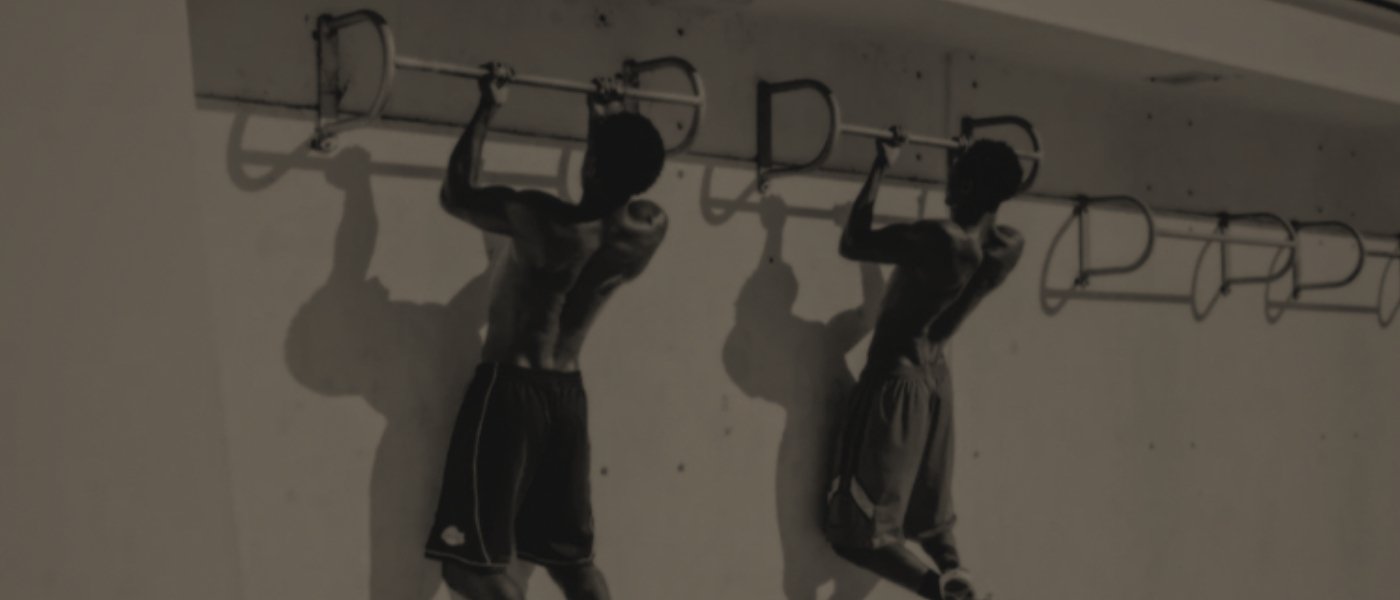
Many clinicians use a structured program such as the Thrower's Ten, a set of shoulder, shoulder blade, elbow, and wrist exercises built for overhead athletes, progressing to an advanced version as strength improves (Redler et al., 2016). Your program may include:
- Band external and internal rotation with the arm at shoulder height
- Prone shoulder raises in several directions
- Wrist flexion, extension, and forearm rotation with a dumbbell
- Light medicine ball throws and catches (plyometrics), progressing from two hands to one
- Rotational power work for the trunk and hips
Phase 4: Return to Throwing and Sport (Week 8 Onward)
Before any throwing begins, we check strength, range of motion, and symptoms. Returning to full competition usually means completing an interval throwing program with no symptoms and getting back to your usual velocity and accuracy (Ryan et al., 2026).
- Interval throwing program: throwing every other day, starting with short distances and building out to longer distances, then flat-ground pitching, then mound work at gradually increasing effort (Reinold et al., 2026)
- Program length: often 6 weeks for a same-season return, or 12 weeks for younger athletes (Reinold et al., 2026)
- Workload monitoring: we keep weekly throwing load from jumping too quickly and adjust based on pain, strength, and motion (Reinold et al., 2026)
If symptoms keep returning during the throwing program, we will refer you for further imaging or a surgical opinion.
Beyond Physiotherapy: Complementary Care for Ulnar Collateral Ligament (UCL) Sprain
Protection, whole-chain strengthening, and a gradual throwing program form the core of UCL care, and that is where the research is clearest. Some patients also use other services at our clinic to ease pain and tightness so they can stay consistent with rehab. Here is an honest summary of the evidence for each.
How Acupuncture and Dry Needling Can Help
Acupuncture and dry needling use fine needles to reduce pain and ease tight, tender muscles.
- What the evidence shows: we did not find any trials of acupuncture or dry needling for UCL sprains. The closest, indirect evidence is from tennis elbow, where the three better-quality trials in a review of 19 favoured acupuncture over sham needling, though most of the research was low quality (Gadau et al., 2014)
- Where it fits: as a short-term option to settle pain and forearm, shoulder, or upper back muscle tension while you work through your strengthening program
- Safety: generally very safe. Needling is not placed into the injured ligament itself, and minor bruising or soreness is the most common side effect
How Massage Therapy Can Help
Registered massage therapy focuses on the soft tissues of the forearm, shoulder, and upper back.
- What the evidence shows: there are no published trials of massage for UCL sprains. A Cochrane review of deep friction massage found only one small tennis elbow trial and not enough evidence to show a clear benefit (Loew et al., 2014). Again, this is indirect evidence
- Where it fits: it may help with comfort and with tightness in the forearm and shoulder muscles that build up during a throwing season. We treat it as a supportive add-on, not a stand-alone treatment
- Safety: very safe. Deep pressure directly over a freshly injured ligament is avoided in the early phase
How Chiropractic and Joint Manipulation Can Help
Chiropractic care uses joint mobilization and manipulation, most often for the spine, ribs, and shoulder in overhead athletes.
- What the evidence shows: we did not find peer-reviewed trials of chiropractic care or joint manipulation for UCL sprains. In tennis elbow, a systematic review found that elbow joint mobilization improved pain and grip strength compared with control treatments (Lucado et al., 2019). That is a different condition, so the evidence is indirect
- Where it fits: for stiffness in the upper back, ribs, or shoulder that may limit trunk rotation or shoulder motion during throwing, combined with exercise
- Safety: forceful manipulation or outward stress on an injured elbow is avoided. Treatment is aimed at the stiff regions around it
Whichever combination you and your clinician choose, these treatments share one purpose: settling symptoms so you can keep training while the real fix, a protected ligament and a stronger throwing chain, takes hold.
When Is Surgery Considered?
Surgery is usually considered for complete tears in throwers who want to return to high-level throwing, for many distal tears, and when a well-run non-surgical program of about three months has not worked (Ryan et al., 2026). Options include:
- UCL reconstruction ("Tommy John surgery"): the ligament is rebuilt using a tendon graft. Return-to-play rates of roughly 80 to 97 percent have been reported, but full return to competition usually takes about 12 to 14 months (Ryan et al., 2026)
- UCL repair with internal brace augmentation: for selected tears where the ligament has pulled off the bone and the tissue quality is good. In one series of 111 overhead athletes, 92 percent of those who wanted to return to the same or a higher level did so, at an average of 6.7 months (Dugas et al., 2019)
Platelet-rich plasma (PRP) injections are sometimes offered for partial tears. In one case series without a comparison group, 30 of 34 athletes returned to their previous level (Podesta et al., 2013), but in a study of 544 professional players, PRP did not improve return to play and was linked to a slower return to throwing (Chauhan et al., 2019).
After surgery, physiotherapy follows your surgeon's protocol step by step.
How Long Will It Take?
Recovery depends on the grade and location of the injury, your sport and position, and the level you are returning to. Some general guides from the research:
- Partial tears managed without surgery: a typical plan involves about 6 to 8 weeks of protection and early rehab before a formal throwing program begins (Ryan et al., 2026). In one older non-surgical study, athletes who returned took an average of about 24.5 weeks (Redler et al., 2016)
- Tear location: about 90 percent of athletes with proximal tears returned to sport without surgery, compared with about 41 percent of those with distal tears (Gopinatth et al., 2023)
- After surgery: roughly 6 to 9 months after repair, and 12 months or more after reconstruction (Reinold et al., 2026; Ryan et al., 2026)
These are averages, not promises. Pain-free throwing at full effort, not the calendar, decides when you are ready.
Prevention and Long-Term Management
- Respect pitch counts and rest days: overuse and pitching while fatigued are the strongest risk factors in young pitchers (Olsen et al., 2006)
- Take time off from throwing each year and avoid playing on several teams at once
- Warm up with purpose: in a randomized trial of 237 youth players, a warm-up program of stretching, mobility, and balance exercises cut shoulder and elbow throwing injuries nearly in half (Sakata et al., 2019)
- Train the whole chain: keep up shoulder mobility and forearm, rotator cuff, core, and leg strength through the season
- Build up gradually after any break, including the off-season, using a structured throwing progression
Frequently Asked Questions
Does a UCL sprain always need Tommy John surgery?
No. Many UCL injuries, especially grade 1 and grade 2 sprains and tears near the upper attachment, recover well with a structured non-surgical program (Gopinatth et al., 2023). Surgery is mainly considered for complete tears in high-level throwers, for some distal tears, and when proper rehab has not worked.
Do I need an MRI?
Not always. Mild sprains can often be managed from a careful clinical exam. If a significant tear is suspected or you are not improving, an MRI or MR arthrogram helps confirm the grade and location (Ryan et al., 2026).
Will PRP speed up my recovery?
The evidence is mixed (Chauhan et al., 2019; Podesta et al., 2013). It is a decision to discuss with your sports medicine physician.
My child has inner elbow pain from pitching. Is that a UCL sprain?
It might be, but in growing throwers the growth plate at the inner elbow is often the weak link. Stop throwing and have it assessed.
Can acupuncture, massage, or chiropractic replace exercise and a throwing program?
No. Protection, strengthening, and a gradual throwing progression are the foundation, and they have the most research behind them. Needling, massage, and joint mobilization of nearby areas are best used as short-term supports to ease pain and tightness while you rebuild.
Will I throw as hard as before?
Many athletes do. About 78 percent of athletes treated without surgery returned to their previous level of play (Gopinatth et al., 2023). Fixing the reasons the elbow was overloaded gives you the best chance of throwing well and staying healthy.
Our Specialized Approach at Vaughan Physiotherapy Clinic
✓ Thorough elbow assessment: specific tests for the UCL, the forearm muscles, and the ulnar nerve to find exactly what is hurt
✓ Whole-chain screening: we check the shoulder, upper back, core, and hips, not just the elbow
✓ Phase-based rehab: clear goals and criteria for each stage, from protection to full throwing
✓ Structured return to throwing: interval throwing programs with load monitoring, tailored to your sport and position
✓ Integrated care: physiotherapy, massage therapy, acupuncture, and chiropractic under one roof when they add value
✓ Safety first: screening for complete tears, nerve problems, and growth plate injuries, with physician referral when needed
Take the First Step Toward Pain-Free Throwing
Inner elbow pain does not have to end your season. Our team at Vaughan Physiotherapy Clinic helps athletes from Thornhill, Vaughan, North York, Richmond Hill, and surrounding communities get back to throwing with evidence-based, hands-on care.
Book your assessment today:
📞 Phone: 905-669-1221
📍 Location: 398 Steeles Ave W #201, Thornhill, ON L4J 6X3
🌐 Online Booking: www.vaughanphysiotherapy.com
References
Chauhan A, McQueen P, Chalmers PN, et al. Nonoperative treatment of elbow ulnar collateral ligament injuries with and without platelet-rich plasma in professional baseball players: a comparative and matched cohort analysis. American Journal of Sports Medicine. 2019;47(13):3107-3119. doi:10.1177/0363546519876305
Dugas JR, Looze CA, Capogna B, et al. Ulnar collateral ligament repair with collagen-dipped FiberTape augmentation in overhead-throwing athletes. American Journal of Sports Medicine. 2019;47(5):1096-1102. doi:10.1177/0363546519833684
Gadau M, Yeung WF, Liu H, et al. Acupuncture and moxibustion for lateral elbow pain: a systematic review of randomized controlled trials. BMC Complementary and Alternative Medicine. 2014;14:136. doi:10.1186/1472-6882-14-136
Gopinatth V, Batra AK, Khan ZA, et al. Return to sport after nonoperative management of elbow ulnar collateral ligament injuries: a systematic review and meta-analysis. American Journal of Sports Medicine. 2023;51(14):3858-3869. doi:10.1177/03635465221150507
Loew LM, Brosseau L, Tugwell P, et al. Deep transverse friction massage for treating lateral elbow or lateral knee tendinitis. Cochrane Database of Systematic Reviews. 2014;(11):CD003528. doi:10.1002/14651858.CD003528.pub2
Lucado AM, Dale RB, Vincent J, Day JM. Do joint mobilizations assist in the recovery of lateral elbow tendinopathy? A systematic review and meta-analysis. Journal of Hand Therapy. 2019;32(2):262-276.e1. doi:10.1016/j.jht.2018.01.010
O'Driscoll SW, Lawton RL, Smith AM. The "moving valgus stress test" for medial collateral ligament tears of the elbow. American Journal of Sports Medicine. 2005;33(2):231-239. doi:10.1177/0363546504267804
Olsen SJ, Fleisig GS, Dun S, Loftice J, Andrews JR. Risk factors for shoulder and elbow injuries in adolescent baseball pitchers. American Journal of Sports Medicine. 2006;34(6):905-912. doi:10.1177/0363546505284188
Podesta L, Crow SA, Volkmer D, Bert T, Yocum LA. Treatment of partial ulnar collateral ligament tears in the elbow with platelet-rich plasma. American Journal of Sports Medicine. 2013;41(7):1689-1694. doi:10.1177/0363546513487979
Redler LH, Degen RM, McDonald LS, Altchek DW, Dines JS. Elbow ulnar collateral ligament injuries in athletes: can we improve our outcomes? World Journal of Orthopedics. 2016;7(4):229-243. doi:10.5312/wjo.v7.i4.229
Reinold MM, Dowling B, Fleisig GS, et al. Interval throwing programs of various duration for baseball players based on biomechanical workload data. International Journal of Sports Physical Therapy. 2026;21(4):428-439. doi:10.26603/001c.159340
Ryan PM, Beyer J, Hartman H, et al. Management of ulnar collateral ligament injuries of the elbow. Current Reviews in Musculoskeletal Medicine. 2026;19(1):46. doi:10.1007/s12178-026-10042-x
Sakata J, Nakamura E, Suzuki T, et al. Throwing injuries in youth baseball players: can a prevention program help? A randomized controlled trial. American Journal of Sports Medicine. 2019;47(11):2709-2716. doi:10.1177/0363546519861378
Disclaimer: This article is for educational purposes only and does not replace professional medical advice. Inner elbow pain can have several causes, including ligament tears, tendon and muscle injuries, ulnar nerve problems, growth plate injuries in young athletes, and stress fractures. Always consult a qualified healthcare provider for diagnosis and treatment specific to your condition, and follow your surgeon's guidance if you have had or are considering elbow surgery.