



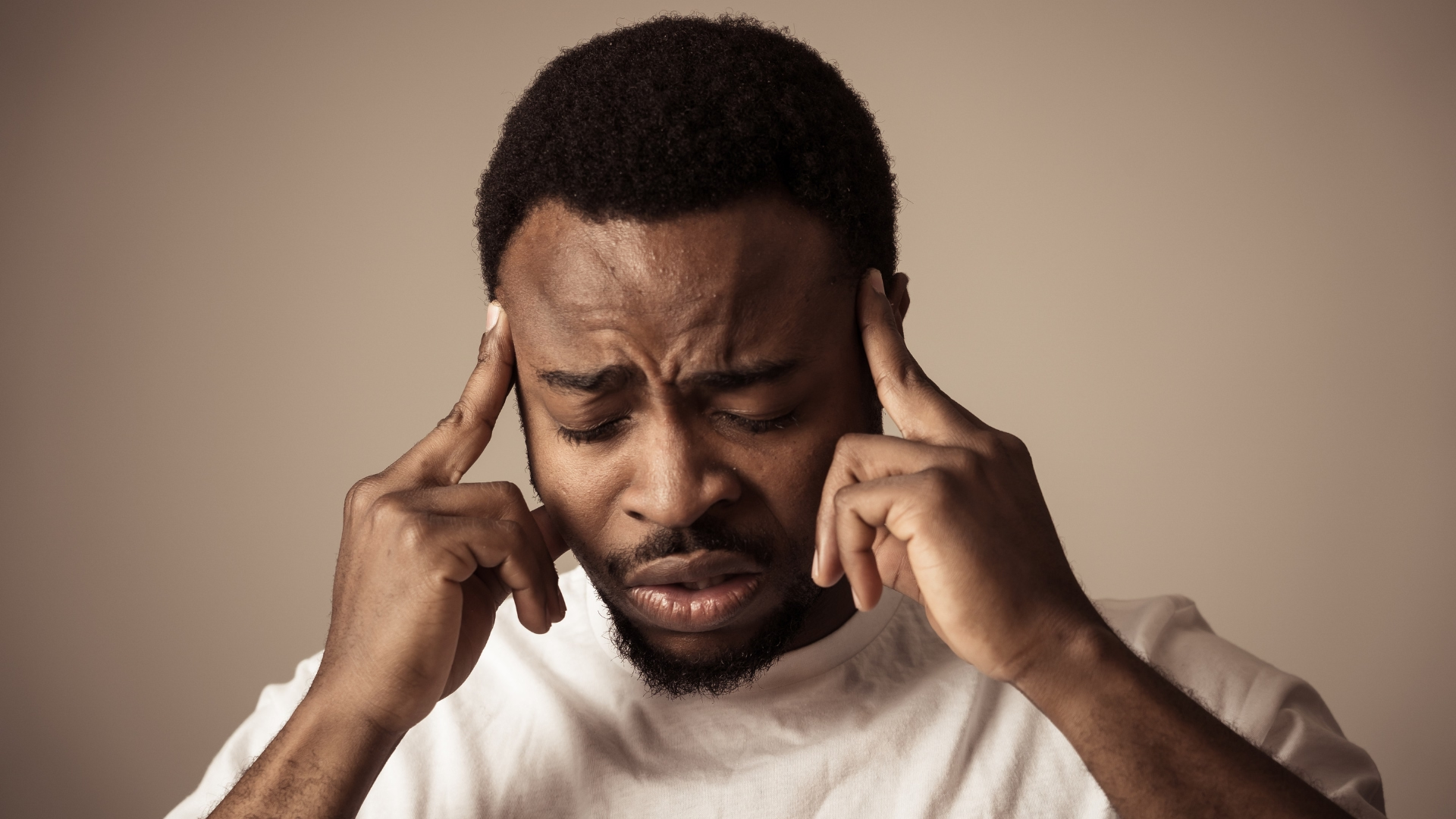
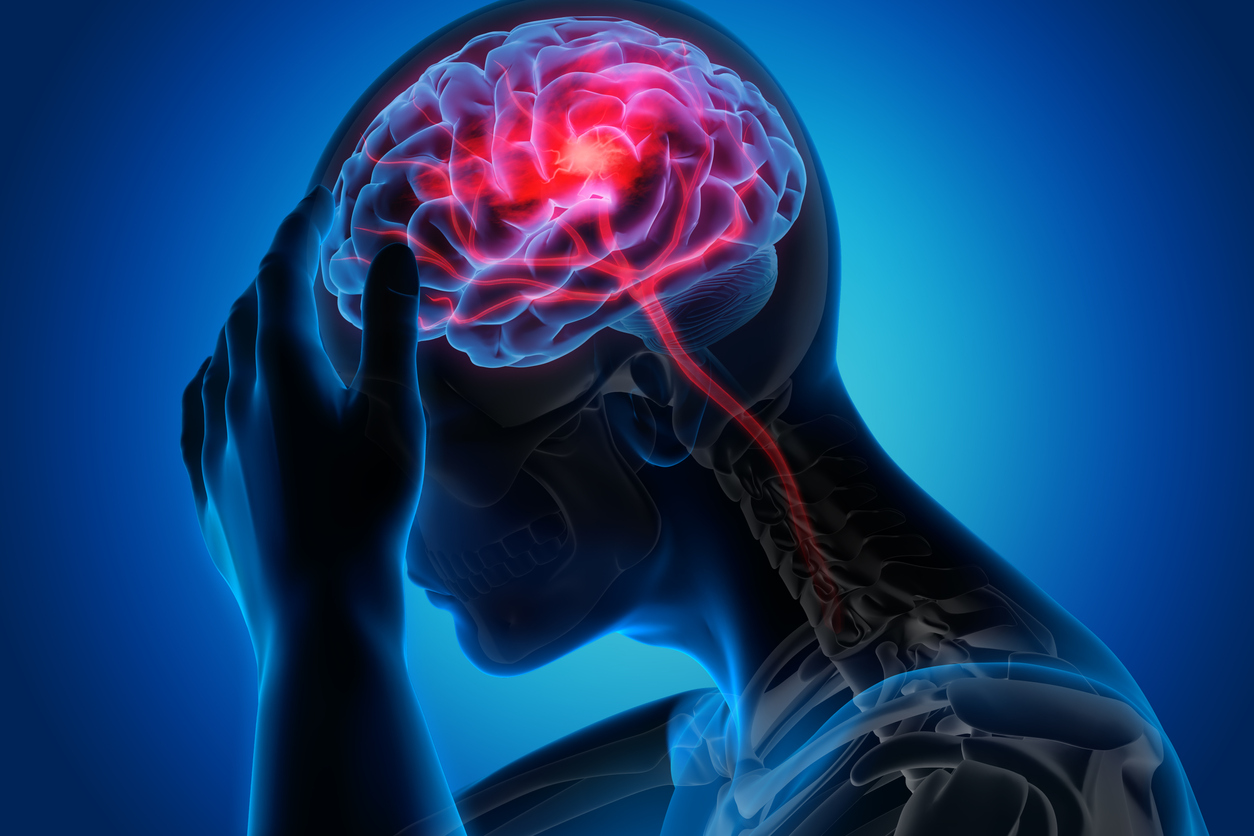
Woman holding her temple and reaching out for balance during a dizzy spell from vestibular migraine

Vestibular Migraine

A form of migraine that causes recurring episodes of vertigo, dizziness or imbalance, with or without headache.

Do you get spells of spinning, rocking, or swaying that come and go, sometimes with a headache and sometimes without? Do busy stores, scrolling screens, or quick head turns leave you feeling off balance and queasy for hours? If you also have a history of migraine, these episodes may be vestibular migraine, one of the most common causes of recurring dizziness in adults.

At Vaughan Physiotherapy Clinic, we work alongside family physicians and neurologists to help people with vestibular migraine get back to feeling steady. Diagnosis and medication are your doctor's role. Our role is vestibular rehabilitation: careful, graded exercise and practical strategies that help your brain and balance system cope better with movement, so dizziness takes up less of your life.

Here is what vestibular migraine is, how to recognize it, what else it can be confused with, and the warning signs that mean you need urgent medical care instead of physiotherapy.

What Is Vestibular Migraine?

Vestibular migraine is a type of migraine where the main symptom is vertigo or dizziness, rather than (or as well as) headache. The vestibular system is the network in your inner ear and brain that senses head movement and keeps your vision and balance steady. In vestibular migraine, the brain's processing of these signals becomes temporarily disrupted during an attack.

It is not rare. Studies estimate that about 1 to 2.7 percent of the general population is affected, and it accounts for roughly 1 in 10 patients seen in specialized dizziness clinics. It is more common in women (Smyth et al., 2022).

How It Is Diagnosed

There is no blood test or scan that confirms vestibular migraine. A physician makes the diagnosis based on your history and examination, and by ruling out other causes. Criteria agreed by the Bárány Society and the International Headache Society rest on four elements (Lempert et al., 2022):

  • Repeated episodes of vestibular symptoms of moderate or severe intensity, each lasting from 5 minutes to 72 hours
  • A personal history of migraine, past or present
  • A link in time between the dizzy spells and migraine features, such as a one-sided or throbbing headache, sensitivity to light and sound, or a visual aura. Under the criteria, these features show up in at least half of the episodes
  • No better explanation from another vestibular or neurological condition

When some but not all of these are met, doctors may use the term probable vestibular migraine (Lempert et al., 2022).

Recognizing the Symptoms

Vestibular migraine looks different from person to person, and from one attack to the next. Common symptoms include (Lempert et al., 2022; Smyth et al., 2022):

  • Spontaneous vertigo: a spinning or moving sensation that comes on without an obvious trigger
  • Positional vertigo: dizziness when you lie down, roll over, or change head position
  • Visually induced dizziness: feeling unwell in busy, moving visual environments, such as grocery aisles, traffic, or scrolling on a screen
  • Head movement intolerance: dizziness and nausea with quick head turns
  • Unsteadiness or a rocking, swaying feeling, like being on a boat
  • Migraine features such as headache, sensitivity to light and sound, or visual aura. Headache does not always happen at the same time as the dizziness, and some attacks have no headache at all
  • Lingering fogginess, fatigue, and motion sensitivity for hours or days after an attack

What Makes It Worse?

  • Common migraine triggers: stress, fatigue, and skipping meals are frequently reported (Smyth et al., 2022)
  • Sleep disruption: poor or irregular sleep is linked to more symptoms, and in one small study, better sleep was the change most closely tied to improvement (Smyth et al., 2022)
  • Some foods and drinks: aged cheese, processed meats, some red wines, caffeine, and alcohol are triggers for some people, though triggers vary widely (Smyth et al., 2022)
  • Busy visual settings: screens, crowds, and patterned or flickering environments
  • Avoiding movement: understandably, many people start to limit activity to avoid triggering symptoms. Over time this can make the balance system less tolerant of movement, and can feed anxiety about dizziness (Smyth et al., 2022)

What Else Could It Be?

Several conditions can cause similar symptoms, and some of them are serious. Sorting these out is mainly the job of your physician, but our physiotherapists also screen for them (Smyth et al., 2022; Edlow et al., 2023; Sharif et al., 2025):

  • Stroke or transient ischemic attack (TIA): a stroke or "mini-stroke" in the back of the brain can cause sudden dizziness. TIA is more likely in older adults, people with vascular risk factors, and when dizziness starts suddenly and lasts less than an hour. Vestibular migraine is more likely in younger people with many episodes over a longer period and other migraine symptoms (Sharif et al., 2025)
  • Benign paroxysmal positional vertigo (BPPV): brief spinning when you lie down or roll over, caused by loose crystals in the inner ear. Vestibular migraine can mimic it (Smyth et al., 2022)
  • Ménière's disease: attacks of vertigo with hearing loss, ringing, and ear fullness. Hearing symptoms can also occur in vestibular migraine, so the two can overlap (Smyth et al., 2022)
  • Vestibular neuritis: a single, prolonged attack of severe vertigo lasting days, often after a viral illness (Edlow et al., 2023)
  • Persistent postural perceptual dizziness (PPPD): a constant, day-to-day dizziness and swaying that can follow vestibular migraine or other vestibular problems (Smyth et al., 2022)
  • Other causes such as low blood pressure on standing, heart rhythm problems, medication side effects, or anxiety, which your doctor may check for

When to See a Doctor First

Call 911 or go to the nearest emergency department right away if dizziness comes with any of the following, as these can be signs of a stroke:

  • Sudden dizziness that is new for you, especially if you are older or have high blood pressure, diabetes, high cholesterol, heart disease, or smoke (Sharif et al., 2025)
  • Weakness, numbness, or tingling in the face, arm, or leg, especially on one side
  • Trouble speaking, slurred speech, or a drooping face
  • Double vision or sudden loss of vision
  • Being unable to stand or walk, or falling to one side
  • A sudden, severe headache unlike your usual migraines, or new neck pain with dizziness, especially after neck trauma or a sudden neck movement (Sharif et al., 2025; Biller et al., 2014)
  • Sudden hearing loss in one ear (Smyth et al., 2022)

Emergency guidelines recommend that doctors actively look for signs of reduced blood flow to the brain in anyone with episodes of dizziness (Edlow et al., 2023). Even if you have had vestibular migraine for years, an attack that feels different from your usual pattern deserves medical assessment. You should also see your family physician or neurologist if you have not yet been diagnosed, or if your attacks are becoming more frequent or severe.

Our physiotherapists screen for these warning signs at your first visit and every visit after. If anything concerns us, we will stop and direct you to emergency care or your physician straight away.

Related reading: You may also find our guides to migraine care, vestibular rehabilitation, PPPD, Meniere's disease and mal de debarquement syndrome (MdDS) helpful.

Start Your Journey to 

‍Better Health Today

Recover faster, move better, and feel stronger with expert physiotherapy. Our team is here to guide you every step of the way.

Why Physiotherapy Is Essential

Vestibular migraine is a neurological condition. Your family physician or neurologist confirms the diagnosis, rules out other causes, and decides on medication. Physiotherapy does not replace that care. It adds help with what medication often does not fully fix: motion sensitivity, unsteadiness, and fear of movement between attacks.

Many people start avoiding busy stores, driving, exercise, or quick head turns. That is natural, but it can make the balance system less tolerant of movement over time. Expert reviews suggest vestibular rehabilitation is most useful for people who still have ongoing symptoms despite medical care, for people who have developed avoidance or persistent dizziness, and for those who cannot or prefer not to take preventive medication (Smyth et al., 2022).

To be honest about the evidence: research on vestibular rehabilitation for vestibular migraine is encouraging but limited. Most studies are small with no comparison group, and a Cochrane review found only one small controlled trial of vestibular rehabilitation for this condition, with low or very low certainty evidence (Webster et al., 2023). We use it because the results so far are positive, the approach is low risk when done carefully, and it targets real problems our patients describe.

Physiotherapy focuses on:

  • Gaze stability: helping your eyes stay focused while your head moves
  • Motion and visual tolerance: gradually and safely reducing sensitivity to the movements and settings that set off your symptoms
  • Balance and walking: rebuilding confidence on your feet
  • Activity and fitness: a paced return to exercise

Your Treatment Plan at Vaughan Physiotherapy Clinic

Phase 1: Assessment and Safety Screening (Weeks 1 to 2)

Your first visit starts with making sure physiotherapy is the right next step. A full assessment includes:

  • History: your episodes, migraine history, and what your doctor has already found
  • Red-flag screening: checking for signs that point to stroke, TIA, or another condition that needs urgent medical care (Edlow et al., 2023; Sharif et al., 2025)
  • Eye movement and head movement tests: looking at how your eyes track and stay steady during head movement
  • Positional testing: checking for BPPV, a common and very treatable inner ear problem that can sit alongside vestibular migraine (Smyth et al., 2022)
  • Balance and walking assessment: standing, turning, walking with head turns, and on different surfaces
  • Questionnaires: such as the Dizziness Handicap Inventory, to track progress

If you have not yet seen a physician, or your findings do not fit vestibular migraine, we will refer you to your family doctor before starting rehabilitation.

Phase 2: Understanding and Settling Symptoms
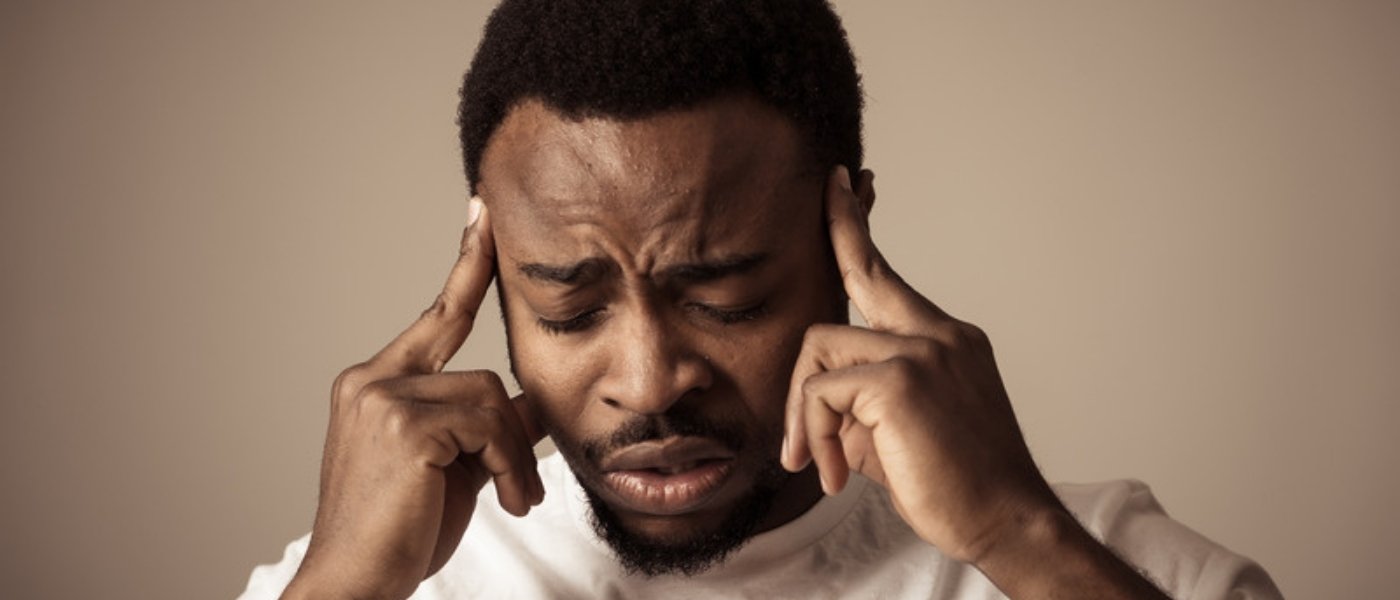
Man pressing his fingertips to his temples with eyes closed during a migraine
Many people with vestibular migraine have a history of migraine headaches, but dizzy spells can happen with or without a headache.

Before we push your balance system, we help you get a more stable baseline. This phase includes:

  • Education: why your symptoms vary, and why movement is part of the solution rather than something to fear
  • A symptom and trigger diary: tracking attacks, sleep, meals, stress, and activity to spot patterns you can change
  • Lifestyle foundations: regular sleep, regular meals, stress management, and keeping an eye on caffeine and alcohol. These are the main areas recommended in expert reviews (Smyth et al., 2022). The research on lifestyle changes alone is limited, but they are low risk and form the base of most care plans
  • A flare plan: what to do during and after an attack, and when to contact your doctor

Phase 3: Vestibular Rehabilitation (Weeks 2 to 12)

Vestibular rehabilitation exercises

Vestibular rehabilitation uses specific exercises to help the brain adapt to movement. The main types used in vestibular migraine studies are gaze stabilization, habituation to motion, and balance and walking training (Smyth et al., 2022). Your program may include:

  • Gaze stabilization: keeping your eyes fixed on a target while you move your head side to side or up and down, starting slowly
  • Habituation: brief, repeated, controlled exposure to the movements or visual settings that bring on mild symptoms, such as bending, turning, or watching moving patterns, so they gradually provoke less
  • Balance training: standing with feet closer together, on softer surfaces, or with eyes closed, progressing as you improve
  • Walking drills: walking with head turns, changing speed and direction, and practising in busier settings

What the research shows

Several small studies have reported improvements with vestibular rehabilitation in people with vestibular migraine (Smyth et al., 2022):

  • In a quasi-randomized study of 60 patients, rehabilitation, alone or combined with medication, reduced the severity and length of vertigo attacks more than medication alone
  • In a study of 23 people, dizziness handicap and balance confidence improved, with most of the change seen by about 9 weeks
  • In a study of 15 people, monthly attacks fell from about 10.6 to 5.3

These are encouraging results, but most of these studies had no comparison group and many people dropped out, so the true effect is uncertain (Smyth et al., 2022; Webster et al., 2023).

Why we progress carefully

Some people feel a temporary rise in headache or dizziness when they first start (Smyth et al., 2022). We start below your symptom threshold, aim for mild symptoms that settle quickly, and scale back if exercises set off attacks. We do not "push through" with vestibular migraine.

Phase 4: Return to Full Activity (Weeks 8 to 16+)

  • Graded aerobic exercise: walking, cycling, or swimming, built up gradually. In migraine studies, regular aerobic exercise reduced migraine days by a small amount, about 0.6 days per month (Lemmens et al., 2019)
  • Real-world practice: stores, crowds, screens, and travel, in planned steps
  • Return to sport: drills that add speed, head turns, and direction changes
  • Work planning: screen set-up, breaks, and lighting
  • Driving: discuss with your physician before returning to driving if your attacks are frequent or come on without warning

Beyond Physiotherapy: Complementary Care for Vestibular Migraine

Medical care and vestibular rehabilitation are the core of treatment. Some patients also find other services helpful for comfort and stress, but for vestibular migraine the research is very thin. A Cochrane review of non-drug treatments found only three small studies in total, none of them on acupuncture, massage, or chiropractic care (Webster et al., 2023). Here is an honest summary of what the evidence does and does not show.

How Acupuncture and Dry Needling Can Help

Acupuncture uses fine needles at specific points, and dry needling targets tight, tender muscles, often in the neck and shoulders.

  • What the evidence shows: we did not find any completed high-quality trials of acupuncture or dry needling for vestibular migraine. The closest evidence is for regular migraine. A Cochrane review of 22 trials found that 41 percent of people receiving acupuncture had their migraine frequency cut by at least half, compared with 17 percent of people who did not receive it. Compared with sham (fake) acupuncture, the benefit was small (Linde et al., 2016). Whether this applies to the dizziness of vestibular migraine is not known
  • Where it fits: as an optional add-on for migraine and neck or shoulder tension, while you continue your vestibular exercises and medical care
  • Safety: generally safe. Some people feel lightheaded during or after treatment, so we treat you lying down and have you sit up slowly

How Massage Therapy Can Help

Registered massage therapy focuses on the soft tissues of the neck, shoulders, and upper back.

  • What the evidence shows: there are no published trials of massage for vestibular migraine. For regular migraine, a systematic review found two small trials of massage with some positive results, but the studies had important weaknesses and the authors said firm conclusions were not possible (Chaibi et al., 2011)
  • Where it fits: as a supportive option for muscle tension, relaxation, and stress, which are common migraine triggers
  • Safety: very safe. Lying face down or changing position can bring on dizziness for some people, so let your therapist know, use side-lying or seated positions if needed, and get up slowly

How Chiropractic and Joint Manipulation Can Help

Chiropractic care uses spinal mobilization and manipulation, often of the neck and upper back.

  • What the evidence shows: we did not find any trials of chiropractic care for vestibular migraine. In a well-designed trial in regular migraine, chiropractic spinal manipulation reduced migraine days, but so did a sham treatment, and the authors concluded the benefit was probably a placebo response (Chaibi et al., 2017)
  • Where it fits: gentle mobilization of a stiff upper back or neck may help with comfort as part of a broader plan, but it should not be expected to treat vestibular migraine
  • Safety: this matters more than usual with dizziness. The American Heart Association has reported a statistical link between neck manipulation and a type of artery tear in the neck (cervical artery dissection) that can cause stroke, although it has not been shown that manipulation causes these tears. They advise practitioners to consider a dissection in anyone presenting with neck pain and dizziness, and to tell patients about this link before neck manipulation (Biller et al., 2014). With dizziness, our clinicians generally favour gentle techniques, and new neck pain with dizziness or any stroke warning sign needs emergency care, not manipulation

Whatever you choose, these treatments support comfort and stress relief, while your physician manages the migraine and your vestibular program rebuilds movement tolerance.

Medical Management: Working With Your Doctor

Vestibular migraine is not treated with surgery. Medical care is led by your family physician or neurologist, and physiotherapy works alongside it. Depending on your situation, your doctor may discuss (Smyth et al., 2022):

  • Medication during attacks: such as pain relievers, migraine-specific medications, or anti-nausea medication
  • Preventive medication: taken daily to reduce how often attacks happen. Several drug families are used, including some blood pressure medications, anti-seizure medications, and antidepressants, as well as newer migraine-specific treatments
  • Treatment of related problems such as anxiety, low mood, or poor sleep

Research on medications for vestibular migraine is still developing, and most studies are small (Smyth et al., 2022). Medication choices are between you and your doctor. We never advise starting, stopping, or changing a medication, but we can share your progress with your physician.

How Long Will It Take?

Vestibular migraine is usually a long-term condition that comes and goes, much like other forms of migraine. The aim of treatment is fewer, milder attacks and better day-to-day function, rather than a guaranteed cure.

In the small studies available, most of the improvement from vestibular rehabilitation happened within the first one to two months, with one study showing most gains by about 9 weeks (Smyth et al., 2022). Programs in the research have generally run for several weeks to a few months. Recovery varies, and flare-ups can still happen with stress, poor sleep, or illness, so a clear flare plan matters.

Prevention and Long-Term Management

  • Keep a regular sleep schedule: go to bed and wake up at similar times, including weekends
  • Do not skip meals: fasting is a common trigger (Smyth et al., 2022)
  • Manage stress, and ask your doctor for support if anxiety is building
  • Stay active: regular aerobic exercise supports general health and may modestly reduce migraine days (Lemmens et al., 2019)
  • Keep up a short vestibular maintenance program a few times a week
  • Avoid avoidance: keep gently exposing yourself to busy environments and movement, rather than withdrawing from them
  • Check in with your doctor if attacks change in frequency or character

Frequently Asked Questions

Is vestibular migraine dangerous?

Vestibular migraine itself is not usually dangerous, but it can be disabling, and stroke can look similar. Any attack that differs from your usual pattern, or comes with weakness, numbness, slurred speech, double vision, or trouble walking, needs emergency care.

Can I have vestibular migraine without a headache?

Yes. Many people have dizzy spells with no headache, or with a headache that comes before or after the dizziness. Other migraine features, such as sensitivity to light or sound, or a visual aura, are part of the diagnosis (Lempert et al., 2022).

Do I need a diagnosis before starting physiotherapy?

You can book directly with a physiotherapist in Ontario, but for dizziness we strongly recommend seeing your family physician too. If you have not seen a doctor yet, we may ask you to do so before or alongside rehabilitation.

Will vestibular exercises make me dizzier?

They are designed to bring on mild symptoms that settle quickly, because that is how the brain adapts. Some people feel a temporary rise in symptoms when they start (Smyth et al., 2022). We keep the exercises at a level you can tolerate and adjust them so they do not set off full attacks.

Should I avoid exercise?

No. Gradually built-up exercise is part of long-term management, and we will help you find activities and a pace that do not trigger attacks.

Can acupuncture, massage, or chiropractic replace medical care and vestibular rehabilitation?

No. There is no direct research showing that any of these treat vestibular migraine (Webster et al., 2023). They may help with comfort, tension, and stress, but your physician's care and your vestibular exercises remain the foundation. With dizziness, neck manipulation in particular calls for caution (Biller et al., 2014).

Our Specialized Approach at Vaughan Physiotherapy Clinic

Safety first: stroke and neurological red-flag screening at every visit, with urgent referral when needed

Team-based care: we work alongside your family physician and neurologist, who lead diagnosis and medication

Thorough vestibular assessment: eye movement, positional, and balance testing, including checks for BPPV

Graded vestibular rehabilitation: gaze, habituation, and balance exercises progressed at a pace your symptoms allow

Practical strategies: trigger tracking, pacing, flare plans, and a safe return to exercise, work, and daily life

Integrated care: physiotherapy, massage therapy, acupuncture, and chiropractic under one roof, used cautiously and only when they add value

Take the First Step Toward Steadier Days

Dizzy spells do not have to keep you away from the activities you enjoy. Our team at Vaughan Physiotherapy Clinic helps patients from Thornhill, Vaughan, North York, Richmond Hill, and surrounding communities rebuild their balance and confidence with careful, evidence-based vestibular rehabilitation, working hand in hand with their doctors.

Book your assessment today:

Phone: 905-669-1221

Location: 398 Steeles Ave W #201, Thornhill, ON L4J 6X3

Online Booking: www.vaughanphysiotherapy.com

References

Biller J, Sacco RL, Albuquerque FC, et al. Cervical arterial dissections and association with cervical manipulative therapy: a statement for healthcare professionals from the American Heart Association/American Stroke Association. Stroke. 2014;45(10):3155-3174. doi:10.1161/STR.0000000000000016

Chaibi A, Tuchin PJ, Russell MB. Manual therapies for migraine: a systematic review. Journal of Headache and Pain. 2011;12(2):127-133. doi:10.1007/s10194-011-0296-6

Chaibi A, Benth J, Tuchin PJ, Russell MB. Chiropractic spinal manipulative therapy for migraine: a three-armed, single-blinded, placebo, randomized controlled trial. European Journal of Neurology. 2017;24(1):143-153. doi:10.1111/ene.13166

Edlow JA, Carpenter C, Akhter M, et al. Guidelines for reasonable and appropriate care in the emergency department 3 (GRACE-3): acute dizziness and vertigo in the emergency department. Academic Emergency Medicine. 2023;30(5):442-486. doi:10.1111/acem.14728

Lemmens J, De Pauw J, Van Soom T, et al. The effect of aerobic exercise on the number of migraine days, duration and pain intensity in migraine: a systematic literature review and meta-analysis. Journal of Headache and Pain. 2019;20(1). doi:10.1186/s10194-019-0961-8

Lempert T, Olesen J, Furman J, et al. Vestibular migraine: diagnostic criteria. Journal of Vestibular Research. 2022;32(1):1-6. doi:10.3233/VES-201644

Linde K, Allais G, Brinkhaus B, et al. Acupuncture for the prevention of episodic migraine. Cochrane Database of Systematic Reviews. 2016;(6):CD001218. doi:10.1002/14651858.CD001218.pub3

Sharif S, Kotwal S, Edlow JA. Differentiating vestibular migraine and posterior circulation transient ischemic attack in the emergency department: an expert practice review. Journal of Emergency Medicine. 2025;68:113-121. doi:10.1016/j.jemermed.2024.07.002

Smyth D, Britton Z, Murdin L, Arshad Q, Kaski D. Vestibular migraine treatment: a comprehensive practical review. Brain. 2022;145(11):3741-3754. doi:10.1093/brain/awac264

Webster KE, Dor A, Galbraith K, et al. Non-pharmacological interventions for prophylaxis of vestibular migraine. Cochrane Database of Systematic Reviews. 2023;(4):CD015321. doi:10.1002/14651858.CD015321.pub2

Disclaimer: This article is for educational purposes only and does not replace professional medical advice. Dizziness and vertigo can have many causes, including stroke, inner ear disorders, heart and blood pressure problems, and medication effects. Vestibular migraine should be diagnosed and medically managed by a physician. If you have sudden dizziness with weakness, numbness, trouble speaking, double vision, a severe new headache, or difficulty walking, call 911 immediately.


Team

Condition guide

Vestibular Migraine

A form of migraine that causes recurring episodes of vertigo, dizziness or imbalance, with or without headache.

Woman holding her temple and reaching out for balance during a dizzy spell from vestibular migraineVestibular Migraine

Do you get spells of spinning, rocking, or swaying that come and go, sometimes with a headache and sometimes without? Do busy stores, scrolling screens, or quick head turns leave you feeling off balance and queasy for hours? If you also have a history of migraine, these episodes may be vestibular migraine, one of the most common causes of recurring dizziness in adults.

At Vaughan Physiotherapy Clinic, we work alongside family physicians and neurologists to help people with vestibular migraine get back to feeling steady. Diagnosis and medication are your doctor's role. Our role is vestibular rehabilitation: careful, graded exercise and practical strategies that help your brain and balance system cope better with movement, so dizziness takes up less of your life.

Here is what vestibular migraine is, how to recognize it, what else it can be confused with, and the warning signs that mean you need urgent medical care instead of physiotherapy.

What Is Vestibular Migraine?

Vestibular migraine is a type of migraine where the main symptom is vertigo or dizziness, rather than (or as well as) headache. The vestibular system is the network in your inner ear and brain that senses head movement and keeps your vision and balance steady. In vestibular migraine, the brain's processing of these signals becomes temporarily disrupted during an attack.

It is not rare. Studies estimate that about 1 to 2.7 percent of the general population is affected, and it accounts for roughly 1 in 10 patients seen in specialized dizziness clinics. It is more common in women (Smyth et al., 2022).

How It Is Diagnosed

There is no blood test or scan that confirms vestibular migraine. A physician makes the diagnosis based on your history and examination, and by ruling out other causes. Criteria agreed by the Bárány Society and the International Headache Society rest on four elements (Lempert et al., 2022):

  • Repeated episodes of vestibular symptoms of moderate or severe intensity, each lasting from 5 minutes to 72 hours
  • A personal history of migraine, past or present
  • A link in time between the dizzy spells and migraine features, such as a one-sided or throbbing headache, sensitivity to light and sound, or a visual aura. Under the criteria, these features show up in at least half of the episodes
  • No better explanation from another vestibular or neurological condition

When some but not all of these are met, doctors may use the term probable vestibular migraine (Lempert et al., 2022).

Recognizing the Symptoms

Vestibular migraine looks different from person to person, and from one attack to the next. Common symptoms include (Lempert et al., 2022; Smyth et al., 2022):

  • Spontaneous vertigo: a spinning or moving sensation that comes on without an obvious trigger
  • Positional vertigo: dizziness when you lie down, roll over, or change head position
  • Visually induced dizziness: feeling unwell in busy, moving visual environments, such as grocery aisles, traffic, or scrolling on a screen
  • Head movement intolerance: dizziness and nausea with quick head turns
  • Unsteadiness or a rocking, swaying feeling, like being on a boat
  • Migraine features such as headache, sensitivity to light and sound, or visual aura. Headache does not always happen at the same time as the dizziness, and some attacks have no headache at all
  • Lingering fogginess, fatigue, and motion sensitivity for hours or days after an attack

What Makes It Worse?

  • Common migraine triggers: stress, fatigue, and skipping meals are frequently reported (Smyth et al., 2022)
  • Sleep disruption: poor or irregular sleep is linked to more symptoms, and in one small study, better sleep was the change most closely tied to improvement (Smyth et al., 2022)
  • Some foods and drinks: aged cheese, processed meats, some red wines, caffeine, and alcohol are triggers for some people, though triggers vary widely (Smyth et al., 2022)
  • Busy visual settings: screens, crowds, and patterned or flickering environments
  • Avoiding movement: understandably, many people start to limit activity to avoid triggering symptoms. Over time this can make the balance system less tolerant of movement, and can feed anxiety about dizziness (Smyth et al., 2022)

What Else Could It Be?

Several conditions can cause similar symptoms, and some of them are serious. Sorting these out is mainly the job of your physician, but our physiotherapists also screen for them (Smyth et al., 2022; Edlow et al., 2023; Sharif et al., 2025):

  • Stroke or transient ischemic attack (TIA): a stroke or "mini-stroke" in the back of the brain can cause sudden dizziness. TIA is more likely in older adults, people with vascular risk factors, and when dizziness starts suddenly and lasts less than an hour. Vestibular migraine is more likely in younger people with many episodes over a longer period and other migraine symptoms (Sharif et al., 2025)
  • Benign paroxysmal positional vertigo (BPPV): brief spinning when you lie down or roll over, caused by loose crystals in the inner ear. Vestibular migraine can mimic it (Smyth et al., 2022)
  • Ménière's disease: attacks of vertigo with hearing loss, ringing, and ear fullness. Hearing symptoms can also occur in vestibular migraine, so the two can overlap (Smyth et al., 2022)
  • Vestibular neuritis: a single, prolonged attack of severe vertigo lasting days, often after a viral illness (Edlow et al., 2023)
  • Persistent postural perceptual dizziness (PPPD): a constant, day-to-day dizziness and swaying that can follow vestibular migraine or other vestibular problems (Smyth et al., 2022)
  • Other causes such as low blood pressure on standing, heart rhythm problems, medication side effects, or anxiety, which your doctor may check for

When to See a Doctor First

Call 911 or go to the nearest emergency department right away if dizziness comes with any of the following, as these can be signs of a stroke:

  • Sudden dizziness that is new for you, especially if you are older or have high blood pressure, diabetes, high cholesterol, heart disease, or smoke (Sharif et al., 2025)
  • Weakness, numbness, or tingling in the face, arm, or leg, especially on one side
  • Trouble speaking, slurred speech, or a drooping face
  • Double vision or sudden loss of vision
  • Being unable to stand or walk, or falling to one side
  • A sudden, severe headache unlike your usual migraines, or new neck pain with dizziness, especially after neck trauma or a sudden neck movement (Sharif et al., 2025; Biller et al., 2014)
  • Sudden hearing loss in one ear (Smyth et al., 2022)

Emergency guidelines recommend that doctors actively look for signs of reduced blood flow to the brain in anyone with episodes of dizziness (Edlow et al., 2023). Even if you have had vestibular migraine for years, an attack that feels different from your usual pattern deserves medical assessment. You should also see your family physician or neurologist if you have not yet been diagnosed, or if your attacks are becoming more frequent or severe.

Our physiotherapists screen for these warning signs at your first visit and every visit after. If anything concerns us, we will stop and direct you to emergency care or your physician straight away.

Related reading: You may also find our guides to migraine care, vestibular rehabilitation, PPPD, Meniere's disease and mal de debarquement syndrome (MdDS) helpful.

Why Physiotherapy Is Essential

Vestibular migraine is a neurological condition. Your family physician or neurologist confirms the diagnosis, rules out other causes, and decides on medication. Physiotherapy does not replace that care. It adds help with what medication often does not fully fix: motion sensitivity, unsteadiness, and fear of movement between attacks.

Many people start avoiding busy stores, driving, exercise, or quick head turns. That is natural, but it can make the balance system less tolerant of movement over time. Expert reviews suggest vestibular rehabilitation is most useful for people who still have ongoing symptoms despite medical care, for people who have developed avoidance or persistent dizziness, and for those who cannot or prefer not to take preventive medication (Smyth et al., 2022).

To be honest about the evidence: research on vestibular rehabilitation for vestibular migraine is encouraging but limited. Most studies are small with no comparison group, and a Cochrane review found only one small controlled trial of vestibular rehabilitation for this condition, with low or very low certainty evidence (Webster et al., 2023). We use it because the results so far are positive, the approach is low risk when done carefully, and it targets real problems our patients describe.

Physiotherapy focuses on:

  • Gaze stability: helping your eyes stay focused while your head moves
  • Motion and visual tolerance: gradually and safely reducing sensitivity to the movements and settings that set off your symptoms
  • Balance and walking: rebuilding confidence on your feet
  • Activity and fitness: a paced return to exercise

Your Treatment Plan at Vaughan Physiotherapy Clinic

Phase 1: Assessment and Safety Screening (Weeks 1 to 2)

Your first visit starts with making sure physiotherapy is the right next step. A full assessment includes:

  • History: your episodes, migraine history, and what your doctor has already found
  • Red-flag screening: checking for signs that point to stroke, TIA, or another condition that needs urgent medical care (Edlow et al., 2023; Sharif et al., 2025)
  • Eye movement and head movement tests: looking at how your eyes track and stay steady during head movement
  • Positional testing: checking for BPPV, a common and very treatable inner ear problem that can sit alongside vestibular migraine (Smyth et al., 2022)
  • Balance and walking assessment: standing, turning, walking with head turns, and on different surfaces
  • Questionnaires: such as the Dizziness Handicap Inventory, to track progress

If you have not yet seen a physician, or your findings do not fit vestibular migraine, we will refer you to your family doctor before starting rehabilitation.

Phase 2: Understanding and Settling Symptoms

Man pressing his fingertips to his temples with eyes closed during a migraine
Many people with vestibular migraine have a history of migraine headaches, but dizzy spells can happen with or without a headache.

Before we push your balance system, we help you get a more stable baseline. This phase includes:

  • Education: why your symptoms vary, and why movement is part of the solution rather than something to fear
  • A symptom and trigger diary: tracking attacks, sleep, meals, stress, and activity to spot patterns you can change
  • Lifestyle foundations: regular sleep, regular meals, stress management, and keeping an eye on caffeine and alcohol. These are the main areas recommended in expert reviews (Smyth et al., 2022). The research on lifestyle changes alone is limited, but they are low risk and form the base of most care plans
  • A flare plan: what to do during and after an attack, and when to contact your doctor

Phase 3: Vestibular Rehabilitation (Weeks 2 to 12)

Vestibular rehabilitation exercises

Vestibular rehabilitation uses specific exercises to help the brain adapt to movement. The main types used in vestibular migraine studies are gaze stabilization, habituation to motion, and balance and walking training (Smyth et al., 2022). Your program may include:

  • Gaze stabilization: keeping your eyes fixed on a target while you move your head side to side or up and down, starting slowly
  • Habituation: brief, repeated, controlled exposure to the movements or visual settings that bring on mild symptoms, such as bending, turning, or watching moving patterns, so they gradually provoke less
  • Balance training: standing with feet closer together, on softer surfaces, or with eyes closed, progressing as you improve
  • Walking drills: walking with head turns, changing speed and direction, and practising in busier settings

What the research shows

Several small studies have reported improvements with vestibular rehabilitation in people with vestibular migraine (Smyth et al., 2022):

  • In a quasi-randomized study of 60 patients, rehabilitation, alone or combined with medication, reduced the severity and length of vertigo attacks more than medication alone
  • In a study of 23 people, dizziness handicap and balance confidence improved, with most of the change seen by about 9 weeks
  • In a study of 15 people, monthly attacks fell from about 10.6 to 5.3

These are encouraging results, but most of these studies had no comparison group and many people dropped out, so the true effect is uncertain (Smyth et al., 2022; Webster et al., 2023).

Why we progress carefully

Some people feel a temporary rise in headache or dizziness when they first start (Smyth et al., 2022). We start below your symptom threshold, aim for mild symptoms that settle quickly, and scale back if exercises set off attacks. We do not "push through" with vestibular migraine.

Phase 4: Return to Full Activity (Weeks 8 to 16+)

  • Graded aerobic exercise: walking, cycling, or swimming, built up gradually. In migraine studies, regular aerobic exercise reduced migraine days by a small amount, about 0.6 days per month (Lemmens et al., 2019)
  • Real-world practice: stores, crowds, screens, and travel, in planned steps
  • Return to sport: drills that add speed, head turns, and direction changes
  • Work planning: screen set-up, breaks, and lighting
  • Driving: discuss with your physician before returning to driving if your attacks are frequent or come on without warning

Beyond Physiotherapy: Complementary Care for Vestibular Migraine

Medical care and vestibular rehabilitation are the core of treatment. Some patients also find other services helpful for comfort and stress, but for vestibular migraine the research is very thin. A Cochrane review of non-drug treatments found only three small studies in total, none of them on acupuncture, massage, or chiropractic care (Webster et al., 2023). Here is an honest summary of what the evidence does and does not show.

How Acupuncture and Dry Needling Can Help

Acupuncture uses fine needles at specific points, and dry needling targets tight, tender muscles, often in the neck and shoulders.

  • What the evidence shows: we did not find any completed high-quality trials of acupuncture or dry needling for vestibular migraine. The closest evidence is for regular migraine. A Cochrane review of 22 trials found that 41 percent of people receiving acupuncture had their migraine frequency cut by at least half, compared with 17 percent of people who did not receive it. Compared with sham (fake) acupuncture, the benefit was small (Linde et al., 2016). Whether this applies to the dizziness of vestibular migraine is not known
  • Where it fits: as an optional add-on for migraine and neck or shoulder tension, while you continue your vestibular exercises and medical care
  • Safety: generally safe. Some people feel lightheaded during or after treatment, so we treat you lying down and have you sit up slowly

How Massage Therapy Can Help

Registered massage therapy focuses on the soft tissues of the neck, shoulders, and upper back.

  • What the evidence shows: there are no published trials of massage for vestibular migraine. For regular migraine, a systematic review found two small trials of massage with some positive results, but the studies had important weaknesses and the authors said firm conclusions were not possible (Chaibi et al., 2011)
  • Where it fits: as a supportive option for muscle tension, relaxation, and stress, which are common migraine triggers
  • Safety: very safe. Lying face down or changing position can bring on dizziness for some people, so let your therapist know, use side-lying or seated positions if needed, and get up slowly

How Chiropractic and Joint Manipulation Can Help

Chiropractic care uses spinal mobilization and manipulation, often of the neck and upper back.

  • What the evidence shows: we did not find any trials of chiropractic care for vestibular migraine. In a well-designed trial in regular migraine, chiropractic spinal manipulation reduced migraine days, but so did a sham treatment, and the authors concluded the benefit was probably a placebo response (Chaibi et al., 2017)
  • Where it fits: gentle mobilization of a stiff upper back or neck may help with comfort as part of a broader plan, but it should not be expected to treat vestibular migraine
  • Safety: this matters more than usual with dizziness. The American Heart Association has reported a statistical link between neck manipulation and a type of artery tear in the neck (cervical artery dissection) that can cause stroke, although it has not been shown that manipulation causes these tears. They advise practitioners to consider a dissection in anyone presenting with neck pain and dizziness, and to tell patients about this link before neck manipulation (Biller et al., 2014). With dizziness, our clinicians generally favour gentle techniques, and new neck pain with dizziness or any stroke warning sign needs emergency care, not manipulation

Whatever you choose, these treatments support comfort and stress relief, while your physician manages the migraine and your vestibular program rebuilds movement tolerance.

Medical Management: Working With Your Doctor

Vestibular migraine is not treated with surgery. Medical care is led by your family physician or neurologist, and physiotherapy works alongside it. Depending on your situation, your doctor may discuss (Smyth et al., 2022):

  • Medication during attacks: such as pain relievers, migraine-specific medications, or anti-nausea medication
  • Preventive medication: taken daily to reduce how often attacks happen. Several drug families are used, including some blood pressure medications, anti-seizure medications, and antidepressants, as well as newer migraine-specific treatments
  • Treatment of related problems such as anxiety, low mood, or poor sleep

Research on medications for vestibular migraine is still developing, and most studies are small (Smyth et al., 2022). Medication choices are between you and your doctor. We never advise starting, stopping, or changing a medication, but we can share your progress with your physician.

How Long Will It Take?

Vestibular migraine is usually a long-term condition that comes and goes, much like other forms of migraine. The aim of treatment is fewer, milder attacks and better day-to-day function, rather than a guaranteed cure.

In the small studies available, most of the improvement from vestibular rehabilitation happened within the first one to two months, with one study showing most gains by about 9 weeks (Smyth et al., 2022). Programs in the research have generally run for several weeks to a few months. Recovery varies, and flare-ups can still happen with stress, poor sleep, or illness, so a clear flare plan matters.

Prevention and Long-Term Management

  • Keep a regular sleep schedule: go to bed and wake up at similar times, including weekends
  • Do not skip meals: fasting is a common trigger (Smyth et al., 2022)
  • Manage stress, and ask your doctor for support if anxiety is building
  • Stay active: regular aerobic exercise supports general health and may modestly reduce migraine days (Lemmens et al., 2019)
  • Keep up a short vestibular maintenance program a few times a week
  • Avoid avoidance: keep gently exposing yourself to busy environments and movement, rather than withdrawing from them
  • Check in with your doctor if attacks change in frequency or character

Frequently Asked Questions

Is vestibular migraine dangerous?

Vestibular migraine itself is not usually dangerous, but it can be disabling, and stroke can look similar. Any attack that differs from your usual pattern, or comes with weakness, numbness, slurred speech, double vision, or trouble walking, needs emergency care.

Can I have vestibular migraine without a headache?

Yes. Many people have dizzy spells with no headache, or with a headache that comes before or after the dizziness. Other migraine features, such as sensitivity to light or sound, or a visual aura, are part of the diagnosis (Lempert et al., 2022).

Do I need a diagnosis before starting physiotherapy?

You can book directly with a physiotherapist in Ontario, but for dizziness we strongly recommend seeing your family physician too. If you have not seen a doctor yet, we may ask you to do so before or alongside rehabilitation.

Will vestibular exercises make me dizzier?

They are designed to bring on mild symptoms that settle quickly, because that is how the brain adapts. Some people feel a temporary rise in symptoms when they start (Smyth et al., 2022). We keep the exercises at a level you can tolerate and adjust them so they do not set off full attacks.

Should I avoid exercise?

No. Gradually built-up exercise is part of long-term management, and we will help you find activities and a pace that do not trigger attacks.

Can acupuncture, massage, or chiropractic replace medical care and vestibular rehabilitation?

No. There is no direct research showing that any of these treat vestibular migraine (Webster et al., 2023). They may help with comfort, tension, and stress, but your physician's care and your vestibular exercises remain the foundation. With dizziness, neck manipulation in particular calls for caution (Biller et al., 2014).

Our Specialized Approach at Vaughan Physiotherapy Clinic

Safety first: stroke and neurological red-flag screening at every visit, with urgent referral when needed

Team-based care: we work alongside your family physician and neurologist, who lead diagnosis and medication

Thorough vestibular assessment: eye movement, positional, and balance testing, including checks for BPPV

Graded vestibular rehabilitation: gaze, habituation, and balance exercises progressed at a pace your symptoms allow

Practical strategies: trigger tracking, pacing, flare plans, and a safe return to exercise, work, and daily life

Integrated care: physiotherapy, massage therapy, acupuncture, and chiropractic under one roof, used cautiously and only when they add value

Take the First Step Toward Steadier Days

Dizzy spells do not have to keep you away from the activities you enjoy. Our team at Vaughan Physiotherapy Clinic helps patients from Thornhill, Vaughan, North York, Richmond Hill, and surrounding communities rebuild their balance and confidence with careful, evidence-based vestibular rehabilitation, working hand in hand with their doctors.

Book your assessment today:

Phone: 905-669-1221

Location: 398 Steeles Ave W #201, Thornhill, ON L4J 6X3

Online Booking: www.vaughanphysiotherapy.com

References

Biller J, Sacco RL, Albuquerque FC, et al. Cervical arterial dissections and association with cervical manipulative therapy: a statement for healthcare professionals from the American Heart Association/American Stroke Association. Stroke. 2014;45(10):3155-3174. doi:10.1161/STR.0000000000000016

Chaibi A, Tuchin PJ, Russell MB. Manual therapies for migraine: a systematic review. Journal of Headache and Pain. 2011;12(2):127-133. doi:10.1007/s10194-011-0296-6

Chaibi A, Benth J, Tuchin PJ, Russell MB. Chiropractic spinal manipulative therapy for migraine: a three-armed, single-blinded, placebo, randomized controlled trial. European Journal of Neurology. 2017;24(1):143-153. doi:10.1111/ene.13166

Edlow JA, Carpenter C, Akhter M, et al. Guidelines for reasonable and appropriate care in the emergency department 3 (GRACE-3): acute dizziness and vertigo in the emergency department. Academic Emergency Medicine. 2023;30(5):442-486. doi:10.1111/acem.14728

Lemmens J, De Pauw J, Van Soom T, et al. The effect of aerobic exercise on the number of migraine days, duration and pain intensity in migraine: a systematic literature review and meta-analysis. Journal of Headache and Pain. 2019;20(1). doi:10.1186/s10194-019-0961-8

Lempert T, Olesen J, Furman J, et al. Vestibular migraine: diagnostic criteria. Journal of Vestibular Research. 2022;32(1):1-6. doi:10.3233/VES-201644

Linde K, Allais G, Brinkhaus B, et al. Acupuncture for the prevention of episodic migraine. Cochrane Database of Systematic Reviews. 2016;(6):CD001218. doi:10.1002/14651858.CD001218.pub3

Sharif S, Kotwal S, Edlow JA. Differentiating vestibular migraine and posterior circulation transient ischemic attack in the emergency department: an expert practice review. Journal of Emergency Medicine. 2025;68:113-121. doi:10.1016/j.jemermed.2024.07.002

Smyth D, Britton Z, Murdin L, Arshad Q, Kaski D. Vestibular migraine treatment: a comprehensive practical review. Brain. 2022;145(11):3741-3754. doi:10.1093/brain/awac264

Webster KE, Dor A, Galbraith K, et al. Non-pharmacological interventions for prophylaxis of vestibular migraine. Cochrane Database of Systematic Reviews. 2023;(4):CD015321. doi:10.1002/14651858.CD015321.pub2

Disclaimer: This article is for educational purposes only and does not replace professional medical advice. Dizziness and vertigo can have many causes, including stroke, inner ear disorders, heart and blood pressure problems, and medication effects. Vestibular migraine should be diagnosed and medically managed by a physician. If you have sudden dizziness with weakness, numbness, trouble speaking, double vision, a severe new headache, or difficulty walking, call 911 immediately.

How it works

Getting started.

  1. 01

    No referral needed

    You can book directly. Some benefit plans ask for a doctor's note, so check yours before your visit.

  2. 02

    Your first assessment, 45 minutes

    Your history, movement testing, a clear diagnosis and a plan you understand.

  3. 03

    Follow-up sessions

    Hands-on care and exercise, progressed each visit.

  4. 04

    Not the right fit? Second opinion on us

    If you're not satisfied with your initial assessment, a second assessment with another therapist is complimentary.

Not sure this is what you have?

One of our therapists can check what is going on and build a plan around what they find. Book online, or call us at 905-669-1221.