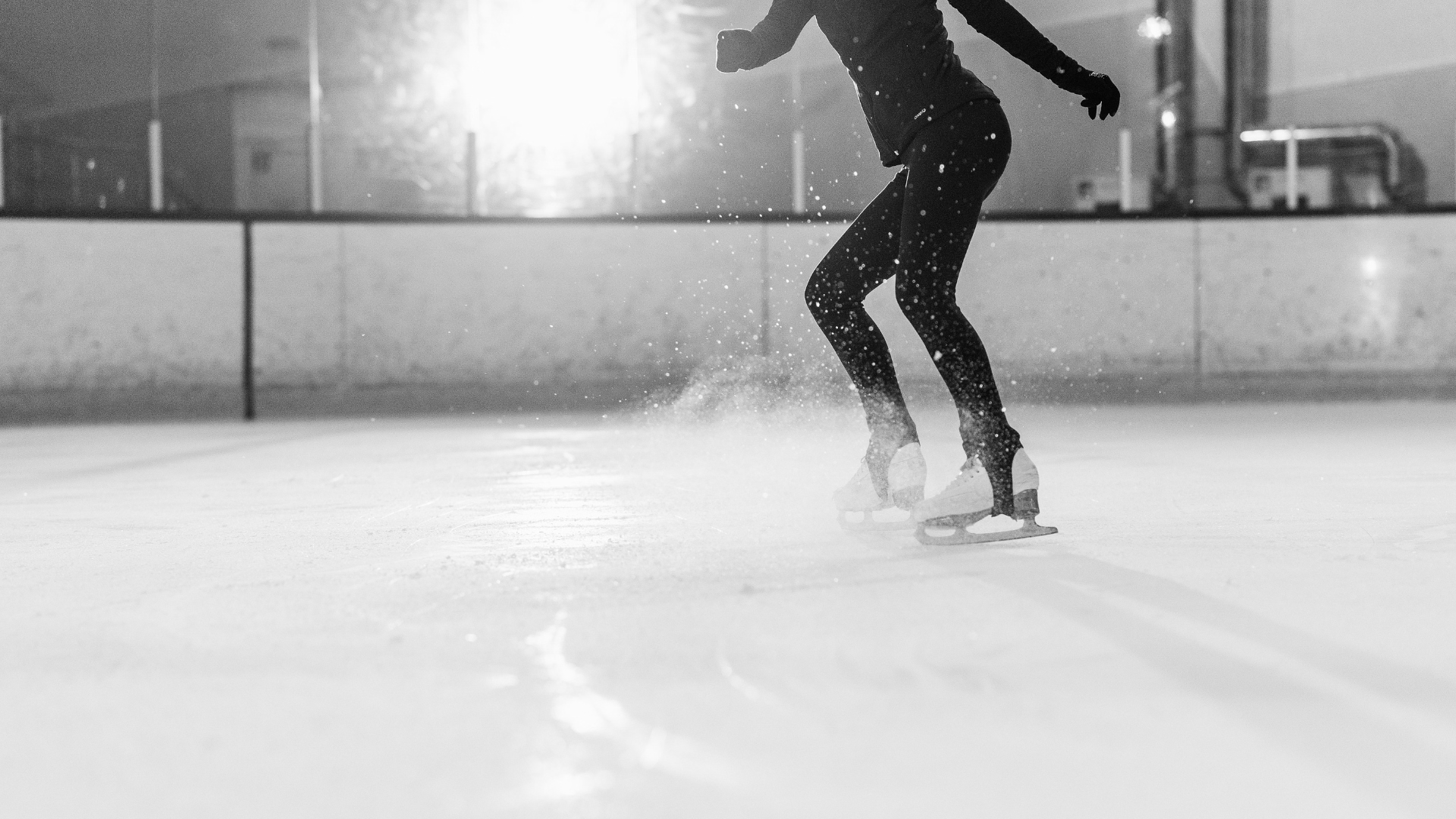
Hockey player skating with a stick on an indoor rink, a sport where groin and hip muscle strains are common

Hip Muscle Strains (gluteal, adductor, iliopsoas)

A tear or overstretch of the inner thigh, hip flexor or buttock muscles, usually from kicking, sprinting or changing direction.

Did you feel a sharp pull in your groin while kicking, sprinting, or changing direction? Does the front of your hip ache when you lift your knee, or does your buttock tighten up every time you push off? If so, you may have strained one of the muscles that control your hip.

At Vaughan Physiotherapy Clinic, we treat hip and groin strains in soccer and hockey players, runners, and weekend athletes. Our goal is not only to settle the pain, but to rebuild strength in the injured muscle so you can return to sport with less chance of it happening again.

Here is what a hip muscle strain is, how to recognize it, what else it could be, and what the research says about getting back to full activity.

What Is a Hip Muscle Strain?

A muscle strain is damage to muscle fibres, or to the place where muscle joins tendon, caused by a sudden stretch or a forceful contraction. Around the hip, three muscle groups are most often involved:

  • Adductors (inner thigh): the muscles that pull your leg toward the midline. These are by far the most commonly strained hip muscles in sport
  • Hip flexors (front of the hip): the iliopsoas (iliacus and psoas) and the rectus femoris, which lift the thigh and help you kick and sprint
  • Gluteals (buttock): the gluteus maximus, medius, and minimus, which extend the hip, steady the pelvis, and drive push-off

Hip and groin injuries are common in sports that involve kicking, sprinting, and quick changes of direction. In a study of professional football (soccer) clubs over seven seasons, hip and groin injuries made up 12 to 16 percent of all injuries each season, and close to two thirds of those were adductor related (Werner et al., 2009).

Which Muscle Is Usually Injured?

In a study of 110 athletes with sudden groin pain, adductor injuries made up about two thirds of all cases. When imaging showed an adductor injury, it was almost always the adductor longus, the muscle you can feel as a cord on the inner thigh near the groin. Injuries to the iliopsoas and the rectus femoris were the next most common (Serner et al., 2015).

Hip flexor strains show their own patterns. In athletes with an MRI-confirmed hip flexor injury, the rectus femoris was hurt most often, usually while kicking or sprinting, and often involved the tendon. Iliacus and psoas injuries usually happened during a change of direction and were mostly found where the muscle joins the tendon (Serner et al., 2018).

True strains of the gluteal muscles are less common and much less studied. Pain on the outside of the hip or in the buttock is more often caused by an irritated gluteal tendon, which is a different problem and is covered in the section below on lookalikes.

How Strains Are Graded

Clinicians describe strains by severity:

  • Mild: pain and tightness, with little or no loss of strength. Imaging may show no visible damage at all; in the study above, about one in five MRI scans of athletes with acute groin pain showed no injury (Serner et al., 2015)
  • Moderate: a partial tear, with clear pain and weakness on testing
  • Severe: a large tear, or the tendon pulling away from the bone. These are uncommon but take much longer to recover and may need a specialist opinion

Recognizing the Symptoms

Strains usually start suddenly, during a specific movement. Common symptoms include:

  • A sharp pull, twinge, or pop in the groin, front of the hip, or buttock at the moment of injury
  • Tenderness when you press on the injured muscle
  • Pain when the muscle works against resistance, for example squeezing your knees together (adductors), lifting your knee toward your chest (hip flexors), or pushing your leg back or out to the side (gluteals)
  • Pain on stretching the injured muscle
  • Weakness, a limp, or difficulty running, kicking, or getting in and out of a car
  • Sometimes bruising a few days later, which suggests a larger tear

What Makes It Worse?

  • Kicking and sprinting: kicking was the most common cause of sudden groin injury in soccer players, while change of direction was most common in other sports (Serner et al., 2015)
  • Cutting and twisting: sharp side-to-side movements load the adductors and iliopsoas
  • Stretching too hard, too soon after the injury
  • Returning too early: athletes who returned before they were fully pain-free on testing were more likely to re-injure (Serner et al., 2020)
  • Unconditioned adductors: in football players, a simple adductor strengthening program lowered the rate of groin problems, which suggests that adductor strength plays a role (Harøy et al., 2019)
  • Sudden jumps in training: a new season, a new sport, or a big increase in sprinting or kicking volume

What Else Could It Be?

Groin and hip pain has many possible causes, and more than one can be present at the same time. International experts agreed on a system that separates adductor-related, iliopsoas-related, inguinal-related, pubic-related, and hip joint-related groin pain, and stressed that other causes must also be considered (Weir et al., 2015). Part of our assessment is ruling these in or out:

  • Hip joint problems: labral tears, femoroacetabular impingement, or early arthritis. These often cause deep groin pain with clicking, catching, or locking, and pain when the hip is bent and turned in
  • Inguinal-related groin pain or hernia: pain in the lower abdomen or crease of the groin, often worse with coughing, sneezing, or sit-ups
  • Pubic-related groin pain: pain and tenderness right over the pubic bone at the front of the pelvis
  • Gluteal tendinopathy: aching on the outside of the hip, often worse lying on that side, climbing stairs, or standing on one leg
  • Referred pain from the lower back or sacroiliac joint: buttock or groin pain that changes with back movement
  • Stress fracture of the hip or pelvis: deep, worsening pain with running or hopping
  • Nerve irritation: burning, tingling, or numbness in the groin or thigh

Hip flexor injuries are harder to pin down by examination alone. In one study, imaging placed the injury somewhere other than the exam suggested in a third to nearly half of hip flexor cases, but in very few adductor cases (Serner et al., 2015).

When to See a Doctor First

See your physician promptly, or go to urgent care or the emergency department, if you have:

  • A loud pop with immediate, major weakness, a visible gap or lump in the muscle, or large bruising, which may mean a complete tear or tendon avulsion
  • Inability to put weight on the leg, or groin pain after a fall, especially if you are older or have low bone density
  • Fever, chills, or feeling unwell with hip or groin pain, or a hot, swollen joint
  • A bulge in the groin that gets bigger with coughing or straining, or one that becomes painful and cannot be pushed back
  • Pain with urinary symptoms, testicular pain, abdominal pain, or pelvic pain, which needs medical review for non-muscle causes (Weir et al., 2015)
  • Night pain, unexplained weight loss, or a history of cancer
  • Numbness, tingling, or weakness spreading down the leg, or any change in bladder or bowel control
  • Hip or groin pain with a limp in a child or teen, to rule out growth plate problems

Our physiotherapists screen for these signs at your first visit and will coordinate with your physician if imaging or a referral is needed.

Related reading: You may also find our guides to groin or adductor strain, hip flexor strain and gluteal tendinopathy helpful.

Start Your Journey to 

‍Better Health Today

Recover faster, move better, and feel stronger with expert physiotherapy. Our team is here to guide you every step of the way.

Why Physiotherapy Is Essential

A strained hip muscle usually heals, but it does not always get its strength back on its own. Many athletes feel fine within a week or two, return to sprinting or kicking, and re-injure the same spot. In a large study of professional football, 15 percent of hip and groin injuries were re-injuries (Werner et al., 2009).

The strongest research for groin injuries supports active, exercise-based rehabilitation over passive treatments alone. A Cochrane review found that an exercise program focused on hip and abdominal strength and coordination gave better short-term results than physiotherapy without active training for long-standing adductor-related groin pain, although the review rated the overall evidence as low quality and based on only two trials (Almeida et al., 2013).

Physiotherapy addresses the main drivers of recovery and re-injury:

  • Which structure is injured: a strain, or a hip joint, hernia, or tendon problem that needs a different plan
  • How strong the muscle is: rebuilding and measuring strength in the injured muscle and its neighbours
  • How the hip and trunk work together: pelvic control and coordination during running and cutting
  • When it is safe to return: clear, testable milestones instead of guesswork

Your Treatment Plan at Vaughan Physiotherapy Clinic

Phase 1: Assessment and Settling Pain (Days 1 to 7)

Your first visit focuses on finding out exactly what is injured and how badly. A full assessment includes:

  • History: how the injury happened and whether you felt a pop
  • Palpation: pressing on the adductors, hip flexors, gluteals, pubic bone, and inguinal area to find your sore spot
  • Resisted tests: squeezing the knees together, lifting the knee, and pushing the leg back or out. Tenderness plus pain on resisted testing of the same muscle is the key to diagnosis (Weir et al., 2015)
  • Hip joint screen: range of motion and tests such as FABER and FADIR, which are recommended for every athlete with groin pain (Weir et al., 2015)

Most hip muscle strains are diagnosed without imaging. If we suspect a large tear, a tendon avulsion, a stress fracture, or a hip joint problem, we will recommend imaging or a physician referral.

Early pain relief usually includes:

  • Relative rest: no kicking, sprinting, or sharp cutting for now, while staying active with pain-free movement
  • Gentle muscle activation: light, pain-free squeezes and holds started early
  • Comfort measures: ice or heat, and medication advice from your physician or pharmacist if needed

Phase 2: Early Loading and Restoring Movement (Weeks 1 to 3)

Once walking is comfortable, we start loading the injured muscle. In a criteria-based program for acute adductor injuries, athletes trained up to the point of fatigue while keeping pain at 2 out of 10 or less, and progressed through basic exercises, running, and change-of-direction work (Serner et al., 2020). We use the same pain-guided approach.

  • Isometric holds: ball or pillow squeezes for the adductors, wall presses for the hip flexors, and bridge holds for the gluteals
  • Range of motion: gentle leg swings and comfortable stretching as pain allows
  • Core and pelvic control: exercises that train the trunk and hips to work together
  • Cardio: cycling or swimming to maintain fitness

Phase 3: Rebuilding Strength (Weeks 2 to 8)

This is the most important phase, and the one most often cut short.

Adductor strengthening and the Copenhagen exercise
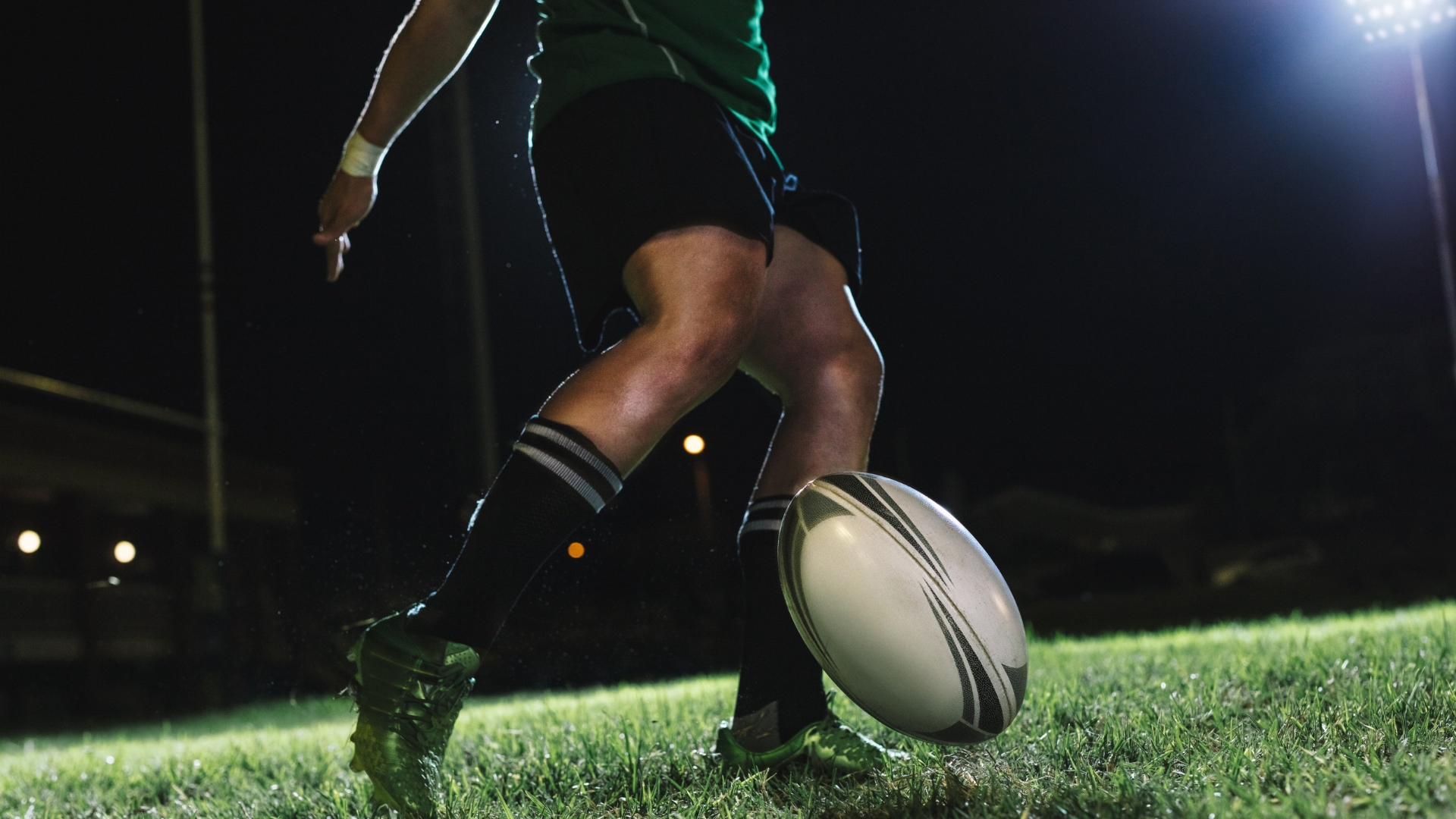
Rugby player's legs and boots about to kick a ball on grass under floodlights
Kicking puts high load through the hip flexors and adductors, so rehab rebuilds strength before full-power kicks return.

The Copenhagen adduction exercise is a side plank with the top leg resting on a bench, so the inner thigh muscles hold the body up. In the criteria-based program above, completing 10 pain-free Copenhagen repetitions was one of the tests athletes had to pass before returning to sport (Serner et al., 2020). Your program will likely progress through:

  • Ball or pillow squeezes, building from short holds to longer, harder ones
  • Standing band adduction, pulling the leg across the body against resistance
  • Short-lever Copenhagen planks, with the support at the knee
  • Long-lever Copenhagen planks, with the support at the ankle, as strength improves

Long-term evidence supports this kind of active training. In a randomized trial of athletes with long-standing adductor-related groin pain, a strengthening and coordination program was far more effective than passive physiotherapy, with 79 percent returning to their previous sport level compared with 13 percent in the comparison group (Hölmich et al., 1999; Almeida et al., 2013).

Hip flexor strengthening

Iliopsoas and rectus femoris strains are rebuilt with progressive hip flexion work, from holds to resisted marching, band work, and fast, sport-like movements. Research on rehab for hip flexor strains specifically is limited, so we apply the same pain-guided, criteria-based principles used for adductor injuries.

Gluteal strengthening

Bridges, side-lying leg raises, step-ups, and split squats rebuild hip extension and pelvic stability. Studies on gluteal strains are scarce. For the more common gluteal tendon problems, education plus exercise beat a cortisone injection and a wait-and-see approach, with about three in four people reporting success at 8 weeks compared with about three in ten who waited and saw (Mellor et al., 2018). That is a different condition, but it shows the gluteals respond well to planned loading.

Manual therapy

Soft tissue work and joint mobilization of the hip, pelvis, and lower back can ease pain and stiffness. In one trial of long-standing adductor-related groin pain, a package of heat, manual therapy, and stretching got athletes back to sport sooner than home exercise, at about 12.8 versus 17.3 weeks, though only about half in either group made a full return (Weir et al., 2011). We use it alongside, not instead of, strengthening.

Phase 4: Return to Running, Cutting, and Sport (Weeks 3 to 12+)

  • Running progression: from straight-line jogging to faster running and sprinting
  • Change of direction and agility: cutting drills, shuffles, and agility tests at increasing speed
  • Sport-specific work: kicking, skating, shooting, and jumping
  • Return-to-sport testing: pain-free palpation, strength, stretch, and sprint and agility tests before full training

Testing matters. Athletes with acute adductor injuries who passed "clinically pain-free" tests before returning had a re-injury rate of about 5 percent, versus about 21 percent in those who did not (Serner et al., 2020). The study had no control group, but it supports returning based on tests rather than the calendar.

Beyond Physiotherapy: Complementary Care for Hip Muscle Strains

Progressive strengthening and a staged return to sport form the core of care for hip and groin strains, and that is where the research is clearest. Some patients also benefit from other services at our clinic to ease pain and tightness. Here is an honest summary of the evidence for each.

How Acupuncture and Dry Needling Can Help

Acupuncture and dry needling use fine needles to reduce pain and ease tight, tender muscles.

  • What the evidence shows: we did not find trials of acupuncture or dry needling for acute hip muscle strains. The closest evidence comes from pain on the outside of the hip (greater trochanteric pain syndrome), where a small randomized trial found dry needling worked about as well as a cortisone injection for pain and function over 6 weeks, with no side effects reported (Brennan et al., 2017). This is indirect evidence for a related but different problem
  • Where it fits: as a short-term option for muscle tension and pain once the acute phase has settled, alongside strengthening
  • Safety: generally very safe. Minor bruising or soreness at needle sites is the most common side effect. We avoid needling directly into a fresh, significant tear

How Massage Therapy Can Help

Registered massage therapy focuses on the soft tissues of the hip, groin, buttock, and thigh.

  • What the evidence shows: there are no published trials of massage for hip muscle strains. The closest evidence is from exercise recovery: a large review found massage was the most effective of the recovery methods studied for reducing post-exercise muscle soreness and feelings of fatigue (Dupuy et al., 2018). Muscle soreness after exercise is not the same as a muscle tear, so this is indirect evidence
  • Where it fits: for comfort and tightness in surrounding muscles during the strengthening phase, as an add-on rather than a stand-alone treatment
  • Safety: very safe. Deep pressure over a fresh tear is avoided in the first days. Some temporary soreness afterward is normal

How Chiropractic and Joint Manipulation Can Help

Chiropractic care uses joint mobilization and manipulation of the lower back, pelvis, and hip, along with soft tissue techniques.

  • What the evidence shows: we did not find trials of chiropractic adjustment for hip muscle strains. The closest evidence is the groin pain trial above, where manual therapy was part of a package, so its effect on its own could not be separated out (Weir et al., 2011; Almeida et al., 2013)
  • Where it fits: for stiffness in the lower back, pelvis, or hip that may be adding to the load on the injured muscle, combined with exercise
  • Safety: generally safe. It is not appropriate when a fracture, tendon avulsion, infection, or serious spinal problem is suspected

Whichever combination you and your clinician choose, these treatments share one purpose: settling symptoms so you can keep training while the real fix, a stronger and better-conditioned hip, takes hold.

When Is Surgery Considered?

Surgery is rarely needed for hip muscle strains, and most partial tears recover with structured rehab. A surgical opinion may be considered for a complete tendon avulsion, where the tendon has pulled off the bone, or when long-standing groin pain turns out to have another cause, such as a hernia or hip joint problem. If so, we will refer you to your physician or a sports medicine specialist.

How Long Will It Take?

Recovery depends on which muscle is injured, how severe the strain is, and the demands of your sport or work. The best data comes from adductor injuries:

  • In professional football, the average time out per hip or groin injury was about 15 days (Werner et al., 2009)
  • In athletes following a criteria-based rehab program, mild to moderate adductor injuries were pain-free on testing after a median of about 2 weeks and back in full team training after about 3 weeks. The most severe injuries took a median of about 11 weeks to return to full team training (Serner et al., 2020)
  • Groin pain present for months usually takes several months of structured training (Hölmich et al., 1999; Weir et al., 2011)

There is less research on recovery times for hip flexor and gluteal strains. These figures are averages, not promises, and your physiotherapist will update your timeline as you pass each milestone.

Prevention and Long-Term Management

  • Keep doing the Copenhagen exercise: in semi-professional football players, a program built on this one exercise, three times a week in preseason and once a week in season, lowered the odds of groin problems by 41 percent (Harøy et al., 2019)
  • Warm up properly: leg swings, lunges, and build-up sprints before full-speed work
  • Build training gradually: avoid big jumps in sprinting, kicking, or game volume, especially at the start of a season
  • Finish your rehab: return to full sport only after passing strength and agility tests, not just when pain fades
  • Act early: if groin or hip tightness returns, reduce load and restart your exercises straight away

Frequently Asked Questions

How do I know if I pulled my groin or something else?

A groin strain usually starts suddenly during a kick, sprint, or cut, and hurts when you press on the inner thigh or squeeze your knees together. Deep hip pain with clicking, pain with coughing, or pain over the pubic bone suggest other problems, and more than one can be present at once (Weir et al., 2015).

Should I stretch a pulled groin or hip flexor?

Gentle stretching is fine after the first few days, but hard stretching too early can aggravate a fresh tear. Strengthening matters more than stretching for recovery and prevention.

Do I need an MRI or ultrasound?

Usually not. Most strains are diagnosed by examination. Imaging helps when a severe tear is suspected, recovery is slow, or the diagnosis is unclear. Imaging does not always match symptoms; in one study, about one in five MRI scans of athletes with sudden groin pain showed no injury (Serner et al., 2015).

Is pain on the outside of my hip a gluteal strain?

Sometimes, but more often it is a gluteal tendon problem, which tends to come on gradually and hurts when lying on that side or climbing stairs. It responds well to education and exercise (Mellor et al., 2018), but the approach is a little different from a muscle strain, so it is worth getting it checked.

Can acupuncture, massage, or chiropractic replace strengthening exercise?

No. Progressive strengthening and a staged return to sport have the most research behind them. Needling, massage, and joint mobilization are best used as short-term supports to ease pain and tightness while you rebuild.

Our Specialized Approach at Vaughan Physiotherapy Clinic

Accurate diagnosis: we identify which muscle is injured and rule out hip joint, hernia, and pubic causes of groin pain

Pain-guided loading: early, controlled exercise that keeps you moving without aggravating the injury

Measured strength progress: adductor, hip flexor, and gluteal strength tracked from your first visit to discharge

Criteria-based return to sport: clear tests for strength, sprinting, and agility before you return to full play

Integrated care: physiotherapy, massage therapy, acupuncture, and chiropractic under one roof when they add value

Safety first: screening for tendon avulsions, stress fractures, hernias, and other medical causes, with physician referral when needed

Take the First Step Toward a Strong, Pain-Free Hip

A pulled groin, hip flexor, or glute does not have to keep you off the field or the ice. Our team at Vaughan Physiotherapy Clinic helps patients from Thornhill, Vaughan, North York, Richmond Hill, and surrounding communities get back to sport and daily life with evidence-based, hands-on care.

Book your assessment today:

Phone: 905-669-1221

Location: 398 Steeles Ave W #201, Thornhill, ON L4J 6X3

Online Booking: www.vaughanphysiotherapy.com

References

Almeida MO, Silva BNG, Andriolo RB, Atallah ÁN, Peccin MS. Conservative interventions for treating exercise-related musculotendinous, ligamentous and osseous groin pain. Cochrane Database of Systematic Reviews. 2013;(6):CD009565. doi:10.1002/14651858.CD009565.pub2

Brennan KL, Allen BC, Maldonado YM. Dry needling versus cortisone injection in the treatment of greater trochanteric pain syndrome: a noninferiority randomized clinical trial. Journal of Orthopaedic & Sports Physical Therapy. 2017;47(4):232-239. doi:10.2519/jospt.2017.6994

Dupuy O, Douzi W, Theurot D, Bosquet L, Dugué B. An evidence-based approach for choosing post-exercise recovery techniques to reduce markers of muscle damage, soreness, fatigue, and inflammation: a systematic review with meta-analysis. Frontiers in Physiology. 2018;9:403. doi:10.3389/fphys.2018.00403

Harøy J, Clarsen B, Wiger EG, et al. The Adductor Strengthening Programme prevents groin problems among male football players: a cluster-randomised controlled trial. British Journal of Sports Medicine. 2019;53(3):150-157. doi:10.1136/bjsports-2017-098937

Hölmich P, Uhrskou P, Ulnits L, et al. Effectiveness of active physical training as treatment for long-standing adductor-related groin pain in athletes: randomised trial. Lancet. 1999;353(9151):439-443. doi:10.1016/S0140-6736(98)03340-6

Mellor R, Bennell K, Grimaldi A, et al. Education plus exercise versus corticosteroid injection use versus a wait and see approach on global outcome and pain from gluteal tendinopathy: prospective, single blinded, randomised clinical trial. BMJ. 2018;361:k1662. doi:10.1136/bmj.k1662

Serner A, Tol JL, Jomaah N, et al. Diagnosis of acute groin injuries: a prospective study of 110 athletes. American Journal of Sports Medicine. 2015;43(8):1857-1864. doi:10.1177/0363546515585123

Serner A, Weir A, Tol JL, et al. Characteristics of acute groin injuries in the hip flexor muscles: a detailed MRI study in athletes. Scandinavian Journal of Medicine & Science in Sports. 2018;28(2):677-685. doi:10.1111/sms.12939

Serner A, Weir A, Tol JL, et al. Return to sport after criteria-based rehabilitation of acute adductor injuries in male athletes: a prospective cohort study. Orthopaedic Journal of Sports Medicine. 2020;8(1):2325967119897247. doi:10.1177/2325967119897247

Weir A, Brukner P, Delahunt E, et al. Doha agreement meeting on terminology and definitions in groin pain in athletes. British Journal of Sports Medicine. 2015;49(12):768-774. doi:10.1136/bjsports-2015-094869

Weir A, Jansen JA, van de Port IG, van de Sande HB, Tol JL, Backx FJ. Manual or exercise therapy for long-standing adductor-related groin pain: a randomised controlled clinical trial. Manual Therapy. 2011;16(2):148-154.

Werner J, Hägglund M, Waldén M, Ekstrand J. UEFA injury study: a prospective study of hip and groin injuries in professional football over seven consecutive seasons. British Journal of Sports Medicine. 2009;43(13):1036-1040. doi:10.1136/bjsm.2009.066944

Disclaimer: This article is for educational purposes only and does not replace professional medical advice. Hip and groin pain can have several causes, including tendon avulsions, hip joint problems, hernias, stress fractures, and conditions affecting the abdomen, pelvis, or lower back. Always consult a qualified healthcare provider for diagnosis and treatment specific to your condition.


Team

Condition guide

Hip Muscle Strains (gluteal, adductor, iliopsoas)

A tear or overstretch of the inner thigh, hip flexor or buttock muscles, usually from kicking, sprinting or changing direction.

Hockey player skating with a stick on an indoor rink, a sport where groin and hip muscle strains are commonHip Muscle Strains (gluteal, adductor, iliopsoas)

Did you feel a sharp pull in your groin while kicking, sprinting, or changing direction? Does the front of your hip ache when you lift your knee, or does your buttock tighten up every time you push off? If so, you may have strained one of the muscles that control your hip.

At Vaughan Physiotherapy Clinic, we treat hip and groin strains in soccer and hockey players, runners, and weekend athletes. Our goal is not only to settle the pain, but to rebuild strength in the injured muscle so you can return to sport with less chance of it happening again.

Here is what a hip muscle strain is, how to recognize it, what else it could be, and what the research says about getting back to full activity.

What Is a Hip Muscle Strain?

A muscle strain is damage to muscle fibres, or to the place where muscle joins tendon, caused by a sudden stretch or a forceful contraction. Around the hip, three muscle groups are most often involved:

  • Adductors (inner thigh): the muscles that pull your leg toward the midline. These are by far the most commonly strained hip muscles in sport
  • Hip flexors (front of the hip): the iliopsoas (iliacus and psoas) and the rectus femoris, which lift the thigh and help you kick and sprint
  • Gluteals (buttock): the gluteus maximus, medius, and minimus, which extend the hip, steady the pelvis, and drive push-off

Hip and groin injuries are common in sports that involve kicking, sprinting, and quick changes of direction. In a study of professional football (soccer) clubs over seven seasons, hip and groin injuries made up 12 to 16 percent of all injuries each season, and close to two thirds of those were adductor related (Werner et al., 2009).

Which Muscle Is Usually Injured?

In a study of 110 athletes with sudden groin pain, adductor injuries made up about two thirds of all cases. When imaging showed an adductor injury, it was almost always the adductor longus, the muscle you can feel as a cord on the inner thigh near the groin. Injuries to the iliopsoas and the rectus femoris were the next most common (Serner et al., 2015).

Hip flexor strains show their own patterns. In athletes with an MRI-confirmed hip flexor injury, the rectus femoris was hurt most often, usually while kicking or sprinting, and often involved the tendon. Iliacus and psoas injuries usually happened during a change of direction and were mostly found where the muscle joins the tendon (Serner et al., 2018).

True strains of the gluteal muscles are less common and much less studied. Pain on the outside of the hip or in the buttock is more often caused by an irritated gluteal tendon, which is a different problem and is covered in the section below on lookalikes.

How Strains Are Graded

Clinicians describe strains by severity:

  • Mild: pain and tightness, with little or no loss of strength. Imaging may show no visible damage at all; in the study above, about one in five MRI scans of athletes with acute groin pain showed no injury (Serner et al., 2015)
  • Moderate: a partial tear, with clear pain and weakness on testing
  • Severe: a large tear, or the tendon pulling away from the bone. These are uncommon but take much longer to recover and may need a specialist opinion

Recognizing the Symptoms

Strains usually start suddenly, during a specific movement. Common symptoms include:

  • A sharp pull, twinge, or pop in the groin, front of the hip, or buttock at the moment of injury
  • Tenderness when you press on the injured muscle
  • Pain when the muscle works against resistance, for example squeezing your knees together (adductors), lifting your knee toward your chest (hip flexors), or pushing your leg back or out to the side (gluteals)
  • Pain on stretching the injured muscle
  • Weakness, a limp, or difficulty running, kicking, or getting in and out of a car
  • Sometimes bruising a few days later, which suggests a larger tear

What Makes It Worse?

  • Kicking and sprinting: kicking was the most common cause of sudden groin injury in soccer players, while change of direction was most common in other sports (Serner et al., 2015)
  • Cutting and twisting: sharp side-to-side movements load the adductors and iliopsoas
  • Stretching too hard, too soon after the injury
  • Returning too early: athletes who returned before they were fully pain-free on testing were more likely to re-injure (Serner et al., 2020)
  • Unconditioned adductors: in football players, a simple adductor strengthening program lowered the rate of groin problems, which suggests that adductor strength plays a role (Harøy et al., 2019)
  • Sudden jumps in training: a new season, a new sport, or a big increase in sprinting or kicking volume

What Else Could It Be?

Groin and hip pain has many possible causes, and more than one can be present at the same time. International experts agreed on a system that separates adductor-related, iliopsoas-related, inguinal-related, pubic-related, and hip joint-related groin pain, and stressed that other causes must also be considered (Weir et al., 2015). Part of our assessment is ruling these in or out:

  • Hip joint problems: labral tears, femoroacetabular impingement, or early arthritis. These often cause deep groin pain with clicking, catching, or locking, and pain when the hip is bent and turned in
  • Inguinal-related groin pain or hernia: pain in the lower abdomen or crease of the groin, often worse with coughing, sneezing, or sit-ups
  • Pubic-related groin pain: pain and tenderness right over the pubic bone at the front of the pelvis
  • Gluteal tendinopathy: aching on the outside of the hip, often worse lying on that side, climbing stairs, or standing on one leg
  • Referred pain from the lower back or sacroiliac joint: buttock or groin pain that changes with back movement
  • Stress fracture of the hip or pelvis: deep, worsening pain with running or hopping
  • Nerve irritation: burning, tingling, or numbness in the groin or thigh

Hip flexor injuries are harder to pin down by examination alone. In one study, imaging placed the injury somewhere other than the exam suggested in a third to nearly half of hip flexor cases, but in very few adductor cases (Serner et al., 2015).

When to See a Doctor First

See your physician promptly, or go to urgent care or the emergency department, if you have:

  • A loud pop with immediate, major weakness, a visible gap or lump in the muscle, or large bruising, which may mean a complete tear or tendon avulsion
  • Inability to put weight on the leg, or groin pain after a fall, especially if you are older or have low bone density
  • Fever, chills, or feeling unwell with hip or groin pain, or a hot, swollen joint
  • A bulge in the groin that gets bigger with coughing or straining, or one that becomes painful and cannot be pushed back
  • Pain with urinary symptoms, testicular pain, abdominal pain, or pelvic pain, which needs medical review for non-muscle causes (Weir et al., 2015)
  • Night pain, unexplained weight loss, or a history of cancer
  • Numbness, tingling, or weakness spreading down the leg, or any change in bladder or bowel control
  • Hip or groin pain with a limp in a child or teen, to rule out growth plate problems

Our physiotherapists screen for these signs at your first visit and will coordinate with your physician if imaging or a referral is needed.

Related reading: You may also find our guides to groin or adductor strain, hip flexor strain and gluteal tendinopathy helpful.

Why Physiotherapy Is Essential

A strained hip muscle usually heals, but it does not always get its strength back on its own. Many athletes feel fine within a week or two, return to sprinting or kicking, and re-injure the same spot. In a large study of professional football, 15 percent of hip and groin injuries were re-injuries (Werner et al., 2009).

The strongest research for groin injuries supports active, exercise-based rehabilitation over passive treatments alone. A Cochrane review found that an exercise program focused on hip and abdominal strength and coordination gave better short-term results than physiotherapy without active training for long-standing adductor-related groin pain, although the review rated the overall evidence as low quality and based on only two trials (Almeida et al., 2013).

Physiotherapy addresses the main drivers of recovery and re-injury:

  • Which structure is injured: a strain, or a hip joint, hernia, or tendon problem that needs a different plan
  • How strong the muscle is: rebuilding and measuring strength in the injured muscle and its neighbours
  • How the hip and trunk work together: pelvic control and coordination during running and cutting
  • When it is safe to return: clear, testable milestones instead of guesswork

Your Treatment Plan at Vaughan Physiotherapy Clinic

Phase 1: Assessment and Settling Pain (Days 1 to 7)

Your first visit focuses on finding out exactly what is injured and how badly. A full assessment includes:

  • History: how the injury happened and whether you felt a pop
  • Palpation: pressing on the adductors, hip flexors, gluteals, pubic bone, and inguinal area to find your sore spot
  • Resisted tests: squeezing the knees together, lifting the knee, and pushing the leg back or out. Tenderness plus pain on resisted testing of the same muscle is the key to diagnosis (Weir et al., 2015)
  • Hip joint screen: range of motion and tests such as FABER and FADIR, which are recommended for every athlete with groin pain (Weir et al., 2015)

Most hip muscle strains are diagnosed without imaging. If we suspect a large tear, a tendon avulsion, a stress fracture, or a hip joint problem, we will recommend imaging or a physician referral.

Early pain relief usually includes:

  • Relative rest: no kicking, sprinting, or sharp cutting for now, while staying active with pain-free movement
  • Gentle muscle activation: light, pain-free squeezes and holds started early
  • Comfort measures: ice or heat, and medication advice from your physician or pharmacist if needed

Phase 2: Early Loading and Restoring Movement (Weeks 1 to 3)

Once walking is comfortable, we start loading the injured muscle. In a criteria-based program for acute adductor injuries, athletes trained up to the point of fatigue while keeping pain at 2 out of 10 or less, and progressed through basic exercises, running, and change-of-direction work (Serner et al., 2020). We use the same pain-guided approach.

  • Isometric holds: ball or pillow squeezes for the adductors, wall presses for the hip flexors, and bridge holds for the gluteals
  • Range of motion: gentle leg swings and comfortable stretching as pain allows
  • Core and pelvic control: exercises that train the trunk and hips to work together
  • Cardio: cycling or swimming to maintain fitness

Phase 3: Rebuilding Strength (Weeks 2 to 8)

This is the most important phase, and the one most often cut short.

Adductor strengthening and the Copenhagen exercise

Rugby player's legs and boots about to kick a ball on grass under floodlights
Kicking puts high load through the hip flexors and adductors, so rehab rebuilds strength before full-power kicks return.

The Copenhagen adduction exercise is a side plank with the top leg resting on a bench, so the inner thigh muscles hold the body up. In the criteria-based program above, completing 10 pain-free Copenhagen repetitions was one of the tests athletes had to pass before returning to sport (Serner et al., 2020). Your program will likely progress through:

  • Ball or pillow squeezes, building from short holds to longer, harder ones
  • Standing band adduction, pulling the leg across the body against resistance
  • Short-lever Copenhagen planks, with the support at the knee
  • Long-lever Copenhagen planks, with the support at the ankle, as strength improves

Long-term evidence supports this kind of active training. In a randomized trial of athletes with long-standing adductor-related groin pain, a strengthening and coordination program was far more effective than passive physiotherapy, with 79 percent returning to their previous sport level compared with 13 percent in the comparison group (Hölmich et al., 1999; Almeida et al., 2013).

Hip flexor strengthening

Iliopsoas and rectus femoris strains are rebuilt with progressive hip flexion work, from holds to resisted marching, band work, and fast, sport-like movements. Research on rehab for hip flexor strains specifically is limited, so we apply the same pain-guided, criteria-based principles used for adductor injuries.

Gluteal strengthening

Bridges, side-lying leg raises, step-ups, and split squats rebuild hip extension and pelvic stability. Studies on gluteal strains are scarce. For the more common gluteal tendon problems, education plus exercise beat a cortisone injection and a wait-and-see approach, with about three in four people reporting success at 8 weeks compared with about three in ten who waited and saw (Mellor et al., 2018). That is a different condition, but it shows the gluteals respond well to planned loading.

Manual therapy

Soft tissue work and joint mobilization of the hip, pelvis, and lower back can ease pain and stiffness. In one trial of long-standing adductor-related groin pain, a package of heat, manual therapy, and stretching got athletes back to sport sooner than home exercise, at about 12.8 versus 17.3 weeks, though only about half in either group made a full return (Weir et al., 2011). We use it alongside, not instead of, strengthening.

Phase 4: Return to Running, Cutting, and Sport (Weeks 3 to 12+)

  • Running progression: from straight-line jogging to faster running and sprinting
  • Change of direction and agility: cutting drills, shuffles, and agility tests at increasing speed
  • Sport-specific work: kicking, skating, shooting, and jumping
  • Return-to-sport testing: pain-free palpation, strength, stretch, and sprint and agility tests before full training

Testing matters. Athletes with acute adductor injuries who passed "clinically pain-free" tests before returning had a re-injury rate of about 5 percent, versus about 21 percent in those who did not (Serner et al., 2020). The study had no control group, but it supports returning based on tests rather than the calendar.

Beyond Physiotherapy: Complementary Care for Hip Muscle Strains

Progressive strengthening and a staged return to sport form the core of care for hip and groin strains, and that is where the research is clearest. Some patients also benefit from other services at our clinic to ease pain and tightness. Here is an honest summary of the evidence for each.

How Acupuncture and Dry Needling Can Help

Acupuncture and dry needling use fine needles to reduce pain and ease tight, tender muscles.

  • What the evidence shows: we did not find trials of acupuncture or dry needling for acute hip muscle strains. The closest evidence comes from pain on the outside of the hip (greater trochanteric pain syndrome), where a small randomized trial found dry needling worked about as well as a cortisone injection for pain and function over 6 weeks, with no side effects reported (Brennan et al., 2017). This is indirect evidence for a related but different problem
  • Where it fits: as a short-term option for muscle tension and pain once the acute phase has settled, alongside strengthening
  • Safety: generally very safe. Minor bruising or soreness at needle sites is the most common side effect. We avoid needling directly into a fresh, significant tear

How Massage Therapy Can Help

Registered massage therapy focuses on the soft tissues of the hip, groin, buttock, and thigh.

  • What the evidence shows: there are no published trials of massage for hip muscle strains. The closest evidence is from exercise recovery: a large review found massage was the most effective of the recovery methods studied for reducing post-exercise muscle soreness and feelings of fatigue (Dupuy et al., 2018). Muscle soreness after exercise is not the same as a muscle tear, so this is indirect evidence
  • Where it fits: for comfort and tightness in surrounding muscles during the strengthening phase, as an add-on rather than a stand-alone treatment
  • Safety: very safe. Deep pressure over a fresh tear is avoided in the first days. Some temporary soreness afterward is normal

How Chiropractic and Joint Manipulation Can Help

Chiropractic care uses joint mobilization and manipulation of the lower back, pelvis, and hip, along with soft tissue techniques.

  • What the evidence shows: we did not find trials of chiropractic adjustment for hip muscle strains. The closest evidence is the groin pain trial above, where manual therapy was part of a package, so its effect on its own could not be separated out (Weir et al., 2011; Almeida et al., 2013)
  • Where it fits: for stiffness in the lower back, pelvis, or hip that may be adding to the load on the injured muscle, combined with exercise
  • Safety: generally safe. It is not appropriate when a fracture, tendon avulsion, infection, or serious spinal problem is suspected

Whichever combination you and your clinician choose, these treatments share one purpose: settling symptoms so you can keep training while the real fix, a stronger and better-conditioned hip, takes hold.

When Is Surgery Considered?

Surgery is rarely needed for hip muscle strains, and most partial tears recover with structured rehab. A surgical opinion may be considered for a complete tendon avulsion, where the tendon has pulled off the bone, or when long-standing groin pain turns out to have another cause, such as a hernia or hip joint problem. If so, we will refer you to your physician or a sports medicine specialist.

How Long Will It Take?

Recovery depends on which muscle is injured, how severe the strain is, and the demands of your sport or work. The best data comes from adductor injuries:

  • In professional football, the average time out per hip or groin injury was about 15 days (Werner et al., 2009)
  • In athletes following a criteria-based rehab program, mild to moderate adductor injuries were pain-free on testing after a median of about 2 weeks and back in full team training after about 3 weeks. The most severe injuries took a median of about 11 weeks to return to full team training (Serner et al., 2020)
  • Groin pain present for months usually takes several months of structured training (Hölmich et al., 1999; Weir et al., 2011)

There is less research on recovery times for hip flexor and gluteal strains. These figures are averages, not promises, and your physiotherapist will update your timeline as you pass each milestone.

Prevention and Long-Term Management

  • Keep doing the Copenhagen exercise: in semi-professional football players, a program built on this one exercise, three times a week in preseason and once a week in season, lowered the odds of groin problems by 41 percent (Harøy et al., 2019)
  • Warm up properly: leg swings, lunges, and build-up sprints before full-speed work
  • Build training gradually: avoid big jumps in sprinting, kicking, or game volume, especially at the start of a season
  • Finish your rehab: return to full sport only after passing strength and agility tests, not just when pain fades
  • Act early: if groin or hip tightness returns, reduce load and restart your exercises straight away

Frequently Asked Questions

How do I know if I pulled my groin or something else?

A groin strain usually starts suddenly during a kick, sprint, or cut, and hurts when you press on the inner thigh or squeeze your knees together. Deep hip pain with clicking, pain with coughing, or pain over the pubic bone suggest other problems, and more than one can be present at once (Weir et al., 2015).

Should I stretch a pulled groin or hip flexor?

Gentle stretching is fine after the first few days, but hard stretching too early can aggravate a fresh tear. Strengthening matters more than stretching for recovery and prevention.

Do I need an MRI or ultrasound?

Usually not. Most strains are diagnosed by examination. Imaging helps when a severe tear is suspected, recovery is slow, or the diagnosis is unclear. Imaging does not always match symptoms; in one study, about one in five MRI scans of athletes with sudden groin pain showed no injury (Serner et al., 2015).

Is pain on the outside of my hip a gluteal strain?

Sometimes, but more often it is a gluteal tendon problem, which tends to come on gradually and hurts when lying on that side or climbing stairs. It responds well to education and exercise (Mellor et al., 2018), but the approach is a little different from a muscle strain, so it is worth getting it checked.

Can acupuncture, massage, or chiropractic replace strengthening exercise?

No. Progressive strengthening and a staged return to sport have the most research behind them. Needling, massage, and joint mobilization are best used as short-term supports to ease pain and tightness while you rebuild.

Our Specialized Approach at Vaughan Physiotherapy Clinic

Accurate diagnosis: we identify which muscle is injured and rule out hip joint, hernia, and pubic causes of groin pain

Pain-guided loading: early, controlled exercise that keeps you moving without aggravating the injury

Measured strength progress: adductor, hip flexor, and gluteal strength tracked from your first visit to discharge

Criteria-based return to sport: clear tests for strength, sprinting, and agility before you return to full play

Integrated care: physiotherapy, massage therapy, acupuncture, and chiropractic under one roof when they add value

Safety first: screening for tendon avulsions, stress fractures, hernias, and other medical causes, with physician referral when needed

Take the First Step Toward a Strong, Pain-Free Hip

A pulled groin, hip flexor, or glute does not have to keep you off the field or the ice. Our team at Vaughan Physiotherapy Clinic helps patients from Thornhill, Vaughan, North York, Richmond Hill, and surrounding communities get back to sport and daily life with evidence-based, hands-on care.

Book your assessment today:

Phone: 905-669-1221

Location: 398 Steeles Ave W #201, Thornhill, ON L4J 6X3

Online Booking: www.vaughanphysiotherapy.com

References

Almeida MO, Silva BNG, Andriolo RB, Atallah ÁN, Peccin MS. Conservative interventions for treating exercise-related musculotendinous, ligamentous and osseous groin pain. Cochrane Database of Systematic Reviews. 2013;(6):CD009565. doi:10.1002/14651858.CD009565.pub2

Brennan KL, Allen BC, Maldonado YM. Dry needling versus cortisone injection in the treatment of greater trochanteric pain syndrome: a noninferiority randomized clinical trial. Journal of Orthopaedic & Sports Physical Therapy. 2017;47(4):232-239. doi:10.2519/jospt.2017.6994

Dupuy O, Douzi W, Theurot D, Bosquet L, Dugué B. An evidence-based approach for choosing post-exercise recovery techniques to reduce markers of muscle damage, soreness, fatigue, and inflammation: a systematic review with meta-analysis. Frontiers in Physiology. 2018;9:403. doi:10.3389/fphys.2018.00403

Harøy J, Clarsen B, Wiger EG, et al. The Adductor Strengthening Programme prevents groin problems among male football players: a cluster-randomised controlled trial. British Journal of Sports Medicine. 2019;53(3):150-157. doi:10.1136/bjsports-2017-098937

Hölmich P, Uhrskou P, Ulnits L, et al. Effectiveness of active physical training as treatment for long-standing adductor-related groin pain in athletes: randomised trial. Lancet. 1999;353(9151):439-443. doi:10.1016/S0140-6736(98)03340-6

Mellor R, Bennell K, Grimaldi A, et al. Education plus exercise versus corticosteroid injection use versus a wait and see approach on global outcome and pain from gluteal tendinopathy: prospective, single blinded, randomised clinical trial. BMJ. 2018;361:k1662. doi:10.1136/bmj.k1662

Serner A, Tol JL, Jomaah N, et al. Diagnosis of acute groin injuries: a prospective study of 110 athletes. American Journal of Sports Medicine. 2015;43(8):1857-1864. doi:10.1177/0363546515585123

Serner A, Weir A, Tol JL, et al. Characteristics of acute groin injuries in the hip flexor muscles: a detailed MRI study in athletes. Scandinavian Journal of Medicine & Science in Sports. 2018;28(2):677-685. doi:10.1111/sms.12939

Serner A, Weir A, Tol JL, et al. Return to sport after criteria-based rehabilitation of acute adductor injuries in male athletes: a prospective cohort study. Orthopaedic Journal of Sports Medicine. 2020;8(1):2325967119897247. doi:10.1177/2325967119897247

Weir A, Brukner P, Delahunt E, et al. Doha agreement meeting on terminology and definitions in groin pain in athletes. British Journal of Sports Medicine. 2015;49(12):768-774. doi:10.1136/bjsports-2015-094869

Weir A, Jansen JA, van de Port IG, van de Sande HB, Tol JL, Backx FJ. Manual or exercise therapy for long-standing adductor-related groin pain: a randomised controlled clinical trial. Manual Therapy. 2011;16(2):148-154.

Werner J, Hägglund M, Waldén M, Ekstrand J. UEFA injury study: a prospective study of hip and groin injuries in professional football over seven consecutive seasons. British Journal of Sports Medicine. 2009;43(13):1036-1040. doi:10.1136/bjsm.2009.066944

Disclaimer: This article is for educational purposes only and does not replace professional medical advice. Hip and groin pain can have several causes, including tendon avulsions, hip joint problems, hernias, stress fractures, and conditions affecting the abdomen, pelvis, or lower back. Always consult a qualified healthcare provider for diagnosis and treatment specific to your condition.

How it works

Getting started.

  1. 01

    No referral needed

    You can book directly. Some benefit plans ask for a doctor's note, so check yours before your visit.

  2. 02

    Your first assessment, 45 minutes

    Your history, movement testing, a clear diagnosis and a plan you understand.

  3. 03

    Follow-up sessions

    Hands-on care and exercise, progressed each visit.

  4. 04

    Not the right fit? Second opinion on us

    If you're not satisfied with your initial assessment, a second assessment with another therapist is complimentary.

Not sure this is what you have?

One of our therapists can check what is going on and build a plan around what they find. Book online, or call us at 905-669-1221.