
Condition guide
Male Pelvic Pain (Chronic Prostatitis / Chronic Pelvic Pain Syndrome)
Long-lasting pelvic, perineal or genital pain in men with no infection found, often driven by tense pelvic floor muscles.

Do you have a deep ache between your legs, in the perineum, testicles, tip of the penis, or low belly that has hung around for months? Have you been told you have "prostatitis," taken antibiotics, and found the pain is still there? If so, you may be dealing with chronic prostatitis / chronic pelvic pain syndrome (CP/CPPS), one of the most common reasons men see a urologist and one of the most misunderstood.
At Vaughan Physiotherapy Clinic, we assess and treat men's pelvic pain with a hands-on, exercise-based approach. For many men, the problem is not an infected prostate at all but tense, overprotective pelvic floor muscles, a sensitized nervous system, and habits that keep the area loaded and guarded. Our goal is to calm the symptoms enough that you can get back to sitting, working, training, and enjoying your sex life without that constant ache.
Here is what CP/CPPS is, how to recognize it, what else it could be, and what the research says about treating it.
What Is Chronic Prostatitis / Chronic Pelvic Pain Syndrome?
CP/CPPS is long-lasting pain in the pelvic area in men, often with urinary or sexual symptoms, where no bacterial infection can be found (Doiron & Nickel, 2018). Despite the name, the prostate is often not the main source of the pain. European urology guidelines now prefer the term primary prostate pain syndrome and describe it as a pain syndrome that is diagnosed after other causes such as infection or cancer have been ruled out, with symptoms lasting at least three months (EAU Guidelines Panel, 2026).
It is common. Canadian urologists estimate that CP/CPPS affects about 2 to 6 percent of men (Doiron & Nickel, 2018), and prostatitis-type symptoms in general affect roughly 10 to 14 percent of men in Europe and the United States (Franco et al., 2018). Symptoms that last more than a year are linked with a noticeably poorer quality of life (Doiron & Nickel, 2018), which is one reason to get the right care early.
Why the Pelvic Floor Matters
Your pelvic floor is a sling of muscles that runs from the pubic bone to the tailbone. It supports the bladder and bowel, helps control urine and stool, and plays a role in erections and ejaculation. Like any muscle group, it can become overactive: holding too much tension, struggling to relax, and developing tender trigger points.
Urology guidelines describe a group of men whose pain comes mainly from the pelvic floor, with muscle spasm, myofascial pain, or trigger points, and note that physical therapy is particularly helpful for this group (Doiron & Nickel, 2018). A rectal examination is one of the ways a clinician checks whether the pelvic floor muscles are tender and whether they can contract and relax properly (EAU Guidelines Panel, 2026).
More Than One Driver
CP/CPPS rarely has a single cause. Clinicians often use the UPOINT framework to sort the main contributors into six areas: Urinary symptoms, Psychosocial factors, Organ-specific (prostate) findings, Infection, Neurologic or widespread pain, and Tenderness of the muscles (Doiron & Nickel, 2018). Most men have more than one, which is why guidelines recommend a combined, individually tailored plan rather than trying one pill after another (EAU Guidelines Panel, 2026).
Stress, worry, and low mood are also part of the picture for many men. That is not because the pain is "in your head," but because pain, fear, and muscle guarding feed each other. Guidelines recommend assessing these factors alongside the physical ones (EAU Guidelines Panel, 2026).
Recognizing the Symptoms
Symptoms vary from man to man and often come and go. Common ones include:
- Pain or pressure in the perineum, the area between the scrotum and the anus, often described as sitting on a golf ball (Doiron & Nickel, 2018)
- Aching in the testicles, the tip or shaft of the penis, the low belly, the groin, or the tailbone
- Pain during or after ejaculation
- Urinary symptoms such as a weak or hesitant stream, a feeling of not emptying fully, urgency, or needing to go often
- Burning in the urethra without a confirmed infection
- Erectile difficulties or reduced interest in sex
- Discomfort that builds through the day and is worse after long periods of sitting
What Makes It Worse?
- Prolonged sitting, especially on hard chairs, long drives, or after a long ride on a narrow bike saddle
- Stress and poor sleep, which tend to raise overall muscle tension and pain sensitivity
- Constipation and straining, which load the pelvic floor
- Ejaculation for some men, with a flare of pain afterward
- Habitual clenching of the buttocks, abdomen, or pelvic floor, often without noticing
- Repeated courses of treatment that do not work, which can increase worry and guarding. Guidelines advise against repeated antibiotics unless an infection is actually confirmed (Doiron & Nickel, 2018)
What Else Could It Be?
CP/CPPS is diagnosed only after other causes have been checked. Guidelines recommend tailoring tests to the person and ruling out conditions that cause similar symptoms (EAU Guidelines Panel, 2026). These include:
- Bacterial prostatitis, either a sudden (acute) infection or a chronic, recurring one confirmed by urine or prostate fluid testing
- Urinary tract infection or a sexually transmitted infection
- Bladder conditions such as bladder pain syndrome or an overactive bladder (see our page on urinary urgency and frequency)
- Enlarged prostate (BPH), which affects 12 to 16 percent of men with CP/CPPS as well (Doiron & Nickel, 2018)
- Prostate or bladder cancer, which your physician screens for when appropriate
- Hernia, hip joint, or groin problems that refer pain into the groin and testicles
- Pudendal nerve irritation, which causes burning or electric pain that is worse sitting and eased by standing
- Low back or sacroiliac joint problems that refer pain into the pelvis
If your pain started after prostate surgery and the main problem is leaking, our page on post-prostatectomy incontinence is a better fit. For pelvic pain in general, including in women, see chronic pelvic pain.
When to See a Doctor First
See your family doctor or urologist promptly, or go to the emergency department, if you have:
- Fever, chills, or feeling very unwell with pelvic pain or painful urination, which may be an acute prostate or urinary infection
- Being unable to pass urine, or a very weak stream that is getting worse quickly
- Blood in your urine or semen
- A new lump or swelling in a testicle, or sudden severe testicle pain
- Unexplained weight loss, night sweats, or pain that is constant and worsening at night
- Numbness in the saddle area, new loss of bladder or bowel control, or leg weakness, which needs emergency care
- Discharge from the penis or a possible sexually transmitted infection
Our pelvic health physiotherapists screen for these signs at your first visit and will coordinate with your family doctor or urologist if tests or a referral are needed.
Why Physiotherapy Is Essential
Many men with CP/CPPS spend months or years on repeated antibiotics and other medications before anyone examines the muscles of the pelvis. Yet urology guidelines describe a large group of men whose pain is driven mainly by tense, tender pelvic floor muscles, and they note that physical therapy is very helpful for this group (Doiron & Nickel, 2018). European guidelines suggest myofascial treatment as a first-line option for pelvic floor muscle pain and pelvic floor muscle therapy as part of the plan to improve quality of life and sexual function (EAU Guidelines Panel, 2026).
The best evidence for hands-on pelvic floor care comes from a multicentre trial in which men and women with urologic chronic pelvic pain received ten weekly sessions of either myofascial physical therapy or a general full-body massage. 57 percent of the physical therapy group reported moderate or marked improvement, compared with 21 percent of the massage group (FitzGerald et al., 2009). In a large case series of men whose pain had not responded to usual medical care, a program combining trigger point release with a relaxation training method led 72 percent to report moderate or marked improvement (Anderson et al., 2005). That study had no comparison group, so it shows what is possible rather than proving cause and effect.
Physiotherapy targets the parts of CP/CPPS that pills cannot reach:
- Muscle tension and trigger points: releasing and retraining an overactive pelvic floor so it can relax as well as contract
- The load chain around the pelvis: hips, low back, abdominal wall, breathing, and sitting habits that keep the pelvic floor working overtime
- A sensitized nervous system: education, graded activity, and relaxation skills that turn down the volume on pain
- Self-management: a home routine you can use to settle flare-ups on your own
Your Treatment Plan at Vaughan Physiotherapy Clinic
Phase 1: Assessment and Understanding Your Pain (Weeks 1 to 2)
Your first visit is private, unhurried, and fully explained before anything happens. You stay in control of every step. A full assessment includes:
- History: where and when you feel pain, urinary, bowel, and sexual symptoms, sitting time, sport and cycling, stress and sleep, and what tests and treatments you have already had
- Symptom score: a validated questionnaire such as the NIH Chronic Prostatitis Symptom Index, which guidelines recommend for the first assessment and for tracking progress (EAU Guidelines Panel, 2026)
- Red flag screen: checking for signs that need your doctor or urologist first
- Whole-chain movement exam: the low back, sacroiliac joints, hips, and tailbone, the abdominal wall, breathing pattern, and how you sit, squat, and lift. Stiff hips, a guarded abdomen, or a habit of clenching the buttocks can all keep extra load on the pelvic floor
- External muscle check: the inner thigh, hip, buttock, and abdominal muscles for tender points that reproduce your pain
- Internal pelvic floor assessment, only with your informed consent: a gentle rectal examination to check muscle tenderness, trigger points, and how well the pelvic floor contracts and lets go (EAU Guidelines Panel, 2026)
We will explain what we find in plain language and how each piece fits the UPOINT picture, so you know which parts physiotherapy can address and which need your physician (Doiron & Nickel, 2018).
Phase 2: Settling Symptoms (Weeks 1 to 4)
The first goal is to lower the background tension and pain enough that you can start moving and retraining normally. Early care often includes:
- Education: how pain, stress, and muscle guarding feed each other, and why "no infection found" is useful information rather than a dead end
- Sitting changes: a cushion that takes pressure off the perineum, regular standing breaks, and a review of your car seat and bike saddle
- Bladder and bowel habits: avoiding straining, managing constipation, and not rushing or pushing to empty
- Diaphragm breathing: slow belly breathing that lets the pelvic floor drop and relax with each breath in
- Heat and gentle stretches for the hips and inner thighs, which guidelines list among pelvic floor treatments (Doiron & Nickel, 2018)
- Short-term helpers: occasionally, a modality such as TENS may be used for a brief period to calm a flare so you can keep up your exercises. It is never the main treatment
Phase 3: Releasing and Retraining the Pelvic Floor (Weeks 2 to 10)
Myofascial release and trigger point therapy
Your physiotherapist uses hands-on techniques to release tender, tight areas in the pelvic floor and the surrounding muscles of the abdomen, hips, and thighs. In the multicentre trial, this kind of treatment was delivered weekly for ten weeks and produced more responders than general massage (FitzGerald et al., 2009). Some soreness after a session is common and expected; in that trial, temporary pain flares were the most frequent side effect (FitzGerald et al., 2009). We adjust the intensity to keep this manageable.
Learning to let go: down-training and relaxation
For men with an overactive pelvic floor, the problem is usually too much tension, not too little strength. Standard "Kegel" squeezing can make some men worse. Instead, we teach:
- Pelvic floor awareness: feeling the difference between holding, releasing, and fully letting go
- "Drop" or reverse Kegel practice, timed with your breath
- Relaxation training for the whole body, an approach that, combined with trigger point release, helped most men in the Stanford case series (Anderson et al., 2005)
- Biofeedback where useful, so you can see how your muscles respond. European guidelines note that biofeedback improves the results of myofascial treatment (EAU Guidelines Panel, 2026)
Motor control and sequencing for the trunk and hips
Once the pelvic floor can relax, we retrain it to work in the right order with the deep abdominal muscles, diaphragm, and hip muscles during real tasks such as standing up, lifting, squatting, and running. Hip mobility and strength work helps share load so the pelvic floor is no longer doing a guarding job it was never designed for.
Manual therapy for nearby joints
If the low back, sacroiliac joints, hips, or tailbone are stiff, joint mobilization can restore movement so your exercises feel easier and work better. This supports, rather than replaces, the active program.
Phase 4: Getting Back to Full Activity (Weeks 6 to 16+)
- Regular exercise: guidelines encourage men with CP/CPPS to use exercise rather than rest as part of treatment, with low-impact choices such as walking, swimming, the elliptical, and yoga (Doiron & Nickel, 2018). A structured physical activity program produced a small improvement in symptoms in one trial (Franco et al., 2018)
- Graded return to cycling, running, lifting, and long workdays at your desk, with a plan for each
- Sexual activity: a gradual, low-pressure return, using relaxation skills before and after
- A flare-up plan: the two or three exercises and habits that settle your symptoms fastest
Beyond Physiotherapy: Complementary Care for CP/CPPS
Guidelines for CP/CPPS recommend a combined plan that matches each man's main drivers (EAU Guidelines Panel, 2026). Pelvic floor retraining, activity, and self-management are the foundation. Other services at our clinic can help settle pain so you can stay consistent with that work. Here is an honest summary of what the evidence shows for each.
How Acupuncture and Dry Needling Can Help
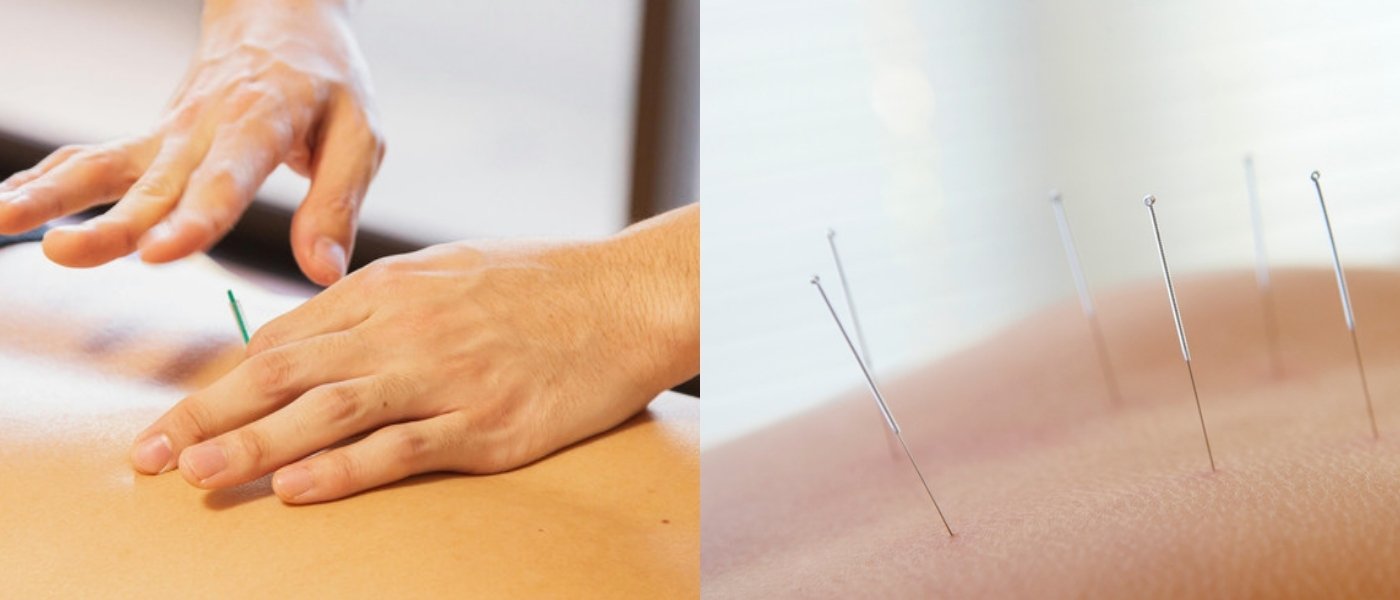
Acupuncture uses fine needles placed at specific points, and dry needling targets tight, tender muscle trigger points.
- What the evidence shows: acupuncture has some of the strongest evidence of any treatment for CP/CPPS. A Cochrane review found it probably leads to a meaningful drop in symptoms compared with sham acupuncture, without a clear increase in side effects (Franco et al., 2018). In a large trial of 440 men, 61 percent improved meaningfully after 20 sessions over eight weeks, compared with 37 percent after sham treatment, and the benefit was still present six months later (Sun et al., 2021). European guidelines give acupuncture a strong recommendation (EAU Guidelines Panel, 2026). For dry needling of pelvic trigger points, the evidence is much thinner and neither dry nor injection-based needling has been clearly shown to beat placebo (EAU Guidelines Panel, 2026)
- Where it fits: a well-supported option to reduce pain and urinary symptoms, used alongside pelvic floor retraining and exercise
- Safety: side effects were uncommon and mild in the large trial, with no serious events (Sun et al., 2021). Minor bruising or soreness at needle sites is the most common
How Massage Therapy Can Help
Registered massage therapy works on the muscles of the back, hips, buttocks, abdomen, and thighs.
- What the evidence shows: general full-body massage was used as the comparison treatment in the multicentre trial. Among the men with CP/CPPS, 40 percent improved with massage and 64 percent with targeted myofascial physical therapy, a difference that was not statistically clear in this small subgroup (FitzGerald et al., 2009). European guidelines also report no clear difference between the two in the prostate pain group (EAU Guidelines Panel, 2026). Prostate massage itself has very low certainty evidence and is not something we offer (Franco et al., 2018)
- Where it fits: as a supportive way to ease tension in the hips, buttocks, and abdomen, reduce stress, and help you relax, alongside pelvic floor treatment
- Safety: very safe. Some temporary muscle soreness is normal
How Chiropractic and Joint Manipulation Can Help
Chiropractic care uses joint mobilization and manipulation of the spine, pelvis, and hips.
- What the evidence shows: we did not find trials of chiropractic adjustment for CP/CPPS. European guidelines note that manual techniques aimed at trigger points have not yet been shown to beat no treatment in high-quality trials (EAU Guidelines Panel, 2026). Any benefit is therefore indirect, through better movement of the low back, pelvis, and hips
- Where it fits: for men with low back, sacroiliac, or hip stiffness that is adding load to the pelvis, combined with pelvic floor retraining and exercise
- Safety: generally safe once red flags have been ruled out. It is not appropriate during an acute infection or if a nerve problem is suspected
Whichever combination you choose, these treatments share one purpose: lowering pain and tension enough that you can relax the pelvic floor, move freely, and manage your symptoms on your own.
Medical Management and Working With Your Doctor
Physiotherapy works best alongside your family doctor or urologist. Depending on your symptoms, they may consider:
- Alpha-blockers, mainly for men with urinary symptoms and a shorter history, since guidelines suggest they help most when symptoms have been present for less than a year (EAU Guidelines Panel, 2026)
- A single course of antibiotics for men who have not had them before. Guidelines advise against repeated courses unless an infection is confirmed (Doiron & Nickel, 2018)
- Medications for nerve-type pain, and support for low mood, anxiety, or sleep, including cognitive behavioural therapy or mindfulness (Doiron & Nickel, 2018)
- Shockwave therapy, which reduced symptoms in the short term in a Cochrane review, although the benefit may not last (Franco et al., 2018)
Surgery is not a standard treatment for CP/CPPS. European guidelines state there is not enough evidence to support prostate surgery for this condition (EAU Guidelines Panel, 2026), which is one more reason to give a well-run conservative plan a proper trial.
How Long Will It Take?
CP/CPPS often builds over months, so it rarely settles in a week or two. In the main physical therapy trial, care was delivered as ten weekly sessions (FitzGerald et al., 2009), and in the large acupuncture trial, the benefit seen after eight weeks was still present six months later (Sun et al., 2021). Men whose symptoms have lasted more than a year may need more time and a broader plan (Doiron & Nickel, 2018).
In our experience, many men notice that flare-ups become less intense and easier to settle within the first several weeks, with steadier gains over two to four months as the pelvic floor learns to relax and activity builds. Progress is rarely a straight line, and that is normal.
Prevention and Long-Term Management
- Keep moving: regular low-impact exercise is part of the treatment, not something to avoid
- Break up sitting every 30 to 45 minutes and use a pressure-relieving cushion on long days
- Check your bike fit: saddle shape, tilt, and height all change pressure on the perineum
- Keep bowels regular and avoid straining on the toilet
- Practise your release routine daily for a few minutes, not only when it hurts
- Look after stress and sleep, which directly affect muscle tension and pain sensitivity
- Act early on flares: go back to your breathing, release, and walking plan straight away rather than resting completely
Frequently Asked Questions
Is CP/CPPS an infection?
Usually not. By definition, no bacterial infection is found in CP/CPPS (Doiron & Nickel, 2018). Only a small share of men with suspected prostate pain have positive cultures, a rate similar to men with no symptoms (EAU Guidelines Panel, 2026). That is why repeated antibiotics rarely help and why the muscles and nerves deserve a closer look.
Does CP/CPPS lead to prostate cancer or infertility?
CP/CPPS is a pain condition, and it is not described in guidelines as a cause of cancer. Your doctor will still check for other causes when appropriate, and any blood in your urine or semen, or a testicular lump, should be seen promptly.
Do I have to have an internal examination?
No. An internal check gives the most direct information about the pelvic floor, but it is always optional and only done with your consent. We can start with external assessment, breathing, and movement work and decide together later.
Should I do Kegel exercises?
Not usually at first. Most men with CP/CPPS have a pelvic floor that is already holding too much tension. Learning to relax and lengthen it comes first. Strengthening may be added later if testing shows it is needed.
Can I keep cycling?
Often yes, with changes. Shorter rides, more standing on the pedals, and a saddle that takes pressure off the perineum can make a big difference. A professional bike fit is part of the plan for many of our cycling patients.
Does stress really affect pelvic pain?
Yes. Stress raises general muscle tension and makes the nervous system more sensitive. Guidelines recommend assessing mood and stress as part of the condition and suggest therapies such as cognitive behavioural therapy or mindfulness when they are a factor (Doiron & Nickel, 2018). Relaxation skills are built into our physiotherapy plan for this reason.
Can acupuncture, massage, or chiropractic replace pelvic floor physiotherapy and exercise?
Acupuncture has good evidence for reducing symptoms (Sun et al., 2021) and can be a valuable part of care, but none of these treatments teaches your pelvic floor to relax or builds the habits that prevent flare-ups. They work best as supports to an active plan you can manage on your own.
Our Specialized Approach at Vaughan Physiotherapy Clinic
✓ Private, respectful care: every step is explained first, and internal assessment is always optional
✓ Whole-chain assessment: pelvic floor, hips, low back, tailbone, abdominal wall, and breathing, not just where it hurts
✓ Pelvic floor down-training: release, relaxation, and motor control retraining backed by trial evidence
✓ Self-management first: a short daily routine and a flare-up plan you can use on your own
✓ Integrated care: physiotherapy, acupuncture, massage therapy, and chiropractic under one roof when they add value
✓ Team approach: clear communication with your family doctor or urologist, with screening for anything that needs medical care first
Take the First Step Toward Comfortable Sitting and Living
Pelvic pain can affect your work, your sleep, your training, and your relationships, and many men put off getting help. Our pelvic health team at Vaughan Physiotherapy Clinic helps men from Thornhill, Vaughan, North York, Richmond Hill, and surrounding communities understand their pain and take back control with evidence-based, hands-on care.
Book your assessment today:
📞 Phone: 905-669-1221
📍 Location: 398 Steeles Ave W #201, Thornhill, ON L4J 6X3
🌐 Online Booking: www.vaughanphysiotherapy.com
You may also find our pages on pelvic floor dysfunction and central sensitization helpful.
References
Anderson RU, Wise D, Sawyer T, Chan C. Integration of myofascial trigger point release and paradoxical relaxation training treatment of chronic pelvic pain in men. Journal of Urology. 2005;174(1):155-160. doi:10.1097/01.ju.0000161609.31185.d5
Doiron RC, Nickel JC. Management of chronic prostatitis/chronic pelvic pain syndrome. Canadian Urological Association Journal. 2018;12(6 Suppl 3):S161-S163. doi:10.5489/cuaj.5325
EAU Guidelines Panel on Chronic Pelvic Pain. EAU Guidelines on Chronic Pelvic Pain. European Association of Urology. 2026 edition. https://uroweb.org/guidelines/chronic-pelvic-pain
FitzGerald MP, Anderson RU, Potts J, et al. Randomized multicenter feasibility trial of myofascial physical therapy for treatment of urologic chronic pelvic pain syndrome. Journal of Urology. 2009;182(2):570-580. doi:10.1016/j.juro.2009.04.022
Franco JVA, Turk T, Jung JH, Xiao YT, Iakhno S, Garrote V, Vietto V. Non-pharmacological interventions for treating chronic prostatitis/chronic pelvic pain syndrome. Cochrane Database of Systematic Reviews. 2018;(5):CD012551. doi:10.1002/14651858.CD012551.pub3
Sun Y, Liu Y, Liu B, et al. Efficacy of acupuncture for chronic prostatitis/chronic pelvic pain syndrome: a randomized trial. Annals of Internal Medicine. 2021;174(10):1357-1366. doi:10.7326/M21-1814
Disclaimer: This article is for educational purposes only and does not replace professional medical advice. Pelvic, genital, and urinary pain in men can have several causes, including infection, prostate or bladder conditions, hernia, nerve problems, and cancer. Always consult your family doctor or urologist for diagnosis, and seek urgent care for fever, inability to pass urine, blood in the urine or semen, or a new testicular lump.