Compression of a nerve in the thigh causing tingling or numbness.
Meralgia Paresthetica (MP), also known as Bernhardt–Roth syndrome or inguinal tunnel syndrome, is a sensory mononeuropathy caused by the compression or injury of the lateral femoral cutaneous nerve (LFCN). Because the LFCN is sensory nerve, the condition does not result in motor deficits or muscle weakness (Scholz et al., 2023).
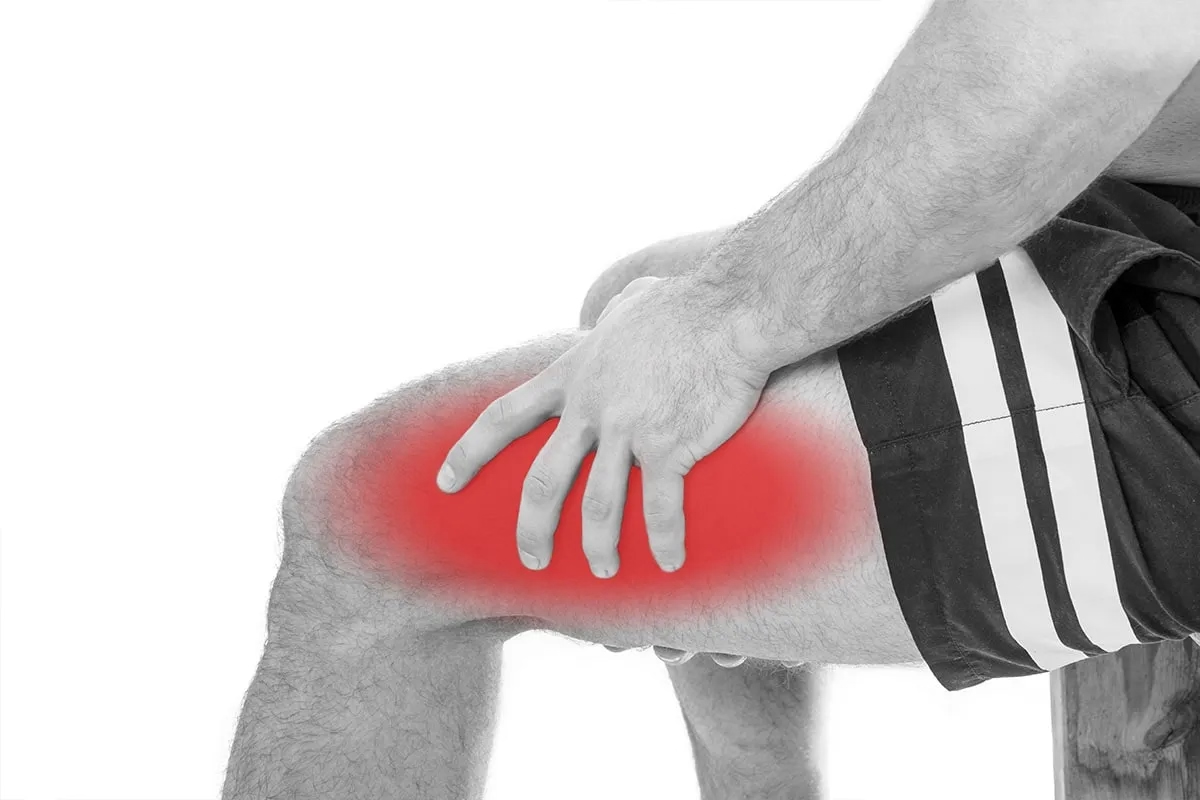
The primary symptoms are felt on the outer part of the thigh and can include:
It is important to note that this condition only affects sensation, not movement. You should not experience muscle weakness in your leg
MP can occur at any age but is most common in individuals between 40 and 60 years old. While usually unilateral (affecting one side), up to 20% of cases may be bilateral (Ahmed et al., 2025).
The nerve is most commonly compressed as it passes under or near the inguinal ligament at the level of the anterior superior iliac spine (ASIS)
Nerve Origin and Pelvic Course
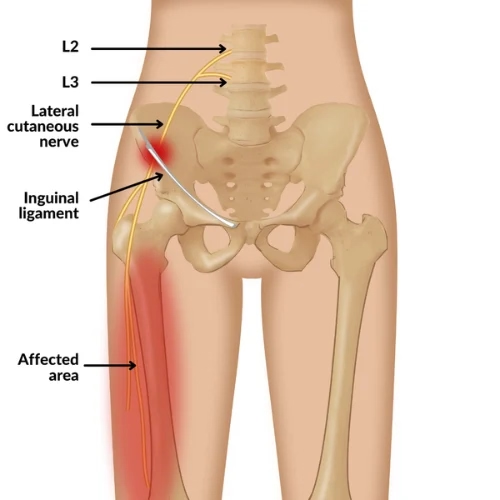
The LFCN primarily originates from the L2 and L3 spinal nerves. From its origin, the nerve follows a specific anatomical path:
The Site of Compression
The anatomy of MP is most significant at the inguinal ligament, which is the most common site of nerve compression or injury. Because of this frequent entrapment point, the condition is also known as inguinal tunnel syndrome.
There are several anatomical variants in how the nerve interacts with this ligament, which can impact the severity of the condition and its treatment:
Sensory Distribution and Function
The LFCN is a purely sensory nerve, meaning it does not contain motor fibers and therefore does not cause muscle weakness or motor deficits. Its anatomical role is to provide sensation to the front and outer surface of the thigh. This sensory area typically extends from the hip down to a point just above the knee, and patients can often precisely delimit the affected area.
Because the nerve is situated near the surface as it emerges from the inguinal ligament, this specific anatomical point is often painful when compressed during a physical examination (Scholz et al., 2023).
Recover faster, move better, and feel stronger with expert physiotherapy. Our team is here to guide you every step of the way.

The most significant associations are with obesity (doubling the risk for those with a BMI > 30 kg/m²), diabetes mellitus, and advanced age.
Beyond metabolic factors, MP can be triggered by external pressure from tight clothing or belts (sometimes called "jeans disease"), pregnancy, or iatrogenic injury during pelvic surgery (Dengler, N. F., 2023).
The recovery timeline for meralgia paresthetica (MP) when using physiotherapy depends on the specific techniques applied, but significant improvements are typically observed within four weeks. Conservative management, which includes physiotherapy, is considered the first line of treatment and is successful for the majority of patients.
If symptoms persist despite these efforts, the sources suggest that the transition to more invasive options, such as injections or surgery, is typically discussed after conservative measures have been exhausted (Dengler, N. F., 2023).
Diagnosis is usually made through a physical exam and a review of your medical history .
If you are dealing with that persistent burning, tingling, or numb sensation on the outside of your thigh that flares up with standing or walking, you don't have to just live with it. Meralgia paresthetica is highly responsive to conservative care, and physical therapy offers effective, non-invasive solutions tailored to your specific needs. Our team will work with you to identify the root causes of your nerve compression; whether it's postural habits, muscle imbalances, or lifestyle factors, and develop a personalized plan to relieve your symptoms and restore your comfort. There's no need to wait and wonder; the right treatment can make a real difference, and we're here to help you get back to moving freely!
At Vaughan Physiotherapy, our team has extensive experience treating nerve related conditions using the evidence-based protocols that have been proven most effective in clinical research. We are located at 398 Steeles Ave W, Unit 201, Thornhill, Ontario, and we welcome patients from Vaughan, Thornhill, Richmond Hill, and the surrounding communities.
Call us today at 905-669-1221 to book your initial assessment, or visit vaughanphysiotherapy.com to learn more about our services and book online. Let us help you get back to moving with confidence.
Created by: Tiffany Corpus
Explore the latest articles written by our clinicians


