


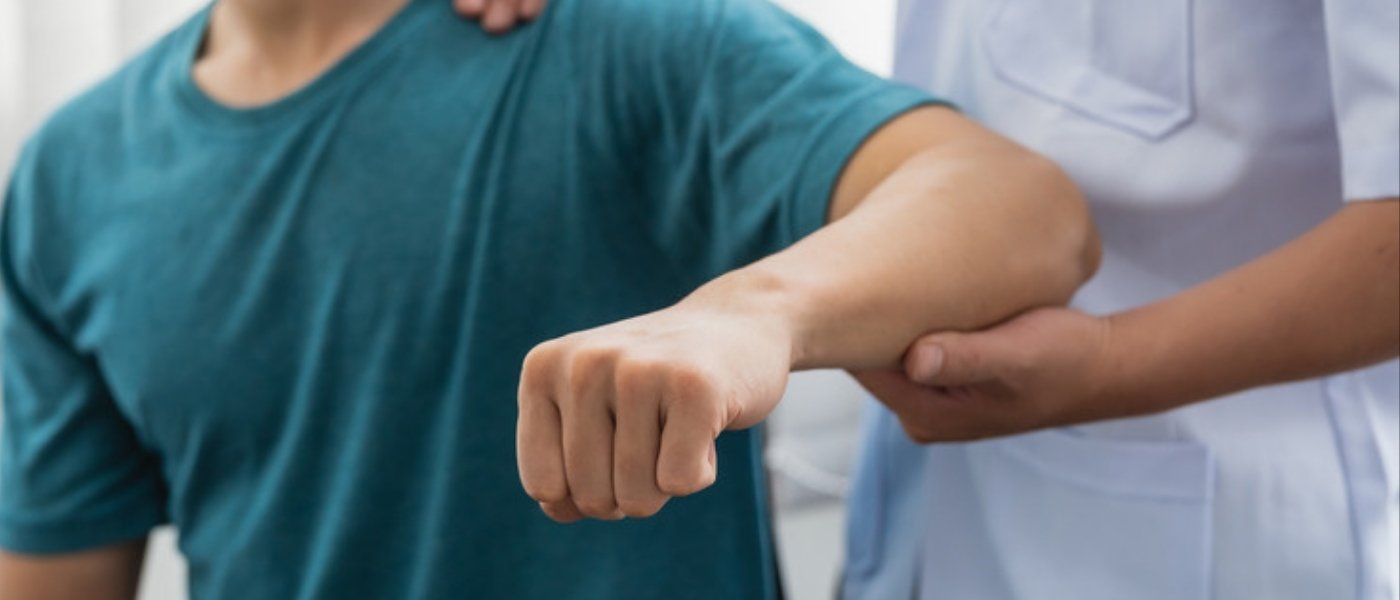
Physiotherapist supporting a patient's elbow during an arm assessment

Triceps Tendinopathy

Triceps tendinopathy is an overload problem of the tendon at the back of the elbow, causing pain with pushing, pressing and straightening the arm.
Does the back of your elbow ache when you bench press, do push-ups, or straighten your arm against resistance? Is the bony point of your elbow sore to touch, or stiff and painful the morning after a heavy upper body session? If so, you may be dealing with triceps tendinopathy, an overload problem of the tendon that attaches the triceps muscle to the elbow.

At Vaughan Physiotherapy Clinic, we assess and treat back-of-elbow pain in lifters, rugby and contact sport athletes, throwers, trades workers, and anyone whose job or training involves a lot of pushing. Our goal is not just to calm the pain for a few weeks, but to work out why the tendon is overloaded and rebuild its capacity, so you can get back to training and working with confidence.

Here is what triceps tendinopathy is, how to recognize it, what it can be confused with, and what the research says about treating it.

What Is Triceps Tendinopathy?

Tendinopathy is the general term for a painful tendon that has lost some of its ability to handle load. It is marked by pain, reduced function, and lower tolerance for exercise, and inside the tendon the collagen fibres become disorganized and the tissue changes in other ways (Millar et al., 2021). The older term "tendinitis" suggested this was mainly an inflammation problem, but we now know the picture is more complex.

Triceps tendinopathy affects the tendon where the triceps attaches to the olecranon, the bony tip of the elbow. Compared with tennis elbow or golfer's elbow, it is uncommon, and nobody knows exactly how often it happens. When it does occur, it is seen most often in adults aged about 30 to 50, slightly more often in men (Kheiran et al., 2021).

The Spectrum of Triceps Tendon Problems

Triceps tendon problems sit on a spectrum (Kheiran et al., 2021):

  • Tendinopathy: a painful, overloaded tendon without a tear. This is the most common reason people with gradual back-of-elbow pain from training or work come to see us
  • Partial tear: part of the tendon has torn away, often the deeper layer. Movement may look normal, but pushing strength is often reduced, which makes these easy to miss (Shuttlewood et al., 2017)
  • Complete tear (rupture): the tendon pulls away from the bone, usually after a sudden heavy load or a fall onto an outstretched hand. This is rare and usually needs a surgeon's opinion quickly (Demirhan & Ersen, 2016)

These can overlap. In one review, up to a third of people who went on to tear their triceps tendon had already had back-of-elbow pain beforehand (Shuttlewood et al., 2017). That is one reason we take persistent triceps pain seriously rather than just training through it.

Understanding the Anatomy

  • Triceps muscle: the large muscle at the back of the upper arm, with three heads. The long head starts on the shoulder blade, and the medial and lateral heads start on the upper arm bone (Demirhan & Ersen, 2016)
  • Triceps tendon: the three heads join into one of the strongest tendons in the body, which attaches to the olecranon (Demirhan & Ersen, 2016)
  • Olecranon: the bony point of your elbow, and the lever the triceps pulls on to straighten your arm
  • Olecranon bursa: a small fluid-filled sac sitting just over the tip of the elbow, which can become irritated and swollen on its own

Because the tendon pulls hardest when you straighten the elbow against load, exercises such as dips, close-grip bench press, overhead triceps extensions, and push-ups place it under high stress.

Recognizing the Symptoms

Triceps tendinopathy usually comes on gradually rather than from one clear injury. Common symptoms include:

  • Pain at the back of the elbow, right at or just above the bony tip
  • Pain with activity, especially pushing, pressing, or straightening the arm against resistance (Kheiran et al., 2021)
  • Tenderness when you press on the tendon where it attaches to the bone
  • Stiffness or aching after training, often worst the next morning
  • Pain when leaning on the elbow, for example at a desk or on an armrest
  • Strength that usually feels normal, even though the movement hurts (Kheiran et al., 2021)

What Makes It Worse?

  • Heavy pushing and lockouts: bench press, dips, overhead pressing, skull crushers, and push-ups, especially after a jump in volume or weight
  • Repetitive work: hammering, throwing, and repeated forceful straightening of the elbow
  • Weightlifting and anabolic steroid use: both are linked to triceps tendon problems and tears (Kheiran et al., 2021; Demirhan & Ersen, 2016)
  • Previous steroid injections into the area (Kheiran et al., 2021)
  • Olecranon bursitis, particularly when it keeps coming back (Kheiran et al., 2021)
  • Other health conditions that affect tendon quality, including kidney failure needing dialysis, overactive parathyroid glands, rheumatoid arthritis, lupus, and diabetes (Demirhan & Ersen, 2016)

What Else Could It Be?

Several problems cause pain around the back of the elbow and need different care. Part of our assessment is ruling these in or out:

  • Partial or complete triceps tear: often follows a "pop" with bruising and swelling, and pushing strength drops. Complete loss of the ability to straighten the arm happens in only about 1 in 5 complete tears, so a tear can still be present even if you can straighten your elbow (Demirhan & Ersen, 2016)
  • Olecranon bursitis: a soft, sometimes squishy swelling over the tip of the elbow. It can be irritated, or in some cases infected
  • Posterior elbow impingement: pain at the end of straightening the arm, common in throwing athletes, caused by bone pinching at the back of the joint rather than a tendon problem
  • Olecranon stress fracture or avulsion: a small piece of bone can pull off with the tendon, sometimes seen on X-ray as a small fleck of bone (Kheiran et al., 2021)
  • Ulnar nerve irritation or "snapping triceps": a clicking or snapping on the inner side of the elbow, sometimes with tingling into the ring and little fingers. A snapping triceps can be mistaken for the ulnar nerve slipping out of place (Shuttlewood et al., 2017)
  • Tennis elbow or golfer's elbow: these are far more common, but cause pain on the outer or inner side of the elbow rather than the back (Shuttlewood et al., 2017)
  • Elbow arthritis or pain referred from the neck

When to See a Doctor First

See your physician promptly, or go to urgent care, if you have:

  • A sudden "pop" at the back of the elbow followed by bruising, swelling, a dent above the bony tip, or clear weakness pushing. Acute triceps tears are best repaired within about three weeks, so early diagnosis matters (Demirhan & Ersen, 2016)
  • A hot, red, swollen elbow, especially with fever or feeling unwell, which may be an infected bursa or joint
  • Severe pain, deformity, or inability to move the elbow after a fall or direct blow, which could be a fracture
  • Back-of-elbow pain if you have kidney disease, take anabolic steroids, or have an inflammatory condition, since these raise the risk of tendon tears (Demirhan & Ersen, 2016)
  • Numbness, tingling, or weakness in the hand that is spreading or getting worse
  • Pain at night, unexplained weight loss, or swelling in several joints

Our physiotherapists screen for these signs at your first visit and will coordinate with your physician if imaging or a referral is needed.

Related reading: Pain around the elbow can also come from olecranon bursitis, tennis elbow or golfer's elbow.

Start Your Journey to 

‍Better Health Today

Recover faster, move better, and feel stronger with expert physiotherapy. Our team is here to guide you every step of the way.

Why Physiotherapy Is Essential

Triceps tendinopathy is a load problem: the tendon is being asked to handle more pushing and pressing than it is ready for. Rest and pain medication can settle things for a while, but the pain often returns once you go back to the same training or work.

The first-line care for triceps tendon pain is conservative: rest from the aggravating activity, activity changes, anti-inflammatory medication if your doctor agrees, and physiotherapy (Kheiran et al., 2021). Across tendon problems in general, exercise and loading programs are the main tool (Millar et al., 2021). Research on the triceps tendon itself is very limited, mostly small case series and case reports (Kheiran et al., 2021; Shuttlewood et al., 2017), so much of what we do is borrowed from better studied elbow and lower limb tendinopathies.

Physiotherapy addresses the main drivers:

  • How much load the tendon is getting: adjusting your training or work so the tendon can settle without you stopping everything
  • How much load the tendon can handle: a progressive strengthening program to rebuild tendon and muscle capacity
  • How the rest of the chain works: shoulder, shoulder blade, and wrist strength and mobility, which affect how force reaches the elbow
  • Ruling out a tear: partial tears are easy to miss (Shuttlewood et al., 2017)

Your Treatment Plan at Vaughan Physiotherapy Clinic

Phase 1: Assessment and Settling Pain (Weeks 1 to 2)

Your first visit focuses on confirming the diagnosis and finding the cause. A full assessment includes:

  • History: when the pain started, any "pop" or single injury, your training program, your job, previous injections, medications, and other health conditions
  • Hands-on examination: pressing along the tendon and its attachment to the olecranon, and checking the bursa over the elbow tip
  • Strength testing: resisted elbow straightening usually reproduces pain in tendinopathy, while strength is often still normal (Kheiran et al., 2021). A clear drop in strength makes us more suspicious of a partial tear
  • Tear screening: looking for a gap above the elbow tip and using a squeeze test of the triceps muscle, which can suggest a complete tear but may miss some (Demirhan & Ersen, 2016)
  • Neck, shoulder, and nerve screen: to rule out pain from elsewhere

If we suspect a tear, we will refer you for imaging. X-rays can show a small fleck of bone pulled off with the tendon, and because the tendon sits close to the skin, ultrasound is a useful first scan (Kheiran et al., 2021). Ultrasound appears to be about as accurate as MRI for picking up triceps tears (Shuttlewood et al., 2017), and MRI is the standard test for telling a partial tear from a complete one (Demirhan & Ersen, 2016).

Early pain relief usually includes:

  • Load modification: temporarily cutting back or swapping out the exercises that provoke pain, such as dips, skull crushers, and heavy lockouts, while keeping the rest of your training going
  • Avoiding leaning on the elbow and direct pressure on the elbow tip
  • Ice and taping for short-term comfort. Taping helps short-term pain in tennis elbow (Lucado et al., 2022) but has not been studied at the triceps
  • Medication advice: anti-inflammatories can be part of early care (Kheiran et al., 2021), but check with your doctor or pharmacist first

Phase 2: Early Loading

Complete rest is rarely the answer for a tendon. The aim of this phase is to start loading the triceps again at a level it can handle.

Isometric holds are often a good starting point. You push against a fixed resistance without the elbow moving, for example pressing your forearm into a table or holding a light cable pushdown halfway. The research on whether isometrics relieve tendon pain better than other exercise is mixed: in knee tendinopathy, one trial found isometric holds eased pain more than moving exercise at four weeks, while another trial did not find a difference (Escriche-Escuder et al., 2020). We use them because they are easy to dose and usually well tolerated.

We generally allow some mild discomfort during exercise, as long as it settles by the next day and does not build week to week. Most tendon exercise trials have used pain to guide progression in this way, although the best approach has not been firmly proven (Escriche-Escuder et al., 2020).

Phase 3: Rebuilding Strength (Weeks 2 to 12)

Progressive triceps strengthening
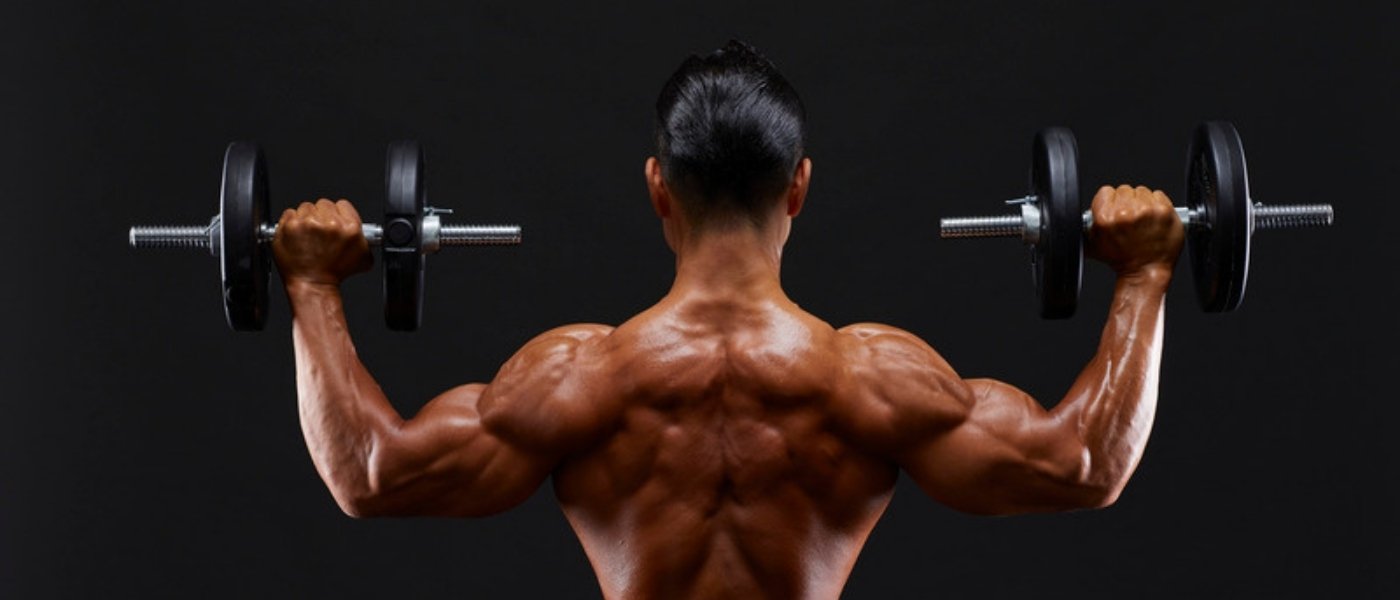
Man pressing dumbbells overhead, working the shoulders and triceps
Gradually bringing back pressing exercises, such as the dumbbell overhead press, helps rebuild the triceps tendon's tolerance to load.

For tennis elbow, the current clinical practice guideline recommends resisted strengthening of the involved muscles, whether isometric, concentric, or eccentric (Lucado et al., 2022). There are no trials of exercise for triceps tendinopathy specifically, but the same principle applies: the tendon needs gradually increasing load. In lower limb tendinopathy, heavy slow resistance training and eccentric (lowering) exercise produced similar improvements, and both did better than a corticosteroid injection in one knee tendon trial (Escriche-Escuder et al., 2020). Your program may include:

  • Cable or band triceps pushdowns, progressing from light to heavier loads
  • Overhead triceps extensions with a dumbbell or cable
  • Slow lowering (eccentric) work, for example lowering a weight over three to four seconds
  • Incline push-ups, progressing toward floor push-ups and close-grip pressing

Shoulder and shoulder blade strength

Pressing relies on the whole arm, and the tennis elbow guideline suggests adding shoulder and shoulder blade training when weakness is found there (Lucado et al., 2022).

Manual therapy

Elbow joint mobilization and soft tissue work can ease pain in the short term so you can stay consistent with exercise. It is recommended for short-term relief in tennis elbow (Lucado et al., 2022) but has not been tested in triceps tendinopathy, so we use it alongside exercise, not instead of it.

Phase 4: Return to Full Activity (Weeks 8 to 16+)

  • Phased return to pressing: rebuilding bench press, dips, and overhead pressing in steps, with load and volume increased gradually. A phased reintroduction of load is recommended for athletes and high-demand workers in elbow tendinopathy, based on expert opinion (Lucado et al., 2022)
  • Sport-specific work: throwing, tackling, fending, or pushing drills for athletes
  • Technique and program review: grip width, lockout range, and weekly volume

Beyond Physiotherapy: Complementary Care for Triceps Tendinopathy

Progressive loading and smart load management are the core of tendon care, and that is where the research is clearest. Some patients also benefit from other services at our clinic to ease pain and muscle tightness so they can stay consistent with rehab. We did not find any published studies of acupuncture, massage, or chiropractic care for triceps tendinopathy specifically, so the evidence below comes from other elbow and tendon problems and is labelled as indirect.

How Acupuncture and Dry Needling Can Help

Acupuncture and dry needling use fine needles to reduce pain and ease tight, tender muscles. Some dry needling techniques also target the tendon itself.

  • What the evidence shows: there is no research on needling for triceps tendinopathy. For tennis elbow, the clinical practice guideline recommends dry needling of the tendon or trigger points for pain and function (Lucado et al., 2022). A review of tendon needling across several tendons found early support for its benefit, but study methods varied a lot (Stoychev et al., 2020). A review of 10 acupuncture trials for tennis elbow found benefits compared with medication, but no clear difference from sham acupuncture, and the trials were of low quality (Zhou et al., 2020)
  • Where it fits: as a short-term option to settle pain and triceps muscle tension while you continue your strengthening program
  • Safety: tendon needling is described as minimally invasive and low risk (Stoychev et al., 2020). Minor bruising or soreness at needle sites is the most common side effect we see

How Massage Therapy Can Help

Registered massage therapy focuses on the soft tissues of the arm and shoulder.

  • What the evidence shows: there are no trials of massage for triceps tendinopathy. For tennis elbow, a Cochrane review found too little evidence to know whether deep friction massage helps pain or function (Loew et al., 2014). The tennis elbow guideline says soft tissue mobilization may be used for long-standing symptoms, but makes no recommendation on deep friction massage because the evidence conflicts (Lucado et al., 2022)
  • Where it fits: it may help with comfort and with triceps and shoulder tightness. We treat it as a supportive add-on, not a stand-alone treatment
  • Safety: very safe. Deep work directly over the tendon is avoided if a tear is suspected

How Chiropractic and Joint Manipulation Can Help

Chiropractic care for elbow pain can include joint mobilization and manipulation of the elbow, wrist, neck, and upper back.

  • What the evidence shows: we did not find peer-reviewed studies of chiropractic care for triceps tendinopathy. In tennis elbow, local elbow joint mobilization or manipulation is recommended for short-term pain relief, and neck, upper back, or wrist techniques may be added when those areas are stiff (Lucado et al., 2022). This suggests a possible role, but it has not been tested at the back of the elbow
  • Where it fits: for elbow, neck, or upper back stiffness, combined with strengthening
  • Safety: generally safe. It is not appropriate when a tendon tear, fracture, or infection is suspected

Whichever combination you and your clinician choose, these treatments share one purpose: settling symptoms so you can keep loading the tendon while the real fix, a stronger, more resilient triceps, takes hold.

When Is Surgery Considered?

Surgery is rarely needed for triceps tendinopathy without a tear. It mainly comes into the picture when the tendon has torn:

  • Complete tears are usually repaired surgically, ideally within about three weeks of the injury (Demirhan & Ersen, 2016; Shuttlewood et al., 2017).
  • Partial tears involving less than half the tendon are generally treated without surgery, often with a brace holding the elbow slightly bent for four to six weeks, then a gradual return of movement and strength (Demirhan & Ersen, 2016)
  • If pain or weakness from a partial tear continues beyond about six months of good conservative care, a surgical repair may be considered (Kheiran et al., 2021)

What about injections? Corticosteroid (cortisone) injections can reduce tendon pain in the short term, but a large review found that the benefit tends to reverse over the medium and long term compared with doing nothing (Coombes et al., 2010). Steroid injection near the triceps tendon is also listed as a risk factor for triceps tendon problems (Kheiran et al., 2021), so we generally do not recommend it as a first choice. Platelet-rich plasma (PRP) has been suggested for triceps problems, but the evidence is limited to a single case report (Shuttlewood et al., 2017).

How Long Will It Take?

There is very little published data on recovery time for triceps tendinopathy, and reviews note that symptoms can take a long time to fully settle (Kheiran et al., 2021). Tendon problems elsewhere in the elbow can also linger: in tennis elbow, more than half of people seen in general medical care still had some symptoms a year later, and recurrence is common (Lucado et al., 2022).

For partial tears, full pushing strength can take six to nine months to return (Demirhan & Ersen, 2016).

In our experience, many people with triceps tendinopathy notice less pain within a few weeks once their training is adjusted and loading starts, with strength and a full return to heavy pressing building over the following two to four months. Long-standing symptoms usually take longer.

Prevention and Long-Term Management

  • Build training gradually: avoid big jumps in pressing volume, weight, or new exercises such as dips
  • Keep strengthening: continue a few triceps and shoulder exercises once or twice a week after symptoms settle
  • Avoid anabolic steroids: they are linked to triceps tendon tears (Demirhan & Ersen, 2016)
  • Act early: if the back-of-elbow ache returns, cut back the aggravating exercises and restart your rehab program straight away

Frequently Asked Questions

Is triceps tendinopathy the same as a triceps tear?

No. Tendinopathy is an overloaded, painful tendon without a tear, and it is treated with exercise and load changes. A tear means part or all of the tendon has pulled away. Tears often follow a sudden "pop" and cause weakness, and complete tears usually need surgery. Because partial tears can be subtle, we check your strength carefully at your first visit (Shuttlewood et al., 2017).

Do I have to stop going to the gym?

Usually not. Most people can keep training with some changes, such as dropping dips and heavy lockouts for a while and reducing pressing volume. We will help you set up a plan that keeps you training without flaring the tendon.

Will a cortisone shot fix it?

A cortisone shot may ease pain for a short time, but for tendon problems the benefit tends to fade and can reverse over the following months (Coombes et al., 2010). Steroid injections are also a known risk factor for triceps tendon problems (Kheiran et al., 2021). Building tendon capacity with exercise is the better long-term approach.

Do I need an ultrasound or MRI?

Not always. Imaging is most useful if a tear is suspected, if there is clear weakness, or if you are not improving as expected. Ultrasound is often a good first scan for this tendon (Kheiran et al., 2021).

Is this the same as tennis elbow?

No. Tennis elbow affects the outer side of the elbow and golfer's elbow the inner side, while triceps tendinopathy causes pain at the back. The treatment principles are similar, which is why we draw on tennis elbow research where triceps research is missing.

Can acupuncture, massage, or chiropractic replace exercise for triceps tendinopathy?

No. Progressive loading and smart training changes are the foundation of tendon care. Needling, massage, and joint mobilization are best used as short-term supports to ease pain and tightness while you rebuild strength, and the evidence for them in this condition is indirect.

Our Specialized Approach at Vaughan Physiotherapy Clinic

Cause-focused assessment: we find out why your triceps tendon is overloaded, not just where it hurts

Careful tear screening: strength testing and imaging referral when needed, so a partial tear is not missed

Training-aware rehab: we modify your program so you can keep training while the tendon recovers

Progressive strengthening: a clear, step-by-step loading plan from isometrics back to heavy pressing

Integrated care: physiotherapy, massage therapy, acupuncture, and chiropractic under one roof when they add value

Safety first: screening for tears, infection, fractures, and nerve problems, with physician referral when needed

Take the First Step Toward Strong, Pain-Free Pressing

Back-of-elbow pain does not have to derail your training, your work, or your sport. Our team at Vaughan Physiotherapy Clinic helps patients from Thornhill, Vaughan, North York, Richmond Hill, and surrounding communities get back to lifting, pushing, and playing with evidence-based, hands-on care.

Book your assessment today:

Phone: 905-669-1221

Location: 398 Steeles Ave W #201, Thornhill, ON L4J 6X3

Online Booking: www.vaughanphysiotherapy.com

References

Coombes BK, Bisset L, Vicenzino B. Efficacy and safety of corticosteroid injections and other injections for management of tendinopathy: a systematic review of randomised controlled trials. The Lancet. 2010;376(9754):1751-1767. doi:10.1016/S0140-6736(10)61160-9

Demirhan M, Ersen A. Distal triceps ruptures. EFORT Open Reviews. 2016;1(6):255-259. doi:10.1302/2058-5241.1.000038

Escriche-Escuder A, Casaña J, Cuesta-Vargas AI. Load progression criteria in exercise programmes in lower limb tendinopathy: a systematic review. BMJ Open. 2020;10(11):e041433. doi:10.1136/bmjopen-2020-041433

Kheiran A, Pandey A, Pandey R. Common tendinopathies around the elbow; what does current evidence say? Journal of Clinical Orthopaedics and Trauma. 2021;19:216-223. doi:10.1016/j.jcot.2021.05.021

Loew LM, Brosseau L, Tugwell P, et al. Deep transverse friction massage for treating lateral elbow or lateral knee tendinitis. Cochrane Database of Systematic Reviews. 2014;(11):CD003528. doi:10.1002/14651858.CD003528.pub2

Lucado AM, Day JM, Vincent JI, MacDermid JC, Fedorczyk J, Grewal R, Martin RL. Lateral elbow pain and muscle function impairments: clinical practice guidelines. Journal of Orthopaedic & Sports Physical Therapy. 2022;52(12):CPG1-CPG111. doi:10.2519/jospt.2022.0302

Millar NL, Silbernagel KG, Thorborg K, et al. Tendinopathy. Nature Reviews Disease Primers. 2021;7:1. doi:10.1038/s41572-020-00234-1

Shuttlewood K, Beazley J, Smith CD. Distal triceps injuries (including snapping triceps): a systematic review of the literature. World Journal of Orthopedics. 2017;8(6):507-513. doi:10.5312/wjo.v8.i6.507

Stoychev V, Finestone AS, Kalichman L. Dry needling as a treatment modality for tendinopathy: a narrative review. Current Reviews in Musculoskeletal Medicine. 2020;13(1):133-140. doi:10.1007/s12178-020-09608-0

Zhou Y, Guo Y, Zhou R, Wu P, Liang F, Yang Z. Effectiveness of acupuncture for lateral epicondylitis: a systematic review and meta-analysis of randomized controlled trials. Pain Research and Management. 2020;2020:8506591. doi:10.1155/2020/8506591

Disclaimer: This article is for educational purposes only and does not replace professional medical advice. Pain at the back of the elbow can have several causes, including partial or complete triceps tears, bursitis, infection, fractures, and nerve problems, some of which need urgent care. Always consult a qualified healthcare provider for diagnosis and treatment specific to your condition.

Team

Condition guide

Triceps Tendinopathy

Triceps tendinopathy is an overload problem of the tendon at the back of the elbow, causing pain with pushing, pressing and straightening the arm.

Physiotherapist supporting a patient's elbow during an arm assessmentTriceps Tendinopathy

Does the back of your elbow ache when you bench press, do push-ups, or straighten your arm against resistance? Is the bony point of your elbow sore to touch, or stiff and painful the morning after a heavy upper body session? If so, you may be dealing with triceps tendinopathy, an overload problem of the tendon that attaches the triceps muscle to the elbow.

At Vaughan Physiotherapy Clinic, we assess and treat back-of-elbow pain in lifters, rugby and contact sport athletes, throwers, trades workers, and anyone whose job or training involves a lot of pushing. Our goal is not just to calm the pain for a few weeks, but to work out why the tendon is overloaded and rebuild its capacity, so you can get back to training and working with confidence.

Here is what triceps tendinopathy is, how to recognize it, what it can be confused with, and what the research says about treating it.

What Is Triceps Tendinopathy?

Tendinopathy is the general term for a painful tendon that has lost some of its ability to handle load. It is marked by pain, reduced function, and lower tolerance for exercise, and inside the tendon the collagen fibres become disorganized and the tissue changes in other ways (Millar et al., 2021). The older term "tendinitis" suggested this was mainly an inflammation problem, but we now know the picture is more complex.

Triceps tendinopathy affects the tendon where the triceps attaches to the olecranon, the bony tip of the elbow. Compared with tennis elbow or golfer's elbow, it is uncommon, and nobody knows exactly how often it happens. When it does occur, it is seen most often in adults aged about 30 to 50, slightly more often in men (Kheiran et al., 2021).

The Spectrum of Triceps Tendon Problems

Triceps tendon problems sit on a spectrum (Kheiran et al., 2021):

  • Tendinopathy: a painful, overloaded tendon without a tear. This is the most common reason people with gradual back-of-elbow pain from training or work come to see us
  • Partial tear: part of the tendon has torn away, often the deeper layer. Movement may look normal, but pushing strength is often reduced, which makes these easy to miss (Shuttlewood et al., 2017)
  • Complete tear (rupture): the tendon pulls away from the bone, usually after a sudden heavy load or a fall onto an outstretched hand. This is rare and usually needs a surgeon's opinion quickly (Demirhan & Ersen, 2016)

These can overlap. In one review, up to a third of people who went on to tear their triceps tendon had already had back-of-elbow pain beforehand (Shuttlewood et al., 2017). That is one reason we take persistent triceps pain seriously rather than just training through it.

Understanding the Anatomy

  • Triceps muscle: the large muscle at the back of the upper arm, with three heads. The long head starts on the shoulder blade, and the medial and lateral heads start on the upper arm bone (Demirhan & Ersen, 2016)
  • Triceps tendon: the three heads join into one of the strongest tendons in the body, which attaches to the olecranon (Demirhan & Ersen, 2016)
  • Olecranon: the bony point of your elbow, and the lever the triceps pulls on to straighten your arm
  • Olecranon bursa: a small fluid-filled sac sitting just over the tip of the elbow, which can become irritated and swollen on its own

Because the tendon pulls hardest when you straighten the elbow against load, exercises such as dips, close-grip bench press, overhead triceps extensions, and push-ups place it under high stress.

Recognizing the Symptoms

Triceps tendinopathy usually comes on gradually rather than from one clear injury. Common symptoms include:

  • Pain at the back of the elbow, right at or just above the bony tip
  • Pain with activity, especially pushing, pressing, or straightening the arm against resistance (Kheiran et al., 2021)
  • Tenderness when you press on the tendon where it attaches to the bone
  • Stiffness or aching after training, often worst the next morning
  • Pain when leaning on the elbow, for example at a desk or on an armrest
  • Strength that usually feels normal, even though the movement hurts (Kheiran et al., 2021)

What Makes It Worse?

  • Heavy pushing and lockouts: bench press, dips, overhead pressing, skull crushers, and push-ups, especially after a jump in volume or weight
  • Repetitive work: hammering, throwing, and repeated forceful straightening of the elbow
  • Weightlifting and anabolic steroid use: both are linked to triceps tendon problems and tears (Kheiran et al., 2021; Demirhan & Ersen, 2016)
  • Previous steroid injections into the area (Kheiran et al., 2021)
  • Olecranon bursitis, particularly when it keeps coming back (Kheiran et al., 2021)
  • Other health conditions that affect tendon quality, including kidney failure needing dialysis, overactive parathyroid glands, rheumatoid arthritis, lupus, and diabetes (Demirhan & Ersen, 2016)

What Else Could It Be?

Several problems cause pain around the back of the elbow and need different care. Part of our assessment is ruling these in or out:

  • Partial or complete triceps tear: often follows a "pop" with bruising and swelling, and pushing strength drops. Complete loss of the ability to straighten the arm happens in only about 1 in 5 complete tears, so a tear can still be present even if you can straighten your elbow (Demirhan & Ersen, 2016)
  • Olecranon bursitis: a soft, sometimes squishy swelling over the tip of the elbow. It can be irritated, or in some cases infected
  • Posterior elbow impingement: pain at the end of straightening the arm, common in throwing athletes, caused by bone pinching at the back of the joint rather than a tendon problem
  • Olecranon stress fracture or avulsion: a small piece of bone can pull off with the tendon, sometimes seen on X-ray as a small fleck of bone (Kheiran et al., 2021)
  • Ulnar nerve irritation or "snapping triceps": a clicking or snapping on the inner side of the elbow, sometimes with tingling into the ring and little fingers. A snapping triceps can be mistaken for the ulnar nerve slipping out of place (Shuttlewood et al., 2017)
  • Tennis elbow or golfer's elbow: these are far more common, but cause pain on the outer or inner side of the elbow rather than the back (Shuttlewood et al., 2017)
  • Elbow arthritis or pain referred from the neck

When to See a Doctor First

See your physician promptly, or go to urgent care, if you have:

  • A sudden "pop" at the back of the elbow followed by bruising, swelling, a dent above the bony tip, or clear weakness pushing. Acute triceps tears are best repaired within about three weeks, so early diagnosis matters (Demirhan & Ersen, 2016)
  • A hot, red, swollen elbow, especially with fever or feeling unwell, which may be an infected bursa or joint
  • Severe pain, deformity, or inability to move the elbow after a fall or direct blow, which could be a fracture
  • Back-of-elbow pain if you have kidney disease, take anabolic steroids, or have an inflammatory condition, since these raise the risk of tendon tears (Demirhan & Ersen, 2016)
  • Numbness, tingling, or weakness in the hand that is spreading or getting worse
  • Pain at night, unexplained weight loss, or swelling in several joints

Our physiotherapists screen for these signs at your first visit and will coordinate with your physician if imaging or a referral is needed.

Related reading: Pain around the elbow can also come from olecranon bursitis, tennis elbow or golfer's elbow.

Why Physiotherapy Is Essential

Triceps tendinopathy is a load problem: the tendon is being asked to handle more pushing and pressing than it is ready for. Rest and pain medication can settle things for a while, but the pain often returns once you go back to the same training or work.

The first-line care for triceps tendon pain is conservative: rest from the aggravating activity, activity changes, anti-inflammatory medication if your doctor agrees, and physiotherapy (Kheiran et al., 2021). Across tendon problems in general, exercise and loading programs are the main tool (Millar et al., 2021). Research on the triceps tendon itself is very limited, mostly small case series and case reports (Kheiran et al., 2021; Shuttlewood et al., 2017), so much of what we do is borrowed from better studied elbow and lower limb tendinopathies.

Physiotherapy addresses the main drivers:

  • How much load the tendon is getting: adjusting your training or work so the tendon can settle without you stopping everything
  • How much load the tendon can handle: a progressive strengthening program to rebuild tendon and muscle capacity
  • How the rest of the chain works: shoulder, shoulder blade, and wrist strength and mobility, which affect how force reaches the elbow
  • Ruling out a tear: partial tears are easy to miss (Shuttlewood et al., 2017)

Your Treatment Plan at Vaughan Physiotherapy Clinic

Phase 1: Assessment and Settling Pain (Weeks 1 to 2)

Your first visit focuses on confirming the diagnosis and finding the cause. A full assessment includes:

  • History: when the pain started, any "pop" or single injury, your training program, your job, previous injections, medications, and other health conditions
  • Hands-on examination: pressing along the tendon and its attachment to the olecranon, and checking the bursa over the elbow tip
  • Strength testing: resisted elbow straightening usually reproduces pain in tendinopathy, while strength is often still normal (Kheiran et al., 2021). A clear drop in strength makes us more suspicious of a partial tear
  • Tear screening: looking for a gap above the elbow tip and using a squeeze test of the triceps muscle, which can suggest a complete tear but may miss some (Demirhan & Ersen, 2016)
  • Neck, shoulder, and nerve screen: to rule out pain from elsewhere

If we suspect a tear, we will refer you for imaging. X-rays can show a small fleck of bone pulled off with the tendon, and because the tendon sits close to the skin, ultrasound is a useful first scan (Kheiran et al., 2021). Ultrasound appears to be about as accurate as MRI for picking up triceps tears (Shuttlewood et al., 2017), and MRI is the standard test for telling a partial tear from a complete one (Demirhan & Ersen, 2016).

Early pain relief usually includes:

  • Load modification: temporarily cutting back or swapping out the exercises that provoke pain, such as dips, skull crushers, and heavy lockouts, while keeping the rest of your training going
  • Avoiding leaning on the elbow and direct pressure on the elbow tip
  • Ice and taping for short-term comfort. Taping helps short-term pain in tennis elbow (Lucado et al., 2022) but has not been studied at the triceps
  • Medication advice: anti-inflammatories can be part of early care (Kheiran et al., 2021), but check with your doctor or pharmacist first

Phase 2: Early Loading

Complete rest is rarely the answer for a tendon. The aim of this phase is to start loading the triceps again at a level it can handle.

Isometric holds are often a good starting point. You push against a fixed resistance without the elbow moving, for example pressing your forearm into a table or holding a light cable pushdown halfway. The research on whether isometrics relieve tendon pain better than other exercise is mixed: in knee tendinopathy, one trial found isometric holds eased pain more than moving exercise at four weeks, while another trial did not find a difference (Escriche-Escuder et al., 2020). We use them because they are easy to dose and usually well tolerated.

We generally allow some mild discomfort during exercise, as long as it settles by the next day and does not build week to week. Most tendon exercise trials have used pain to guide progression in this way, although the best approach has not been firmly proven (Escriche-Escuder et al., 2020).

Phase 3: Rebuilding Strength (Weeks 2 to 12)

Progressive triceps strengthening

Man pressing dumbbells overhead, working the shoulders and triceps
Gradually bringing back pressing exercises, such as the dumbbell overhead press, helps rebuild the triceps tendon's tolerance to load.

For tennis elbow, the current clinical practice guideline recommends resisted strengthening of the involved muscles, whether isometric, concentric, or eccentric (Lucado et al., 2022). There are no trials of exercise for triceps tendinopathy specifically, but the same principle applies: the tendon needs gradually increasing load. In lower limb tendinopathy, heavy slow resistance training and eccentric (lowering) exercise produced similar improvements, and both did better than a corticosteroid injection in one knee tendon trial (Escriche-Escuder et al., 2020). Your program may include:

  • Cable or band triceps pushdowns, progressing from light to heavier loads
  • Overhead triceps extensions with a dumbbell or cable
  • Slow lowering (eccentric) work, for example lowering a weight over three to four seconds
  • Incline push-ups, progressing toward floor push-ups and close-grip pressing

Shoulder and shoulder blade strength

Pressing relies on the whole arm, and the tennis elbow guideline suggests adding shoulder and shoulder blade training when weakness is found there (Lucado et al., 2022).

Manual therapy

Elbow joint mobilization and soft tissue work can ease pain in the short term so you can stay consistent with exercise. It is recommended for short-term relief in tennis elbow (Lucado et al., 2022) but has not been tested in triceps tendinopathy, so we use it alongside exercise, not instead of it.

Phase 4: Return to Full Activity (Weeks 8 to 16+)

  • Phased return to pressing: rebuilding bench press, dips, and overhead pressing in steps, with load and volume increased gradually. A phased reintroduction of load is recommended for athletes and high-demand workers in elbow tendinopathy, based on expert opinion (Lucado et al., 2022)
  • Sport-specific work: throwing, tackling, fending, or pushing drills for athletes
  • Technique and program review: grip width, lockout range, and weekly volume

Beyond Physiotherapy: Complementary Care for Triceps Tendinopathy

Progressive loading and smart load management are the core of tendon care, and that is where the research is clearest. Some patients also benefit from other services at our clinic to ease pain and muscle tightness so they can stay consistent with rehab. We did not find any published studies of acupuncture, massage, or chiropractic care for triceps tendinopathy specifically, so the evidence below comes from other elbow and tendon problems and is labelled as indirect.

How Acupuncture and Dry Needling Can Help

Acupuncture and dry needling use fine needles to reduce pain and ease tight, tender muscles. Some dry needling techniques also target the tendon itself.

  • What the evidence shows: there is no research on needling for triceps tendinopathy. For tennis elbow, the clinical practice guideline recommends dry needling of the tendon or trigger points for pain and function (Lucado et al., 2022). A review of tendon needling across several tendons found early support for its benefit, but study methods varied a lot (Stoychev et al., 2020). A review of 10 acupuncture trials for tennis elbow found benefits compared with medication, but no clear difference from sham acupuncture, and the trials were of low quality (Zhou et al., 2020)
  • Where it fits: as a short-term option to settle pain and triceps muscle tension while you continue your strengthening program
  • Safety: tendon needling is described as minimally invasive and low risk (Stoychev et al., 2020). Minor bruising or soreness at needle sites is the most common side effect we see

How Massage Therapy Can Help

Registered massage therapy focuses on the soft tissues of the arm and shoulder.

  • What the evidence shows: there are no trials of massage for triceps tendinopathy. For tennis elbow, a Cochrane review found too little evidence to know whether deep friction massage helps pain or function (Loew et al., 2014). The tennis elbow guideline says soft tissue mobilization may be used for long-standing symptoms, but makes no recommendation on deep friction massage because the evidence conflicts (Lucado et al., 2022)
  • Where it fits: it may help with comfort and with triceps and shoulder tightness. We treat it as a supportive add-on, not a stand-alone treatment
  • Safety: very safe. Deep work directly over the tendon is avoided if a tear is suspected

How Chiropractic and Joint Manipulation Can Help

Chiropractic care for elbow pain can include joint mobilization and manipulation of the elbow, wrist, neck, and upper back.

  • What the evidence shows: we did not find peer-reviewed studies of chiropractic care for triceps tendinopathy. In tennis elbow, local elbow joint mobilization or manipulation is recommended for short-term pain relief, and neck, upper back, or wrist techniques may be added when those areas are stiff (Lucado et al., 2022). This suggests a possible role, but it has not been tested at the back of the elbow
  • Where it fits: for elbow, neck, or upper back stiffness, combined with strengthening
  • Safety: generally safe. It is not appropriate when a tendon tear, fracture, or infection is suspected

Whichever combination you and your clinician choose, these treatments share one purpose: settling symptoms so you can keep loading the tendon while the real fix, a stronger, more resilient triceps, takes hold.

When Is Surgery Considered?

Surgery is rarely needed for triceps tendinopathy without a tear. It mainly comes into the picture when the tendon has torn:

  • Complete tears are usually repaired surgically, ideally within about three weeks of the injury (Demirhan & Ersen, 2016; Shuttlewood et al., 2017).
  • Partial tears involving less than half the tendon are generally treated without surgery, often with a brace holding the elbow slightly bent for four to six weeks, then a gradual return of movement and strength (Demirhan & Ersen, 2016)
  • If pain or weakness from a partial tear continues beyond about six months of good conservative care, a surgical repair may be considered (Kheiran et al., 2021)

What about injections? Corticosteroid (cortisone) injections can reduce tendon pain in the short term, but a large review found that the benefit tends to reverse over the medium and long term compared with doing nothing (Coombes et al., 2010). Steroid injection near the triceps tendon is also listed as a risk factor for triceps tendon problems (Kheiran et al., 2021), so we generally do not recommend it as a first choice. Platelet-rich plasma (PRP) has been suggested for triceps problems, but the evidence is limited to a single case report (Shuttlewood et al., 2017).

How Long Will It Take?

There is very little published data on recovery time for triceps tendinopathy, and reviews note that symptoms can take a long time to fully settle (Kheiran et al., 2021). Tendon problems elsewhere in the elbow can also linger: in tennis elbow, more than half of people seen in general medical care still had some symptoms a year later, and recurrence is common (Lucado et al., 2022).

For partial tears, full pushing strength can take six to nine months to return (Demirhan & Ersen, 2016).

In our experience, many people with triceps tendinopathy notice less pain within a few weeks once their training is adjusted and loading starts, with strength and a full return to heavy pressing building over the following two to four months. Long-standing symptoms usually take longer.

Prevention and Long-Term Management

  • Build training gradually: avoid big jumps in pressing volume, weight, or new exercises such as dips
  • Keep strengthening: continue a few triceps and shoulder exercises once or twice a week after symptoms settle
  • Avoid anabolic steroids: they are linked to triceps tendon tears (Demirhan & Ersen, 2016)
  • Act early: if the back-of-elbow ache returns, cut back the aggravating exercises and restart your rehab program straight away

Frequently Asked Questions

Is triceps tendinopathy the same as a triceps tear?

No. Tendinopathy is an overloaded, painful tendon without a tear, and it is treated with exercise and load changes. A tear means part or all of the tendon has pulled away. Tears often follow a sudden "pop" and cause weakness, and complete tears usually need surgery. Because partial tears can be subtle, we check your strength carefully at your first visit (Shuttlewood et al., 2017).

Do I have to stop going to the gym?

Usually not. Most people can keep training with some changes, such as dropping dips and heavy lockouts for a while and reducing pressing volume. We will help you set up a plan that keeps you training without flaring the tendon.

Will a cortisone shot fix it?

A cortisone shot may ease pain for a short time, but for tendon problems the benefit tends to fade and can reverse over the following months (Coombes et al., 2010). Steroid injections are also a known risk factor for triceps tendon problems (Kheiran et al., 2021). Building tendon capacity with exercise is the better long-term approach.

Do I need an ultrasound or MRI?

Not always. Imaging is most useful if a tear is suspected, if there is clear weakness, or if you are not improving as expected. Ultrasound is often a good first scan for this tendon (Kheiran et al., 2021).

Is this the same as tennis elbow?

No. Tennis elbow affects the outer side of the elbow and golfer's elbow the inner side, while triceps tendinopathy causes pain at the back. The treatment principles are similar, which is why we draw on tennis elbow research where triceps research is missing.

Can acupuncture, massage, or chiropractic replace exercise for triceps tendinopathy?

No. Progressive loading and smart training changes are the foundation of tendon care. Needling, massage, and joint mobilization are best used as short-term supports to ease pain and tightness while you rebuild strength, and the evidence for them in this condition is indirect.

Our Specialized Approach at Vaughan Physiotherapy Clinic

Cause-focused assessment: we find out why your triceps tendon is overloaded, not just where it hurts

Careful tear screening: strength testing and imaging referral when needed, so a partial tear is not missed

Training-aware rehab: we modify your program so you can keep training while the tendon recovers

Progressive strengthening: a clear, step-by-step loading plan from isometrics back to heavy pressing

Integrated care: physiotherapy, massage therapy, acupuncture, and chiropractic under one roof when they add value

Safety first: screening for tears, infection, fractures, and nerve problems, with physician referral when needed

Take the First Step Toward Strong, Pain-Free Pressing

Back-of-elbow pain does not have to derail your training, your work, or your sport. Our team at Vaughan Physiotherapy Clinic helps patients from Thornhill, Vaughan, North York, Richmond Hill, and surrounding communities get back to lifting, pushing, and playing with evidence-based, hands-on care.

Book your assessment today:

Phone: 905-669-1221

Location: 398 Steeles Ave W #201, Thornhill, ON L4J 6X3

Online Booking: www.vaughanphysiotherapy.com

References

Coombes BK, Bisset L, Vicenzino B. Efficacy and safety of corticosteroid injections and other injections for management of tendinopathy: a systematic review of randomised controlled trials. The Lancet. 2010;376(9754):1751-1767. doi:10.1016/S0140-6736(10)61160-9

Demirhan M, Ersen A. Distal triceps ruptures. EFORT Open Reviews. 2016;1(6):255-259. doi:10.1302/2058-5241.1.000038

Escriche-Escuder A, Casaña J, Cuesta-Vargas AI. Load progression criteria in exercise programmes in lower limb tendinopathy: a systematic review. BMJ Open. 2020;10(11):e041433. doi:10.1136/bmjopen-2020-041433

Kheiran A, Pandey A, Pandey R. Common tendinopathies around the elbow; what does current evidence say? Journal of Clinical Orthopaedics and Trauma. 2021;19:216-223. doi:10.1016/j.jcot.2021.05.021

Loew LM, Brosseau L, Tugwell P, et al. Deep transverse friction massage for treating lateral elbow or lateral knee tendinitis. Cochrane Database of Systematic Reviews. 2014;(11):CD003528. doi:10.1002/14651858.CD003528.pub2

Lucado AM, Day JM, Vincent JI, MacDermid JC, Fedorczyk J, Grewal R, Martin RL. Lateral elbow pain and muscle function impairments: clinical practice guidelines. Journal of Orthopaedic & Sports Physical Therapy. 2022;52(12):CPG1-CPG111. doi:10.2519/jospt.2022.0302

Millar NL, Silbernagel KG, Thorborg K, et al. Tendinopathy. Nature Reviews Disease Primers. 2021;7:1. doi:10.1038/s41572-020-00234-1

Shuttlewood K, Beazley J, Smith CD. Distal triceps injuries (including snapping triceps): a systematic review of the literature. World Journal of Orthopedics. 2017;8(6):507-513. doi:10.5312/wjo.v8.i6.507

Stoychev V, Finestone AS, Kalichman L. Dry needling as a treatment modality for tendinopathy: a narrative review. Current Reviews in Musculoskeletal Medicine. 2020;13(1):133-140. doi:10.1007/s12178-020-09608-0

Zhou Y, Guo Y, Zhou R, Wu P, Liang F, Yang Z. Effectiveness of acupuncture for lateral epicondylitis: a systematic review and meta-analysis of randomized controlled trials. Pain Research and Management. 2020;2020:8506591. doi:10.1155/2020/8506591

Disclaimer: This article is for educational purposes only and does not replace professional medical advice. Pain at the back of the elbow can have several causes, including partial or complete triceps tears, bursitis, infection, fractures, and nerve problems, some of which need urgent care. Always consult a qualified healthcare provider for diagnosis and treatment specific to your condition.

How it works

Getting started.

  1. 01

    No referral needed

    You can book directly. Some benefit plans ask for a doctor's note, so check yours before your visit.

  2. 02

    Your first assessment, 45 minutes

    Your history, movement testing, a clear diagnosis and a plan you understand.

  3. 03

    Follow-up sessions

    Hands-on care and exercise, progressed each visit.

  4. 04

    Not the right fit? Second opinion on us

    If you're not satisfied with your initial assessment, a second assessment with another therapist is complimentary.

Not sure this is what you have?

One of our therapists can check what is going on and build a plan around what they find. Book online, or call us at 905-669-1221.