


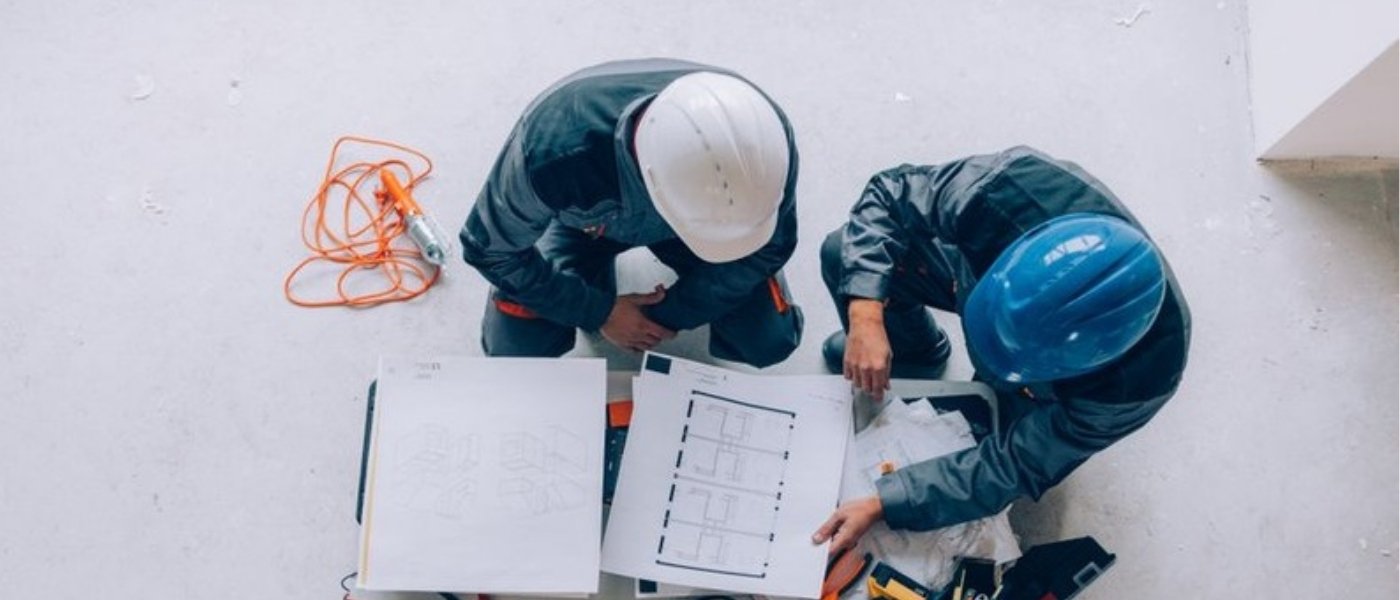
Two workers crouching on a job site floor, a common bending posture that loads the lower back discs

Lumbar Disc Herniation (with or without Sciatica)

A lumbar disc herniation is when soft disc material in the lower back pushes past the disc edge, causing back pain with or without leg pain.
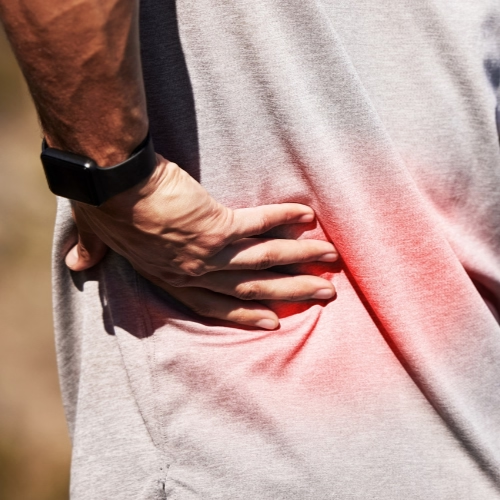
Has a scan told you that you have a herniated disc in your lower back? Maybe it was called a slipped disc, a bulging disc, or a disc protrusion, and now you are wondering whether you should stop bending, stop lifting, or start thinking about surgery. Some people with a disc herniation have back pain only. Others also have pain running down the leg. And plenty of people have a disc herniation on their MRI with no pain at all.

At Vaughan Physiotherapy Clinic, we help people with lumbar disc herniations get back to work, training, and everyday life. Our goal is not just to calm the pain, but to understand why the disc is being overloaded, how the rest of your body is sharing that load, and what you can do yourself to keep the problem from coming back.

Here is what a lumbar disc herniation is, what the different scan terms mean, how to tell it apart from other causes of back pain, and what the research says about getting better without surgery.

What Is a Lumbar Disc Herniation?

Between each pair of bones (vertebrae) in your lower back sits an intervertebral disc. Each disc has a tough, layered outer ring called the annulus fibrosus and a softer, gel-like centre called the nucleus pulposus. A lumbar disc herniation happens when some of that inner material pushes out past the normal edge of the disc, usually backward and slightly to one side.

People often call this a "slipped disc," but the disc does not actually slip out of place. It stays firmly attached to the bones above and below. What changes is the shape of the disc wall and where some of its contents sit.

This page is about the disc itself. If the herniated material irritates a nerve root, you may also get leg pain, which is called sciatica or lumbar radiculopathy. We cover leg-dominant nerve pain in more depth on our Sciatica and Lumbar Radiculopathy pages. If you have been told you have a tear in the outer ring without a herniation, see our Annular Disc Injury page. If the herniation is in your neck rather than your lower back, see our Cervical Disc Herniation page.

Bulge, Protrusion, Extrusion, Sequestration: What Your Scan Report Means

MRI reports use specific words to describe how far disc material has moved. From least to most displaced:

  • Bulge: the disc edge extends a little beyond the bone all the way around, a bit like a tire that is slightly low on air
  • Protrusion: a focal bump of disc material, with the base wider than the bump itself
  • Extrusion: disc material pushes further out, so the part that has escaped is wider than its "neck"
  • Sequestration: a piece of disc material has separated completely from the disc

It is natural to assume the bigger the herniation, the worse the outlook. The research actually suggests the opposite for natural healing. In a systematic review of conservatively treated disc herniations, the chance of the herniation shrinking on its own was about 96 percent for sequestrations, 70 percent for extrusions, 41 percent for protrusions, and 13 percent for bulges (Chiu et al., 2015). The body appears to clear the more exposed material more readily.

Scan Findings Are Common in People Without Pain

A scan finding is not the same as a diagnosis. A large review of MRI and CT studies in people with no back pain at all found disc protrusions in about 29 percent of 20 year olds, rising to about 43 percent of 80 year olds. Disc bulges were even more common, seen in 30 percent at age 20 and 84 percent at age 80 (Brinjikji et al., 2015). The authors concluded that many of these features are part of normal aging and need to be interpreted alongside your symptoms and examination. That is why we always match your scan to what we find when we assess you, not the other way around.

Recognizing the Symptoms

A lumbar disc herniation can show up in a few different ways:

  • Back-dominant pain: a deep, central or one-sided ache in the low back, sometimes with a feeling that the back is "stuck" or "locked"
  • Pain into the buttock or thigh without true nerve symptoms
  • Leg-dominant pain: sharp, burning, or electric pain travelling below the knee, sometimes with pins and needles or numbness. This means a nerve root is involved, and our sciatica and radiculopathy pages go into more detail
  • Morning stiffness and difficulty bending forward to put on socks or shoes
  • A shift to one side when standing, sometimes called a lateral shift or list
  • No symptoms at all, picked up on a scan done for another reason

What Makes It Worse?

  • Sustained or repeated bending, especially early in the day
  • Prolonged sitting, such as long drives or desk work without breaks
  • Lifting while bent and twisted
  • Coughing, sneezing, or straining, which briefly raise pressure inside the spine
  • Sudden jumps in load, such as a big weekend of yard work or a heavy training block
  • Stiffness or weakness elsewhere in the chain: stiff hips, a stiff mid back, or poor control of the hips and trunk can push more of the bending and twisting into one low-back segment

What Else Could It Be?

Back and leg pain have many sources. Part of our assessment is sorting out which one fits best:

  • Facet joint pain: pain that is often worse arching backward and twisting, rather than bending forward. See our Lumbar Facet Joint Syndrome page
  • Lumbar muscle strain or sprain: usually after a clear overload, with tenderness in the muscles beside the spine
  • Sacroiliac joint pain: pain low in the buttock, close to the dimples of the low back
  • Lumbar spinal stenosis: more common over 60, with leg heaviness or aching on walking that eases when you sit or bend forward
  • Hip joint problems: groin or front-of-thigh pain, with stiffness when putting on shoes
  • Piriformis-related buttock pain and other causes of buttock pain without a nerve root problem
  • Non-spinal causes, such as kidney problems, which our physiotherapists screen for at your first visit

When to See a Doctor First

Go to the emergency department straight away if you have back pain or sciatica together with any of the following, which can be signs of cauda equina syndrome:

  • Numbness in the saddle area (between the legs, around the genitals or back passage)
  • New difficulty passing urine, loss of bladder or bowel control, or not feeling when your bladder is full
  • New sexual dysfunction along with back pain
  • Weakness in both legs, or leg weakness that is getting worse quickly, such as a new foot drop

See your physician promptly if you have back pain with fever or feeling unwell, a history of cancer, unexplained weight loss, pain that is constant and worse at night regardless of position, or back pain after a significant fall or accident.

Our physiotherapists screen for these signs at your first visit, check the strength, sensation, and reflexes in both legs, and will coordinate with your physician if imaging or a specialist referral is needed.

Start Your Journey to 

‍Better Health Today

Recover faster, move better, and feel stronger with expert physiotherapy. Our team is here to guide you every step of the way.

Why Physiotherapy Is Essential

For most people, a lumbar disc herniation is not a permanent structural failure. It is a sensitive area that is being asked to handle more load than it can currently tolerate, often while the body is already working to shrink the herniation. Research supports that natural course: in conservatively treated patients, herniated disc material shrinks on its own in a large share of cases, and in some it disappears completely, with complete resolution reported in about 43 percent of sequestrations and 15 percent of extrusions (Chiu et al., 2015).

That does not mean you should simply wait. Pain can change how you move for months, and those habits can outlast the herniation. A systematic review of conservative care for disc herniation with nerve pain found moderate evidence that stabilization exercise is better than no treatment, and moderate evidence that spinal manipulation is better than a sham (Hahne et al., 2010). The same review found no single passive treatment that clearly stood out, which fits our view that symptom relief is a means to an end, not the end itself.

Physiotherapy focuses on the things that drive load onto the injured disc and the things you can control:

  • How load moves through your whole body: how your hips, knees, feet, and mid back share the work of bending, lifting, and twisting, so one low-back segment is not doing it all
  • How your trunk and hips switch on: the timing and sequencing of the deep trunk, gluteal, and hip muscles during everyday movement
  • How much you can tolerate today: a graded plan to keep you moving and working while the disc settles
  • How you manage flare-ups yourself: positions, movements, and strategies you can use at home without needing an appointment

Your Treatment Plan at Vaughan Physiotherapy Clinic

Phase 1: Assessment and Settling Symptoms (Weeks 1 to 2)

Your first visit is about finding out what is really going on. A full assessment includes:

  • History: how the pain started, what eases and aggravates it, your work and training demands, and any red flags
  • Neurological screen: strength, sensation, and reflexes in both legs, plus nerve tension tests such as the straight leg raise, to check whether a nerve root is involved
  • Movement testing: how bending forward, arching back, side bending, and repeated movements change your symptoms. Many people with disc-related pain find that certain directions ease their pain and others aggravate it, which helps guide early exercise
  • Load chain assessment: hip mobility and strength, knee and ankle movement, foot control, and mid-back mobility, to see how the rest of the body is contributing to low-back load
  • Scan review: if you already have an MRI, we explain what the report means in plain language and how it fits with your examination (Brinjikji et al., 2015)

Early symptom relief may include:

  • Education and reassurance: understanding that disc herniations often settle, and that gentle movement is safe
  • Directional exercises and position changes that ease your pain, done little and often through the day
  • Activity modification: adjusting sitting time, lifting, and training rather than stopping everything
  • Manual therapy: gentle joint mobilization and soft tissue techniques to reduce muscle guarding and restore movement so you can do your exercises well
  • Occasional short-term helpers: heat, or electrical modalities such as TENS, used only to settle a very irritable back enough to start moving, not as the main treatment

Phase 2: Restoring Movement and Control (Weeks 2 to 6)

As symptoms settle, the focus moves to restoring how you move and how your muscles share the load.

Motor control and sequencing

Cheer team base lifting a flyer overhead, a high-load task for the lower back
Lifting and stunting put big loads through the low back, so trunk and hip control is rebuilt before heavy loading returns.

Stabilization exercise is one of the better-supported conservative treatments for disc herniation with nerve pain (Hahne et al., 2010). In practice, this means learning to switch on the deep trunk muscles and the hip muscles in the right order, then holding that control while you breathe, move your limbs, and change position. Examples include:

  • Abdominal bracing and breathing drills lying down
  • Bird dog (opposite arm and leg reach on hands and knees)
  • Glute bridges, progressing to single-leg bridges
  • Side planks from the knees, progressing to full side planks
  • Hip hinge practice with a dowel to learn to bend through the hips instead of the low back

Mobility above and below

Stiff hips and a stiff mid back can force the low back to bend and twist more than it should. Your program may include hip flexor and hamstring mobility, mid-back rotation drills, and ankle mobility if your squat is limited. These are chosen from what we find on assessment, not from a generic sheet.

Manual therapy with a purpose

Joint mobilization or manipulation may be used to restore movement in stiff segments of the spine, hips, or mid back, and to reduce the protective muscle inhibition that pain causes, so the exercises can do their job. It is always paired with active work, not used on its own.

Phase 3: Rebuilding Strength and Capacity (Weeks 6 to 12)

Once you have good control, we build capacity so your back can handle real life again. Exercise therapy improves pain in people with longer-lasting low back pain compared with no treatment or usual care, with smaller gains in function (Hayden et al., 2021). That review was not limited to disc herniation, so we treat it as supportive rather than direct evidence. Your plan may include:

  • Loaded hip hinges: Romanian deadlifts and kettlebell deadlifts, progressing weight gradually
  • Squats and split squats to share load through the hips and knees
  • Carries: suitcase and farmer carries to build trunk control under load
  • Rotational control: cable or band anti-rotation presses, then controlled rotation for golf, racquet sports, or hockey
  • Aerobic conditioning: walking, cycling, or swimming to support general health and disc nutrition through regular movement

Phase 4: Return to Full Activity and Self-Management (Weeks 8 to 16+)

  • Sport-specific or work-specific training: lifting technique for manual jobs, running progressions, or return-to-sport drills
  • A home program you can keep doing two or three times a week once you are discharged
  • A flare-up plan: what to do in the first 48 hours if your back stiffens up again, so you do not need to start from scratch
  • Workstation and driving advice for people who sit a lot

Beyond Physiotherapy: Complementary Care for Lumbar Disc Herniation

Exercise, education, and graded activity are the foundation. Some patients also benefit from other services at our clinic to settle pain and muscle tension so they can stay consistent with rehab. Here is an honest summary of what the research does and does not show for each.

How Acupuncture and Dry Needling Can Help

Acupuncture and dry needling use fine needles to reduce pain and ease tight, tender muscles in the back, buttock, and leg.

  • What the evidence shows: a 2023 review of 30 trials (2,662 people) with sciatica found acupuncture was associated with greater overall improvement and less pain than medication. However, almost all trials were done in China, most could not blind participants, and the certainty for pain relief was rated very low (Zhang et al., 2023). We found no trials of dry needling specifically for lumbar disc herniation
  • Where it fits: as a short-term option to reduce pain and muscle guarding so you can move and exercise more comfortably
  • Safety: generally very safe when done by a trained practitioner. Minor bruising or soreness at needle sites is the most common side effect

How Massage Therapy Can Help

Registered massage therapy focuses on the muscles of the low back, hips, and buttocks, which often tighten up to protect a sore disc.

  • What the evidence shows: we did not find trials of massage specifically for disc herniation. The closest evidence is a Cochrane review of 25 trials in non-specific low back pain, which found short-term improvements in pain and function compared with no active treatment, but the benefits did not last and the quality of evidence was low to very low (Furlan et al., 2015)
  • Where it fits: as a comfort and relaxation tool that can make it easier to move and stay on track with exercise
  • Safety: no serious side effects were reported in the Cochrane review, although a temporary increase in soreness afterward is common in some people (Furlan et al., 2015)

How Chiropractic and Joint Manipulation Can Help

Chiropractic care and spinal manipulation use quick, controlled movements or slower mobilizations of the spinal joints.

  • What the evidence shows: in a well-designed trial of 102 adults with acute back pain or sciatica and an MRI-confirmed disc protrusion, active manipulation produced more pain-free patients than simulated manipulation, for both back pain and leg pain, with no adverse events reported (Santilli et al., 2006). In a small trial of 40 people with sciatica who had not improved after at least 3 months of non-surgical care, about 60 percent did as well with manipulation as they would have with surgery, and those who did not improve went on to do well after surgery (McMorland et al., 2010)
  • Where it fits: for people whose pain is easing with movement and who have stiff spinal segments, combined with exercise
  • Safety: manipulation is not appropriate if you have progressive neurological weakness, cauda equina symptoms, or certain bone conditions. We screen for these first

Whichever combination you choose, these treatments share one purpose: settling symptoms so you can keep moving while the real fix, better load sharing and a stronger, better controlled body, takes hold.

When Is Surgery Considered?

Surgery is usually considered when there are serious or progressive neurological signs, such as cauda equina syndrome or worsening weakness, or when severe leg pain has not improved with a good trial of conservative care.

The largest trials help put this choice in perspective. In a Dutch trial of 283 people with severe sciatica lasting 6 to 12 weeks, early surgery gave faster leg pain relief, but at one year, disability was similar and 95 percent of people in both groups reported recovery. Of those assigned to prolonged conservative care, 39 percent eventually had surgery (Peul et al., 2007). A systematic review similarly found that surgery helped more in the short term but there was no long-term difference compared with advice and conservative care (Hahne et al., 2010).

In other words, surgery can be a reasonable choice for faster relief of severe leg pain, but for most people it is not required to get better. If you do have surgery, our Post-Surgical Rehabilitation After Lumbar Discectomy program follows your surgeon's protocol.

How Long Will It Take?

Every disc herniation is different, but the general picture is encouraging. In the Peul trial, perceived recovery at one year was 95 percent whether or not people had early surgery (Peul et al., 2007). Herniated material often shrinks over the following months, and larger extrusions and sequestrations are the most likely to shrink (Chiu et al., 2015).

Back pain that is mainly in the back often settles sooner than strong nerve pain in the leg. People who stay active, keep working where possible, and build strength steadily tend to do best. In our experience, many people notice clear improvement within the first several weeks, while rebuilding full capacity for heavy lifting or sport takes longer than the pain takes to settle, often a few months.

Prevention and Long-Term Management

  • Keep moving: regular walking and changing position often are good for your discs and your back muscles
  • Break up sitting: stand up and move every 30 to 45 minutes during desk work or long drives
  • Hinge from your hips: use your hips and legs when bending and lifting, and keep loads close to your body
  • Keep your hips and mid back mobile so your low back does not have to make up the difference
  • Strength train twice a week: trunk, glutes, and legs, with loads progressed gradually
  • Build training load gradually: avoid sudden jumps in lifting volume, running, or sport
  • Use your flare-up plan early: if your back stiffens, return to your easing movements and lighter activity straight away rather than resting completely

Frequently Asked Questions

Is a slipped disc the same as a herniated disc?

Yes, people use the terms to mean the same thing. The disc does not actually slip out of place. Some of the inner material pushes out past the normal edge of the disc. A bulging disc is a milder, more spread-out change, and is very common in people without pain.

Can a herniated disc in the lower back heal on its own?

Often, yes. In conservatively treated patients, herniated disc material shrinks in a large share of cases, and larger extrusions and sequestrations are actually the most likely to shrink (Chiu et al., 2015). Physiotherapy helps you stay active and rebuild strength while that happens.

Do I need an MRI?

Not always. Disc bulges and protrusions are common in people with no pain (Brinjikji et al., 2015), so a scan alone cannot tell us whether a disc is the cause of your symptoms. An MRI is usually recommended if there are red flags, progressive weakness, or if surgery or an injection is being considered.

Can I have a disc herniation without sciatica?

Yes. Some people have back pain only, some have back and buttock pain, and many have a herniation on a scan with no symptoms at all. Leg pain only happens when the disc material irritates a nerve root. If leg pain is your main problem, our sciatica and lumbar radiculopathy pages go into that in more detail.

Should I stop exercising or going to the gym?

Usually not. Most people do better staying active with a modified plan. We will help you choose which exercises to keep, which to adjust, and how to build back up. Complete bed rest is not recommended.

Is it safe to bend forward with a disc herniation?

For most people, gentle bending is safe, even if it is uncomfortable at first. Some people find bending aggravates their symptoms early on, and others find it eases them. Your assessment will show which movements to favour at first and how to gradually return to normal bending and lifting.

Can acupuncture, massage, or chiropractic replace exercise?

No. These treatments can help settle pain and muscle tension in the short term, and spinal manipulation has some trial support for disc protrusion (Santilli et al., 2006). But active rehab, including movement control, strength, and graded return to activity, is what builds lasting capacity and lowers the risk of the problem coming back.

Our Specialized Approach at Vaughan Physiotherapy Clinic

✓ Whole-chain assessment: we look at your hips, knees, feet, and mid back, not just the sore disc, to find what is overloading your low back

✓ Clear scan explanations: we translate your MRI report into plain language and match it to your examination

✓ Motor control first: retraining how your trunk and hip muscles switch on and work together before adding heavy load

✓ Progressive strengthening: a gym or home program that builds real capacity for work, sport, and life

✓ Integrated care: physiotherapy, massage therapy, acupuncture, and chiropractic under one roof when they add value

✓ Safety first: careful neurological screening, red-flag checks, and physician referral when imaging or a surgical opinion is needed

Take the First Step Toward a Stronger, Pain-Free Back

A herniated disc in your lower back does not have to mean surgery or giving up the things you love. Our team at Vaughan Physiotherapy Clinic helps patients from Thornhill, Vaughan, North York, Richmond Hill, and surrounding communities recover from lumbar disc herniations with evidence-based, hands-on care and a plan they can manage themselves.

Book your assessment today:

📞 Phone: 905-669-1221

📍 Location: 398 Steeles Ave W #201, Thornhill, ON L4J 6X3

🌐 Online Booking: www.vaughanphysiotherapy.com

References

Brinjikji W, Luetmer PH, Comstock B, et al. Systematic literature review of imaging features of spinal degeneration in asymptomatic populations. American Journal of Neuroradiology. 2015;36(4):811-816. doi:10.3174/ajnr.A4173

Chiu CC, Chuang TY, Chang KH, Wu CH, Lin PW, Hsu WY. The probability of spontaneous regression of lumbar herniated disc: a systematic review. Clinical Rehabilitation. 2015;29(2):184-195. doi:10.1177/0269215514540919

Furlan AD, Giraldo M, Baskwill A, Irvin E, Imamura M. Massage for low-back pain. Cochrane Database of Systematic Reviews. 2015;(9):CD001929. doi:10.1002/14651858.CD001929.pub3

Hahne AJ, Ford JJ, McMeeken JM. Conservative management of lumbar disc herniation with associated radiculopathy: a systematic review. Spine. 2010;35(11):E488-E504. doi:10.1097/BRS.0b013e3181cc3f56

Hayden JA, Ellis J, Ogilvie R, Malmivaara A, van Tulder MW. Exercise therapy for chronic low back pain. Cochrane Database of Systematic Reviews. 2021;(9):CD009790. doi:10.1002/14651858.CD009790.pub2

McMorland G, Suter E, Casha S, du Plessis SJ, Hurlbert RJ. Manipulation or microdiskectomy for sciatica? A prospective randomized clinical study. Journal of Manipulative and Physiological Therapeutics. 2010;33(8):576-584. doi:10.1016/j.jmpt.2010.08.013

Peul WC, van Houwelingen HC, van den Hout WB, et al. Surgery versus prolonged conservative treatment for sciatica. New England Journal of Medicine. 2007;356(22):2245-2256. doi:10.1056/NEJMoa064039

Santilli V, Beghi E, Finucci S. Chiropractic manipulation in the treatment of acute back pain and sciatica with disc protrusion: a randomized double-blind clinical trial of active and simulated spinal manipulations. The Spine Journal. 2006;6(2):131-137. doi:10.1016/j.spinee.2005.08.001

Zhang Z, Hu T, Huang P, et al. The efficacy and safety of acupuncture therapy for sciatica: a systematic review and meta-analysis of randomized controlled trials. Frontiers in Neuroscience. 2023;17:1097830. doi:10.3389/fnins.2023.1097830

Disclaimer: This article is for educational purposes only and does not replace professional medical advice. Back and leg pain can have many causes, and some, such as cauda equina syndrome, infection, fracture, or cancer, need urgent medical care. Always consult a qualified healthcare provider for diagnosis and treatment specific to your condition.

Team

Condition guide

Lumbar Disc Herniation (with or without Sciatica)

A lumbar disc herniation is when soft disc material in the lower back pushes past the disc edge, causing back pain with or without leg pain.

Two workers crouching on a job site floor, a common bending posture that loads the lower back discsLumbar Disc Herniation (with or without Sciatica)

Has a scan told you that you have a herniated disc in your lower back? Maybe it was called a slipped disc, a bulging disc, or a disc protrusion, and now you are wondering whether you should stop bending, stop lifting, or start thinking about surgery. Some people with a disc herniation have back pain only. Others also have pain running down the leg. And plenty of people have a disc herniation on their MRI with no pain at all.

At Vaughan Physiotherapy Clinic, we help people with lumbar disc herniations get back to work, training, and everyday life. Our goal is not just to calm the pain, but to understand why the disc is being overloaded, how the rest of your body is sharing that load, and what you can do yourself to keep the problem from coming back.

Here is what a lumbar disc herniation is, what the different scan terms mean, how to tell it apart from other causes of back pain, and what the research says about getting better without surgery.

What Is a Lumbar Disc Herniation?

Between each pair of bones (vertebrae) in your lower back sits an intervertebral disc. Each disc has a tough, layered outer ring called the annulus fibrosus and a softer, gel-like centre called the nucleus pulposus. A lumbar disc herniation happens when some of that inner material pushes out past the normal edge of the disc, usually backward and slightly to one side.

People often call this a "slipped disc," but the disc does not actually slip out of place. It stays firmly attached to the bones above and below. What changes is the shape of the disc wall and where some of its contents sit.

This page is about the disc itself. If the herniated material irritates a nerve root, you may also get leg pain, which is called sciatica or lumbar radiculopathy. We cover leg-dominant nerve pain in more depth on our Sciatica and Lumbar Radiculopathy pages. If you have been told you have a tear in the outer ring without a herniation, see our Annular Disc Injury page. If the herniation is in your neck rather than your lower back, see our Cervical Disc Herniation page.

Bulge, Protrusion, Extrusion, Sequestration: What Your Scan Report Means

MRI reports use specific words to describe how far disc material has moved. From least to most displaced:

  • Bulge: the disc edge extends a little beyond the bone all the way around, a bit like a tire that is slightly low on air
  • Protrusion: a focal bump of disc material, with the base wider than the bump itself
  • Extrusion: disc material pushes further out, so the part that has escaped is wider than its "neck"
  • Sequestration: a piece of disc material has separated completely from the disc

It is natural to assume the bigger the herniation, the worse the outlook. The research actually suggests the opposite for natural healing. In a systematic review of conservatively treated disc herniations, the chance of the herniation shrinking on its own was about 96 percent for sequestrations, 70 percent for extrusions, 41 percent for protrusions, and 13 percent for bulges (Chiu et al., 2015). The body appears to clear the more exposed material more readily.

Scan Findings Are Common in People Without Pain

A scan finding is not the same as a diagnosis. A large review of MRI and CT studies in people with no back pain at all found disc protrusions in about 29 percent of 20 year olds, rising to about 43 percent of 80 year olds. Disc bulges were even more common, seen in 30 percent at age 20 and 84 percent at age 80 (Brinjikji et al., 2015). The authors concluded that many of these features are part of normal aging and need to be interpreted alongside your symptoms and examination. That is why we always match your scan to what we find when we assess you, not the other way around.

Recognizing the Symptoms

A lumbar disc herniation can show up in a few different ways:

  • Back-dominant pain: a deep, central or one-sided ache in the low back, sometimes with a feeling that the back is "stuck" or "locked"
  • Pain into the buttock or thigh without true nerve symptoms
  • Leg-dominant pain: sharp, burning, or electric pain travelling below the knee, sometimes with pins and needles or numbness. This means a nerve root is involved, and our sciatica and radiculopathy pages go into more detail
  • Morning stiffness and difficulty bending forward to put on socks or shoes
  • A shift to one side when standing, sometimes called a lateral shift or list
  • No symptoms at all, picked up on a scan done for another reason

What Makes It Worse?

  • Sustained or repeated bending, especially early in the day
  • Prolonged sitting, such as long drives or desk work without breaks
  • Lifting while bent and twisted
  • Coughing, sneezing, or straining, which briefly raise pressure inside the spine
  • Sudden jumps in load, such as a big weekend of yard work or a heavy training block
  • Stiffness or weakness elsewhere in the chain: stiff hips, a stiff mid back, or poor control of the hips and trunk can push more of the bending and twisting into one low-back segment

What Else Could It Be?

Back and leg pain have many sources. Part of our assessment is sorting out which one fits best:

  • Facet joint pain: pain that is often worse arching backward and twisting, rather than bending forward. See our Lumbar Facet Joint Syndrome page
  • Lumbar muscle strain or sprain: usually after a clear overload, with tenderness in the muscles beside the spine
  • Sacroiliac joint pain: pain low in the buttock, close to the dimples of the low back
  • Lumbar spinal stenosis: more common over 60, with leg heaviness or aching on walking that eases when you sit or bend forward
  • Hip joint problems: groin or front-of-thigh pain, with stiffness when putting on shoes
  • Piriformis-related buttock pain and other causes of buttock pain without a nerve root problem
  • Non-spinal causes, such as kidney problems, which our physiotherapists screen for at your first visit

When to See a Doctor First

Go to the emergency department straight away if you have back pain or sciatica together with any of the following, which can be signs of cauda equina syndrome:

  • Numbness in the saddle area (between the legs, around the genitals or back passage)
  • New difficulty passing urine, loss of bladder or bowel control, or not feeling when your bladder is full
  • New sexual dysfunction along with back pain
  • Weakness in both legs, or leg weakness that is getting worse quickly, such as a new foot drop

See your physician promptly if you have back pain with fever or feeling unwell, a history of cancer, unexplained weight loss, pain that is constant and worse at night regardless of position, or back pain after a significant fall or accident.

Our physiotherapists screen for these signs at your first visit, check the strength, sensation, and reflexes in both legs, and will coordinate with your physician if imaging or a specialist referral is needed.

Why Physiotherapy Is Essential

For most people, a lumbar disc herniation is not a permanent structural failure. It is a sensitive area that is being asked to handle more load than it can currently tolerate, often while the body is already working to shrink the herniation. Research supports that natural course: in conservatively treated patients, herniated disc material shrinks on its own in a large share of cases, and in some it disappears completely, with complete resolution reported in about 43 percent of sequestrations and 15 percent of extrusions (Chiu et al., 2015).

That does not mean you should simply wait. Pain can change how you move for months, and those habits can outlast the herniation. A systematic review of conservative care for disc herniation with nerve pain found moderate evidence that stabilization exercise is better than no treatment, and moderate evidence that spinal manipulation is better than a sham (Hahne et al., 2010). The same review found no single passive treatment that clearly stood out, which fits our view that symptom relief is a means to an end, not the end itself.

Physiotherapy focuses on the things that drive load onto the injured disc and the things you can control:

  • How load moves through your whole body: how your hips, knees, feet, and mid back share the work of bending, lifting, and twisting, so one low-back segment is not doing it all
  • How your trunk and hips switch on: the timing and sequencing of the deep trunk, gluteal, and hip muscles during everyday movement
  • How much you can tolerate today: a graded plan to keep you moving and working while the disc settles
  • How you manage flare-ups yourself: positions, movements, and strategies you can use at home without needing an appointment

Your Treatment Plan at Vaughan Physiotherapy Clinic

Phase 1: Assessment and Settling Symptoms (Weeks 1 to 2)

Your first visit is about finding out what is really going on. A full assessment includes:

  • History: how the pain started, what eases and aggravates it, your work and training demands, and any red flags
  • Neurological screen: strength, sensation, and reflexes in both legs, plus nerve tension tests such as the straight leg raise, to check whether a nerve root is involved
  • Movement testing: how bending forward, arching back, side bending, and repeated movements change your symptoms. Many people with disc-related pain find that certain directions ease their pain and others aggravate it, which helps guide early exercise
  • Load chain assessment: hip mobility and strength, knee and ankle movement, foot control, and mid-back mobility, to see how the rest of the body is contributing to low-back load
  • Scan review: if you already have an MRI, we explain what the report means in plain language and how it fits with your examination (Brinjikji et al., 2015)

Early symptom relief may include:

  • Education and reassurance: understanding that disc herniations often settle, and that gentle movement is safe
  • Directional exercises and position changes that ease your pain, done little and often through the day
  • Activity modification: adjusting sitting time, lifting, and training rather than stopping everything
  • Manual therapy: gentle joint mobilization and soft tissue techniques to reduce muscle guarding and restore movement so you can do your exercises well
  • Occasional short-term helpers: heat, or electrical modalities such as TENS, used only to settle a very irritable back enough to start moving, not as the main treatment

Phase 2: Restoring Movement and Control (Weeks 2 to 6)

As symptoms settle, the focus moves to restoring how you move and how your muscles share the load.

Motor control and sequencing

Cheer team base lifting a flyer overhead, a high-load task for the lower back
Lifting and stunting put big loads through the low back, so trunk and hip control is rebuilt before heavy loading returns.

Stabilization exercise is one of the better-supported conservative treatments for disc herniation with nerve pain (Hahne et al., 2010). In practice, this means learning to switch on the deep trunk muscles and the hip muscles in the right order, then holding that control while you breathe, move your limbs, and change position. Examples include:

  • Abdominal bracing and breathing drills lying down
  • Bird dog (opposite arm and leg reach on hands and knees)
  • Glute bridges, progressing to single-leg bridges
  • Side planks from the knees, progressing to full side planks
  • Hip hinge practice with a dowel to learn to bend through the hips instead of the low back

Mobility above and below

Stiff hips and a stiff mid back can force the low back to bend and twist more than it should. Your program may include hip flexor and hamstring mobility, mid-back rotation drills, and ankle mobility if your squat is limited. These are chosen from what we find on assessment, not from a generic sheet.

Manual therapy with a purpose

Joint mobilization or manipulation may be used to restore movement in stiff segments of the spine, hips, or mid back, and to reduce the protective muscle inhibition that pain causes, so the exercises can do their job. It is always paired with active work, not used on its own.

Phase 3: Rebuilding Strength and Capacity (Weeks 6 to 12)

Once you have good control, we build capacity so your back can handle real life again. Exercise therapy improves pain in people with longer-lasting low back pain compared with no treatment or usual care, with smaller gains in function (Hayden et al., 2021). That review was not limited to disc herniation, so we treat it as supportive rather than direct evidence. Your plan may include:

  • Loaded hip hinges: Romanian deadlifts and kettlebell deadlifts, progressing weight gradually
  • Squats and split squats to share load through the hips and knees
  • Carries: suitcase and farmer carries to build trunk control under load
  • Rotational control: cable or band anti-rotation presses, then controlled rotation for golf, racquet sports, or hockey
  • Aerobic conditioning: walking, cycling, or swimming to support general health and disc nutrition through regular movement

Phase 4: Return to Full Activity and Self-Management (Weeks 8 to 16+)

  • Sport-specific or work-specific training: lifting technique for manual jobs, running progressions, or return-to-sport drills
  • A home program you can keep doing two or three times a week once you are discharged
  • A flare-up plan: what to do in the first 48 hours if your back stiffens up again, so you do not need to start from scratch
  • Workstation and driving advice for people who sit a lot

Beyond Physiotherapy: Complementary Care for Lumbar Disc Herniation

Exercise, education, and graded activity are the foundation. Some patients also benefit from other services at our clinic to settle pain and muscle tension so they can stay consistent with rehab. Here is an honest summary of what the research does and does not show for each.

How Acupuncture and Dry Needling Can Help

Acupuncture and dry needling use fine needles to reduce pain and ease tight, tender muscles in the back, buttock, and leg.

  • What the evidence shows: a 2023 review of 30 trials (2,662 people) with sciatica found acupuncture was associated with greater overall improvement and less pain than medication. However, almost all trials were done in China, most could not blind participants, and the certainty for pain relief was rated very low (Zhang et al., 2023). We found no trials of dry needling specifically for lumbar disc herniation
  • Where it fits: as a short-term option to reduce pain and muscle guarding so you can move and exercise more comfortably
  • Safety: generally very safe when done by a trained practitioner. Minor bruising or soreness at needle sites is the most common side effect

How Massage Therapy Can Help

Registered massage therapy focuses on the muscles of the low back, hips, and buttocks, which often tighten up to protect a sore disc.

  • What the evidence shows: we did not find trials of massage specifically for disc herniation. The closest evidence is a Cochrane review of 25 trials in non-specific low back pain, which found short-term improvements in pain and function compared with no active treatment, but the benefits did not last and the quality of evidence was low to very low (Furlan et al., 2015)
  • Where it fits: as a comfort and relaxation tool that can make it easier to move and stay on track with exercise
  • Safety: no serious side effects were reported in the Cochrane review, although a temporary increase in soreness afterward is common in some people (Furlan et al., 2015)

How Chiropractic and Joint Manipulation Can Help

Chiropractic care and spinal manipulation use quick, controlled movements or slower mobilizations of the spinal joints.

  • What the evidence shows: in a well-designed trial of 102 adults with acute back pain or sciatica and an MRI-confirmed disc protrusion, active manipulation produced more pain-free patients than simulated manipulation, for both back pain and leg pain, with no adverse events reported (Santilli et al., 2006). In a small trial of 40 people with sciatica who had not improved after at least 3 months of non-surgical care, about 60 percent did as well with manipulation as they would have with surgery, and those who did not improve went on to do well after surgery (McMorland et al., 2010)
  • Where it fits: for people whose pain is easing with movement and who have stiff spinal segments, combined with exercise
  • Safety: manipulation is not appropriate if you have progressive neurological weakness, cauda equina symptoms, or certain bone conditions. We screen for these first

Whichever combination you choose, these treatments share one purpose: settling symptoms so you can keep moving while the real fix, better load sharing and a stronger, better controlled body, takes hold.

When Is Surgery Considered?

Surgery is usually considered when there are serious or progressive neurological signs, such as cauda equina syndrome or worsening weakness, or when severe leg pain has not improved with a good trial of conservative care.

The largest trials help put this choice in perspective. In a Dutch trial of 283 people with severe sciatica lasting 6 to 12 weeks, early surgery gave faster leg pain relief, but at one year, disability was similar and 95 percent of people in both groups reported recovery. Of those assigned to prolonged conservative care, 39 percent eventually had surgery (Peul et al., 2007). A systematic review similarly found that surgery helped more in the short term but there was no long-term difference compared with advice and conservative care (Hahne et al., 2010).

In other words, surgery can be a reasonable choice for faster relief of severe leg pain, but for most people it is not required to get better. If you do have surgery, our Post-Surgical Rehabilitation After Lumbar Discectomy program follows your surgeon's protocol.

How Long Will It Take?

Every disc herniation is different, but the general picture is encouraging. In the Peul trial, perceived recovery at one year was 95 percent whether or not people had early surgery (Peul et al., 2007). Herniated material often shrinks over the following months, and larger extrusions and sequestrations are the most likely to shrink (Chiu et al., 2015).

Back pain that is mainly in the back often settles sooner than strong nerve pain in the leg. People who stay active, keep working where possible, and build strength steadily tend to do best. In our experience, many people notice clear improvement within the first several weeks, while rebuilding full capacity for heavy lifting or sport takes longer than the pain takes to settle, often a few months.

Prevention and Long-Term Management

  • Keep moving: regular walking and changing position often are good for your discs and your back muscles
  • Break up sitting: stand up and move every 30 to 45 minutes during desk work or long drives
  • Hinge from your hips: use your hips and legs when bending and lifting, and keep loads close to your body
  • Keep your hips and mid back mobile so your low back does not have to make up the difference
  • Strength train twice a week: trunk, glutes, and legs, with loads progressed gradually
  • Build training load gradually: avoid sudden jumps in lifting volume, running, or sport
  • Use your flare-up plan early: if your back stiffens, return to your easing movements and lighter activity straight away rather than resting completely

Frequently Asked Questions

Is a slipped disc the same as a herniated disc?

Yes, people use the terms to mean the same thing. The disc does not actually slip out of place. Some of the inner material pushes out past the normal edge of the disc. A bulging disc is a milder, more spread-out change, and is very common in people without pain.

Can a herniated disc in the lower back heal on its own?

Often, yes. In conservatively treated patients, herniated disc material shrinks in a large share of cases, and larger extrusions and sequestrations are actually the most likely to shrink (Chiu et al., 2015). Physiotherapy helps you stay active and rebuild strength while that happens.

Do I need an MRI?

Not always. Disc bulges and protrusions are common in people with no pain (Brinjikji et al., 2015), so a scan alone cannot tell us whether a disc is the cause of your symptoms. An MRI is usually recommended if there are red flags, progressive weakness, or if surgery or an injection is being considered.

Can I have a disc herniation without sciatica?

Yes. Some people have back pain only, some have back and buttock pain, and many have a herniation on a scan with no symptoms at all. Leg pain only happens when the disc material irritates a nerve root. If leg pain is your main problem, our sciatica and lumbar radiculopathy pages go into that in more detail.

Should I stop exercising or going to the gym?

Usually not. Most people do better staying active with a modified plan. We will help you choose which exercises to keep, which to adjust, and how to build back up. Complete bed rest is not recommended.

Is it safe to bend forward with a disc herniation?

For most people, gentle bending is safe, even if it is uncomfortable at first. Some people find bending aggravates their symptoms early on, and others find it eases them. Your assessment will show which movements to favour at first and how to gradually return to normal bending and lifting.

Can acupuncture, massage, or chiropractic replace exercise?

No. These treatments can help settle pain and muscle tension in the short term, and spinal manipulation has some trial support for disc protrusion (Santilli et al., 2006). But active rehab, including movement control, strength, and graded return to activity, is what builds lasting capacity and lowers the risk of the problem coming back.

Our Specialized Approach at Vaughan Physiotherapy Clinic

✓ Whole-chain assessment: we look at your hips, knees, feet, and mid back, not just the sore disc, to find what is overloading your low back

✓ Clear scan explanations: we translate your MRI report into plain language and match it to your examination

✓ Motor control first: retraining how your trunk and hip muscles switch on and work together before adding heavy load

✓ Progressive strengthening: a gym or home program that builds real capacity for work, sport, and life

✓ Integrated care: physiotherapy, massage therapy, acupuncture, and chiropractic under one roof when they add value

✓ Safety first: careful neurological screening, red-flag checks, and physician referral when imaging or a surgical opinion is needed

Take the First Step Toward a Stronger, Pain-Free Back

A herniated disc in your lower back does not have to mean surgery or giving up the things you love. Our team at Vaughan Physiotherapy Clinic helps patients from Thornhill, Vaughan, North York, Richmond Hill, and surrounding communities recover from lumbar disc herniations with evidence-based, hands-on care and a plan they can manage themselves.

Book your assessment today:

📞 Phone: 905-669-1221

📍 Location: 398 Steeles Ave W #201, Thornhill, ON L4J 6X3

🌐 Online Booking: www.vaughanphysiotherapy.com

References

Brinjikji W, Luetmer PH, Comstock B, et al. Systematic literature review of imaging features of spinal degeneration in asymptomatic populations. American Journal of Neuroradiology. 2015;36(4):811-816. doi:10.3174/ajnr.A4173

Chiu CC, Chuang TY, Chang KH, Wu CH, Lin PW, Hsu WY. The probability of spontaneous regression of lumbar herniated disc: a systematic review. Clinical Rehabilitation. 2015;29(2):184-195. doi:10.1177/0269215514540919

Furlan AD, Giraldo M, Baskwill A, Irvin E, Imamura M. Massage for low-back pain. Cochrane Database of Systematic Reviews. 2015;(9):CD001929. doi:10.1002/14651858.CD001929.pub3

Hahne AJ, Ford JJ, McMeeken JM. Conservative management of lumbar disc herniation with associated radiculopathy: a systematic review. Spine. 2010;35(11):E488-E504. doi:10.1097/BRS.0b013e3181cc3f56

Hayden JA, Ellis J, Ogilvie R, Malmivaara A, van Tulder MW. Exercise therapy for chronic low back pain. Cochrane Database of Systematic Reviews. 2021;(9):CD009790. doi:10.1002/14651858.CD009790.pub2

McMorland G, Suter E, Casha S, du Plessis SJ, Hurlbert RJ. Manipulation or microdiskectomy for sciatica? A prospective randomized clinical study. Journal of Manipulative and Physiological Therapeutics. 2010;33(8):576-584. doi:10.1016/j.jmpt.2010.08.013

Peul WC, van Houwelingen HC, van den Hout WB, et al. Surgery versus prolonged conservative treatment for sciatica. New England Journal of Medicine. 2007;356(22):2245-2256. doi:10.1056/NEJMoa064039

Santilli V, Beghi E, Finucci S. Chiropractic manipulation in the treatment of acute back pain and sciatica with disc protrusion: a randomized double-blind clinical trial of active and simulated spinal manipulations. The Spine Journal. 2006;6(2):131-137. doi:10.1016/j.spinee.2005.08.001

Zhang Z, Hu T, Huang P, et al. The efficacy and safety of acupuncture therapy for sciatica: a systematic review and meta-analysis of randomized controlled trials. Frontiers in Neuroscience. 2023;17:1097830. doi:10.3389/fnins.2023.1097830

Disclaimer: This article is for educational purposes only and does not replace professional medical advice. Back and leg pain can have many causes, and some, such as cauda equina syndrome, infection, fracture, or cancer, need urgent medical care. Always consult a qualified healthcare provider for diagnosis and treatment specific to your condition.

How it works

Getting started.

  1. 01

    No referral needed

    You can book directly. Some benefit plans ask for a doctor's note, so check yours before your visit.

  2. 02

    Your first assessment, 45 minutes

    Your history, movement testing, a clear diagnosis and a plan you understand.

  3. 03

    Follow-up sessions

    Hands-on care and exercise, progressed each visit.

  4. 04

    Not the right fit? Second opinion on us

    If you're not satisfied with your initial assessment, a second assessment with another therapist is complimentary.

Who treats this

Clinicians who treat this.

Tap a profile for credentials and booking.

Not sure this is what you have?

One of our therapists can check what is going on and build a plan around what they find. Book online, or call us at 905-669-1221.