


Condition guide
Return to Sport Testing
Objective strength, hop, movement and confidence testing to help decide when you are ready to return to sport after an injury or surgery.

Your surgeon says the graft looks good, your ankle no longer hurts, or your hamstring feels fine when you jog. But are you actually ready to sprint, cut, jump, and tackle again? Feeling better and being ready for the demands of your sport are not always the same thing.
At Vaughan Physiotherapy Clinic, we offer return to sport testing for athletes coming back from injury or surgery, from weekend soccer players to competitive rugby, basketball, and volleyball athletes. We use objective strength, hop, and movement testing to show where you are strong, where gaps remain, and what to work on, so the decision to go back is based on more than the calendar.
Here is what return to sport testing is, who it is for, what it measures, and what the research says about how much it can and cannot tell you.
What Is Return to Sport Testing?
Return to sport testing is a set of measurements taken near the end of rehab to check whether your body, and your confidence, are ready for the demands of your sport. It is most often used after ACL reconstruction, but the same thinking applies to ankle sprains, hamstring strains, groin injuries, and other sports injuries.
An international consensus statement on return to sport recommends that the decision be based on clear criteria and shared between the athlete, clinicians, coaches, and others involved, rather than made by one person or based on time alone (Ardern et al., 2016). Testing gives everyone the same information to work from.
Return to Sport Is a Continuum
The same consensus describes return to sport as a series of stages rather than a single day (Ardern et al., 2016):
- Return to participation: you are doing rehab, modified training, or a lower level of sport, but you are not yet ready for full sport
- Return to sport: you are back in your sport, but not yet playing at the level you want
- Return to performance: you are back in your sport and performing at or above your pre-injury level
Testing helps decide when you are ready to move from one stage to the next.
What a Test Battery Usually Includes
No single test can tell you that you are ready. That is why clinicians use a group of tests, often called a test battery. Depending on the injury, it may include:
- Strength testing: for example, quadriceps and hamstring strength after a knee injury, or calf and ankle strength after an ankle sprain, compared side to side
- Hop and jump tests: single-leg hops for distance and time that check power, control, and confidence on the injured leg
- Movement quality: how you land, cut, and change direction, including reactive drills where you respond to a cue rather than knowing what is coming. The consensus recommends including these "open skill" tasks because sport rarely happens in a predictable way (Ardern et al., 2016)
- Questionnaires: how your knee or ankle feels in daily life and in sport
- Psychological readiness: tools such as the ACL-Return to Sport after Injury (ACL-RSI) scale, which measures confidence, emotions, and fear of reinjury (Ardern et al., 2016)
Who Needs It?
Return to sport testing is useful for anyone planning to go back to running, jumping, cutting, or contact sport after an injury, especially if:
- You have had an ACL reconstruction or other knee surgery and your surgeon has cleared you to start thinking about sport
- You have had an ankle sprain, particularly a repeat one, and want to know if your ankle is ready for court or field sport
- You have had a hamstring strain and play a sprinting sport such as soccer, rugby, or track
- You have had a groin, calf, or Achilles injury and need a clear plan for building back up
- You feel nervous or unsure about going back, even though your injury feels fine
- Your coach, team, or school needs objective information about your progress
What Raises Reinjury Risk?
Research, mostly in ACL reconstruction, points to several factors linked with a higher chance of reinjury:
- Going back too early: in the Delaware-Oslo ACL study, the reinjury rate dropped by 51 percent for each month that return to sport was delayed, up to 9 months after surgery (Grindem et al., 2016)
- Weak quadriceps: in the same study, each 1 percentage point improvement in quadriceps strength symmetry was linked with a 3 percent lower reinjury rate (Grindem et al., 2016)
- High-demand sports: people who returned to jumping, cutting, and pivoting sports had about four times the reinjury rate of those who did not (Grindem et al., 2016)
- Fear and low confidence: these are linked with lower rates of returning to your pre-injury level of sport (Ardern et al., 2014)
- A sudden jump in training load, a busy part of the season, or pressure to return quickly, all of which change how much risk you are taking on (Shrier, 2015)
What Else Could Be Holding You Back?
Sometimes testing shows that something other than strength or confidence is getting in the way. Part of our assessment is looking for problems that need a different plan:
- Meniscus or cartilage problems: knee pain along the joint line, catching, or swelling after activity can point to an issue inside the joint
- Ongoing instability: a knee or ankle that still gives way with turning or landing
- Tendon pain: patellar or Achilles tendon pain that builds with jumping and running, which needs its own loading plan
- A second, missed injury: for example, a high ankle sprain or bone bruise that was hidden by the main injury
- Referred pain: back or hip problems that show up as hamstring or groin symptoms
- Stiffness: loss of knee straightening or ankle bend that changes how you land and run
- General fitness: after months away, your heart, lungs, and muscles may not be ready for the intensity of a full game, even if the injured area is
When to See a Doctor First
See your surgeon or physician promptly before testing or returning to sport if you have:
- A knee or ankle that locks, cannot fully straighten, or gives way during everyday activity
- New or increasing swelling after activity, or a joint that is hot and red
- After surgery: redness, warmth, or drainage at the incision, fever, or calf pain and swelling, which can be signs of infection or a blood clot and need urgent care
- A new pop or sudden increase in pain during rehab or training
- Numbness, tingling, or weakness that is spreading or getting worse
- Any head injury symptoms such as headache, dizziness, or trouble concentrating, since concussion follows its own medically supervised return to sport plan
Our physiotherapists screen for these signs before any testing and will coordinate with your surgeon or physician if further assessment or imaging is needed.
Related reading: Return to sport testing is a key step after an ACL reconstruction and after a hamstring strain.
Why Physiotherapy Is Essential
The hardest part of coming back from a sports injury is often the last stretch. Pain has settled, daily life feels normal, and it is tempting to just start playing again. But sport asks far more of your body than walking or jogging does, and many athletes never get back to the level they were at before. A large review of ACL reconstruction studies, covering 69 articles and 7,556 people, found that 81 percent returned to some kind of sport, but only 65 percent returned to their pre-injury level and 55 percent to competitive sport (Ardern et al., 2014).
Testing is not a pass or fail exam. It finds the gaps that remain so they can be fixed before they cause a setback, and a physiotherapist can turn the results into a training plan.
Physiotherapy-led return to sport testing addresses the main questions:
- Is the injured area settled? No ongoing swelling, pain, or instability with sport-type loading
- Is it strong enough? Strength compared side to side, and against what your sport demands
- Can it handle speed and impact? Hopping, landing, sprinting, and changing direction
- Are you ready in your head? Confidence and fear of reinjury, measured rather than guessed
Your Treatment Plan at Vaughan Physiotherapy Clinic
Phase 1: Assessment and Planning
Before any testing, we need the full picture. Your first visit includes:
- Injury and surgical history: what happened, what was repaired, and any restrictions from your surgeon. After surgery, testing always follows your surgeon's protocol and clearance
- Your sport and goals: position, level, and when your season or key events are
- Baseline examination: symptoms, range of motion, joint stability, and a check for red flags
- Readiness to test: high-level hop and agility testing is only done once the tissue can tolerate it
We use a step-by-step way of thinking about risk based on the StARRT framework (Strategic Assessment of Risk and Risk Tolerance). It looks at three questions in order (Shrier, 2015):
- Tissue health: how healed is the injured tissue?
- Tissue stresses: how much load will your sport, training volume, and position put on it?
- Risk tolerance: how much risk is acceptable right now, given your level, the time of season, and your goals?
This is why two athletes with the same test results may get different advice (Shrier, 2015).
Phase 2: Objective Testing
The tests we choose depend on your injury and your sport. The goal is to measure, not guess.
Strength testing
Strength is one of the most important things to measure, especially the quadriceps after a knee injury, where better strength symmetry is linked with fewer reinjuries (Grindem et al., 2016). We use objective strength testing to compare both sides for the muscles that matter most for your injury, such as the quadriceps, hamstrings, calf, hip, and groin. The consensus statement highlights hip adduction strength for groin injuries (Ardern et al., 2016).
Hop and jump testing
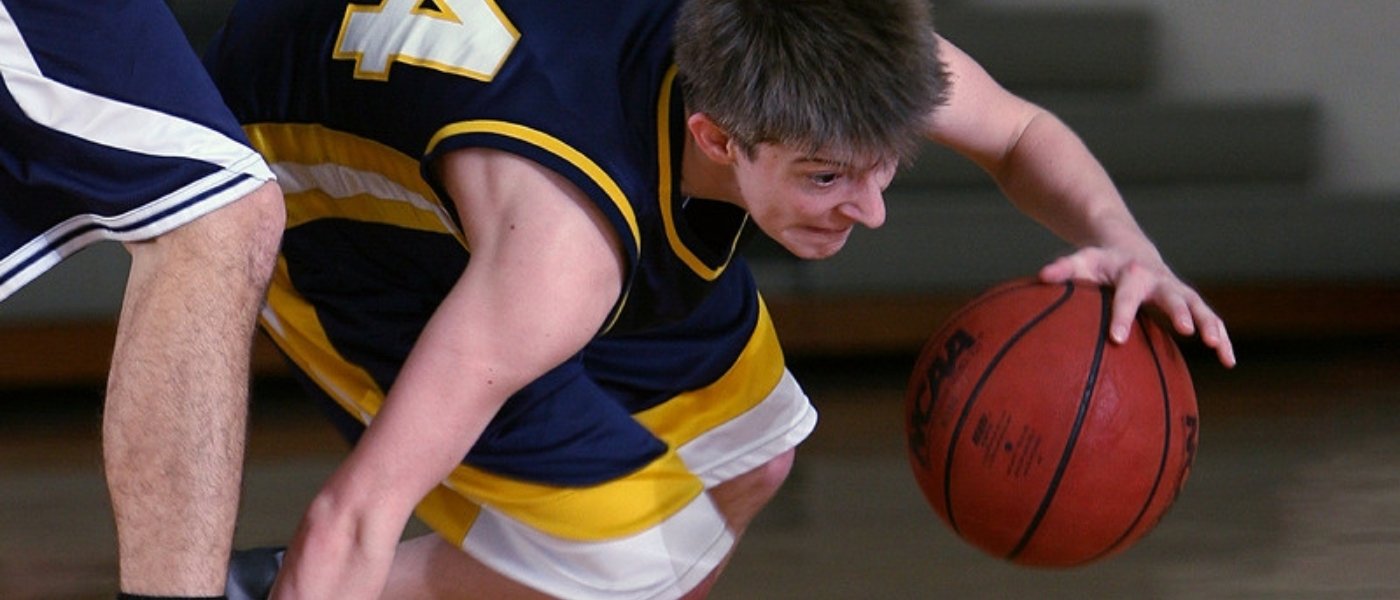
Single-leg hop tests check power, landing control, and confidence on the injured leg. A common battery after ACL reconstruction includes a single hop for distance, a triple hop, a crossover hop, and a timed 6 metre hop (Wellsandt et al., 2017). Results are usually reported as a limb symmetry index, which compares the injured leg with the uninjured leg. A common goal is 90 percent or more on each test (Grindem et al., 2016).
Symmetry has a limit: after a long layoff the "good" leg also gets weaker, so the score can look better than it is. In a study of 70 athletes 6 months after ACL reconstruction, 40 met the usual 90 percent targets, but only 16 did when compared with the good leg's pre-surgery results, and 8 of the 11 who later had a second ACL injury had passed the standard criteria (Wellsandt et al., 2017). So we look at the actual numbers on both legs, not just the percentage.
Movement and agility testing
Sport is unpredictable, so the consensus recommends adding change of direction and reactive agility tasks to standard hop tests (Ardern et al., 2016). We watch how you land, decelerate, and cut, including when tired.
Psychological readiness
Lower fear of reinjury and greater psychological readiness are both linked with getting back to your pre-injury level of sport (Ardern et al., 2014). On the ACL-RSI, a review of 83 studies found average scores rose from about 44 before surgery to about 62 at 3 to 6 months and about 71 at 2 to 5 years, though the certainty of this evidence was rated weak to limited (Sell et al., 2024). We use these questionnaires to start a conversation, not to label you.
Injury-specific criteria
- After an ankle sprain: a panel of 155 health professionals from 19 countries agreed on five areas to check, known as PAASS: Pain, Ankle impairments, Athlete perception, Sensorimotor control, and Sport and functional performance (Smith et al., 2021)
- After a hamstring injury: 58 experts from 28 FIFA medical centres supported criteria such as no pain when the muscle is pressed, stretched, or strength tested, similar flexibility on both sides, field tests such as repeated sprints, and psychological readiness (van der Horst et al., 2017)
Phase 3: Closing the Gaps
Very few athletes pass every test on the first try, and that is useful information. Your results become a targeted training plan:
- Strength work for any muscle group that is behind, progressing to heavy and explosive training
- Plyometrics and landing technique: jumping and hopping drills, building from two legs to one, with control at speed and when tired
- Confidence building: gradual, controlled exposure to the movements you are most worried about
- Retesting every few weeks so you can see your progress and know what is left to do
Phase 4: Graded Return to Sport
Passing tests in the clinic is not the finish line. The consensus statement notes that gradual, sport-specific training can itself act as a test of readiness (Ardern et al., 2016). A typical progression is:
- Return to participation: non-contact team training and sport-specific drills
- Return to sport: full training, then limited game time, then full games
- Return to performance: building back to your best level, with a maintenance program that continues after you are back
A flare of pain or swelling at any step means stepping back, not pushing through.
Beyond Physiotherapy: Complementary Care for Return to Sport
Strength, power, and sport-specific training are what get athletes ready, and that is where the research is clearest. Some athletes also use other services at our clinic to manage soreness and stiffness in the final stages of rehab. None of these test or create readiness. Here is an honest summary of the evidence.
How Acupuncture and Dry Needling Can Help
Acupuncture and dry needling use fine needles to reduce pain and ease tight, tender muscles.
- What the evidence shows: we found no published trials showing that needling improves return to sport outcomes. A small trial of 24 people testing dry needling to help the quadriceps switch on after ACL reconstruction has been planned, but no results are reported yet (Zarrin et al., 2023)
- Where it fits: an optional, short-term way to ease muscle tension so you can keep training
- Safety: generally very safe. Minor bruising or soreness at needle sites is the most common side effect. It is not used over a healing surgical wound
How Massage Therapy Can Help
Registered massage therapy focuses on the soft tissues and is popular with athletes during heavy training.
- What the evidence shows: there are no trials of massage for return to sport readiness. A review of 29 studies with 1,012 people found sports massage did not improve strength, jumping, sprinting, or endurance, though it may slightly help flexibility and soreness (Davis et al., 2020)
- Where it fits: for comfort between hard sessions, not to improve test scores
- Safety: very safe. Some temporary soreness afterward is normal. Deep work is avoided over recent surgical sites
How Chiropractic and Joint Manipulation Can Help
Chiropractic care uses joint mobilization and manipulation to improve movement in stiff joints.
- What the evidence shows: we found no peer-reviewed trials of chiropractic care or joint manipulation for return to sport readiness. Experts recommend checking ankle range of motion after a sprain (Smith et al., 2021), so joint mobilization may help when stiffness is found, but this has not been tested
- Where it fits: for joint stiffness, such as a stiff ankle after a sprain, combined with exercise
- Safety: generally safe. Manipulation is not used on a joint that is still unstable, recently operated on, or not fully healed
Whatever combination you choose, the purpose is the same: helping you stay comfortable and consistent with training, while strength, power, and confidence do the real work of getting you ready.
Working With Your Surgical and Medical Team
After surgery, your surgeon sets the timeline and restrictions, and our testing always works within them. With your permission, we share results with your surgeon or sports physician. The return to sport consensus recommends a shared decision that includes the athlete, clinicians, coaches, and others, with clear roles for each (Ardern et al., 2016). In the hamstring consensus, experts agreed the decision should be shared, with the sports physician holding final responsibility (van der Horst et al., 2017).
If testing shows ongoing instability, swelling, or symptoms that do not fit the expected recovery, we will refer you back to your surgeon or physician for review before going further.
How Long Will It Take?
Testing is usually done in one longer appointment, with retesting every few weeks. When to start depends on the injury and on clearance from your surgeon or physician. After ACL reconstruction, timing matters: in the Delaware-Oslo study of 106 people followed for 2 years, reinjury dropped by 51 percent for each month return was delayed, up to 9 months after surgery (Grindem et al., 2016). That is why time and testing are best used together. Ankle sprains and hamstring injuries usually have shorter timelines that vary with severity and sport.
It is also important to be honest about what testing can promise. In the same study, among people who returned to jumping and pivoting sports, 1 of 18 (5.6 percent) who passed the criteria had a reinjury, compared with 21 of 55 (38.2 percent) who did not pass. That difference was large, but it did not reach statistical significance because the group was small (Grindem et al., 2016). A 2024 review of 9 studies with 1,410 people found that passing return to sport testing was linked with about half the odds of rupturing the ACL graft, but not with a lower risk of injuring the other knee or other knee injuries overall (Zhou et al., 2024).
In short, passing tests lowers your risk but does not remove it, and experts still debate which tests and cut-off scores are best, since criteria for many injuries are not yet backed by strong evidence (Ardern et al., 2016). Testing is one important piece of a bigger decision.
Prevention and Long-Term Management
- Keep strength training: continue a short lower body strength program, at least a couple of times a week, after you return
- Do a proper warm-up: include jumping, landing, and change of direction drills before training and games
- Build load gradually: avoid sudden jumps in training time or intensity, especially early in the season
- Retest periodically: a check-in test before the next season can catch strength that has slipped
- Listen to warning signs: new swelling, giving way, or pain that builds over several sessions is a reason to pull back and get checked
- Look after your confidence: it is normal to feel nervous at first. Talk about it with your physiotherapist, coach, or a sport psychology professional
Frequently Asked Questions
If I pass the tests, does that mean I will not get reinjured?
No. Passing is linked with a lower risk of ACL graft rupture (Zhou et al., 2024), but it does not remove the risk. Testing helps make sure you are not taking on more risk than you need to.
Why can't I just go back when it stops hurting?
Pain usually settles well before strength, power, and control are back to normal. After ACL reconstruction in particular, returning before 9 months was linked with a much higher reinjury rate (Grindem et al., 2016). Testing shows what is still missing even when the injury feels fine.
Is 90 percent symmetry good enough?
It is a common target, but it is not the whole story. Because the uninjured leg also loses strength while you are recovering, a 90 percent score can hide a real weakness in both legs (Wellsandt et al., 2017). We look at the actual strength and hop numbers, not just the ratio.
I feel nervous about going back. Is that normal?
Yes, and it is worth taking seriously, since fear of reinjury is linked with lower rates of returning to the same level (Ardern et al., 2014). We measure it and rebuild confidence step by step.
Who makes the final decision about returning?
Ideally it is shared between you, your clinicians, and your coach (Ardern et al., 2016). After surgery, your surgeon's clearance comes first. Our job is to provide clear, objective information.
Can acupuncture, massage, or chiropractic replace strength and agility training?
No. Strength, power, and sport-specific training are what prepare you, and massage has been shown not to improve strength, jumping, or sprinting (Davis et al., 2020). These treatments can help with comfort and stiffness, but they are supports, not substitutes.
Our Specialized Approach at Vaughan Physiotherapy Clinic
✓ Objective measurement: strength, hop, and movement testing that gives real numbers instead of guesswork
✓ Sport-specific planning: testing and training matched to your sport, position, and season
✓ Beyond symmetry: we look at the strength of both legs, not just the percentage between them
✓ Confidence counts: psychological readiness is measured and addressed as part of your plan
✓ Team communication: clear results shared with your surgeon, physician, and coach when you want them involved
✓ Safety first: screening before testing, respecting surgical protocols, and referral when something does not add up
Take the First Step Toward a Confident Return to Sport
Coming back from an injury should not be a guess. Our team at Vaughan Physiotherapy Clinic helps athletes from Thornhill, Vaughan, North York, Richmond Hill, and surrounding communities find out where they stand and close the gaps, so they can return to the sport they love with more confidence.
Book your assessment today:
📞 Phone: 905-669-1221
📍 Location: 398 Steeles Ave W #201, Thornhill, ON L4J 6X3
🌐 Online Booking: www.vaughanphysiotherapy.com
References
Ardern CL, Glasgow P, Schneiders A, Witvrouw E, Clarsen B, Cools A, et al. 2016 Consensus statement on return to sport from the First World Congress in Sports Physical Therapy, Bern. British Journal of Sports Medicine. 2016;50(14):853-864. doi:10.1136/bjsports-2016-096278
Ardern CL, Taylor NF, Feller JA, Webster KE. Fifty-five per cent return to competitive sport following anterior cruciate ligament reconstruction surgery: an updated systematic review and meta-analysis including aspects of physical functioning and contextual factors. British Journal of Sports Medicine. 2014;48(21):1543-1552. doi:10.1136/bjsports-2013-093398
Davis HL, Alabed S, Chico TJA. Effect of sports massage on performance and recovery: a systematic review and meta-analysis. BMJ Open Sport & Exercise Medicine. 2020;6(1):e000614. doi:10.1136/bmjsem-2019-000614
Grindem H, Snyder-Mackler L, Moksnes H, Engebretsen L, Risberg MA. Simple decision rules can reduce reinjury risk by 84% after ACL reconstruction: the Delaware-Oslo ACL cohort study. British Journal of Sports Medicine. 2016;50(13):804-808. doi:10.1136/bjsports-2016-096031
Sell TC, Zerega R, King V, et al. Anterior Cruciate Ligament Return to Sport after Injury Scale (ACL-RSI) scores over time after anterior cruciate ligament reconstruction: a systematic review with meta-analysis. Sports Medicine - Open. 2024;10(1):49. doi:10.1186/s40798-024-00712-w
Shrier I. Strategic Assessment of Risk and Risk Tolerance (StARRT) framework for return-to-play decision-making. British Journal of Sports Medicine. 2015;49(20):1311-1315. doi:10.1136/bjsports-2014-094569
Smith MD, Vicenzino B, Bahr R, et al. Return to sport decisions after an acute lateral ankle sprain injury: introducing the PAASS framework, an international multidisciplinary consensus. British Journal of Sports Medicine. 2021;55(22):1270-1276. doi:10.1136/bjsports-2021-104087
van der Horst N, Backx FJG, Goedhart EA, Huisstede BMA, on behalf of the HIPS-Delphi Group. Return to play after hamstring injuries in football (soccer): a worldwide Delphi procedure regarding definition, medical criteria and decision-making. British Journal of Sports Medicine. 2017;51(22):1583-1591. doi:10.1136/bjsports-2016-097206
Wellsandt E, Failla MJ, Snyder-Mackler L. Limb symmetry indexes can overestimate knee function after anterior cruciate ligament injury. Journal of Orthopaedic & Sports Physical Therapy. 2017;47(5):334-338. doi:10.2519/jospt.2017.7285
Zarrin M, Nakhostin Ansari N, Naghdi S, Hasson S, Forogh B, Rezaee M. Dry needling for arthrogenic muscle inhibition of quadriceps femoris in patients after reconstruction of anterior cruciate ligament: a protocol for a randomized controlled trial. Journal of Acupuncture and Meridian Studies. 2023;16(5):193-202. doi:10.51507/j.jams.2023.16.5.193
Zhou W, Liu X, Hong Q, Wang J, Luo X. Association between passing return-to-sport testing and re-injury risk in patients after anterior cruciate ligament reconstruction surgery: a systematic review and meta-analysis. PeerJ. 2024;12:e17279. doi:10.7717/peerj.17279
Disclaimer: This article is for educational purposes only and does not replace professional medical advice. Return to sport testing helps guide decisions but cannot guarantee that you will not be reinjured. After surgery, always follow your surgeon's protocol and clearance. If you have swelling, instability, signs of infection, or head injury symptoms, consult a qualified healthcare provider before returning to sport.