


Condition guide
Turf Toe
Turf toe is a sprain of the big toe joint, usually caused by bending the toe too far upward during sport, leading to pain, swelling and stiffness.
Did you jam your big toe while pushing off, cutting, or getting tackled, and now the base of the toe is sore, swollen, and stiff? Does it hurt to rise onto your toes, sprint, or even walk normally? If so, you may have turf toe, a sprain of the big toe joint that is common in field and court sports but can happen to anyone.
At Vaughan Physiotherapy Clinic, we assess and treat big toe injuries in football, rugby, and soccer players, dancers, runners, and anyone who has bent their toe too far. Our goal is to protect the joint while it heals, then rebuild the movement and strength you need to push off with confidence, so the injury does not turn into a long-term problem.
Here is what turf toe is, how to recognize it, what it can be confused with, and what the research says about treating it.
What Is Turf Toe?
Turf toe is a sprain of the first metatarsophalangeal (MTP) joint, the joint at the base of your big toe. It usually happens when the big toe is forced too far upward (hyperextended) while the heel is off the ground, damaging the tissues on the underside of the joint (McCormick & Anderson, 2010; Gupta et al., 2023).
The name comes from its link with artificial playing surfaces. In a 1990 survey of 80 professional American football players, 45 percent reported having had turf toe, and 83 percent of those injuries happened on artificial turf (McCormick & Anderson, 2010). In U.S. college football, the injury rate was higher on artificial surfaces than on natural grass, and injuries were about 14 times more likely in games than in practice (George et al., 2014). Even so, you do not need to play on turf to get it. Any hard push-off, a fall onto the back of the foot, or the toe catching the ground can do it.
Grades of Turf Toe
Clinicians grade turf toe by how much of the supporting tissue is damaged. The grade guides treatment and expected time away from sport (McCormick & Anderson, 2010; Gupta et al., 2023):
- Grade I: a stretch of the tissues under the joint, with local tenderness, mild swelling, and little or no bruising
- Grade II: a partial tear, with moderate swelling, bruising, and painful, limited movement
- Grade III: a complete tear of the tissues under the joint, with major swelling and bruising, weakness pushing the toe down, and a joint that feels unstable. The small sesamoid bones under the joint may be pulled out of place or fractured
Understanding the Anatomy
The big toe joint has very little bony stability on its own. It relies on a network of soft tissues to hold it together (McCormick & Anderson, 2010). Key structures include:
- Plantar plate: a thick, strong layer of the joint capsule on the underside of the joint. It is the main structure that stops the toe from bending too far upward (Gupta et al., 2023)
- Sesamoids: two small, pea-shaped bones under the big toe joint that sit inside the short toe flexor tendon and act like pulleys
- Collateral ligaments: bands on each side of the joint that resist sideways movement
- Muscles and tendons: the short and long toe flexors and the small muscles on either side of the big toe help control the joint during push-off
This joint works hard. It carries roughly 40 to 60 percent of body weight during normal walking, two to three times body weight during sport, and up to eight times body weight during a running jump (McCormick & Anderson, 2010). That is why even a mild sprain can make push-off painful.
Recognizing the Symptoms
Turf toe usually starts with a clear moment of injury, although some people notice it more the next morning. Common symptoms include (Gupta et al., 2023):
- Pain at the base of the big toe, often worst on the underside of the joint
- Swelling and bruising around the joint
- Stiffness, especially bending the toe upward
- Pain with push-off, rising onto the toes, running, jumping, or cutting
- Difficulty walking normally, often rolling onto the outside of the foot to avoid the big toe
- In more severe injuries, weakness pressing the toe down, or a feeling that the toe "popped" out and back in
What Makes It Worse?
- Bending the toe upward: sprinting, deep lunges, squatting on your toes, or kneeling with toes tucked
- Flexible footwear: soft, light shoes and flexible toe boxes allow the toe to bend too far. Fewer cleats and flexible toe boxes have been linked to higher risk (Gupta et al., 2023)
- Hard or grippy surfaces: artificial turf grips the shoe, which can increase forces on the joint (George et al., 2014)
- Returning too early: pushing through pain before the tissues have healed. A previous big toe injury is a risk factor for another one (Gupta et al., 2023)
- Higher body weight and a foot that rolls in (pronates) may also add load to the joint (Gupta et al., 2023)
What Else Could It Be?
Several problems cause pain in or around the big toe joint, and some need different care. Part of our assessment is ruling these in or out:
- Sesamoid fracture or sesamoiditis: pain focused on one of the small bones under the joint. A fracture can occur with a turf toe injury or on its own (McCormick & Anderson, 2010)
- Flexor tendon strain: pain a little further back from the sesamoids, toward the arch, may point to a strain of the short toe flexor muscle rather than an unstable joint injury (McCormick & Anderson, 2010)
- Fracture or dislocation: a toe that looks out of place, grinding, or pain over the bone should be imaged (Gupta et al., 2023)
- Hallux rigidus: arthritis of the big toe joint that causes gradual stiffness and a bony bump on top, usually without a single injury
- Gout: a sudden hot, red, very painful big toe joint, often without any injury
- Traumatic bunion (hallux valgus): when the injury also damages the inner side of the joint, the toe can drift toward the second toe (McCormick & Anderson, 2010)
When to See a Doctor First
See your physician promptly, or go to urgent care, if you have:
- A toe that looks deformed or out of place, or that you felt dislocate
- Severe swelling and bruising with an inability to put weight through the foot
- Weakness pushing the toe down or a joint that feels loose or unstable, which may mean a complete tear (Gupta et al., 2023)
- A hot, red, swollen joint without an injury, or with fever, which may point to gout or infection
- Numbness, colour change, or coldness in the toe
- Pain that is not improving after a week or two of protection, or that keeps coming back
Our physiotherapists screen for these signs at your first visit and will coordinate with your physician if X-rays, an MRI, or a specialist referral is needed.
Related reading: Other causes of big toe pain include great toe osteoarthritis, sesamoiditis and a toe sprain.
Why Physiotherapy Is Essential
Turf toe is a ligament injury to a joint that carries a large share of your body weight with every step. Without early protection, the tissues can heal loose. Protected too long without a plan, the toe can heal stiff and weak. Either way, push-off stays painful and the risk of reinjury rises.
Most turf toe injuries are treated without surgery. In U.S. college football, fewer than 2 percent of turf toe injuries needed an operation (George et al., 2014), and reviews recommend conservative care for grade I and II injuries, with surgery mainly for severe, unstable grade III injuries (Gupta et al., 2023). Long-term problems are real, though: in one follow-up, half of patients still had pain and stiffness five years later (McCormick & Anderson, 2010), and injuries that are left untreated or treated late can lead to lasting stiffness, weak push-off, and arthritis (Gupta et al., 2023).
Physiotherapy addresses the main drivers:
- Protection: taping, stiff-soled footwear, and toe plates to limit painful upward bending while the tissues heal
- Movement: restoring big toe and ankle range of motion so the joint does not heal stiff
- Strength: rebuilding the toe flexors, foot, calf, and hip so the joint is controlled during push-off
- Return to sport: a stepwise plan with clear criteria, rather than guessing when it is safe to sprint and cut
Your Treatment Plan at Vaughan Physiotherapy Clinic
Phase 1: Assessment and Protection (Weeks 0 to 2)
Your first visit focuses on confirming the diagnosis and grading the injury. A full assessment includes:
- History: how the injury happened, your sport, footwear, playing surface, and past big toe problems
- Hands-on examination: pressing on the sesamoids, the collateral ligaments, and the top and underside of the joint to find the injured structure. Where the tenderness sits helps tell a flexor strain from a joint injury (McCormick & Anderson, 2010)
- Stability tests: gentle sideways stress and a drawer test of the plantar plate. Extra movement suggests instability (McCormick & Anderson, 2010; Gupta et al., 2023)
- Strength testing: comparing how strongly you can press each big toe down. Weakness may indicate a tear of the plantar plate or flexor tendon (McCormick & Anderson, 2010)
- Movement and gait: big toe and ankle motion, and how you walk
If we suspect a grade II or III injury, a fracture, or an unstable joint, we will refer you for imaging. Weight-bearing X-rays are the usual first step and can show if the sesamoids have been pulled out of place. MRI shows the soft tissues in detail and is often used for athletes and higher-grade injuries (McCormick & Anderson, 2010; Gupta et al., 2023).
Early protection and pain relief usually includes:
- Relative rest, ice, compression, and elevation in the first few days (Gupta et al., 2023)
- Stiff-soled or rocker-sole footwear to stop the toe bending upward when you walk (Gupta et al., 2023)
- A walking boot for more serious sprains. Reviews describe up to about 2 weeks for grade II and up to about 6 weeks for grade III, sometimes with crutches at first (Gupta et al., 2023)
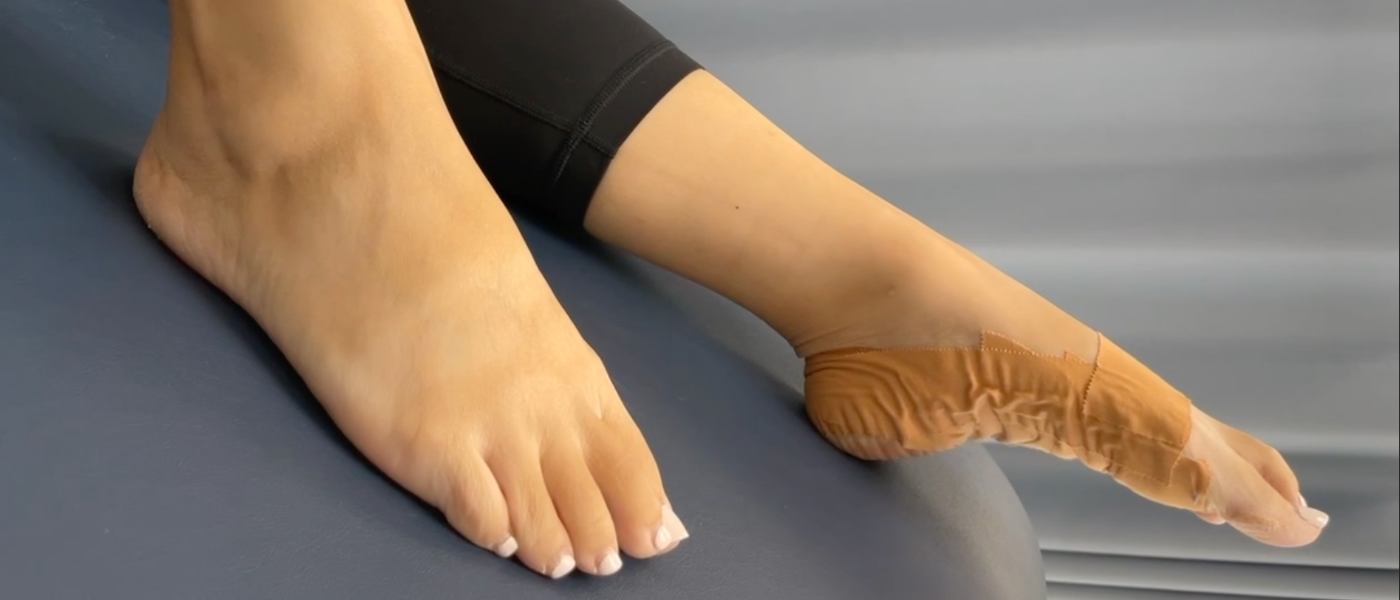
- Careful taping: taping the toe tightly in the first days can restrict blood flow, so it is usually avoided early and used later for return to play (McCormick & Anderson, 2010; Gupta et al., 2023)
Injections of cortisone or numbing medication into the joint are not advised for turf toe (McCormick & Anderson, 2010).
Phase 2: Early Movement and Loading (Weeks 2 to 6)
Once the acute pain settles, the focus shifts to restoring movement without overstretching the healing tissue. Gentle passive bending of the toe downward can start as early as 3 to 5 days after injury to help prevent the sesamoids from scarring down (McCormick & Anderson, 2010). This phase usually includes (Gupta et al., 2023):
- Gradual weight-bearing, moving out of the boot and into protective footwear
- Range of motion work for the big toe and ankle, within comfort
- Gait retraining so you push off through the big toe again
- Low-impact fitness: cycling, elliptical, and pool work, with the toe protected (McCormick & Anderson, 2010)
Turf toe plates and Morton's extensions
A carbon fibre turf toe plate, or an insole with a stiff extension under the big toe (a Morton's extension), creates a rigid base under the joint so it cannot bend too far upward during walking and sport (McCormick & Anderson, 2010; Gupta et al., 2023). There are no trials comparing these devices, so their use rests on expert consensus and mechanics. We fit them to your footwear and sport.
Manual therapy
Gentle joint mobilization of the big toe, sesamoids, and midfoot, along with soft tissue work for the foot and calf, can help restore movement and ease pain. There are no trials of manual therapy for turf toe specifically. The closest evidence comes from heel pain, where the current clinical practice guideline gives manual therapy of the lower limb joints and soft tissues its strongest recommendation (Koc et al., 2023). We use it alongside, not instead of, exercise and protection.
Phase 3: Restoring Strength and Control (Weeks 6 to 10)
Toe, foot, and calf strengthening
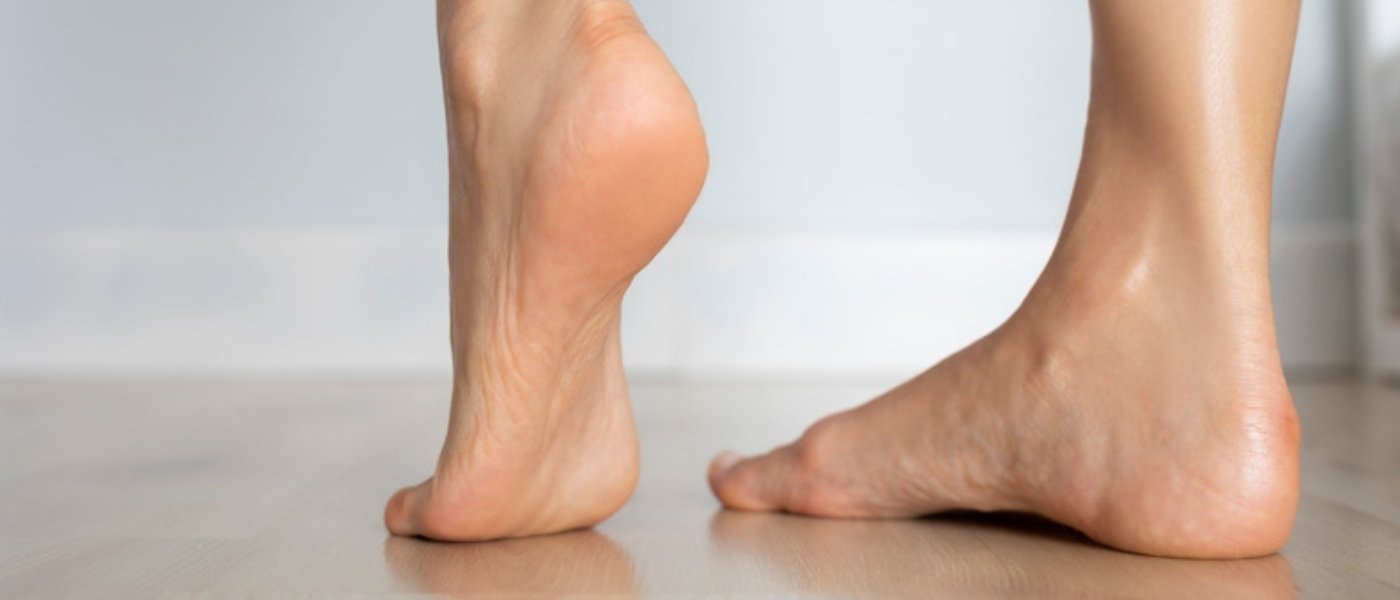
The toe flexors and the small muscles around the big toe help hold the joint steady during push-off (McCormick & Anderson, 2010). Rehabilitation protocols build strength progressively, then add balance, endurance, and conditioning in this phase (Gupta et al., 2023). Your program may include:
- Towel scrunches and pressing the big toe into the floor
- Toe spreading and "short foot" arch holds
- Calf raises, progressing from two feet to one, and from a flat floor to a slight range into the toes as comfort allows
- Single-leg balance, then balance on unstable surfaces
- Hip and core strengthening for landing and cutting
Running progression
Running starts once walking and calf raises are comfortable. For more serious injuries, straight-line running comes first, before cutting drills (Gupta et al., 2023). For grade III injuries, the big toe should have roughly 50 to 60 degrees of painless upward movement before running or explosive work begins (McCormick & Anderson, 2010). Rehabilitation should not be rushed while pain or swelling persists (Gupta et al., 2023).
Phase 4: Return to Sport (Week 10 and Beyond)
- Sport-specific drills: acceleration, cutting, and jumping, progressed step by step
- Return-to-play criteria: painless big toe movement through about 50 to 60 degrees, plus painless full weight-bearing, sprinting, and cutting (Gupta et al., 2023)
- Taping and footwear for play: taping that limits upward bending, combined with a turf toe plate or stiffer cleats, is commonly used when returning to sport (McCormick & Anderson, 2010; Gupta et al., 2023)
Beyond Physiotherapy: Complementary Care for Turf Toe
Protection, graded loading, and strengthening form the core of turf toe care, and that is where the clinical guidance is clearest. Some patients also benefit from other services at our clinic to ease pain and tightness so they can stay consistent with rehab. Here is an honest summary of what the evidence does and does not show for each.
How Acupuncture and Dry Needling Can Help
Fine needles are used to reduce pain and ease tight, tender muscles.
- What the evidence shows: we did not find any published studies of acupuncture or dry needling for turf toe. The closest indirect evidence comes from heel pain, where the clinical practice guideline supports dry needling of trigger points in the calf and foot muscles to reduce pain (Koc et al., 2023). This is a different condition, so the benefit for turf toe is not proven
- Where it fits: as a short-term option for calf and foot muscle tension that develops while you limp or offload the big toe, once the acute injury has settled
- Safety: generally very safe. Minor bruising or soreness at needle sites is the most common side effect. We do not needle directly into a freshly injured joint
How Massage Therapy Can Help
Registered massage therapy focuses on the soft tissues of the foot, calf, and lower leg.
- What the evidence shows: we did not find any published studies of massage therapy for turf toe, and we are not aware of strong direct evidence for massage in similar big toe injuries
- Where it fits: it may help with comfort and with calf and foot tightness from limping. We treat it as a supportive add-on, not a stand-alone treatment
- Safety: very safe when the injured joint is avoided in the early days. Some temporary muscle soreness afterward is normal
How Chiropractic and Joint Manipulation Can Help
Chiropractic care for the foot uses mobilization and manipulation of the toe, midfoot, and ankle joints.
- What the evidence shows: we did not find trials of chiropractic manipulation for turf toe. For a related problem, a stiff or arthritic big toe joint (hallux limitus or rigidus), a systematic review rated the evidence for foot and ankle manipulation combined with exercise as limited (Brantingham et al., 2009). Joint mobilization of the lower limb is strongly recommended for heel pain (Koc et al., 2023). This suggests a possible role for stiffness after turf toe, but the evidence is indirect
- Where it fits: for lingering stiffness in the big toe, midfoot, or ankle once the ligaments have healed enough to tolerate it, combined with exercise
- Safety: forceful manipulation is not appropriate for an acute sprain, an unstable joint, a suspected fracture or sesamoid injury, or within the protection period. Gentle, graded mobilization is used instead
Whichever combination you choose, the purpose is the same: settling symptoms so you can keep moving while the real fix, a well-healed joint with a strong push-off, takes hold.
When Is Surgery Considered?
Surgery is uncommon for turf toe. It is mainly considered for severe grade III injuries, especially when the joint is unstable, the sesamoids have been pulled back or separated, there is a fracture or loose fragment in the joint, the toe has been pushed into a bunion position, or well-run conservative care has not worked (McCormick & Anderson, 2010; Gupta et al., 2023).
Recovery after surgery is longer. A systematic review and meta-analysis of 12 studies found a median return to sport of about 5.9 weeks with non-surgical care and about 14.7 weeks after surgery, although the surgical group generally had more severe injuries (Vopat et al., 2019). Another systematic review concluded that surgery gives good results for grade III injuries and cases that fail conservative care, but there is not enough evidence to say it is better than conservative care in general (Hainsworth & McKinley, 2018). If you need surgery, our physiotherapists follow your surgeon's protocol through every stage of rehab.
How Long Will It Take?
Recovery depends mostly on the grade of injury, your sport, and your position. Published estimates include (McCormick & Anderson, 2010; Gupta et al., 2023):
- Grade I: often back to sport within days, as symptoms allow. U.S. college football players missed an average of about 10 days per turf toe injury (George et al., 2014)
- Grade II: often around 2 weeks or more, sometimes longer, with taping and protective footwear on return
- Grade III: commonly 10 to 16 weeks depending on sport and position, and full recovery can take many months
These are averages, not guarantees. After a severe injury, symptoms can take up to six months to settle (McCormick & Anderson, 2010). In U.S. college athletes, about 11 percent of lower-grade turf toe injuries that were managed without surgery came back (Gupta et al., 2023), which is why we use clear criteria rather than the calendar to decide when you are ready.
Prevention and Long-Term Management
- Choose stiffer footwear for sport: cleats and shoes with a firmer forefoot limit how far the big toe can bend. Flexible toe boxes have been linked to higher risk (Gupta et al., 2023)
- Consider a turf toe plate or stiff insole if you have had turf toe before or play often on turf
- Keep your big toe and ankle mobile: continue gentle range of motion work after you return to sport
- Keep your feet and calves strong: continue a few toe and calf exercises each week
- Return gradually: previous turf toe is a risk factor for another one (Gupta et al., 2023), so build back to full intensity step by step
Frequently Asked Questions
Is turf toe serious?
It ranges from a mild sprain that settles in days to a complete tear that may need surgery. Most cases do well with conservative care. Because severe injuries can leave the joint unstable, and because untreated injuries can lead to long-term stiffness and arthritis (Gupta et al., 2023), it is worth getting it properly assessed.
Do I need an X-ray or MRI?
Not always. Mild sprains are often diagnosed from the history and examination. X-rays are recommended if a higher-grade injury, fracture, or sesamoid problem is suspected, and MRI is used to look at the soft tissues in more serious injuries or in high-level athletes (McCormick & Anderson, 2010; Gupta et al., 2023). We will tell you if you need imaging.
Can I play through turf toe?
We do not recommend it. Pushing through pain risks turning a partial tear into a complete one. A joint that feels unstable on examination means stopping play for that game or practice (Gupta et al., 2023). With a mild sprain, a protected return with taping and a stiff shoe may be possible sooner than you think.
Will my toe ever feel normal again?
Many people return to their previous level of sport. Some, especially after severe injuries, notice lasting stiffness in the big toe (McCormick & Anderson, 2010). Early, well-guided rehab gives you the best chance of a full recovery.
Should I tape my toe right away?
Usually not. Tight taping on a freshly swollen toe can restrict circulation, so early protection relies on a stiff shoe or a boot. Taping is more useful when you return to sport (McCormick & Anderson, 2010).
Can acupuncture, massage, or chiropractic replace exercise and protection?
No. Protecting the joint while it heals, then rebuilding movement and strength step by step, is the foundation of turf toe care. Needling, massage, and joint mobilization are best used as short-term supports to ease pain and tightness while you rebuild.
Our Specialized Approach at Vaughan Physiotherapy Clinic
✓ Accurate grading: a thorough examination of the big toe joint, sesamoids, and tendons to guide the right level of protection
✓ Protection that fits your sport: taping, turf toe plates, and footwear advice fitted and adjusted in clinic
✓ Movement first: restoring big toe and ankle mobility so the joint does not heal stiff
✓ Progressive strengthening: toe, foot, calf, and hip exercises that rebuild a strong push-off
✓ Criteria-based return to play: clear checkpoints for running, cutting, and full contact, backed by sideline sports medicine experience
✓ Safety first: screening for fractures, unstable joints, and sesamoid injuries, with imaging and specialist referral when needed
Take the First Step Toward Pushing Off Pain-Free
A jammed big toe does not have to keep you off the field, the court, or the track. Our team helps patients from Thornhill, Vaughan, North York, Richmond Hill, and surrounding communities get back to sport and daily life with evidence-based, hands-on care.
Book your assessment today:
📞 Phone: 905-669-1221
📍 Location: 398 Steeles Ave W #201, Thornhill, ON L4J 6X3
🌐 Online Booking: www.vaughanphysiotherapy.com
References
Brantingham JW, Globe G, Pollard H, Hicks M, Korporaal C, Hoskins W. Manipulative therapy for lower extremity conditions: expansion of literature review. Journal of Manipulative and Physiological Therapeutics. 2009;32(1):53-71. doi:10.1016/j.jmpt.2008.09.013
George E, Harris AHS, Dragoo JL, Hunt KJ. Incidence and risk factors for turf toe injuries in intercollegiate football: data from the National Collegiate Athletic Association injury surveillance system. Foot & Ankle International. 2014;35(2):108-115. doi:10.1177/1071100713514038
Gupta A, Singh PK, Xu AL, Bronheim RS, McDaniel CM, Aiyer AA. Turf toe injuries in the athlete: an updated review of treatment options, rehabilitation protocols, and return-to-play outcomes. Current Reviews in Musculoskeletal Medicine. 2023;16(11):563-574. doi:10.1007/s12178-023-09870-y
Hainsworth L, McKinley J. The management of turf toe: a systematic review. Baltic Journal of Sport and Health Sciences. 2018;3(110). doi:10.33607/bjshs.v3i110.248
Koc TA Jr, Bise CG, Neville C, Carreira D, Martin RL, McDonough CM. Heel pain: plantar fasciitis. Revision 2023. Journal of Orthopaedic & Sports Physical Therapy. 2023;53(12):CPG1-CPG39. doi:10.2519/jospt.2023.0303
McCormick JJ, Anderson RB. Turf toe: anatomy, diagnosis, and treatment. Sports Health. 2010;2(6):487-494. doi:10.1177/1941738110386681
Vopat ML, Hassan M, Poppe T, Tarakemeh A, Zackula R, Mulcahey MK, Mullen S, Burkholder R, Schroeppel JP, Vopat BG. Return to sport after turf toe injuries: a systematic review and meta-analysis. Orthopaedic Journal of Sports Medicine. 2019;7(10):2325967119875133. doi:10.1177/2325967119875133
Disclaimer: This article is for educational purposes only and does not replace professional medical advice. Big toe pain after an injury can involve ligament tears, sesamoid fractures, dislocation, or other problems that may need imaging or specialist care, and big toe pain without an injury can be caused by gout, infection, or arthritis. Always consult a qualified healthcare provider for diagnosis and treatment specific to your condition.