


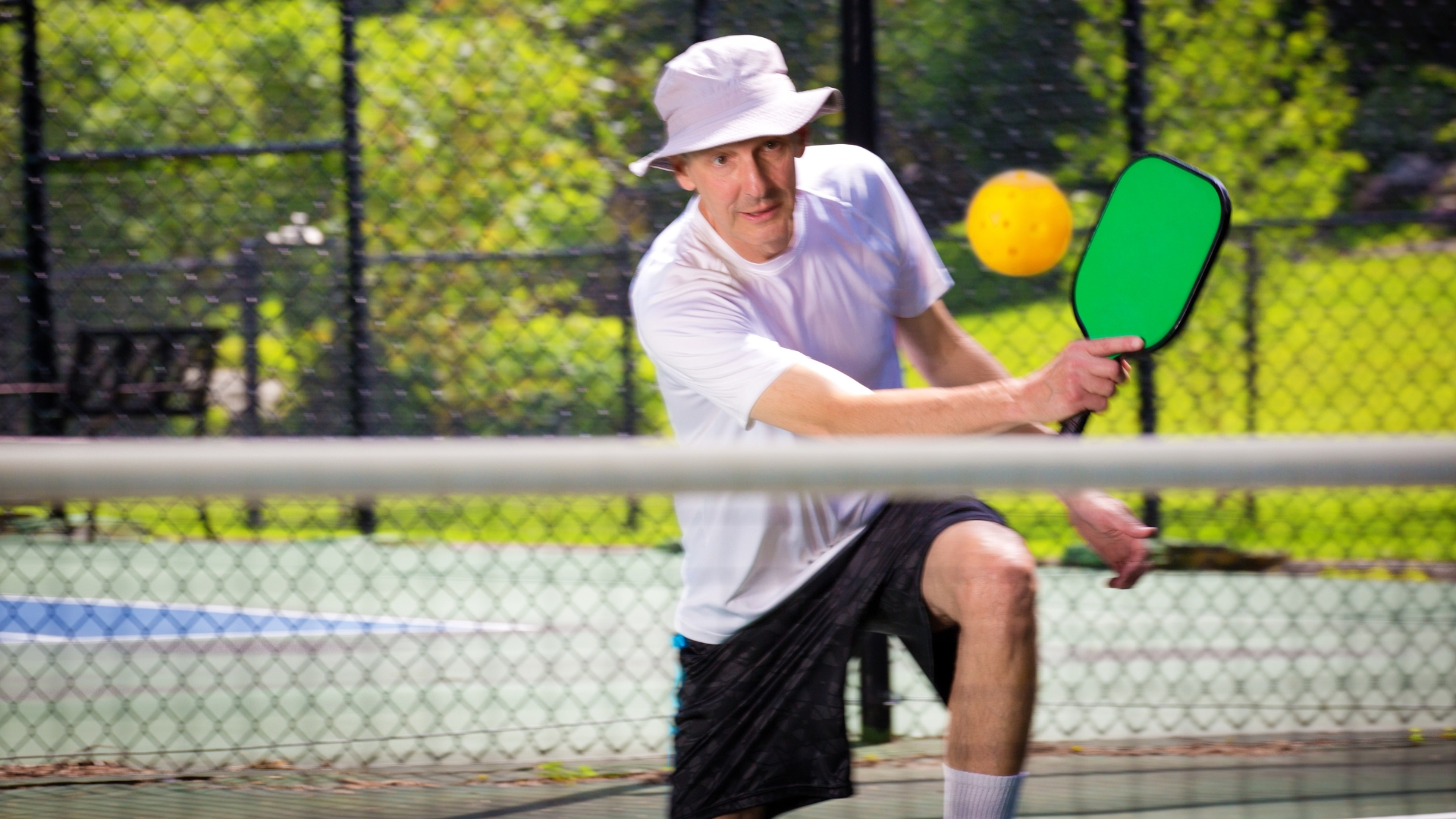
Two women celebrating on a pickleball court, a sport that often brings on inner knee pain

Pes Anserine Bursitis and Tendinopathy (Inner Knee Pain Below the Joint)

Pes anserine bursitis and tendinopathy cause pain on the inner knee just below the joint, where three thigh tendons attach to the shin.

Do you have a sore spot on the inside of your knee, just below the joint line? Does it ache when you climb stairs, get out of a chair, or roll over in bed with your knees touching? If so, you may be dealing with pes anserine bursitis or tendinopathy, a common but often overlooked cause of inner knee pain.

At Vaughan Physiotherapy Clinic, we see this problem in runners, pickleball and tennis players, and many adults who also have some knee osteoarthritis. Our goal is not just to calm the sore spot, but to find out why the inside of your knee is being overloaded, whether that starts at the hip, the knee itself, or the foot, and to give you a plan you can manage yourself.

Here is what pes anserine bursitis and tendinopathy are, how to recognize them, what else can cause pain in the same area, and what the research says about treatment.

What Is Pes Anserine Bursitis and Tendinopathy?

The pes anserinus (Latin for "goose's foot") is the spot on the inside of your upper shin, a few centimetres below the knee joint, where three tendons join together and attach to the bone. The three tendons come from:

  • Sartorius: a long, thin muscle that runs from the front of the hip across the thigh
  • Gracilis: one of the inner thigh (adductor) muscles
  • Semitendinosus: one of the hamstring muscles at the back of the thigh

Under these tendons sits a small, fluid-filled sac called the pes anserine bursa, which helps the tendons glide over the bone and the inner knee ligament (MCL).

When this area becomes painful, it may be the bursa that is irritated (bursitis), the tendons that are overloaded (tendinopathy), or both. Because it is often hard to tell exactly which structure is the source, even with imaging, some experts use the broader term anserine syndrome (Helfenstein & Kuromoto, 2010). In practice, the treatment approach is very similar, so this page covers both.

Who Gets It?

Good population data are limited (Helfenstein & Kuromoto, 2010), but research points to some clear patterns:

  • Knee osteoarthritis: in an ultrasound study of 85 people with painful knee osteoarthritis, about 1 in 5 knees (20 percent) showed pes anserine bursitis. It was more common in women, in older patients, and in knees with more advanced arthritis (Uysal et al., 2015)
  • Diabetes: a well-recognized risk factor (Helfenstein & Kuromoto, 2010)
  • Higher body weight may also play a role, although this is less well understood (Helfenstein & Kuromoto, 2010)
  • Active people: runners and court-sport players, especially after a sudden increase in training, hills, or lateral movement

People with knee osteoarthritis who also have pes anserine problems tend to report more pain and more difficulty with daily activities than people with osteoarthritis alone (Sarifakioglu et al., 2016). The good news is that this extra layer of pain is often very treatable.

Recognizing the Symptoms

  • Pain and tenderness on the inside of the knee, a few centimetres below the joint line, often in a spot you can cover with one or two fingertips
  • Pain climbing or going down stairs
  • Pain getting up from a low chair or out of the car
  • Night pain when lying on your side with your knees resting together
  • Stiffness or aching after sitting, which eases once you get moving, then returns with more activity
  • Sometimes mild, soft swelling over the tender spot

What Makes It Worse?

  • Stairs, hills, and squatting
  • Sudden increases in running distance, speed, or hill work
  • Repeated side-to-side or cutting movements in court sports
  • Knees drifting inward during squats, stairs, or landing, often linked to weak or poorly timed hip muscles
  • Flat or rolling-in feet, which can increase the inward pull on the inner knee. See our Flat Feet (Pes Planus) page
  • Tight hamstrings and inner thigh muscles, which increase tension on the tendons
  • Underlying knee osteoarthritis, which changes how the knee shares load

What Else Could It Be?

Several problems cause pain on the inside of the knee. The diagnosis of anserine syndrome is mainly clinical, and that makes careful assessment important (Helfenstein & Kuromoto, 2010):

  • Medial knee osteoarthritis: pain is usually at the joint line rather than below it, often with stiffness and grinding. The two often occur together. See our Knee Osteoarthritis page
  • Medial meniscus tear: pain at the joint line with twisting, catching, locking, or swelling
  • MCL sprain: usually follows a specific injury with the knee pushed inward. See our MCL Sprain Rehabilitation page
  • Saphenous nerve irritation: burning, tingling, or numbness on the inside of the knee or shin, rather than a tender tendon spot. See our Saphenous Nerve Entrapment page
  • Other bursitis around the knee: such as the bursae at the front of the kneecap. See our Patellar Bursitis page
  • Tibial stress fracture or a bone bruise, particularly in runners with pain that is very specific to the bone
  • Referred pain from the hip or low back

When to See a Doctor First

See your physician promptly, or go to urgent care, if you have:

  • A hot, red, swollen knee, especially with fever or feeling unwell, which can signal infection
  • Calf pain, swelling, and warmth in the same leg, which can be a sign of a blood clot
  • A knee that locks, gives way, or swells up quickly after an injury
  • A firm, growing lump on the inside of the knee, or pain at night that does not ease with position
  • Diabetes with a new, swollen, or warm area around the knee

Our physiotherapists screen for these signs at your first visit and will coordinate with your physician if imaging, blood work, or a referral is needed.

Start Your Journey to 

‍Better Health Today

Recover faster, move better, and feel stronger with expert physiotherapy. Our team is here to guide you every step of the way.

Why Physiotherapy Is Essential

Pes anserine pain is a load problem at a busy junction. Three muscles that cross both the hip and the knee all pull on the same small area of the shin, and anything that increases that pull, or the inward collapse of the knee, adds to the load. Rest and anti-inflammatory pills can quiet things for a while, but the pain often returns once you go back to stairs, hills, and sport.

Research on this condition is still growing, and most trials are small. What we do know is encouraging: in a trial of people with knee osteoarthritis and pes anserine tendino-bursitis, a course of physical therapy treatment improved pain and function as much as a cortisone injection at 8 weeks (Sarifakioglu et al., 2016). That trial tested physical therapy modalities rather than a specific exercise program, so it supports conservative care in general rather than one particular plan. For knee osteoarthritis, which is often present alongside this problem, major guidelines strongly recommend exercise, weight management where appropriate, and self-management programs (Kolasinski et al., 2020).

Physiotherapy addresses the main drivers:

  • The hip: weak or slow-to-activate hip muscles let the knee drift inward, increasing stress on the inner knee
  • The knee: quadriceps and hamstring strength, and how the knee handles stairs and squats
  • The foot: flat or rolling-in feet can add to the inward pull at the knee
  • The tendons themselves: gradually rebuilding their tolerance to load
  • Your activity: keeping you moving while the sore area settles, rather than stopping everything

Your Treatment Plan at Vaughan Physiotherapy Clinic

Phase 1: Assessment and Settling Pain (Weeks 1 to 2)

Your first visit focuses on confirming the source of the pain and finding what is driving it. A full assessment includes:

  • History: when the pain started, your training or daily activity, other health conditions such as diabetes or knee osteoarthritis
  • Hands-on examination: pinpointing the tender spot below the joint line and checking the joint line, MCL, and meniscus
  • Nerve screen: checking for saphenous nerve irritation if there is burning or tingling
  • Hip assessment: strength and control of the gluteal muscles, and hip mobility
  • Movement analysis: watching how your knee tracks during a squat, step-down, single-leg stance, and, for runners, during running
  • Foot and footwear review: arch posture, how the foot moves when you walk, and what your shoes are doing
  • Muscle length: hamstrings and inner thigh muscles

Ultrasound is not always needed, but it can confirm bursitis, and your physician may order it if the diagnosis is unclear (Uysal et al., 2015).

Early pain relief usually includes:

  • Load modification: temporarily reducing hills, stairs, deep squats, or court time, and swapping in easier options like flat walking, cycling, or swimming
  • Sleep positioning: a pillow between the knees if side-lying is painful
  • Taping: in one trial, kinesiotape reduced pain and swelling more than a combination of anti-inflammatory medication and physical therapy (Homayouni et al., 2016). It was a small trial, so we use taping as a short-term helper, not a cure
  • Ice or other modalities occasionally, to settle a very irritable area so you can start exercising

Phase 2: Restoring Control from the Hip Down (Weeks 2 to 6)

Hip and knee control
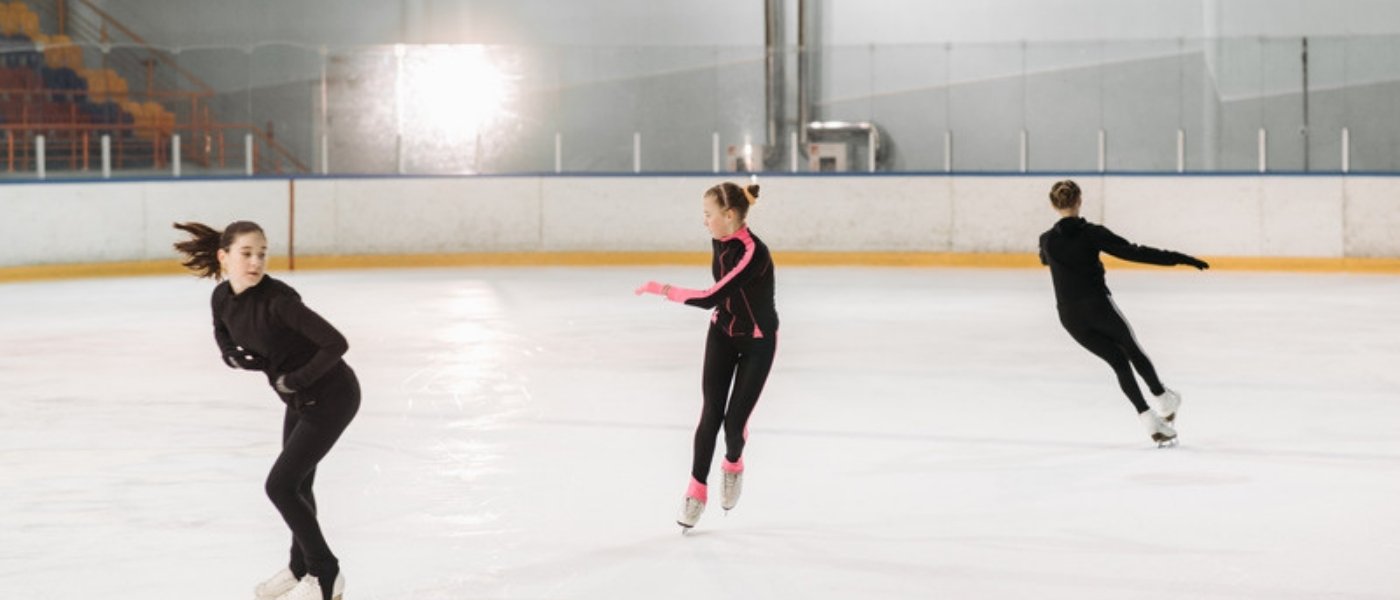
Young figure skaters training on an indoor rink with knees bent
Sports with deep knee bends and precise landings depend on good hip and knee control, a key focus of rehab for inner knee pain.

The goal is to teach the hip and thigh muscles to switch on at the right time so the knee stays well aligned during everyday movement. Your program may include:

  • Side-lying hip abduction and clamshells
  • Glute bridges, progressing to single-leg bridges
  • Mini squats in front of a mirror, keeping the knee in line with the second toe
  • Step-downs from a low step with good knee alignment
  • Single-leg balance, progressing to reaching and catching tasks

Gentle tendon loading

Isometric (holding) exercises, such as a gentle hamstring curl hold or an inner thigh squeeze against a ball, can be used early to load the tendons without flaring pain. These progress to slow, controlled movements over the following weeks.

Manual therapy with a purpose

Soft tissue work for tight hamstrings and inner thigh muscles, and joint mobilization for a stiff knee, hip, or ankle, may be used to restore movement so you can perform your exercises well. There are no high-quality trials of manual therapy for pes anserine problems specifically, so we use it alongside exercise, not instead of it.

Phase 3: Building Strength and Capacity (Weeks 4 to 10)

  • Hamstring strengthening: bridges with the feet further away, then hamstring curls and Romanian deadlifts
  • Quadriceps strengthening: sit-to-stands, split squats, and leg press, progressing load gradually
  • Inner thigh (adductor) strengthening: side-lying lifts, then Copenhagen plank progressions
  • Calf and foot strength: calf raises and short-foot exercises if foot control is part of the problem
  • Footwear or orthotic advice if your foot posture is adding to inner knee load

Phase 4: Return to Full Activity (Weeks 6 to 12+)

  • Graded return to running, adding distance before hills or speed
  • Court sport drills: lateral shuffles, split steps, and change-of-direction work with good knee control
  • Stair and hill tolerance for daily life and hiking
  • A long-term home program to keep your hips and thighs strong

Beyond Physiotherapy: Complementary Care for Pes Anserine Bursitis and Tendinopathy

Exercise and load management form the core of care. Some patients also benefit from other services at our clinic to ease pain and muscle tightness so they can stay consistent with rehab. Here is an honest summary of what the evidence does and does not show.

How Acupuncture and Dry Needling Can Help

Acupuncture and dry needling use fine needles to reduce pain and ease tight, tender muscles in the thigh and around the knee.

  • What the evidence shows: a review of 20 Chinese trials found acupuncture was widely used for pes anserine syndrome, but the review did not report clear effect sizes, so it does not tell us how well it works (Choi et al., 2021). For knee osteoarthritis, which often occurs alongside this problem, a major guideline conditionally recommends acupuncture (Kolasinski et al., 2020). We did not find trials of dry needling for this condition
  • Where it fits: as a short-term option to settle pain and hamstring or adductor tension while you strengthen
  • Safety: generally very safe. Minor bruising or soreness at needle sites is the most common side effect

How Massage Therapy Can Help

Registered massage therapy focuses on the hamstrings, inner thigh, and quadriceps.

  • What the evidence shows: we did not find trials of massage for pes anserine bursitis or tendinopathy. For knee osteoarthritis in general, a major guideline conditionally advises against relying on massage (Kolasinski et al., 2020)
  • Where it fits: as a comfort measure for tight surrounding muscles, alongside, never instead of, strengthening
  • Safety: very safe. Deep pressure directly on an inflamed bursa should be avoided

How Chiropractic and Joint Manipulation Can Help

Chiropractic care for the lower limb uses mobilization of the knee, hip, ankle, and sometimes the low back.

  • What the evidence shows: we did not find trials of chiropractic care for this condition. A Chinese review described "manipulation" techniques but did not report effect sizes (Choi et al., 2021), and for knee osteoarthritis, a major guideline conditionally advises against adding manual therapy to exercise (Kolasinski et al., 2020)
  • Where it fits: when stiffness in the hip, ankle, or low back is clearly changing how the knee is loaded, combined with exercise
  • Safety: generally safe; not appropriate over a suspected fracture, infection, or acutely swollen joint

Whichever combination you choose, these treatments share one purpose: settling symptoms so you can keep moving while the real fix, better hip and knee control and stronger tendons, takes hold.

When Are Injections or Other Treatments Considered?

Surgery is almost never needed for pes anserine problems. If pain does not settle with a good trial of exercise and load management, your physician may discuss other options:

  • Cortisone (corticosteroid) injection: in a trial of 180 people with chronic pes anserine bursitis, a cortisone injection improved pain and function more than platelet-rich plasma or shockwave therapy at 1 and 8 weeks (Gouda et al., 2023). Another trial found physiotherapy and cortisone injection gave similar results at 8 weeks (Sarifakioglu et al., 2016). Injections can be a useful way to calm pain so you can strengthen, but they do not address the underlying load problem
  • Shockwave therapy: in a small trial of 40 people with chronic pain that had not improved with other care, shockwave reduced pain more than a sham treatment at 3 and 8 weeks (Khosrawi et al., 2017). Another trial of 60 people found both shockwave and cortisone injection helped (Majidi et al., 2023)

These options work best as part of a plan that still includes strengthening and load management.

How Long Will It Take?

Recovery varies widely. A review described response to treatment ranging from about 10 days to 36 months (Helfenstein & Kuromoto, 2010). In the trials above, many people improved meaningfully within 3 to 8 weeks of treatment (Sarifakioglu et al., 2016; Khosrawi et al., 2017). In our experience, people who start early, keep active within comfortable limits, and stick with their strength program tend to do best. Those with significant knee osteoarthritis or diabetes may need a longer, steadier approach.

Prevention and Long-Term Management

  • Keep your hips strong: continue glute and hip exercises two or three times a week
  • Strengthen your thighs: quadriceps, hamstrings, and inner thigh muscles all support the knee
  • Build training gradually: avoid big jumps in running distance, hills, or court time
  • Watch your knee alignment: keep your knee over your second toe on stairs and squats
  • Look after your feet: supportive footwear, and orthotics if recommended
  • Manage body weight and blood sugar where relevant, since both affect knee health
  • Act early: if the inner knee starts to ache again, ease back and return to your exercises straight away

Frequently Asked Questions

Is pes anserine bursitis serious?

Usually not. It is a common overload problem that tends to respond well to conservative care. It is still worth getting assessed, since meniscus tears, MCL injuries, nerve irritation, and stress fractures can cause pain in a similar area.

How is it different from knee osteoarthritis?

Osteoarthritis pain is usually at the joint line, while pes anserine pain sits a few centimetres below it on the shin. The two often occur together. In one study, 1 in 5 painful osteoarthritic knees also had pes anserine bursitis on ultrasound (Uysal et al., 2015).

Should I stop running or playing pickleball?

Not necessarily. Many people can keep playing at a reduced level while they strengthen. We will help you find a level that keeps you active without flaring your knee.

Will a cortisone injection fix it?

An injection can reduce pain, and research suggests it works well in the short term (Gouda et al., 2023). Physiotherapy gave similar results to an injection in one trial (Sarifakioglu et al., 2016). Without addressing hip control, strength, and load, the pain may return, so we recommend combining any injection with a rehab plan.

Why is my physio working on my hip for knee pain?

The three pes anserine tendons start at the hip and pelvis. When the hip muscles are weak or slow to switch on, the knee often drifts inward, adding stress to the inner knee. Improving hip control is one of the most direct ways to reduce load at the painful spot.

Can acupuncture, massage, or chiropractic replace exercise?

No. These can help settle pain and muscle tightness in the short term, but strengthening and load management are what change how much stress reaches the inner knee.

Our Specialized Approach at Vaughan Physiotherapy Clinic

✓ Hip-to-foot assessment: we check how your hip, knee, and foot share load, not just where it hurts

✓ Accurate diagnosis: separating pes anserine problems from meniscus, MCL, nerve, and arthritis pain

✓ Motor control and strength: retraining hip and thigh muscles to protect the inner knee

✓ Practical short-term relief: taping, activity changes, and hands-on care to keep you moving

✓ Integrated care: physiotherapy, massage therapy, acupuncture, and chiropractic under one roof when they add value

✓ Safety first: screening for infection, blood clots, fractures, and other red flags, with physician referral when needed

Take the First Step Toward Pain-Free Stairs and Sport

Inner knee pain does not have to stop your runs, your games, or your daily walk. Our team at Vaughan Physiotherapy Clinic helps patients from Thornhill, Vaughan, North York, Richmond Hill, and surrounding communities get back to the activities they enjoy with evidence-based, hands-on care.

Book your assessment today:

📞 Phone: 905-669-1221

📍 Location: 398 Steeles Ave W #201, Thornhill, ON L4J 6X3

🌐 Online Booking: www.vaughanphysiotherapy.com

References

Choi HJ, Back HK, Kim YJ, Oh DY, Park CW, Namgoong J. A review of randomized controlled trials of pes anserinus tendinitis/bursitis syndrome in the China National Knowledge Infrastructure database. Journal of Acupuncture Research. 2021;38(4):284-292. doi:10.13045/jar.2021.00192

Gouda W, Abbas AS, Abdel-Aziz TM, et al. Comparing the efficacy of local corticosteroid injection, platelet-rich plasma, and extracorporeal shockwave therapy in the treatment of pes anserine bursitis: a prospective, randomized, comparative study. Advances in Orthopedics. 2023;2023:5545520. doi:10.1155/2023/5545520

Helfenstein M Jr, Kuromoto J. Anserine syndrome. Revista Brasileira de Reumatologia. 2010;50(3):313-327.

Homayouni K, Foruzi S, Kalhori F. Effects of kinesiotaping versus non-steroidal anti-inflammatory drugs and physical therapy for treatment of pes anserinus tendino-bursitis: a randomized comparative clinical trial. The Physician and Sportsmedicine. 2016;44(3):252-256. doi:10.1080/00913847.2016.1199251

Khosrawi S, Taheri P, Ketabi M. Investigating the effect of extracorporeal shock wave therapy on reducing chronic pain in patients with pes anserine bursitis: a randomized, clinical-controlled trial. Advanced Biomedical Research. 2017;6:70. doi:10.4103/2277-9175.190999

Kolasinski SL, Neogi T, Hochberg MC, et al. 2019 American College of Rheumatology/Arthritis Foundation guideline for the management of osteoarthritis of the hand, hip, and knee. Arthritis & Rheumatology. 2020;72(2):220-233. doi:10.1002/art.41142

Majidi L, Saeb F, Alaei B, Khateri S, Ezzati Amini E, Nikoo MR. Comparison of the effectiveness of local corticosteroid injection and extracorporeal shockwave therapy in patients with pes anserine bursitis: an open-label randomized clinical trial. Medical Journal of the Islamic Republic of Iran. 2023;37:69-76. doi:10.47176/mjiri.37.10

Sarifakioglu B, Afsar SI, Yalbuzdag SA, Ustaomer K, Bayramoglu M. Comparison of the efficacy of physical therapy and corticosteroid injection in the treatment of pes anserine tendino-bursitis. Journal of Physical Therapy Science. 2016;28(7):1993-1997. doi:10.1589/jpts.28.1993

Uysal F, Akbal A, Gokmen F, Adam G, Resorlu M. Prevalence of pes anserine bursitis in symptomatic osteoarthritis patients: an ultrasonographic prospective study. Clinical Rheumatology. 2015;34(3):529-533. doi:10.1007/s10067-014-2653-8

Disclaimer: This article is for educational purposes only and does not replace professional medical advice. Pain on the inside of the knee can have several causes, including meniscus and ligament injuries, arthritis, nerve irritation, stress fractures, infection, and blood clots. Always consult a qualified healthcare provider for diagnosis and treatment specific to your condition.

Team

Condition guide

Pes Anserine Bursitis and Tendinopathy (Inner Knee Pain Below the Joint)

Pes anserine bursitis and tendinopathy cause pain on the inner knee just below the joint, where three thigh tendons attach to the shin.

Two women celebrating on a pickleball court, a sport that often brings on inner knee painPes Anserine Bursitis and Tendinopathy (Inner Knee Pain Below the Joint)

Do you have a sore spot on the inside of your knee, just below the joint line? Does it ache when you climb stairs, get out of a chair, or roll over in bed with your knees touching? If so, you may be dealing with pes anserine bursitis or tendinopathy, a common but often overlooked cause of inner knee pain.

At Vaughan Physiotherapy Clinic, we see this problem in runners, pickleball and tennis players, and many adults who also have some knee osteoarthritis. Our goal is not just to calm the sore spot, but to find out why the inside of your knee is being overloaded, whether that starts at the hip, the knee itself, or the foot, and to give you a plan you can manage yourself.

Here is what pes anserine bursitis and tendinopathy are, how to recognize them, what else can cause pain in the same area, and what the research says about treatment.

What Is Pes Anserine Bursitis and Tendinopathy?

The pes anserinus (Latin for "goose's foot") is the spot on the inside of your upper shin, a few centimetres below the knee joint, where three tendons join together and attach to the bone. The three tendons come from:

  • Sartorius: a long, thin muscle that runs from the front of the hip across the thigh
  • Gracilis: one of the inner thigh (adductor) muscles
  • Semitendinosus: one of the hamstring muscles at the back of the thigh

Under these tendons sits a small, fluid-filled sac called the pes anserine bursa, which helps the tendons glide over the bone and the inner knee ligament (MCL).

When this area becomes painful, it may be the bursa that is irritated (bursitis), the tendons that are overloaded (tendinopathy), or both. Because it is often hard to tell exactly which structure is the source, even with imaging, some experts use the broader term anserine syndrome (Helfenstein & Kuromoto, 2010). In practice, the treatment approach is very similar, so this page covers both.

Who Gets It?

Good population data are limited (Helfenstein & Kuromoto, 2010), but research points to some clear patterns:

  • Knee osteoarthritis: in an ultrasound study of 85 people with painful knee osteoarthritis, about 1 in 5 knees (20 percent) showed pes anserine bursitis. It was more common in women, in older patients, and in knees with more advanced arthritis (Uysal et al., 2015)
  • Diabetes: a well-recognized risk factor (Helfenstein & Kuromoto, 2010)
  • Higher body weight may also play a role, although this is less well understood (Helfenstein & Kuromoto, 2010)
  • Active people: runners and court-sport players, especially after a sudden increase in training, hills, or lateral movement

People with knee osteoarthritis who also have pes anserine problems tend to report more pain and more difficulty with daily activities than people with osteoarthritis alone (Sarifakioglu et al., 2016). The good news is that this extra layer of pain is often very treatable.

Recognizing the Symptoms

  • Pain and tenderness on the inside of the knee, a few centimetres below the joint line, often in a spot you can cover with one or two fingertips
  • Pain climbing or going down stairs
  • Pain getting up from a low chair or out of the car
  • Night pain when lying on your side with your knees resting together
  • Stiffness or aching after sitting, which eases once you get moving, then returns with more activity
  • Sometimes mild, soft swelling over the tender spot

What Makes It Worse?

  • Stairs, hills, and squatting
  • Sudden increases in running distance, speed, or hill work
  • Repeated side-to-side or cutting movements in court sports
  • Knees drifting inward during squats, stairs, or landing, often linked to weak or poorly timed hip muscles
  • Flat or rolling-in feet, which can increase the inward pull on the inner knee. See our Flat Feet (Pes Planus) page
  • Tight hamstrings and inner thigh muscles, which increase tension on the tendons
  • Underlying knee osteoarthritis, which changes how the knee shares load

What Else Could It Be?

Several problems cause pain on the inside of the knee. The diagnosis of anserine syndrome is mainly clinical, and that makes careful assessment important (Helfenstein & Kuromoto, 2010):

  • Medial knee osteoarthritis: pain is usually at the joint line rather than below it, often with stiffness and grinding. The two often occur together. See our Knee Osteoarthritis page
  • Medial meniscus tear: pain at the joint line with twisting, catching, locking, or swelling
  • MCL sprain: usually follows a specific injury with the knee pushed inward. See our MCL Sprain Rehabilitation page
  • Saphenous nerve irritation: burning, tingling, or numbness on the inside of the knee or shin, rather than a tender tendon spot. See our Saphenous Nerve Entrapment page
  • Other bursitis around the knee: such as the bursae at the front of the kneecap. See our Patellar Bursitis page
  • Tibial stress fracture or a bone bruise, particularly in runners with pain that is very specific to the bone
  • Referred pain from the hip or low back

When to See a Doctor First

See your physician promptly, or go to urgent care, if you have:

  • A hot, red, swollen knee, especially with fever or feeling unwell, which can signal infection
  • Calf pain, swelling, and warmth in the same leg, which can be a sign of a blood clot
  • A knee that locks, gives way, or swells up quickly after an injury
  • A firm, growing lump on the inside of the knee, or pain at night that does not ease with position
  • Diabetes with a new, swollen, or warm area around the knee

Our physiotherapists screen for these signs at your first visit and will coordinate with your physician if imaging, blood work, or a referral is needed.

Why Physiotherapy Is Essential

Pes anserine pain is a load problem at a busy junction. Three muscles that cross both the hip and the knee all pull on the same small area of the shin, and anything that increases that pull, or the inward collapse of the knee, adds to the load. Rest and anti-inflammatory pills can quiet things for a while, but the pain often returns once you go back to stairs, hills, and sport.

Research on this condition is still growing, and most trials are small. What we do know is encouraging: in a trial of people with knee osteoarthritis and pes anserine tendino-bursitis, a course of physical therapy treatment improved pain and function as much as a cortisone injection at 8 weeks (Sarifakioglu et al., 2016). That trial tested physical therapy modalities rather than a specific exercise program, so it supports conservative care in general rather than one particular plan. For knee osteoarthritis, which is often present alongside this problem, major guidelines strongly recommend exercise, weight management where appropriate, and self-management programs (Kolasinski et al., 2020).

Physiotherapy addresses the main drivers:

  • The hip: weak or slow-to-activate hip muscles let the knee drift inward, increasing stress on the inner knee
  • The knee: quadriceps and hamstring strength, and how the knee handles stairs and squats
  • The foot: flat or rolling-in feet can add to the inward pull at the knee
  • The tendons themselves: gradually rebuilding their tolerance to load
  • Your activity: keeping you moving while the sore area settles, rather than stopping everything

Your Treatment Plan at Vaughan Physiotherapy Clinic

Phase 1: Assessment and Settling Pain (Weeks 1 to 2)

Your first visit focuses on confirming the source of the pain and finding what is driving it. A full assessment includes:

  • History: when the pain started, your training or daily activity, other health conditions such as diabetes or knee osteoarthritis
  • Hands-on examination: pinpointing the tender spot below the joint line and checking the joint line, MCL, and meniscus
  • Nerve screen: checking for saphenous nerve irritation if there is burning or tingling
  • Hip assessment: strength and control of the gluteal muscles, and hip mobility
  • Movement analysis: watching how your knee tracks during a squat, step-down, single-leg stance, and, for runners, during running
  • Foot and footwear review: arch posture, how the foot moves when you walk, and what your shoes are doing
  • Muscle length: hamstrings and inner thigh muscles

Ultrasound is not always needed, but it can confirm bursitis, and your physician may order it if the diagnosis is unclear (Uysal et al., 2015).

Early pain relief usually includes:

  • Load modification: temporarily reducing hills, stairs, deep squats, or court time, and swapping in easier options like flat walking, cycling, or swimming
  • Sleep positioning: a pillow between the knees if side-lying is painful
  • Taping: in one trial, kinesiotape reduced pain and swelling more than a combination of anti-inflammatory medication and physical therapy (Homayouni et al., 2016). It was a small trial, so we use taping as a short-term helper, not a cure
  • Ice or other modalities occasionally, to settle a very irritable area so you can start exercising

Phase 2: Restoring Control from the Hip Down (Weeks 2 to 6)

Hip and knee control

Young figure skaters training on an indoor rink with knees bent
Sports with deep knee bends and precise landings depend on good hip and knee control, a key focus of rehab for inner knee pain.

The goal is to teach the hip and thigh muscles to switch on at the right time so the knee stays well aligned during everyday movement. Your program may include:

  • Side-lying hip abduction and clamshells
  • Glute bridges, progressing to single-leg bridges
  • Mini squats in front of a mirror, keeping the knee in line with the second toe
  • Step-downs from a low step with good knee alignment
  • Single-leg balance, progressing to reaching and catching tasks

Gentle tendon loading

Isometric (holding) exercises, such as a gentle hamstring curl hold or an inner thigh squeeze against a ball, can be used early to load the tendons without flaring pain. These progress to slow, controlled movements over the following weeks.

Manual therapy with a purpose

Soft tissue work for tight hamstrings and inner thigh muscles, and joint mobilization for a stiff knee, hip, or ankle, may be used to restore movement so you can perform your exercises well. There are no high-quality trials of manual therapy for pes anserine problems specifically, so we use it alongside exercise, not instead of it.

Phase 3: Building Strength and Capacity (Weeks 4 to 10)

  • Hamstring strengthening: bridges with the feet further away, then hamstring curls and Romanian deadlifts
  • Quadriceps strengthening: sit-to-stands, split squats, and leg press, progressing load gradually
  • Inner thigh (adductor) strengthening: side-lying lifts, then Copenhagen plank progressions
  • Calf and foot strength: calf raises and short-foot exercises if foot control is part of the problem
  • Footwear or orthotic advice if your foot posture is adding to inner knee load

Phase 4: Return to Full Activity (Weeks 6 to 12+)

  • Graded return to running, adding distance before hills or speed
  • Court sport drills: lateral shuffles, split steps, and change-of-direction work with good knee control
  • Stair and hill tolerance for daily life and hiking
  • A long-term home program to keep your hips and thighs strong

Beyond Physiotherapy: Complementary Care for Pes Anserine Bursitis and Tendinopathy

Exercise and load management form the core of care. Some patients also benefit from other services at our clinic to ease pain and muscle tightness so they can stay consistent with rehab. Here is an honest summary of what the evidence does and does not show.

How Acupuncture and Dry Needling Can Help

Acupuncture and dry needling use fine needles to reduce pain and ease tight, tender muscles in the thigh and around the knee.

  • What the evidence shows: a review of 20 Chinese trials found acupuncture was widely used for pes anserine syndrome, but the review did not report clear effect sizes, so it does not tell us how well it works (Choi et al., 2021). For knee osteoarthritis, which often occurs alongside this problem, a major guideline conditionally recommends acupuncture (Kolasinski et al., 2020). We did not find trials of dry needling for this condition
  • Where it fits: as a short-term option to settle pain and hamstring or adductor tension while you strengthen
  • Safety: generally very safe. Minor bruising or soreness at needle sites is the most common side effect

How Massage Therapy Can Help

Registered massage therapy focuses on the hamstrings, inner thigh, and quadriceps.

  • What the evidence shows: we did not find trials of massage for pes anserine bursitis or tendinopathy. For knee osteoarthritis in general, a major guideline conditionally advises against relying on massage (Kolasinski et al., 2020)
  • Where it fits: as a comfort measure for tight surrounding muscles, alongside, never instead of, strengthening
  • Safety: very safe. Deep pressure directly on an inflamed bursa should be avoided

How Chiropractic and Joint Manipulation Can Help

Chiropractic care for the lower limb uses mobilization of the knee, hip, ankle, and sometimes the low back.

  • What the evidence shows: we did not find trials of chiropractic care for this condition. A Chinese review described "manipulation" techniques but did not report effect sizes (Choi et al., 2021), and for knee osteoarthritis, a major guideline conditionally advises against adding manual therapy to exercise (Kolasinski et al., 2020)
  • Where it fits: when stiffness in the hip, ankle, or low back is clearly changing how the knee is loaded, combined with exercise
  • Safety: generally safe; not appropriate over a suspected fracture, infection, or acutely swollen joint

Whichever combination you choose, these treatments share one purpose: settling symptoms so you can keep moving while the real fix, better hip and knee control and stronger tendons, takes hold.

When Are Injections or Other Treatments Considered?

Surgery is almost never needed for pes anserine problems. If pain does not settle with a good trial of exercise and load management, your physician may discuss other options:

  • Cortisone (corticosteroid) injection: in a trial of 180 people with chronic pes anserine bursitis, a cortisone injection improved pain and function more than platelet-rich plasma or shockwave therapy at 1 and 8 weeks (Gouda et al., 2023). Another trial found physiotherapy and cortisone injection gave similar results at 8 weeks (Sarifakioglu et al., 2016). Injections can be a useful way to calm pain so you can strengthen, but they do not address the underlying load problem
  • Shockwave therapy: in a small trial of 40 people with chronic pain that had not improved with other care, shockwave reduced pain more than a sham treatment at 3 and 8 weeks (Khosrawi et al., 2017). Another trial of 60 people found both shockwave and cortisone injection helped (Majidi et al., 2023)

These options work best as part of a plan that still includes strengthening and load management.

How Long Will It Take?

Recovery varies widely. A review described response to treatment ranging from about 10 days to 36 months (Helfenstein & Kuromoto, 2010). In the trials above, many people improved meaningfully within 3 to 8 weeks of treatment (Sarifakioglu et al., 2016; Khosrawi et al., 2017). In our experience, people who start early, keep active within comfortable limits, and stick with their strength program tend to do best. Those with significant knee osteoarthritis or diabetes may need a longer, steadier approach.

Prevention and Long-Term Management

  • Keep your hips strong: continue glute and hip exercises two or three times a week
  • Strengthen your thighs: quadriceps, hamstrings, and inner thigh muscles all support the knee
  • Build training gradually: avoid big jumps in running distance, hills, or court time
  • Watch your knee alignment: keep your knee over your second toe on stairs and squats
  • Look after your feet: supportive footwear, and orthotics if recommended
  • Manage body weight and blood sugar where relevant, since both affect knee health
  • Act early: if the inner knee starts to ache again, ease back and return to your exercises straight away

Frequently Asked Questions

Is pes anserine bursitis serious?

Usually not. It is a common overload problem that tends to respond well to conservative care. It is still worth getting assessed, since meniscus tears, MCL injuries, nerve irritation, and stress fractures can cause pain in a similar area.

How is it different from knee osteoarthritis?

Osteoarthritis pain is usually at the joint line, while pes anserine pain sits a few centimetres below it on the shin. The two often occur together. In one study, 1 in 5 painful osteoarthritic knees also had pes anserine bursitis on ultrasound (Uysal et al., 2015).

Should I stop running or playing pickleball?

Not necessarily. Many people can keep playing at a reduced level while they strengthen. We will help you find a level that keeps you active without flaring your knee.

Will a cortisone injection fix it?

An injection can reduce pain, and research suggests it works well in the short term (Gouda et al., 2023). Physiotherapy gave similar results to an injection in one trial (Sarifakioglu et al., 2016). Without addressing hip control, strength, and load, the pain may return, so we recommend combining any injection with a rehab plan.

Why is my physio working on my hip for knee pain?

The three pes anserine tendons start at the hip and pelvis. When the hip muscles are weak or slow to switch on, the knee often drifts inward, adding stress to the inner knee. Improving hip control is one of the most direct ways to reduce load at the painful spot.

Can acupuncture, massage, or chiropractic replace exercise?

No. These can help settle pain and muscle tightness in the short term, but strengthening and load management are what change how much stress reaches the inner knee.

Our Specialized Approach at Vaughan Physiotherapy Clinic

✓ Hip-to-foot assessment: we check how your hip, knee, and foot share load, not just where it hurts

✓ Accurate diagnosis: separating pes anserine problems from meniscus, MCL, nerve, and arthritis pain

✓ Motor control and strength: retraining hip and thigh muscles to protect the inner knee

✓ Practical short-term relief: taping, activity changes, and hands-on care to keep you moving

✓ Integrated care: physiotherapy, massage therapy, acupuncture, and chiropractic under one roof when they add value

✓ Safety first: screening for infection, blood clots, fractures, and other red flags, with physician referral when needed

Take the First Step Toward Pain-Free Stairs and Sport

Inner knee pain does not have to stop your runs, your games, or your daily walk. Our team at Vaughan Physiotherapy Clinic helps patients from Thornhill, Vaughan, North York, Richmond Hill, and surrounding communities get back to the activities they enjoy with evidence-based, hands-on care.

Book your assessment today:

📞 Phone: 905-669-1221

📍 Location: 398 Steeles Ave W #201, Thornhill, ON L4J 6X3

🌐 Online Booking: www.vaughanphysiotherapy.com

References

Choi HJ, Back HK, Kim YJ, Oh DY, Park CW, Namgoong J. A review of randomized controlled trials of pes anserinus tendinitis/bursitis syndrome in the China National Knowledge Infrastructure database. Journal of Acupuncture Research. 2021;38(4):284-292. doi:10.13045/jar.2021.00192

Gouda W, Abbas AS, Abdel-Aziz TM, et al. Comparing the efficacy of local corticosteroid injection, platelet-rich plasma, and extracorporeal shockwave therapy in the treatment of pes anserine bursitis: a prospective, randomized, comparative study. Advances in Orthopedics. 2023;2023:5545520. doi:10.1155/2023/5545520

Helfenstein M Jr, Kuromoto J. Anserine syndrome. Revista Brasileira de Reumatologia. 2010;50(3):313-327.

Homayouni K, Foruzi S, Kalhori F. Effects of kinesiotaping versus non-steroidal anti-inflammatory drugs and physical therapy for treatment of pes anserinus tendino-bursitis: a randomized comparative clinical trial. The Physician and Sportsmedicine. 2016;44(3):252-256. doi:10.1080/00913847.2016.1199251

Khosrawi S, Taheri P, Ketabi M. Investigating the effect of extracorporeal shock wave therapy on reducing chronic pain in patients with pes anserine bursitis: a randomized, clinical-controlled trial. Advanced Biomedical Research. 2017;6:70. doi:10.4103/2277-9175.190999

Kolasinski SL, Neogi T, Hochberg MC, et al. 2019 American College of Rheumatology/Arthritis Foundation guideline for the management of osteoarthritis of the hand, hip, and knee. Arthritis & Rheumatology. 2020;72(2):220-233. doi:10.1002/art.41142

Majidi L, Saeb F, Alaei B, Khateri S, Ezzati Amini E, Nikoo MR. Comparison of the effectiveness of local corticosteroid injection and extracorporeal shockwave therapy in patients with pes anserine bursitis: an open-label randomized clinical trial. Medical Journal of the Islamic Republic of Iran. 2023;37:69-76. doi:10.47176/mjiri.37.10

Sarifakioglu B, Afsar SI, Yalbuzdag SA, Ustaomer K, Bayramoglu M. Comparison of the efficacy of physical therapy and corticosteroid injection in the treatment of pes anserine tendino-bursitis. Journal of Physical Therapy Science. 2016;28(7):1993-1997. doi:10.1589/jpts.28.1993

Uysal F, Akbal A, Gokmen F, Adam G, Resorlu M. Prevalence of pes anserine bursitis in symptomatic osteoarthritis patients: an ultrasonographic prospective study. Clinical Rheumatology. 2015;34(3):529-533. doi:10.1007/s10067-014-2653-8

Disclaimer: This article is for educational purposes only and does not replace professional medical advice. Pain on the inside of the knee can have several causes, including meniscus and ligament injuries, arthritis, nerve irritation, stress fractures, infection, and blood clots. Always consult a qualified healthcare provider for diagnosis and treatment specific to your condition.

How it works

Getting started.

  1. 01

    No referral needed

    You can book directly. Some benefit plans ask for a doctor's note, so check yours before your visit.

  2. 02

    Your first assessment, 45 minutes

    Your history, movement testing, a clear diagnosis and a plan you understand.

  3. 03

    Follow-up sessions

    Hands-on care and exercise, progressed each visit.

  4. 04

    Not the right fit? Second opinion on us

    If you're not satisfied with your initial assessment, a second assessment with another therapist is complimentary.

Who treats this

Clinicians who treat this.

Tap a profile for credentials and booking.

Not sure this is what you have?

One of our therapists can check what is going on and build a plan around what they find. Book online, or call us at 905-669-1221.